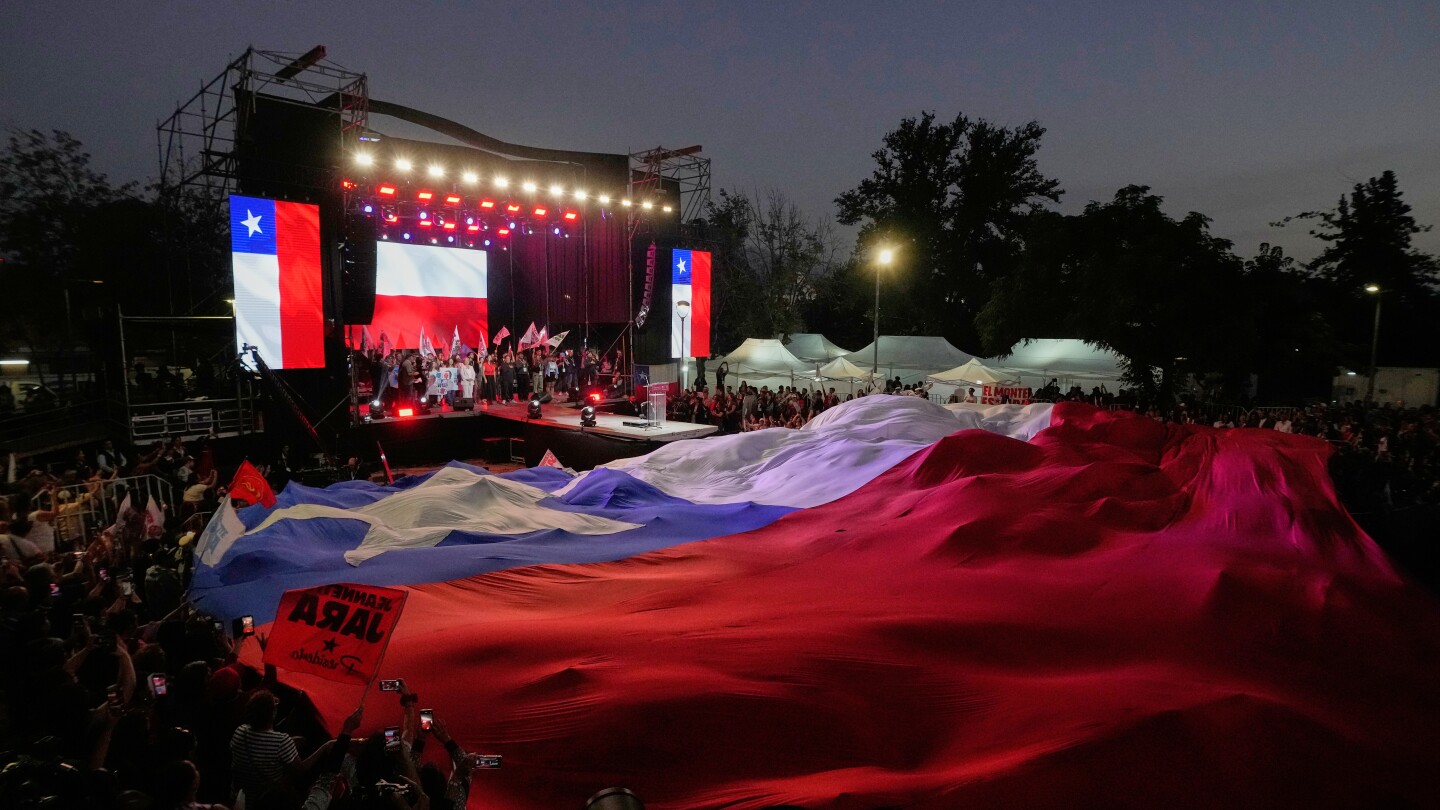
SANTIAGO, Chile — Chile stands at a political crossroads as voters prepare to elect their next president in a runoff election that pits two ideological extremes against each other. The Sunday vote features José Antonio Kast, a 59-year-old former lawmaker representing the most right-wing platform since Chile’s military dictatorship, against Jeannette Jara, a 51-year-old communist candidate who would become the most left-wing president since the country’s return to democracy in 1990.
The election reveals a nation deeply divided in its perception of reality. Many Chileans describe their country as descending into disaster, citing surging crime rates attributed to Venezuelan gangs crossing porous borders, unprecedented kidnappings, contract killings, and economic stagnation in what was once considered one of Latin America’s safest nations. These voters see Kast as the solution to restore stability and security.
Conversely, other Chileans point to significant social progress including a shorter workweek, higher minimum wage, improved pension systems, and a declining homicide rate according to official figures. They view Jara as the necessary bulwark against far-right populism sweeping across the globe.
Kast’s campaign has gained momentum by focusing on security concerns and immigration, promising mass deportations of an estimated 337,000 migrants without legal status—mostly Venezuelans. He has drawn inspiration from Trump’s immigration policies, Bukele’s crime-fighting tactics in El Salvador, and Milei’s libertarian economic approach in Argentina, proposing to slash $6 billion in public spending within 18 months.
Jara, despite her record as labor minister implementing significant welfare measures and her humble origins, faces substantial challenges. Her communist affiliation frightens moderate voters despite her proposals promoting foreign investment and fiscal restraint. She represents a government with only 30% approval rating in a country that has voted out incumbent leaders in every election since 2005.
Political analysts consider Kast the likely victor after right-leaning parties secured 70% of votes in the first round. The outcome will determine whether Chile joins the regional trend of right-wing ascendance or maintains its left-leaning trajectory that began with current President Gabriel Boric’s victory four years ago.