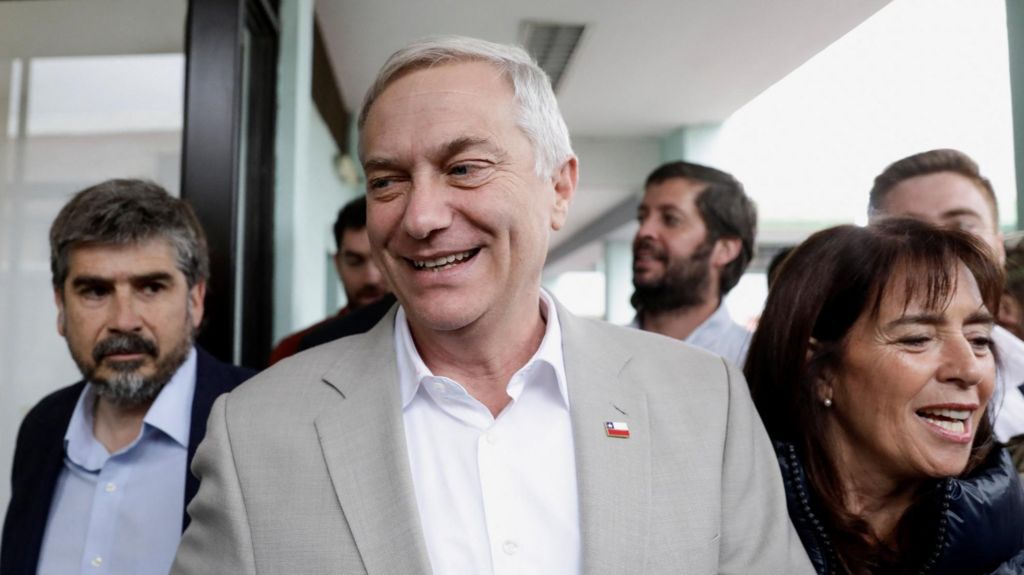
Chile has embarked on a profound political transformation with the election of far-right candidate José Antonio Kast as its next president. Securing a commanding 58% of the vote in his third presidential bid, Kast’s victory represents the most significant rightward shift in Chilean politics since the end of Augusto Pinochet’s military dictatorship in 1990.
The election campaign centered overwhelmingly on issues of national security, immigration control, and crime prevention. Kast successfully portrayed Chile as a nation descending into chaos, pledging to restore order through stringent measures including sharp spending cuts, construction of border fortifications along Peru and Bolivia frontiers, maximum-security prisons, and mass deportations of irregular migrants.
His triumph over left-wing coalition candidate Jeannette Jara from the Communist Party sparked jubilant celebrations among supporters in Santiago, where crowds draped in Chilean flags chanted slogans and celebrated the outcome. Many voters expressed hope that Kast would fulfill his promises to enhance national security and patriotism.
The election results reflect growing voter concerns about immigration and organized crime, despite Chile maintaining its status as one of South America’s safest and most stable nations. Critics argue Kast exaggerated security threats, noting that murder rates are actually declining and studies indicate immigrants commit fewer crimes on average.
Kast’s political ideology shows strong parallels with former U.S. President Donald Trump, whose ‘Make America Great Again’ slogan inspired similar campaign merchandise in Chile. His victory aligns with a broader regional trend toward right-wing leadership in Latin America, following similar shifts in Argentina, Ecuador, Costa Rica, and El Salvador.
The president-elect’s background has raised concerns among opponents who fear a return to Chile’s authoritarian past. Kast has openly praised former dictator Pinochet, whose regime was marked by severe human rights abuses. His brother served as a minister during the dictatorship, and his father was a member of the Nazi party.
Investors are expected to welcome Kast’s victory due to his commitment to free-market economics, state reduction, and industry deregulation. However, his staunch opposition to abortion—even in cases of rape—and environmental protection policies have drawn criticism from progressive groups.
Kast is scheduled to be inaugurated on March 11, 2026, having repeatedly warned undocumented immigrants during campaign rallies to depart before that date if they wish to maintain future return options.