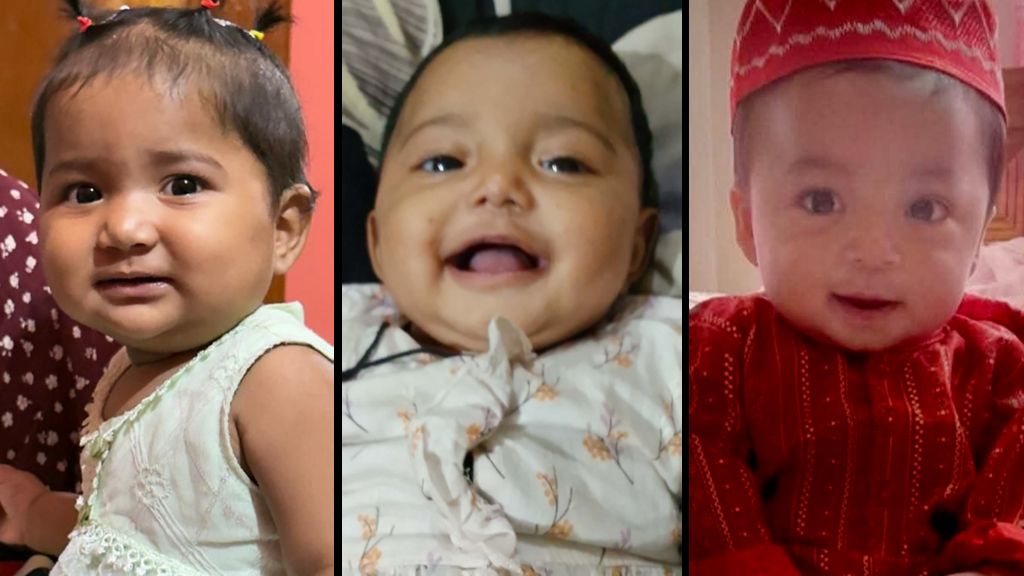
A preventable public health catastrophe has unfolded across Bangladesh over the past four months, leaving nearly 750 people – the vast majority of them young children – dead from measles, a highly contagious viral disease that was once nearly eliminated in the country. Frontline clinicians who have spent decades treating pediatric illnesses say they have never witnessed an outbreak of this scale, as overwhelmed hospitals stretch far beyond their capacity to care for the sick.
Just a few months ago, Bangladesh stood as a public health success story. Before March 2026, the World Health Organization confirmed the country had made substantial progress toward full measles elimination, with national vaccination rates holding steady above 90% for years. That hard-won progress has dissolved almost overnight, following a cascade of political and public health disruptions that created what UNICEF officials describe as a “perfect storm” for a major outbreak.
Official government data records nearly 750 confirmed and suspected measles deaths since mid-March, but UNICEF warns the true mortality toll is almost certainly higher. Systemic strains on the country’s overburdened health system, limited access to rural communities, and challenges with rapid data collection during a sudden surge have left many cases uncounted. On the ground at Mymensingh’s Medical College Hospital, the crisis is impossible to miss: the facility’s 32-room measles ward is holding nearly 130 patients, more than double its intended capacity. Dozens of families are forced to rest on blankets spread across hallways, with only the most critically ill patients able to secure a scarce hospital bed.
Four-month-old Arafat was one of those severe cases. The infant required oxygen support, but his small frame could not hold the tubes securely, forcing clinicians to bandage and tape them in place. His parents traveled 10 hours across the country to reach the specialized hospital, after Arafat developed pneumonia and heart failure – common life-threatening complications of measles. By the time they arrived, Arafat was unresponsive, and his father vomited and fainted from stress during the grueling ambulance journey. The family had already exhausted their small savings on care, and were forced to borrow money from neighbors to cover treatment costs. Days after reporters visited the ward, Arafat died, becoming one of hundreds of children claimed by the outbreak. “I spent all my money, took loans, and tried my best to save my son. But everything is gone now,” his father Mohammad Alam Mia told reporters through tears.
Arafat is far from alone. Official counts put total confirmed and suspected measles cases across Bangladesh at more than 120,000 since the surge began in mid-March, with the country still recording roughly 1,000 new suspected cases each day. For clinicians like pediatrician Dr Mohammed Golam Mawla, the crisis is deeply confusing: measles is easily prevented by highly effective vaccines, and the disease was fully under control in Bangladesh for years. “Why did this suddenly happen?” he asks.
Miguel Mateos Muñoz, UNICEF’s Bangladesh spokesperson, says the outbreak stems from a confluence of overlapping factors. Political upheaval in 2024, when widespread student-led protests ousted long-time authoritarian Prime Minister Sheikh Hasina, led to a major restructuring of public health procurement under the interim government led by Muhammad Yunus. UNICEF alleges the interim administration delayed routine measles vaccine orders while it explored new vendors and restructured how vaccine purchases were financed, despite repeated warnings from the agency that gaps could emerge. The current government, led by Prime Minister Tarique Rahman, confirms it inherited a significant vaccine shortage when it took office. Yunus declined interview requests, but his former top health ministry official denies any shortage, arguing that while UNICEF raised general concerns, there was no specific warning of an imminent large-scale measles outbreak. He added that UN and other international experts supported the competitive procurement process as a way to generate long-term cost savings for the country.
Beyond procurement delays, Muñoz points to lingering impacts of the COVID-19 pandemic, which disrupted routine childhood vaccination schedules globally. Bangladesh has also not held a national mass measles-rubella vaccination campaign since 2020, and widespread population overcrowding combined with mass travel during the Eid holiday created ideal conditions for the airborne virus to spread rapidly.
Bangladesh is not an isolated case. This year, the United Kingdom lost its official measles elimination status after a steady rise in cases, and the United States has also seen consistent growth in infections over recent years. In both countries, vaccination rates for children under five fall below the 95% threshold required to maintain herd immunity, allowing the virus to gain a foothold.
The human cost of vaccine gaps is devastating for families across Bangladesh. Three hours outside the capital Dhaka, Mosammat Nila Akhter and her husband tried to get a measles vaccine for their 10-month-old daughter Maliha in February, but were told the clinic had no doses left. By late March, as the outbreak spread, Maliha developed pneumonia. When she was readmitted to hospital after a rash developed, there were no beds available. The family waited three hours at a second facility for a bed to open up, where Akhter says children with and without measles were forced to share overcrowded wards. Maliha’s fever would not break despite constant care, and when she needed an ICU bed, none could be found. The family traveled for hours in an ambulance looking for an available bed, as their daughter struggled to breathe. Three days after being admitted, Maliha died. “Who to blame?” Akhter asks through tears. “Should I blame the government because my child did not get the vaccine?”
In response to the crisis, the Bangladeshi government and UNICEF launched an emergency mass vaccination campaign in high-risk regions in April, and have already inoculated more than 18.4 million children. Officials say reported cases and deaths have slowed from their peak, but the outbreak remains far from over. Health Minister Sardar Sakhawat Hossain acknowledges the strain on the health system, but argues that the current pressures are manageable given Bangladesh’s population of more than 170 million. “The accommodation facilities are comparatively low, but we have managed,” he says.
Public health experts disagree. Mushtuq Husain, a leading Bangladeshi public health specialist, says the government has refused to acknowledge that the event is not a contained outbreak but a full-blown epidemic. He calls the official figures “the tip of the iceberg,” warning that many uncounted cases and deaths remain undetected in rural communities. UNICEF’s Muñoz echoes that assessment, noting that the work to contain the outbreak is far from finished. “It is still a grave situation,” Husain says. “It is unacceptable that every day children are dying, and thousands of people are being infected.” Public health experts globally warn that Bangladesh’s outbreak serves as a stark warning of how quickly years of progress in eliminating vaccine-preventable diseases can unravel when routine immunization coverage is interrupted.