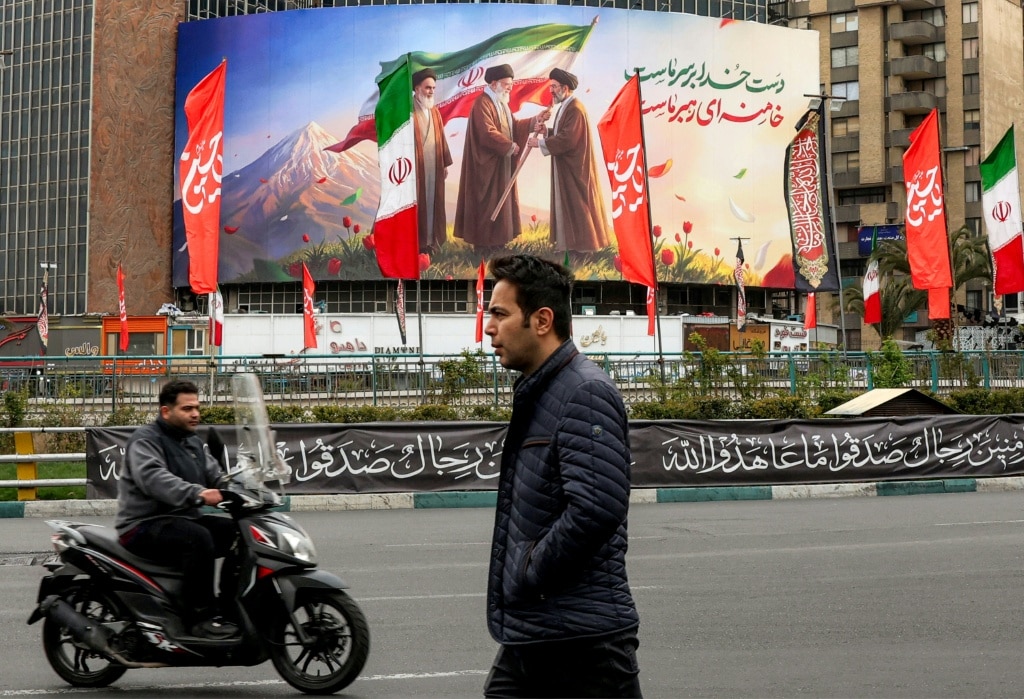
Amidst the reverberations of conflict, a Tehran resident in her thirties provides a harrowing firsthand account of daily existence in Iran’s capital. Speaking under condition of anonymity for security reasons, she describes a city caught between fragile hope and pervasive fear.
The economic landscape has deteriorated severely, with many professionals like herself facing complete work stoppages and surviving on dwindling savings. While initial waves of evacuation occurred among those living near strategic targets, migration has slowed due to financial constraints and ambiguous security assurances. Basic commerce continues surprisingly, though rationing has intensified with gasoline limits reduced from 30 to as low as 5 liters per person at some stations.
Security infrastructure has collapsed dramatically, with even minor police stations shuttered and military bases extensively damaged. The regime’s presence now manifests primarily through proliferating checkpoints where authorities reportedly search phones for derogatory content about leadership. Nightly pro-regime motorcades of approximately 50 vehicles circulate through streets chanting religious slogans, creating a surreal contrast to the widespread destruction.
The physical impact of aerial assaults emerges through visceral accounts: a friend’s mother residing opposite Gisha’s Public Security Police station had windows completely blown out, while the Niloufar Square police station bombardment was so catastrophic it physically expanded the square’s dimensions. A local shopkeeper salvaged merely few boxes from obliterated premises.
Emotionally, residents oscillate between desperation and determination. The night rumors spread of Khamenei’s death, rooftop celebrations erupted until security forces responded with random aerial and window-directed gunfire. Many citizens now believe foreign intervention represents the only viable path to regime change, rejecting ceasefire appeals in favor of persistent conflict.
Sleep patterns vary dramatically across Tehran’s vast expanse. While some areas experience relative quiet, residents near strategic targets like Mehrabad airport spend nights huddled in bathrooms fearing structural collapse, with many resorting to sedatives to manage trauma-induced insomnia.