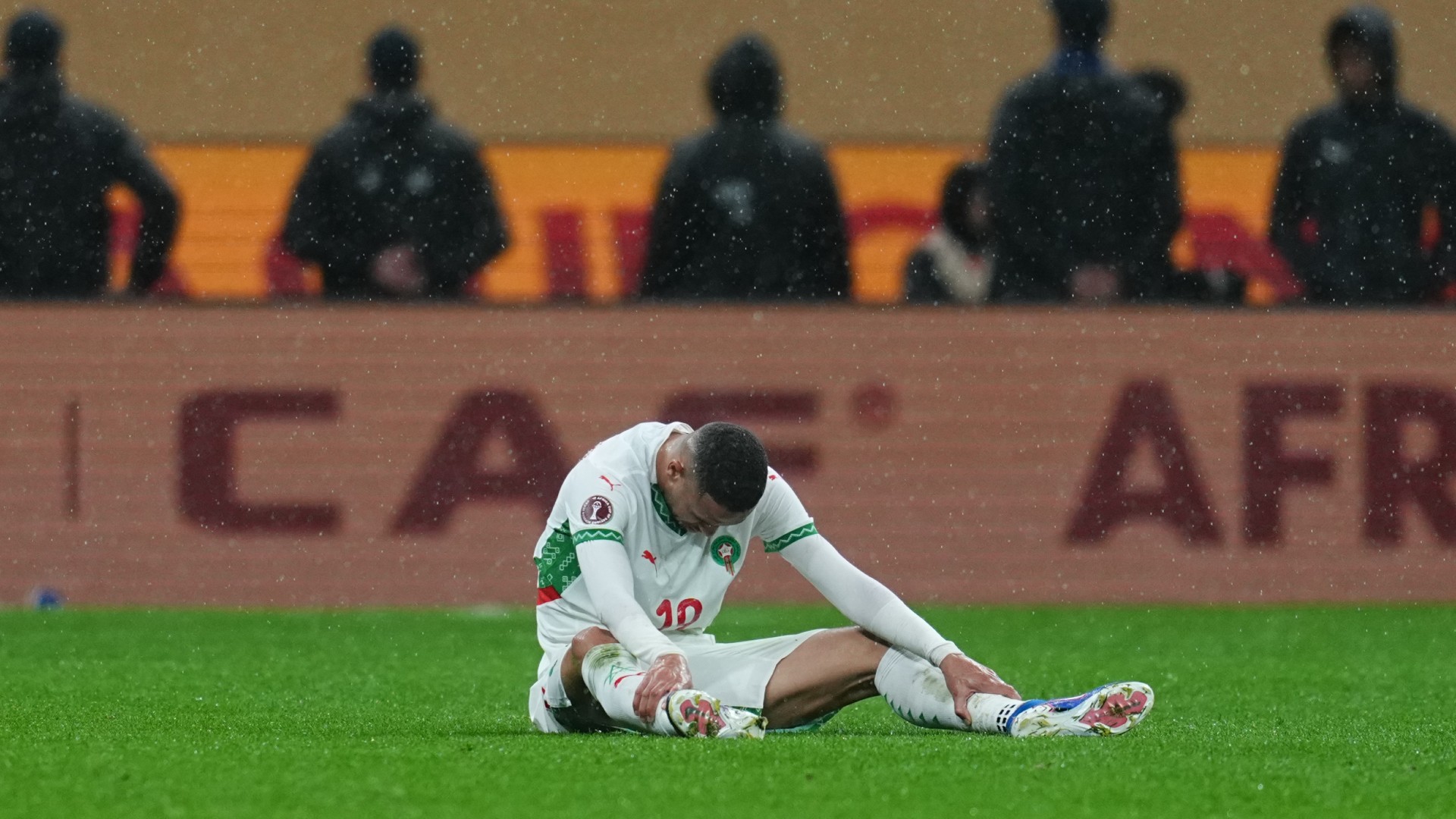
While Morocco captivated global attention hosting the African Cup of Nations tournament, a potent protest movement dubbed GenZ 212 highlighted the nation’s stark domestic tensions. The demonstrations, which swept across dozens of cities between September and December 2025, were initially sparked by public outrage over the deaths of eight women from botched caesarean sections at a public hospital in Agadir. This tragedy galvanized a youth-led movement demanding urgent reforms to Morocco’s chronically underfunded healthcare and education systems, alongside calls to address systemic corruption and enhance political rights.
The government response was severe. Security forces shot and killed at least three protesters, while over 2,400 individuals were arrested during the unrest. Hundreds remain in custody, with many reporting brutal beatings and dire detention conditions. Omar, a relative of one detainee who spoke under pseudonym for security reasons, described overcrowded cells designed for ten people holding forty, where diseases spread rapidly.
The timing of the protests created a striking contrast with Morocco’s ambitious sporting ambitions. As the government prepared to co-host the 2030 World Cup, investing $1.4 billion in new stadiums including plans for the world’s largest arena in Casablanca, protesters adopted a powerful chant: “The stadiums are here, but where are the hospitals?” This slogan encapsulated their critique of the state’s misplaced priorities.
During the Afcon tournament, authorities implemented overwhelming security measures. Public spaces felt heavily monitored, gatherings were deemed suspicious by default, and political expression became significantly riskier. International attendees encountered stringent checks, including biometric passport registration on an app developed by a relative of the king’s closest aide.
According to Jonathan Hill, director of the Institute of Middle Eastern Studies at King’s College London, hosting such mega-events forms part of Morocco’s strategy to gain international recognition and demonstrate economic strength. However, GenZ 212 members describe this as more than mere ‘sportswashing’—characterizing it as comprehensive propaganda masking systemic failures.
Beneath the spectacle of sporting achievement lies a nation of profound inequality. The World Inequality Database indicates Morocco’s top 1 percent earn a similar proportion of national income as the bottom 50 percent. With hundreds still detained and sentences of up to 15 years being handed down for protest-related charges, analysts predict further social unrest is inevitable given the structural limits of Moroccan democracy.
The movement maintains significant organizational capacity, with over 180,000 users on its Discord server continuing discussions. As one activist noted, the current calm represents not acceptance but ‘enforced calm through violence’—a temporary condition that cannot permanently suppress an educated, connected generation aware of the system’s repressive nature.