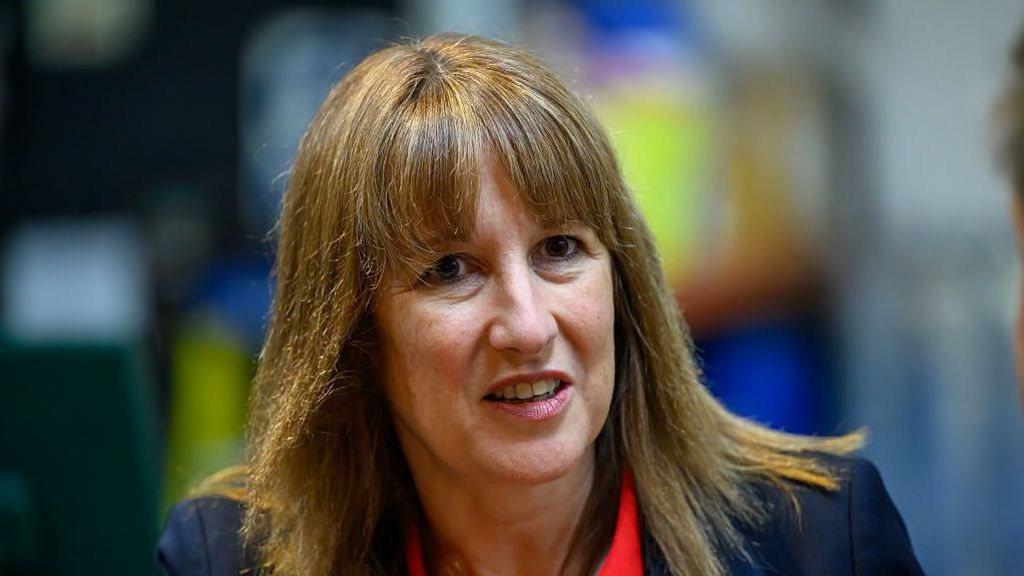
In a significant address to the International Monetary Fund (IMF), UK Chancellor Rachel Reeves emphasized the enduring economic repercussions of the 2020 Brexit deal. Speaking at a high-profile international economic committee, Reeves highlighted the UK’s productivity challenges, which she attributed to the manner of the country’s departure from the European Union. She referenced the Office for Budget Responsibility’s (OBR) estimate of a 4% long-term economic decline compared to remaining in the EU, underscoring the UK’s commitment to forging stronger trade relationships to mitigate these effects. This marks a notable shift in the Labour Party’s stance, which had previously been cautious in discussing Brexit’s economic downsides. However, recent developments indicate a more assertive approach, with ministers increasingly vocal about the issue. The Chancellor’s remarks at the IMF, attended by global finance leaders from the G7, China, India, the EU, and European Central Banks, signal a significant change in domestic policy emphasis. This is expected to play a pivotal role in the government’s arguments leading up to the Budget announcement on November 26, where new measures, likely including tax increases, will be necessitated by a downgrade in long-term UK productivity. The OBR is anticipated to provide a detailed explanation for this downgrade in its upcoming forecast, with Brexit expected to be a key factor. Economists have pointed to reduced investment and underperformance in goods trade post-referendum, though some note resilience in services trade and new global trade opportunities. The issue remains sensitive as the government finalizes negotiating positions for a Brexit ‘reset,’ including reducing post-Brexit checks on food and farm trade and supporting UK manufacturers in accessing Europe’s growing defense budgets. European ministers have called for ambitious talks to alleviate the impact of global trade wars. Reeves, who announced £40bn in annual tax rises in her first Budget last November, now faces the prospect of further public finance adjustments. The Conservatives have proposed significant public spending cuts if they win the next election, creating a clear policy divide.