Diplomatic efforts to salvage a fragile US-Iran ceasefire were thrown into chaos on Wednesday, after a series of escalating events threatened to derail talks scheduled for this weekend in Islamabad. Just 24 hours after Pakistani-mediated negotiators announced the preliminary two-week truce, deadly Israeli airstrikes in Lebanon, an unclaimed attack on an Iranian energy facility on Lavan Island, and conflicting public statements from all sides left the agreement on the brink of collapse.
The crisis began when Israel launched its most punishing wave of air raids on Lebanon since the broader regional conflict began, killing more than 250 people and wounding over 700, according to Lebanon’s state civil defense service. Shortly after the airstrikes, an unclaimed strike hit Iran’s oil refinery on Lavan Island, prompting Tehran to respond by launching dozens of drones and missiles targeting the United Arab Emirates, Kuwait, Qatar and Saudi Arabia. Iran subsequently announced it had closed all vessel traffic through the Strait of Hormuz, the critical chokepoint through which roughly 20% of the world’s global oil supplies pass.
Adding to the mounting diplomatic tensions, key Arab Gulf states have openly pushed back against the preliminary truce terms, which Tehran says codifies its long-held control over the strait. For Gulf nations including Bahrain, Kuwait and the UAE, the waterway is the sole export route for their energy sectors – even Saudi Arabia, which maintains a Red Sea pipeline that allows it to bypass Hormuz, views Iranian control of the strait as an existential strategic threat. The UAE, which has grown increasingly aligned with Israel during the current conflict, has already demanded clarification on the ceasefire terms, and insisted any final agreement must include Iran paying damages and reparations to Gulf states. Tehran has simultaneously demanded its own reparations and the full lifting of international sanctions in any final deal.
Public missteps by the Trump administration have further fueled Gulf skepticism. In an interview with ABC News, President Donald Trump suggested he was open to a joint US-Iran venture to collect tolls from commercial vessels passing through the strait, a comment that stoked fears among Gulf leaders that Washington would negotiate the waterway’s future without consulting their governments. White House Press Secretary Karoline Leavitt later walked back the president’s comment, clarifying that the US policy remains to keep the strait open to traffic without any restrictions. The White House also pushed back on Iran’s announcement of a closure, claiming there had actually been an uptick in vessel traffic through the waterway – a claim directly contradicted by public vessel tracking data.
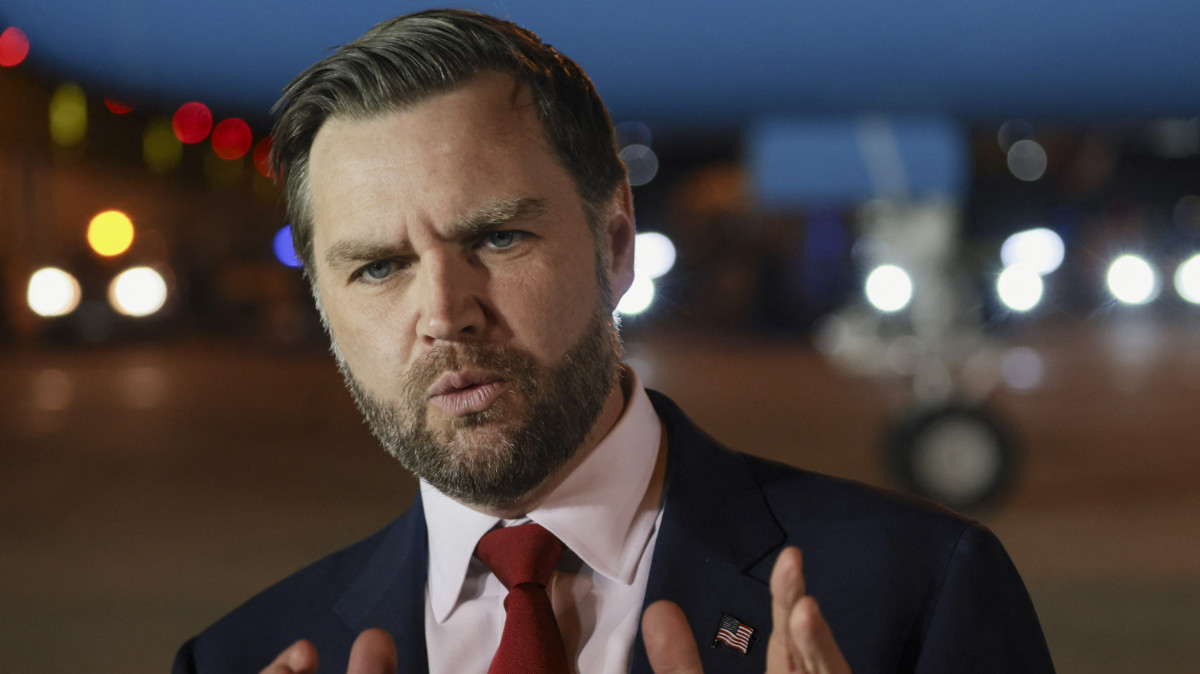
The most serious rift between the two sides has emerged over the scope of the ceasefire itself, particularly over the inclusion of fighting in Lebanon. US Vice President JD Vance, speaking to reporters during an official trip to Hungary, claimed the truce had never included a ceasefire in Lebanon, framing the disagreement as a “legitimate misunderstanding” between the two sides. He added that Israel had already agreed to moderate its strikes in the country to support ongoing diplomatic efforts. However, the original ceasefire announcement, posted to social media by Pakistani Prime Minister Shehbaz Sharif and tagged to Trump and his senior administration officials, explicitly states that Iran and the US “along with their allies, have agreed to an immediate ceasefire everywhere, including Lebanon and elsewhere”.
Beyond the immediate fighting in Lebanon, analysts warn the core sticking point that could completely derail upcoming talks is Iran’s demand to maintain its right to uranium enrichment. Randa Slim, a distinguished fellow in the Middle East program at the Stimson Center, noted that while Tehran has publicly emphasized its solidarity with Lebanese Hezbollah, the group is unlikely to be the issue that collapses negotiations. “Iran is not going to ‘go to the mat’ for Hezbollah, despite paying lip service to this. The real deal breaker for Iran is the ban on uranium enrichment. That is a red line,” Slim explained to Middle East Eye.
Enrichment rights are one of 10 core demands Iran has laid out for a lasting peace agreement. On Tuesday, Trump initially acknowledged the 10-point framework provided a “workable basis on which to negotiate” in a social media post, but within hours he reversed course, publicly ruling out any enrichment activity. “There will be no enrichment of Uranium, and the United States will, working with Iran, dig up and remove all of the deeply buried (B-2 Bombers) Nuclear ‘Dust,’” Trump wrote, referencing the US’s June 2025 pre-emptive strikes on Iranian nuclear sites.
Iranian Parliament Speaker Bagher Ghalibaf listed Trump’s reversal on enrichment, the Israeli strikes in Lebanon, and the Lavan Island attack as three clear violations of the preliminary ceasefire agreement, arguing that the upcoming negotiations have already been undermined before they even begin. “The very ‘workable basis on which to negotiate’ has been openly and clearly violated, even before the negotiations began,” Ghalibaf wrote in an official three-point statement Wednesday.
Despite the breach, Vance argued that Iran’s demand for enrichment rights does not inherently conflict with US objectives, using an offhand analogy to downplay the disagreement. “Ghalibaf said, ‘We refuse to give up the right to enrichment’. And I thought to myself: ‘my wife has the right to skydive, but she doesn’t jump out of an aeroplane because she and I have an agreement that she’s not going to do that,’” Vance told reporters. Analysts caution that even with the escalating violence and broken commitments, both sides still have incentives to move forward with Saturday’s scheduled talks in Islamabad. Slim noted that calling the current arrangement a ceasefire is already a generous assessment, but that both parties will likely find a way to frame ongoing violence as compatible with negotiations. “The ceasefire is not holding. The question is whether the meeting between the Iranians and Americans can still talk as the guns are firing. Both sides can come up with a spin on why they should talk,” Slim said.