分类: world

  • UAE citizens travelling to Georgia must have health, accident insurance under new rule

    UAE citizens travelling to Georgia must have health, accident insurance under new rule

    Beginning January 1, 2026, Emirati citizens planning travel to Georgia must obtain both health and accident insurance coverage that meets specific regulatory requirements. The UAE Ministry of Foreign Affairs (Mofa) has instituted this new mandate, which will apply to all citizens departing for Georgia on or after the effective date.

    The insurance documentation must satisfy three critical criteria: Policies must remain valid throughout the entire duration of stay, be issued in either English or Georgian languages, and provide coverage of no less than 30,000 Georgian Lari. The regulations permit policies from reputable international insurance providers, Georgian insurance companies, or coverage obtained through airline carriers.

    Notably, the requirement exempts holders of diplomatic, special, and mission passports from this insurance mandate. This regulatory change emerges as the UAE maintains its position as holder of the world’s most powerful passport for the seventh consecutive year according to the 2025 Passport Index by Arton Capital. The insurance requirement underscores the growing importance of comprehensive travel protection even for citizens of nations with strong international mobility privileges.

  • From Sudan to Yemen and Gaza, Middle East wars top the list of conflicts to watch in 2026, report says

    From Sudan to Yemen and Gaza, Middle East wars top the list of conflicts to watch in 2026, report says

    A comprehensive analysis by the International Crisis Group projects that global conflict levels will remain persistently high through 2026, with diplomatic solutions proving increasingly elusive across multiple critical regions. The organization’s annual ‘Conflicts to Watch’ report identifies ten major hotspots where peacemaking efforts range from tenuous to completely ineffective, with Middle Eastern nations featuring prominently on the list.

    The assessment presents a sobering evaluation of the current international security landscape, noting that traditional conflict resolution mechanisms have been substantially undermined by unconventional approaches to diplomacy. While acknowledging President Trump’s willingness to engage in unorthodox peacemaking attempts—including dialogue with leaders previously designated as terrorists—the report concludes these efforts have largely failed to mitigate global tensions and in some instances have exacerbated existing conflicts.

    Evidence of this escalation includes military actions in the Caribbean that resulted in significant civilian casualties, demonstrating a departure from previously stated diplomatic intentions. The report characterizes this approach as having fundamentally transformed international crisis management, potentially normalizing military force as an acceptable tool for powerful nations to achieve political objectives.

    In specific conflict analysis, the report details how initial progress toward a Gaza ceasefire was ultimately undermined, leading to substantial additional casualties before a fragile truce was eventually brokered. This arrangement, however, leaves fundamental issues unresolved and requires continuous diplomatic maintenance with uncertain prospects for success.

    The situation in Yemen presents a complex web of intersecting conflicts, with Houthi forces maintaining military capabilities despite extensive Israeli airstrikes, while Gulf allies Saudi Arabia and the United Arab Emirates find themselves supporting opposing factions in the ongoing civil war. Meanwhile, Iran’s nuclear program remains a persistent concern with little prospect for negotiated settlement in the current climate.

    Syria’s precarious stability faces multiple challenges including sectarian violence, limited political representation, persistent ISIS remnants, and the unresolved status of Kurdish-controlled territories. The report warns that without progress in negotiations, Damascus might attempt to reclaim these areas by force, potentially triggering Turkish intervention.

    In Sudan, the conflict has evolved into a de facto partition between the army-controlled center and east and Rapid Support Forces-held western territories. Despite diplomatic efforts led by Trump’s Africa envoy, fighting continues with no ceasefire agreement in sight.

    The report concludes that only high-level personal engagement from the U.S. president could potentially break the current deadlock in multiple conflict zones, though the prospects for such intervention remain uncertain.

  • Several reported killed in Iran protests over economic woes

    Several reported killed in Iran protests over economic woes

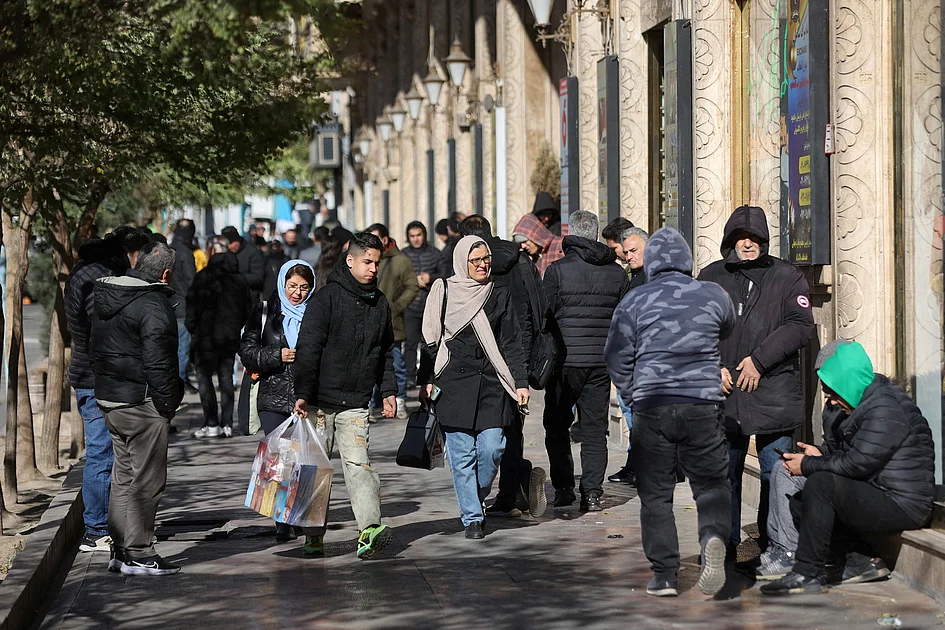
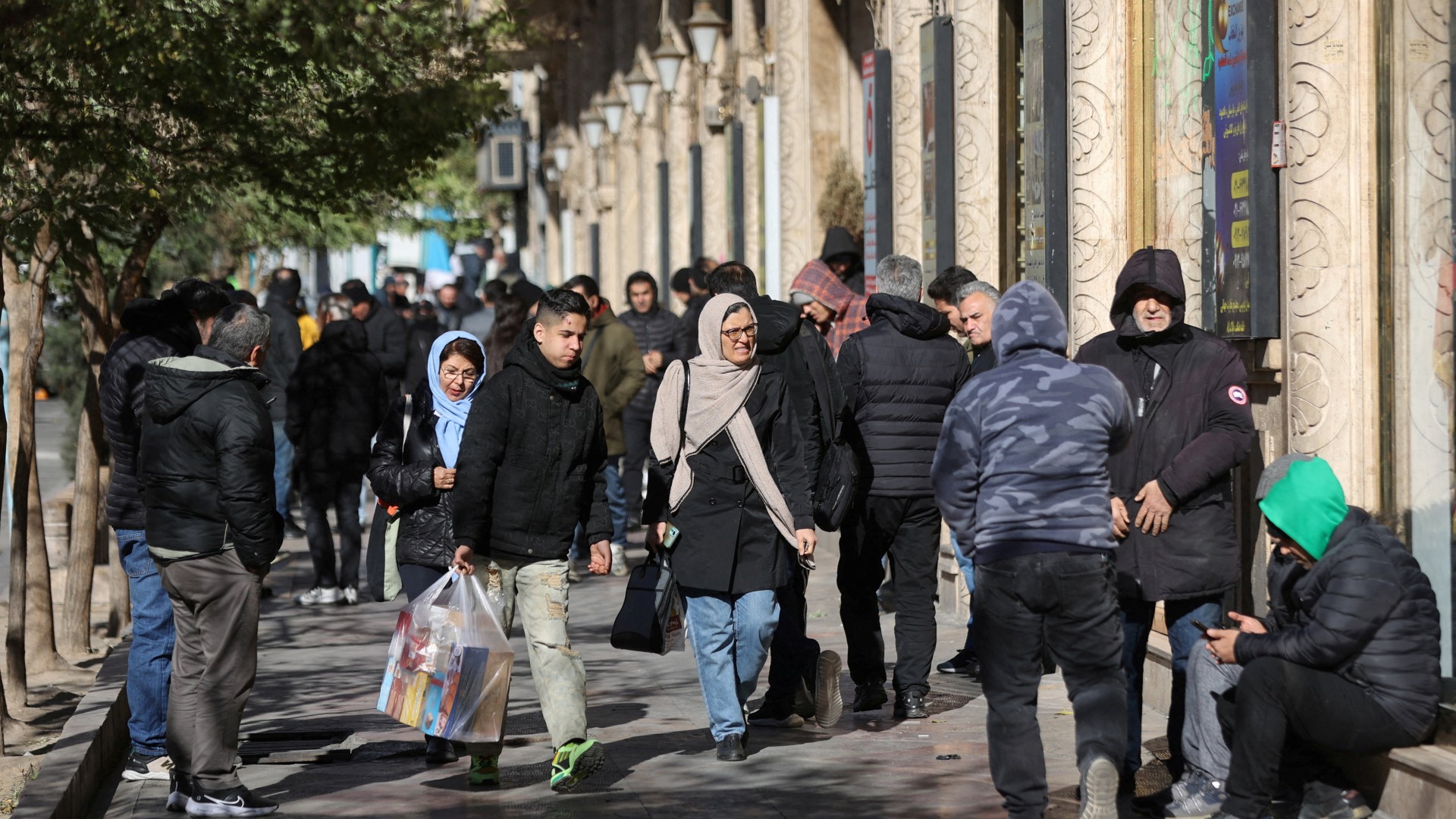
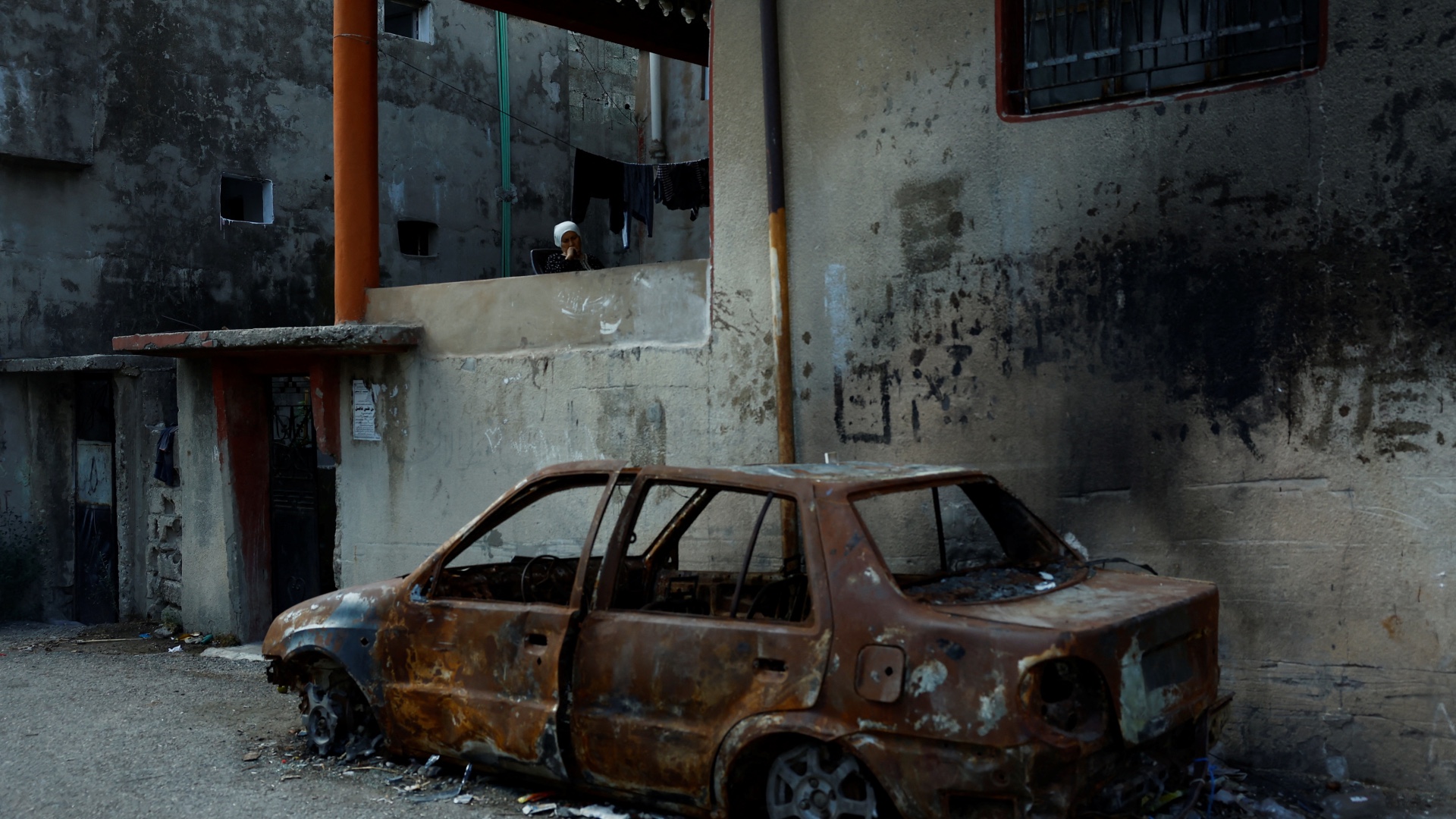
    Iran has been plunged into a new wave of civil unrest as nationwide protests over a severe economic crisis turned fatal, marking the most significant challenge to the clerical establishment in three years. Multiple casualties have been reported following violent clashes between security forces and demonstrators across several regions.

    According to reports from the semi-official Fars news agency and the human rights organization Hengaw, fatalities occurred in the western city of Lordegan. Official authorities confirmed one death in Kuhdasht, while Hengaw documented an additional fatality in Iran’s central Isfahan province. The Revolutionary Guards acknowledged that one member of its Basij paramilitary volunteer unit was killed and thirteen others wounded in Kuhdasht, attributing the violence to demonstrators who allegedly exploited the protest atmosphere.

    The current turmoil represents a dangerous escalation from initial demonstrations that began on Sunday when merchants and shopkeepers initiated strikes to protest the government’s handling of a catastrophic currency devaluation and spiraling inflation. The protests have since expanded to include student demonstrations and widespread bazaar closures, prompting the government to declare an official holiday on Wednesday citing cold weather conditions.

    This outbreak of civil disobedience occurs at a particularly vulnerable moment for Iran’s leadership. The nation’s economy has been crippled by comprehensive Western sanctions targeting its nuclear program, exacerbated by a costly 12-day aerial conflict with Israel in June 2025. These cumulative pressures have devastated Iran’s financial stability, with the national currency losing approximately half its value against the U.S. dollar throughout 2025 while inflation surged to 42.5 percent by December.

    In response to the escalating crisis, government spokesperson Fatemeh Mohajerani announced plans for direct dialogue with trade union and merchant representatives, signaling a potential conciliatory approach alongside the established security crackdown. Historically, Iranian authorities have employed stringent security measures and mass arrests to suppress protests concerning economic hardship, environmental crises, and civil liberties.

    The international community continues to monitor the situation closely as developments unfold across multiple Iranian provinces including Kermanshah, Khuzestan, and Hamedan, where Hengaw reports numerous detentions have occurred.

  • World Sports Summit concludes, signals Dubai’s growing influence on global stage

    World Sports Summit concludes, signals Dubai’s growing influence on global stage

    Two significant international developments have emerged, involving covert intelligence operations and a tragic criminal investigation. According to a Reuters exclusive report, the U.S. Central Intelligence Agency (CIA) successfully cultivated a high-level informant within the inner circle of the Venezuelan government. This asset provided critical intelligence that assisted American agencies in monitoring the activities and movements of President Nicolás Maduro. The revelation underscores the depth of U.S. intelligence penetration into the Caracas administration amid prolonged political tensions and sanctions. Separately, in a devastating incident in Switzerland, authorities have launched a criminal investigation into the management of a nightclub following a lethal fire. Swiss prosecutors are pursuing charges of killing by negligence against the club’s managers, alleging that a failure to adhere to safety protocols directly contributed to the fatalities. The investigation will scrutinize whether adequate fire prevention measures, emergency exits, and crowd management procedures were in place, highlighting a grim failure in public venue oversight.

  • Cummins, Hazlewood in spin-heavy Australia squad for T20 World Cup

    Cummins, Hazlewood in spin-heavy Australia squad for T20 World Cup

    Two significant international developments have emerged, revealing covert intelligence operations and a tragic criminal investigation. According to exclusive Reuters reporting, the U.S. Central Intelligence Agency (CIA) successfully cultivated a high-level informant within the Venezuelan government apparatus. This clandestine asset provided critical intelligence that significantly enhanced American efforts to monitor and track the activities of President Nicolás Maduro. The penetration of Maduro’s inner circle represents a major intelligence coup, offering insights into the regime’s operations and decision-making processes, though U.S. officials have maintained a strict policy of not publicly commenting on matters of intelligence sourcing.

    In a separate incident in Switzerland, a devastating nightclub fire has triggered a serious criminal investigation. Swiss authorities have confirmed that managerial staff of the affected establishment are now formally under investigation for allegations of killing by negligence. The probe focuses on potential safety oversights and regulatory failures that may have contributed to the lethal blaze. The investigation will scrutinize compliance with fire codes, emergency exit accessibility, and overall safety protocols that were in place at the time of the incident, which resulted in fatalities.

  • Syria says Daesh planned attacks on churches, gatherings on New Year’s Eve 2026

    Syria says Daesh planned attacks on churches, gatherings on New Year’s Eve 2026

    Syrian security forces have successfully disrupted a sophisticated terrorist plot orchestrated by the Islamic State (Daesh) targeting New Year’s Eve celebrations across multiple governorates. According to an official statement from Syria’s Interior Ministry released Thursday, intelligence indicated planned suicide operations specifically aimed at churches and civilian gathering points in Aleppo and other regions.

    The threat materialized in Aleppo’s Bab al-Faraj neighborhood where security personnel identified and engaged a suspected Daesh operative. During interrogation attempts, the suspect opened fire, resulting in the death of one police officer before detonating an explosive device that wounded two additional officers.

    This incident represents the latest in a series of escalated attacks by Daesh in government-controlled territories. The group was previously responsible for a December assault in Palmyra that killed three American citizens, prompting retaliatory strikes by U.S. forces against numerous Daesh targets in Syria.

    Syrian authorities have intensified counter-terrorism operations since November when President Ahmed al-Sharaa formally committed Syria to the U.S.-led coalition against Daesh during his Washington visit. The Sharaa administration, which assumed power following the December 2024 collapse of Bashar al-Assad’s regime, faces significant security challenges amid ongoing sectarian violence.

    Recent months have witnessed tragic incidents including the March massacre of Alawite civilians, July clashes in Druze-majority Sweida province, and a June suicide bombing at a Damascus church that killed 25 worshippers. While Syrian authorities attributed the church attack to Daesh, responsibility was claimed by Saraya Ansar al-Sunna, a shadowy Sunni extremist group that analysts identify as a Daesh front organization.

    The successful prevention of the New Year’s Eve attacks demonstrates improved intelligence capabilities but underscores the persistent threat posed by terrorist networks within Syria’s complex security landscape.

  • Plunge in Iran’s currency sparks strikes and protests: Press review

    Plunge in Iran’s currency sparks strikes and protests: Press review

    A perfect storm of economic, political, and environmental crises is gripping Iran, placing unprecedented strain on the nation’s stability. The Iranian rial has plummeted to a historic nadir, with the US dollar trading at approximately 1.4 million rials on the open market before a slight recovery to 1.35 million. This dramatic devaluation has triggered merchant strikes at Tehran’s Grand Bazaar and sparked protests in cities nationwide, raising grave concerns about the currency’s future trajectory.

    Economists are issuing stark warnings that governmental promises to arrest the currency’s decline are futile without first tackling the nation’s rampant inflation, which has surged beyond 40%. Mohammad Kohandal, an economic analyst, emphasized that controlling inflation is the fundamental prerequisite for exchange rate stability, stating that expecting a stable rate amidst such chronic economic problems is unrealistic. Further compounding the economic distress, former central bank official Seyyed Kamal Seyyed Ali pointed to additional pressures from rising fuel prices and the persistent risk of reduced oil exports due to international sanctions.

    Amid the economic turmoil, significant political fractures are emerging within the ruling system. Supporters of President Masoud Pezeshkian report intensifying political pressure from internal rivals, which is weakening his government and deepening divisions. Although ultimate authority rests with Supreme Leader Ali Khamenei and the Islamic Revolutionary Guard Corps (IRGC), rival factions continue to fiercely compete for influence. Ali Soufi, a former minister and government supporter, cautioned that hardline parliamentary pressure may yield short-term gains but will ultimately fuel public dissatisfaction, advocating for the supreme leader to grant the president greater authority. This sentiment was echoed by political activist Mehdi Shirzad, who criticized the hardliners’ partisan demands for diverting the government from the country’s main priorities.

    In a contrasting development, the head of the Iranian Space Organisation, Hassan Salarieh, announced an ambitious plan to build and launch 30 satellites within the next two years, following the recent launch of three satellites aboard a Russian rocket. Salarieh stated that Iran has moved beyond acquiring basic space technology and is now focused on establishing a stable program and developing a ‘space economy’ for applications like imaging and disaster tracking. However, this announcement has been met with skepticism from Western sources, who raise concerns about potential links between the space program and missile development.

    Simultaneously, Iran is battling severe climate-related disasters. Following an exceptionally dry summer and autumn, the winter season has commenced with devastating floods in the southwest and heavy snowfall in mountainous regions. The Iranian Red Crescent Society reported nine individuals missing after floods swept through Khuzestan and Kohgiluyeh and Boyer Ahmad provinces, with social media videos showing severe flooding in urban areas. In the west, heavy snowfall has disrupted daily life and caused casualties, including a border guard who died from frostbite during a patrol. Earlier blizzard conditions in Kurdistan led to 14 people being reported missing before they were successfully rescued by Red Crescent teams.

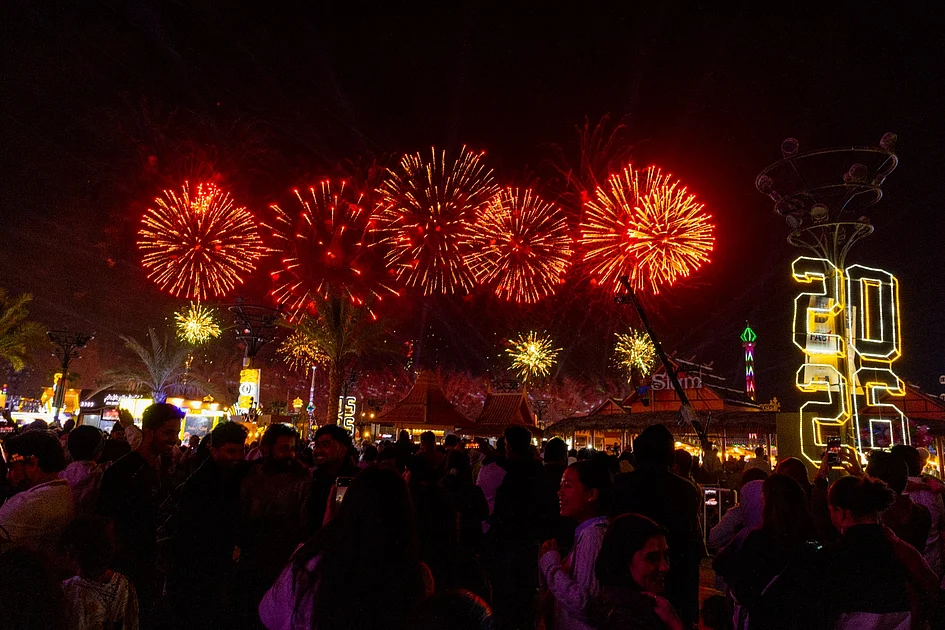
  • New Year’s Eve: 62-minute fireworks, 6,500-drone show break records at Sheikh Zayed Festival

    New Year’s Eve: 62-minute fireworks, 6,500-drone show break records at Sheikh Zayed Festival

    Two significant international incidents have come to light, revealing operational intelligence successes and tragic public safety failures. According to a Reuters exclusive, the U.S. Central Intelligence Agency (CIA) successfully cultivated and managed a high-level informant embedded within the inner circle of the Venezuelan government. This clandestine asset provided the United States with critical intelligence, facilitating the tracking and monitoring of activities and movements of Venezuelan President Nicolás Maduro. The operation represents a major intelligence coup, underscoring the deep penetration of U.S. espionage networks within regimes considered adversarial. The information supplied by the source was instrumental in shaping Washington’s understanding of the Maduro administration’s dynamics.

    In a separate development in Switzerland, a devastating nightclub fire has triggered a serious criminal investigation. Following the blaze that resulted in multiple fatalities, local judicial authorities have placed the establishment’s management team under formal investigation. The managers are facing preliminary charges of ‘killing by negligence,’ a serious criminal offense. Prosecutors are examining whether egregious safety lapses, including potential violations of fire codes, overcrowding, or locked emergency exits, contributed to the tragic loss of life. The investigation aims to determine the chain of responsibility and whether criminal neglect played a role in the catastrophe.

  • Video: Around 40 killed, 100 injured in blast at Swiss ski resort bar, police say

    Video: Around 40 killed, 100 injured in blast at Swiss ski resort bar, police say

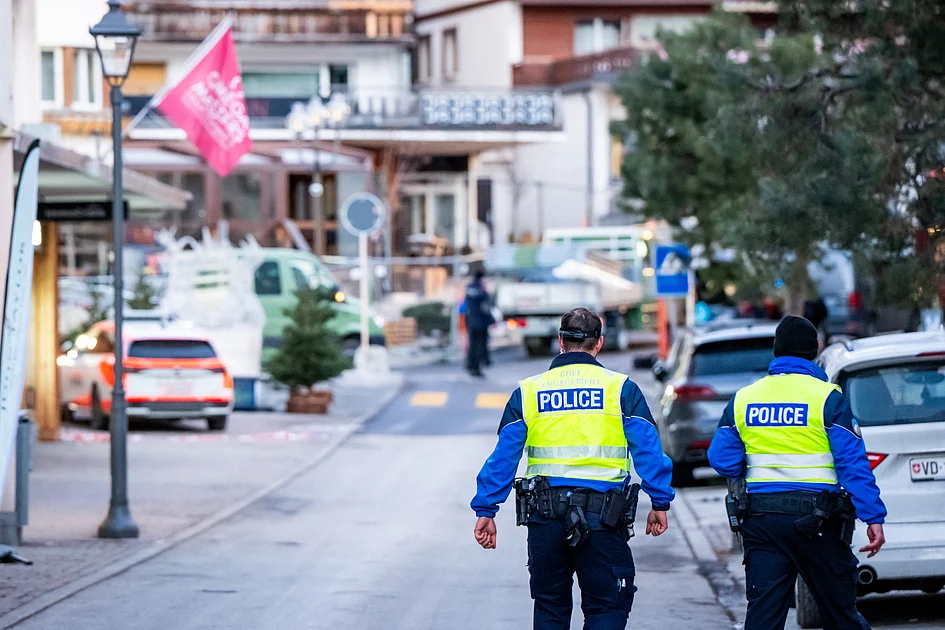
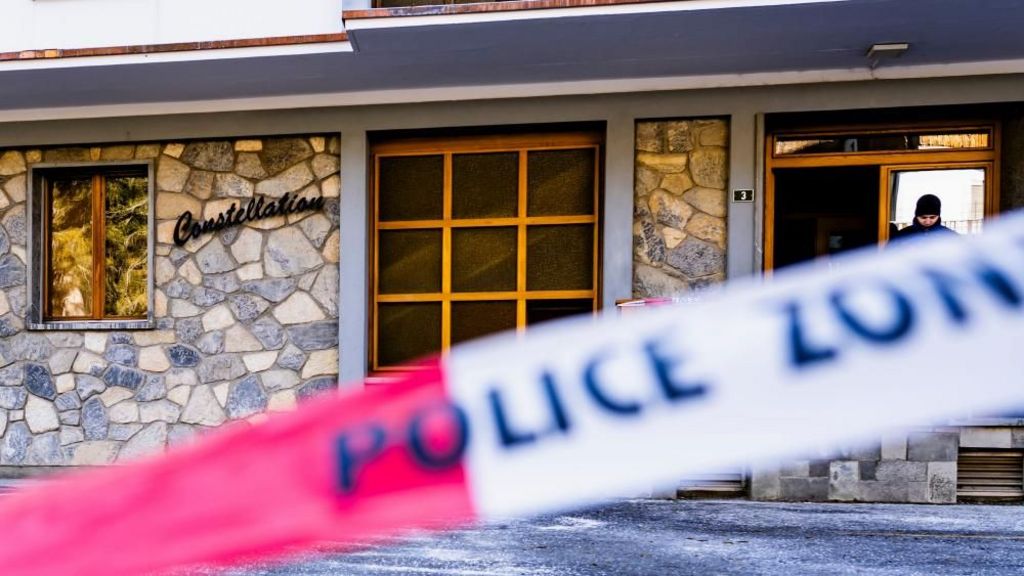
    A devastating explosion ripped through a popular bar in the exclusive Swiss ski resort of Crans-Montana during New Year’s Eve celebrations, resulting in one of Switzerland’s deadliest peacetime disasters. Initial reports from Swiss authorities indicate approximately 40 fatalities and 100 injured, many with critical burn injuries, after the blast occurred around 1:30 a.m. local time at the “Le Constellation” bar.

    Valais canton security chief Stephane Ganzer confirmed the international scope of the tragedy, noting that victims included citizens from multiple countries. Emergency services mounted a massive response operation, deploying 10 helicopters, 40 ambulances, and establishing a no-fly zone over the affected area. Critically injured patients were transported to medical facilities across Switzerland, including hospitals in Sion, Lausanne, Geneva, and Zurich.

    Prosecutor Beatrice Pilloud emphasized that authorities are treating the incident as a catastrophic accident rather than a deliberate attack, though the exact cause remains under active investigation. Italian Foreign Minister Antonio Tajani suggested the possibility that fireworks or firecrackers used in New Year’s celebrations might have triggered the explosion, though Swiss officials have not yet confirmed this theory.

    Swiss Federal President Guy Parmelin expressed national grief, stating on social media that “what was meant to be a moment of joy turned, on the first day of the year in Crans-Montana, into mourning that touches the entire country and far beyond.” Authorities have established dedicated helplines for concerned relatives and are utilizing forensic resources to identify victims and expedite the return of remains to grieving families.

  • ‘I hid from a wall of heat’: Eyewitnesses describe escape from Swiss bar inferno

    ‘I hid from a wall of heat’: Eyewitnesses describe escape from Swiss bar inferno

    A festive New Year’s celebration at the Le Constellation nightclub in the Swiss alpine resort of Crans-Montana turned into a catastrophic inferno in the early hours of January 1, 2026, leaving dozens dead and approximately 100 injured with severe burns. The tragedy unfolded around 01:30 local time when what witnesses describe as a massive explosion ignited the wooden-structured venue during one of the busiest tourist periods in the Alps.

    Eyewitness accounts paint a harrowing picture of the disaster. An 18-year-old attendee, who requested anonymity, recounted to the BBC how he rushed toward the burning building upon fearing his younger brother was trapped inside. “I saw people burning from head to foot, no clothes anymore,” he described of the horrific scene. “It was very shocking.” His brother ultimately emerged unharmed.

    French tourists Emma and Albane provided critical testimony to BFMTV, indicating the blaze may have originated from a waitress placing birthday candles atop champagne bottles. “In a matter of seconds, the entire ceiling was ablaze. Everything was made of wood,” they stated, noting how flames spread with terrifying velocity through the two-story establishment that typically accommodates up to 300 patrons.

    The venue’s architecture exacerbated the tragedy. Survivors reported desperately narrow escape routes and staircases that created deadly bottlenecks as approximately 200 people attempted simultaneous evacuation within seconds. One teenager survived by breaking a window with his foot after failing to shatter it with a table, having initially hidden from a “wall of heat.

    International emergency response swung into action as the nearest hospital’s intensive care unit reached capacity, necessitating patient transfers to facilities in Milan, Italy. Oleh Paska, a tourist staying nearby, recounted hearing explosions initially mistaken for firecrackers before recognizing the severity from the convergence of emergency vehicles with “different types of sirens.

    The identification process presents grim challenges, with Italy’s ambassador to Switzerland warning it may require weeks due to the severity of victims’ burns. An Italian witness emotionally described friends who were “burned all over,” with one airlifted to Zurich and another initially unaccounted for following the tragedy.

    The normally vibrant resort now sits under a pall of shock and mourning as families await news of loved ones, while investigators begin the meticulous process of determining the exact cause of one of Switzerland’s deadliest nightlife disasters in recent history.