分类: world

  • Watch: Snow in the desert? Saudi Arabia has a white winter in some areas

    Watch: Snow in the desert? Saudi Arabia has a white winter in some areas

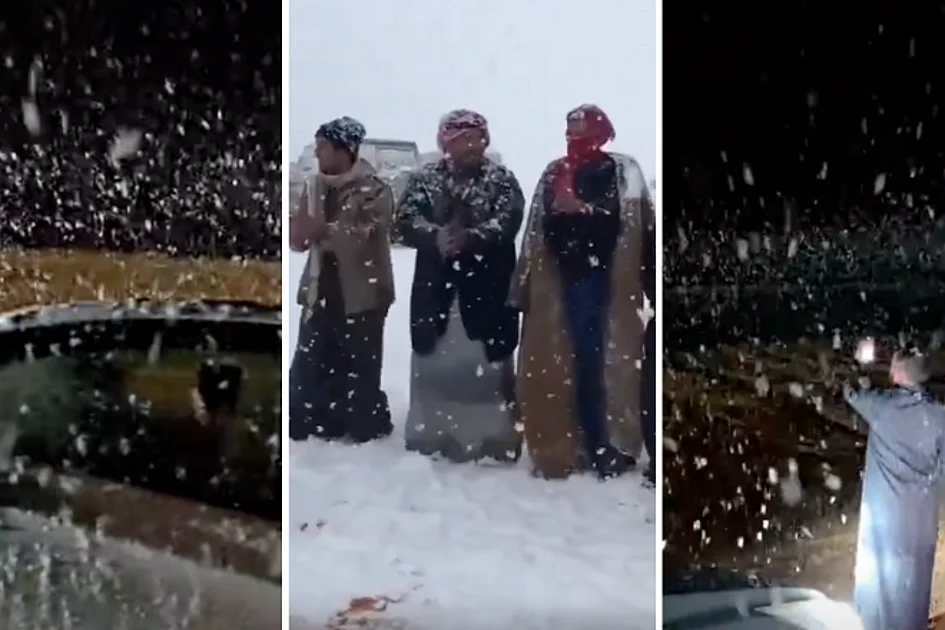
    In an extraordinary meteorological phenomenon, the arid landscapes of northwestern Saudi Arabia experienced a rare blanket of snowfall on Thursday, December 18th, 2025. The majestic Jabal Al Lawz mountain region witnessed desert dunes transformed into winter wonderlands as temperatures plummeted across the Arabian Peninsula.

    Social media platforms circulated captivating visuals depicting local residents, clad in winter attire, celebrating the unprecedented weather event with traditional songs and dances. Vehicle rooftops and desert surfaces alike disappeared beneath a layer of white precipitation, creating surreal contrasts against the region’s characteristic terrain.

    This exceptional weather occurrence stems from an extended period of low-pressure systems dominating Middle Eastern atmospheric conditions throughout the previous week. Meteorological authorities from BBC Weather indicated further intensification throughout Thursday, with anticipated thunderstorms progressing eastward toward the United Arab Emirates and Qatar by nightfall.

    The Saudi government, alongside neighboring Gulf nations, has issued comprehensive safety advisories urging citizens to exercise caution during these unusual weather patterns. While residents expressed awe and jubilation at the natural spectacle, authorities emphasized preparedness for continued precipitation and potentially hazardous travel conditions.

    This event marks one of the most significant winter weather occurrences in recent Arabian meteorological history, highlighting changing climate patterns across traditionally arid regions. Scientists and climate observers are particularly interested in documenting the duration and environmental impact of these unusual precipitation events.


  • ‘She’s a superhero’: The acts of bravery as Bondi horror unfolded

    ‘She’s a superhero’: The acts of bravery as Bondi horror unfolded

    In the wake of Australia’s deadliest terrorist attack at Sydney’s Bondi Beach, extraordinary accounts of human bravery have surfaced from the chaos that left 15 dead and dozens injured. The attack, carried out by two Islamic State-inspired gunmen during Hanukkah celebrations, revealed profound acts of selflessness from ordinary citizens.

    Among the most poignant stories is that of Jessica, a mother who, while separated from her own three-year-old, discovered another lost child—Gigi, wearing a rainbow skirt—crying for her parents. Without hesitation, Jessica used her body as a human shield, covering Gigi while repeating “I’ve got you” as gunfire erupted around them. They felt the impact when a woman just meters away was fatally shot.

    Meanwhile, Gigi’s father Wayne experienced what he describes as “the longest 10 minutes” of his life. While shielding his eldest daughter, he desperately searched for Gigi, eventually spotting her colorful skirt amidst the carnage. Finding his daughter safe beneath Jessica’s protection, Wayne declared her “an absolute superhero” to whom his family would be “indebted for the rest of our lives.”

    The heroism extended throughout the beachfront. Syrian-Australian shop owner Ahmed al Ahmed, having coffee nearby, sprang into action upon hearing gunshots. Viral footage shows him emerging from behind a car to wrestle a weapon from one attacker, sustaining multiple gunshot wounds that may cost him his arm. Reuven Morrison assisted by hurling objects at the disarmed attacker.

    Tragic bravery marked the attack’s beginning as well. The first victims, Boris and Sofia Gurman, were captured on dashcam footage grappling with a gunman for his weapon. Though they temporarily succeeded, the attacker retrieved another firearm and killed them. Their family expressed “overwhelming pride in their bravery and selflessness.”

    Additional acts of valor included 14-year-old Chaya taking bullets in the leg while shielding younger children; rookie police officer Jack Hibbert, 22, continuing to aid victims after being shot in both head and shoulder; and lifeguard Jackson Doolan sprinting barefoot from a neighboring beach with medical supplies. Other lifeguards repurposed rescue boards as stretchers and even returned to the surf to save panicked swimmers.

    The response extended beyond the immediate scene. Thousands of Australians flocked to donation centers, shattering blood donation records. Off-duty first responders traveled up to two hours to assist, while healthcare workers rushed to hospitals—St Vincent’s Hospital operated eight theaters simultaneously instead of the usual one on Sunday nights.

    Prime Minister Anthony Albanese and State Premier Chris Minns have praised these extraordinary responses. Minns noted that despite “a terrible, wanton act of destructive violence,” Australians “showed their true colours” through their courage and compassion.

    As Wayne reflected after attending the funeral of 10-year-old Matilda, the attack’s youngest victim: “There could have been so much more devastation without the bravery of these people… That’s what the world needs more of.”

  • Pope blasts ‘irrationality’ of military deterrence in first annual peace message

    Pope blasts ‘irrationality’ of military deterrence in first annual peace message

    In his inaugural annual peace message, Pope Leo XIV delivered a powerful condemnation of contemporary global conflicts, labeling nuclear deterrence strategies as fundamentally irrational and criticizing the exploitation of religious rhetoric for political violence. The pontiff’s address, presented during an emotionally charged Vatican press conference, marked the Catholic Church’s preparation for its World Day of Peace observance on January 1st.

    Reflecting on his first words as pontiff—”Peace be with you”—delivered from St. Peter’s Basilica on May 8, Pope Leo challenged the normalization of fear and conflict in modern society. He asserted that treating peace as a distant ideal creates dangerous complacency when violence erupts. “When we treat peace as a distant ideal, we cease to be scandalized when it is denied, or even when war is waged in its name,” he declared in the document.

    The Pope specifically targeted the intersection of private economic interests with military technological advancement, noting how artificial intelligence is being leveraged to develop increasingly sophisticated weaponry. This convergence, he argued, accelerates the irrational logic of military deterrence that threatens global stability.

    In a significant ecumenical appeal, Pope Leo urged all religious communities to resist the temptation to weaponize faith language for violent purposes. “Unfortunately, it has become increasingly common to drag the language of faith into political battles, to bless nationalism, and to justify violence and armed struggle in the name of religion,” he wrote.

    The Vatican underscored the message’s urgency by translating it into Russian and Ukrainian alongside its usual eight languages, directly referencing Moscow’s ongoing conflict. The press conference featured poignant testimonies from survivors of European conflicts, including Maria Agnese Moro, daughter of assassinated Italian Premier Aldo Moro, who shared her experience with restorative justice through dialogue with former Red Brigades members. Croatian Catholic priest Rev. Pero Miličević provided a harrowing account of the Bosnian war, describing how his faith enabled him to overcome the trauma of losing 39 family members and surviving imprisonment.

    Both witnesses emphasized the transformative power of mutual recognition and forgiveness, with Moro noting that “true listening is a mutual recognition of humanity”—a principle that aligns with the Pope’s vision of achievable peace through genuine dialogue and moral courage.

  • Winter death toll in Gaza reaches 17 as calls on Israel to lift aid blockade grow

    Winter death toll in Gaza reaches 17 as calls on Israel to lift aid blockade grow

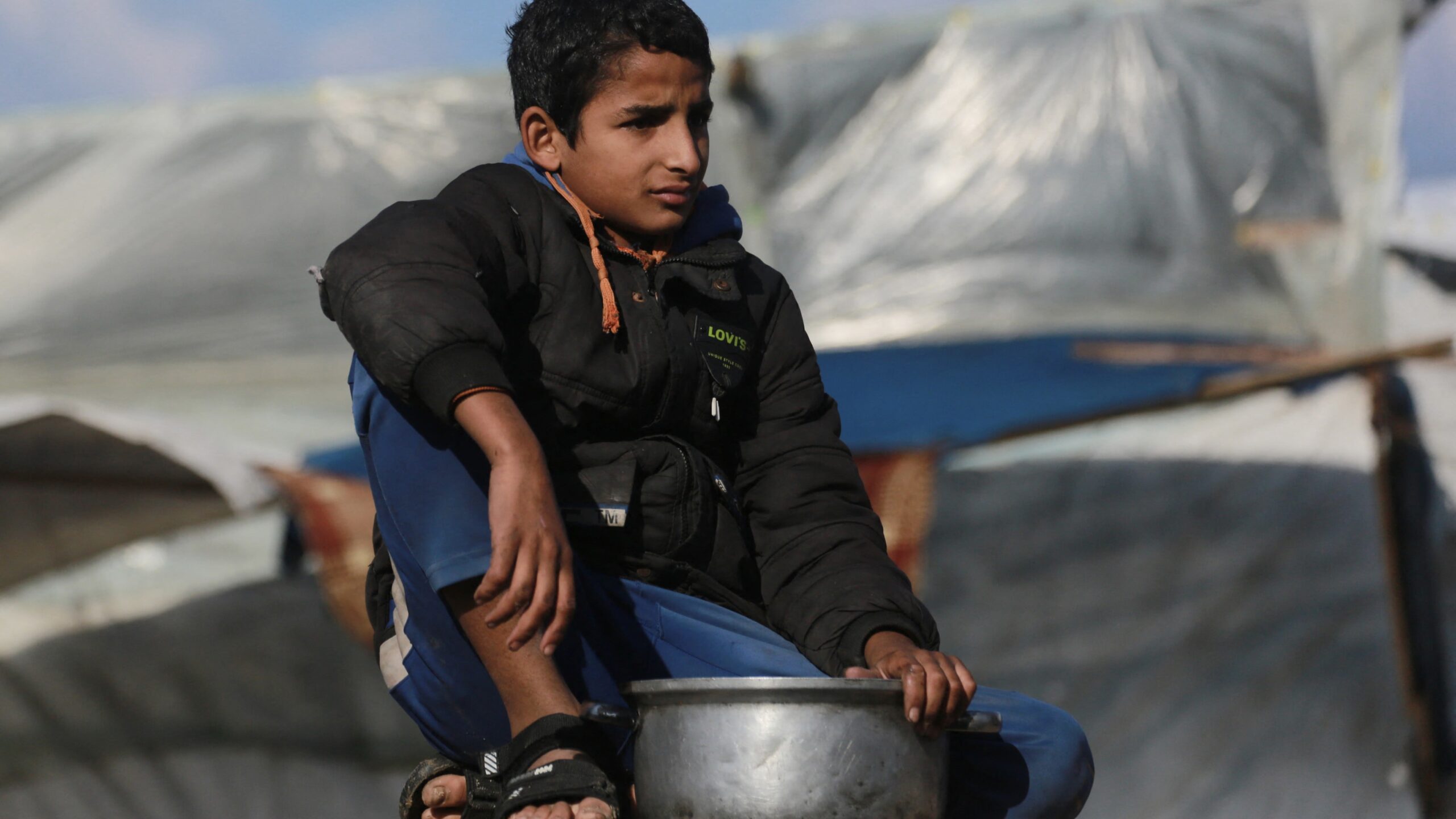
    A severe winter storm has exacerbated the humanitarian catastrophe in Gaza, claiming at least 17 Palestinian lives including four children who succumbed to hypothermia amid freezing temperatures. The youngest victim, one-month-old Saeed Asaeed Abdeen, died from severe hypothermia as Storm Byron swept through the territory with torrential rains and destructive floods.

    Medical authorities at al-Shifa Medical Complex report critical shortages of medicines and supplies, with over half of vital medications completely unavailable. Director Muhammad Abu Salmiya warned that children face extreme vulnerability from the combined threats of ongoing Israeli bombardment, freezing conditions, and rapidly spreading diseases.

    Gaza’s infrastructure collapse has turned winter weather into a lethal threat. According to Gaza Civil Defence spokesperson Mahmoud Basal, over a dozen compromised buildings have collapsed since heavy rainfall began last week, with emergency teams responding to damage at more than 90 structures and fielding over 5,000 distress calls within a month.

    The municipal government in Gaza City has raised alarms about a worsening waste management crisis, exacerbated by fuel shortages that have severely limited collection services. Approximately 90% of shelters across the territory have been submerged or swept away by floodwaters, leaving thousands of families without possessions or protection from the elements.

    Visual evidence circulating online shows tents being blown away by high winds, completely flooded shelters and hospitals, and collapsed concrete walls crushing temporary accommodations. In one tragic incident in Gaza City’s Tel al-Hawa neighborhood, a wall collapse on a displacement tent resulted in multiple fatalities.

    The crisis stems from what UN agencies and over 200 NGOs describe as Israel’s systematic obstruction of humanitarian aid. A joint statement condemned Israel’s ‘ongoing re-registration process and other arbitrary hindrances’ that have left millions of dollars worth of essential supplies stranded outside Gaza. The organizations emphasized that humanitarian access constitutes a legal obligation under international humanitarian law, particularly given Israel’s failure to ensure adequate supplies for the population.

    According to the latest UNRWA situation report, Israeli authorities continue blocking the agency from directly delivering humanitarian personnel and aid into Gaza. The territory has endured over two years of restricted goods entry, with only limited supplies entering under intense diplomatic pressure despite the destruction of nearly 80% of structures.

    The compounded crises have left Gaza’s population of over two million without reliable access to clean water, food, shelter, healthcare, clothing, or fuel. Rainwater accumulation combined with destroyed drainage and sewage systems creates additional environmental and health hazards for displaced Palestinians residing in inadequate temporary shelters.

    Israeli military operations continue despite ceasefire discussions, with UNRWA reporting multiple installations struck recently, causing additional casualties. The overall death toll from the conflict now exceeds 70,669, including more than 20,000 children, with thousands more missing and presumed dead.

  • In rare ruling, EU’s top court sides with refugee’s appeal in a landmark case against Frontex

    In rare ruling, EU’s top court sides with refugee’s appeal in a landmark case against Frontex

    In a groundbreaking legal development, the European Union’s highest judicial authority has issued a landmark ruling that could transform accountability mechanisms for border operations across the continent. The Court of Justice of the European Union (CJEU) has sided with Syrian refugee Alaa Hamoudi in his unprecedented damages claim against Frontex, the EU’s border and coast guard agency.

    The Luxembourg-based court determined that lower courts had inadequately assessed Hamoudi’s allegations regarding his collective expulsion from Greece to Turkey alongside 21 other migrants in April 2020. Judicial authorities found Hamoudi’s evidence “sufficiently detailed, specific and consistent” to warrant reconsideration, sending the case back to the General Court for comprehensive re-evaluation.

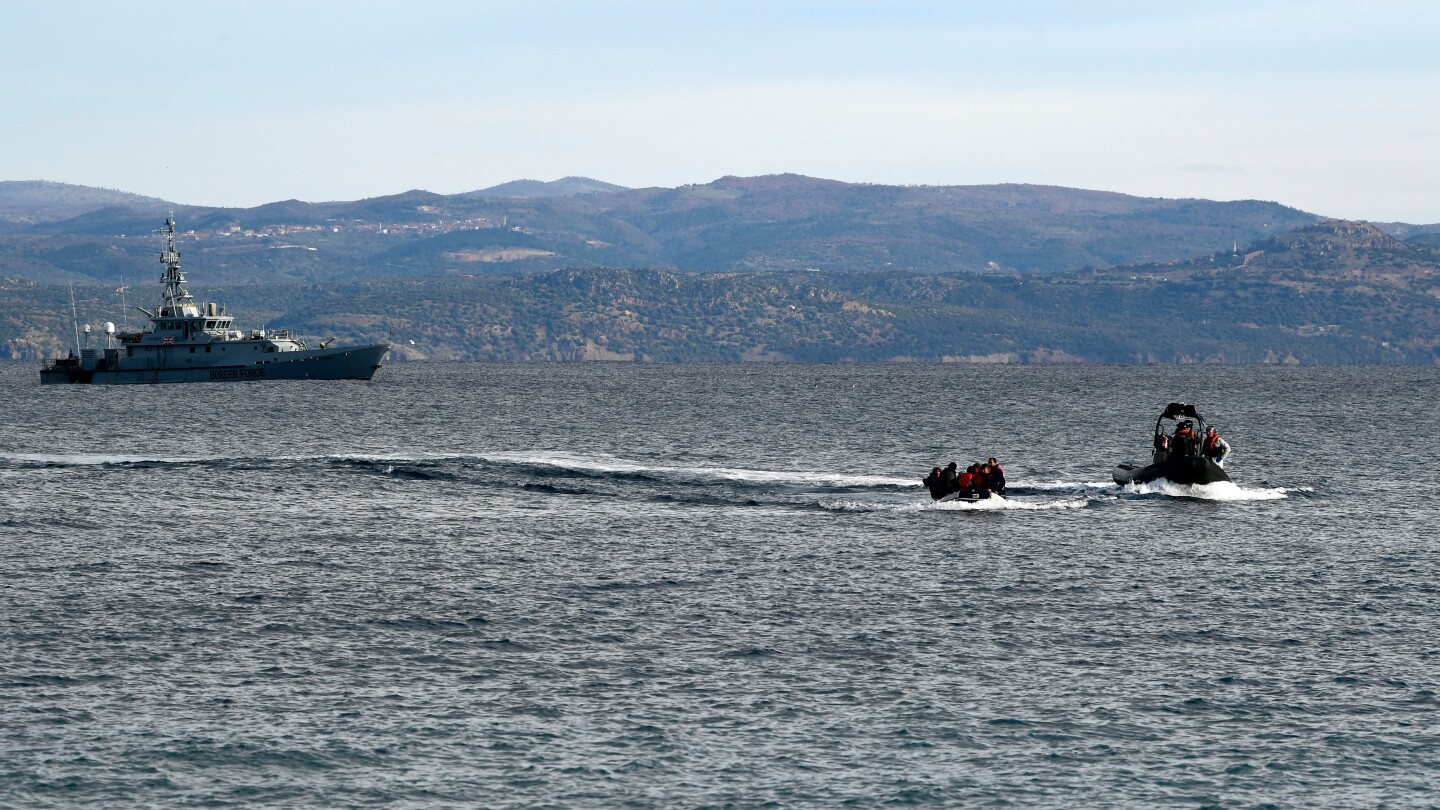
    Hamoudi’s harrowing account describes arriving on the Greek island of Samos only to have phones confiscated by police before being forced onto life rafts. The group was allegedly towed into Turkish waters and abandoned for 17 hours before rescue by Turkish coast guard, with Hamoudi reporting Frontex surveillance aircraft circling overhead twice during the ordeal.

    The ruling establishes crucial legal precedents regarding evidence standards in cases involving migrants and powerful institutions. The court acknowledged the profound power imbalance that typically prevents migrants from gathering comprehensive evidence against border agencies. This recognition potentially removes significant barriers to justice for thousands who have experienced similar pushback operations.

    Legal experts hail the decision as transformative. Iftach Cohen, lead counsel for Hamoudi, emphasized that this “historic” judgment could benefit tens of thousands of migrants subjected to similar expulsions along European borders. The case represents the first successful challenge to Frontex’s traditional legal impunity regarding border operations.

    Frontex responded to the ruling by committing to enhanced transparency and improved operational standards, stating courts now expect “close scrutiny where Frontex is involved and that fundamental rights must be taken seriously.” The agency maintains it chooses “engagement over withdrawal” to foster oversight and change from within operations.

    Human rights researchers note this decision arrives as summary expulsions have become increasingly normalized across Europe amid rising anti-migrant sentiment. The judgment potentially creates new accountability pathways for victims of border practices that human rights organizations have documented extensively for years.

    Hamoudi, now residing in Germany, described the ruling as both personal victory and critical step toward justice for countless others who “could not fight back” against similar experiences.

  • Thailand carries out more airstrikes on Cambodia as deadly border conflict flares

    Thailand carries out more airstrikes on Cambodia as deadly border conflict flares

    Cambodia has reported new Thai airstrikes targeting its northwestern regions, marking a significant escalation in the ongoing border conflict between the Southeast Asian nations. According to Cambodian officials, Thai F-16 fighter jets struck areas including Poipet—a crucial trade hub during peacetime—and Serei Sophaon, approximately 46 kilometers east, causing civilian injuries and property damage.

    Thailand’s military command acknowledged the operations but contested the characterization, asserting that targeted strikes focused on military installations storing BM-21 rocket systems allegedly used by Cambodian forces. Thai Air Force spokesperson Air Marshal Jackkrit Thammavichai emphasized precision targeting aimed at minimizing civilian impact, though substantial evacuations have emptied the border regions.

    The conflict, reignited on December 8 following border skirmishes, has witnessed extensive artillery exchanges and aerial bombardments. Cambodia employs truck-mounted BM-21 launchers capable of firing salvos of 40 rockets, while Thailand utilizes its air superiority for strategic strikes.

    Civilian casualties continue to mount with Cambodia reporting 18 fatalities and 79 injuries among non-combatants, while Thailand acknowledges one direct civilian combat death alongside 20 conflict-related fatalities. Military losses remain unofficially estimated in the hundreds, with Thai media citing 21 soldier deaths.

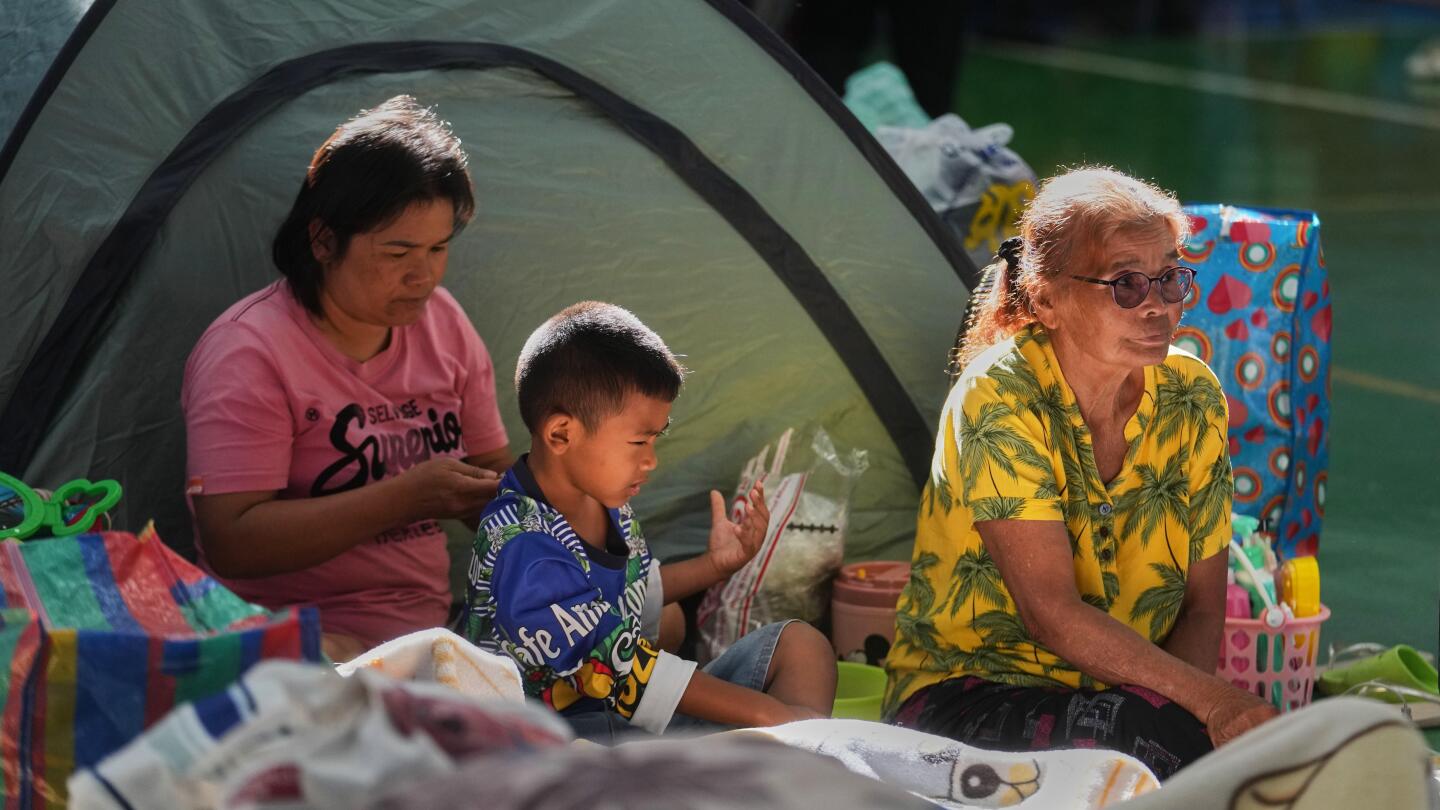
    The humanitarian situation deteriorates as hundreds of thousands evacuate to displacement camps along the border. Both nations maintain contradictory narratives, each accusing the other of initiating hostilities and claiming defensive postures.

    International mediation efforts persist despite failed ceasefire attempts. Malaysia continues peace brokering initiatives, while China—maintaining relations with both nations—dispatches a special envoy to facilitate negotiations. The conflict underscores regional instability and the fragility of previous diplomatic interventions, including a U.S.-brokered ceasefire in July that ultimately collapsed.

  • Sudanese paramilitary group RSF killed more than 1,000 civilians in Zamzam camp in April, UN says

    Sudanese paramilitary group RSF killed more than 1,000 civilians in Zamzam camp in April, UN says

    A comprehensive United Nations human rights investigation has revealed horrific atrocities committed during a three-day assault on Zamzam displacement camp in western Sudan earlier this year. The report, released Thursday by the UN Human Rights Office, documents systematic violations by the Rapid Support Forces (RSF) paramilitary group that resulted in the deaths of more than 1,000 civilians during their April offensive.

    The attack formed part of the RSF’s broader siege strategy against el-Fasher, the provincial capital of North Darfur. According to the UN findings, hundreds of victims were summarily executed through methodical house-to-house raids, with additional massacres occurring at the main market, educational institutions, and medical facilities. The report further details patterns of sexual violence encompassing rape, gang rape, and sexual slavery practices.

    UN High Commissioner for Human Rights Volker Türk characterized these actions as “a consistent pattern of serious violations of international humanitarian law and gross abuses of international human rights law.” The findings emerge weeks after Amnesty International independently accused the RSF of committing war crimes during the same operation.

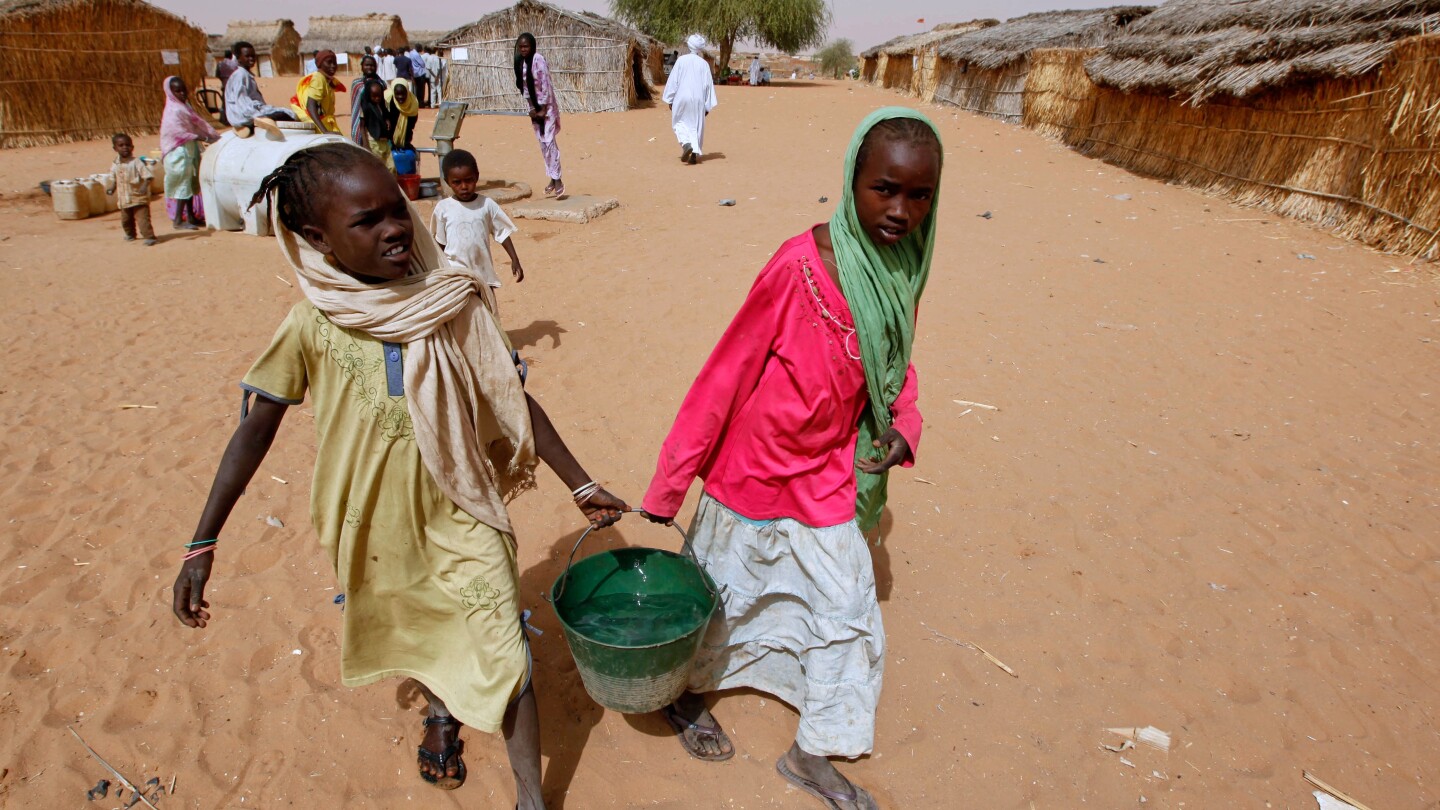
    Zamzam camp, established in 2004 to accommodate those displaced by Janjaweed militia attacks, had swelled to become Sudan’s largest displacement settlement with over 500,000 residents prior to the assault. The UN report notes that the RSF had systematically blocked food and essential supplies from reaching the camp for months preceding the violence.

    The broader conflict between the RSF and Sudanese military, ongoing since April 2023, has created the world’s most severe humanitarian crisis according to international observers. The war has claimed approximately 40,000 lives—though rights organizations suggest significantly higher casualties—while displacing over 14 million people. Famine conditions have emerged across multiple regions, including Zamzam camp.

    Türk warned that the documented patterns of violence are now being replicated in el-Fasher following the RSF’s takeover of the city in late October. “These horrific patterns of violations—committed with impunity—are consistent with what my office has repeatedly documented,” he stated.

    Diplomatic efforts to address the crisis intensified as Sudan’s top general met with Egyptian President Abdel-Fattah el-Sissi in Cairo. This followed discussions between Sudanese officials and Saudi authorities in Riyadh, where US envoy Massad Boulos concurrently engaged with Saudi officials. Boulos subsequently announced on social media platform X that practical steps had been agreed upon “toward a humanitarian truce, durable stability, and expanded humanitarian access.”

    The Quad mediation group—comprising the United States, Saudi Arabia, Egypt, and the United Arab Emirates—faces challenges in negotiations. Sudanese military leadership had previously rejected a November ceasefire proposal as “unacceptable and the worst yet,” while accusing mediators of bias. Egypt’s presidency subsequently affirmed its support for Sudan’s territorial integrity, explicitly rejecting “the establishment of any parallel entities or their recognition” in reference to the RSF’s announced parallel government in July.

  • More international maritime disputes turn to China’s courts

    More international maritime disputes turn to China’s courts

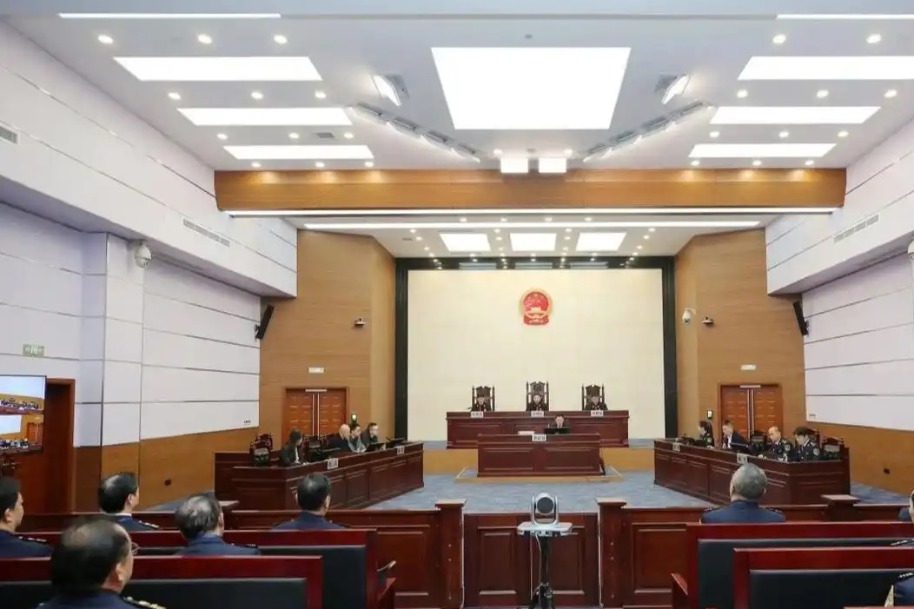
    China’s judicial system is gaining unprecedented international recognition in maritime law, with its courts becoming an increasingly preferred venue for resolving complex international shipping disputes. According to data released by China’s Supreme People’s Court, the nation’s specialized maritime courts accepted over 6,800 foreign-related cases between 2022 and 2024, involving parties from 143 different countries and regions.

    This growing international confidence in China’s judicial system represents a significant shift in global maritime dispute resolution trends. Remarkably, many foreign entities are now voluntarily submitting to Chinese jurisdiction even when their disputes have no substantive connection to China, indicating trust in the professionalism and fairness of the Chinese maritime court system.

    Established in 1984, China’s maritime judiciary has built substantial expertise over four decades, processing approximately 88,000 foreign-related cases throughout its history. The recent three-year period also saw Chinese courts handle 1,226 cases involving parties from Hong Kong, Macao, and Taiwan, with 1,134 of these cases successfully concluded.

    The comprehensive data reveals the sheer volume of maritime legal work processed by China’s judicial system, with maritime courts nationwide handling 98,726 total cases during the 2022-2024 period, including 185 maritime criminal cases. The courts demonstrated efficient case resolution, concluding 193 maritime criminal matters within the same timeframe.

    This trend underscores China’s expanding influence in international maritime affairs and reflects the global shipping industry’s growing confidence in Chinese judicial proceedings. The development positions China as an increasingly important player in shaping international maritime law and commercial dispute resolution mechanisms.

  • India: Jeddah to Kozhikode AI Express flight makes emergency landing at Kochi

    India: Jeddah to Kozhikode AI Express flight makes emergency landing at Kochi

    An Air India Express aircraft operating as flight IX 398 from Jeddah, Saudi Arabia to Kozhikode, India was compelled to execute an emergency landing at Kochi International Airport on Thursday following critical technical malfunctions. The incident, which occurred on December 18, 2025, involved a failure of the right main landing gear and subsequent tire bursts upon approach.

    According to official statements from Cochin International Airport Limited (CIAL), airport emergency protocols were immediately activated upon receiving notification of the aircraft’s distress. The airport authority confirmed the successful execution of the emergency landing procedure, with all operational systems functioning as designed to ensure passenger safety.

    Air India Express representatives attributed the technical complication to suspected foreign object debris on the runway at Jeddah’s King Abdulaziz International Airport, which may have caused initial damage to the aircraft’s tires during takeoff. The flight crew opted for a precautionary diversion to Kochi—approximately 200 kilometers from the intended destination—after identifying potential landing gear abnormalities during flight.

    The Boeing 737-800 aircraft carried 160 passengers, all of whom were reported safe following the incident. Emergency services were deployed as a standard precautionary measure, though no medical attention was required. Aviation authorities have initiated a comprehensive investigation into the precise sequence of events and contributing factors.

    The incident highlights the critical importance of runway maintenance protocols and emergency preparedness within aviation infrastructure. Both Saudi and Indian aviation authorities are coordinating their investigations to determine whether additional safety measures might be necessary to prevent similar occurrences.

  • Thailand bombs near Cambodia’s Poipet border crossing

    Thailand bombs near Cambodia’s Poipet border crossing

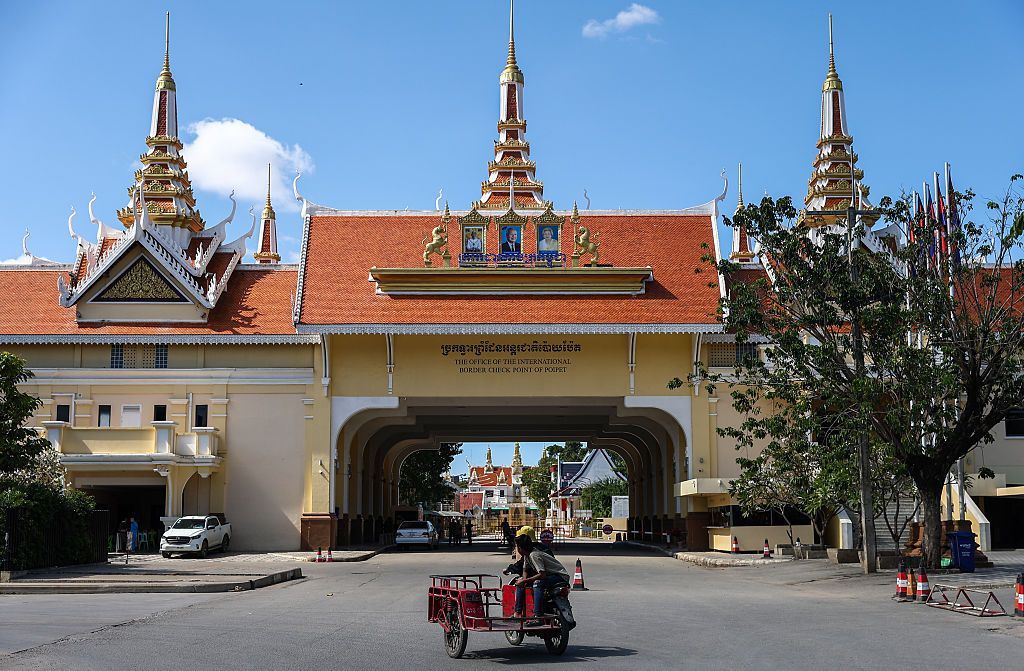
    Thai military forces have conducted an airstrike on what they describe as a logistical facility near Poipet, Cambodia’s prominent casino district and primary land border crossing with Thailand. The operation marks the first aerial bombardment of this strategically significant zone since border hostilities resumed.

    According to Cambodian defense officials, Thai aircraft deployed two explosives in the Poipet municipal area approximately at 11:00 AM local time (0400 GMT) on Thursday. Thailand’s Air Force spokesperson Air Marshal Jackkrit Thammavichai subsequently confirmed the offensive, characterizing the target as a storage depot for BM-21 rocket systems. He emphasized that the precision strike avoided civilian casualties.

    The BM-21 rocket systems referenced are multiple launch weapons typically deployed in salvos from armored vehicles. This military action occurs amidst intensifying border conflicts that have reportedly claimed 21 lives in Thailand and 17 in Cambodia this month alone, while displacing approximately 800,000 people according to official estimates.

    The border region has witnessed mounting tensions since July 24th, when Cambodian rocket attacks into Thailand triggered retaliatory airstrikes and five days of intense combat. Although a ceasefire brokered by Malaysian Prime Minister Anwar Ibrahim and former US President Donald Trump temporarily halted hostilities, fighting resumed last week with both nations accusing the other of violating the peace agreement.

    Compounding the humanitarian crisis, Cambodia has sealed land border crossings, stranding an estimated 5,000-6,000 Thai nationals in Poipet. Cambodian authorities have characterized the border closure as a “necessary measure” to protect civilians while noting that air travel remains available for evacuation purposes.

    The conflict represents the latest escalation in a century-old territorial dispute between the Southeast Asian neighbors. Recent days have seen additional allegations from Cambodia claiming Thai forces bombed Siem Reap province, home to the iconic Angkor temple complex and Cambodia’s premier tourist destination.