分类: world

  • Video: Gaza year ender 2025

    Video: Gaza year ender 2025

    The protracted Palestine-Israel conflict continues into 2025 with no resolution in sight, maintaining its devastating trajectory that began in October 2023. The humanitarian catastrophe in Gaza has reached staggering proportions, with confirmed fatalities exceeding 70,000 individuals according to ongoing assessments.

    China Daily correspondent Jan Yumul has engaged in critical dialogues with prominent stakeholders from both Palestinian and Israeli factions to examine the fundamental obstacles to peace. These exclusive discussions probe the core geopolitical, historical, and ideological divisions that have perpetuated the violence.

    The investigative reporting explores potential pathways for international intervention, analyzing how global institutions might facilitate meaningful dialogue between the conflicting parties. The report emphasizes the urgent need for multilateral cooperation to address the escalating humanitarian crisis while working toward sustainable political solutions.

    This comprehensive coverage comes as international bodies face increasing pressure to transform their diplomatic efforts into actionable results. The video documentation provides firsthand insights into the human cost of the conflict and the complex challenges facing peace negotiators attempting to bridge the deep-seated divisions between the two sides.
  • Big freeze causes travel chaos across western Europe

    Big freeze causes travel chaos across western Europe

    A severe Arctic weather system has plunged Western Europe into a deep freeze, unleashing heavy snowfall and widespread ice that triggered massive transport disruptions and tragic consequences. The relentless cold snap forced the cancellation of hundreds of flights, paralyzed rail services, and led to at least six weather-related fatalities across the continent.

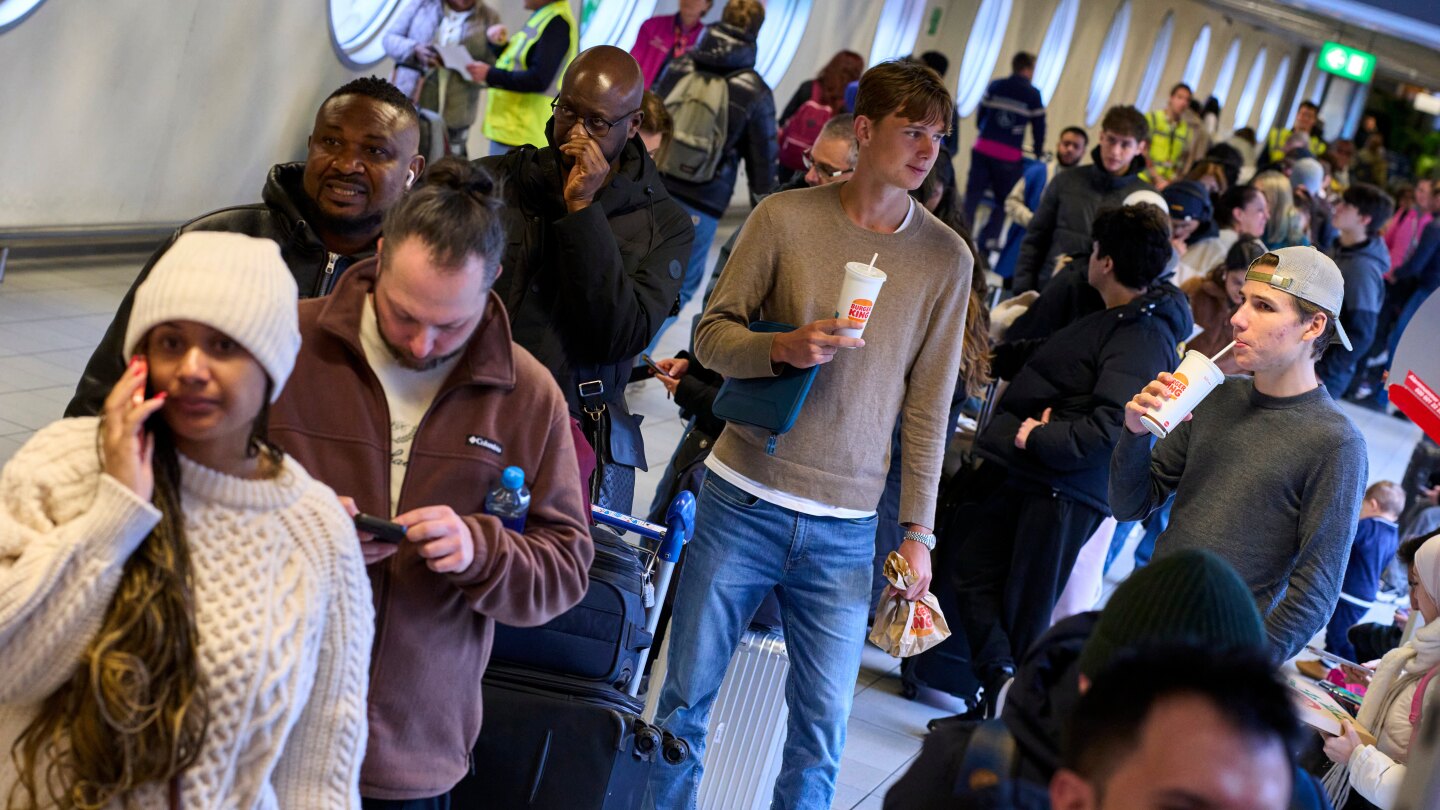
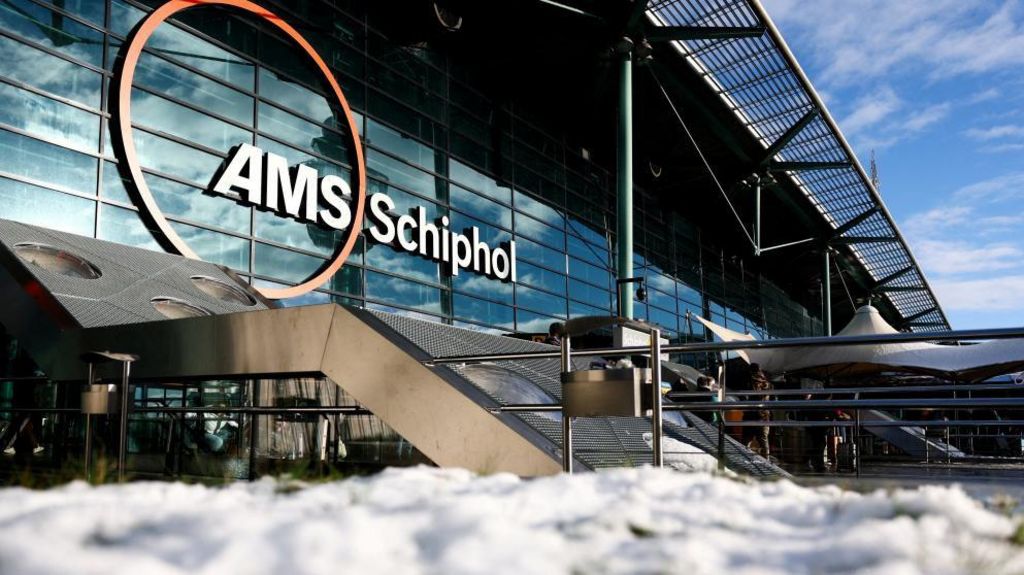
    Aviation hubs faced unprecedented challenges. Amsterdam’s Schiphol Airport, a critical regional nexus, cancelled over 700 flights on Wednesday amid a critical shortage of de-icing fluid. KLM, the Dutch flagship carrier, described an ‘exceptional situation’ with more than 1,000 stranded passengers requiring overnight accommodation. Emergency provisions including hundreds of temporary beds and sustenance were deployed throughout terminal facilities.

    France’s civil aviation authority mandated a drastic 40% reduction in flight schedules at Paris’s primary international airport. Charles de Gaulle Airport saw over 100 cancellations, with dozens more at Orly, Heathrow, and Brussels. Eurostar rail connections between London and Paris suffered significant delays and cancellations, compounding the continental transit crisis.

    The human impact turned grave with authorities confirming five fatalities in France due to perilous driving conditions, alongside one death in Sarajevo, Bosnia, where 40cm of snowfall accumulated. Nearly half of mainland France remained on high alert for heavy snow and black ice, with commercial truck traffic prohibited in multiple regions.

    Amid the adversity, contrasting human experiences emerged. While drivers like Carle Bruno sought refuge at service stations, stating ‘It’s better to be here than stuck on the road,’ the homeless population faced extreme danger. Boubacar Camara, a 19-year-old Guinean sleeping in a Parisian tent, articulated a desperate struggle for survival: ‘You just have to stay strong [and] make sure you don’t die.’

    Paradoxically, the historic snowfall transformed Paris into an impromptu winter playground. Residents and tourists embraced the rare phenomenon, skiing down Montmartre slopes and the Champs de Mars gardens beneath the Eiffel Tower. ‘It’s exceptional, it’s incredible… It’s magnificent and we’re enjoying it,’ remarked Pierre, a local resident, capturing the dual reality of crisis and momentary wonder.

    Transport officials warn of continuing knock-on effects, with further delays and cancellations anticipated across the region in coming days as Europe battles this exceptional winter ordeal.

  • Rare mountain gorilla twins born in Africa’s oldest national park

    Rare mountain gorilla twins born in Africa’s oldest national park

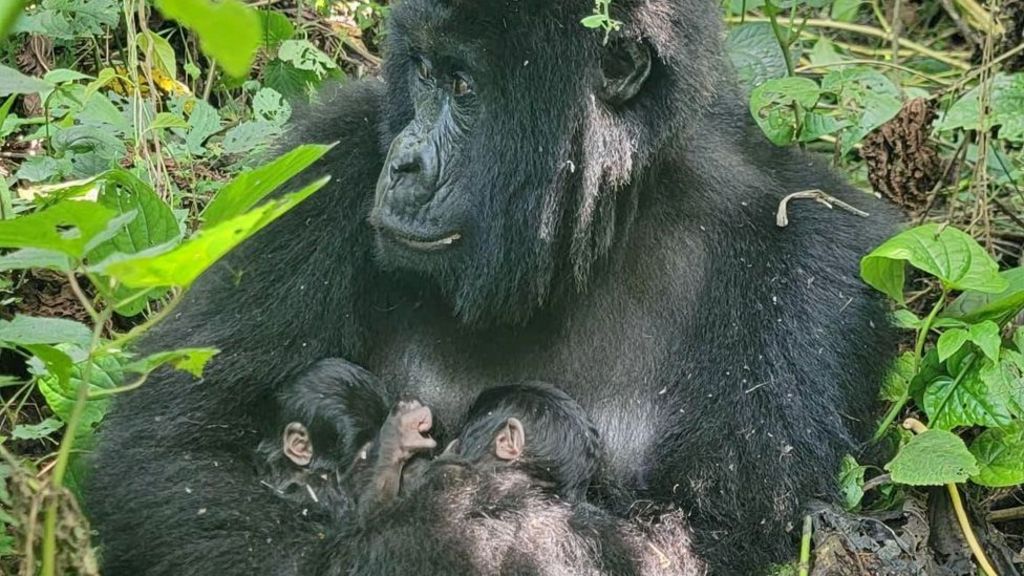
    In a significant conservation milestone, Virunga National Park in the eastern Democratic Republic of Congo has welcomed the birth of twin mountain gorillas—an exceptionally rare event for this endangered species. The twins were discovered on Saturday by community trackers who found 22-year-old mother Mafuko tenderly holding her newborn sons. Both infants and their mother appear to be in good health.

    Twin births occur in only approximately 1% of mountain gorilla births, making this event particularly noteworthy for conservationists. The park has implemented enhanced monitoring protocols to support Mafuko and her twins during this critical early period, with rangers providing close observation and necessary intervention.

    This birth represents both hope and challenge for the species. Mafuko previously gave birth to twins in 2016, but tragically lost both infants within their first week of life. Young gorillas are exceptionally vulnerable, relying entirely on their mothers for care and protection in an environment that remains threatened by poaching activities and armed groups operating in the region.

    Mafuko’s own survival story adds poignancy to this event. Born in 2003 into the Kabirizi family, she lost her mother to armed attackers at just four years old. She later joined the Bageni family at age ten and has now experienced five pregnancies throughout her life.

    The Virunga National Park, Africa’s oldest and largest protected area established exactly a century ago specifically to safeguard mountain gorillas, provides essential habitat for the species. According to the International Union for Conservation of Nature (IUCN), which maintains the Red List of threatened species, fewer than 1,100 mountain gorillas remain in the wild, exclusively found in Virunga and neighboring national parks in Rwanda and Uganda.

    This twin birth—the first in Virunga since September 2020—signals continued progress for conservation efforts. Through anti-poaching patrols and community programs supported by the European Union and UNESCO, mountain gorilla populations in Virunga have demonstrated gradual recovery over the past decade. This positive trend led to the species’ conservation status improvement from “critically endangered” to “endangered” in 2018.

    Virunga National Park, a UNESCO World Heritage Site spanning 7,800 square kilometers of diverse landscapes including active volcanoes, vast lakes, rainforests, and mountains, remains a critical sanctuary for biodiversity conservation in Central Africa.

  • Harbin hosts global mayors dialogue on ice and snow industry development

    Harbin hosts global mayors dialogue on ice and snow industry development

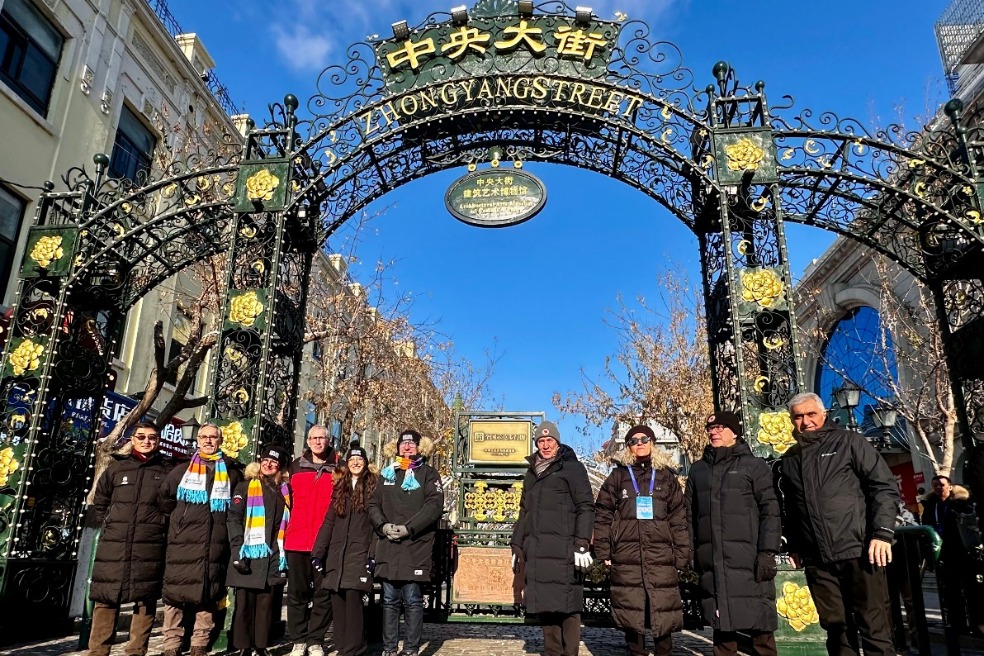
    Harbin transformed into a diplomatic hub for cold-climate cities as mayors from across the globe gathered at the Ice and Snow World complex on Tuesday evening for the Global Mayors Dialogue. The international delegation—representing municipalities from Canada, Finland, Germany, Greece, South Korea, Thailand, and Türkiye—convened to exchange strategies for converting winter conditions into sustainable economic development.

    Under the thematic framework “White Gold: Urban Development Driven by the Ice and Snow Economy,” the dialogue salon featured substantive discussions on transforming climatic challenges into opportunities. Li Mian, Executive Vice-Mayor of Harbin, revealed that the current Harbin Ice and Snow World occupies the global lead as the largest ice-themed park, utilizing 400,000 cubic meters of ice—equivalent to approximately 160 Olympic-sized swimming pools. The attraction recorded 3.56 million tourist visits during its 68-day operational period last winter.

    “Harbin stands as China’s premier ice city, the cradle of modern winter sports, and an international hub for frost-season tourism,” Li declared. He elaborated on Harbin’s innovative approach to citywide tourism development, creating tailored experiences for diverse demographics and transforming the entire urban landscape into an integrated cultural destination rather than relying on isolated attractions.

    International representatives shared parallel initiatives. Edmonton Mayor Andrew Knack described how his city reimagines winter as a cultural connector rather than a hardship, stating: “While many endure winter, cities like Harbin and Edmonton thrive through it. We create artistic festivals and sporting events that foster genuine community engagement.”

    From Rovaniemi—the official hometown of Santa Claus—City Council Second Chairman Heikki Kontiosalo detailed how extended snow seasons become tourism assets through enhanced ski infrastructure and hospitality investments. Erzurum Vice-Mayor Zafer Aynali highlighted municipal management of ski centers and announced ambitious development targets for 2026-2027 following a successfully hosted world championship.

    Even representatives from less frigid regions expressed interest in collaboration. Thorsten Kroll, Vice-Mayor of Magdeburg, noted his city’s limited snowfall but strong desire to partner with Harbin in tourism, pharmaceuticals, technology, and construction sectors.

    The gathering demonstrated a growing international recognition of cryospheric economics as a viable development model, with Harbin positioning itself as a central node in this emerging global network.

  • International mayors given a taste of Harbin

    International mayors given a taste of Harbin

    Harbin recently played host to an international delegation of city leaders during the Global Mayors Dialogue, where discussions extended beyond urban governance to include immersive cultural experiences. The mayors embarked on a sensory journey through the city’s iconic landmarks, beginning at the historic courtyards of Zhongyang Street and continuing to aromatic century-old cultural halls.

    The visiting dignitaries warmed themselves with traditional hot kvass and sampled buttery Medovik bread, experiencing firsthand how local cuisine serves as a gateway to understanding urban identity. This culinary diplomacy component demonstrated how cultural immersion can foster deeper international connections and mutual understanding among global leaders.

    The event highlighted Harbin’s growing significance as a destination for international diplomatic gatherings, showcasing how Chinese cities are increasingly leveraging their unique cultural heritage to facilitate global exchanges. The mayors’ experience underscored the importance of cultural diplomacy in building bridges between cities worldwide, proving that sometimes the most effective diplomacy happens not in conference rooms but through shared culinary experiences and cultural exploration.

  • US attempts to seize Russia-flagged oil tanker in Atlantic

    US attempts to seize Russia-flagged oil tanker in Atlantic

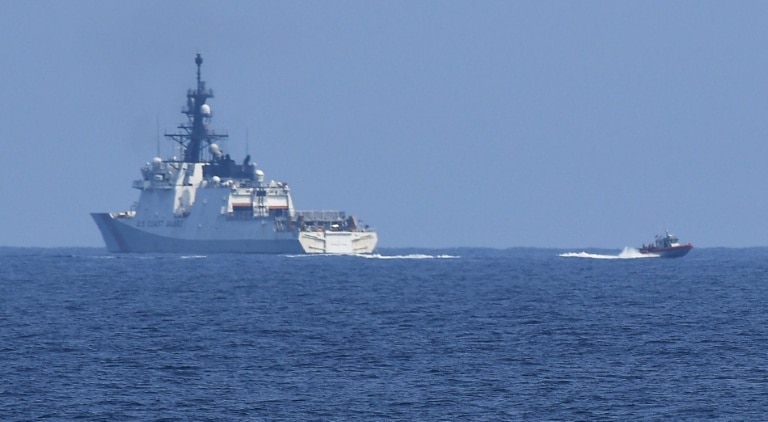
    A significant maritime confrontation is unfolding in the North Atlantic as United States Coast Guard assets initiate operations to seize the Russian-flagged oil tanker Marinera. This action follows weeks of pursuit after the vessel successfully evaded a partial US naval blockade near Venezuelan territorial waters.

    According to multiple US officials who spoke with Reuters and Wall Street Journal, the tanker represents part of an international ‘shadow fleet’ allegedly transporting oil for sanctioned nations including Venezuela, Russia, and Iran in direct violation of American economic restrictions. MarineTraffic tracking data indicates the vessel was approaching Iceland’s exclusive economic zone as of Wednesday.

    The situation escalated dramatically when Russia deployed submarine escorts to protect the empty tanker, creating a tense naval standoff between the two global powers. Russia’s Foreign Ministry expressed serious concern regarding the US pursuit, stating that the vessel was “sailing peacefully under the Russian flag far from US coastal waters” while questioning the “disproportionate attention” from US and NATO military assets.

    Background investigation reveals the tanker underwent significant identity modifications during the pursuit, including switching its registration to Russia, changing its name to Marinera, and having its crew physically paint a Russian flag on the hull. The vessel had been under US sanctions since 2024 due to alleged connections with Iran and Hezbollah.

    This incident occurs amidst broader geopolitical shifts in Venezuela, where recent US military operations resulted in the extraction of former president Nicolas Maduro to face drug charges in New York. President Trump has announced that Venezuela will transfer “tens of millions of barrels of oil” to the United States under the leadership of interim president Delcy Rodriguez, though specific arrangements and legal foundations remain unclear.

    Separately, US Coast Guard operations have intercepted additional Venezuela-linked tankers in Latin American waters, signaling intensified enforcement of sanctions across multiple maritime theaters.

  • International mayors attend ice and snow expo in Harbin

    International mayors attend ice and snow expo in Harbin

    Harbin transformed into a diplomatic winter wonderland as mayors from across the globe convened at the 2026 International Ice and Snow Economy Expo this Tuesday. The event, occurring alongside the Global Mayors Dialogue conference, showcased China’s northeastern city as an emerging hub for cold-weather economic development.

    Edmonton Mayor Andrew Knack emerged as one of the most impressed delegates after experiencing Harbin’s extensive winter tourism infrastructure. The Canadian leader acknowledged his city’s substantial winter programming while emphasizing the learning opportunity presented by Harbin’s approach. “There is a lot of experience we can take back to further grow our new winter tourism and winter economy,” Knack stated, highlighting the potential for international knowledge exchange.

    The exposition demonstrated Harbin’s sophisticated integration of traditional winter culture with modern economic development strategies. Delegates participated in hands-on experiences including ice hockey practices, symbolizing the city’s commitment to blending recreational activities with economic opportunity.

    This gathering of municipal leaders from diverse climate regions signifies a growing recognition of specialized seasonal economies as drivers of urban development. The Expo serves not merely as a display of winter attractions but as a platform for cross-border collaboration in cold-weather technology, tourism infrastructure, and sustainable winter city planning.

    The event underscores China’s strategic positioning within the global winter economy network, with Harbin emerging as a model for other cities seeking to leverage their climatic conditions for economic growth. The knowledge sharing between international delegates suggests a new era of cooperation in developing cold-weather industries worldwide.

  • Philippines evacuates 3,000 villagers after volcano activity raises alert level

    Philippines evacuates 3,000 villagers after volcano activity raises alert level

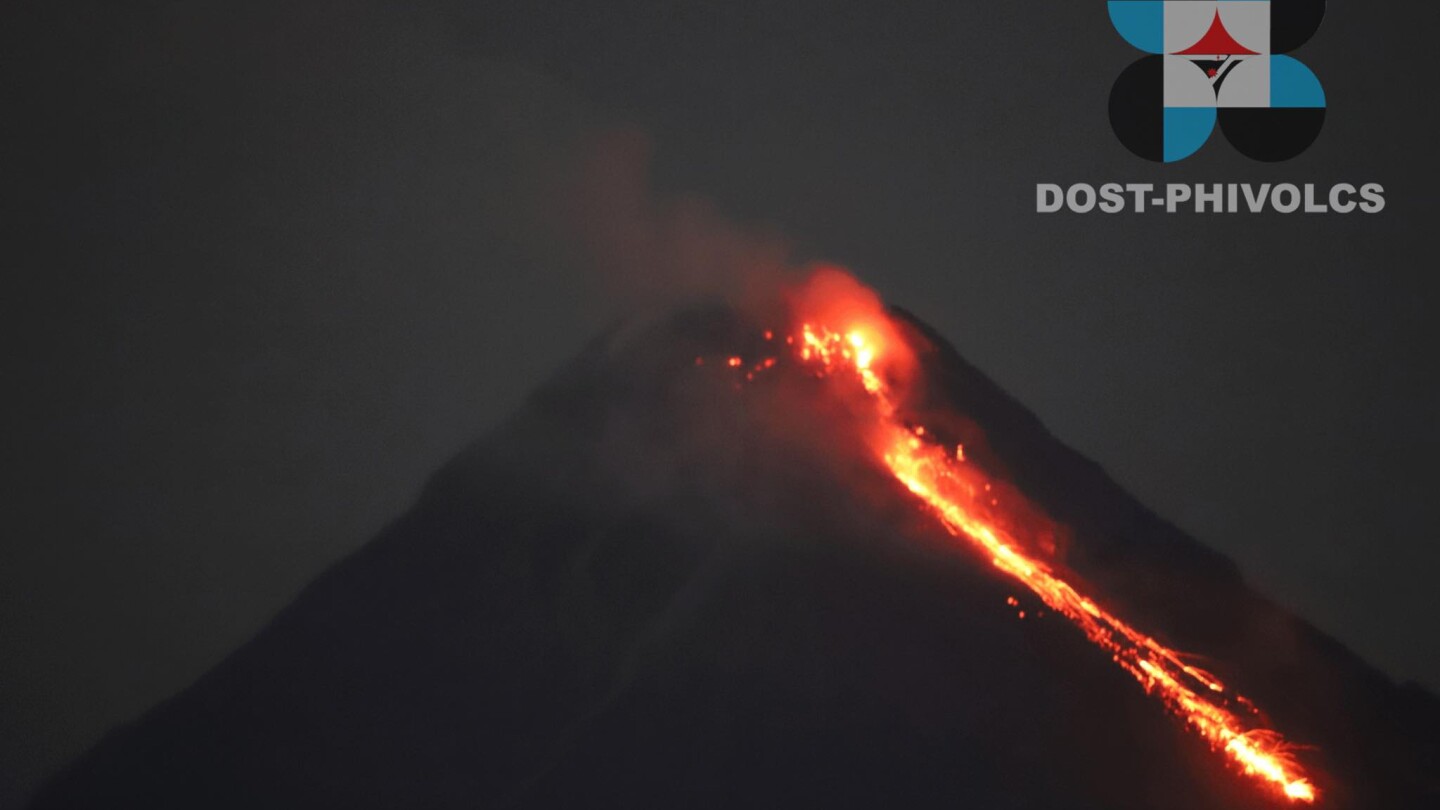
    MANILA, Philippines — Philippine authorities have initiated large-scale evacuations surrounding Mayon Volcano, the nation’s most active volcano, following a series of mild eruptions and increased seismic activity. Nearly 3,000 residents residing within the designated permanent danger zone have been relocated as scientists monitor concerning developments.

    The Philippine Institute of Volcanology and Seismology elevated the alert status to Level 3 on Tuesday after detecting intermittent rockfalls from the summit crater, some involving debris the size of automobiles, alongside dangerous pyroclastic flows—rapid avalanches of superheated rock fragments, ash, and volcanic gases.

    According to Teresito Bacolcol, the country’s chief volcanologist, the current activity constitutes a quiet eruption characterized by lava accumulation at the peak, causing the dome to swell and fracture. While these developments signal volcanic unrest, Bacolcol noted that key indicators of an imminent major eruption—such as significant volcanic earthquakes and elevated sulfur dioxide emissions—remain absent, making predictions about escalation uncertain.

    Military personnel, police, and disaster-response teams coordinated the evacuation of 2,800 villagers from 729 households within the 6-kilometer (3.7-mile) radius permanent danger zone. An additional 600 residents living beyond the official danger boundary have voluntarily relocated to government-operated emergency shelters as a precautionary measure.

    The evacuation highlights ongoing challenges with enforcement in high-risk areas. Despite long-standing prohibitions marked by concrete warning signs, thousands continue to inhabit the volcano’s foothills, maintaining generational farms and businesses including sand quarrying and tourism operations. Mayon has erupted 54 times since records began in 1616.

    The 2,462-meter (8,007-foot) volcano represents both a premier tourist attraction, renowned for its perfect conical shape, and a persistent threat. The buried belfry of a 16th-century Franciscan church—all that remains of Cagsawa town after the catastrophic 1814 eruption that killed approximately 1,200 people—stands as a somber monument to Mayon’s destructive potential.

    This situation underscores the broader challenge facing impoverished communities across the Philippine archipelago, where economic necessity often forces populations to inhabit geologically hazardous zones, including volcanic slopes, landslide-prone mountainsides, earthquake fault lines, and typhoon-vulnerable coastlines.

  • Snow and ice ground flights, choke highways in parts of Europe

    Snow and ice ground flights, choke highways in parts of Europe

    A severe winter storm system has unleashed widespread disruption across Northern Europe, creating transport chaos from Amsterdam to Berlin. At Schiphol Airport, one of Europe’s busiest aviation hubs, more than 1,000 stranded passengers were provided emergency accommodation as authorities scrambled to clear snow-clogged runways and de-ice aircraft following the cancellation of at least 800 flights.

    The Netherlands’ transport infrastructure faced critical challenges during Wednesday’s morning rush hour, with rail operator NS urging passengers to postpone travel amid significantly reduced service. Road networks fared no better, with traffic jams extending over 700 kilometers (435 miles) as trucks skidded across icy highways and snow plows struggled to maintain clear passage.

    Paris experienced similar disruptions as snow blanketed iconic landmarks including the Eiffel Tower and Louvre Museum. French authorities implemented emergency measures including work-from-home advisories and vehicle restrictions after Meteo France issued alerts for snow and black ice. Parisian airports canceled approximately 140 flights collectively, while SNCF railways reported widespread delays and cancellations due to track conditions.

    Even typically winter-resilient Nordic nations reported significant disruptions. Gothenburg, Sweden suspended all tram services due to hazardous snow accumulation, while Helsinki, Finland experienced bus cancellations attributed to diesel vehicles failing to start in subzero temperatures and challenging road conditions.

    In a positive development for Berlin residents, power restoration commenced for thousands of households left without electricity for four days following a suspected far-left attack on high-voltage lines, providing relief during the prolonged freeze.

    Travelers like Sonja Wurmlingel, attempting to return to Argentina, faced repeated disappointments with canceled flights and uncertain alternative arrangements, highlighting the human impact of the transport crisis. KLM Airlines reported decreasing airport queues as proactive cancellation notices prevented additional passengers from arriving at already overwhelmed terminals.

  • US Christian leaders minister to an anxious diaspora with Venezuela’s future in flux

    US Christian leaders minister to an anxious diaspora with Venezuela’s future in flux

    Religious leaders across Venezuela and its diaspora communities are calling for prayerful reflection and reconciliation following the dramatic capture of former leader Nicolás Maduro by U.S. forces. The development has triggered complex reactions among Venezuelan communities worldwide, particularly within the United States where approximately 8 million citizens have fled since 2014.

    In South Florida, home to the nation’s largest Venezuelan expatriate community, spontaneous celebrations erupted with flag-waving demonstrations following Saturday’s military operation. However, beneath the surface celebrations lies profound uncertainty about the country’s future trajectory.

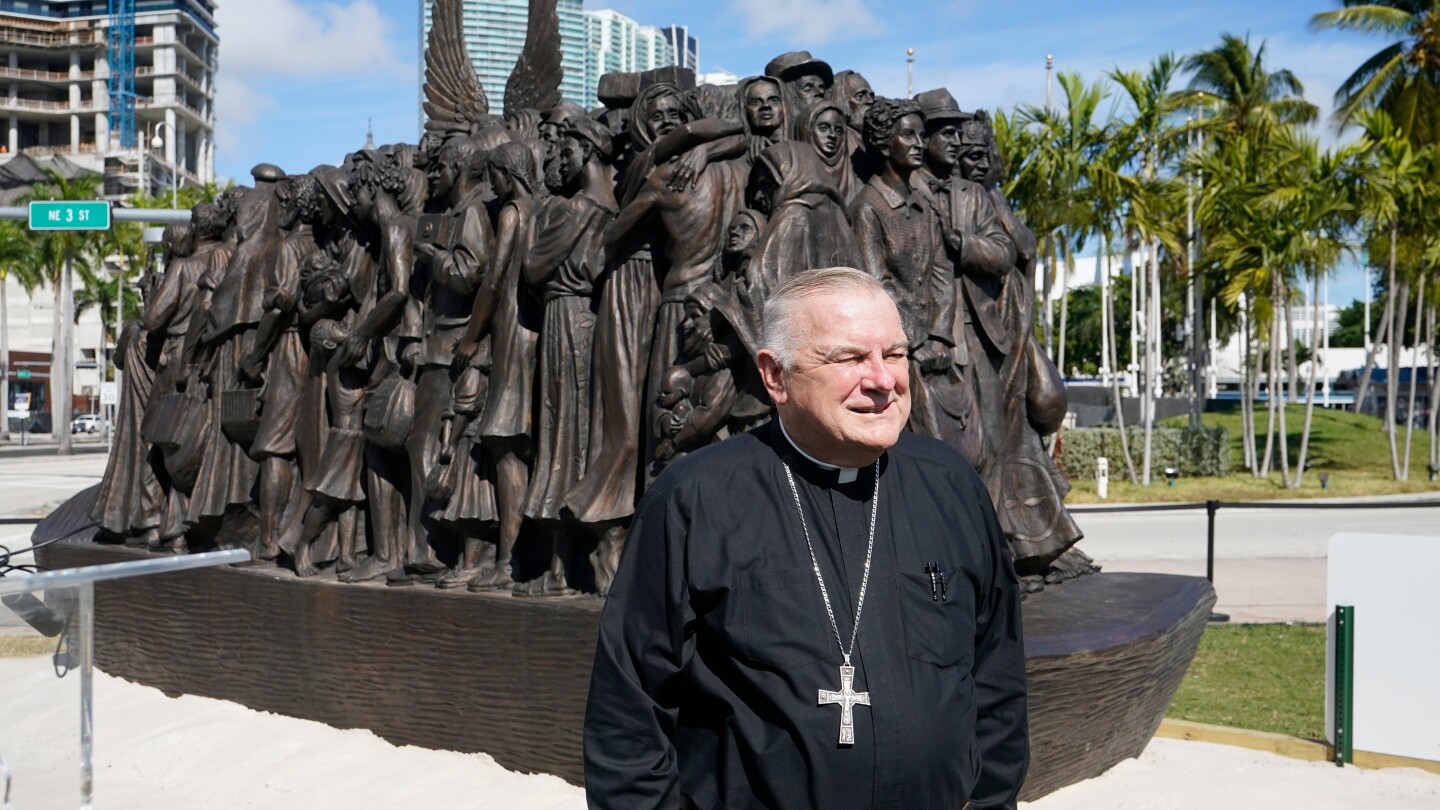
    Miami Archbishop Thomas Wenski, ministering to the significant Venezuelan population in his diocese, acknowledged the mixed emotions prevailing within communities. “People are happy because Maduro is out, but there’s still a lot of uncertainty,” Wenski stated in an interview with The Associated Press. He particularly highlighted concerns for those whose temporary protective status in the U.S. has recently been revoked, noting their anxiety about returning without genuine political transformation in Venezuela.

    The Catholic Church, which maintained tense relations with both Maduro and his predecessor Hugo Chávez, now sees an opportunity for renewed influence. Wenski emphasized the Church’s unique position as “perhaps the only institution that is independent of the government” capable of courageously addressing national issues. He referenced recent tensions exemplified by Cardinal Baltazar Porras, an outspoken government critic who had his passport confiscated by Venezuelan authorities.

    In Doral, Florida—nicknamed “Doralzuela” for its substantial Venezuelan population—Sunday services focused on prayers for peaceful transition. Reverend Israel Mago of Our Lady of Guadalupe urged congregants to pray for “a fair and peaceful transition in Venezuela, so peace and justice can reign.” Simultaneously, evangelical pastor Frank López of Jesus Worship Center expressed gratitude toward U.S. leadership while envisioning freedom spreading throughout the region.

    Similar gatherings occurred in Philadelphia, where Venezuelan communities organized special services at the Cathedral Basilica of Saints Peter and Paul. Arianne Bracho, vice president of Casa de Venezuela Philadelphia, described the emotional gathering as essential for “reaffirming our hope, our faith, to call on tranquility and calm.” Like many diaspora Venezuelans with family scattered worldwide due to prolonged crisis, Bracho acknowledged conflicted emotions about the necessary but painful transition.

    The religious response highlights how faith institutions are providing crucial emotional and spiritual anchoring during this period of geopolitical upheaval, while cautiously advocating for democratic processes and national reconciliation.