分类: world

  • Storm Goretti: Heavy wind, rain, snow to batter Europe

    Storm Goretti: Heavy wind, rain, snow to batter Europe

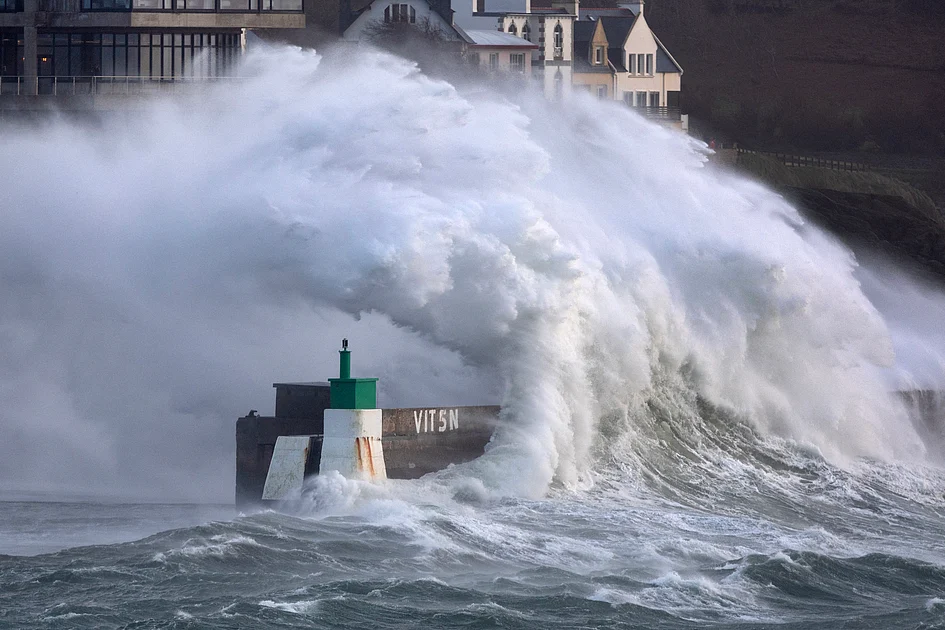
    A powerful weather system named Storm Goretti descended upon Europe on Thursday, bringing a dangerous combination of extreme winds, heavy snowfall, and freezing temperatures. Meteorological agencies across the continent issued severe warnings, predicting significant disruptions to daily life and infrastructure from Britain to Germany.

    In the United Kingdom, the Met Office took the rare step of issuing its highest-level red wind alert for southwestern England, including the Isles of Scilly and Cornwall. Forecasters warned of potentially catastrophic wind gusts reaching 160 kilometers per hour (100 mph), accompanied by dangerously large coastal waves. Simultaneously, an amber snow warning covered Wales, the Midlands, and northern England, with predictions of up to 30 centimeters (11 inches) of accumulation. The severe conditions prompted National Rail to advise against all non-essential travel for the next 48 hours as train services faced inevitable disruptions.

    Across the Channel, northern France prepared for similar onslaught, particularly in the Manche department where schools were ordered closed for Friday. Authorities issued urgent safety directives across 30 northwestern regions, advising residents to seek shelter and avoid vehicle use while ensuring emergency supplies of lighting and drinking water.

    Germany’s meteorological service (DWD) reported approaching heavy snow and powerful winds expected to cripple transportation networks and public services. Northern regions braced for up to 15 centimeters (6 inches) of snow, while southern areas faced hazardous icy conditions. The cities of Hamburg and Bremen preemptively canceled school for Friday as public transport networks already experienced significant delays on Thursday. Deutsche Bahn mobilized over 14,000 employees to combat the expected infrastructure challenges.

    Meteorologist Andreas Walter of the DWD noted the exceptional nature of this storm compared to recent milder winters, directly linking the pattern shift to climate change. While cold snaps with substantial snowfall remain possible despite rising global temperatures, Walter emphasized such events would become increasingly rare in the future.

    Adding to the extraordinary weather patterns, Norway’s Meteorological Institute reported that only one region in the entire country recorded temperatures above freezing on Thursday: the Arctic archipelago of Svalbard.
  • Six whales die after mass stranding on remote NZ beach

    Six whales die after mass stranding on remote NZ beach

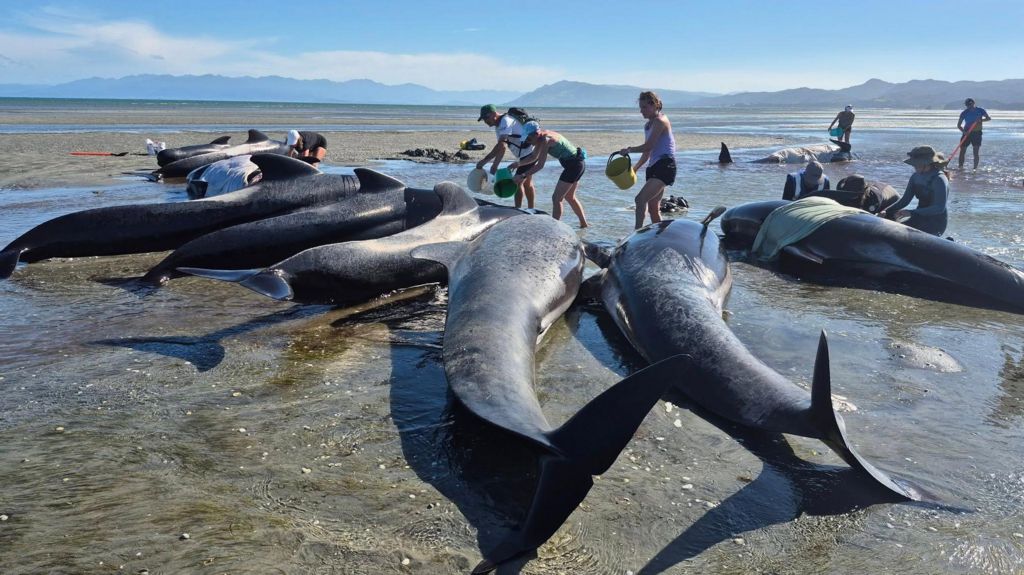
    A critical rescue operation is underway on New Zealand’s remote Farewell Spit following a mass whale stranding that has left six pilot whales dead and 15 others fighting for survival. The dramatic event began Thursday when approximately 55 marine mammals washed ashore on the South Island’s northernmost coastline.

    While most of the initially stranded whales managed to return to sea during high tide, a group of 15 individuals became restranded along a kilometer-long stretch of beach. Conservation organization Project Jonah has mobilized teams of volunteers who are working against the clock to keep the surviving whales hydrated and cool through constant water application.

    Louisa Hawkes of Project Jonah emphasized the urgency of the situation: ‘When the tide comes in, we’re going to have to move really quickly to bring these whales together, then move them out to deeper waters.’ The rescue strategy focuses on leveraging pilot whales’ highly social nature by forming them into a tight-knit group to encourage collective swimming back to safety.

    New Zealand’s Department of Conservation has deployed additional resources including rangers, marine vessels, and drone technology to monitor the area for further strandings. Farewell Spit is notoriously known as a natural ‘whale trap’ due to its gently sloping tidal flats and rapidly receding waters that frequently disorient marine mammals following their migratory routes.

    This location has witnessed numerous mass strandings throughout history, most notably in February 2017 when over 400 pilot whales beached themselves in what became New Zealand’s largest recorded stranding event in a century. The current operation represents another chapter in the ongoing challenge of marine mammal conservation in this geographically vulnerable region.

  • Rare gorilla twins born in conflict-hit DR Congo nature park

    Rare gorilla twins born in conflict-hit DR Congo nature park

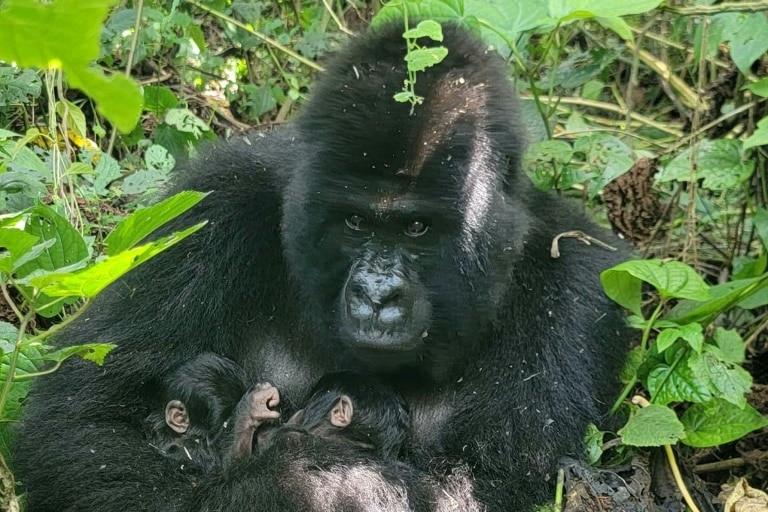
    In a remarkable event offering hope amidst ongoing conflict, Virunga National Park in eastern Democratic Republic of Congo has welcomed the birth of rare mountain gorilla twins. The endangered mother gorilla, Mafuko, gave birth to twin males in the UNESCO World Heritage site, which has long faced security challenges from armed groups operating in the region.

    Scientific data indicates that twin births occur in fewer than one percent of mountain gorilla pregnancies, making this event exceptionally rare. This represents only the second documented case of gorilla twins in Congo, with the previous occurrence also recorded within Virunga’s boundaries in 2020.

    Park officials confirmed that trackers first observed the newborns on Saturday, immediately implementing specialized monitoring and protection protocols to enhance the infants’ survival prospects. Methode Uhoze, a park representative, provided confirmation of the twin birth to AFP on Thursday.

    The Congolese Institute for the Conservation of Nature, which oversees the country’s national parks, celebrated the birth as a triumph of life despite significant challenges. The institution shared an image on social media showing mother Mafuko cradling her two tiny offspring.

    Established in 1925 as Africa’s oldest nature reserve, Virunga National Park spans 7,800 square kilometers near Congo’s borders with Rwanda and Uganda. This biodiverse region currently faces substantial security threats, including territory controlled by the Rwanda-backed M23 militia, which has expanded its influence in recent months. Additionally, forests within the park are believed to serve as hideouts for the Islamic State-affiliated Allied Democratic Forces.

    With approximately 1,000 mountain gorillas remaining in the wild, conservation efforts take on critical importance. Virunga’s authorities reported hosting 350 of these great apes in 2021, with eight other mountain gorilla births recorded in the park during 2025, according to park spokesman Bienvenu Bwende.

  • The secret mission to fly a president’s body back home – pilot speaks to the BBC

    The secret mission to fly a president’s body back home – pilot speaks to the BBC

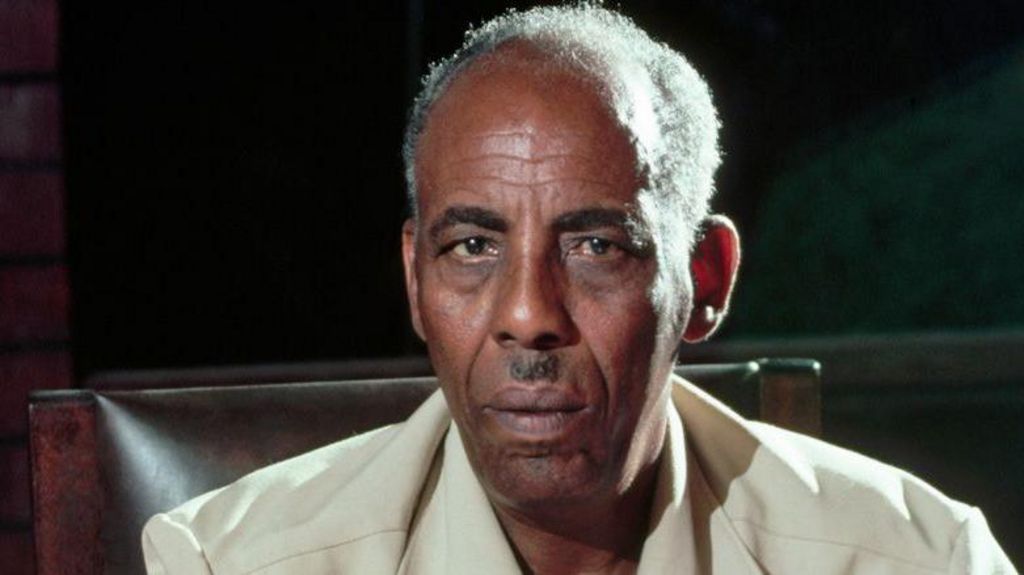
    Three decades ago, a clandestine operation unfolded across African skies to repatriate the body of Somalia’s former ruler Mohamed Siad Barre. On the 31st anniversary of this extraordinary mission, the key participants have broken their silence, revealing previously undisclosed details about the politically sensitive undertaking.

    In January 1995, Kenyan pilots Hussein Mohamed Anshuur and Mohamed Adan of Bluebird Aviation received an unexpected visit from a Nigerian diplomat at Wilson Airport near Nairobi. The official presented them with an unprecedented request: secretly transport Barre’s body from Lagos, Nigeria, to his hometown of Garbaharey in southern Somalia—a 4,300-kilometer journey across multiple national borders.

    The mission was fraught with political complications. Barre, who had ruled Somalia from 1969 until his overthrow in 1991, died in exile at age 80. Having fled to Kenya initially, he eventually received political asylum in Nigeria under military ruler General Ibrahim Babangida after pressure mounted on the Kenyan government led by President Daniel arap Moi.

    Anshuur, a former Kenyan Air Force captain, described the moment they received the request: ‘We knew immediately this wasn’t a normal charter.’ The pilots spent a day deliberating, weighing the considerable risks against the lucrative financial offer. They demanded guarantees from the Nigerian government, including full political responsibility if anything went wrong and the presence of two embassy officials on board.

    The operation required meticulous planning. On January 11, 1995, their Beechcraft King Air B200 took off from Wilson Airport with a flight manifest falsely listing Kisumu, Kenya as their destination. Instead, they diverted to Entebbe, Uganda, exploiting limited radar coverage across the region. After refueling, they continued to Yaoundé, Cameroon, where Nigerian diplomats awaited, before finally reaching Lagos.

    The Nigerian government provided a military call sign ‘WT 001’ to avoid suspicion when entering Nigerian airspace. In Lagos, Barre’s family including his son Ayaanle Mohamed Siad Barre joined the aircraft for the final leg. The secrecy, according to Barre’s son, was necessary to comply with Islamic burial traditions requiring prompt interment, not to conceal illegal activities.

    The return journey retraced the route through Cameroon and Uganda, with the pilots maintaining the fiction of a routine flight. As they approached Kenya, they diverted directly to Garbaharey’s small airstrip, which couldn’t accommodate military aircraft. After attending the burial, the pilots returned to Wilson Airport, reporting a false origin from Mandera, northeastern Kenya, to avoid detection.

    Reflecting on the mission, Anshuur noted that technological advancements in aviation surveillance would make such a covert operation impossible today. At 65, he acknowledges he wouldn’t undertake a similar mission now, but remains proud of having fulfilled what he saw as a humanitarian duty to ensure a former leader received proper burial in his homeland.

  • Saudi Arabia bans poultry, eggs from France, Poland over avian disease outbreaks

    Saudi Arabia bans poultry, eggs from France, Poland over avian disease outbreaks

    Saudi Arabia’s Food and Drug Authority (SFDA) has implemented an immediate temporary prohibition on poultry and table egg imports originating from France and Poland. This decisive action comes in response to confirmed outbreaks of highly pathogenic avian influenza (HPAI) and Newcastle disease (ND) within both European nations. The ban follows official advisories issued by the World Organization for Animal Health (OIE) regarding the escalating health crisis affecting poultry populations.

    The regulatory measure includes specific exemptions for products that have undergone sufficient heat treatment to eliminate pathogenic viruses, provided they meet established health standards. All permitted imports must be accompanied by official health certification from competent authorities in the exporting countries confirming either virus-free status or successful viral eradication.

    Current epidemiological data reveals concerning patterns of HPAI H5N1 transmission across European regions, with France and Poland experiencing particularly severe outbreaks in both domestic poultry and wild bird populations. The European Food Safety Authority (EFSA) has documented 2,896 H5 virus detections across 29 European countries between September and November, primarily affecting wild birds (2,454 cases) with 442 outbreaks in poultry facilities.

    The global H5N1 outbreak, ongoing since 2021, has now expanded to affect over 50 mammalian species, presenting unprecedented challenges for containment strategies. While human infections remain relatively uncommon with 19 confirmed cases across four nations resulting in two fatalities, health authorities maintain vigilant surveillance for potential viral mutations that could enable human-to-human transmission.

    Migratory bird patterns have contributed to an earlier-than-typical outbreak season this year, with significant wild bird mortality observed along migration routes through Germany, France, and Spain. Despite reduced mammalian infections compared to 2022-2023 levels, the persistent circulation of avian influenza viruses continues to threaten global food security and agricultural stability.

  • Pope indicates new governing style for Catholic Church with regular, annual cardinal meetings

    Pope indicates new governing style for Catholic Church with regular, annual cardinal meetings

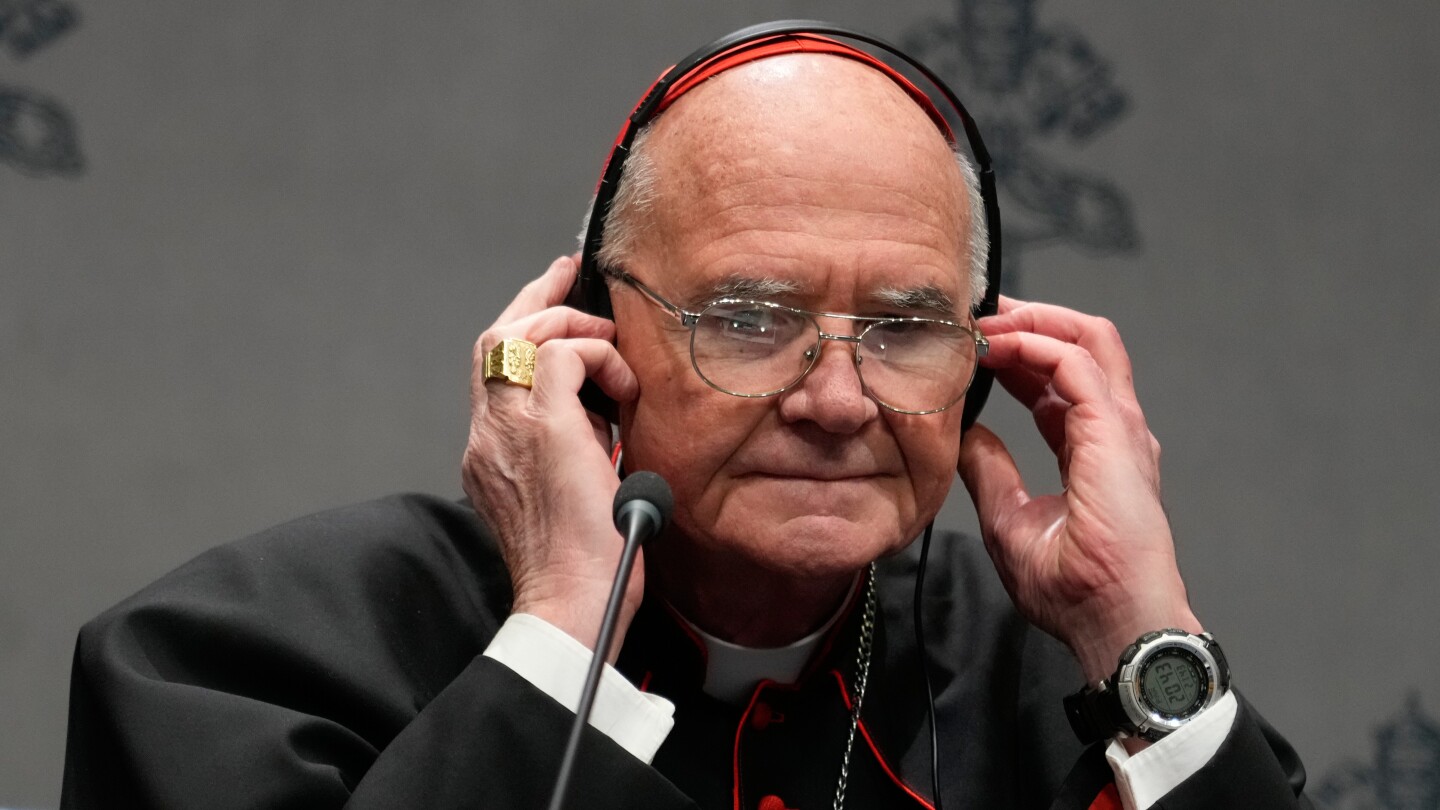
    In a significant departure from his predecessor’s governing approach, Pope Leo XIV has announced the establishment of annual gatherings for the College of Cardinals, signaling a new era of collaborative leadership within the Catholic Church. The announcement came Thursday at the conclusion of the pontiff’s first consistory—a meeting that cardinals from across the globe described as a constructive step toward greater collegiality.

    Vatican spokesman Matteo Bruni confirmed that Pope Leo has requested all cardinals to return to Rome for a second session scheduled for June 27-28, with plans to continue these meetings annually for three to four days each year. This structural shift represents a dramatic change from Pope Francis’ preference for relying on a hand-picked group of nine cardinals who met periodically to provide counsel.

    The move directly addresses concerns raised during the May conclave that elected Leo, where numerous cardinals had expressed frustration with what they perceived as Francis’ solitary leadership style. Many had advocated for regular consistories that would allow the collective body of cardinals to advise the pope on critical issues facing the global church.

    Cardinal Stephen Brislin of Johannesburg, South Africa, characterized the development as evidence that “the pope wants to be collegial and he wants to draw on the experience and the knowledge of different cardinals coming from all the different parts of the world.” He emphasized the value of diverse geographical perspectives in helping “the successor of Peter give leadership to the church.”

    Beyond governance implications, the regular meetings will address practical concerns about familiarity among the cardinals themselves. During pre-conclave discussions, many had noted the challenge of electing a pope when some cardinals from remote regions had never met their counterparts.

    Cardinal Cristóbal López Romero of Rabat, Morocco, described the initial gathering as “very fruitful because it allowed us to know one another better, to be in contact with the pope and take the pulse of how things are going.”

    The consistory also provided cardinals with their first extended opportunity to observe the leadership style of history’s first U.S. pope, whom many still consider somewhat enigmatic due to his reserved demeanor and preference for listening rather than speaking. Cardinal Pablo Virgilio David of the Philippines noted that Leo took “copious notes” during discussions, suggesting serious consideration of the cardinals’ input.

    Cardinal Jean-Paul Vesco of Algiers observed that beyond the substantive discussions, the gathering fostered an atmosphere of mutual respect and brotherhood, noting that cardinals felt both valued by and supportive of the new pontiff.

  • Huge anti-government protests in Tehran and other Iranian cities, videos show

    Huge anti-government protests in Tehran and other Iranian cities, videos show

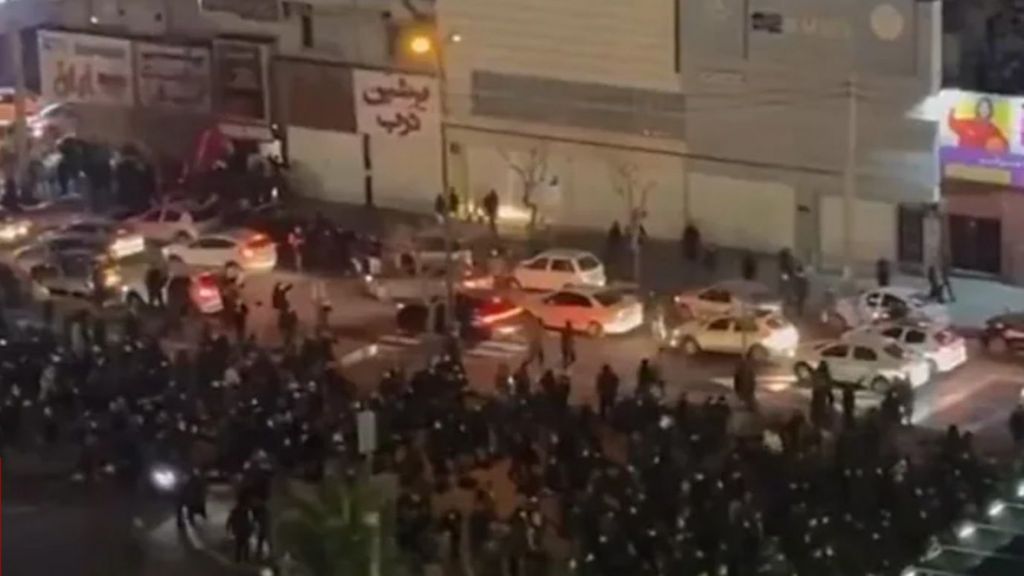
    Tehran has become the epicenter of escalating civil unrest as Iran enters its twelfth consecutive day of widespread demonstrations. Verified footage from multiple sources reveals substantial crowds marching through the capital and other urban centers, marking the most significant challenge to Iran’s clerical leadership in recent years.

    The protests originated on December 28th when merchants took to Tehran’s streets to voice frustration over the Iranian rial’s catastrophic devaluation. The currency has plummeted to unprecedented lows against the US dollar, with parallel inflation rates surging to approximately 40%. This economic collapse stems from international sanctions targeting Iran’s nuclear program, compounded by systemic government mismanagement and corruption.

    What began as economic demonstrations has rapidly evolved into broader political dissent. University students have joined the movement, with protests now confirmed across 140 municipalities spanning all 31 Iranian provinces. In Mashhad, Iran’s second-largest city, protesters openly demanded the removal of Supreme Leader Ayatollah Ali Khamenei and advocated for the return of Reza Pahlavi, exiled son of the former Shah.

    The human cost continues to mount amid conflicting casualty reports. The US-based Human Rights Activist News Agency documents at least 34 protester fatalities and seven security personnel deaths, alongside 2,270 arrests. Norway-based Iran Human Rights presents higher figures, claiming at least 45 protesters including eight children have been killed by security forces. BBC Persian has independently verified 21 fatalities, while Iranian authorities acknowledge five security personnel deaths.

    Notably, security forces have permitted some peaceful rallies to continue without intervention, though Wednesday witnessed violent clashes in multiple urban centers. The persistence of demonstrations across nearly two weeks suggests deepening societal fractures and represents the most sustained challenge to Iran’s establishment in years.

  • Weekly quiz: Which sport helped Timothée Chalamet win a Best Actor award?

    Weekly quiz: Which sport helped Timothée Chalamet win a Best Actor award?

    The past week witnessed significant developments across global affairs, commerce, and social discourse, capturing international attention. In a dramatic escalation of tensions, United States authorities conducted a surprise operation resulting in the apprehension of Venezuelan President Nicolás Maduro at his private residence. This bold maneuver represents a substantial intensification of Western pressure on the South American nation’s leadership.

    Concurrently in the retail sector, Claire’s Stores Inc., the ubiquitous accessories retailer found in shopping centers worldwide, confronted mounting financial instability. The company grappled with severe liquidity challenges that threatened its operational continuity, signaling deeper troubles within the traditional brick-and-mortar retail industry.

    In the cultural sphere, actress and public figure Ashley Tisdale leveraged her platform to address concerning social dynamics, speaking out against perceived toxicity within certain parenting communities. Her critique highlighted the psychological pressures and judgmental environments that some maternal support groups foster, bringing attention to modern parenting challenges in the digital age.

    These disparate yet significant events collectively painted a picture of a week characterized by geopolitical boldness, economic vulnerability, and social consciousness, demonstrating the interconnected nature of global developments across political, economic, and societal domains.

  • New clashes in Iran as opposition urges more protests

    New clashes in Iran as opposition urges more protests

    Iran entered its twelfth consecutive day of widespread civil unrest on Thursday as security forces deployed tear gas against demonstrators protesting the country’s severe economic deterioration. The protests, which originated in Tehran’s bazaar on December 28 following the rial’s collapse to unprecedented lows, have now expanded across all 31 provinces, presenting the most significant challenge to the clerical establishment in years.

    According to the HRANA monitoring group, demonstrations have been documented in 348 locations nationwide, with videos emerging showing protesters in Kuhchenar, Fars province, tearing down a statue of Qassem Soleimani, the Revolutionary Guards commander killed by a U.S. strike in 2020. The Norway-based Iran Human Rights organization reported security forces have employed live ammunition, tear gas, and physical violence against civilians, with at least 27 protesters confirmed dead, including five minors under age 18.

    The movement has gained momentum through calls from exiled opposition figures, particularly Reza Pahlavi, son of the deposed shah, who described Wednesday’s turnout as “unprecedented” and urged intensified demonstrations. Pahlavi warned via social media that authorities were attempting to disrupt internet connectivity to suppress organizing efforts.

    Judicial authorities have taken a hardline stance, labeling participants as “rioters” and promising “no leniency” in prosecution. The tension escalated further Wednesday when an Iranian police officer was fatally stabbed near Tehran during unrest containment operations, as reported by Fars news agency.

    The protests occur against a backdrop of economic crisis exacerbated by years of international sanctions and recovery efforts following June’s conflict with Israel. Demonstrators have adopted increasingly bold slogans including “this is the final battle, Pahlavi will return” and direct calls for the overthrow of Supreme Leader Ayatollah Ali Khamenei.

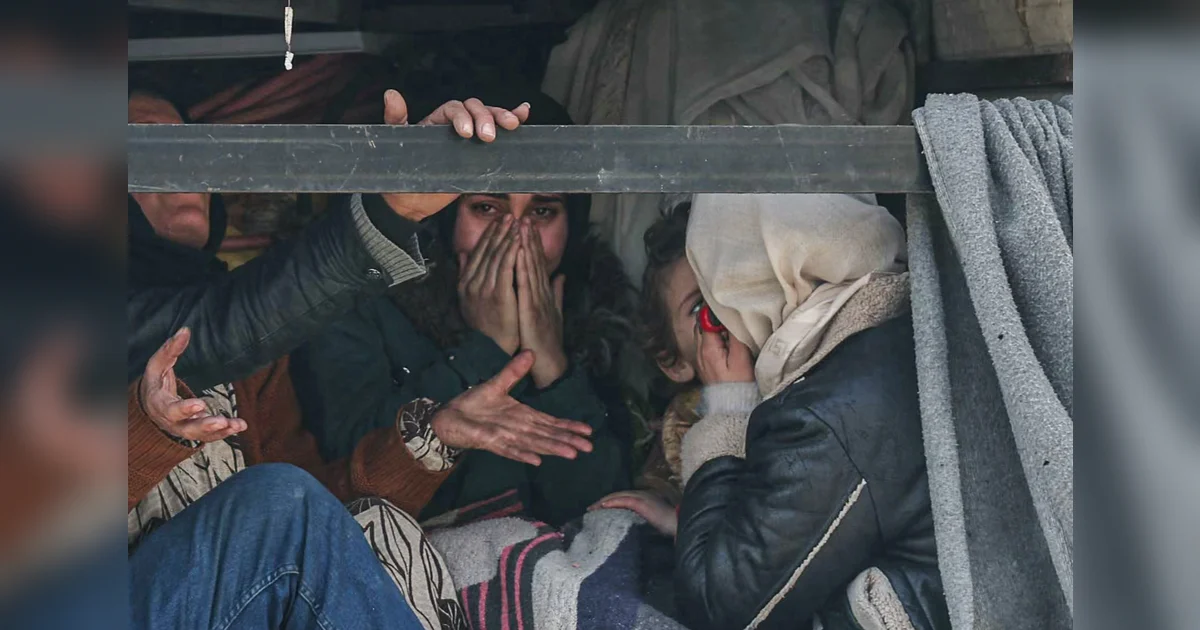
  • Syria tells civilians to leave Aleppo’s Kurdish areas

    Syria tells civilians to leave Aleppo’s Kurdish areas

    The Syrian military has issued a formal evacuation order for civilians residing in the Kurdish-dominated neighborhoods of Sheikh Maqsud and Ashrafiyeh in Aleppo, signaling preparations for renewed offensive operations. This development follows two days of intense clashes that have resulted in at least 17 fatalities and triggered mass civilian displacements.

    The current violence represents a significant breakdown in the implementation of a March agreement designed to integrate the semi-autonomous Kurdish administration and military forces into Syria’s new Islamist government structure. The strategic city of Aleppo has effectively shut down, with educational institutions, commercial establishments, and public services remaining closed for consecutive days as security conditions deteriorate.

    Military authorities established evacuation corridors on Wednesday that enabled thousands of residents to flee before initiating artillery bombardments against Kurdish positions. A subsequent deadline was imposed on Thursday, with civilians given until 1:00 PM local time to depart before the army threatened to resume combat operations.

    A Syrian military official characterized the operation as “limited” in scope, describing its primary objective as pressuring Kurdish fighters to withdraw and enabling government forces to establish complete control over Aleppo. The situation has drawn international concern, with UN Secretary-General António Guterres urging restraint and calling for renewed negotiations to salvage the March integration agreement.

    The crisis has generated regional repercussions, with Turkey expressing willingness to support Syrian government operations against Kurdish forces if formally requested. Meanwhile, Israeli Foreign Minister Gideon Saar condemned the offensive as “serious and dangerous” targeting of ethnic minorities, drawing parallels to Israel’s previous intervention during violence involving Syria’s Druze community.

    In the northeastern Kurdish stronghold of Qamishli, hundreds of protesters demonstrated against the Aleppo offensive, carrying banners reading “no to war” and “no to ethnic cleansing” while appealing for international intervention to protect Kurdish communities.