分类: world

  • Yemen rift deepens as separatist leader skips talks

    Yemen rift deepens as separatist leader skips talks

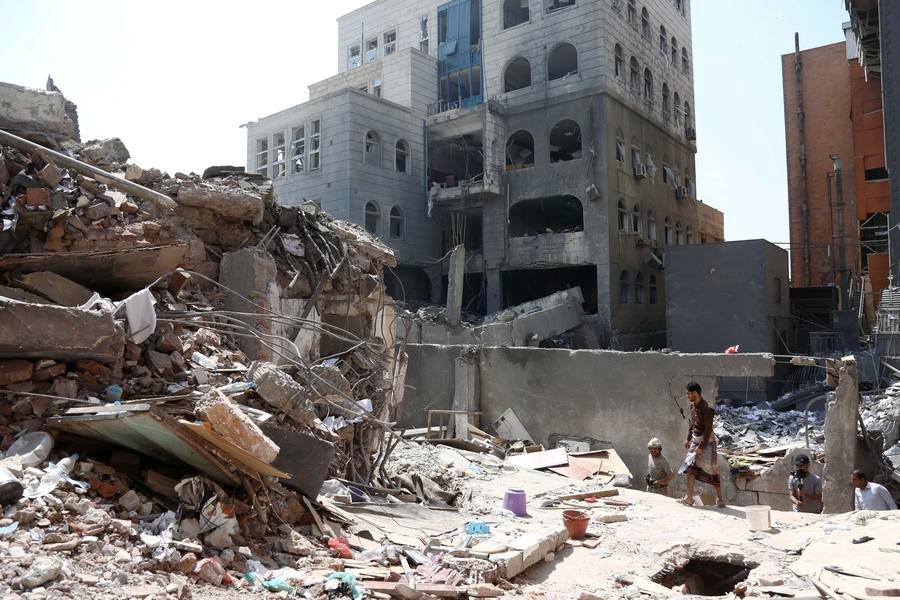
    Yemen’s precarious political landscape has descended into deeper crisis following the dramatic defiance of Southern Transitional Council (STC) leader Aidarous al-Zubaidi, who refused to attend critical reconciliation talks in Riyadh this week. This act of rebellion triggered a chain of escalating responses, including Saudi-led coalition airstrikes in Zubaidi’s home province of Al-Dhalea and his subsequent removal from Yemen’s Presidential Leadership Council on charges of “high treason.”

    The situation intensified when Zubaidi, instead of traveling to Saudi Arabia, embarked on an unexpected journey to the United Arab Emirates via Mogadishu, Somalia. The Saudi military confirmed his circuitous route from Aden to Abu Dhabi, though Emirati officials maintained conspicuous silence regarding his arrival.

    The rupture follows the STC’s aggressive territorial expansion last month and Zubaidi’s recent proclamation of a two-year transition plan for southern independence. Coalition spokesman Turki al-Maliki justified military operations as “limited preemptive strikes” necessary to prevent Zubaidi from “escalating the conflict” after reports emerged of his forces mobilizing armored vehicles and heavy weaponry.

    Meanwhile, the STC appears fractured internally, with deputy leader Abdulrahman al-Muharrami remaining in Riyadh and receiving instructions to maintain security in Aden. Concurrently, Saudi-backed National Shield Forces have been deployed toward the strategic port city, which serves as Yemen’s temporary capital and STC headquarters.

    The escalating tensions have sparked widespread panic among Aden residents, with civilians rushing to stockpile food, fuel, and essential supplies amid fears of imminent urban combat or airstrikes. In a separate humanitarian development, the first evacuation flight transported 180 stranded tourists from Yemen’s Socotra Island to Jeddah, with additional rescues planned for those trapped by mainland fighting.
  • Gaza remains on the edge

    Gaza remains on the edge

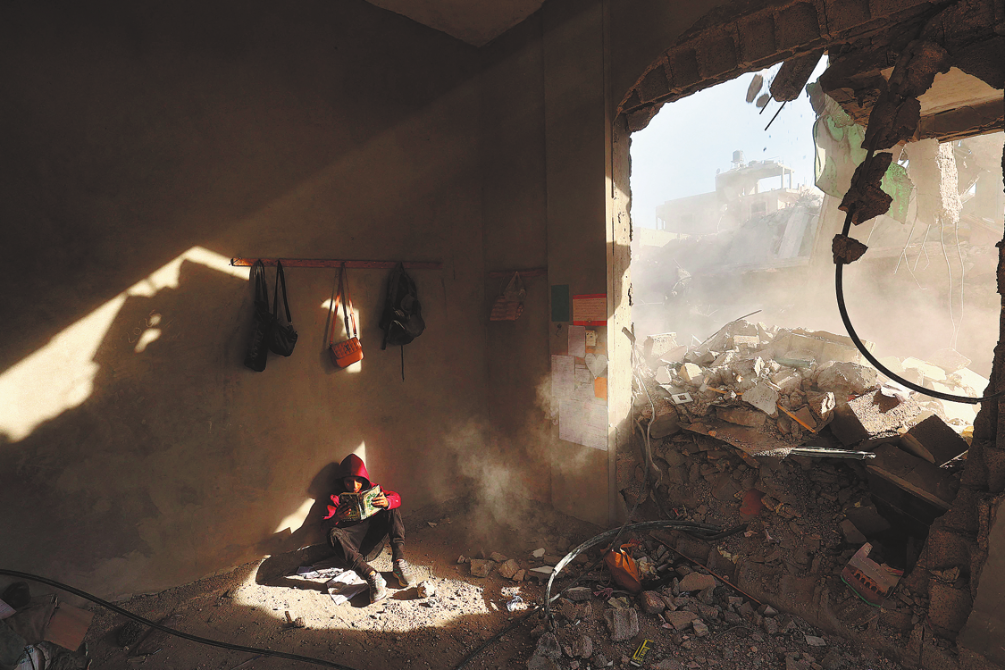
    Three decades after orchestrating the landmark Oslo Peace Accords, former Israeli deputy foreign minister Yossi Beilin remains actively engaged in peace advocacy while offering sharp criticism of current approaches to the Israeli-Palestinian conflict. The renowned architect of the 1993 agreement maintains that despite the horrific nature of Hamas’ October 2023 attacks, which he describes as “beyond any nightmare,” Israel and the international community must intensify efforts toward a two-state solution.

    A temporary ceasefire brokered in October by the Trump administration alongside Qatari and Egyptian mediators initially provided glimmers of hope, culminating in UN Security Council Resolution 2803 (2025) which established a framework for peace monitoring. The agreement created both a Board of Peace and an International Stabilization Force (ISF) tasked with overseeing ceasefire compliance in Gaza. However, the fragile truce has been repeatedly tested by sporadic attacks and mutual accusations of violations between Israel and Hamas.

    Beilin, who served in the Knesset for two decades and held ministerial positions, emphasizes the critical role of the Palestinian Authority (PA) in any viable peace process. “Our partners are the Palestine Liberation Organization,” he stated in an exclusive interview, “and the big mistake of the current Israeli government is that it is weakening the PLO, it is weakening the Palestinian Authority.” He specifically cited Israel’s refusal to transfer funds owed to the PA under the 1994 Paris Agreement as counterproductive to peace efforts.

    The political landscape has shifted dramatically since the Oslo Accords created the Palestinian Authority to administer limited self-governance. Currently, 157 United Nations member states recognize the State of Palestine, while 165 recognize Israel. Despite this diplomatic progress, mediators from Egypt, Qatar, and Turkey have struggled to advance to the second phase of the ceasefire agreement, which would address Hamas disarmament and Israeli withdrawal from occupied territories.

    Ammar Al-Dwaik, Director General of the Palestinian Independent Commission for Human Rights, notes that successful disarmament historically requires parallel political processes that provide compelling incentives for armed groups to lay down weapons. As Gaza remains precariously balanced between temporary calm and renewed conflict, experts agree that sustainable peace will require addressing both immediate humanitarian concerns and underlying political grievances.

  • Oreshnik hypersonic ballistic missile fired in fresh strikes on Ukraine, Russia says

    Oreshnik hypersonic ballistic missile fired in fresh strikes on Ukraine, Russia says

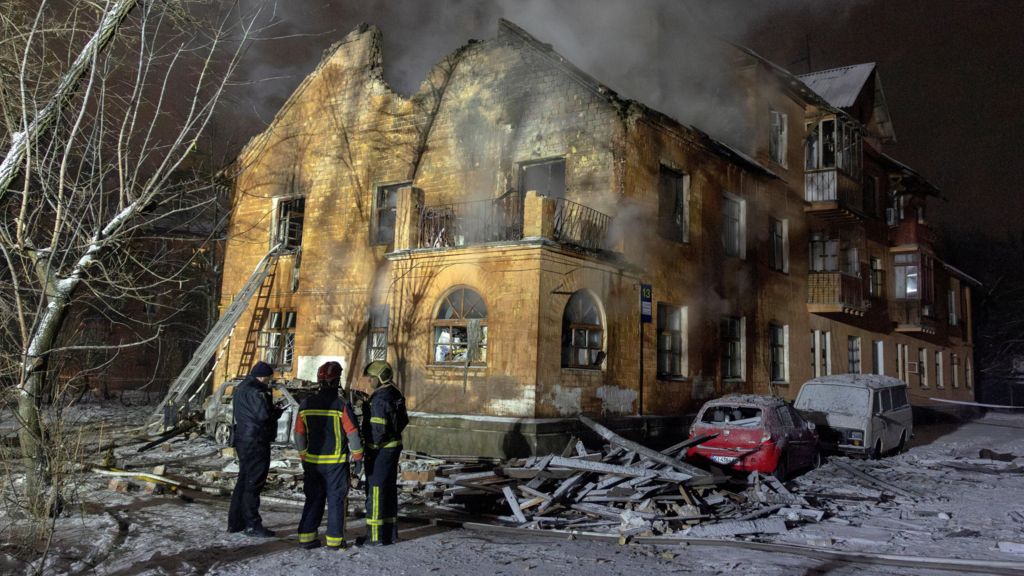
    In a significant escalation of hostilities, Russia has confirmed deploying its advanced Oreshnik intermediate-range ballistic missile during a massive overnight assault on Ukrainian territory. The strikes resulted in four fatalities and twenty-five injuries in the capital city of Kyiv, where residents endured hours of deafening explosions that illuminated the night sky.

    According to Russia’s defense ministry, this offensive operation was conducted as a retaliatory measure for an alleged Ukrainian drone attack on President Vladimir Putin’s residence in late December—an accusation that Ukrainian authorities vehemently deny. While the ministry did not identify specific targets for the Oreshnik missile, social media platforms circulated videos showing multiple explosions near Lviv, a western Ukrainian city located approximately 60 kilometers from the Polish border.

    Ukrainian officials confirmed that ballistic missile strikes damaged critical infrastructure in the Lviv area. The Oreshnik system, first deployed in November 2024 against Dnipro, represents a formidable technological advancement with an estimated range of 5,500 kilometers. Its warhead is designed to fragment during final descent into multiple independently targeted projectiles, creating distinctive sequential explosions.

    Ukrainian Foreign Minister Andrii Sybiha characterized the strike near NATO’s eastern flank as ‘a grave threat to European security and a test for the transatlantic community,’ dismissing Russia’s justification as based on ‘hallucinations.’ The European Union has expressed skepticism regarding Russia’s claims about the initial drone incident, with former U.S. President Donald Trump recently questioning whether the alleged attack on Putin’s residence ever occurred.

    The assault on Kyiv involved sophisticated tactical coordination, employing over a dozen missiles and hundreds of drones. Tragedy struck when a paramedic responding to an initial explosion became a victim of a ‘double-tap’ strike—a military tactic where secondary explosives target first responders. Residential buildings along the Dnipro River and in central districts sustained direct hits, while power outages affected multiple neighborhoods during exceptionally harsh winter conditions, with temperatures expected to drop to -15°C.

    Concurrently, Ukrainian forces targeted Russian energy infrastructure, with half a million residents in Belgorod losing power and the city of Oryol experiencing disruptions to water and heating systems following strikes on power plants. This reciprocal targeting of energy infrastructure has become a defining characteristic of the conflict, creating humanitarian challenges for civilians on both sides of the border.

  • Jersey returns £7m of ‘tainted’ funds to Nigeria

    Jersey returns £7m of ‘tainted’ funds to Nigeria

    In a significant move against international financial corruption, the Government of Jersey has formally agreed to repatriate $9.5 million (£7 million) in illicit funds to Nigeria. The restitution follows a landmark ruling by Jersey’s Royal Court, which determined the assets were “more likely than not” derived from a corrupt scheme involving Nigerian officials.

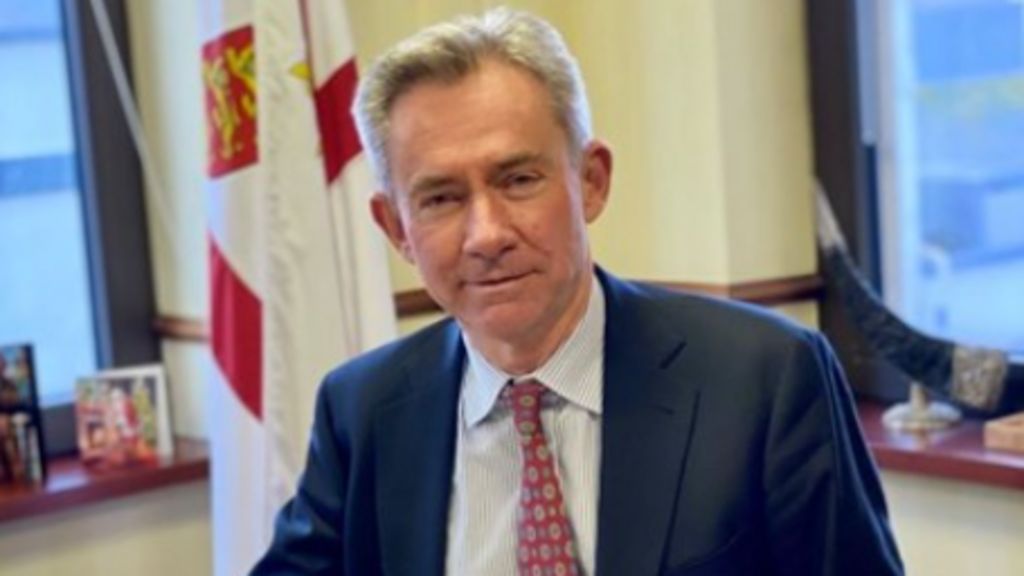
    The funds, held in a Jersey-based financial institution, were identified as proceeds from a corruption network where third-party contractors systematically diverted government money for the benefit of senior Nigerian officials and their associates. His Majesty’s Attorney General for Jersey, Mark Temple KC, finalized the restitution process through a Memorandum of Understanding (MOU) signed with Nigerian authorities in December.

    This agreement represents the third major asset repatriation arrangement between Jersey and Nigeria, following previous agreements that facilitated the return of over $300 million in stolen assets. The latest recovery underscores Jersey’s robust anti-corruption framework and its commitment to international judicial cooperation.

    Nigerian Attorney-General and Minister of Justice Lateef Fagbemi confirmed the returned assets would be allocated according to the MOU’s provisions, specifically supporting the completion of a critical highway infrastructure project connecting Nigeria’s capital with its second-largest city. Fagbemi emphasized that the successful recovery demonstrates Nigeria’s effective collaboration with international partners in combating illicit wealth transfer to foreign jurisdictions.

    Attorney General Temple highlighted the case as evidence of Jersey’s powerful civil forfeiture legislation, which serves as an essential tool in the global fight against corruption. The restitution sets another precedent for international cooperation in tracking and returning illicit assets to their rightful owners.

  • Russia bombards Kyiv after rejecting peacekeeping plan

    Russia bombards Kyiv after rejecting peacekeeping plan

    In a significant escalation of hostilities, Russian forces launched a massive aerial bombardment against Ukraine’s capital city of Kyiv early Friday, resulting in multiple casualties and widespread destruction. The assault, which involved drone strikes and missile attacks, killed at least four civilians and injured 19 others according to Mayor Vitali Klitschko, who described the offensive as a ‘massive enemy missile attack’ that left several neighborhoods without power.

    The intensified military action follows Moscow’s categorical rejection of a Western-backed security agreement proposed during the Paris Summit earlier this week. Russian foreign ministry spokeswoman Maria Zakharova explicitly warned that any Western troops stationed in Ukraine would be considered ‘legitimate military targets,’ characterizing the coalition between Ukraine and its allies as an ‘axis of war.’

    Simultaneously, Russian forces continued their advance in eastern regions, claiming capture of additional territory in the Dnipropetrovsk area. The conflict reached new technological thresholds with reports of hypersonic ballistic missiles traveling at approximately 13,000 kilometers per hour striking infrastructure near the Polish border, though authorities confirmed radiation levels remained normal despite concerns about weapon types.

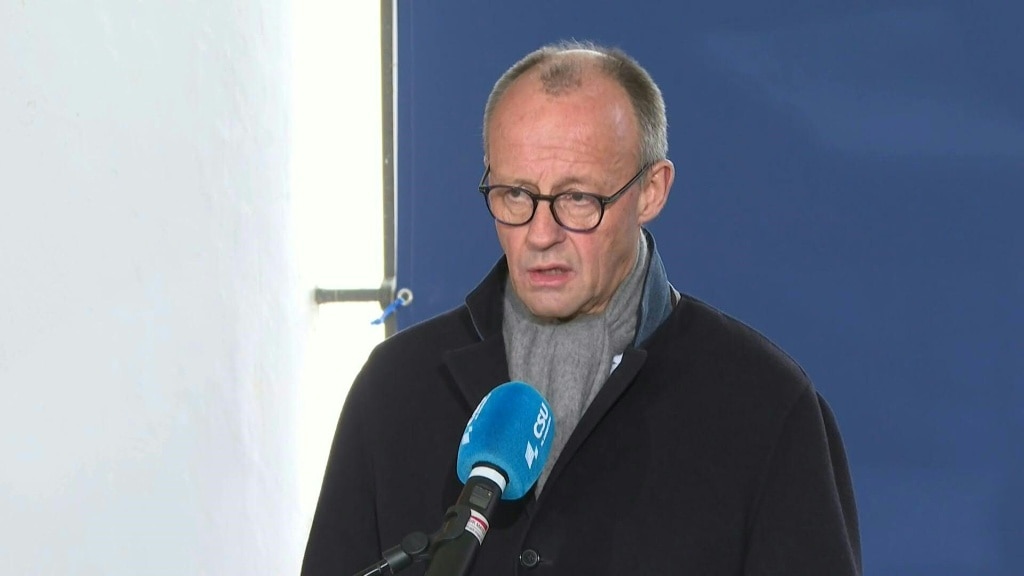
    As diplomatic efforts stall, German Chancellor Friedrich Merz acknowledged that a ceasefire agreement remains ‘quite far’ from realization due to Russia’s uncompromising position on territorial demands, including full control of the Donbas region. The ongoing assaults have created a national emergency with hundreds of thousands of households facing energy shortages during winter conditions, particularly in the Dnipropetrovsk and Zaporizhzhia regions where critical infrastructure has been systematically targeted.

  • Russia attacks Ukraine with drones and missiles, killing 4 in Kyiv

    Russia attacks Ukraine with drones and missiles, killing 4 in Kyiv

    Ukrainian cities faced a severe escalation in hostilities as Russian forces executed a coordinated multi-front assault overnight Thursday into Friday. The offensive, which combined drone and missile strikes, resulted in significant civilian casualties and infrastructure damage across multiple regions.

    According to official statements from Kyiv’s military administration, the attacks claimed four lives and left at least twenty-two individuals wounded. Among the fatalities was an emergency medical responder, highlighting the dangers faced by first responders during active combat operations. Ukraine’s security service confirmed that five rescue personnel sustained injuries while attempting to provide assistance at attack sites.

    The western city of Lviv experienced particularly concerning developments when an unidentified ballistic missile targeted critical infrastructure facilities. Mayor Andriy Sadoviy reported the strike, while Ukraine’s Western Air Force Command later disclosed the missile traveled at approximately 13,000 kilometers per hour. Military analysts are currently working to identify the specific rocket type used in this unprecedented attack.

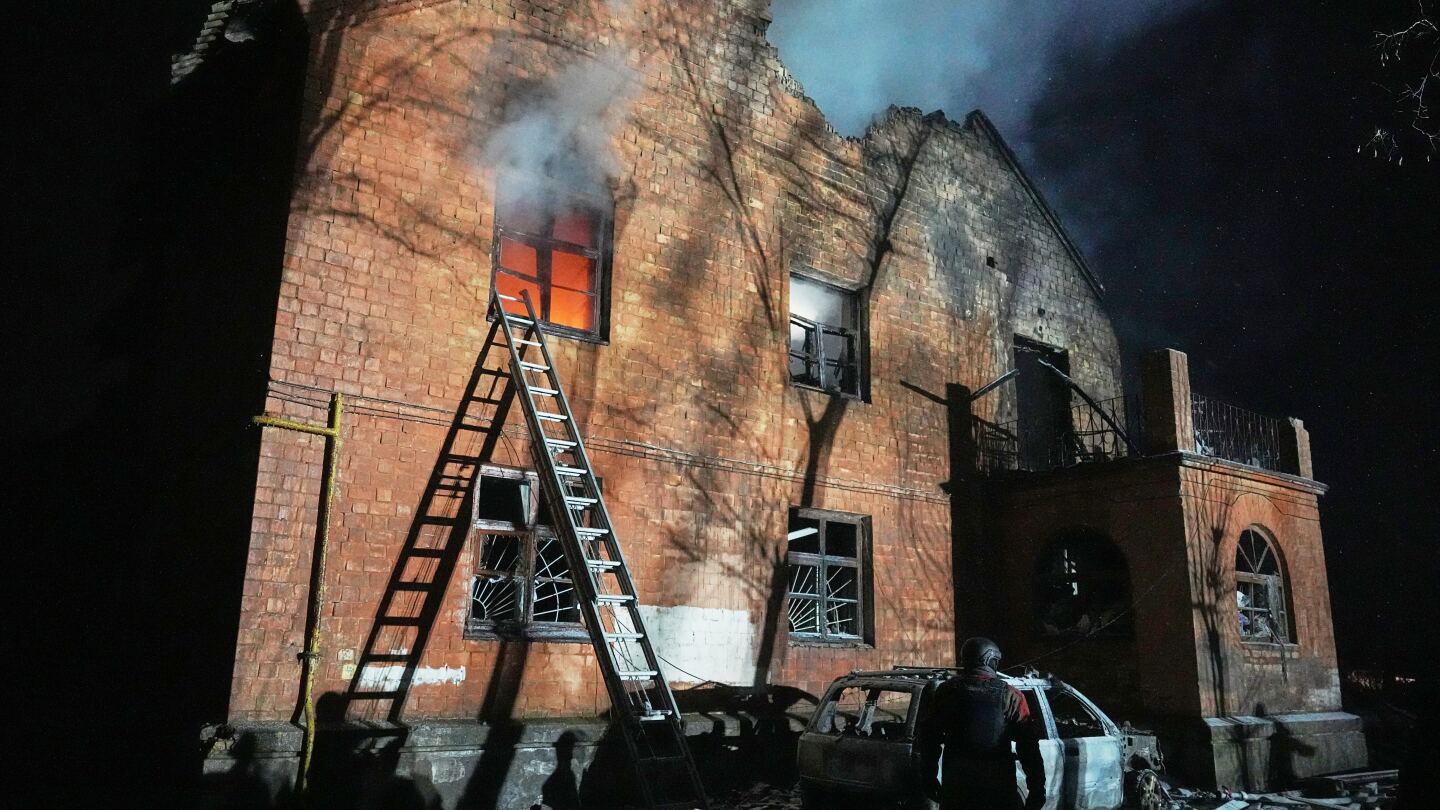
    In the capital, several districts suffered direct impacts from the assault. The Desnyanskyi district witnessed a drone collision with a multi-story residential building, while another location within the same district sustained damage to the lower floors of an apartment complex. Meanwhile, in Dnipro district, debris from downed drones ignited fires and caused structural damage to civilian housing.

    The aftermath of the bombardment created widespread disruption throughout Kyiv, with Mayor Vitali Klitschko reporting interruptions to both water and electricity services. These utility failures occurred during particularly harsh winter conditions, compounding the challenges for emergency response teams.

    This escalation comes shortly after Ukrainian President Volodymyr Zelenskyy warned the nation about Russia’s planned large-scale offensive operations. The president specifically noted Russia’s intention to exploit adverse weather conditions, including dangerously icy roads and frigid temperatures that complicate defense efforts.

  • Nationwide internet blackout reported in Iran as protests persist

    Nationwide internet blackout reported in Iran as protests persist

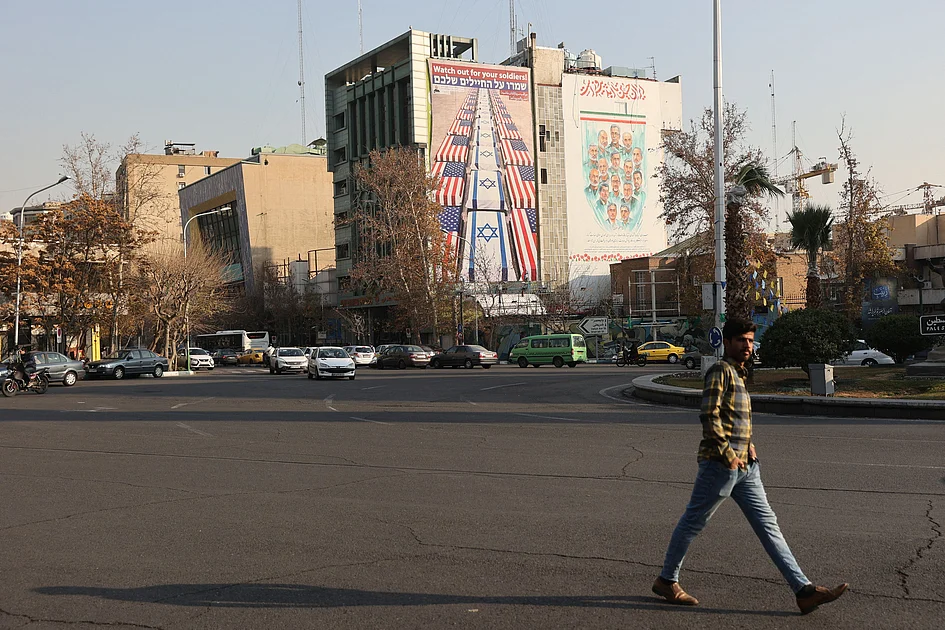
    Iran experienced a comprehensive internet shutdown on Thursday as widespread protests over economic hardships intensified across the nation. Internet monitoring organization NetBlocks confirmed the nationwide blackout, though specific details regarding the outage’s technical aspects remained unavailable.

    In Tehran, Mashhad, and Isfahan, witnesses reported continued demonstrations with protesters voicing opposition to the country’s clerical leadership. The unrest represents the most significant wave of dissent witnessed in Iran over the past three years, initially triggered by currency devaluation concerns among Tehran’s merchant community before expanding nationwide.

    The protests have emerged against a backdrop of severe economic challenges, including hyperinflation attributed to both domestic mismanagement and international sanctions. Social media posts, which Reuters could not independently verify, indicated some demonstrators expressed support for Reza Pahlavi, the exiled son of Iran’s former Shah, who had previously called for intensified protests through digital channels.

    Iranian state media presented a contrasting narrative, maintaining that cities throughout the country remained calm. Meanwhile, President Masoud Pezeshkian addressed the economic concerns by warning suppliers against hoarding and price manipulation, emphasizing the government’s commitment to ensuring adequate goods distribution.

    The situation develops under substantial international scrutiny, with former U.S. President Donald Trump threatening intervention should security forces employ violence against protesters. This occurs seven months following joint Israeli-American airstrikes targeting Iranian nuclear facilities, further complicating the geopolitical landscape.

  • Syrian government announces ceasefire in Aleppo after deadly clashes

    Syrian government announces ceasefire in Aleppo after deadly clashes

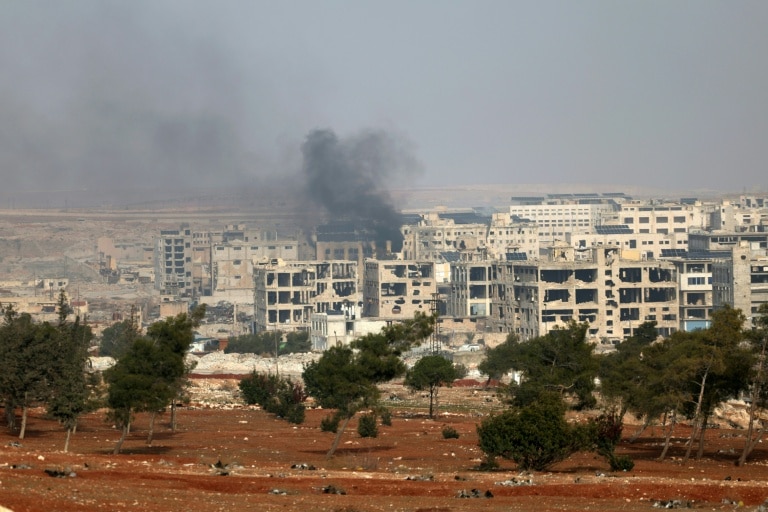
    The Syrian Defence Ministry has enacted a conditional ceasefire in the northern city of Aleppo, effective from 3:00 am local time Friday. This decision follows four days of intense combat between Syrian government troops and US-backed Kurdish-led forces that resulted in a minimum of 21 fatalities and triggered a mass civilian exodus.

    The clashes, described as the most severe since Islamist authorities assumed power over a year ago, centered on the predominantly Kurdish districts of Sheikh Maqsud, Ashrafiyeh, and Bani Zeid. Syrian state media reported approximately 16,000 residents fled through designated humanitarian corridors as artillery and sniper fire engulfed these neighborhoods. “We’ve endured terrifying circumstances… my children were paralyzed with fear,” recounted Rana Issa, a 43-year-old evacuee from Ashrafiyeh.

    This violence erupts amid stalled negotiations regarding a March integration agreement intended to merge the Kurdish-administered Syrian Democratic Forces (SDF) and their autonomous institutions into Syria’s central government. Kurdish demands for decentralized governance have significantly impeded implementation. The SDF, which controls substantial oil-producing territories in northeast Syria and spearheaded the campaign against Islamic State, accused Damascus of undermining potential diplomatic resolutions.

    Analysts warn that Aleppo represents a critical vulnerability for Kurdish forces. Aron Lund of Century International think tank cautioned that further escalation could ignite a extensive Damascus-SDF conflict across northern Syria, potentially drawing in regional powers like Turkey and Israel with catastrophic implications for national stability.

    The ceasefire mandates Kurdish fighters withdraw from specified zones by 9:00 am Friday, permitting displaced civilians to “return and resume normal lives under secure conditions.” However, the SDF has not immediately responded to the government’s declaration. Concurrently, hundreds protested in Kurdish-held Qamishli and Diyarbakir, Turkey, bearing signs reading “No to war” and appealing for international intervention to prevent ethnic cleansing.

  • An Argentine court offers hope for Venezuelans seeking justice for abuses under Maduro

    An Argentine court offers hope for Venezuelans seeking justice for abuses under Maduro

    In a landmark judicial decision, Argentina’s federal court has mandated the continuation of investigations into alleged crimes against humanity committed by Venezuela’s National Guard officers. This ruling, issued Thursday, rejects an appeal from a former Venezuelan officer challenging Argentina’s jurisdictional authority and instead invokes the principle of universal jurisdiction—a legal doctrine enabling nations to prosecute severe human rights violations regardless of where they occurred.

    The case, initiated in 2023, centers on accusations against 14 officers involved in the violent suppression of anti-government protests in 2014, during which security forces under President Nicolás Maduro allegedly engaged in torture, extrajudicial killings, and systematic repression. The court’s refusal to dismiss the case emphasizes the ‘extreme gravity’ of these allegations, compelling Argentina’s judiciary to pursue accountability.

    This development occurs amid complex geopolitical shifts. While the recent U.S. military intervention led to Maduro’s capture and the surprise appointment of Delcy Rodríguez as acting president, many Venezuelan rights advocates express skepticism about Washington’s commitment to human justice. Instead, they view Argentina’s legal perseverance as a more reliable pathway to accountability, especially given Venezuela’s entrenched impunity and the slow mechanisms of the International Criminal Court.

    Argentina’s role in such investigations is historically significant. Having successfully prosecuted its own military junta for atrocities committed during the 1976–1983 dictatorship, the country has emerged as a global hub for transnational justice. It has previously addressed cases ranging from Franco-era crimes in Spain to the persecution of Rohingya Muslims in Myanmar.

    Despite ideological alignments between Argentine President Javier Milei and the U.S. administration—both of whom celebrated Maduro’s capture—the Argentine judiciary remains independent. Its continued pursuit of this case signals a commitment to legal principles over political expediency. For Venezuelan victims and activists, this offers a beacon of hope amid fears that geopolitical interests, particularly concerning Venezuela’s oil reserves, may overshadow demands for justice and democratic restoration.

  • ‘Hectic’ bushfires threaten rural towns in Australian heatwave

    ‘Hectic’ bushfires threaten rural towns in Australian heatwave

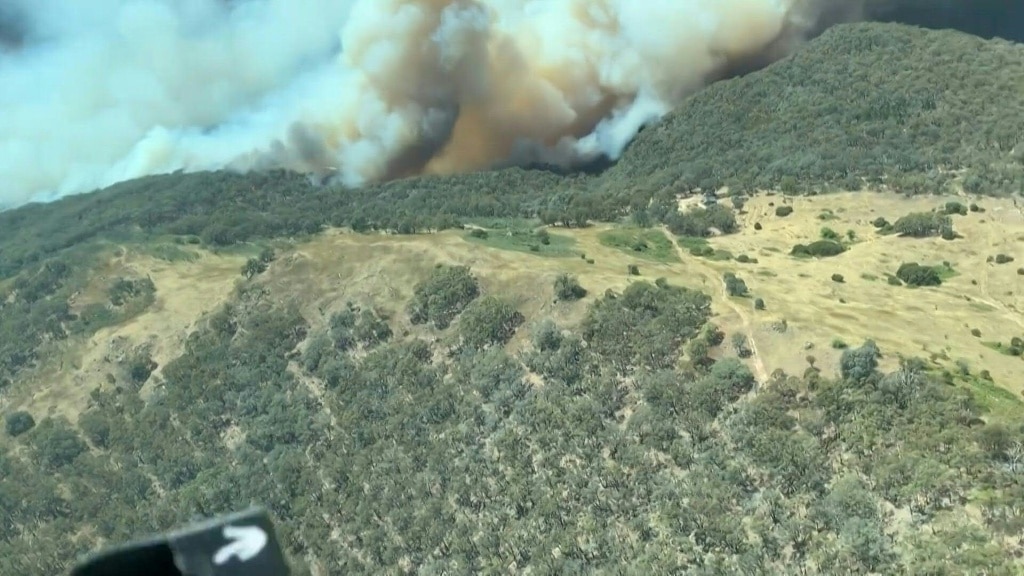
    Australia’s southeastern regions are facing a severe bushfire crisis as extreme heatwave conditions create what officials describe as the most dangerous fire weather since the devastating 2019-2020 Black Summer blazes. Fire authorities have issued catastrophic danger warnings—the highest possible rating—for multiple areas across Victoria state, where approximately 30 separate fires are actively burning.

    Emergency Management Commissioner Tim Wiebusch delivered urgent evacuation directives to residents in dozens of rural communities, stating unequivocally that failure to leave immediately could result in loss of life. The situation has been exacerbated by powerful wind gusts exceeding 100 kilometers per hour, which have temporarily grounded critical firefighting aircraft operations.

    One particularly destructive blaze near the town of Longwood, approximately 150 kilometers north of Melbourne, has already consumed an estimated 28,000 hectares of land. Local fire captain George Noye reported complete devastation of properties, including the destruction of livelihoods, agricultural infrastructure, and livestock, though thankfully no fatalities have been confirmed thus far.

    The extreme conditions have generated pyrocumulonimbus clouds—fire-induced thunderstorms—near the small community of Walwa, demonstrating the unprecedented intensity of these blazes. Victoria Premier Jacinta Allan emphasized the historic danger posed by the current situation, urging residents to prioritize evacuation over property protection.

    This crisis occurs against the backdrop of Australia’s documented 1.51°C temperature increase since 1910, which climate researchers link to increasingly frequent extreme weather events. The current heatwave affects millions across Victoria and New South Wales, including major urban centers like Sydney and Melbourne, with temperatures forecast to exceed 40°C.

    The devastating Black Summer fires of 2019-2020 serve as a grim reference point, during which millions of hectares burned, thousands of homes were destroyed, and cities were blanketed in hazardous smoke. Australia continues to be one of the world’s leading producers and exporters of coal and gas, fossil fuels identified as major contributors to global climate change.