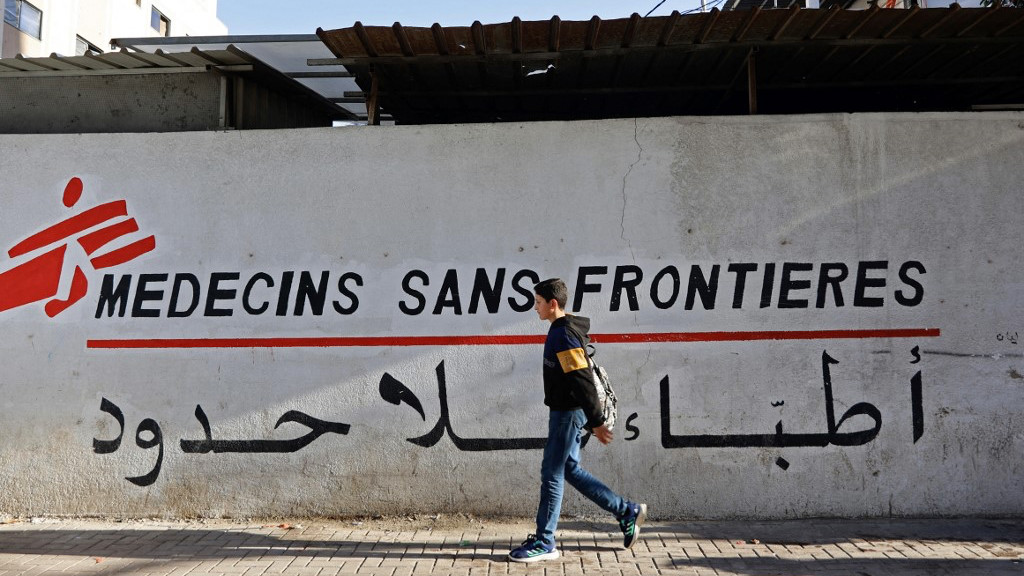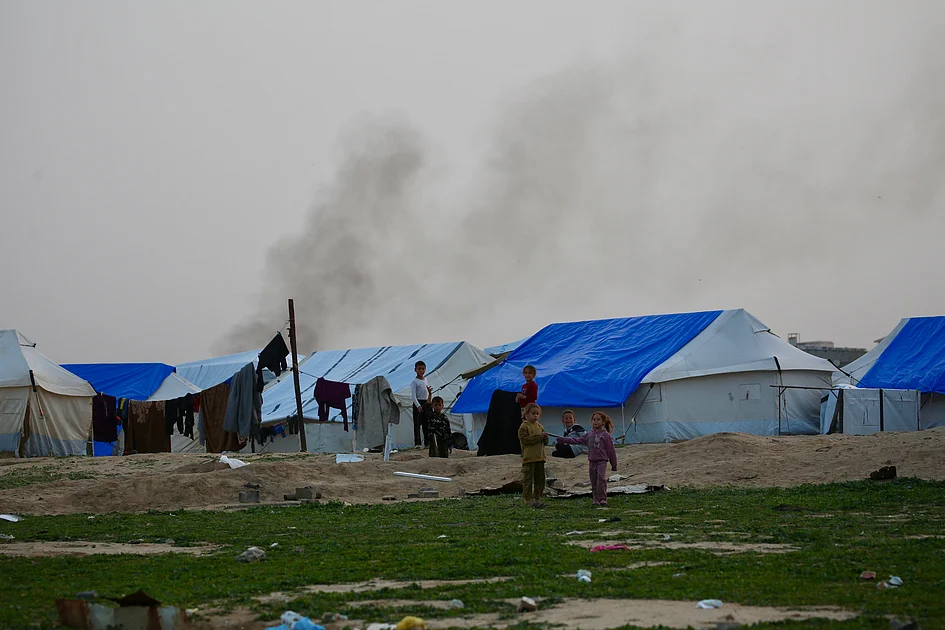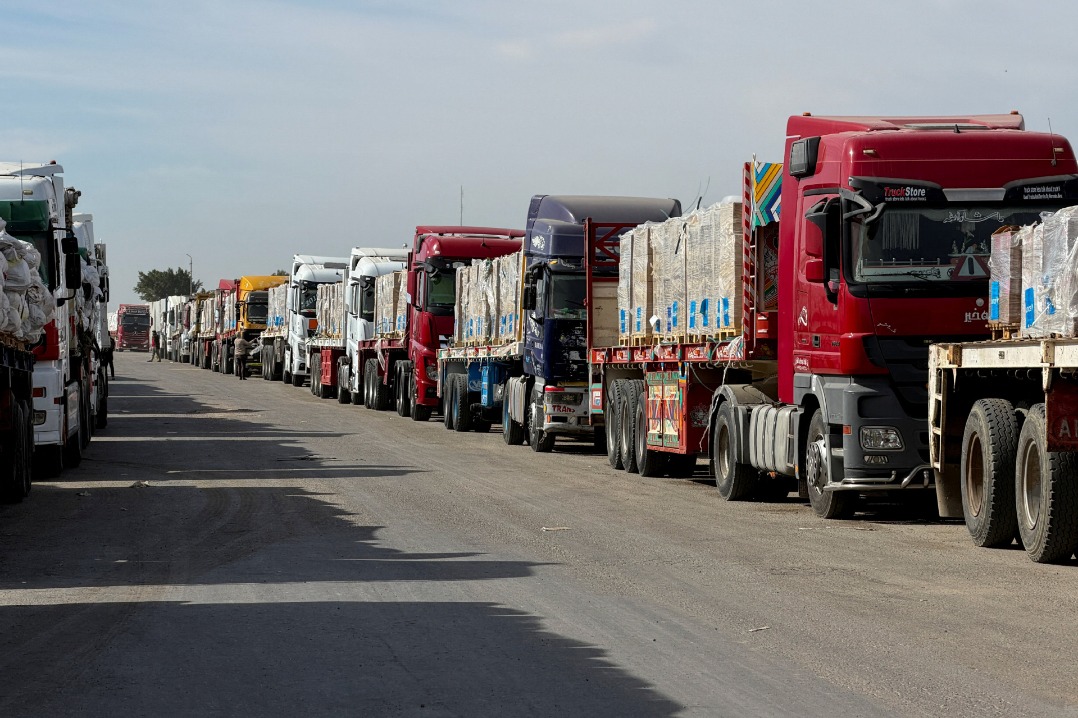
A recent assessment by a United Nations aid team in Gaza City has unveiled alarming hygiene and health conditions among displaced populations. The UN Office for the Coordination of Humanitarian Affairs (OCHA) reported on Thursday that severe challenges, including a lack of clean water, widespread skin diseases, and damaged sanitation systems, are prevalent in the region. The team conducted evaluations at two collective centers in Gaza City’s Az Zaitoun neighborhood, which currently shelters over 200 families. Residents at these sites face dire circumstances, with reports of individuals walking up to two kilometers to access water due to a shortage of containers. The urgent need for repairs to latrines and sewage networks was emphasized to prevent further contamination. Displaced families also expressed immediate needs for food, clean water, hygiene items, and materials to repair water and sanitation infrastructure. Additionally, cash assistance is required for winter clothing, shoes, tarpaulins, and kitchen sets. The World Health Organization (WHO) facilitated the medical evacuation of 41 critical patients and 145 companions from Gaza, marking the first such operation since the October 10 ceasefire. However, approximately 15,000 patients remain on a waiting list for external medical care. Humanitarian partners have provided protection support to around 21,000 people in displaced and returnee communities, including psychosocial first aid for 3,000 children and caregivers. Hygiene kits were distributed to over 30 temporary learning spaces, benefiting 6,800 school-age children. The World Food Programme has also begun distributing high-energy biscuits and fortified date bars to children in 18 temporary learning spaces. On Tuesday, 147 UN and partner trucks delivered essential supplies, with two-thirds of the cargo comprising food aid. Other items included diapers, hygiene kits, and tarps for emergency shelter assistance. The UN Office for Project Services collected and distributed significant quantities of diesel and gasoline to support critical humanitarian operations.
分类: world
-

Over 30 mln people in Sudan in need of humanitarian assistance: UN agencies
Sudan is grappling with one of the most severe humanitarian crises globally, with over 30 million people requiring urgent assistance, including 9.6 million internally displaced individuals and nearly 15 million children, according to a joint statement by four United Nations agencies. The International Organization for Migration (IOM), the UN Refugee Agency (UNHCR), the United Nations Children’s Fund (UNICEF), and the World Food Programme (WFP) issued the alarming report on Thursday, calling for immediate international intervention. The crisis, now in its third year, has been exacerbated by relentless conflict, widespread human rights violations, famine, and the collapse of essential services such as healthcare and education. Famine was confirmed in parts of Sudan last year, and the hunger situation remains dire, with malnutrition rates skyrocketing, particularly among children. Senior UN officials who recently visited Sudan witnessed the devastating impact of the crisis in regions like Darfur and Khartoum. Despite some families returning to Sudan, driven by a determination to rebuild their lives, the country remains in deep crisis. Humanitarian access to affected populations is severely restricted due to insecurity, bureaucratic hurdles, and logistical challenges. Funding shortages further aggravate the situation, with the 2025 Humanitarian Response Plan for Sudan only 25% funded. The UN agencies have called for an immediate cessation of hostilities, unhindered humanitarian access, simplified aid delivery procedures, urgent funding, and support for durable solutions for displaced populations.
-

Action urged ahead of UN climate meeting
As the United Nations Climate Change Conference (COP30) approaches, South African officials are urging developed nations to deliver actionable commitments, particularly in the realm of climate finance. The conference, scheduled to commence next month in Brazil, is seen as a critical juncture for translating climate pledges into tangible outcomes. Dion George, South Africa’s Minister of Forestry, Fisheries, and the Environment, emphasized the need for the operationalization of the loss and damage fund, which must be adequately capitalized and accessible to vulnerable nations, especially in Africa. George highlighted the necessity of technical and capacity-building support to enable developing countries to effectively mitigate and address climate-induced losses. South Africa, in collaboration with the African group of negotiators, will advocate for the continent’s unique needs, including its limited historical responsibility for greenhouse gas emissions and the principle of common but differentiated responsibilities. The call for action comes against the backdrop of the $100 billion annual climate finance pledge made by developed countries in 2009, which has yet to be fully realized. The New Collective Quantified Goal, adopted at COP29 in Azerbaijan, aims to raise $300 billion annually by 2035 to support developing countries’ climate efforts. The Baku to Belem Roadmap, established at COP29, further underscores the need for enhanced international cooperation in climate finance. Dorah Modise, Executive Director of South Africa’s Presidential Climate Commission, stressed the importance of clarity on funding availability and disbursement mechanisms. She emphasized that COP30 must demonstrate the efficacy of multilateralism in addressing global challenges like climate change, without burdening the Global South with additional debt. Modise called for grants and concessional loans to support infrastructure damage caused by climate change, ensuring accessibility and localization. South Africa’s decarbonization efforts will align with its developmental goals, including economic growth and job creation, while fostering intra-African collaboration and South-South partnerships. Boitumelo Molete, a policy coordinator at the Congress of South African Trade Unions, underscored the need for COP30 to deliver concrete outcomes that operationalize the Just Transition Work Programme and support vulnerable communities. Makoma Lekalakala, Director of Earthlife Africa, echoed the call for a clear roadmap from COP29 to COP30, emphasizing the urgency of addressing loss and damage financing.
-

From stink to sweet: How durian shaped ties
Once considered an acquired taste due to its pungent aroma, durian has emerged as a symbol of cultural and economic exchange between China and Thailand. Over the past decade, the spiky fruit has not only captivated Chinese consumers but also fostered deeper bilateral ties through trade and investment. Thailand, home to over 200 durian varieties, has become the primary supplier to China, accounting for 97.4% of its durian market. In 2024 alone, Thailand exported 833,000 metric tons of durian to China, valued at $3.7 billion. The fruit’s popularity has spurred online sales campaigns on platforms like Douyin and Taobao, while attracting Chinese investors to Thailand’s orchards and logistics sectors. However, the durian trade faced a significant setback earlier this year when Chinese customs detected Basic Yellow 2 (BY2), a harmful dye used to enhance the fruit’s appearance. This led to rejected shipments, investigations, and temporary export suspensions, causing financial losses for Thai farmers and raising concerns among Chinese consumers. The incident highlighted the need for stricter safety standards, traceability, and consumer education. Despite the challenges, the BY2 scandal prompted Thailand to upgrade its fruit industry, with increased government investment in testing and scientific farming. It also deepened Chinese consumers’ understanding of durian, paving the way for stronger partnerships. Beyond trade, durian has become a cultural bridge, reflecting shared values of respect for nature and traditional farming practices. As both nations continue to collaborate, the ‘king of fruits’ remains a testament to the evolving relationship between China and Thailand.
-

Finery and frailty: Africa’s top shots
This week, Africa showcased a tapestry of cultural, environmental, and political events, capturing the continent’s dynamic spirit. In South Africa, the Cape Town International Kite Festival drew crowds of enthusiasts to the beach, celebrating creativity and community. Meanwhile, in Nigeria, an environmental group organized a ‘Trashion Show’ in Lagos, blending fashion with sustainability as models strutted in outfits made from recycled materials. Algeria hosted the National Cultural Festival of Women’s Creativity in Algiers, where a Sahrawi woman proudly displayed her traditional jewelry, highlighting the richness of indigenous culture. In Madagascar, a rare short-legged ground roller was photographed feasting on a pimple-nose chameleon, a reminder of the island’s unique biodiversity. Cameroon’s Ruben Sodea impressed at the Artistic Gymnastics World Championships in Indonesia, vaulting into the air with precision and grace. Senegal’s annual canoe races off the coast of Dakar attracted cheering crowds, while Lagos’ vibrant nightlife came alive with cabaret performances in the Ikoyi neighborhood. Ivory Coast celebrated the Abissa festival in Grand-Bassam, where Nanan Awoulae Desire Amon Tanoe, king of the N’Zima people, made a grand entrance. In Italy, South Sudanese model-turned-actress Anyier Anei debuted in her film ‘Couture,’ starring alongside Angelina Jolie. Political tensions simmered in Ivory Coast as campaign billboards for former First Lady Simone Ehivet Gbagbo appeared ahead of the presidential election. In Tunisia, protesters in Gabes demanded the closure of a local chemical factory, citing health concerns. Cameroon saw opposition protesters barricade roads in Garoua, accusing the ruling party of election rigging. Amidst these events, Madagascar’s coastal city of Toliara offered a glimpse of everyday life as boys played with a mobile phone. From cultural celebrations to environmental activism and political unrest, Africa’s diverse stories continue to captivate the world.
-

ICC judges reject jurisdiction challenge by Philippine ex-president Duterte
The International Criminal Court (ICC) has dismissed a jurisdictional challenge filed by former Philippine President Rodrigo Duterte, allowing his case to proceed. Duterte, who served as president from 2016 to 2022, was arrested in March and transferred to The Hague following an arrest warrant connecting him to alleged murders during his controversial war on drugs. This campaign, which targeted suspected drug dealers and users, resulted in thousands of deaths. Duterte and his legal team argued that his arrest was unlawful, claiming the ICC lacked jurisdiction because the Philippines withdrew from the court in 2019, before a full investigation was launched. However, ICC judges ruled that the preliminary examination initiated by prosecutors prior to the withdrawal was sufficient to establish jurisdiction under the court’s rules. The ruling did not address a separate defense motion questioning Duterte’s fitness to stand trial due to alleged cognitive decline. A panel of medical experts is expected to submit a report on his health by the end of October, with a decision on its impact on the trial anticipated in mid-November.
-

17 countries, organisations, including Saudi Arabia, condemn Israeli laws on sovereignty over West Bank
A coalition of 17 countries and international organizations, including Saudi Arabia, Jordan, and the Organization of Islamic Cooperation, has issued a strong condemnation of two Israeli laws asserting sovereignty over the occupied West Bank. The joint statement, released through the Saudi Press Agency (SPA), denounces the laws as a blatant violation of international law and United Nations Security Council resolutions, particularly Resolution 2334. This resolution explicitly condemns any actions by Israel that alter the demographic or legal status of Palestinian territories occupied since 1967.
The statement also references the International Court of Justice (ICJ), which has repeatedly declared Israel’s occupation of Palestinian land illegal. The ICJ has emphasized Israel’s obligation to ensure access to essential resources for Palestinians and to facilitate humanitarian aid through UN channels. Furthermore, the court has reaffirmed the Palestinian people’s right to self-determination and independent statehood.
The coalition warns against Israel’s continued illegal activities in the West Bank and calls on the international community to hold Israel accountable for its actions. They urge global leaders to ensure that Israel respects the rights of the Palestinian people and adheres to international legal standards. This unified stance highlights growing international concern over Israel’s policies in the region and underscores the urgency of addressing the ongoing conflict.
-

Pakistan bans radical party after deadly protest under anti-terrorism laws
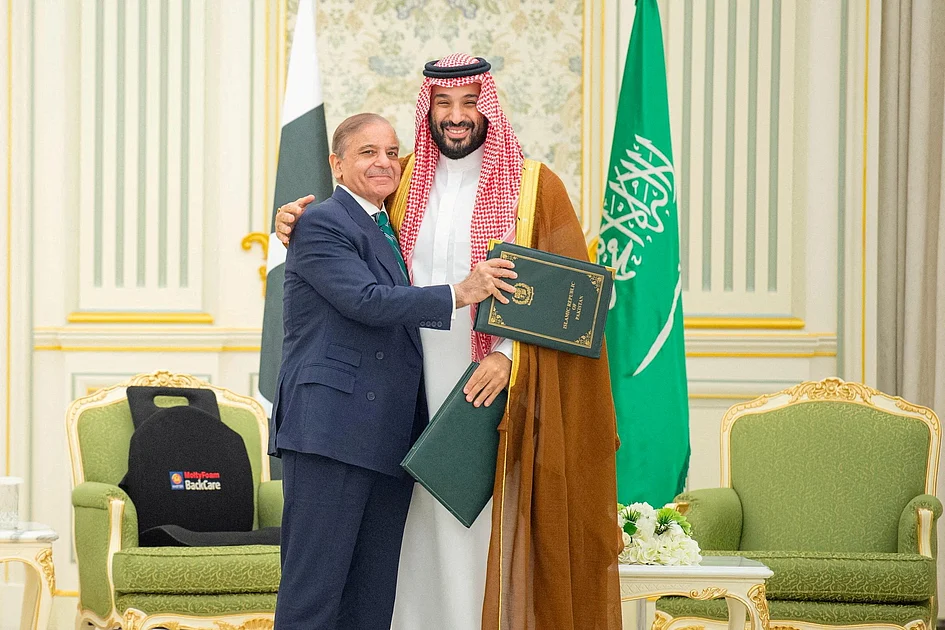
Pakistan has once again banned the far-right Islamist party Tehreek-e-Labbaik Pakistan (TLP) under anti-terrorism laws, following violent clashes during anti-Israel protests near Lahore that resulted in at least five fatalities. The decision, made during a cabinet meeting chaired by Prime Minister Shehbaz Sharif, marks the second time the group has been outlawed. TLP has been at the forefront of some of Pakistan’s most violent protests in recent years. The prime minister’s office stated that the Federal Cabinet unanimously concluded TLP is involved in terrorism and violent activities, citing its violent protests, rallies, and demonstrations that have led to the deaths of security personnel and innocent bystanders. The latest unrest began on October 9, when TLP supporters, led by party chief Saad Rizvi, marched from Lahore towards Islamabad to protest a US-brokered ceasefire between Israel and Hamas. Clashes erupted in Muridke, resulting in at least five deaths, including a police officer. Authorities have since launched a sweeping crackdown, sealing 95 bank accounts and several properties allegedly linked to the group. Rizvi has gone underground to avoid arrest. TLP was previously banned in April 2021 after violent anti-France protests but was unbanned seven months later. The group, which contested the 2018 and 2024 general elections, has mobilized thousands of supporters to paralyze cities, demand the expulsion of Western ambassadors, target religious minorities, and incite riots. The party, also known as the Movement at the Service of the Prophet, rose to prominence in 2016 protesting the execution of Mumtaz Qadri, who assassinated Punjab governor Salman Taseer in 2011 over his calls to reform Pakistan’s blasphemy laws.
-

The mysterious owner of a ‘scam empire’ accused of stealing $14bn in crypto
At just 37 years old, Chen Zhi, a Cambodian tycoon with a baby-faced appearance, stands accused of orchestrating one of the largest cyber-fraud operations in history. The U.S. Department of Justice has charged him with running scam compounds in Cambodia that allegedly stole billions in cryptocurrency from victims worldwide. In a landmark move, the U.S. Treasury Department seized over $14 billion in bitcoin linked to him, marking the largest cryptocurrency seizure ever. Despite these allegations, Chen’s company, the Cambodian Prince Group, portrays him as a respected entrepreneur and philanthropist. Born in China’s Fujian province, Chen moved to Cambodia in the early 2010s, capitalizing on the country’s real estate boom fueled by Chinese investment and the Belt and Road Initiative. He quickly amassed wealth, founding the Prince Group in 2015, which expanded into banking, aviation, and luxury property development. Chen’s rise was marked by his acquisition of Cambodian citizenship, Cypriot and Vanuatu passports, and high-profile connections, including advisory roles to Cambodia’s political elite. However, his empire began to unravel in 2019 when Cambodia’s online gambling ban, prompted by pressure from China, led to a mass exodus of Chinese nationals and a collapse in property values. U.S. and UK investigations allege that Chen’s wealth stemmed from online fraud, human trafficking, and money laundering, with sanctions now targeting 128 companies and 17 individuals linked to his operations. Despite his philanthropic image, Chen remains an enigmatic figure, having disappeared from public view since the sanctions were announced. The case has raised questions about Cambodia’s tolerance of scam businesses and the global financial systems that enabled Chen’s alleged crimes.
-

Portuguese-speaking media visit Mixue headquarters in Zhengzhou
In a significant cultural and economic exchange, media representatives from Portuguese-speaking countries visited the global headquarters of Mixue Ice Cream & Tea in Zhengzhou, Henan province, on Wednesday. This visit was part of the Global Mayors Dialogue Zhengzhou & 2025 International Mayor’s Forum on Tourism, highlighting the growing international interest in China’s business innovations. Helio Robalo, president of the National News Agency of Cabo Verde, expressed his admiration, stating, ‘Coming from afar to China, everything here feels refreshingly new. The visit provided a clear look into the company’s operations.’ As of June 30, Mixue boasts a global network of over 53,000 stores, with approximately 4,700 located outside mainland China, showcasing its expansive reach and influence in the global market.