分类: world

  • Israel army says on ‘defensive alert’ regarding Iran but no change to public guidelines

    Israel army says on ‘defensive alert’ regarding Iran but no change to public guidelines

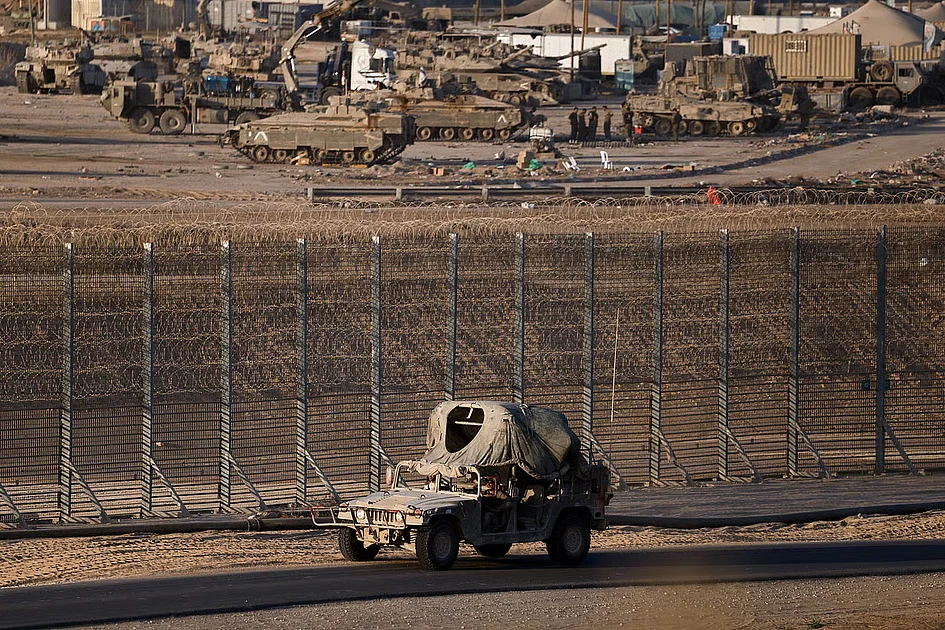
    The Israeli Defense Forces have elevated their defensive readiness while carefully monitoring escalating tensions between the United States and Iran, according to a Friday statement from military officials. Army spokesperson Brigadier General Effie Defrin confirmed in a video address that while the military remains on heightened alert, there has been no modification to public safety guidelines despite the volatile regional situation.

    “We are maintaining vigilant surveillance of regional developments and remain acutely aware of the ongoing public discourse regarding Iran,” stated Defrin. “The Israeli military is currently operating under defensive alert status, with our operational capabilities fully prepared to respond to any shifts in the security landscape.”

    The spokesperson employed vivid military terminology to illustrate the current state of readiness, noting that “our visual monitoring extends across all sectors, and our operational readiness has been intensified more than ever before to address any alterations in the tactical environment.” This declaration comes amid increasing rhetorical exchanges between American and Iranian officials, creating a tense atmosphere throughout the Middle East.

    Despite the heightened military alertness, Israeli authorities have deliberately avoided implementing changes to civilian protocols, indicating a calibrated approach that balances security preparedness with public normalcy. The military’s statement appears designed to reassure both domestic and international observers that while defensive measures are being prioritized, there is no immediate cause for public alarm.

  • Strong earthquake of magnitude 5.7 strikes Hindu Kush region in Afghanistan

    Strong earthquake of magnitude 5.7 strikes Hindu Kush region in Afghanistan

    A substantial seismic event registering a magnitude of 5.7 on the Richter scale rattled the rugged Hindu Kush mountain range in Afghanistan on Friday, February 20th, 2026. According to data released by the German Research Centre for Geosciences (GFZ), the tremor originated at a considerable depth of 79 kilometers (approximately 49 miles) beneath the Earth’s surface. The epicenter was located within one of Asia’s most seismically active zones, where the collision of tectonic plates frequently generates such activity. The significant depth of this quake often results in the seismic energy being distributed over a wider geographical area, potentially leading to tremors being felt across a broader region, though typically with reduced intensity at the surface compared to shallower events. Initial reports did not immediately detail potential impacts on population centers, infrastructure, or casualties. The region’s complex topography and remote villages often pose significant challenges for rapid damage assessment and emergency response coordination following such geological events. Monitoring stations across Central and South Asia are continuing to track aftershock patterns, which are common following earthquakes of this magnitude.

  • Philippines on alert due to increased unrest of two volcanoes

    Philippines on alert due to increased unrest of two volcanoes

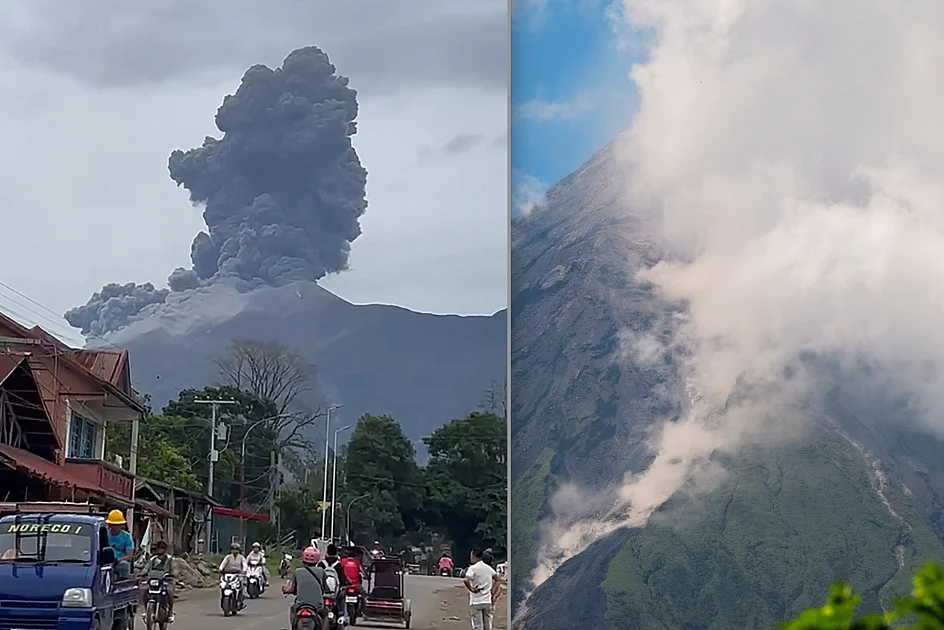
    The Philippines faces a dual volcanic crisis as Mount Mayon and Kanlaon Volcano exhibit intensified eruptive activities, prompting nationwide emergency measures. According to the Philippine Institute of Volcanology and Seismology (Phivolcs), both volcanoes demonstrated significant unrest throughout Thursday and Friday, with Mayon producing substantial lava effusions and Kanlaon generating explosive eruptions.

    Mount Mayon, renowned for its symmetrical cone in Albay province, has channeled lava flows through three gullies extending approximately 3.8 kilometers from its summit. The volcano has simultaneously generated nearly 400 rockfall events, nine pyroclastic activities, and a significant volcanic earthquake. Most notably, Mayon emitted approximately 7,000 tonnes of sulfur dioxide into the atmosphere, creating potential health hazards for surrounding communities.

    Simultaneously, Kanlaon Volcano on Negros Island produced a two-minute explosive eruption followed by prolonged ash emissions reaching two kilometers into the atmosphere. The volcanic activity triggered 11 seismic events, with ash plumes drifting toward western and southern municipalities.

    Authorities have implemented strict safety measures including six-kilometer and four-kilometer permanent danger zones around Mayon and Kanlaon respectively. These restrictions have necessitated the prolonged evacuation of numerous families from high-risk areas. Aviation authorities have instituted temporary flight bans surrounding both volcanoes due to hazardous ash conditions.

    The Department of Social Welfare and Development has elevated its alert status and prepared substantial relief supplies including family food packs, ready-to-eat meals, and 16,000 non-food items for immediate distribution to affected populations. Government agencies continue to monitor both volcanoes closely as the geological unrest persists.

  • Will ex-president Duterte’s absence at ICC trial affect proceedings?

    Will ex-president Duterte’s absence at ICC trial affect proceedings?

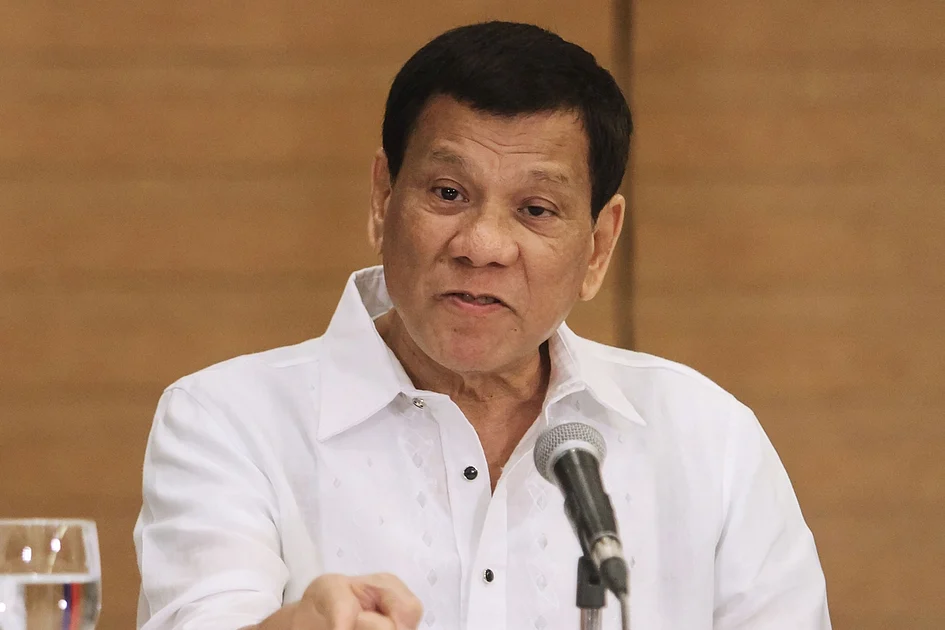
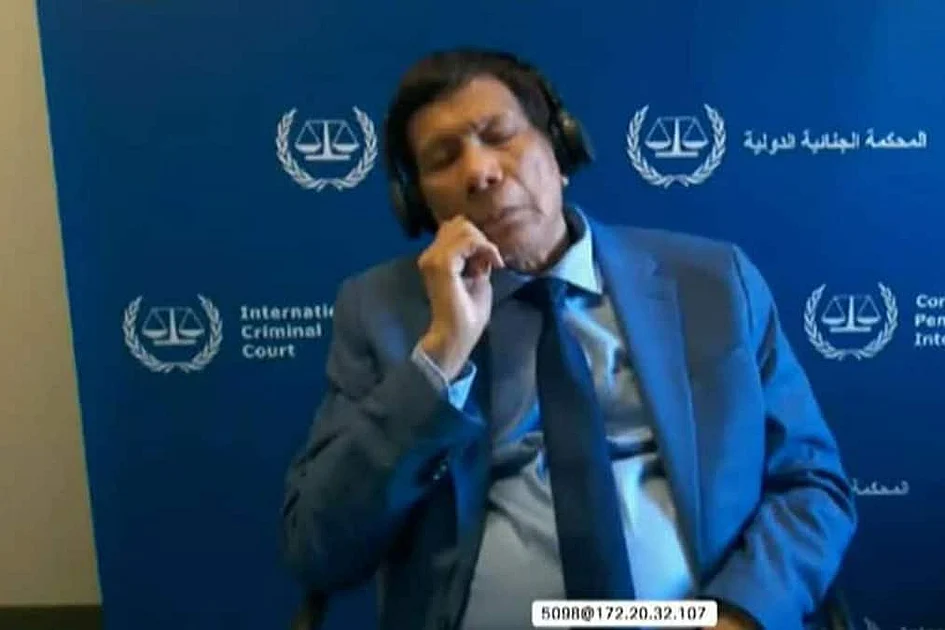
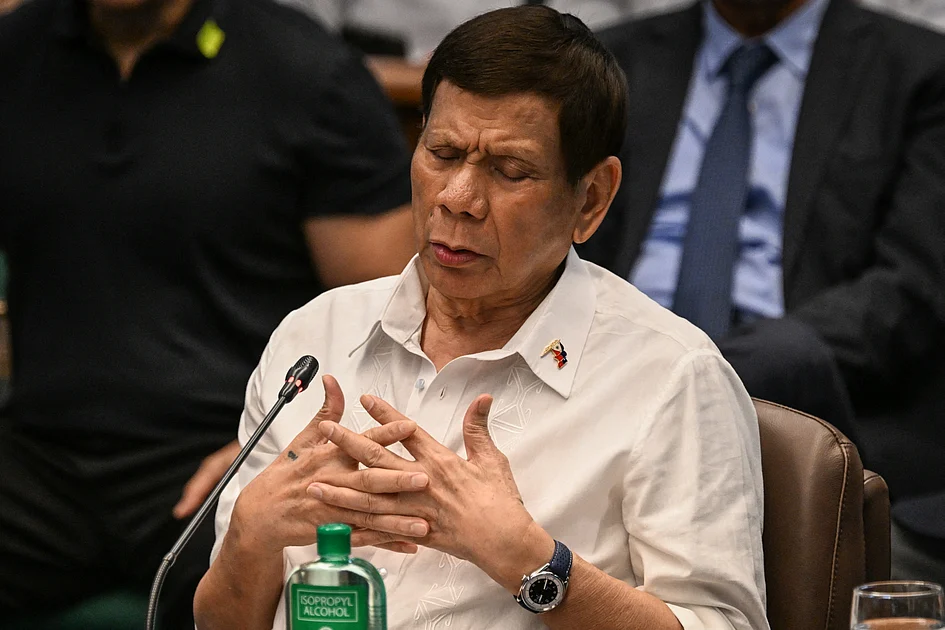
    THE HAGUE – The International Criminal Court has authorized former Philippine President Rodrigo Duterte to waive his physical presence during this week’s critical confirmation of charges hearing, proceeding with the case despite objections from prosecution and victim representatives.

    Pre-Trial Chamber I determined that Duterte, facing allegations of murder and attempted murder as crimes against humanity, has voluntarily relinquished his right to attend the four-day proceedings commencing February 23. The Chamber emphasized that his absence would not impede judicial processes, noting that defense counsel had thoroughly explained the consequences of this decision.

    This marks the latest development in Duterte’s pattern of non-appearance before the ICC. Since initially confirming his identity at the March 2025 hearing, the former leader has consistently avoided subsequent sessions, including those addressing petitions for temporary release.

    His legal team, led by attorney Nicholas Kaufman, has repeatedly cited deteriorating health conditions as justification for absence, claims the Chamber has previously rejected. Human rights advocates now question the validity of these health assertions.

    Ephraim Cortez, president of the National Union of Peoples’ Lawyers representing victims’ families, challenged the health narrative directly: ‘Duterte is fit as a fiddle. His non-appearance is strategic – preventing public observation of his actual physical condition.’

    Legal analysts suggest the absence reflects broader defense strategies rather than genuine health concerns. Cortez noted that confirmation hearings would proceed based on evidence rather than defendant presence, with the right to remain silent remaining available should Duterte eventually testify.

    Philippine opposition lawmakers from the Makabayan bloc have characterized Duterte’s avoidance as ‘cowardice’ and ‘a shameless display of arrogance,’ referencing the thousands of victims affected by the controversial anti-drug campaign between 2011-2019.

    The case represents one of the ICC’s most significant examinations of state-sponsored violence in recent years, with proceedings continuing despite the defendant’s absence.

  • Dozens of protesters sentenced to death in Iran, says rights group

    Dozens of protesters sentenced to death in Iran, says rights group

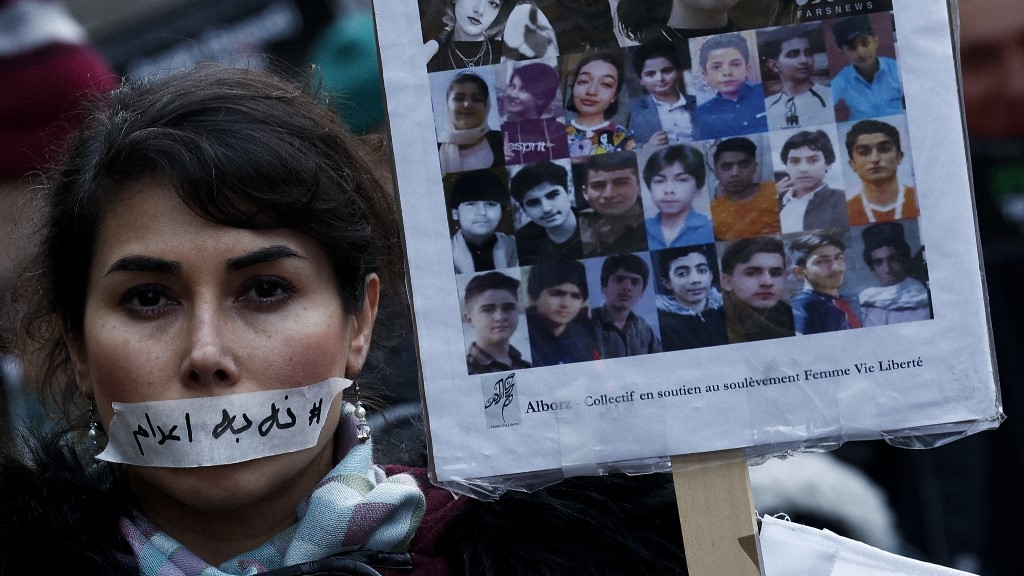
    Iran’s judicial system faces mounting international criticism following reports of imminent executions for dozens of individuals detained during recent anti-government demonstrations. According to the Norway-based Iran Human Rights organization (IHRNGO), at least 26 protesters face pending execution orders, with hundreds more—including minors—charged with capital offenses.

    The protests, which erupted in December, represented widespread public discontent with government corruption, economic instability, and state repression. While official Iranian sources report 3,117 fatalities, independent monitoring by Hrana news agency suggests the actual death toll may exceed 6,500.

    IHRNGO Director Mahmood Amiry-Moghaddam characterized the judicial proceedings as fundamentally flawed, stating that convictions rely predominantly on confessions extracted through torture within judicial processes that lack basic fairness standards. The organization reports that authorities are actively pressuring defendants to prevent public disclosure of their cases.

    Despite official denials regarding protest-related executions, hanging sentences continue to be implemented nationwide. Recent reports indicate at least nine executions occurred on Tuesday across multiple cities, with 26 additional hangings documented over the weekend—though authorities attribute these to drug and murder charges.

    Legal advocates confirm systematic denial of representation rights to the accused, while Amnesty International has previously documented Iran’s strategic use of capital punishment to suppress dissent through institutionalized fear.

  • Israel bans thousands of Palestinian from Al-Aqsa for first Ramadan prayers

    Israel bans thousands of Palestinian from Al-Aqsa for first Ramadan prayers

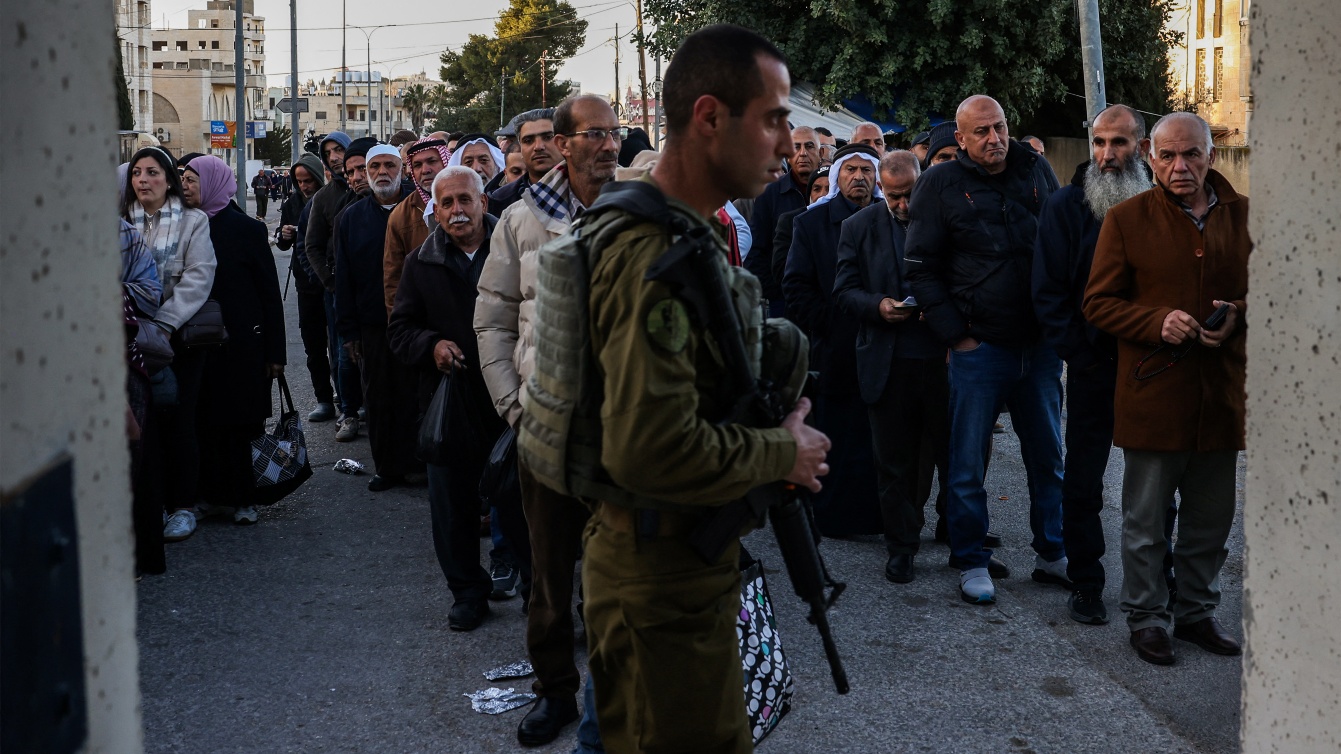
    Israeli authorities implemented stringent access limitations at Al-Aqsa Mosque in occupied East Jerusalem during the inaugural Friday prayer of Ramadan, preventing thousands of Palestinian worshippers from entering despite their possession of previously authorized permits.

    Contrary to the typical Ramadan gatherings numbering in the hundreds of thousands, Israeli officials enforced a strict cap of 10,000 worshippers from the West Bank for weekly prayers throughout the holy month. The Israeli Coordinator of Government Activities (Cogat), which administers operations in Palestinian territories, specified that only individuals above 50 or below 12 years old would receive approval after military authorization.

    At the Qalandiya military checkpoint, approximately 2,000 Palestinians managed to cross according to Israeli reports, while thousands more faced rejection despite valid documentation. The Palestinian Authority’s Jerusalem Governorate reported severe overcrowding as Israeli authorities turned away worshippers after reaching the predetermined quota.

    Maarof al-Rifaai, media advisor to the Palestinian Governor of Jerusalem, detailed the extensive bureaucratic requirements imposed on worshippers, including magnetic cards, dual fingerprint scanning, and conditional permits. He characterized these measures as deliberate complications designed to reduce attendance. Israeli forces further escalated tensions by preventing ambulance crews from entering and detaining volunteer medical personnel.

    Personal accounts emerged from worshippers like Jihad Basharat from Tammun, who described obtaining permits early only to face last-minute cancellations at restricted access points. The situation developed alongside recent Israeli detention of Sheikh Mohammed al-Abbasi, Imam of Al-Aqsa, without explanation—an action condemned by Hamas as part of systematic violations against religious freedom.

    Sheikh Ikrima Sabri, the former grand mufti of Jerusalem currently barred from the mosque, accused Israel of deliberately disrupting Muslim observance of Ramadan. The escalating restrictions occur within the broader context of Al-Aqsa’s significance as one of Islam’s holiest sites and a symbol of Palestinian identity and resistance. Since Israel’s 1967 occupation of East Jerusalem, gradual erosion of Islamic administrative control has coincided with expanded Jewish presence, challenging longstanding international agreements governing the site’s religious status.

    The current tensions unfold against intensified Israeli military operations across the West Bank since October 2023, involving increased settler violence, demolitions, and displacement activities.

  • Diplomacy is still the only viable path to peace in Ukraine, UN refugee chief Barham Salih says

    Diplomacy is still the only viable path to peace in Ukraine, UN refugee chief Barham Salih says

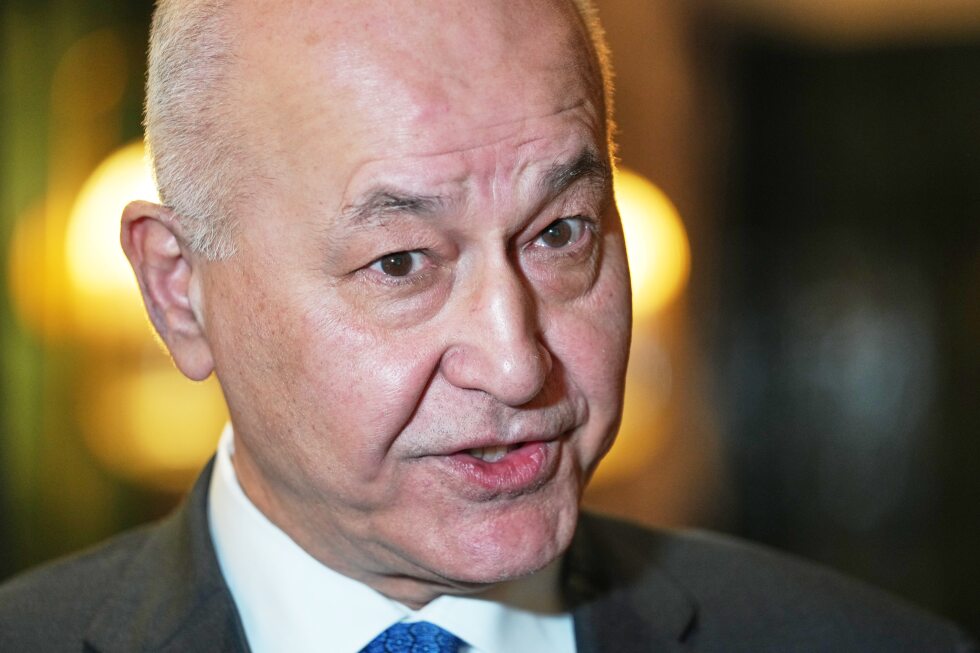
    KYIV, Ukraine — The newly appointed head of the United Nations refugee agency emphasized Friday that despite significant obstacles, diplomacy remains the sole viable path to ending the conflict in Ukraine. Barham Salih, former Iraqi president who assumed leadership of UNHCR in December, concluded his first official visit to Ukraine with sobering assessments of the humanitarian situation.

    During his tour of front-line cities including Kharkiv and Zaporizhzhia, Salih witnessed firsthand the devastating impact of Russia’s targeted attacks on energy infrastructure during harsh winter conditions. His meetings with President Volodymyr Zelenskyy focused on both immediate relief efforts and long-term peace prospects.

    ‘While I maintain hope, I fully recognize the considerable difficulties in achieving peace,’ Salih stated in an exclusive interview with The Associated Press. ‘Ultimately, there exists no military solution to this conflict. What Ukraine requires is a durable and just peace that enables citizens to reclaim their normal lives.’

    The UNHCR faces severe operational challenges, with only $150 million pledged toward its $470 million Ukraine appeal. This funding gap reflects broader reductions in humanitarian aid worldwide, complicating relief efforts across multiple simultaneous crises.

    Current statistics reveal 3.7 million internally displaced Ukrainians and nearly 6 million refugees abroad. The agency projects that 10.8 million Ukrainians will require humanitarian assistance in 2026, with the most critical needs concentrated along active front lines in eastern and southern regions.

    Salih’s Ukraine visit forms part of a broader global tour that has included Kenya, Chad, Turkey, and Jordan—regions grappling with their own refugee emergencies. The erosion of humanitarian infrastructure, particularly following drastic cuts to U.S. funding during the Trump administration, has severely constrained organizational capacity to deliver aid.

    Globally, 117 million people remain displaced, including at least 42 million refugees, with two-thirds experiencing protracted displacement and continued reliance on humanitarian support. Salih emphasized the difficult prioritization decisions required amid shrinking resources and expanding needs.

    In his discussions with Ukrainian leadership, Salih stressed the importance of transitioning toward recovery phases and sustainable solutions that promote self-reliance rather than perpetuating dependency on aid.

  • ICC approves ex Philippine President Duterte’s request to skip pre-trial hearing

    ICC approves ex Philippine President Duterte’s request to skip pre-trial hearing

    The International Criminal Court’s Pre-Trial Chamber I has authorized former Philippine President Rodrigo Duterte to absent himself from the upcoming confirmation of charges hearing scheduled for February 23-27, 2026. This judicial decision permits the proceedings to advance despite the defendant’s non-attendance, marking a significant development in the high-profile case concerning Duterte’s controversial war on drugs campaign.

    The prosecution team, led by Deputy Prosecutor Mame Mandiaye Niang, had formally contested Duterte’s petition in a comprehensive six-page submission dated February 19. The legal opposition argued that the former leader’s justification—centered on non-recognition of the court’s jurisdiction and claims of political persecution—failed to meet the necessary legal standards for excusal from physical appearance.

    Court documents reveal Duterte’s defense characterized the charges as “an outrageous lie” fabricated by political adversaries, while simultaneously asserting that his involvement with the ICC proceedings amounted to being “kidnapped” by the judicial process. These statements, according to prosecution analysis, demonstrate Duterte’s continued rejection of the court’s legitimacy and authority.

    The upcoming hearing represents a critical phase in determining whether sufficient evidence exists to proceed to full trial regarding allegations of crimes against humanity connected to Duterte’s anti-drug initiative, which reportedly resulted in thousands of fatalities during his presidential term from 2016 to 2022.

  • ICC prosecution opposes ex Philippine president Duterte’s bid to skip hearing

    ICC prosecution opposes ex Philippine president Duterte’s bid to skip hearing

    The International Criminal Court’s prosecution team has formally contested former Philippine President Rodrigo Duterte’s attempt to waive his right to appear at his upcoming confirmation of charges hearing. In a comprehensive six-page legal submission dated February 19, Deputy Prosecutor Mame Mandiaye Niang asserted that Duterte’s request fails to meet the necessary legal standards for proceeding without his physical presence in court.

    The prosecution’s filing systematically dismantles Duterte’s justification for non-attendance, noting that his primary argument stems from his refusal to ‘recognize the jurisdiction’ of the court rather than legitimate health concerns. The document characterizes Duterte’s claims of being ‘kidnapped’ and describing the charges as ‘an outrageous lie’ invented by political opponents as continued rejection of the proceedings’ legitimacy.

    Contrary to Duterte’s portrayal of himself as ‘old, tired, and frail,’ the prosecution emphasized that independent medical evaluations have confirmed his physical and mental fitness to participate in the hearings. The court has implemented appropriate measures to ensure his comfort throughout the proceedings, further undermining health-related excuses.

    The filing concludes that Duterte’s unwillingness to attend—including his refusal to participate via video link—demonstrates ‘lack of respect for the Court’ rather than genuine medical limitations. Prosecutors have consequently requested the chamber to reject Duterte’s waiver petition and mandate his attendance at the hearing scheduled from February 23-27.

    Following the confirmation hearing, ICC judges will have sixty days to determine whether to confirm some, all, or none of the charges against the former president. Should at least one charge be confirmed, Duterte would formally become an accused individual, advancing the case to trial before a Trial Chamber. The charges involve crimes against humanity, specifically murder and attempted murder allegedly committed during Duterte’s controversial anti-drug campaign between November 2011 and March 2019.

  • Drone strike hits aid convoy, killing 3 in Sudan’s Kordofan region

    Drone strike hits aid convoy, killing 3 in Sudan’s Kordofan region

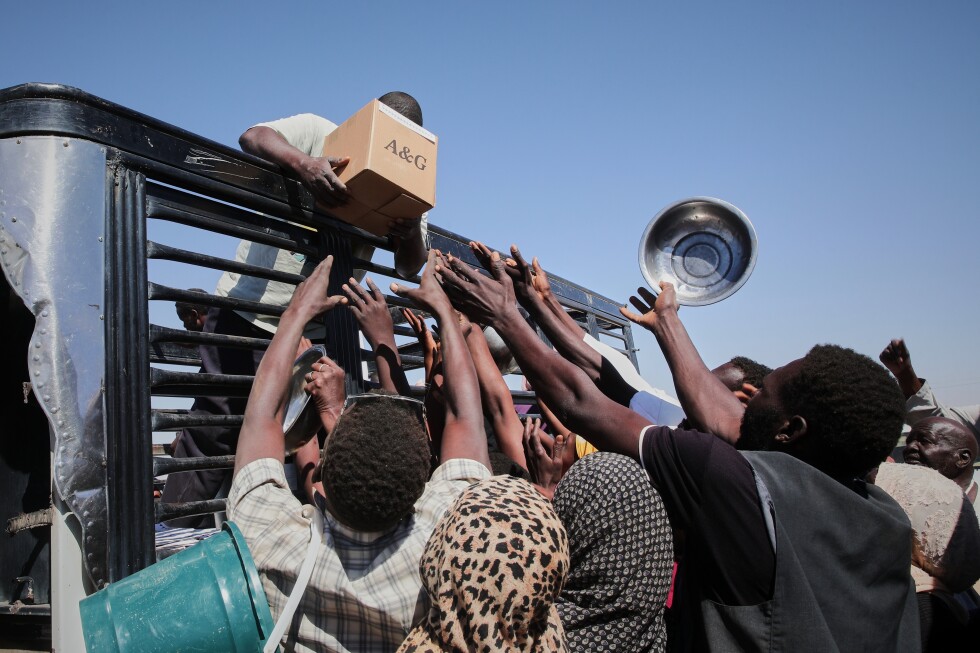
    A humanitarian convoy transporting vital supplies to conflict-ravaged regions in central Sudan became the target of lethal drone strikes on Thursday, resulting in three fatalities and four injured aid workers. According to the Sudan Doctors Network, which monitors violence nationwide, the attack occurred in the Kartala area as trucks carried food and essential provisions toward the cities of Kadugli and Dilling in South Kordofan.

    The paramilitary Rapid Support Forces (RSF) were identified as responsible for the drone assault, though the specific aid organization operating the convoy remains undisclosed. This incident marks the second attack on humanitarian transport in under a month, following a previous strike on a World Food Program convoy in North Kordofan earlier in June.

    These developments unfold against the backdrop of Sudan’s devastating internal conflict, which escalated into full-scale war in April 2023 between the national army and RSF fighters. The World Health Organization estimates the conflict has claimed at least 40,000 lives while displacing 12 million people, with actual casualty figures potentially significantly higher due to inaccessible conflict zones.

    Despite military claims of having broken the siege on Kadugli and Dilling, Kordofan region has experienced intensified drone warfare that severely impedes aid operations and endangers civilians. February alone witnessed 77 fatalities from various aerial attacks in the region.

    In a related development, a UN-backed fact-finding mission released a report Thursday detailing evidence of RSF crimes committed in North Darfur’s capital el-Fasher in late October, indicating ‘hallmarks of genocide.’ In response, the United States Treasury Department sanctioned three RSF commanders and renewed calls for immediate ceasefire implementation.

    The strategic timing of these events highlights the deteriorating security situation, even as UN agencies successfully delivered aid to over 130,000 people in Dilling and Kadugli this week—the first major humanitarian shipment to reach these areas in three months.