
In a sweeping international effort, Interpol has spearheaded a major operation targeting cybercriminals across 14 African nations, resulting in the arrest of 260 suspects. The initiative, funded by the UK, focused on dismantling criminal networks exploiting social media and digital platforms to perpetrate romance scams and sextortion schemes. These scams involve blackmailing victims using explicit imagery, causing both financial and psychological harm. Over 1,400 victims were identified across countries including Ghana, Kenya, and Angola, with estimated losses nearing $2.8 million. The operation, conducted between July and August, led to the seizure of critical digital evidence, including USB drives, Sim cards, and forged documents, as well as the takedown of 81 cybercrime infrastructures. Cyril Gout, Interpol’s acting executive director of police services, highlighted the alarming rise in digital-enabled crimes across Africa, emphasizing the need for continued vigilance. In Ghana alone, 68 suspects were arrested, and $70,000 was recovered from an estimated $450,000 in losses. Similar successes were reported in Senegal, Ivory Coast, and Angola, where scammers used fake profiles and fraudulent documents to deceive victims. The operation, part of the African Joint Operation against Cybercrime project, underscores the global police network’s commitment to protecting vulnerable individuals online.
分类: world
-

Interpol says 260 suspects in online romance scams have been arrested in Africa
In a sweeping operation coordinated by Interpol, 260 individuals suspected of involvement in online romance and extortion scams have been arrested across 14 African countries. The crackdown, conducted in July and August, targeted schemes where perpetrators manipulated victims into financial exploitation or blackmail using explicit images. According to Interpol, these scams affected over 1,400 victims, resulting in losses nearing $2.8 million. Cyril Gout, acting executive director of police services at Interpol, highlighted the surge in digital-enabled crimes, emphasizing the dual impact of financial and psychological harm on victims. Among the arrests, Ghanaian authorities detained 68 suspects accused of using fake identities to deceive victims into paying fraudulent fees and recording explicit videos for blackmail. In Senegal, 22 individuals were apprehended for impersonating celebrities on social media and dating platforms, scamming over 100 people out of approximately $34,000. Similarly, Ivory Coast authorities arrested 24 suspects for exploiting fake profiles to blackmail victims with intimate images. Interpol, headquartered in Lyon, France, serves as the world’s largest international police network, facilitating collaboration among 196 member countries to combat crimes ranging from cybercrime to organized crime. The organization continues to address emerging challenges, including the escalating caseload of cybercrime and child sex abuse, amid growing divisions among its members.
-

Sikh granny deported after ‘unacceptable’ treatment by US immigration
A 73-year-old Sikh grandmother, Harjit Kaur, who had lived in the United States for over three decades, has been deported to India. Kaur, who had unsuccessfully applied for asylum in the US, was arrested by US Immigration and Customs Enforcement (ICE) officials on September 8, causing widespread shock and sympathy within the Sikh community. Kaur moved to California in 1991 with her two young sons to escape political turmoil in Punjab. Despite living and working in the US for years, her asylum attempts were repeatedly denied. Her lawyer, Deepak Ahluwalia, has criticized ICE’s treatment of Kaur, describing it as ‘unacceptable.’ He alleged that Kaur, who has no criminal record, was forced to sleep on the floor for 60-70 hours despite having undergone double knee replacements. She was also reportedly given ice to take medication and denied appropriate food. Kaur was moved to a holding facility in Georgia on September 19 and deported to India on September 22, without the opportunity to bid farewell to her family and friends. Her deportation has sparked outrage in the Sikh community, with protests held in California. Kaur’s case highlights the broader crackdown on immigration under the Trump administration, which has targeted both undocumented immigrants and asylum seekers. Critics argue that even individuals without criminal records, who follow due process, have been affected. Kaur’s story underscores the challenges faced by long-term residents caught in the complexities of US immigration policy.
-

Drone attacks leave Denmark exposed – and searching for response
A series of drone incidents across Denmark’s airports and military bases in Jutland has exposed vulnerabilities in the nation’s defense systems, raising concerns about hybrid warfare tactics. Although no harm or damage was reported, the events have highlighted Denmark’s susceptibility to such attacks, prompting urgent discussions on national security measures. Aalborg and Billund airports were forced to close, while drones were also spotted at Esbjerg, Sonderborg, and Skrydstrup, the latter housing the Danish Air Force’s F-35 and F-16 fighter jets. Additionally, drones were observed over the Jutland Dragoon regiment in Holstebro and near Denmark’s North Sea oil and gas platforms. Defense officials opted not to shoot down the drones, citing safety concerns, but acknowledged the need for long-term solutions. Denmark’s Defense Minister Troels Lund Poulsen described the incidents as a “hybrid attack,” though no concrete evidence points to Russia. However, Prime Minister Mette Frederiksen emphasized Russia’s ongoing threat to Europe. The Danish government is now considering invoking NATO’s Article 4 for consultation, as neighboring countries like Poland and Estonia have done following similar incidents. Denmark’s cautious approach contrasts with Poland’s more aggressive stance, where Russian drones were shot down recently. The Danish government has announced plans for an “integrated layered air defense” system and investments in long-range precision weapons. Meanwhile, discussions are underway with NATO allies and Ukraine to establish a “drone wall” along the EU’s eastern borders, focusing on early detection systems. The incidents have served as a stark reminder of Denmark’s need to bolster its defenses in an era of evolving hybrid warfare.
-

French navy seizes nearly 10 tonnes of cocaine off West African coast
In a significant blow to international drug trafficking, the French navy has seized nearly 10 tonnes of cocaine, valued at $610 million, from an unflagged fishing vessel off the Gulf of Guinea. The operation, conducted on Monday, was part of France’s long-standing Corymbe naval mission, which has been active in the region since 1990 to combat piracy and ensure maritime security. The interception was made possible through coordinated efforts involving maritime intelligence, anti-drug authorities, and the British National Crime Agency. This latest seizure adds to the 54 tonnes of drugs intercepted by the French navy in the area since the beginning of the year. The Gulf of Guinea, a notorious hotspot for piracy and drug trafficking, has seen multiple significant drug busts in recent months. The region serves as a critical transit point for cocaine shipments from South America to Europe. France’s Atlantic Maritime Prefecture highlighted the ‘seamless cooperation by national and international actors’ that led to this ‘remarkable seizure.’ This operation underscores the ongoing challenges and successes in combating drug trafficking in one of the world’s most dangerous maritime regions.
-
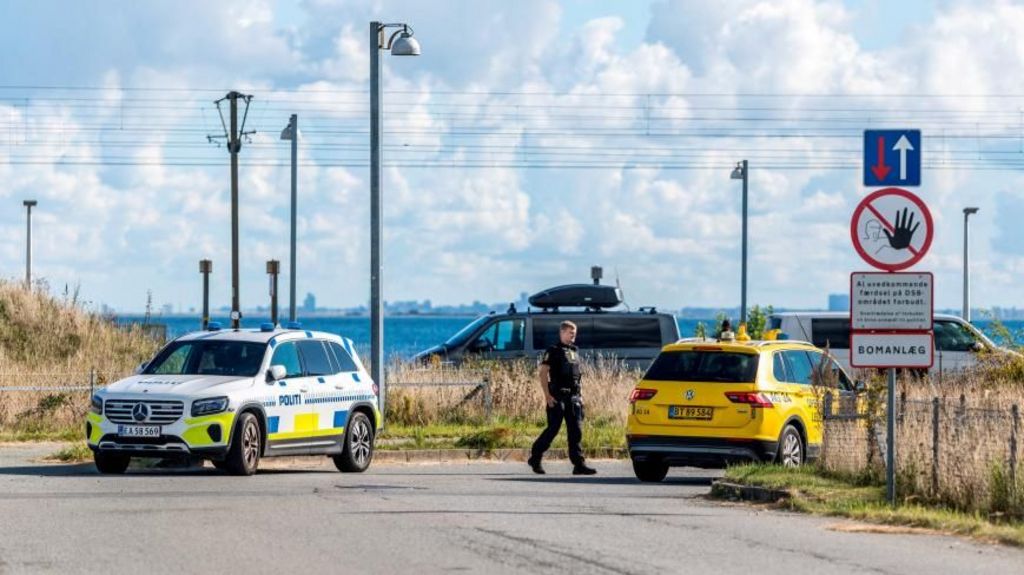
Drone activity confirmed at multiple airports in Denmark
A series of drone incursions have caused significant disruptions at multiple Danish airports, heightening concerns over airspace security and potential foreign interference. Aalborg Airport, located in northern Denmark, was temporarily closed after unidentified drones were spotted in its vicinity, forcing at least three flights to be diverted. This incident follows a similar closure at Copenhagen Airport earlier in the week, which Danish Prime Minister Mette Frederiksen described as ‘the most severe attack on Danish infrastructure so far.’
In southern Denmark, airports in Esbjerg, Sønderborg, and Skrydstrup also reported drone activity, though they remained operational. Authorities in both regions are investigating the incidents but have yet to determine the purpose or origin of the drones. North Jutland Police Chief Inspector Jesper Bøjgaard Madsen stated, ‘We cannot yet comment on the purpose of the drones flying in the area, nor can we say anything about who the actor behind it is.’
The disruptions come amid heightened tensions between NATO member states and Russia. Earlier this week, Estonia and Poland requested consultations with NATO after accusing Russia of violating their airspace. Romania also reported Russian drone incursions near its border with Ukraine. While Russia has denied these allegations, NATO has condemned the actions as ‘escalatory’ and warned of using ‘all necessary military and non-military tools’ to defend itself.
Danish officials have emphasized that there is no immediate danger to the public, but they have urged residents to avoid the affected areas. The Danish Armed Forces, which use Aalborg Airport as a military base, were also impacted by the drone activity. As investigations continue, the incidents underscore the growing challenges of airspace security in an increasingly volatile geopolitical climate.
-

America’s blame game over Canada’s wildfire smoke misses the point, experts say
The relentless wildfires in Canada have not only devastated vast swathes of land but have also sent smoke drifting southward, casting an eerie orange haze over parts of the United States. This summer, the Canadian province of Manitoba witnessed some of the deadliest wildfires, prompting Republican lawmakers in neighboring U.S. states to demand accountability from Canada for the smoke pollution.
-
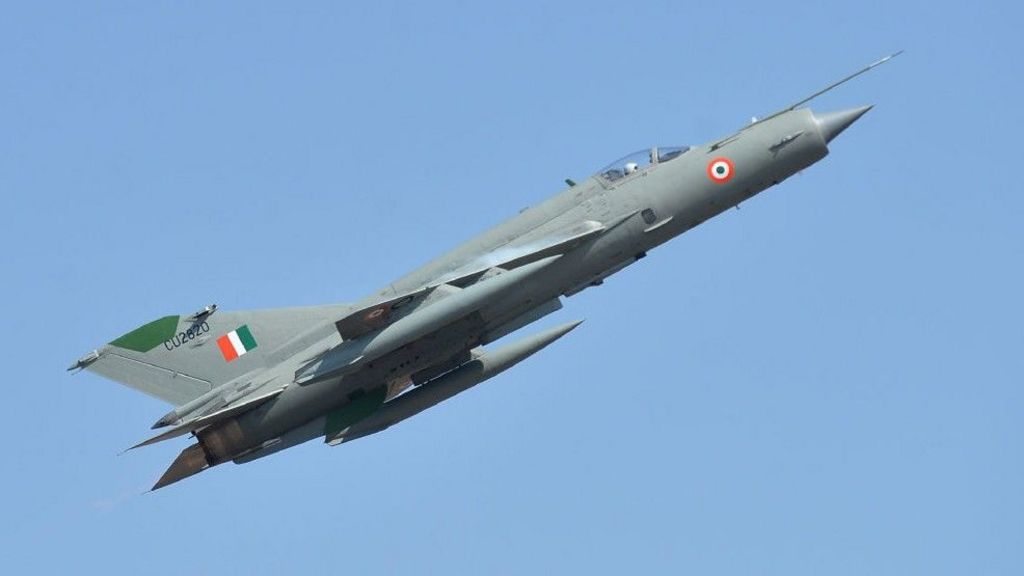
The sun sets on India’s iconic and controversial Soviet fighter jet
The MiG-21, once the backbone of the Indian Air Force (IAF), is set to take its final flight, marking the end of an era for one of the most iconic fighter jets in aviation history. For decades, the MiG-21 dominated the skies, comprising two-thirds of the IAF’s fighter fleet at its peak. Pilots who flew the aircraft recall its blistering speed and versatility, but also its grim reputation as a ‘flying coffin’ due to a series of fatal crashes in its later years.
Designed by the Soviet Union and first inducted into the IAF in 1963, the MiG-21 was renowned for its needle-nose design, supersonic speed, and ability to climb rapidly. It became a cornerstone of India’s defense strategy, playing pivotal roles in conflicts such as the 1971 war with Pakistan. Pilots adapted the aircraft for close combat and ground attacks, pushing it beyond its original design limitations.
However, the MiG-21’s legacy is marred by tragedy. Between 1971 and 2012, 482 crashes were recorded, resulting in the deaths of 171 pilots, 39 civilians, and others. Analysts attribute these accidents to aging airframes, high landing speeds, and stretched maintenance cycles. Despite its flaws, the MiG-21 remained in service far longer than expected due to delays in developing replacements.
For retired Air Marshal Prithvi Singh Brar, who flew the MiG-21 for 26 years, the aircraft was more than a machine—it was a trusted partner in the sky. ‘I loved flying the MiG-21 the way a bird loves the sky,’ he recalls. Yet, as India retires its last two MiG-21 squadrons, the IAF faces a significant gap, with only 29 fighter units operational against a sanctioned 42.
The MiG-21’s retirement symbolizes the end of a chapter in India’s aviation history, leaving behind a legacy of both admiration and caution. As the skies grow quieter, the memories of those who flew this legendary jet will endure, a testament to its enduring impact on India’s defense and aerospace industry.
-
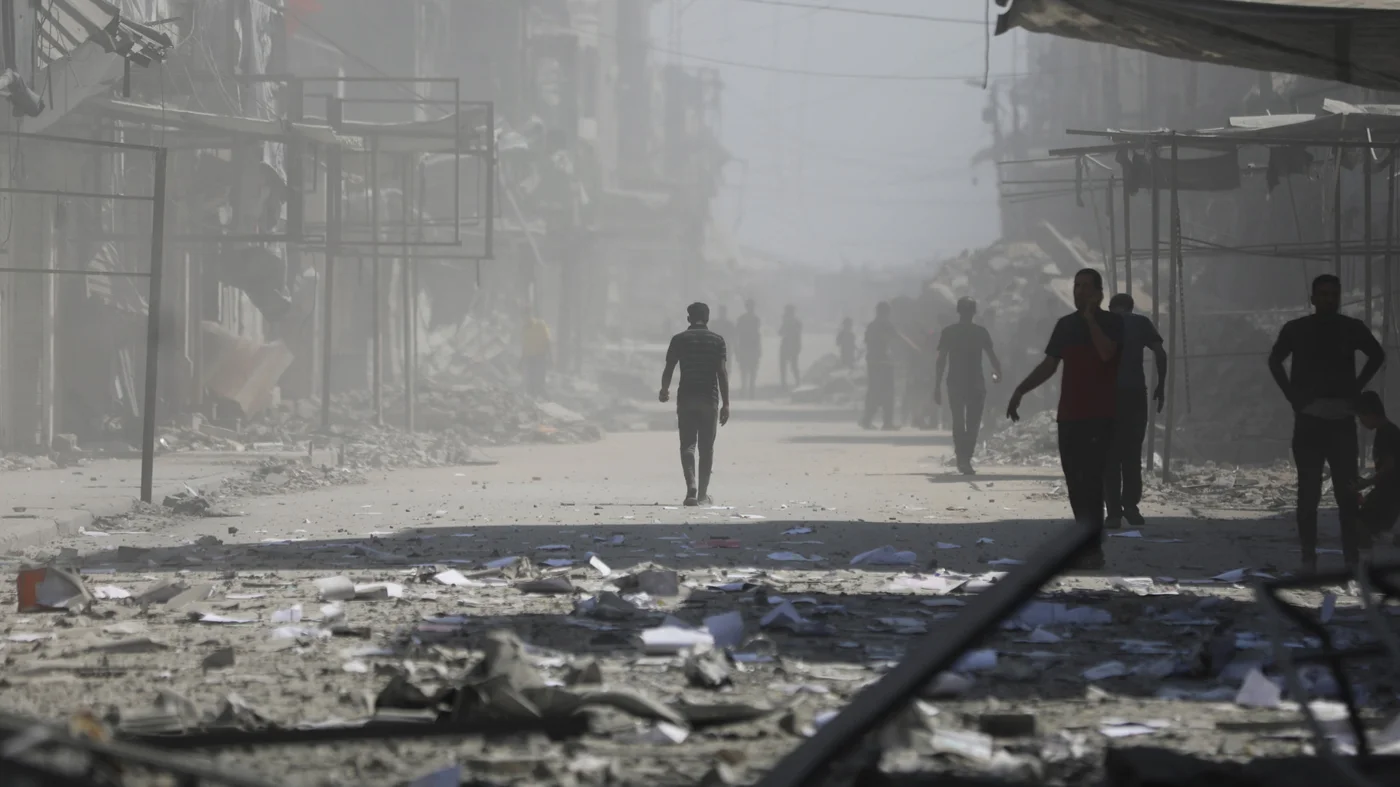
Final goodbye: MEE reporters on the pain of being forced out of Gaza City
In the midst of Israel’s intensified military campaign in Gaza City, Palestinian journalist Ahmed Dremly faces an agonizing decision: to stay in his lifelong home or flee to uncertain safety. His friend Youssef’s advice to sell his furniture as firewood underscores the dire reality. “Who would buy them?” Dremly retorts, his voice heavy with bitterness. The conversation, reminiscent of a dystopian narrative, reflects the plight of Gaza’s one million residents, forced to choose between survival and the loss of their homes and memories. Since mid-August, Israel’s relentless bombing campaign, coupled with the deployment of explosive-laden robots, has aimed to depopulate the city, described by many as ethnic cleansing. The goal is clear: drive residents south, leaving Gaza City a ghost town. Estimates suggest between 300,000 to 600,000 have already fled, though many remain, unable to afford transportation or face the fear of permanent displacement. For Dremly, the thought of abandoning his home is unbearable. “I look at the walls of my house, even the lamp, and it breaks my heart,” he laments. Award-winning journalist Maha Hussaini shares his anguish, having delayed her departure until the last possible moment. “The last time you leave the house and shut the door—that’s the last time you’ll close that door,” she says. Despite her determination to stay “until the last gasp,” Hussaini was ultimately forced to flee south, leaving behind a city that once teemed with life. The streets, now eerily empty, serve as a stark reminder of the human cost of this conflict. As Gaza’s residents grapple with impossible choices, their stories highlight the devastating toll of war on identity, memory, and home.
-

China makes landmark pledge to cut its climate emissions
In a landmark announcement, China, the world’s largest emitter of greenhouse gases, has pledged to reduce its emissions by 7-10% by 2035, marking its first absolute target for emissions reduction. President Xi Jinping made the commitment in a video statement to the United Nations in New York, emphasizing China’s dedication to surpassing these goals. This announcement comes at a critical juncture as the US, under President Donald Trump, has scaled back its climate commitments, with Trump dismissing climate change as a ‘con job’. However, environmental experts argue that China’s targets, while significant, fall short of what is necessary to meet global climate objectives. ‘Even for those with tempered expectations, what’s presented today still falls short,’ said Yao Zhe, global policy adviser at Greenpeace East Asia. The urgency of these pledges is underscored by the looming deadline for countries to submit their updated climate plans under the Paris Agreement, originally due in February but now expected by the end of September. UN Secretary-General António Guterres stressed the importance of these commitments in limiting global temperature rise to 1.5°C, a goal set in the Paris Agreement. ‘We absolutely need countries to come with climate action plans that are fully aligned with 1.5 degrees,’ he said. China’s new targets cover all greenhouse gases and include ambitious plans to expand wind and solar power capacity, increase forest stocks, and promote new energy vehicles. Despite these efforts, analysts like Lauri Myllyvirta of the Centre for Research on Energy and Clean Air argue that a 30% reduction is necessary to align with the 1.5°C target. China’s reliance on coal remains a significant challenge, although recent data suggests a plateau in emissions. Observers remain hopeful, citing China’s history of exceeding its climate commitments, such as achieving its 2030 renewable energy target six years early. ‘The targets should be seen as a floor rather than a ceiling,’ said Li Shuo of the Asia Society Policy Institute. As the world grapples with the climate crisis, China’s actions will be pivotal in determining the trajectory of global emissions.