分类: world

  • Russia committed ‘crimes against humanity’ in deporting Ukrainian children: UN inquiry

    Russia committed ‘crimes against humanity’ in deporting Ukrainian children: UN inquiry

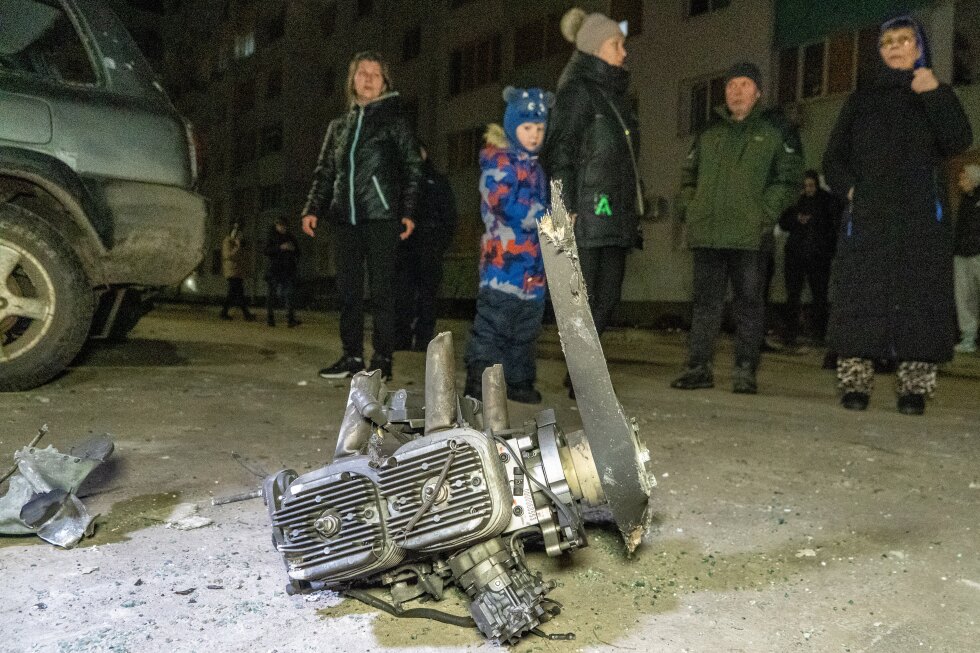
    A landmark United Nations investigation has concluded that Russia’s systematic deportation and forcible transfer of Ukrainian children constitutes a crime against humanity. The UN’s Independent International Commission of Inquiry on Ukraine presented these findings Tuesday, revealing evidence of thousands of children removed from occupied territories since the full-scale invasion began in February 2022.

    The commission has documented 1,205 confirmed cases, with an alarming 80% of these children remaining in Russia four years after their displacement. Investigators determined that Russian authorities have established no effective system for repatriation, instead focusing on long-term placement with Russian families or institutions while withholding information from relatives about the children’s whereabouts and status.

    The report explicitly cites the involvement of President Vladimir Putin, noting his direct authority over entities executing this policy since its inception. This finding reinforces the International Criminal Court’s 2023 arrest warrant against Putin for alleged unlawful deportation of Ukrainian children—a highly sensitive issue in ongoing peace negotiations between Kyiv and Moscow.

    Russia maintains that these transfers were protective measures to safeguard children from hostilities, but the UN commission found these actions violated international law and were “not guided by the best interests of the child.”

    Additionally, the investigation uncovered systematic evidence fabrication and fair trial violations in Russian proceedings related to the Ukraine conflict. The report also detailed extreme violence against international recruits from 17 countries who were deployed as frontline combatants, often through deception and under conditions described as “cannon fodder” treatment.

    Regarding Ukraine, the commission expressed concern about the broad interpretation of “collaboration” crimes and reports of violent treatment toward conscientious objectors during mobilization. Moscow continues to deny recognition of the commission and refuses to respond to its requests for access and information.

  • War in the Middle East: latest developments

    War in the Middle East: latest developments

    The Middle East conflict entered a perilous new phase as the United States announced its most intensive day of airstrikes within Iran since hostilities commenced ten days ago. US Defense Secretary Pete Hegseth confirmed the escalation during a Pentagon briefing, signaling a sharp intensification of military operations.

    Diplomatic fissures emerged as German Chancellor Friedrich Merz expressed grave concern over the apparent lack of a coordinated end strategy between the US and Israel. “We share many of these goals, but with each day of the war, more questions arise,” Merz stated, highlighting European apprehensions about the conflict’s trajectory.

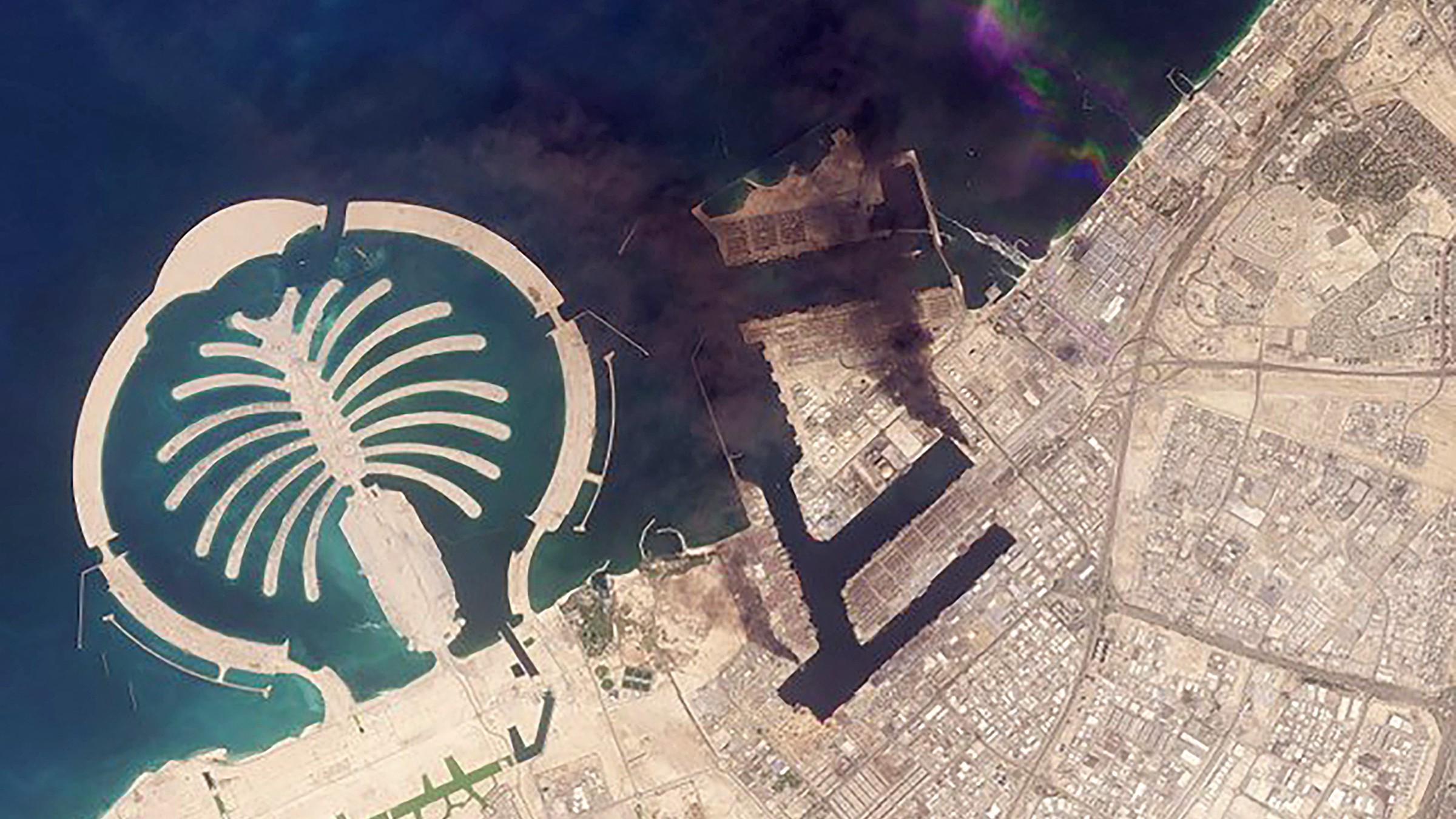
    The regional violence expanded significantly with a drone attack igniting fires in Abu Dhabi’s industrial sector, though Emirati authorities reported no casualties. Simultaneously, Israeli forces launched fresh strikes against Tehran, with explosions reported across the Iranian capital and damage to Kerman airport infrastructure.

    Iranian officials remained defiant, with Security Chief Ali Larijani dismissing US threats as “empty” and warning Washington to “take care of yourself not to be eliminated!” despite American promises of heightened retaliation if oil flows through the Strait of Hormuz were disrupted.

    The economic dimension intensified as Saudi Aramco CEO Amin H. Nasser warned of potentially “catastrophic consequences” for global oil markets, emphasizing the critical need to resume shipping through the strategic strait. Meanwhile, oil prices dropped approximately 8% following statements from US leadership suggesting the conflict was nearing completion.

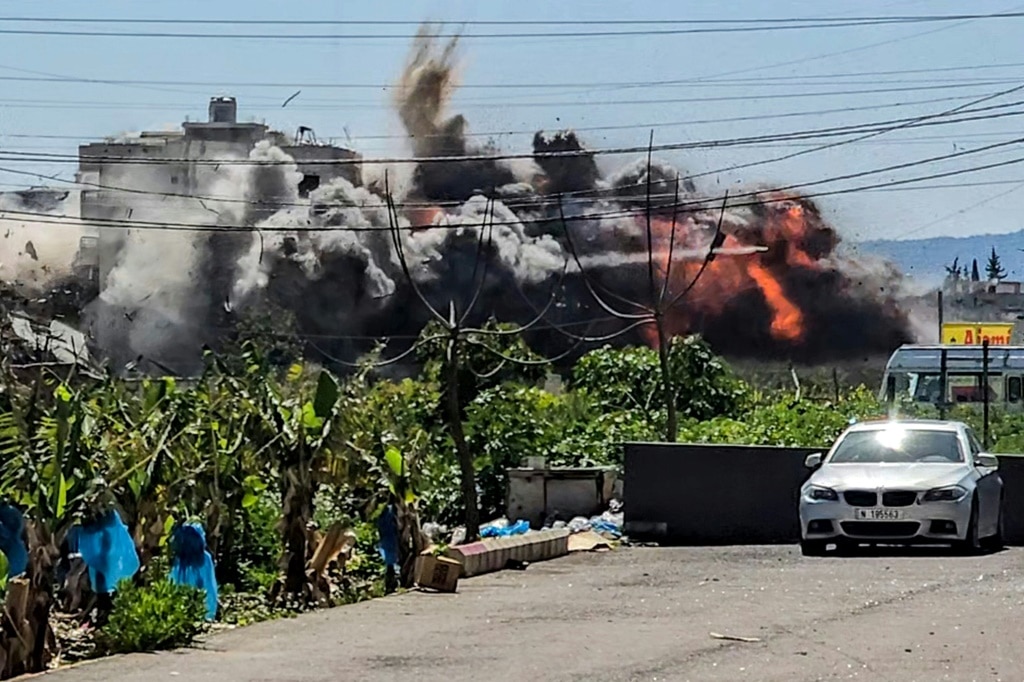
    Humanitarian concerns mounted with the UN reporting over 100,000 displaced persons in Lebanon within 24 hours as Israeli strikes targeted Hezbollah positions. In a contrasting development, Azerbaijan delivered humanitarian aid to Iran despite recent hostilities between the nations.

    The diplomatic landscape further deteriorated as Iran’s foreign minister declared negotiations with the US “not on our agenda anymore,” citing previous “bitter experience” during talks. Regional security measures intensified with Turkey deploying US-made Patriot missile systems following NATO’s interception of Iranian ballistic missiles in Turkish airspace.

  • Canada police investigate reports of shots fired at US consulate in Toronto

    Canada police investigate reports of shots fired at US consulate in Toronto

    Law enforcement agencies in North America and Europe are investigating coordinated security threats against United States diplomatic installations, with Toronto Police confirming evidence of gunfire at the U.S. consulate and Norwegian authorities probing an explosive device detonated outside the U.S. embassy in Oslo.

    Toronto Police Operations reported via social media platform X that forensic examination confirmed firearm discharge evidence following reports of shots fired near the consulate at approximately 05:30 local time (09:30 GMT) on Tuesday. The incident prompted immediate street closures around the diplomatic compound as investigation teams processed the scene. Authorities confirmed no injuries resulted from the attack and have not yet identified potential suspects.

    This security breach in Canada’s largest city occurs alongside Norway’s investigation into Sunday’s explosion outside the U.S. embassy in Oslo. Norwegian security services have released surveillance images of an individual suspected of placing an improvised explosive device that caused minor structural damage but no casualties. Officials are treating the Oslo incident as a potential act of terrorism.

    The timing of these events coincides with heightened global security concerns regarding Iranian proxy groups targeting American and Jewish interests internationally. Since the commencement of U.S.-Israeli military operations against Iran on February 28th, Toronto has experienced multiple firearm attacks against symbolic targets, including three Jewish synagogues struck by bullets within the past week and a Toronto boxing gym owned by an Iranian-Canadian government critic targeted last Monday.

    The U.S. State Department has launched its own investigation into both incidents amid growing apprehensions about retaliatory actions connected to Middle East conflicts. Security analysts note these developments reflect escalating international tensions that have manifested in attacks on diplomatic premises and religious institutions across Western nations.

  • Russia and Ukraine both claim front-line progress with US-brokered talks on hold

    Russia and Ukraine both claim front-line progress with US-brokered talks on hold

    KYIV, Ukraine — The protracted conflict between Russia and Ukraine enters its fourth year with both nations asserting contrasting battlefield narratives. Ukrainian military officials report successful counteroffensive operations reclaiming significant territory, while Moscow maintains its invasion continues to advance.

    Ukrainian forces have recently liberated nearly all of the southeastern Dnipropetrovsk industrial region, expelling Russian troops from over 400 square kilometers (150 square miles), according to Maj. Gen. Oleksandr Komarenko. In an interview with RBC-Ukraine published Tuesday, Komarenko described the frontline situation as challenging yet manageable, with intense combat persisting near Pokrovsk in eastern Ukraine and Oleksandrivka in the south.

    Despite these claimed successes, Russia’s relentless aerial assaults on civilian areas continue unabated. Overnight drone strikes targeted two Ukrainian cities, injuring at least 14 civilians including two children, emergency services reported Tuesday. Ukraine’s air force stated it intercepted 122 of the 137 drones launched by Russian forces during the nocturnal attacks.

    The diplomatic landscape remains equally contentious. Kremlin aide Yuri Ushakov asserted that President Vladimir Putin informed former U.S. President Donald Trump of Russia’s “successful advances” in Ukraine, suggesting this momentum should encourage Kyiv toward negotiated settlement. This position contrasts sharply with Ukraine’s repeated demands for a lasting peace agreement and European accusations that Moscow feigns interest in talks while continuing military aggression.

    International dimensions further complicate the conflict. U.S.-mediated negotiations between Russia and Ukraine remain suspended as Washington’s attention shifts toward the Iran conflict, diverting global focus from Ukraine’s struggle against Russia’s larger military. The Kremlin anticipates potential financial benefits from rising oil prices due to Middle East tensions, reduced Western attention on Ukraine, depletion of Western arsenals, and diminished NATO military support for Kyiv.

    Meanwhile, President Volodymyr Zelenskyy seeks to leverage Ukraine’s battle-tested drone technology through potential supplies to the United States and Gulf partners, hoping to gain diplomatic advantage against Moscow while securing advanced American air defense systems to counter Russian attacks.

    The Institute for the Study of War, a Washington-based think tank, suggests recent Ukrainian counterattacks may disrupt Russia’s planned 2026 offensive campaign, though independent verification of battlefield conditions remains challenging.

  • What we know about alleged strike on Iran school

    What we know about alleged strike on Iran school

    A comprehensive New York Times investigation has brought new evidence to light regarding the contested events surrounding a reported military strike on a structure adjacent to an elementary school in Minab, Iran, during the early stages of the Middle East conflict. The incident has sparked a complex web of accusations and denials among involved nations.

    Iranian authorities have attributed the attack to a joint U.S.-Israeli operation, claiming the strike resulted in over 150 casualties, including numerous schoolchildren. State media broadcast emotional funeral scenes showing mourners grieving over white-shrouded bodies and flag-draped coffins, some containing photographs of children.

    The New York Times analysis, incorporating authenticated video evidence, satellite imagery, and social media verification, indicates a precision strike damaged the Shajarah Tayyebeh elementary school building simultaneously with attacks on a nearby Revolutionary Guards naval base. The newspaper authenticated footage from Iran’s Mehr News Agency showing a U.S. Tomahawk cruise missile striking a clinic within the Guards’ base complex located adjacent to the educational facility.

    U.S. Central Command released footage dated February 28—coinciding with the Minab incident—showing Tomahawk launches, with senior officers confirming early salvoes included Navy Tomahawks targeting Iran’s southern flank near the strategic Strait of Hormuz.

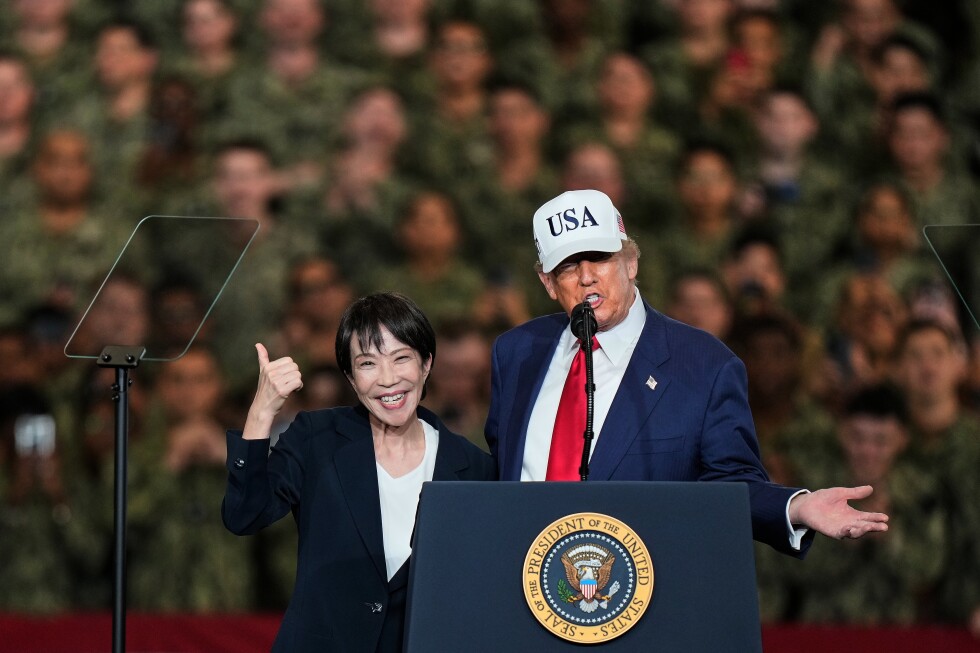
    President Donald Trump asserted Iranian responsibility, suggesting Iran might have conducted the strike itself using inaccurate munitions, despite Iran not possessing Tomahawk missile capability. Secretary of State Marco Rubio stated the U.S. would not deliberately target educational institutions, emphasizing military objectives focused exclusively on missile capabilities.

    Israeli military representatives denied awareness of any strike operation in the area, while Norwegian rights group Hengaw reported approximately 170 students were present during the school’s morning session when the alleged attack occurred.

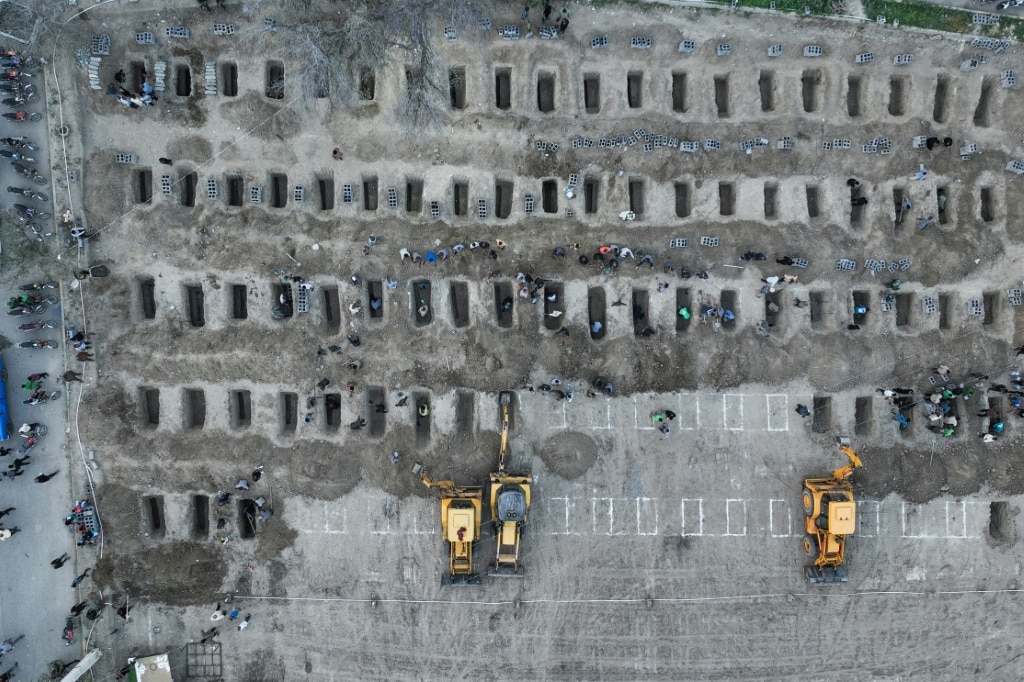
    Independent verification remains challenging as Iranian authorities restrict foreign media access outside Tehran, and AFP could not independently confirm casualty figures or verify the timing of circulated footage showing excavation equipment preparing mass graves.

  • Iran war fuel crisis forces Pakistan to close schools, take austerity measures

    Iran war fuel crisis forces Pakistan to close schools, take austerity measures

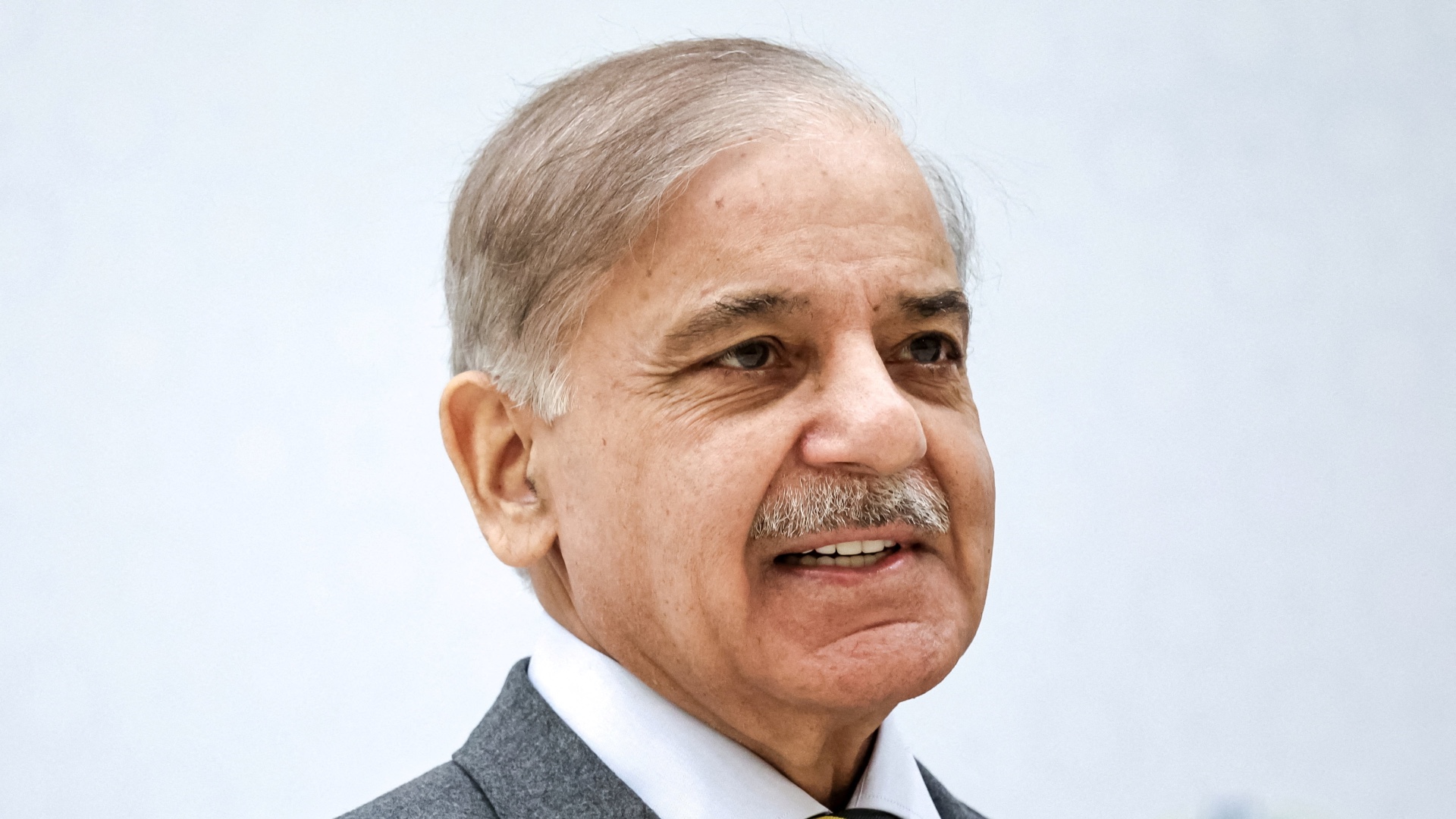
    Pakistan has initiated severe austerity measures in response to the escalating conflict between the US-Israel alliance and Iran, which has severely disrupted global energy markets and threatened the nation’s economic stability. Prime Minister Shehbaz Sharif announced the closure of all schools until month-end and mandated remote work for university students and half of the national workforce, excluding essential services.

    The government’s comprehensive austerity package includes a 20% reduction in official expenditures, prohibition of major purchases, and significant cuts to official vehicle usage and fuel allowances. High-earning government officials face two-month salary deductions, while federal cabinet members will forfeit their salaries entirely during this period. Parliament members will see a 25% reduction in wages, and all foreign travel for lawmakers has been prohibited. The measures extend to social events, with official Ramadan iftars and government parties banned indefinitely.

    These drastic steps come as the US-Israel military campaign against Iran enters its second week, with Iran retaliating by targeting Gulf energy infrastructure and effectively blocking the Strait of Hormuz—a critical passage for 20% of global petroleum shipments. Pakistan relies overwhelmingly on Gulf energy imports, with Qatar and the UAE supplying 99% of its liquefied natural gas needs.

    The conflict has driven oil prices to their highest levels since Russia’s invasion of Ukraine, with Brent crude reaching $119 per barrel. Pakistan’s economy, already struggling with high inflation, substantial debt, and dwindling foreign exchange reserves, faces additional pressure from regional security challenges, including border tensions with Afghanistan and historical conflicts with India.

    Prime Minister Sharif has condemned both the attacks on Iran and Tehran’s retaliatory measures while offering Pakistan’s services as a mediator to de-escalate the rapidly worsening conflict.

  • US allies and rivals in Asia gauge fallout from war in the Middle East

    US allies and rivals in Asia gauge fallout from war in the Middle East

    The escalating Middle Eastern conflict is triggering significant geopolitical recalibrations across Asia, with nations assessing potential economic disruptions and long-term security implications. Regional powers are formulating distinct responses to the warfare, reflecting their unique strategic positions and alliance structures.

    North Korea’s nuclear doctrine appears reinforced by recent U.S. military actions against Iran. Analyst Hong Min from South Korea’s Institute for National Unification suggests Pyongyang perceives heightened vulnerability following strikes that eliminated Iranian leadership. Unlike Iran, however, North Korea possesses an established nuclear arsenal with diverse delivery systems capable of threatening regional U.S. allies and potentially reaching the American mainland. Kim Jong Un’s recent demonstration of nuclear-capable cruise missiles and new warship capabilities signals Pyongyang’s determination to showcase its deterrent power despite global tensions.

    Geopolitical complexities further complicate the situation, as North Korea’s deepening ties with China and Russia create additional strategic considerations for Washington. While Kim has expressed theoretical openness to dialogue, the Iran attacks may have intensified his distrust of U.S. diplomacy, potentially raising the threshold for future negotiations.

    South Korea faces dual concerns regarding economic stability and alliance reliability. Heavily dependent on imported energy, Seoul monitors with apprehension Iran’s threats to Hormuz Strait transit routes that facilitate approximately 20% of global oil trade. Simultaneously, questions emerge about the Trump administration’s willingness to undertake unilateral military actions without extensive allied consultation, raising concerns about potential entanglement in conflicts beyond the Korean Peninsula.

    Japan mirrors several South Korean apprehensions, particularly regarding energy security and the reliability of U.S. partnership. While supporting non-proliferation efforts, Tokyo has maintained distance from endorsing specific military strikes. The conflict might nevertheless accelerate discussions about military strengthening despite persistent public resistance to nuclear weapons development.

    China perceives strategic opportunity within the crisis, potentially positioning itself as a more reliable Middle Eastern mediator than the United States. Beijing may interpret U.S. actions against Venezuela and Iran—both significant Chinese oil suppliers—as partially aimed at countering China’s influence. Through diplomatic achievements like brokering the Iran-Saudi normalization agreement, China continues expanding its regional footprint while challenging dollar-dominated financial systems. Despite potential geopolitical gains, prolonged conflict threatens Chinese trade interests and might accelerate military technology integration, including artificial intelligence applications.

  • As pope seeks dialogue and diplomacy, 2 US cardinals reject US-Israeli war in Iran

    As pope seeks dialogue and diplomacy, 2 US cardinals reject US-Israeli war in Iran

    In a significant development within the Catholic Church’s response to the escalating Middle East conflict, Pope Leo XIV has intensified his calls for an immediate cessation of hostilities between U.S.-Israel forces and Iran. While maintaining the Vatican’s traditional diplomatic neutrality, the Pontiff expressed “deep sorrow” over the tragic death of Maronite Catholic priest Reverend Pierre El Raii, who was killed while attempting to rescue a wounded parishioner in southern Lebanon.

    The Pope’s measured appeals for dialogue and diplomacy, delivered through spokesman Matteo Bruni, contrasted sharply with the forceful condemnations issued by prominent American cardinals. Cardinal Robert McElroy of Washington delivered a comprehensive moral critique, asserting that the military operation failed to meet essential criteria for a just war under Catholic teaching. He emphasized the conflict’s potential to trigger regional collapse, civil war in Lebanon, global economic disruption, and immense casualties on all sides.

    Chicago Cardinal Blase Cupich launched a blistering attack on the White House’s portrayal of the conflict, condemning the administration’s social media strategy that blended actual combat footage with action movie clips. “A real war with real death and real suffering being treated like it’s a video game—it’s sickening,” Cupich stated, accusing the government of transforming human tragedy into trivial entertainment content.

    The criticism extended beyond American borders, with Filipino Cardinal Pablo Virgilio David warning about the dangerous detachment of modern warfare from human reality. He described military operators in distant command centers making life-and-death decisions through cursor movements and clicks as if engaged in computer gameplay.

    The Vatican’s diplomatic apparatus reinforced these concerns through Cardinal Pietro Parolin, who rejected the Trump administration’s preventive war justification, warning that recognizing such rights without international legal frameworks could set the entire world ablaze. This positioning creates a complex diplomatic challenge for the Vatican’s newly appointed ambassador to the United States, Archbishop Gabriele Caccia, who must navigate relations between the Holy See, U.S. bishops, and the White House amid growing tensions.

  • Gulf states turn to private foreign military specialists amid Iran attacks

    Gulf states turn to private foreign military specialists amid Iran attacks

    Following a series of missile and drone assaults by Iran, Gulf Cooperation Council nations are actively recruiting specialized private military technicians and operators to address critical vulnerabilities in their air defense networks, according to industry sources familiar with the matter.

    The attacks, which targeted strategic military installations, energy infrastructure, and urban centers across the United Arab Emirates, Bahrain, Kuwait, and Qatar in late February, have prompted a comprehensive reassessment of regional defense capabilities. The effectiveness of Iranian-designed Shahed drones, characterized by their small radar cross-section and low-altitude flight capabilities, has exposed limitations in existing air defense systems.

    While these nations maintain advanced defense platforms including Terminal High Altitude Area Defense (THAAD) systems and Patriot batteries with PAC-3 MSE interceptors, the attacks revealed specific gaps in counter-drone operations. Military analysts note that only integrated, layered defense architectures can effectively neutralize these low-cost aerial threats.

    Recruitment efforts now prioritize radar operators, electronic warfare specialists, ground maintenance crews, and security personnel with operational experience. There is particular demand for pilots capable of operating within sophisticated air defense environments. These requirements are being communicated through intermediaries to private military firms with relevant expertise.

    A significant shift in hiring preferences has emerged, with Gulf states seeking personnel from Muslim-majority nations including Pakistan and Egypt, moving away from traditional Western military advisers. This strategic reorientation follows assessments that American and British contractors provided insufficient protection against recent threats.

    Industry sources characterize these measures as proactive rather than reactive, emphasizing long-term capability development over immediate solutions. The search includes specialists compatible with kill-web systems—integrated networks combining intelligence and warfare capabilities across multiple domains—as well as secondary systems interoperable with existing U.S. platforms.

    Training considerations are paramount, with emphasis on recruiting personnel requiring minimal additional instruction due to the urgent timeframe. This approach acknowledges both the high cost and extended duration needed to develop specialized skills from initial training stages.

    The transition reflects broader regional concerns about the scope and reliability of American security guarantees, prompting Gulf nations to develop more autonomous defense capabilities in an increasingly volatile security environment.

  • Australia grants asylum to 5 members of the Iranian women’s soccer team, official says

    Australia grants asylum to 5 members of the Iranian women’s soccer team, official says

    In a significant humanitarian gesture, Australia has officially granted asylum to five members of the Iranian women’s national soccer team who were competing in the Women’s Asian Cup tournament. The decision comes amid escalating conflict in Iran and follows intense international pressure, including from former U.S. President Donald Trump.

    Australian Federal Police escorted the athletes from their Gold Coast hotel to a secure location in the early hours of Tuesday morning, where they met with Home Affairs Minister Tony Burke to finalize their humanitarian visas. The processing was completed hours later, ensuring their protected status in Australia.

    The development occurred against the backdrop of the ongoing Iran conflict, which began during the team’s tournament participation. Despite being eliminated from competition over the weekend, the players faced uncertain futures with their homeland under bombardment.

    Trump initially criticized Australia on social media, warning that returning the athletes to Iran would constitute a ‘terrible humanitarian mistake’ that could potentially endanger their lives. The former president explicitly urged Australia to grant asylum, even offering U.S. sanctuary if Australia refused.

    Interestingly, Trump later praised Australian Prime Minister Anthony Albanese’s intervention, claiming ‘five have already been taken care of’ in a subsequent social media post. However, concerns remain regarding other team members who may feel compelled to return due to fears for their families’ safety in Iran.

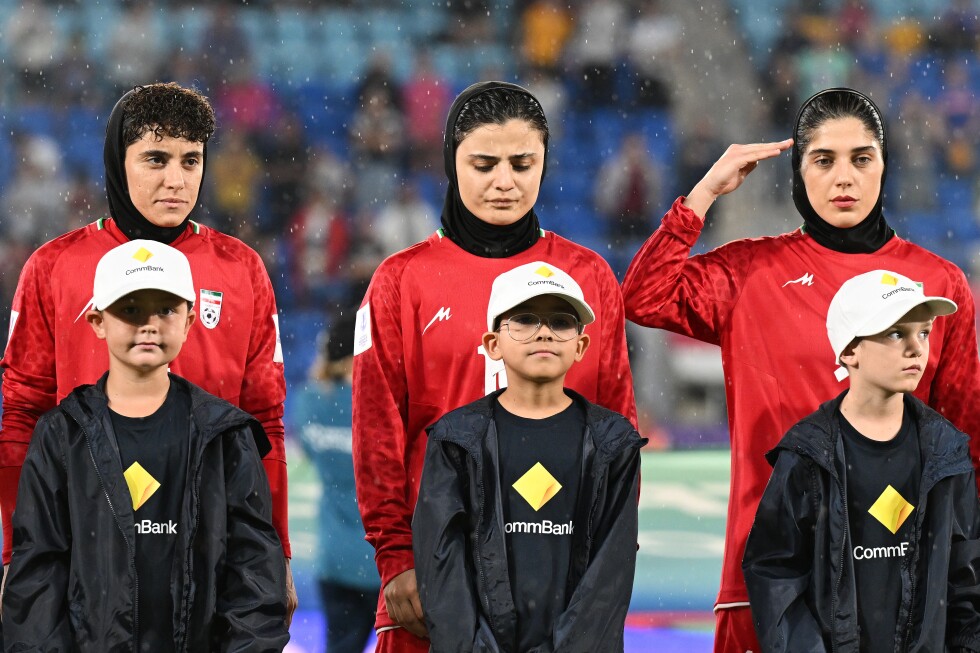
    The team’s tournament participation was marked by emotional moments, including forward Sara Didar choking back tears during a press conference while expressing concern for families and friends in Iran. Their initial silence during the national anthem before their opening match was interpreted by some as political resistance, though the team later sang and saluted during subsequent games without providing clarification on their earlier actions.