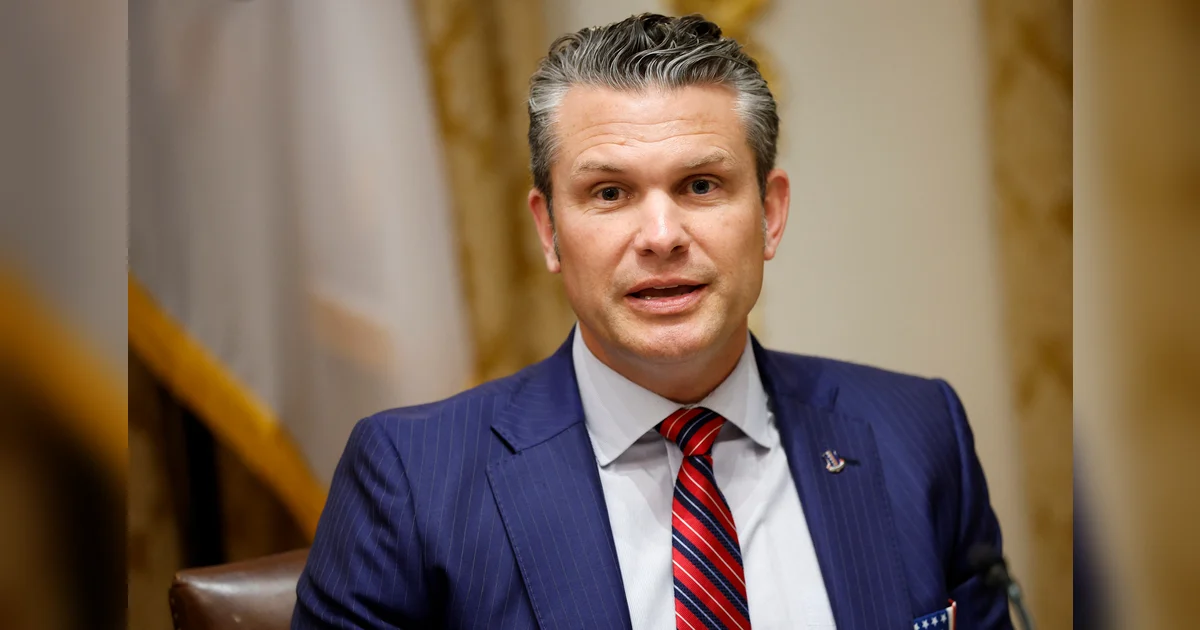
A plane transporting US Defense Secretary Pete Hegseth was compelled to make an emergency landing in the United Kingdom on Wednesday, October 15, 2025, following the discovery of a crack in the aircraft’s windshield. The incident occurred as Hegseth was en route back to the United States after attending a NATO defense ministers’ meeting in Brussels. The unscheduled landing took place at an undisclosed airport in Britain, according to a spokesperson. Pentagon spokesman Sean Parnell confirmed the event on social media, stating, ‘The plane landed based on standard procedures, and everyone onboard, including Secretary Hegseth, is safe.’ Hegseth himself responded with a reassuring message: ‘All good. Thank God. Continue mission!’ The emergency landing did not result in any injuries or further complications. During the NATO meeting, Hegseth emphasized the need for member nations to increase military support for Ukraine amidst its ongoing conflict with Russia. The incident highlights the unpredictable nature of air travel, even for high-ranking officials, while underscoring the importance of safety protocols in aviation.
分类: world
-
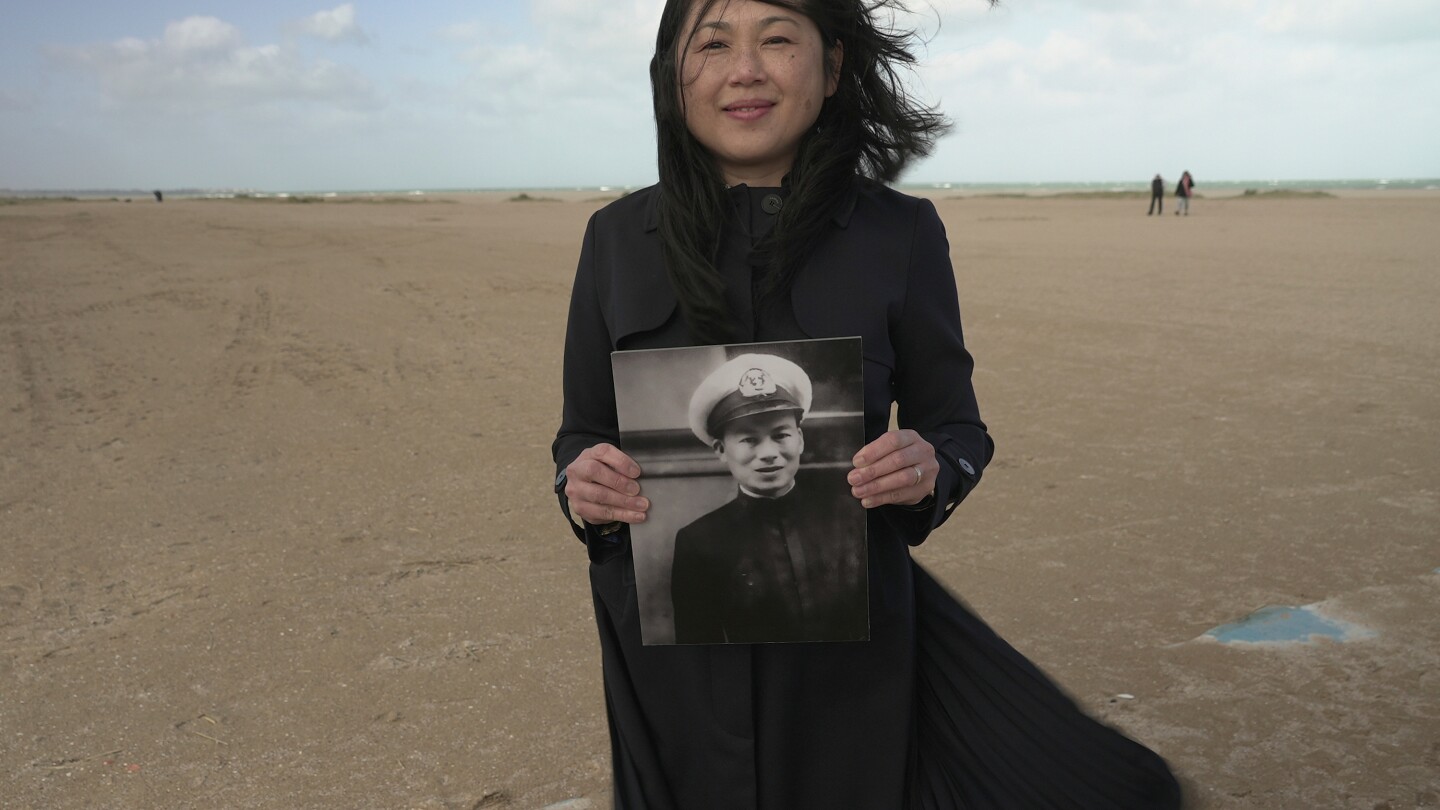
A lost D-Day diary reveals Chinese role in the Allied liberation of France
In a remarkable discovery, the long-forgotten diary of Lam Ping-yu, a Chinese naval officer who served aboard the HMS Ramillies during the D-Day invasion of Normandy, has been brought to light. The diary, meticulously detailing his experiences, was rescued from a Hong Kong tenement block slated for demolition. This extraordinary find not only revives Lam’s personal story but also highlights the significant yet often overlooked contributions of Chinese officers in the Allied forces during World War II. Lam, part of a contingent of over 20 Chinese officers sent by Chiang Kai-shek for training in the UK, witnessed the historic landings on June 6, 1944, from the battleship. His vivid account captures the tension and scale of the operation, including a narrow escape from German torpedoes. The diary’s authenticity was verified through painstaking research by history enthusiasts Angus Hui and John Mak, who also curated an exhibition in Normandy showcasing this unique chapter of history. Lam’s daughter, Sau Ying Lam, expressed profound gratitude for the insights into her father’s wartime experiences, which she had previously known little about. The story underscores the international cooperation that defined the Allied effort against Nazism and serves as a testament to the sacrifices made for freedom.
-
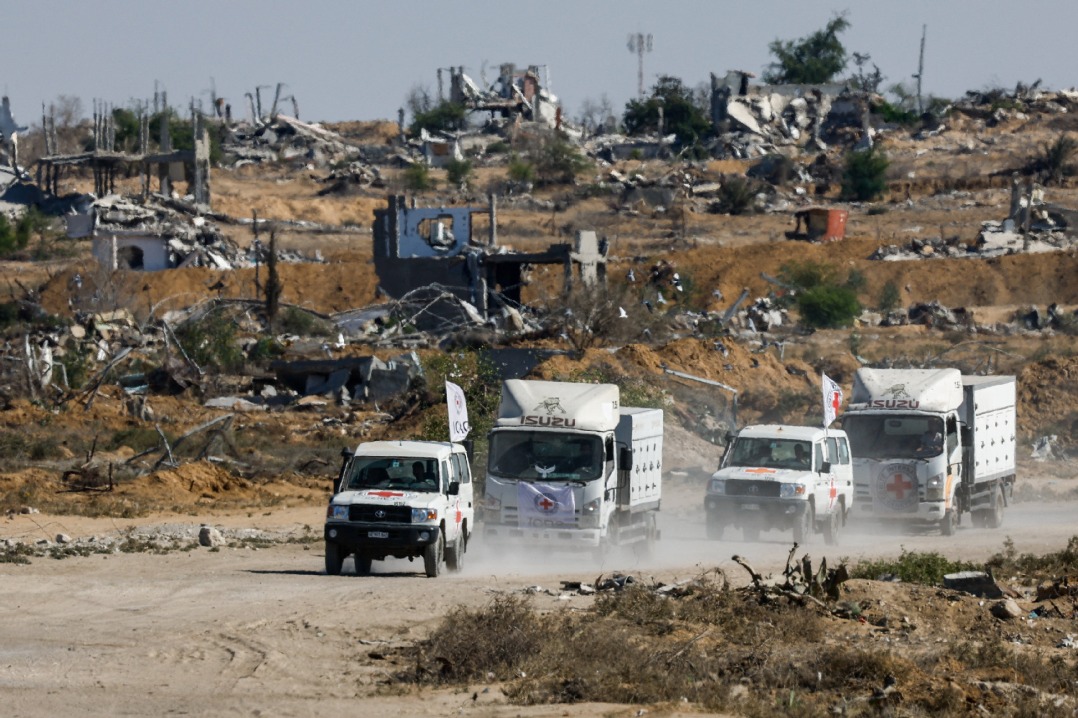
Israel hands over remains of 45 Palestinians to Gaza: health authorities
In a significant development amid the ongoing ceasefire, Israel has handed over the remains of 45 Palestinians to the Gaza Strip through the International Committee of the Red Cross (ICRC), according to Gaza’s health authorities. This transfer, which took place on Wednesday, follows the earlier return of 45 bodies on Tuesday, bringing the total number of remains repatriated this week to 90. Medical teams in Gaza are currently conducting thorough examinations and documentation of the bodies in accordance with standard protocols before releasing them to their respective families. The handover comes as part of the broader ceasefire agreement brokered by Egypt, which also includes a partial Israeli withdrawal, a prisoner exchange, and the reopening of border crossings to facilitate the delivery of humanitarian aid to Gaza. The ceasefire, which took effect last Friday, marks a critical step toward de-escalation in the region, offering a temporary respite from the prolonged conflict between Israel and Hamas.
-
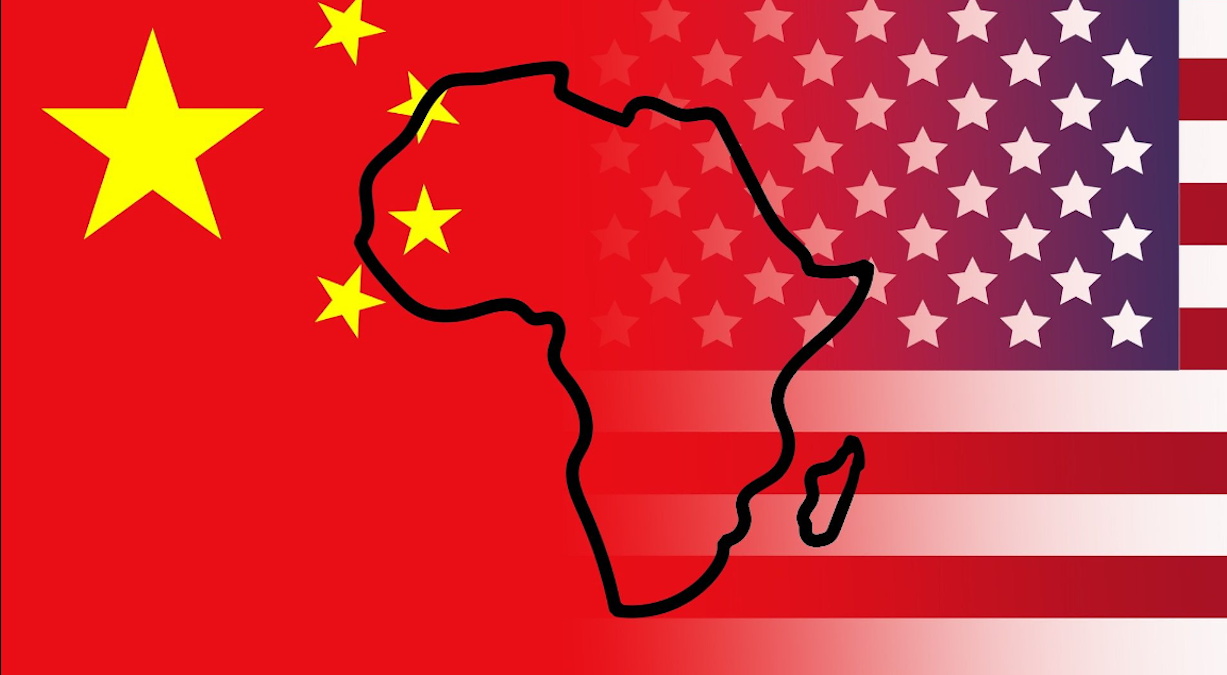
As China, US race for critical minerals, Africa needs to make rules
Critical minerals such as lithium, cobalt, nickel, copper, rare earth elements, and platinum group metals are indispensable for modern technologies, powering industries from electronics and telecommunications to renewable energy, defense, and aerospace systems. The global demand for these resources has surged, intensifying competition among nations.
-

Oman detains people driving through flowing wadi in viral video
Omani authorities have taken swift action against individuals captured in a viral video driving recklessly through a flowing wadi in the Wilayat of Al Khaboura. The North Al Batinah Governorate Police Command confirmed the detention on October 15, emphasizing the dangerous nature of the act, which not only endangered the lives of the drivers but also posed a significant risk to others. Legal proceedings are currently underway against the accused. This incident comes amidst repeated warnings from Omani authorities about unstable weather conditions. On October 14, the Oman Meteorology department issued alerts for downdrafts and potential heavy rains in certain regions. Authorities have consistently advised residents to avoid driving through flowing wadis or areas prone to heavy rainfall, citing the inherent dangers. The viral video has sparked widespread concern, highlighting the importance of adhering to safety guidelines during adverse weather conditions.
-
Israeli captives in Gaza: How many were there and what happened to them?
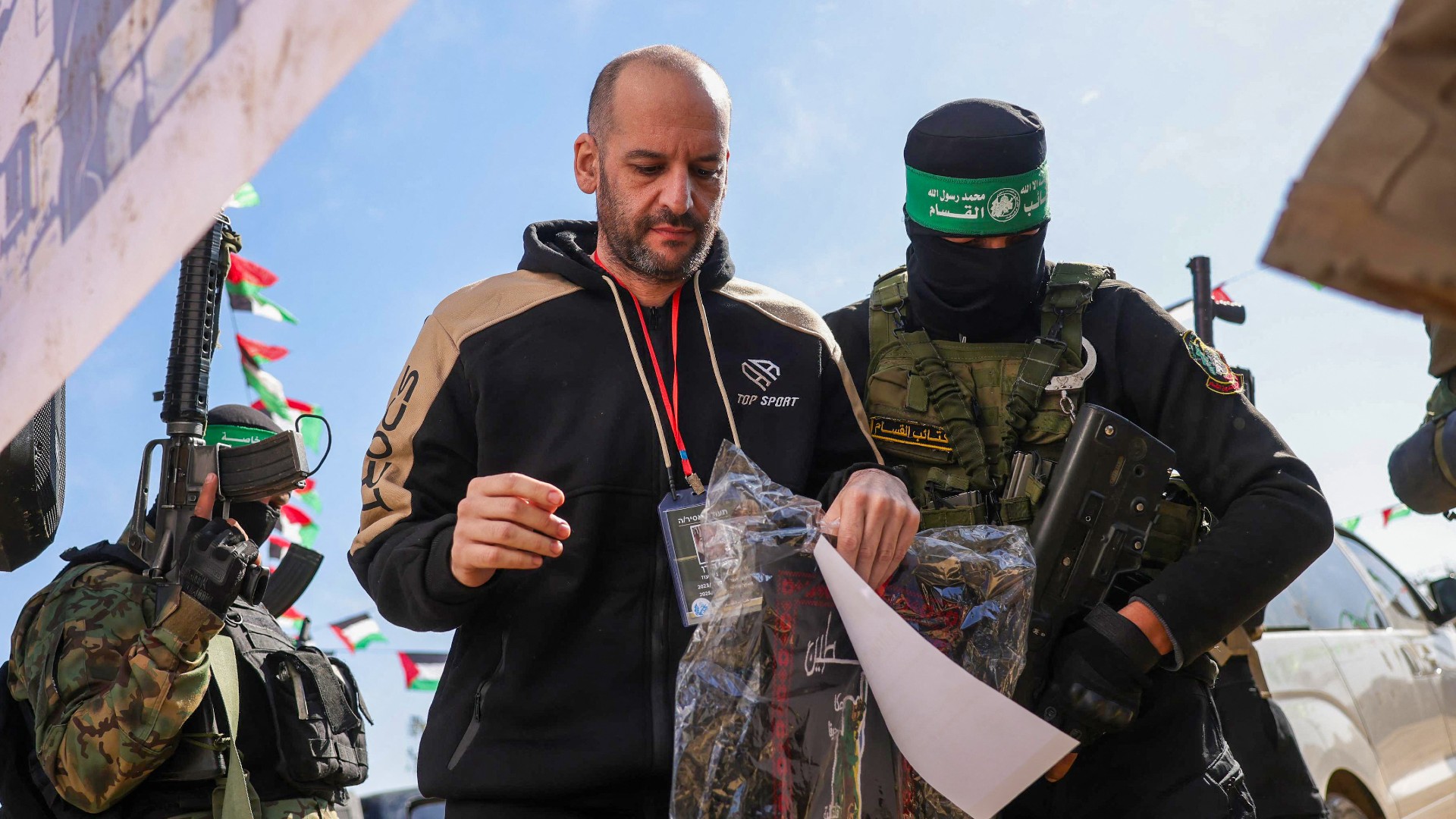
The protracted Israel-Hamas conflict reached a significant milestone on Monday as the last 20 living Israeli captives were released by Hamas in exchange for 1,968 Palestinian prisoners and detainees. This exchange concludes a harrowing chapter that began on October 7, 2023, when 251 Israelis and foreign nationals were abducted during a Hamas-led attack on Israel, which also claimed nearly 1,200 lives. The same day, Israel launched a military campaign in Gaza, resulting in over 67,000 Palestinian deaths over two years. While Israel declared the return of captives a top priority, senior officials later admitted that it was not a central aim of the military operation. Gadi Eisenkot, former head of the Israeli military, criticized the government for sidelining the hostages in its war objectives. The conflict saw 168 captives returned alive, while 87 died under contested circumstances. The release of the Bibas family’s bodies in February 2025, along with other captives, underscored the tragic human cost of the war. Both sides continue to trade blame for the deaths of hostages, with Israel accusing Hamas of killings during captivity and Hamas attributing many deaths to Israeli military actions. The conflict has left deep scars on both societies, with thousands of Palestinian prisoners still in Israeli jails and widespread devastation in Gaza. The recent exchange, facilitated by international diplomacy, signals a potential end to the war but leaves unresolved questions about accountability and justice.
-
‘I can’t afford to save both twins’: Sudan’s war left one mother with an impossible choice
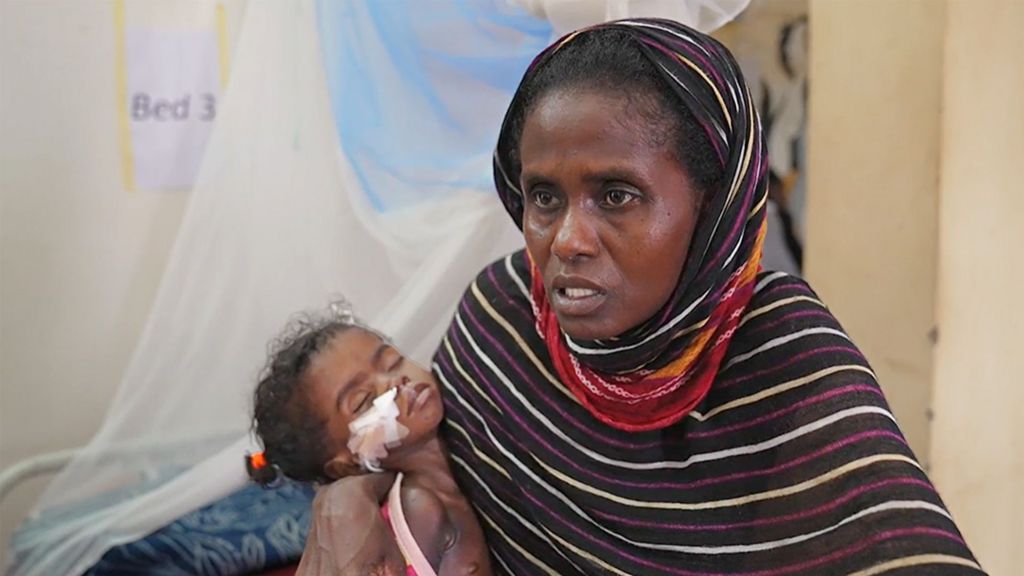
The ongoing civil war in Sudan has left a trail of devastation, with countless lives shattered and families torn apart. Among the victims is Touma, a 25-year-old mother whose life has been irrevocably altered by the conflict. Sitting in the malnutrition ward of Bashaer Hospital in Khartoum, Touma cradles her three-year-old daughter, Masajed, who is severely malnourished and too weak to cry. ‘I wish she would cry,’ Touma whispers, her voice filled with despair. The hospital, one of the few still operational in the capital, is overwhelmed with children suffering from acute malnutrition, their mothers helplessly watching over them. Touma and her family were forced to flee their home after the Rapid Support Forces (RSF) looted everything they owned, leaving them with nothing but their lives. ‘We had livestock, milk, and dates. Now, we have nothing,’ she recalls, her voice trembling. The war has plunged Sudan into one of the world’s worst humanitarian crises, with three million children under five acutely malnourished, according to the UN. Despite the hospital’s free basic care, lifesaving medicines must be paid for by families, leaving many, like Touma, to make impossible choices. She could only afford antibiotics for one of her twin daughters, choosing Manahil over Masajed. ‘I wish they could both recover,’ she sobs, cradling her dying child. The war has left families with nothing, no means to save their children, and little hope for survival. The conflict, which began in April 2023 between the Sudanese army and the RSF, has turned Khartoum, once a vibrant cultural and commercial hub, into a battlefield. The city is now littered with the remnants of war—burnt-out cars, tanks, and shattered homes. Amid the destruction, 12-year-old Zaher wheels himself through the wreckage, singing softly, ‘I’m coming home.’ Zaher, who lost both legs in a drone strike, dreams of prosthetic limbs so he can play football again. His mother, Habibah, recounts the horrors of living under RSF control, where they were constantly under threat. ‘We couldn’t switch on our lights at night,’ she says. The war has robbed children of their childhoods, leaving them to navigate a world of violence and loss. Ahmed, a 16-year-old who works clearing debris, has found human remains in a playground where he once played with his brothers. ‘I have been certain that I was destined to die,’ he says, his voice devoid of hope. Yet, amidst the despair, moments of resilience shine through. Zaher, despite his injuries, drags himself across a scarred football pitch, determined to play the game he loves. ‘Football and my friendships have saved me,’ he says, smiling for the first time. The war has left an indelible mark on Sudan’s children, but their spirit and determination offer a glimmer of hope in a land ravaged by conflict.
-
Russia intensifies attacks on Ukraine’s trains in ‘battle for the railways’
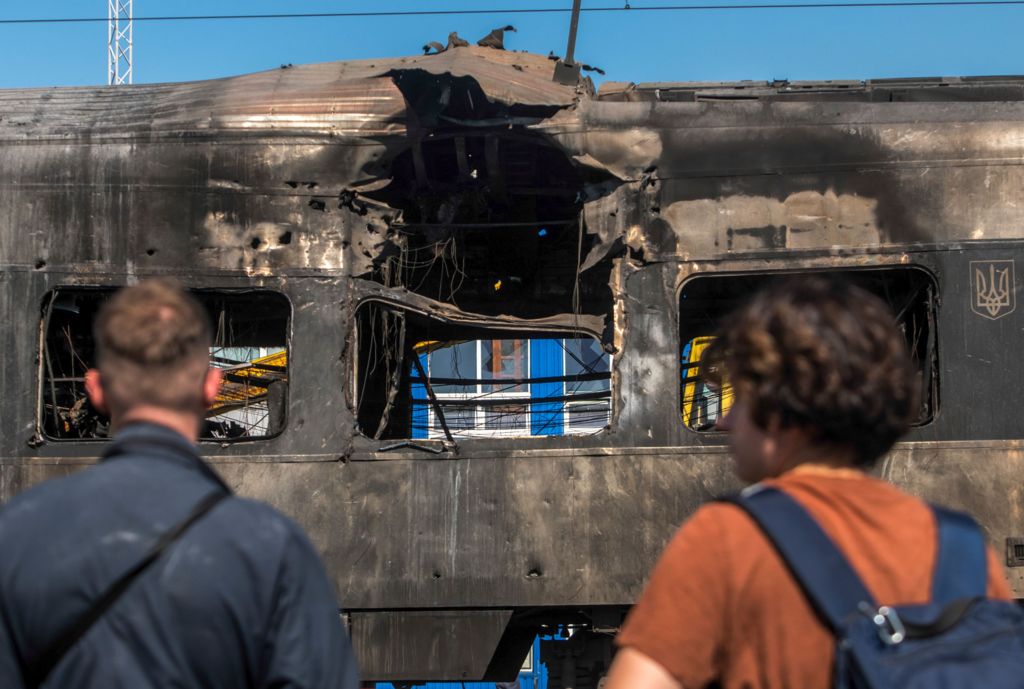
In the heart of Ukraine’s ongoing conflict, the nation’s railway system has become both a lifeline and a target. Olha Zolotova, a train conductor, lies in a Kyiv hospital bed, recounting the harrowing moment her train was struck by a Russian drone. ‘When the Shahed hit, I was buried under rubble. Everything was burning,’ she recalls. Her injuries, severe enough to require surgery and a metal plate in her leg, are a stark reminder of the relentless attacks on Ukraine’s railways, a critical infrastructure sustaining the country’s war effort and economy.
-
‘Sorry I couldn’t save you’: Israel buries hostage returned from Gaza
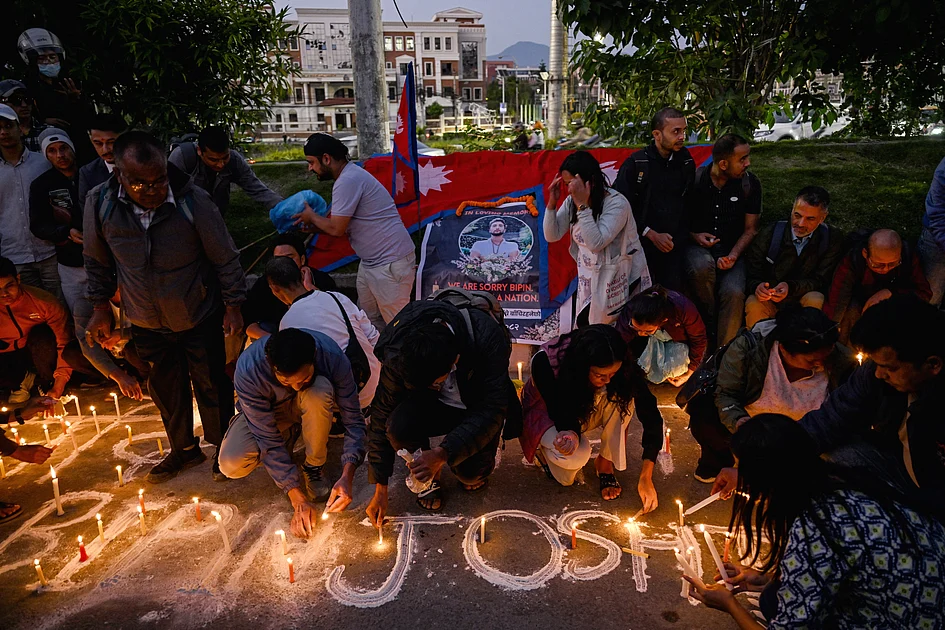
In a somber ceremony on Wednesday, Israel laid to rest Guy Iluz, a 26-year-old hostage whose remains were returned from Gaza as part of a US-backed ceasefire agreement. The funeral procession began in Rishon Lezion and concluded in Raanana, where Iluz had resided before being abducted during the Hamas-led attack on October 7, 2023. The attack, which targeted the Nova music festival in southern Israel, resulted in the deaths of at least 370 people and the abduction of 251 others, both living and deceased. Iluz, a guitarist and sound engineer, was among those taken captive. Reports indicate he attempted to flee the festival site and later hid in a tree, where he made his final contact with his parents before being captured. He died in captivity due to untreated injuries sustained during his abduction. The ceasefire deal, which took effect last Friday, mandated the release of all hostages within 72 hours. In exchange, Israel released nearly 2,000 Palestinian detainees. The return of Iluz’s body, along with three others on Monday and four more on Tuesday, marked a bittersweet moment for mourners. Amira, a woman in her sixties, expressed her grief, stating, ‘I’m sorry, sorry, sorry I could not save you!’ She emphasized the importance of having a grave for the family to mourn. Viki Lavi, another attendee, noted the duality of emotions, saying, ‘This is our life, crying and being happy.’ The ceremony underscored the ongoing trauma and resilience of those affected by the conflict.
-

Sri Lankan PM highly praises China’s initiatives at Global Leaders’ Meeting on Women
During her visit to China for the Global Leaders’ Meeting on Women, Sri Lankan Prime Minister Harini Amarasuriya highlighted the concerning global decline in women’s rights, gender equality, and reproductive rights. In an exclusive interview with China Daily on Tuesday, she praised China’s steadfast support for gender equality and its proactive initiatives, which she described as a testament to the nation’s strong sense of international responsibility. Amarasuriya emphasized that China’s efforts stand out in a world where many countries are experiencing setbacks in these critical areas. Her remarks underscored the importance of global cooperation and leadership in advancing gender equality, particularly in the face of growing challenges. The Prime Minister’s comments also reflected the broader significance of the meeting, which brought together leaders from around the world to address pressing issues related to women’s rights and empowerment.