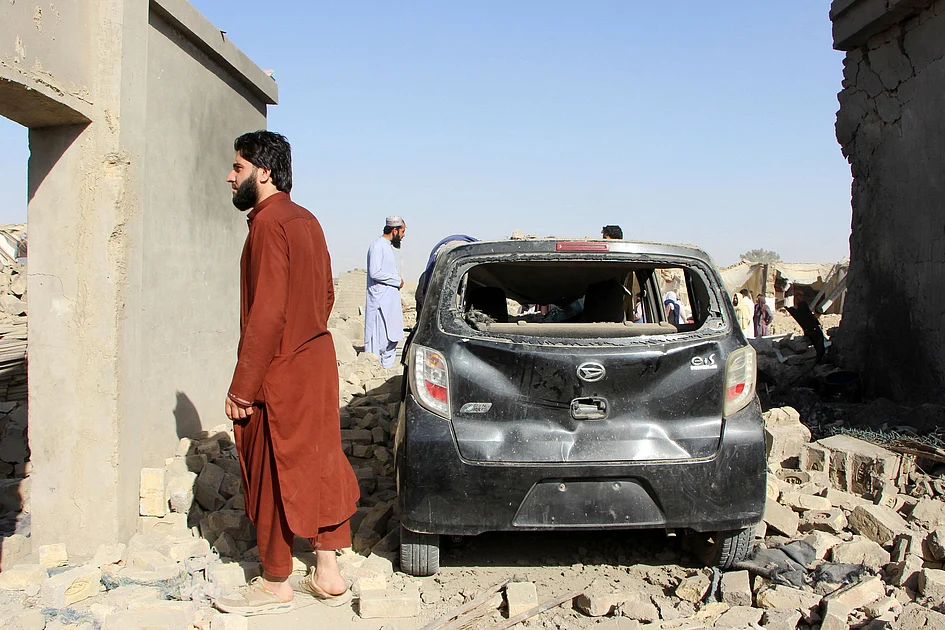
A fragile 48-hour ceasefire has been implemented along the volatile Pakistan-Afghanistan border, offering a brief respite from the deadly cross-border clashes that have claimed dozens of lives in recent days. The truce, announced by Islamabad, aims to create a window for constructive dialogue and a peaceful resolution to the escalating tensions. Officials from both sides confirmed on Thursday that the ceasefire was holding, with no reports of violence overnight. The recent clashes, which have resulted in significant civilian casualties, have drawn international concern and calls for de-escalation. In Spin Boldak, a key flashpoint on the Afghan side, residents cautiously returned to their homes as shops reopened. The United Nations Assistance Mission in Afghanistan (UNAMA) reported at least 18 civilian deaths and over 350 injuries, while local officials in Spin Boldak confirmed around 20 civilian fatalities and nearly 170 wounded. Islamabad has accused the Taliban-led Afghan government of harboring militants responsible for attacks on Pakistani security forces—a claim Kabul denies. Meanwhile, additional paramilitary troops have been deployed along the border to deter potential militant activity that could disrupt the ceasefire. The conflict has also seen cross-border airstrikes and explosions, with Kabul blaming an oil tanker explosion for recent blasts, while Pakistani sources claim precision strikes targeted militant bases. The UN rights chief has welcomed the ceasefire and urged both parties to prioritize civilian safety and work towards a lasting peace.
分类: world
-
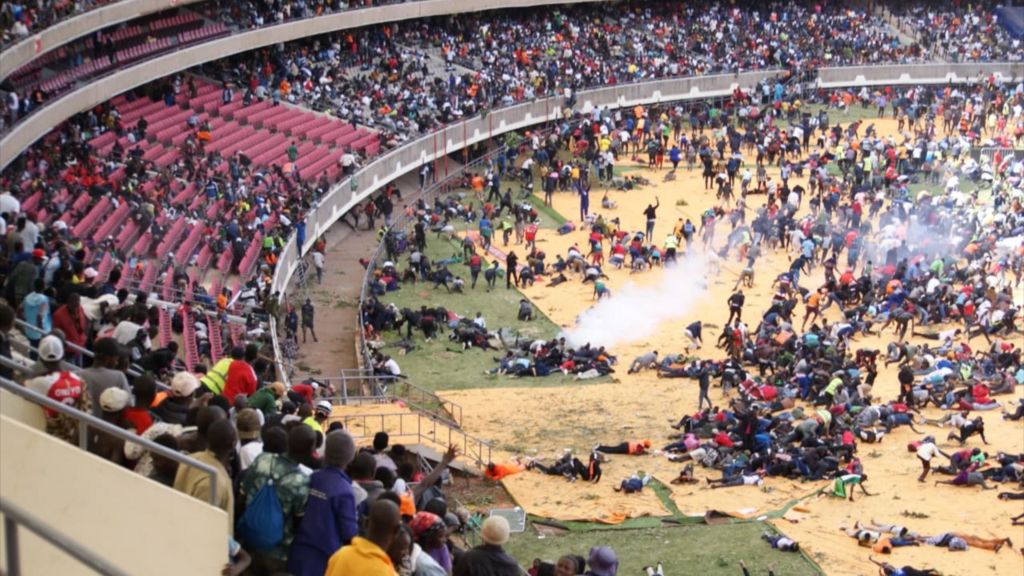
Police fire tear gas at crowds mourning former Kenyan prime minister
The remains of Raila Odinga, Kenya’s former Prime Minister, were repatriated to his homeland following his passing in India on Wednesday. Odinga, a prominent political figure, was met with an outpouring of grief as thousands of mourners assembled at Nairobi’s Jomo Kenyatta International Airport to pay their respects. The solemn procession accompanying his body to Kasarani Stadium, however, was marred by chaos when police resorted to firing tear gas to disperse the massive crowd and maintain order. The incident has sparked mixed reactions, with some criticizing the use of force during a period of national mourning, while others acknowledged the challenges of managing such large gatherings. Odinga’s death marks the end of an era in Kenyan politics, as he was a key player in the country’s democratic evolution and a symbol of opposition leadership.
-
Magnitude 6.5 earthquake strikes Indonesia’s Papua
A significant earthquake measuring 6.5 on the Richter scale struck the eastern Indonesian province of Papua on Thursday, according to the United States Geological Survey (USGS). The seismic event occurred at approximately 2:48 PM local time (0548 GMT), with its epicenter located roughly 200 kilometers (125 miles) from Jayapura, the provincial capital. The quake originated at a depth of 35 kilometers. Despite the substantial magnitude, no tsunami warning was issued, and there have been no immediate reports of damage or casualties. Papua, a region known for its seismic activity due to its position along the Pacific Ring of Fire, frequently experiences earthquakes. The USGS continues to monitor the situation, and local authorities are assessing the impact on affected areas. This event serves as a reminder of the region’s vulnerability to natural disasters and the importance of preparedness in earthquake-prone zones.
-

Italy’s top court blocks extradition of Ukrainian suspect in Nord Stream explosions’ case
In a significant legal development, Italy’s highest court has overturned the extradition of a Ukrainian man, Serhii Kuznietsov, to Germany. Kuznietsov, 49, was arrested on suspicion of orchestrating the 2022 explosions that damaged the Nord Stream gas pipelines, critical infrastructure transporting Russian natural gas to Germany. The Cassation Court in Italy annulled a prior ruling by the Bologna Court of Appeal, which had approved the extradition. The case has now been referred back to the appeal court for reassessment. Kuznietsov’s lawyer, Nicola Canestrini, stated that the court’s detailed reasoning for the decision is yet to be released but is anticipated in the coming weeks. Canestrini also indicated that he is considering requesting Kuznietsov’s release, as the legal grounds for his detention have been invalidated. The explosions, which occurred in September 2022, severely damaged the Nord Stream 1 pipeline and the unused Nord Stream 2 pipeline, both located in the Baltic Sea. German prosecutors allege that Kuznietsov organized the detonation of multiple bombs at significant depths near the Danish island of Bornholm. Kuznietsov, who was detained in August 2023 while vacationing with his family in Italy, has consistently denied involvement, claiming he was serving in the Ukrainian military at the time of the incident. This case has drawn international attention, with Poland also arresting another Ukrainian suspect linked to the explosions, whose extradition remains pending.
-
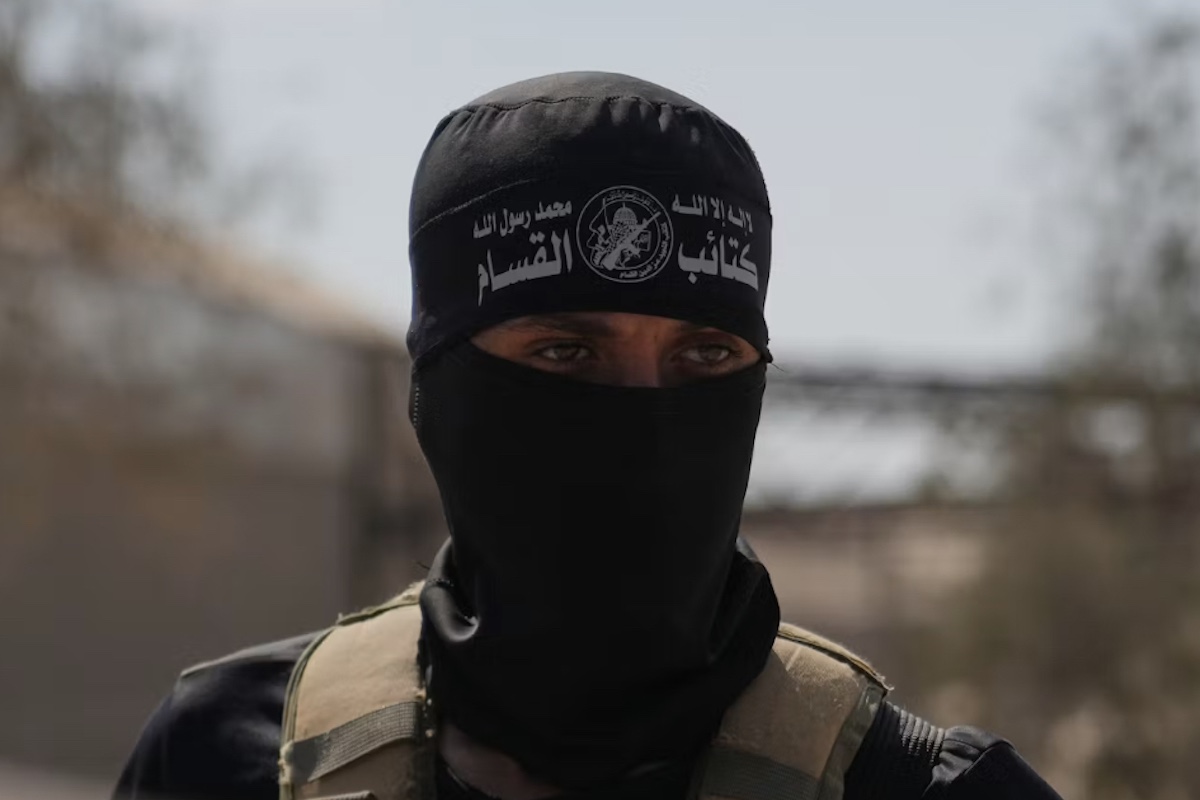
Clans, gangs and militias fighting Hamas for control of Gaza
Despite the recent ceasefire between Hamas and Israel, Gaza remains embroiled in internal violence, with over two dozen Palestinians killed in clashes between Hamas and various powerful clans. These familial groups, deeply rooted in Palestinian society for centuries, are now at the forefront of a complex power struggle. Hamas, reasserting control post-ceasefire, faces resistance from clans aligned with its rival, Fatah, and others reportedly backed by Israel. Among the most prominent clans are the Dughmush clan in Gaza City and the al-Majayda clan in Khan Younis, both of which have been targeted by Hamas. However, clan loyalties often supersede political affiliations, making disarmament efforts by Hamas or Fatah a contentious issue. Israeli Prime Minister Benjamin Netanyahu has admitted to arming certain clans to counter Hamas, further complicating the security landscape. This internal strife, while not directly violating the ceasefire, underscores Israel’s continued influence in Gaza. The situation is exacerbated by the shaky peace plan proposed by former US President Donald Trump, which calls for Hamas to disarm and withdraw from politics. With the Palestinian Authority’s role in Gaza uncertain, the clans could emerge as alternate power centers, fracturing Gaza further and jeopardizing any unified governance. Hamas, unlikely to relinquish control quietly, views clan resistance as a proxy war with Israel, posing a significant threat to peace and stability in the region.
-

Russian barrage causes blackouts in Ukraine as Zelenskyy seeks Trump’s help
In a significant escalation of hostilities, Russia launched a massive assault on Ukraine’s energy infrastructure, deploying hundreds of drones and dozens of missiles in a targeted bombardment. Ukrainian authorities reported widespread blackouts across eight regions, including the capital, Kyiv. The attacks forced DTEK, Ukraine’s largest private energy company, to halt natural gas extraction in the central Poltava region. Ukrainian President Volodymyr Zelenskyy condemned the strikes, accusing Russia of using cluster munitions and repeatedly targeting emergency repair crews. He emphasized that Russia’s strategy of attacking energy facilities aims to cripple Ukraine’s resilience as winter approaches. Zelenskyy is scheduled to meet with U.S. President Donald Trump to request advanced air defense systems and long-range missiles to counter the ongoing aerial assaults. The Ukrainian power grid has been a primary target since Russia’s invasion over three years ago, with attacks intensifying as colder months near. Despite Ukraine’s resistance, the country’s vast territory makes it challenging to defend against aerial attacks. Zelenskyy’s visit to the U.S. also seeks to secure tougher international economic sanctions on Moscow and joint drone production agreements. Meanwhile, U.S. Defense Secretary Pete Hegseth warned that Washington will impose costs on Russia if it continues its aggression. Trump, frustrated by the prolonged conflict, has expressed impatience with Russian President Vladimir Putin, whom he views as the main obstacle to peace. The U.S. has hesitated to provide long-range missiles, fearing escalation, but Trump’s administration is exploring ways to increase pressure on Russia to end the war.
-
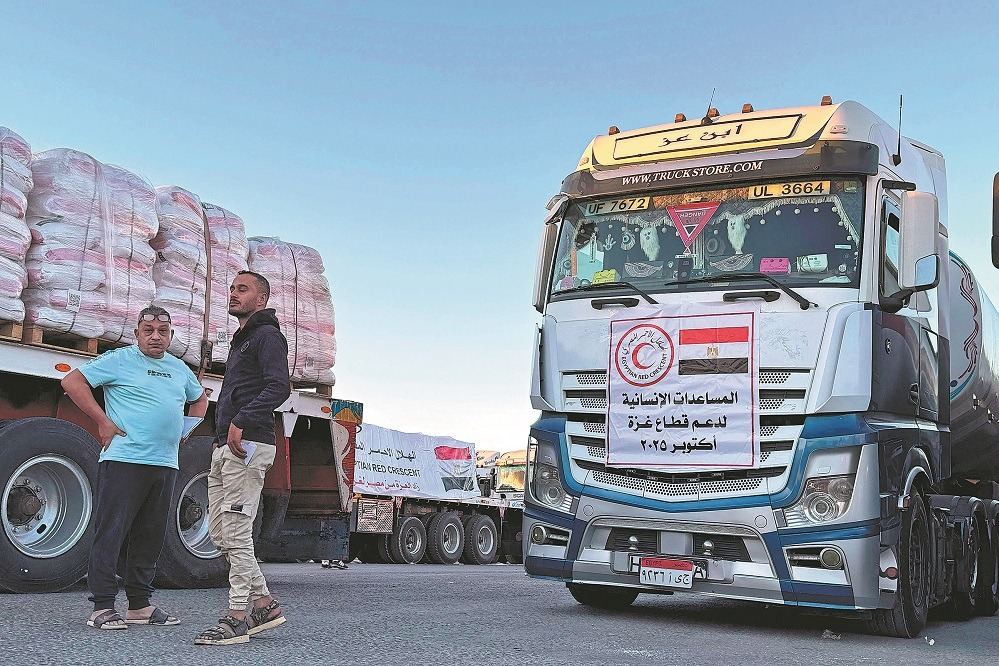
Israel asked to smoothen aid flow amid fraught ceasefire
Amid a fragile ceasefire, Israel has been called upon to ensure the uninterrupted flow of humanitarian aid into Gaza, as Hamas faces significant challenges in retrieving the bodies of deceased hostages due to widespread destruction and the presence of Israeli forces across half of the territory. Reports indicate that Israel has delayed the reopening of the Rafah border crossing and drastically reduced aid deliveries, citing the slow return of approximately 20 additional hostage bodies held by Hamas. On Tuesday, Hamas transferred four more bodies, believed to be Israeli hostages, to the International Committee of the Red Cross, bringing the total to eight. However, Israel suspects one of the bodies may belong to a Palestinian. Ismail al-Thawabta, Director General of Gaza’s Government Media Office, has urged Israel to open the crossings and allow immediate aid into the enclave, emphasizing the dire need for water and other essentials. The United Nations has reiterated the necessity of opening more crossings, ensuring the sustained entry of fuel and cooking gas, and providing security guarantees for convoys. UN Deputy Spokesman Farhan Haq highlighted the ongoing efforts to scale up operations under a 60-day response plan. Meanwhile, Israeli officials have stated preparations are underway to open Rafah to Gazan citizens, with plans to send in 600 aid trucks. The ceasefire remains precarious, with both Hamas and Israel accusing each other of violations. The Red Cross has warned that recovery teams may struggle to locate some bodies due to the extensive destruction. The World Health Organization has deployed emergency medical teams and delivered essential medical supplies, while the World Food Programme has facilitated the entry of 137 trucks carrying food aid. However, tensions persist, with reports of Israeli forces allegedly killing a man in the West Bank and abducting four citizens.
-
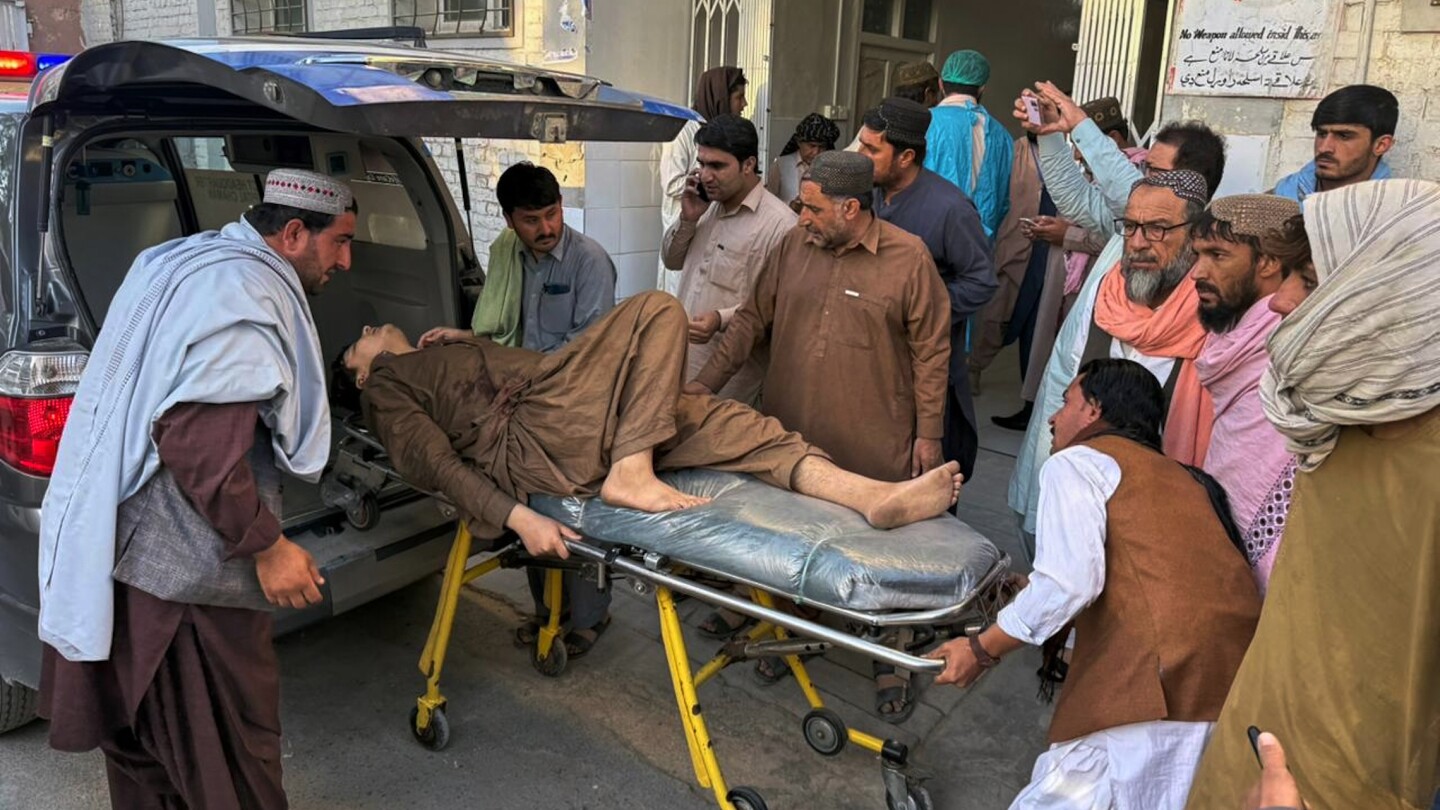
UN urges Pakistan and Afghanistan to end hostilities to protect civilians
The United Nations has called on Pakistan and Afghanistan to halt ongoing hostilities to safeguard civilian lives, following days of intense cross-border clashes that have resulted in dozens of fatalities and hundreds of injuries. This marks the most severe crisis between the two nations since the Taliban’s rise to power in Afghanistan in 2021. The violence, which escalated on October 10, saw both countries accusing each other of armed provocations. On Wednesday, a ceasefire was agreed upon after appeals from regional powers, aiming to stabilize a region threatened by the resurgence of groups like the Islamic State and al-Qaida. As of Thursday, key border crossings remained closed, and no overnight fighting was reported. The U.N. Assistance Mission in Afghanistan (UNAMA) welcomed the truce and is currently assessing the casualty count, with preliminary reports indicating at least 17 civilian deaths and 346 injuries in Spin Boldak, Afghanistan. UNAMA also documented 16 civilian casualties in earlier clashes across several Afghan provinces. Pakistan has yet to release figures on civilian casualties on its side of the border but has repeatedly accused Afghanistan of harboring militants, a claim denied by the Taliban. The two nations share a contentious 2,611-kilometer border, known as the Durand Line, which Afghanistan has never formally recognized.
-

Titan imploded due to poor engineering, say US officials
A comprehensive investigation by the US National Transportation Safety Board (NTSB) has unveiled critical engineering flaws and inadequate testing as the primary causes of the catastrophic implosion of OceanGate’s Titan submersible during its ill-fated journey to the Titanic wreck in June 2023. The incident claimed the lives of all five passengers on board, including OceanGate’s CEO, Stockton Rush. The NTSB report highlights that the submersible’s engineering process was ‘inadequate,’ failing to meet essential strength and durability standards. Furthermore, the company did not conduct sufficient testing to determine the vessel’s actual capabilities, nor was it aware of pre-existing damage that should have grounded the Titan before its final voyage. The submersible disappeared in the North Atlantic, approximately 372 miles from St. John’s in Newfoundland and Labrador, Canada, while attempting to reach the Titanic wreck. Earlier in August, the US Coast Guard had released a scathing report, labeling the incident as ‘preventable’ and condemning OceanGate’s ‘critically flawed’ safety practices. Among the passengers were deep-sea explorer Paul-Henri Nargeolet, Shahzada Dawood, his 19-year-old son Suleman Dawood, and Hamish Harding, each having paid $25,000 for the expedition. The tragedy has raised significant concerns about the safety protocols and engineering standards in deep-sea exploration ventures.
-
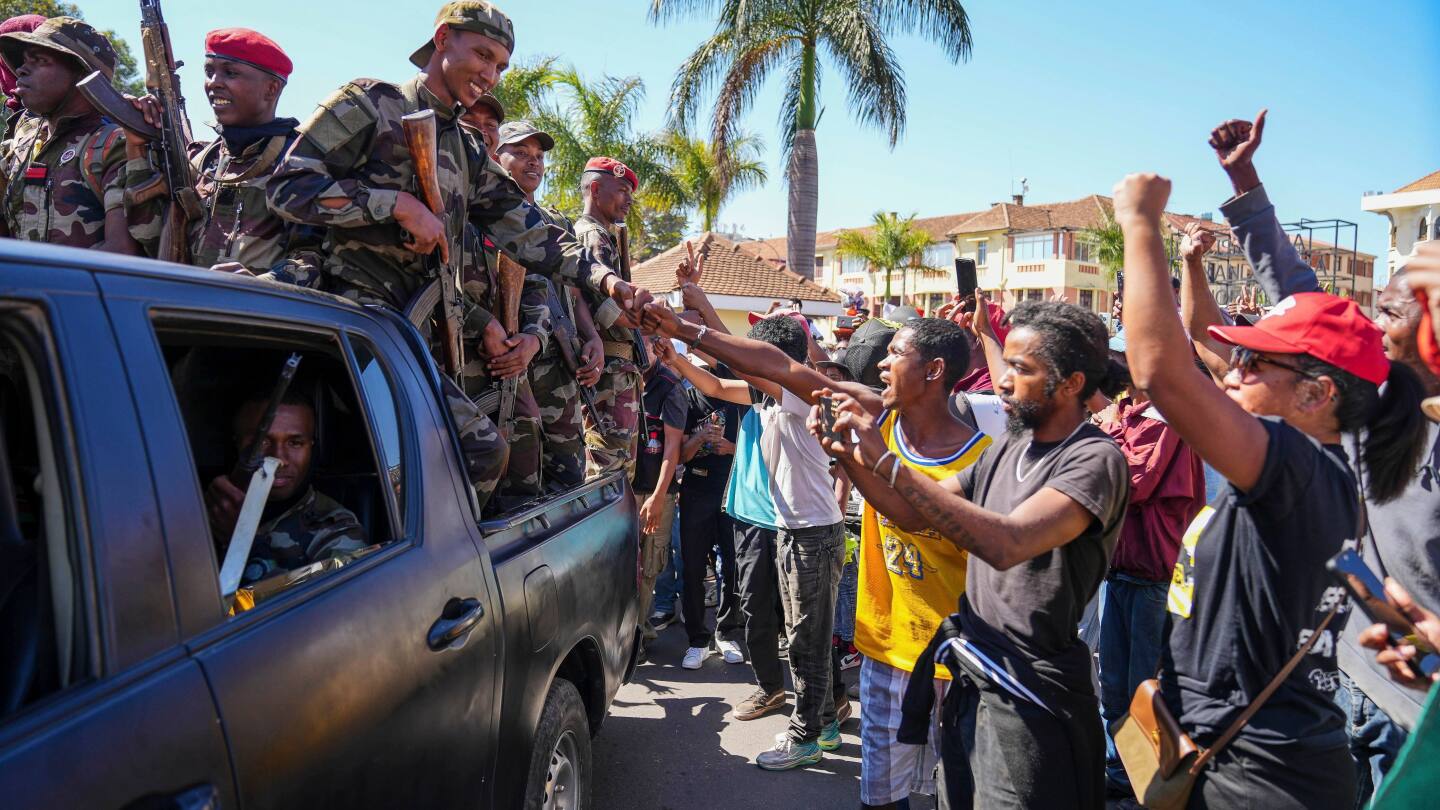
Angry with their governments, the world’s young are filling the streets as ‘Gen Z’ protesters
From the Andes to the Himalayas, a new wave of youth-led protests is sweeping across the globe, driven by generational discontent and frustration with political systems. These movements, often leaderless and primarily composed of individuals born between 1996 and 2010, are united by shared grievances such as economic inequality, corruption, and government neglect.