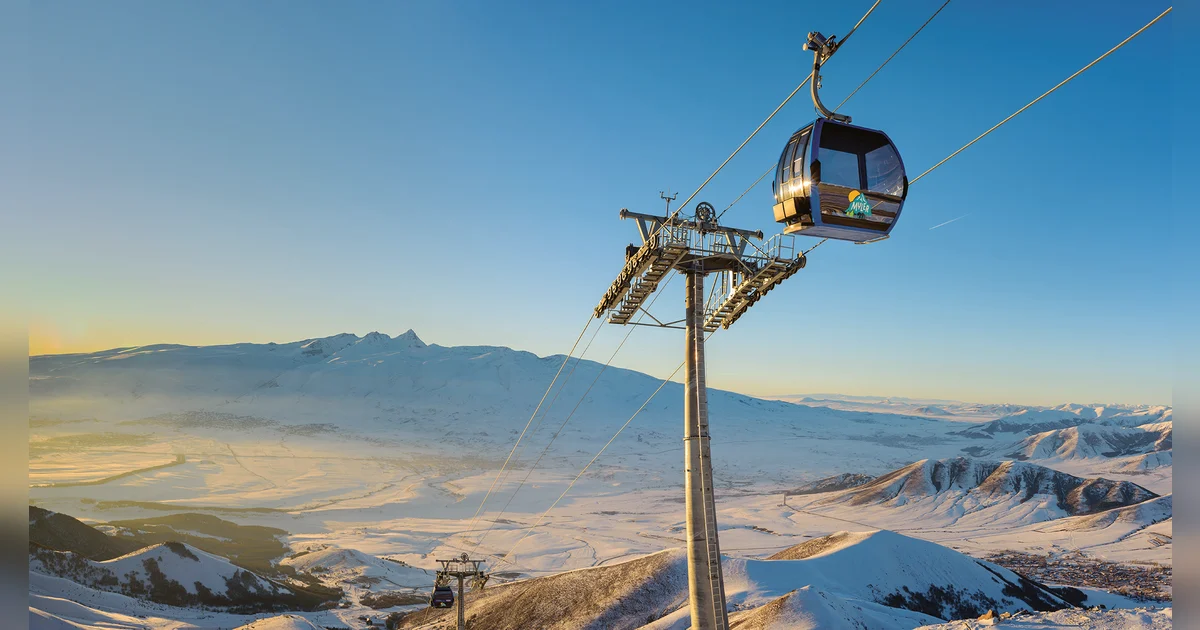
Armenia is increasingly becoming a favored destination for Gulf tourists and investors, offering a unique blend of cultural richness, natural beauty, and business opportunities. With visa-free access for Gulf residents and expanding flight connections, the country is positioning itself as a year-round destination for leisure and business travelers alike. Lusine Gevorgyan, Chairperson of the Tourism Committee of Armenia, emphasized the country’s strengths: ‘We don’t have oil or gas, but we have people. Our people are our greatest treasure. We enjoy over 300 sunny days a year, even in winter, which makes our country attractive for both leisure and business travelers.’ Armenia’s tourism strategy for 2026–2030 focuses on cultural heritage, gastronomy, agritourism, and adventure tourism, building on its reputation as a safe, family-friendly destination. The country boasts over 10 UNESCO-recognized heritage sites and is known for its vibrant nightlife and safety. ‘In Armenia, it’s common to leave your bag or phone at a café table without any worries — no one touches it,’ Gevorgyan noted. The Tourism Committee has been deepening ties with Gulf nations, with visa-free entry for Gulf residents and new flight routes enhancing accessibility. Direct flights from Abu Dhabi launched in June, and Armenia is working with Fly One Armenia to expand routes to both Europe and the Gulf. Armenia is also emerging as a medical tourism hub, thanks to highly trained doctors, affordability, and growing international visibility. The country is developing a digital platform called Bridge, which will connect doctors, tour operators, patients, lawyers, and insurers, offering an all-in-one service with a single agreement and price. ‘Armenia is closer and more cost-effective than countries like Germany, yet offers excellent care in fields like dentistry, implantology, and cosmetic surgery,’ Gevorgyan explained. Wellness tourism is another area of focus, with regional hubs like Dilijan developing into world-class destinations. Public-private partnerships are driving Armenia’s tourism boom, with a $100 million loan agreement with the World Bank and an additional $20 million from the government aimed at improving roads, utilities, public restrooms, and tourism infrastructure. Unique tourism experiences, such as the new winter sports hub in Aragatsotn and the Myler Mountain Resort, are attracting international investors. Tax incentives further encourage foreign investment, with tax-free zones for tourism infrastructure projects. Armenia’s thriving tourism industry is underpinned by a business-friendly climate, with the ability to register a company online in under an hour. Enterprise Armenia, the country’s investment promotion agency, supports international investors through every stage of development. With its ancient monasteries, clean mountain air, safe family-friendly environment, and innovative approach to investment, Armenia is rapidly becoming a preferred destination for Gulf travelers and global investors. ‘Our food is fresh, clean, and eco-friendly. We are proud of our ecotourism potential, especially in our villages, where nature remains untouched,’ Gevorgyan concluded.
分类: world
-
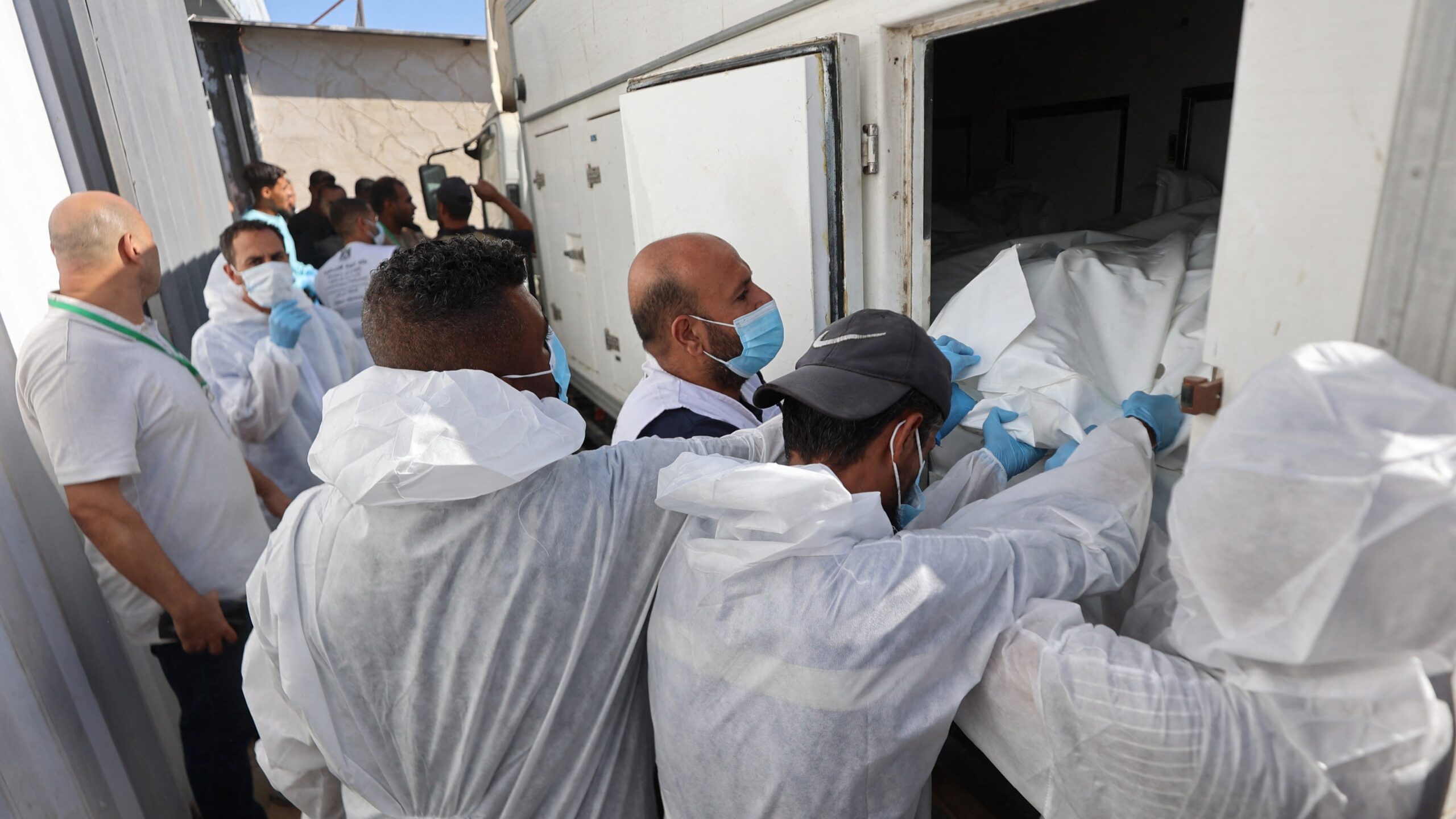
Outcry after Israel returns Palestinian bodies in ‘horrific condition’ to Gaza
Human rights organizations and medical experts have raised alarm over the condition of 120 Palestinian bodies returned by Israel to Gaza, citing evidence of systematic torture, mutilation, and potential organ theft. The Government Media Office in Gaza reported that forensic examinations revealed signs of field executions, crush injuries, and severe physical abuse. The bodies, handed over in three batches, were described as being bound, blindfolded, and bearing horrific marks of torture and burns. Muneer Alboursh, Gaza’s Ministry of Health director general, stated that the victims were executed after being restrained and stored in refrigerators for months. Graphic images circulating online depict decomposing bodies with rope marks, gunshot wounds, and other signs of brutality. Euro-Med Human Rights Monitor highlighted additional evidence of hanging, fractures, and deep wounds, suggesting genocidal intent. Ismail Al-Thawabta, director general of the Gaza Government Media Office, raised suspicions of organ theft, noting missing limbs and internal organs. The body exchange is part of a ceasefire agreement, which also includes prisoner swaps. Hamas has released 20 Israeli captives in exchange for 2,000 Palestinian prisoners, with further exchanges expected.
-
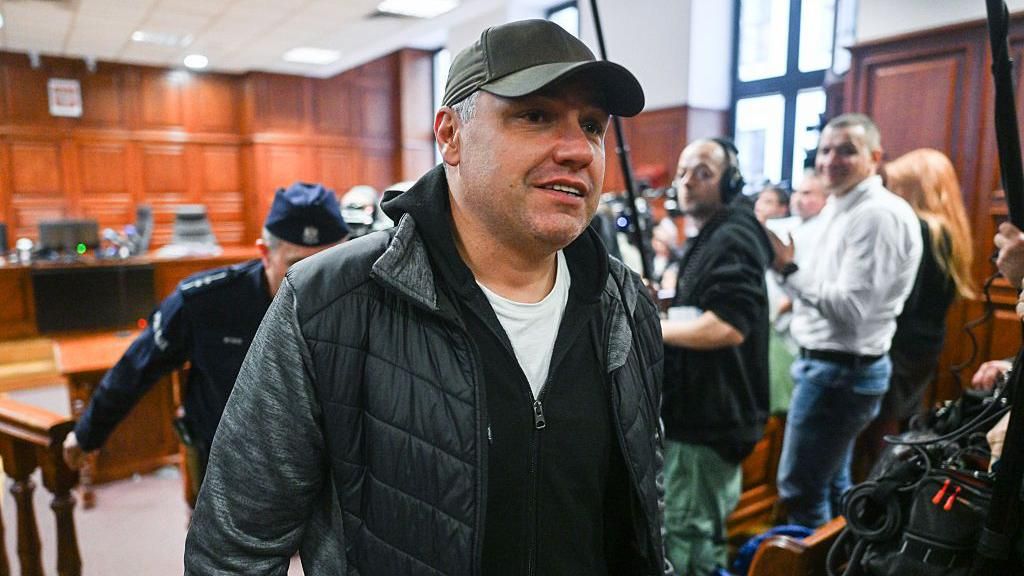
Polish judge refuses to extradite Ukrainian Nord Stream blasts suspect
In a landmark decision, a Polish judge has refused to extradite a Ukrainian citizen, Volodymyr Zhuravlyov, who was suspected by Germany of involvement in the sabotage of the Nord Stream gas pipelines in September 2022. Judge Dariusz Lubowski of the Warsaw District Court ruled that if Ukraine was responsible for the attack, it could be considered a ‘just’ act in the context of Russia’s ongoing invasion of Ukraine. The ruling, which was met with surprise in the courtroom, led to Zhuravlyov’s immediate release and sparked a broader debate about the legal and moral implications of the case.
Zhuravlyov, a deep-sea diver by profession, was detained in Poland last month on a European arrest warrant. He is accused of planting explosives on the Nord Stream pipelines, which run from Russia to Germany through the Baltic Sea. The explosions, which occurred in September 2022, severely damaged the controversial energy supply line, initially raising suspicions of Russian involvement before evidence pointed toward Ukrainian actors. Ukrainian officials have consistently denied any role in the sabotage.
In his ruling, Judge Lubowski emphasized that the context of the war in Ukraine was critical to his decision. He described Russia’s invasion as a ‘bloody and genocidal attack’ and argued that Ukraine had the legal right to defend itself. Citing philosophical principles from Aristotle and Saint Thomas Aquinas, Lubowski stated that actions taken by Ukraine to weaken Russia’s military potential could be justified. ‘If Ukraine and its special forces organized an armed mission to destroy enemy pipelines, these actions were not unlawful. On the contrary, they were justified, rational, and just,’ he declared.
The judge also questioned Germany’s jurisdiction over the case, noting that the explosions occurred in international waters on pipelines owned primarily by the Russian state. He insisted that his decision was based on legal reasoning rather than emotional or political considerations. Following the ruling, Zhuravlyov was granted compensation from the Polish state for his detention.
Zhuravlyov’s wife, Yulianna, expressed relief at the verdict, stating that it was important for Ukrainians to feel understood. The family, who have lived in Poland since February 2022, plans to remain in the country. Meanwhile, another Ukrainian suspect, Serhiy Kuznetsov, detained in Italy in August, is also fighting extradition to Germany. His case was recently sent back to a lower court in Bologna after Italy’s top appeals court annulled an earlier extradition ruling.
The Nord Stream sabotage case has highlighted the complexities of international law and the geopolitical tensions surrounding the war in Ukraine. While Germany has expressed respect for the Polish court’s decision, the case continues to raise questions about accountability and the legal boundaries of wartime actions.
-
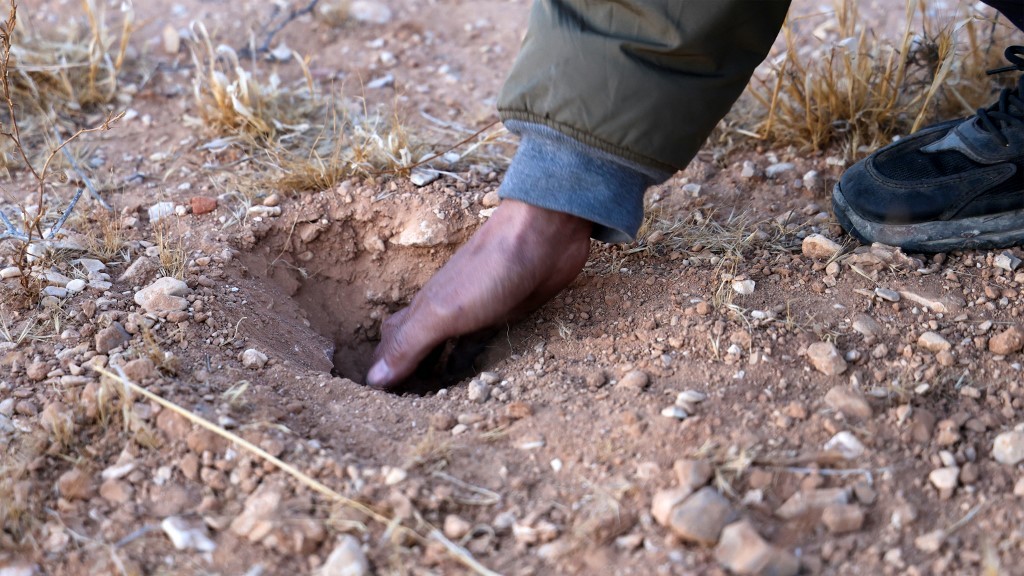
How Assad’s Syria moved the bodies of its victims
Under the leadership of Bashar al-Assad, the Syrian government orchestrated a clandestine operation to conceal the scale of its atrocities by relocating bodies to mass graves. This operation, spanning years, involved the forced conscription of truck drivers, including those transporting everyday goods like ice cream, meat, and produce, to assist in the grim task of moving corpses. Witnesses, including former truckers, diggers, and cemetery overseers, have revealed the industrial-scale nature of these activities, conducted under the cover of darkness to avoid detection.
-
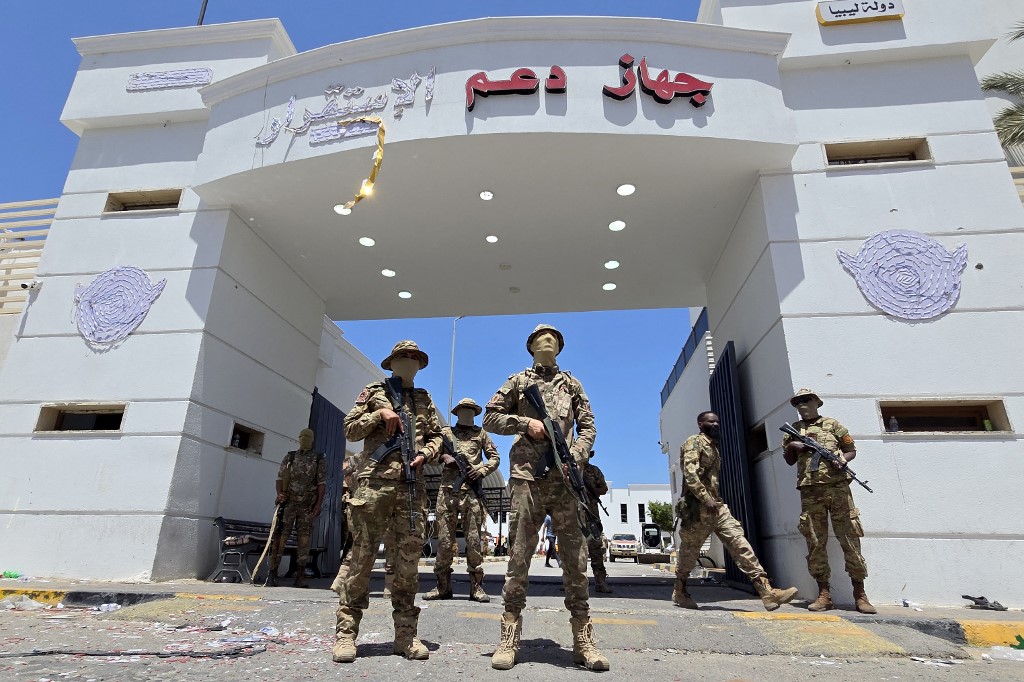
Libya: Tripoli in dangerous standoff as PM set on reining in last opponents in the west
In the bustling streets of Tripoli, Libya’s capital, the evening rush hour paints a picture of normalcy, yet beneath the surface lies a city teetering on the edge of conflict. At the entrance to Souq al-Juma, a densely populated district, four armed fighters from the Deterrence Apparatus, known as Radaa, stand guard. Clad in pristine uniforms and armed with advanced Kalashnikovs, they outshine the lone police officer nearby, symbolizing the power struggle gripping the city.
-
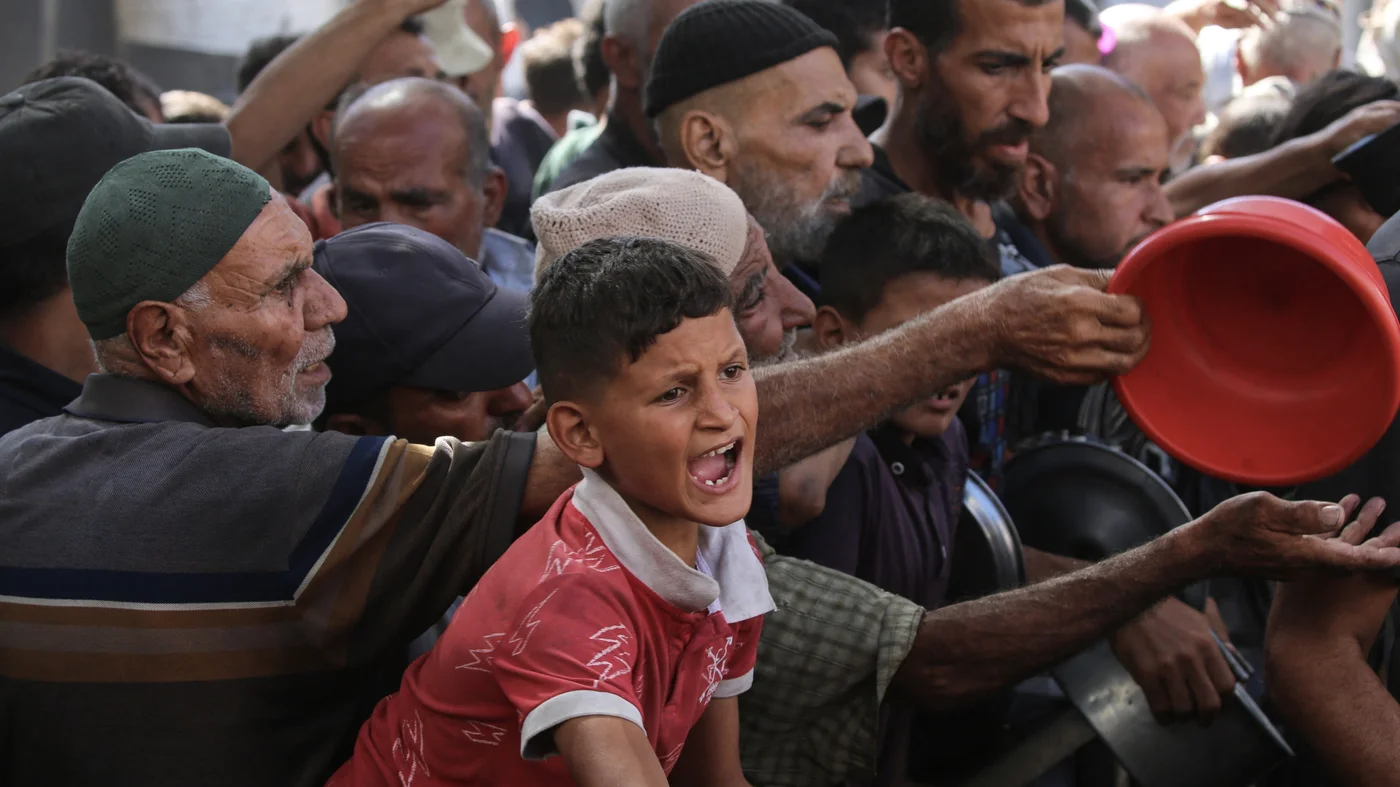
Israel continues to violate Gaza truce deal with shelling and aid restriction
The Gaza Strip has witnessed renewed violence and escalating humanitarian concerns as Israeli shelling targeted civilian areas, leaving several Palestinians wounded since dawn on Friday. Rights groups have raised alarms over the deteriorating conditions in the war-torn territory. Local media reported artillery attacks in the al-Bureij refugee camp in central Gaza, resulting in at least 10 injuries over the past 24 hours. An Al Jazeera correspondent confirmed that the Shujaiya neighborhood in Gaza City was also subjected to Israeli artillery fire. Despite a US-brokered ceasefire agreement that came into effect last Friday, mandating an immediate halt to all military operations, including aerial and artillery bombardments, dozens of Palestinians have been killed or injured in recent days. Meanwhile, unidentified explosives detonated in the Nuseirat refugee camp, further endangering civilians. Mahmoud Basal, spokesperson for the Palestinian Civil Defence in Gaza, warned that unexploded ordnance and booby-trapped homes pose significant risks to returning residents. Over the past two years, Israel’s military campaign in Gaza has claimed nearly 68,000 lives, with over 80% of the victims being civilians, according to leaked Israeli military data. The relentless bombardment has devastated infrastructure, destroyed farmland, and exacerbated famine due to restrictions on food aid. Although the ceasefire plan aimed to reopen Gaza’s crossings to allow 400 aid trucks daily, with a target of 600, Israeli authorities continue to limit aid. On Wednesday, 480 trucks entered Gaza, but the Government Media Office described this as insufficient for the 2.4 million residents. Philippe Lazzarini, UNRWA’s commissioner-general, emphasized the need for unrestricted aid flow, while the World Food Programme highlighted that 560 tonnes of food are being delivered daily, but more is urgently required to address the crisis.
-
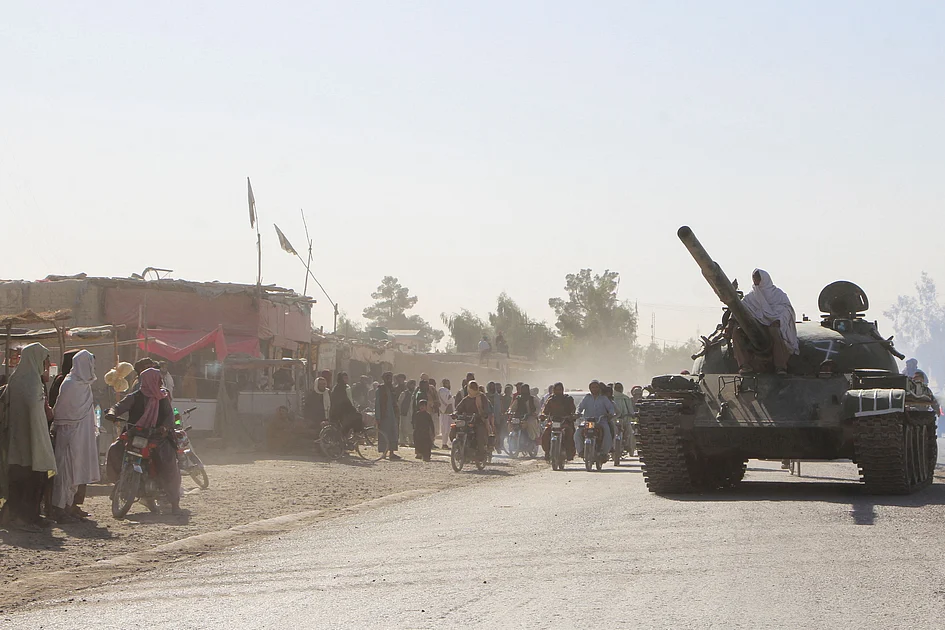
Suicide attack kills 7 Pakistani troops near Afghan border, security officials say
In a devastating suicide attack near the Afghan border, seven Pakistani soldiers lost their lives on Friday, according to security officials. The assault targeted a military camp in North Waziristan, leaving 13 others injured. The incident occurred amidst a fragile ceasefire between Pakistan and Afghanistan, following days of intense cross-border clashes earlier this month. The ceasefire, which paused the hostilities, is set to expire at 1300 GMT on Friday. The attack involved a militant driving an explosive-laden vehicle into the boundary wall of a military fort, while two others attempted to infiltrate the facility but were neutralized by security forces. Pakistan’s army has yet to issue an official statement regarding the incident. This surge in militant violence has strained relations between Pakistan and the Afghan Taliban, who regained power in Kabul after the U.S.-led forces withdrew in 2021. Pakistan has accused the Taliban of harboring militants responsible for attacks on its soil, while the Taliban denies these allegations and accuses Pakistan of provoking border tensions and sheltering ISIS-linked militants. The recent clashes, the most severe in decades, have drawn international attention, with Saudi Arabia and Qatar mediating to de-escalate the conflict. U.S. President Donald Trump has also offered assistance in resolving the crisis.
-
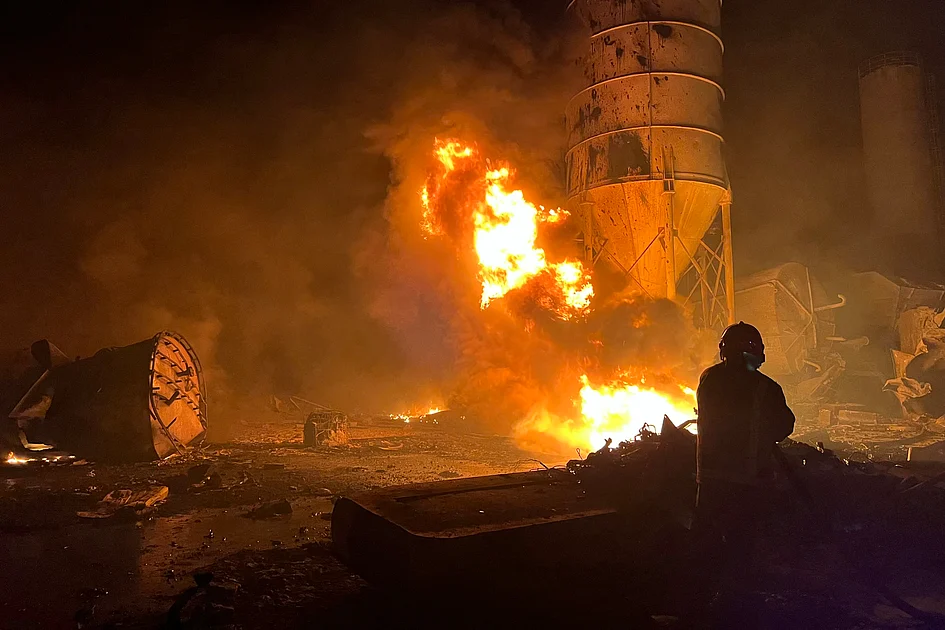
Iran slams Israeli strikes in Lebanon as ‘ceasefire violation’
Iran has strongly criticized recent Israeli military strikes in southern Lebanon, labeling them as a direct violation of a ceasefire agreement between Hezbollah and Israel. The attacks, which targeted civilian facilities, have drawn sharp condemnation from Lebanese President Joseph Aoun, who described the strikes as a breach of the truce negotiated last year.
-
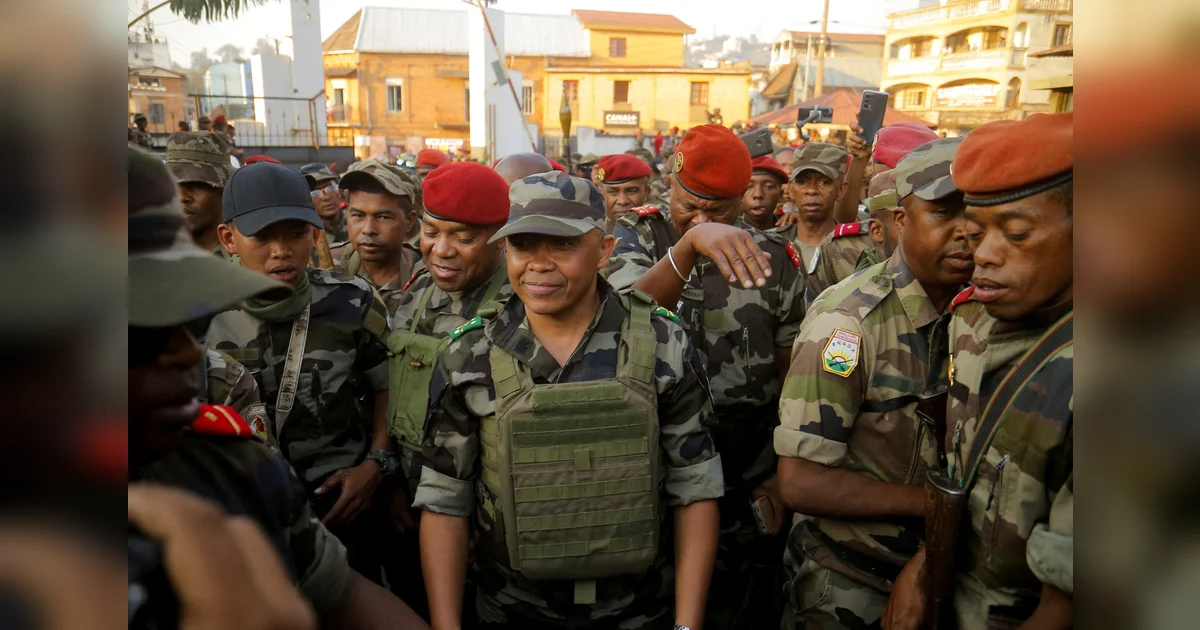
Army colonel Michael Randrianirina sworn in as Madagascar’s President
In a dramatic turn of events, Colonel Michael Randrianirina, the leader of Madagascar’s CAPSAT army unit, was sworn in as the nation’s president on Friday, October 17, 2025. This follows a military coup that ousted former President Andry Rajoelina, who fled the country amid widespread youth-led protests. The military’s takeover has drawn sharp criticism from international bodies, including the African Union and United Nations Secretary-General Antonio Guterres.
Randrianirina, who previously commanded the elite CAPSAT unit, played a pivotal role in the 2009 coup that brought Rajoelina to power. However, he broke ranks with Rajoelina last week, urging soldiers not to fire on anti-government protesters. During his swearing-in ceremony at the High Constitutional Court, Randrianirina pledged to ‘fully, completely, and justly fulfil the high responsibilities’ of his new role, vowing to strengthen national unity and human rights.
The military has dissolved all government institutions except the National Assembly, establishing a transitional committee to rule alongside a provisional government for up to two years before organizing new elections. This political upheaval comes against a backdrop of severe economic challenges in Madagascar, where 75% of the population lives in poverty, and GDP per capita has plummeted by 45% since independence in 1960.
Rajoelina, who was impeached by lawmakers after fleeing the country, has condemned the coup and refused to step down. The situation remains volatile, with the international community closely monitoring developments in the island nation.
-

Chad restores ties with wildlife charity linked to Prince Harry
In a significant turn of events, African Parks, a conservation organization with ties to Prince Harry, has rekindled its partnership with the government of Chad, just days after the central African nation severed ties with the group. The initial termination on October 6 was prompted by allegations of African Parks’ failure to effectively combat poaching and accusations of an arrogant and uncooperative attitude. However, in a joint statement released on Friday, both parties announced the resumption of their collaboration, emphasizing a renewed spirit of dialogue and cooperation. The agreement reinstates African Parks’ management of Zakouma National Park and the Ennedi Natural and Cultural Reserve, both of which the organization had overseen for 15 years prior to the recent fallout. Under the new terms, African Parks will continue to finance and co-manage these protected areas while pursuing future conservation projects. Peter Fearnhead, CEO of African Parks, hailed the reinstatement as a ‘stable foundation’ for safeguarding Chad’s natural and cultural heritage, alongside the communities that depend on them. The reconciliation follows a challenging period marked by intense negotiations and mutual efforts to address past grievances. Earlier this year, African Parks faced criticism for alleged abuses by its employees in a park in the Republic of Congo, though the organization declined to release an independent report on the matter. Founded in 2000, African Parks remains committed to protecting Africa’s national parks and advancing global conservation efforts.