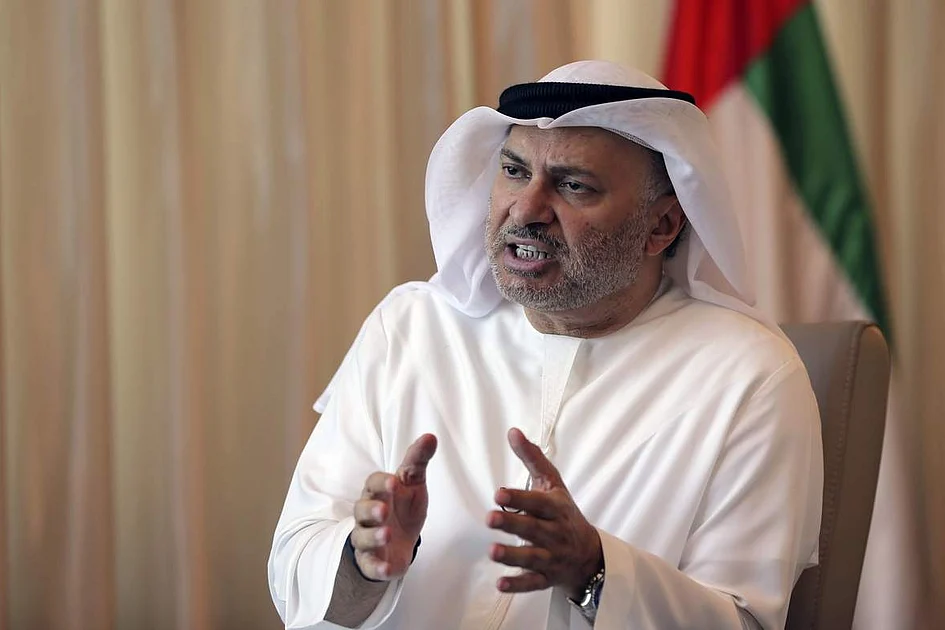
The United Arab Emirates (UAE) has issued a strong call for an immediate ceasefire in Sudan, emphasizing the need for a civilian-led transition to secure the nation’s future. Speaking at the Reuters NEXT Gulf Summit in Abu Dhabi, Anwar Gargash, the diplomatic adviser to the UAE’s president, outlined the country’s stance on the ongoing crisis in Sudan. Gargash highlighted the UAE’s commitment to scaling up humanitarian support and its opposition to a military junta ruling Sudan. He acknowledged that the UAE’s position has drawn criticism, particularly from factions favoring military control. Gargash referenced the quartet statement, a significant diplomatic agreement in which the UAE played a pivotal role, as a testament to its dedication to peace and stability in Sudan. Despite facing obstacles in delivering humanitarian aid due to restrictive conditions in Sudan, the UAE expressed readiness to intensify its efforts once granted access. The UAE has a long history of engagement in Sudan, including supporting economic development and aiding the country’s transition during the civilian period. Gargash’s remarks underscored the UAE’s proactive role in addressing global crises and its unwavering commitment to fostering sustainable peace and development in conflict-ridden regions.
分类: world
-

North Korea says latest missile tests demonstrate new hypersonic systems
North Korea announced on Thursday that it had successfully tested new hypersonic missile systems, aimed at enhancing its nuclear deterrent capabilities. The tests, conducted under the supervision of leader Kim Jong Un, are part of an ongoing effort to develop advanced weapons capable of penetrating South Korea’s missile defenses. According to the Korean Central News Agency (KCNA), the launches involved two hypersonic projectiles that precisely struck a land target in the country’s northern region. The agency described the system as ‘strategic,’ suggesting its potential for nuclear armament. The tests occurred just days before global leaders, including U.S. President Donald Trump and Chinese President Xi Jinping, are set to convene in South Korea for the Asia-Pacific Economic Cooperation (APEC) meetings. This timing has led analysts to speculate that North Korea may be seeking to assert its military prowess on the international stage. The latest tests follow a massive military parade in Pyongyang earlier this month, where Kim showcased new weaponry, including a short-range ballistic missile system equipped with hypersonic glide vehicles. Experts have noted that hypersonic weapons, which travel at speeds exceeding five times the speed of sound, are designed to evade missile defense systems. However, questions remain about the consistency of their performance in real-world scenarios. Pak Jong Chon, a senior military official, praised the ‘new cutting-edge weapon system’ and emphasized North Korea’s commitment to bolstering its defense capabilities. The tests also come amid stalled diplomatic efforts between North Korea and the United States, with Kim demanding the lifting of economic sanctions as a precondition for talks. South Korean President Lee Jae Myung, who took office in June, has called for dialogue to restore peace on the Korean Peninsula, but Kim has so far rejected these overtures. Analysts suggest that North Korea’s recent missile tests may be a strategic move to reinforce its position as a nuclear power ahead of key international gatherings.
-
Myanmar’s army is taking back territory with relentless air strikes – and China’s help
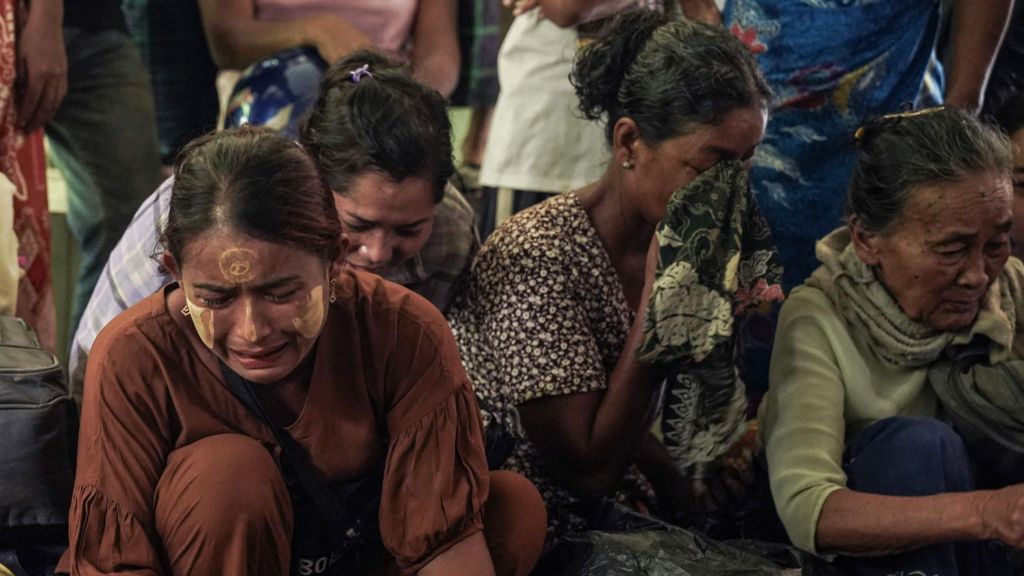
The strategic town of Kyaukme, a vital trade route linking the Chinese border to Myanmar’s interior, has become a microcosm of the nation’s protracted civil war. After months of intense fighting, the Ta’ang National Liberation Army (TNLA) seized control of Kyaukme in late 2023, marking a significant victory for the opposition. However, the junta’s swift recapture of the town in just three weeks this month underscores a dramatic shift in the military balance, favoring the regime. Kyaukme’s devastation, with large areas flattened by relentless air strikes, highlights the heavy toll of the conflict. The junta’s use of advanced drones, motorized paragliders, and Chinese-supplied aircraft has intensified its offensive, causing significant civilian casualties and forcing many to flee. The TNLA’s retreat from Kyaukme and Hsipaw, another key town, signals the junta’s growing dominance, bolstered by China’s support for its plan to hold elections in December. This election, widely criticized for excluding Aung San Suu Kyi’s National League for Democracy, is seen as a bid to legitimize the regime. China’s backing, including technical and financial aid, has been pivotal in the junta’s resurgence. Meanwhile, the fragmented opposition, comprising poorly-armed local militias and ethnic insurgent groups, struggles with internal divisions and lack of central leadership. Despite initial successes, such as Operation 1027 in 2023, the opposition’s momentum has waned. The junta’s forced conscription drive has replenished its ranks, while China’s tightening of border controls and export bans on dual-use products have crippled the resistance’s access to drones and other critical supplies. As the junta regains control of strategic areas, the prospects for a political resolution remain bleak, with the legacy of violence and destruction casting a long shadow over Myanmar’s future.
-
Inclusive India: The world’s largest laboratory of harmony
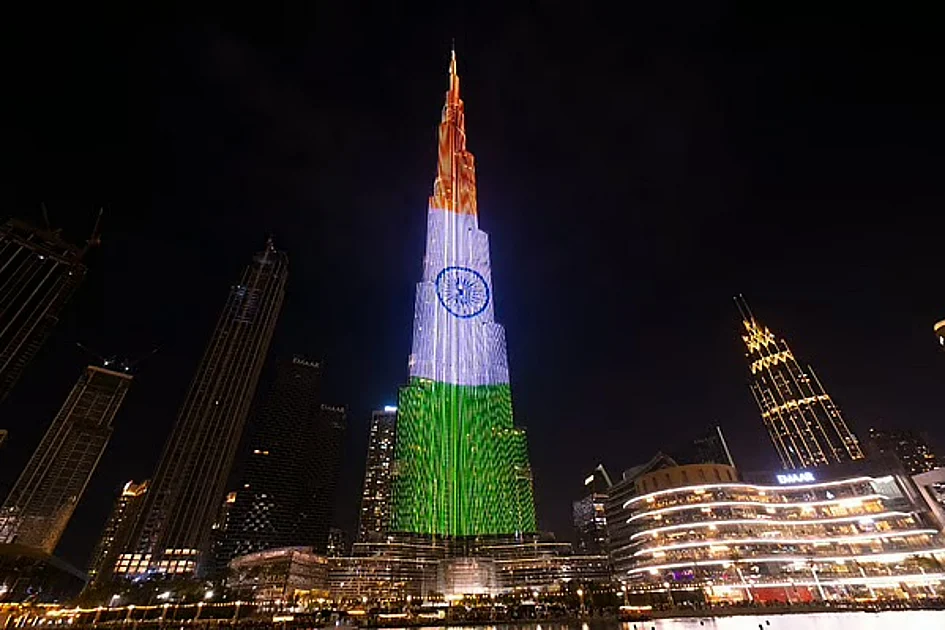
In a world often divided by identity, India emerges as a beacon of unity, demonstrating that diversity, when embraced with confidence, can be a source of strength rather than conflict. With a population exceeding 1.4 billion, India is a mosaic of over 19,000 dialects, multiple religions, and thousands of festivals, all unified under a single Constitution that guarantees liberty, equality, and fraternity. This is not merely a political slogan but a lived reality, evident in the daily interactions across its streets, classrooms, and places of worship. India’s secular ethos, deeply embedded in its civilizational DNA, predates modern concepts of multiculturalism. From the teachings of Buddha at Sarnath to Emperor Ashoka’s edicts, and from Akbar’s Din-i-Ilahi to Mahatma Gandhi’s pluralism, India’s inclusive spirit has thrived through the ages. Today, as societies worldwide grapple with polarization, India’s example, alongside that of the United Arab Emirates, illustrates how faith, identity, and modern statehood can coexist harmoniously. India’s secularism is not the rejection of religion but the equal respect for all faiths, encapsulated in the principle of Sarva Dharma Sambhava. This approach has ensured that India remains a sanctuary for every religion, from Hinduism and Islam to Christianity, Sikhism, Buddhism, Jainism, Judaism, and Zoroastrianism. The country’s history of sheltering persecuted communities, such as Jews fleeing Roman oppression and Zoroastrians escaping Iran, underscores its enduring commitment to inclusivity. In contemporary India, this tradition persists through initiatives like the Prime Minister’s visits to interfaith sites and joint celebrations of festivals across religions. India’s inclusivity is most visible in everyday life, from Muslim artisans crafting Hindu idols in Kerala to gurdwaras serving langars to people of all faiths in Punjab. Even in the digital age, Indian pluralism adapts creatively, with social media campaigns promoting unity and civic pride. Recent institutional initiatives, such as the Kashi-Tamil Sangamam and the Bharat Mandapam for the G20, further reinforce India’s commitment to diversity. The peaceful coexistence of the new Ram Temple in Ayodhya and adjacent Muslim cultural centers exemplifies India’s ongoing pursuit of harmony. India’s multicultural harmony resonates with the United Arab Emirates, another modern state that has successfully integrated faith, progress, and inclusivity. Both nations, rooted in ancient civilizations, demonstrate that progress need not erase identity. The UAE’s Abrahamic Family House in Abu Dhabi, housing a mosque, church, and synagogue, mirrors India’s inclusive vision. The strong cultural and diplomatic ties between India and the UAE, driven by shared values, highlight the potential of pluralism in fostering global harmony. As nations worldwide confront social divisions, India’s inclusive experiment offers a template for coexistence, proving that true strength lies in the symphony of differences harmonized by respect.
-

With eyes toward shared development, Mayor’s forum kicks off in Zhengzhou
The Global Mayors Dialogue Zhengzhou & 2025 International Mayor’s Forum on Tourism commenced in Zhengzhou, the capital of Henan province, on Wednesday. This four-day event, running until Saturday, has gathered approximately 300 participants, including mayors from sister cities and tourist destinations, diplomats, scholars, and travel industry representatives. The forum aims to establish a platform for high-level dialogue and shared development, attracting mayors and experts from across China and abroad to analyze urban challenges, discuss viable solutions, and promote the sustainable growth of global tourism. This year’s theme, ‘Preserving the Cultural Legacy of Ancient Capitals and Driving Urban Renewal,’ seeks to harmonize cultural preservation with urban development. The event features an opening ceremony, thematic dialogues, and site visits. The Global Mayors Dialogue has previously been hosted in cities like Hangzhou, Shanghai, and Dunhuang. By facilitating the exchange of best practices among city leaders, the forum fosters international trust and mutual understanding between countries and cities.
-
Nearly a year after truce, women in south Lebanon say war never ended
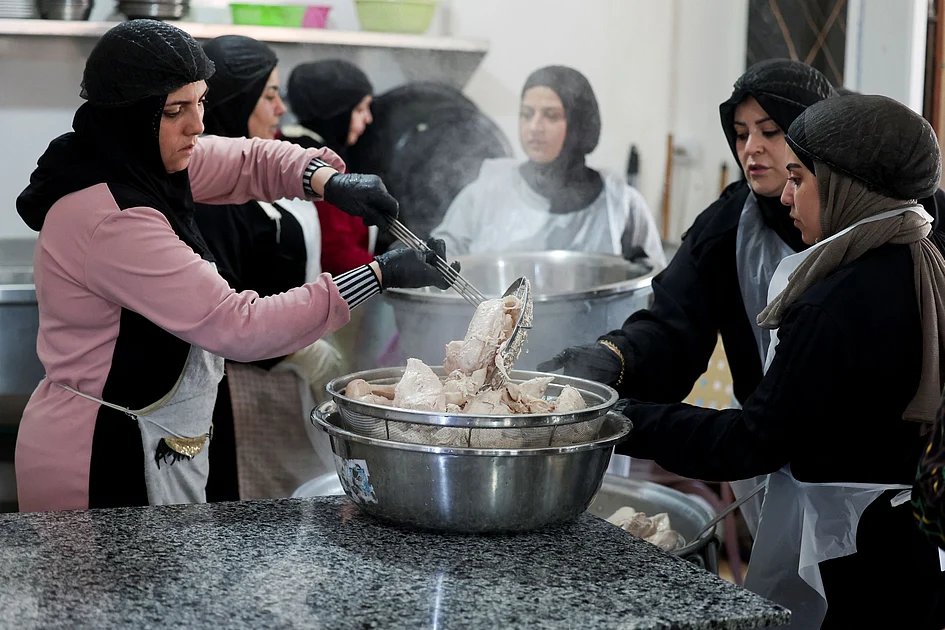
Nearly a year after a U.S.-brokered ceasefire was intended to restore peace along Lebanon’s southern border with Israel, tens of thousands of displaced residents remain unable to return to their homes. Despite the truce, Israeli strikes continue to devastate the region, hindering reconstruction efforts and leaving communities in limbo. Among those affected is Zeinab Mehdi, a 50-year-old farmer from Naqoura, who fled her home during the conflict between Israel and Hezbollah. Mehdi, like many others, had hoped the ceasefire would allow her to return safely, but ongoing strikes and destruction have dashed those hopes. Satellite imagery reviewed by Reuters reveals extensive damage to structures in Naqoura and Houla, with buildings flattened months after the truce took effect. Israel claims its strikes target Hezbollah’s military activities, while Lebanese officials and rights groups accuse Israel of deliberately preventing civilians from returning. The International Organization for Migration reports that over 64,000 people remain displaced, with some living in schools in Tyre. Community initiatives, such as Mounifa Aidibeh’s Mhanna kitchen, provide meals for the displaced, but the lack of security and ongoing strikes underscore the persistent state of war. Reconstruction efforts remain stalled, with the World Bank estimating Lebanon needs $11 billion to rebuild. However, international donors have yet to convene, and some countries link recovery funds to progress in disarming Hezbollah. For residents like Bidaya Sleiman, who lost her home in Houla, the priority is not compensation but security. ‘The war never ended,’ Aidibeh said. ‘It will end when Israel leaves Lebanon completely.’
-
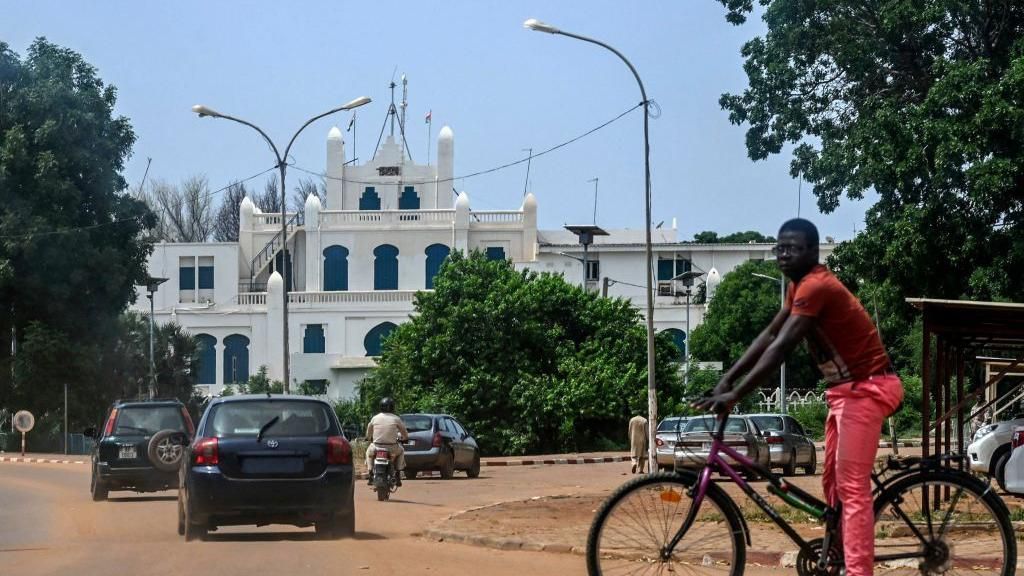
American missionary reportedly kidnapped in Niger
An American missionary has been abducted in Niger’s capital, Niamey, in a shocking incident that occurred just 100 yards from the presidential palace. The kidnapping took place on Tuesday, according to multiple security sources cited by CBS News, a partner of the BBC. The victim, who has not been officially identified, has reportedly been working with a US-based charity and has resided in Niger since 2010. The circumstances surrounding the abduction remain unclear, with no immediate demands from the kidnappers.
-
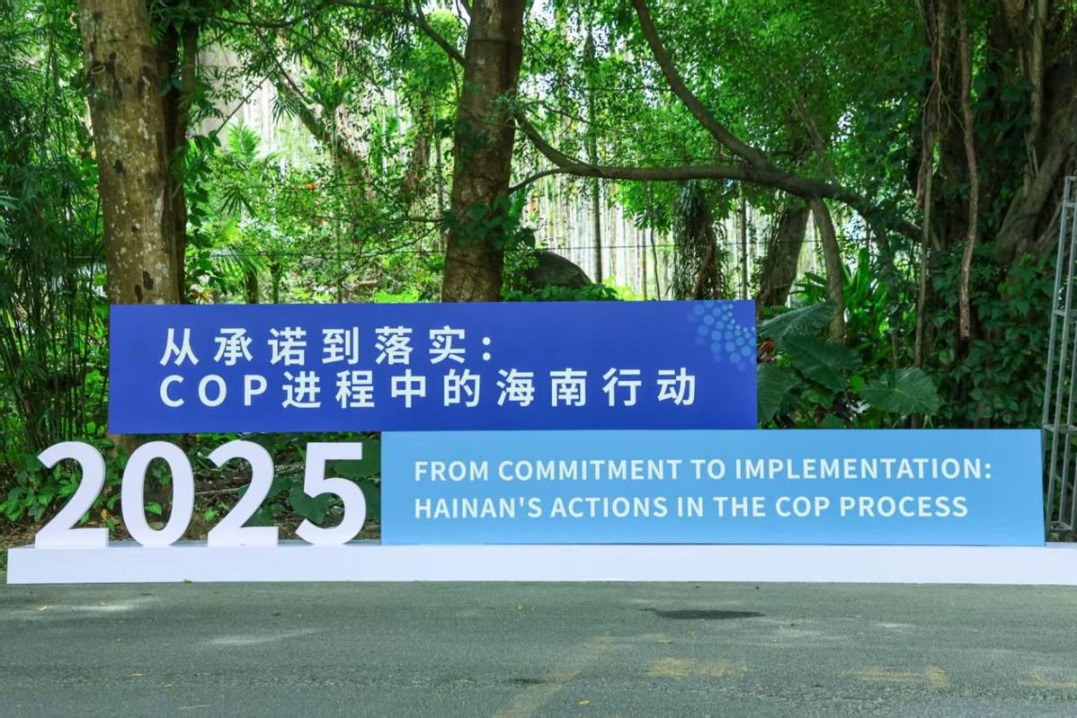
Baoting positions itself as model for COP30 climate action
As the global community gears up for COP30, Baoting Li and Miao Autonomous County in Hainan Province is stepping into the spotlight as a pioneering example of local climate action. From October 20 to 21, the county hosted the ‘From Commitment to Implementation: Hainan’s Actions in the COP Process’ conference, attracting over 100 delegates from international organizations, governments, research institutions, and corporations. The event focused on translating climate commitments into tangible practices, with Baoting showcasing its innovative initiatives under the Hainan Free Trade Port framework, a UN Development Programme on green and digital innovation, and a World Health Organization-led project highlighting the health benefits of climate action. The county also unveiled a comprehensive plan to reduce its carbon footprint. China’s former special envoy for climate, Xie Zhenhua, emphasized that Baoting’s collaboration with European partners not only accelerates its sustainable development but also provides a localized blueprint for global zero-carbon progress. Laurence Tubiana, CEO of the European Climate Foundation and special envoy to Europe for COP30, lauded Baoting as an inspiring model, noting that its multi-stakeholder approach aligns with the Paris Agreement’s goals and offers valuable insights for other island economies.
-
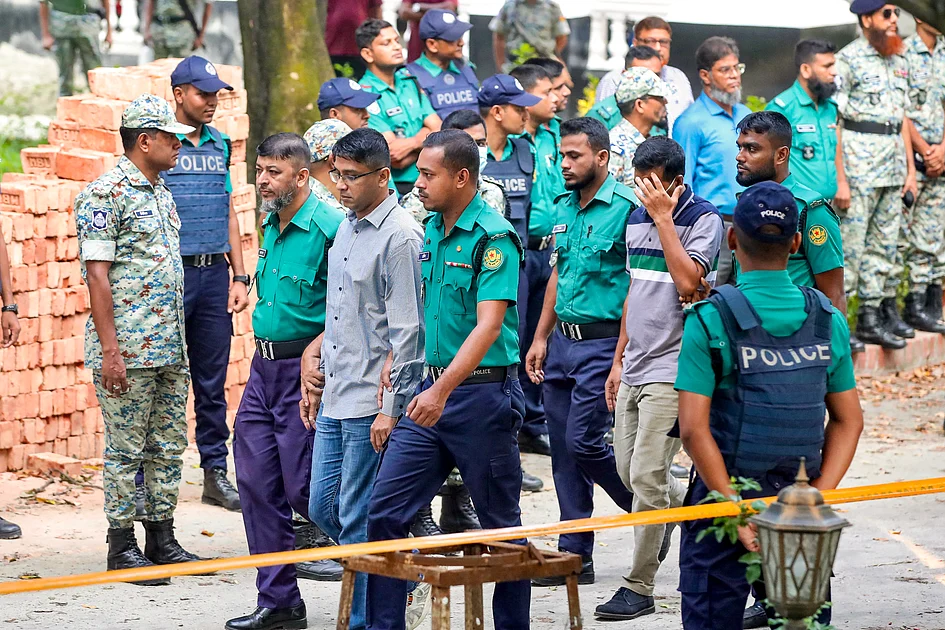
Bangladesh court detains army officers for landmark trial
In a groundbreaking legal proceeding, a Bangladeshi court has remanded 15 high-ranking army officers, including five generals, into custody on charges related to enforced disappearances and atrocities committed during the 2024 uprising that led to the ousting of former Prime Minister Sheikh Hasina. This marks the first time formal charges have been brought for enforced disappearances in Bangladesh, and the first instance of such a large number of senior military officials facing a civilian trial. The officers are accused of operating a secret detention center during Hasina’s tenure, with all defendants having served in military intelligence or the Rapid Action Battalion (RAB), a paramilitary force notorious for its alleged human rights abuses. The army has pledged cooperation with the judicial process, though tensions remain high following the issuance of arrest warrants earlier this month. Chief prosecutor Tajul Islam emphasized the defendants’ respect for the legal process, while UN Human Rights Chief Volker Turk hailed the trial as a significant step toward accountability for victims and their families. The officers were transported to court under heavy police guard. Meanwhile, Sheikh Hasina, now a fugitive in India, faces a separate trial in absentia for crimes against humanity, with prosecutors seeking the death penalty. Her Awami League party denies all charges, maintaining her innocence.
-
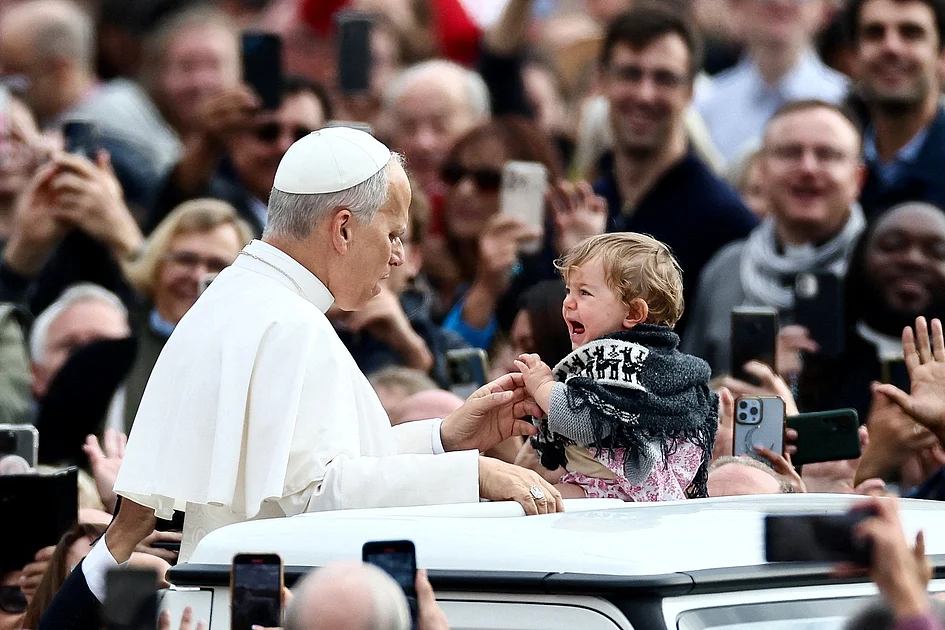
UK king to be first to pray with pope in five centuries
King Charles III of the United Kingdom is set to make history during his state visit to the Vatican, marking the first public prayer between a British monarch and a pope since the 16th-century schism between the Church of England and the Catholic Church. The visit, which began on Wednesday, October 22, 2025, will see Charles and Queen Camilla meet Pope Leo XIV for the first time since his succession in May following the passing of Pope Francis. This momentous event underscores a significant step in the reconciliation of the two Christian denominations, which have been estranged since King Henry VIII broke away from the Catholic Church in 1534. The highlight of the visit will be an ecumenical service in the Sistine Chapel on Thursday, focusing on environmental conservation, a cause close to Charles’s heart. The service will feature a joint choir from the Sistine Chapel and Saint George’s Chapel at Windsor Castle, symbolizing unity between Anglican and Catholic traditions. Buckingham Palace described the visit as a pivotal moment in the relationship between the two churches. Additionally, Charles will be honored as a ‘Royal Confrater’ at the Basilica of Saint Paul Outside the Walls, a gesture recognizing the spiritual connection between the denominations. The visit coincides with preparations for the Catholic Church’s Jubilee Year, a major event that attracts millions of pilgrims. However, the trip occurs amid personal challenges for the king, including new revelations about his brother Prince Andrew’s involvement in the Jeffrey Epstein scandal and Charles’s ongoing battle with cancer. Despite these difficulties, the monarch’s visit to the Vatican highlights his commitment to fostering interfaith dialogue and unity.