
A catastrophic explosion rocked the Plastmass military plant in Kopeisk, near Chelyabinsk in Russia’s Urals region, resulting in at least 10 fatalities and 18 injuries, according to reports. The facility, which manufactures ammunition and weapons for the military, was engulfed in flames following the blast, with witnesses recounting scenes of explosions and a massive fireball. CCTV footage captured the harrowing moment of the incident, which has sent shockwaves through the local community. Regional Governor Alexei Teksler confirmed the death toll but did not identify the specific factory involved. He emphasized that there is no evidence suggesting the explosion was caused by a drone attack. Authorities have yet to determine the cause of the blast, but a criminal investigation has been launched. A day of mourning has been declared in the region, and Teksler confirmed that the fire at the Kopeisk plant has been extinguished. The incident underscores the ongoing risks associated with military production facilities and raises questions about safety protocols in such high-risk environments.
分类: world
-
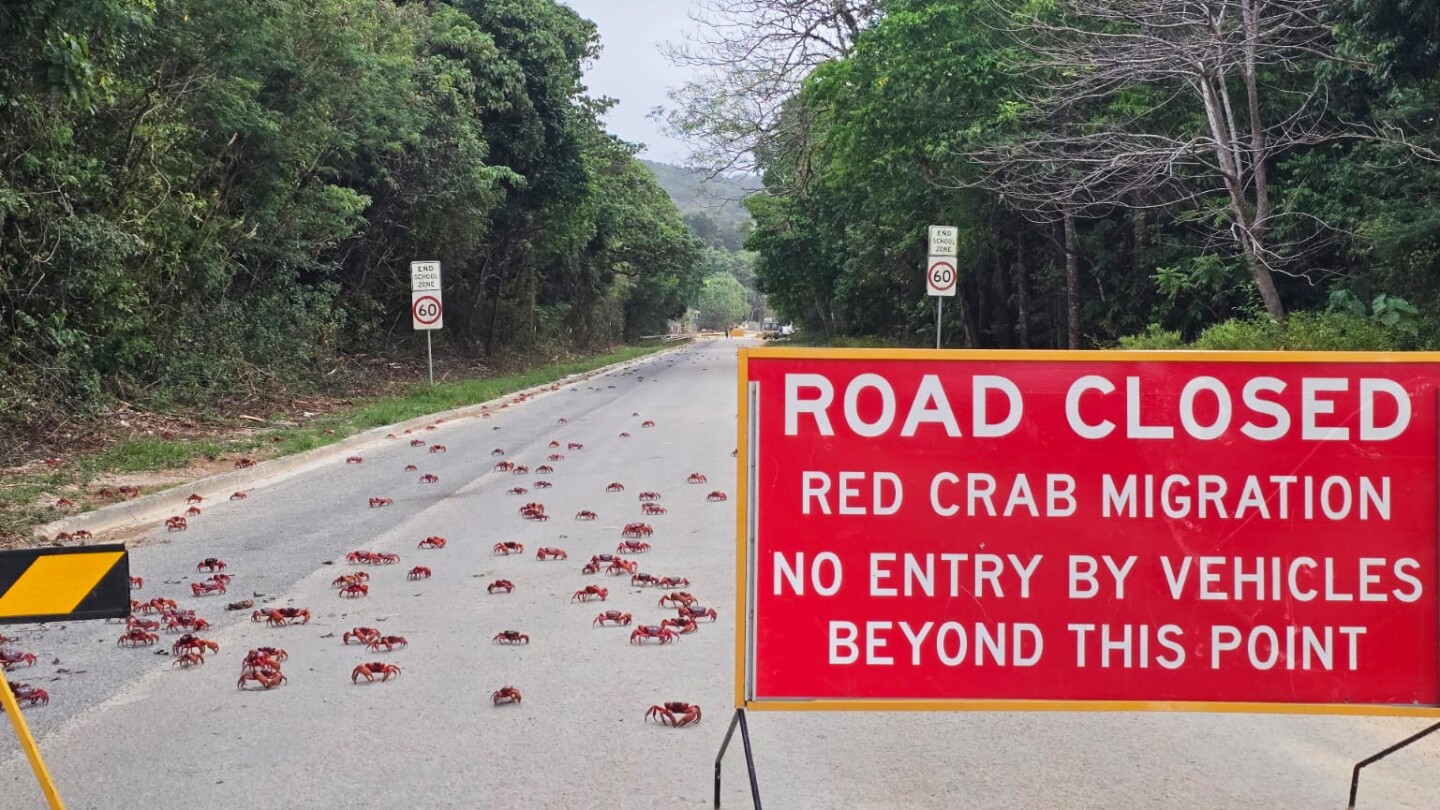
People use garden tools to protect millions of migrating red crabs on Christmas Island
MELBOURNE, Australia (AP) — The annual migration of tens of millions of red crabs has commenced on Christmas Island, a remote Australian territory in the Indian Ocean. This natural phenomenon, triggered by the onset of the Southern Hemisphere summer rains, sees up to 100 million Gecarcoidea natalis crabs journey from their forest burrows to the shoreline for breeding. The event, which began last weekend, involves a slow, methodical march of crabs across roads and gardens, creating a vivid red carpet that captivates both locals and visitors. The island’s 1,200 human residents play a crucial role in facilitating this migration. Many use leaf blowers and garden rakes to clear paths for the crabs, ensuring their safe passage to the ocean. Alexia Jankowski, acting manager of Christmas Island National Park, emphasized the unique privilege of witnessing this event. ‘Some people might think they’re a nuisance, but most of us think they’re a bit of a privilege to experience,’ she said. The crabs’ journey is indiscriminate, often leading them into homes and driveways, where residents must carefully navigate to avoid harming them. On the shores, male crabs excavate burrows where females lay and incubate eggs. The females are expected to release their spawn into the ocean at high tide on November 14 or 15, during the last quarter of the moon. The young crabs spend a month as larvae in the ocean before returning to Christmas Island as small crabs. Jankowski noted the challenges of protecting these tiny crabs, stating, ‘When they’re little babies only about half the size of your fingernail, we can’t rake them, because you’d crush them. So instead we use leaf blowers.’ This annual event not only highlights the island’s unique biodiversity but also underscores the delicate balance between human activity and natural processes.
-
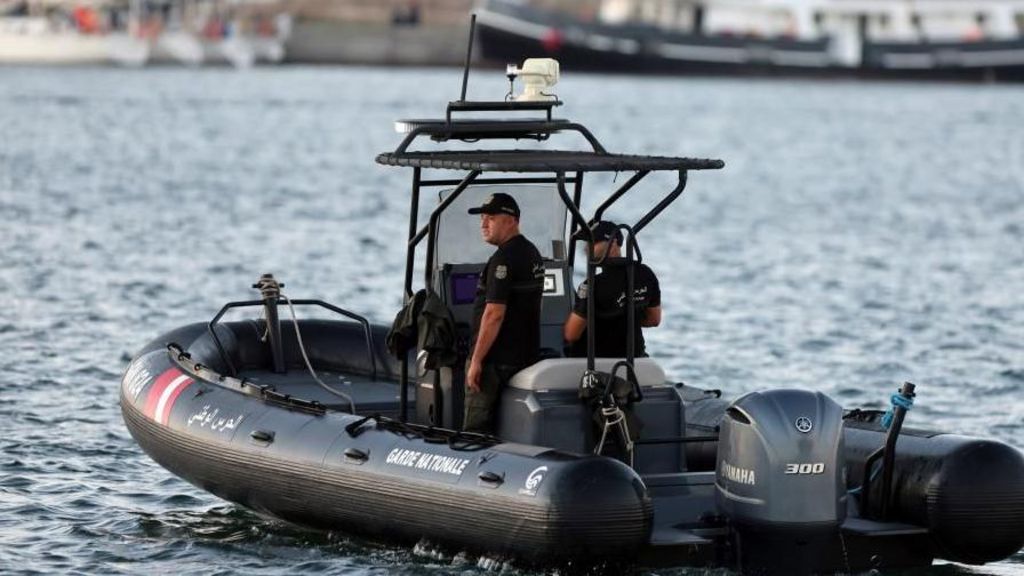
Forty migrants, including infants, die as boat sinks off Tunisia
In a harrowing maritime incident off the coast of Tunisia, at least 40 migrants, including children, lost their lives when their boat sank near the port of Mahdia. Authorities confirmed that the vessel was carrying approximately 70 individuals, all of whom hailed from sub-Saharan Africa. This tragedy marks one of the deadliest migrant disasters in the Mediterranean this year. About 30 survivors were rescued, while an investigation has been launched to determine the causes of the sinking. The incident underscores the perilous journey faced by migrants fleeing conflict and poverty in Africa in search of better opportunities in Europe. According to UN data, over 210,000 people attempted to cross the Central Mediterranean in 2023, with more than 60,000 intercepted and nearly 2,000 perishing at sea. Tunisia, a key transit country, faces mounting pressure to manage migration flows. The EU recently signed a $118 million deal with Tunisia to combat irregular migration, focusing on curbing smuggling, strengthening borders, and facilitating migrant returns. This disaster follows a similar tragedy in February, when a boat carrying over 40 Sudanese migrants sank off Sfax. The Mediterranean route remains one of the world’s most dangerous migration paths, with countless lives lost annually.
-
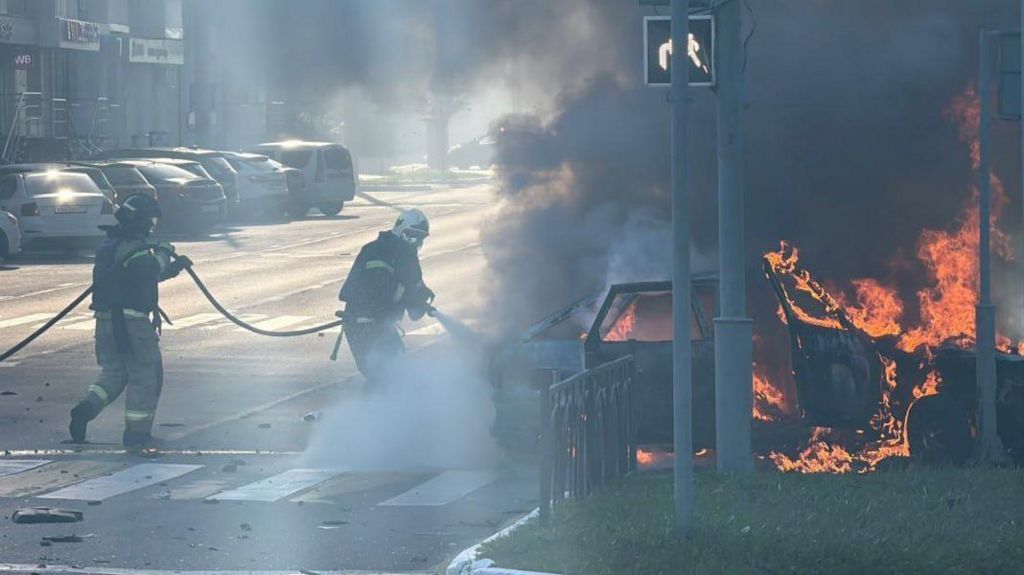
Blackouts hit Russia’s Belgorod as Ukrainian drone attacks surge
The Belgorod region in Russia has become a focal point of escalating tensions between Ukraine and Russia, as residents report increasingly frequent drone strikes, blackouts, and air-raid sirens. According to local accounts, the sound of gunfire aimed at incoming Ukrainian drones has become a daily occurrence, with Kyiv retaliating against Russian bombardments of its cities. Nina, a Belgorod resident, described the terrifying experience of hearing sirens and explosions while trying to seek shelter. Data from local authorities analyzed by BBC News Russian reveals a nearly fourfold increase in Ukrainian drone attacks on the region since the start of 2025, with over 4,000 drones recorded in September alone. The strikes have targeted key infrastructure, including power plants and substations, leaving thousands without electricity. Ukrainian President Volodymyr Zelensky has framed these attacks as a direct response to Russia’s ongoing assaults on Ukraine’s energy infrastructure. Belgorod, a critical logistics hub for Russian forces near the Ukrainian border, has seen its once-unaffected city center now grappling with frequent power outages and fuel shortages. Residents like Ekaterina recount the sudden onset of missile alerts and the ensuing chaos of explosions and darkness. The region’s authorities admit to being overwhelmed, urging residents to purchase backup generators amid a fuel crisis exacerbated by Ukrainian attacks on Russian oil refineries. The introduction of Ukraine’s lightweight ‘Darts’ drones and heavier weapons like Himars rockets has intensified the strikes, overloading Russian air defense systems. For Belgorod residents, the war is no longer a distant conflict but a daily reality, marked by anxiety and uncertainty. As the conflict continues, many, like Yakov, fear that Russia is racing toward an inevitable collapse.
-
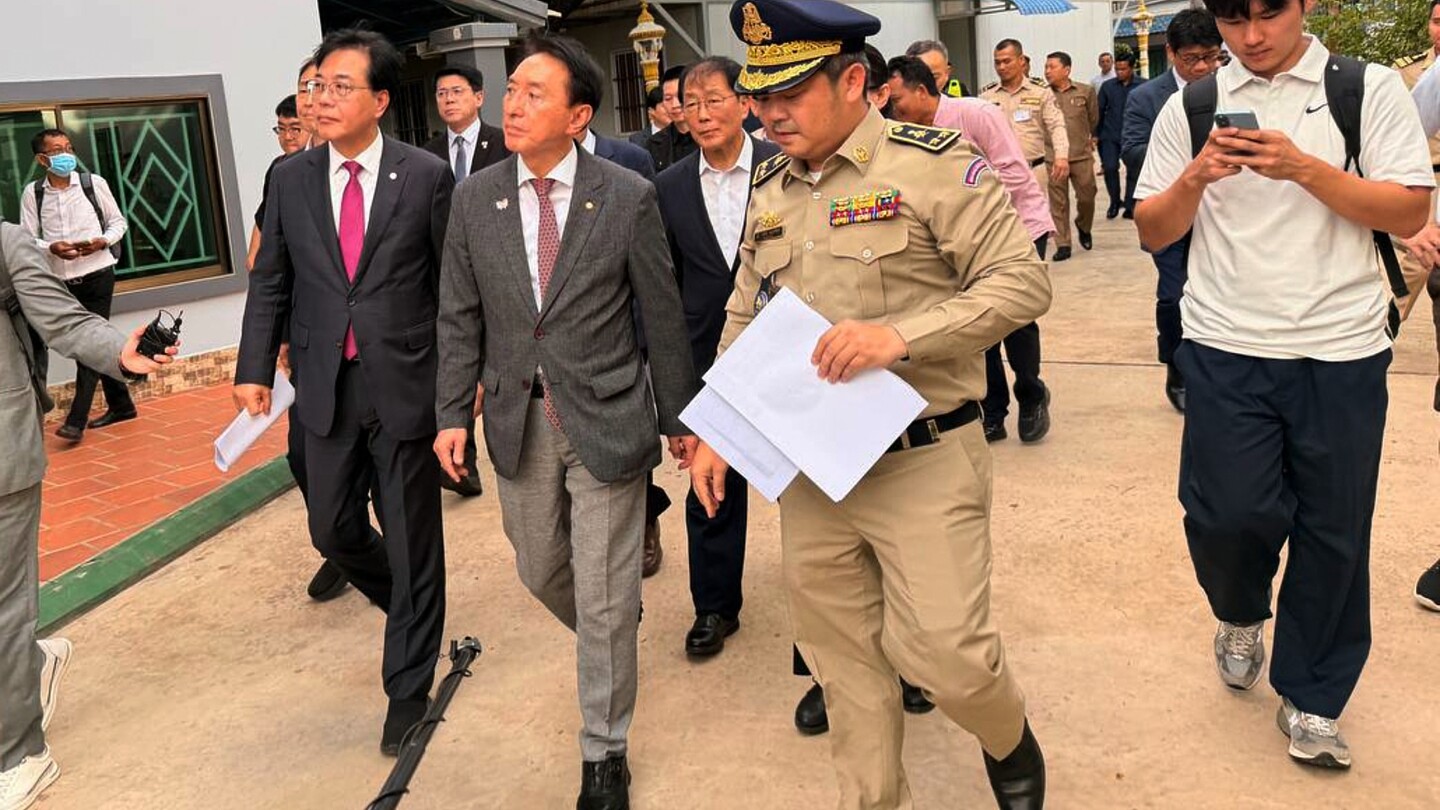
Cambodian police arrest 57 South Koreans over alleged links to online scams
In a significant crackdown on cybercrime, Cambodian authorities have arrested 57 South Korean nationals linked to an alleged online scam operation. The arrests were made during a police raid on a building on the outskirts of Phnom Penh on Wednesday. According to a statement released by Cambodia’s Secretariat of the Commission for Combating Online Scams, 86 individuals were found at the site, including 29 Chinese nationals. A delegation of South Korean lawmakers, led by Kim Seok-ki, accompanied the raid as part of an ongoing parliamentary investigation into reports of employment scams, illegal confinement, and torture of South Korean citizens in Cambodia. This marks the second South Korean delegation to visit Cambodia in recent weeks, following a visit by Vice Foreign Minister Kim Jina last week. The arrests come in the wake of the repatriation of 50 South Koreans accused of involvement in similar scams. These individuals were among 64 South Koreans detained in Cambodia in recent months and flown back to South Korea on a charter flight. Upon arrival, they were detained for further investigation to determine whether they participated voluntarily or were coerced. The crackdown follows the tragic death of a South Korean student allegedly forced to work in a Cambodian scam center, which sparked public outrage in South Korea. Online scams, particularly those based in Southeast Asia, have surged since the COVID-19 pandemic, victimizing both those forced to work in such operations and the targets of their fraud. Monitoring groups estimate that these scams generate billions of dollars annually for international criminal networks. Cambodian authorities have intensified efforts to combat these operations, raiding 92 locations across 18 provinces over the past four months, arresting 3,455 individuals from 20 nationalities. Most of those detained were identified as victims and have been deported, while 75 suspected ringleaders face charges in Cambodian courts. The Korean National Police Agency has issued arrest warrants for 49 of the 64 returnees, with courts reviewing warrants for 10 others. These individuals are accused of engaging in various online fraud schemes, including romantic scams, fake investment pitches, and voice phishing, primarily targeting South Koreans.
-
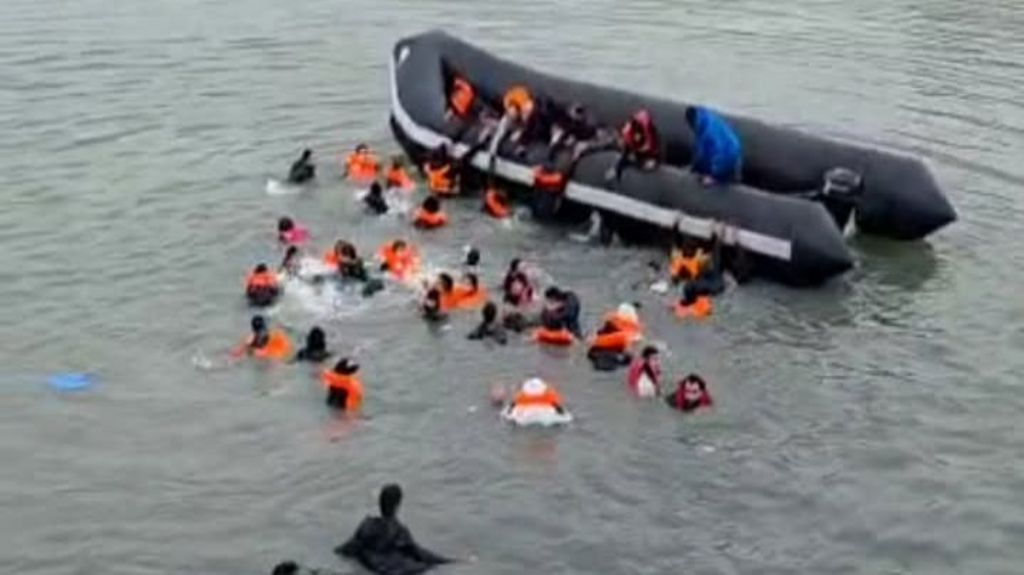
French vow to intercept migrant boats hit by delays and political turmoil
Recent developments indicate that France is stepping back from its earlier pledge to intensify maritime interventions aimed at curbing the influx of small boats crossing the English Channel. This shift comes amid ongoing political instability in France, which has reportedly hindered the implementation of a new ‘maritime doctrine’ designed to intercept and redirect these vessels. The UK government, which has long sought stronger French cooperation on this issue, views this as a significant setback.
-
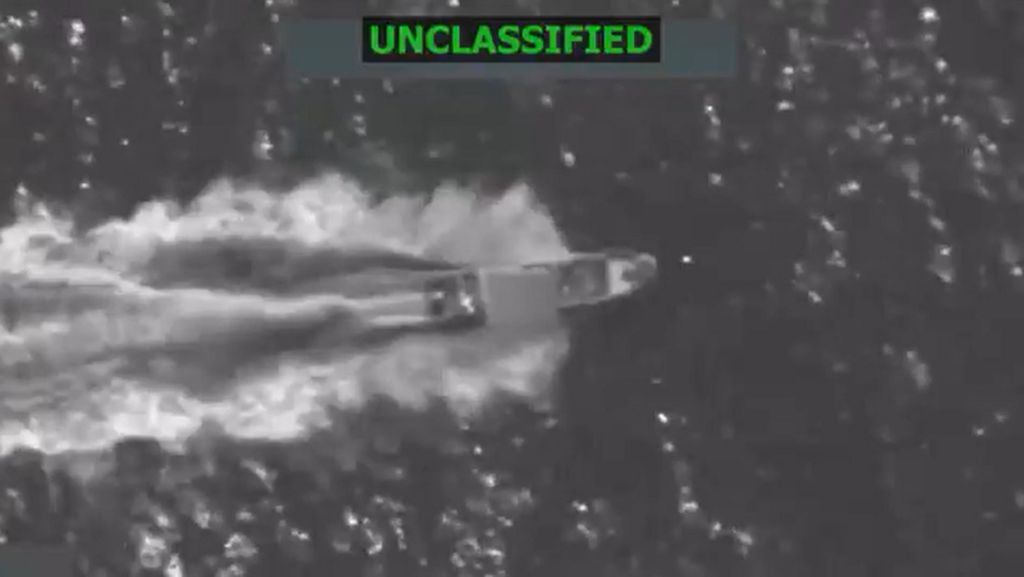
US kills three in second strike on alleged drug boat in the Pacific
In a significant escalation of its anti-drug operations, US forces have conducted a second strike in the Pacific Ocean targeting a vessel allegedly involved in drug smuggling. The strike, carried out on Wednesday, resulted in the deaths of three individuals, with no US casualties reported. This follows another strike in the Pacific a day earlier, which killed two people. Both vessels were suspected of transporting drugs along international trafficking routes, according to US Defense Secretary Pete Hegseth. These strikes mark the eighth and ninth such operations since September 2, with most previous actions concentrated in the Caribbean Sea. Hegseth emphasized the US commitment to combating narco-terrorism, stating, ‘These strikes will continue, day after day. These are not simply drug runners—these are narco-terrorists bringing death and destruction to our cities.’ A video accompanying Hegseth’s social media post appears to show a boat engulfed in flames after being struck by a US bomb, followed by a second airstrike targeting debris in the water. President Donald Trump asserted his legal authority to continue such operations in international waters, though he hinted at seeking congressional approval if the campaign expands to land targets. ‘We’re allowed to do that, and if we do (it) by land, we may go back to Congress,’ Trump stated. The administration is reportedly prepared for a broader anti-drug effort on land, which would mark a significant escalation. The strikes have already claimed at least 37 lives, including a recent attack on a semi-submersible vessel in the Caribbean. Two survivors from a strike last week were repatriated to Colombia and Ecuador, with Ecuador releasing one man due to lack of evidence. Meanwhile, tensions between the Trump administration and Colombian President Gustavo Petro have intensified, with Trump accusing Petro of being an ‘illegal drug leader’ and threatening to cut US subsidies to Colombia. Experts note that Colombia and Ecuador’s Pacific coastlines are key routes for drug trafficking to the US. While most US strikes have occurred in the Caribbean, DEA estimates suggest the Pacific is the primary conduit for cocaine bound for the US. The operation has deployed 10,000 US troops, along with numerous military assets, to the Caribbean, though details on the identities of those killed remain scarce.
-

Strong winds in New Zealand leave tens of thousands without power
New Zealand is grappling with a severe weather crisis as powerful winds reaching speeds of up to 155 km/h (96 mph) wreak havoc across the nation. The tempest has left approximately 90,000 homes without electricity and forced the cancellation of over 100 flights, according to local media reports. The meteorological service has confirmed that the entire South Island and southern regions of the North Island are bearing the brunt of the gales. Authorities have escalated the situation by issuing rare red wind warnings—the highest alert level—in central areas, including Canterbury and Wellington. Additionally, heavy rainfall warnings have been issued for the South Island. Residents have been strongly advised to remain indoors, avoid unnecessary travel, and prepare for potential power and communication disruptions. While power restoration efforts are underway, the South Island remains the most affected. Reports from local media highlight the destruction caused by the winds, with roofs torn off houses, trees uprooted, and electricity poles toppled. Tragically, a man in Wellington lost his life after being struck by a falling tree branch at a popular walking trail. In another incident, a woman was blown into oncoming traffic by a sudden gust of wind, though she survived the ordeal. The capital has seen widespread disruptions, with flights canceled, roads closed, and libraries shut down. In Canterbury, officials have declared a state of emergency to bolster disaster response efforts. The severe weather coincides with a ‘mega strike’ involving tens of thousands of teachers, doctors, and public workers demanding better pay and working conditions. However, the extreme conditions have forced some strike activities to be moved indoors or canceled. Meanwhile, Australia is also experiencing similar weather patterns, with strong winds and a heatwave sweeping through the outback, prompting authorities to implement fire bans to prevent bushfires.
-
Saudi Arabia announces new Grand Mufti, appointed by royal decree
In a significant development within Saudi Arabia’s religious leadership, Sheikh Dr. Saleh bin Fawzan bin Abdullah Al-Fawzan has been appointed as the new Grand Mufti of the Kingdom. The announcement was made by the Saudi Press Agency on Thursday, October 23, 2025, following a royal decree issued by the Saudi monarchy. Sheikh Al-Fawzan will also assume the roles of Chairman of the Council of Senior Scholars and General President of the General Presidency for Scholarly Research and Fatwa, holding the rank of Minister. This appointment marks a pivotal moment in the Kingdom’s religious governance, as the Grand Mufti plays a crucial role in issuing religious edicts (fatwas) and guiding Islamic jurisprudence in the country. The decision underscores the Saudi government’s commitment to maintaining a robust and authoritative religious framework. Sheikh Al-Fawzan, a renowned Islamic scholar, brings extensive expertise and influence to the position, which is expected to shape the Kingdom’s religious discourse in the years to come.
-
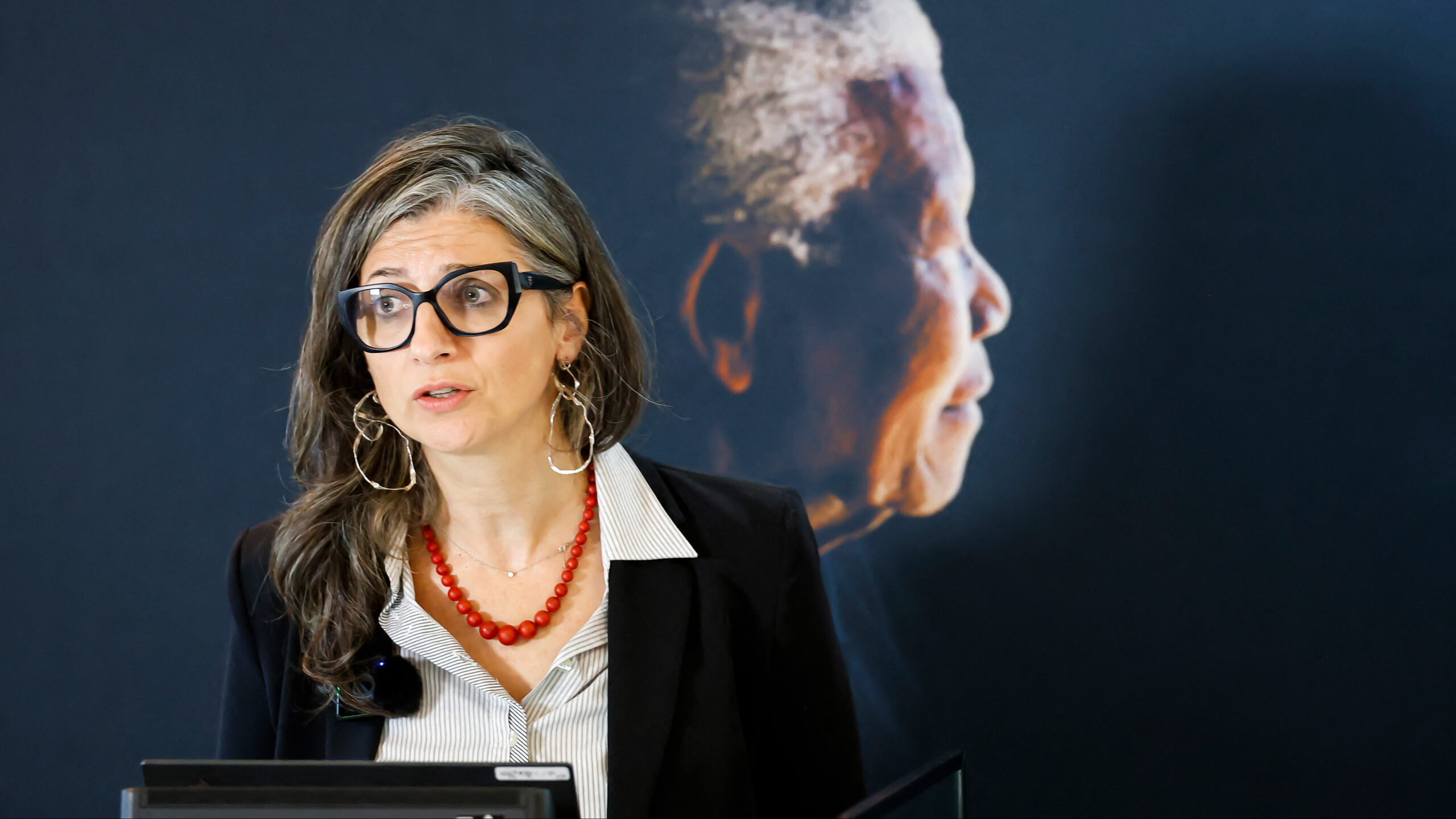
Israel’s genocide in Gaza impossible without global complicity, UN report says
A groundbreaking United Nations report has unveiled that over 60 nations are implicated in what it describes as a ‘collective crime’ enabling Israel’s genocide against Palestinians in Gaza. Authored by Francesca Albanese, the UN Special Rapporteur on the Occupied Palestinian Territories, the report was released on Monday and marks her second such analysis this year. Albanese asserts that the genocide is sustained by the complicity of influential third-party states, which have facilitated Israel’s systemic violations of international law through diplomatic, military, economic, and humanitarian support. The report highlights that without the backing of predominantly European countries, Israel would struggle to maintain its comprehensive assault on Gaza. Albanese categorizes the support into four main areas: diplomatic, military, economic, and humanitarian. She criticizes the diplomatic immunity granted to Israel and the failure to hold it accountable for international law violations, particularly in Western nations. The report also points out that Western media and political discourse have perpetuated Israeli narratives, failing to distinguish between Hamas and Palestinian civilians, and drawing on colonial tropes of Israel’s right to defend itself as a ‘civilized’ nation against ‘savages’. Albanese notes that the US has used its UN Security Council veto power seven times to control ceasefire negotiations and provide diplomatic cover for the genocide. She also highlights that the US was aided by abstentions and delays, as well as watered-down draft resolutions from countries like the UK, Australia, New Zealand, Canada, Germany, and the Netherlands. These actions have created an ‘illusion of progress’ while stymieing concrete measures. The report further criticizes Arab and Muslim states for their failure to take decisive action, with some regional players facilitating land routes to Israel, bypassing the Red Sea. Egypt, for instance, maintained relations with Israel, including energy cooperation and closing the Rafah crossing. Albanese also underscores the failures of international courts, noting that most Western countries did not support South Africa or Nicaragua before the International Court of Justice (ICJ) and continue to deny that Israel has committed genocide. Additionally, she points out that most Western countries have undermined the arrest warrants issued by the International Criminal Court (ICC) against Israeli Prime Minister Benjamin Netanyahu and other government members. The US has imposed sanctions on the ICC, and the UK has threatened to pull its funding. Despite UN resolutions calling for arms embargoes on Israel since 1976, the report notes that many countries have supplied it with military support and arms transfers throughout its genocide, with the US, Germany, and Italy being among the largest suppliers. The US currently guarantees $3.3 billion per year in Foreign Military Financing (FMF) and, until 2028, an additional $500 million per year for missile defense. Albanese also highlights the UK’s role in military cooperation with Israel, reporting on over 600 surveillance flights over Israel and intelligence-sharing with its government, suggesting ‘cooperation in the destruction of Gaza’. She notes that 26 states sent at least 10 consignments of ‘arms and ammunition’, with the most frequent being China (including Taiwan), India, Italy, Austria, Spain, Czechia, Romania, and France. Additionally, 19 countries, 17 of which have ratified the Arms Trade Treaty, were complicit in supplying components and parts for the ‘F-35 stealth strike fighter programme’ that was key to the military assault in Gaza. These include Australia, Belgium, Canada, the Czech Republic, Denmark, Finland, Germany, Greece, Italy, Japan, the Netherlands, Norway, Poland, South Korea, Romania, Singapore, Switzerland, the UK, and the US. Some of these countries continue to supply parts. While the Arms Trade Treaty does not recognize a distinction between ‘defensive’ or ‘non-lethal’ arms sales, some countries used these terms to justify arms trade to Israel. Some countries, such as Italy, the Netherlands, Ireland, France, and Morocco, permitted the transfer of weapons through their ports and airports. Albanese notes that Spain and Slovenia had canceled contracts and imposed embargoes. Other states continued to buy weapons and military technology produced by Israel, which the report says has been tested on Palestinians under occupation. Exports to the EU more than doubled during Israel’s war on Gaza and accounted for 54 percent of Israeli military exports in 2024. Under the Abraham Accords, exports to Asia and the Pacific, and Arab countries, made up 23 and 12 percent of exports, respectively. The report also states that thousands of US, Russian, French, Ukrainian, and British citizens who have served in the Israeli military have enjoyed immunity and have failed to be investigated or prosecuted for war crimes in Gaza. Albanese concludes that the maintenance of normal trade relations with Israel by various states ‘legitimizes and sustains the Israeli apartheid regime’. While Israel’s international trade in goods and services decreased from 61 percent of its GDP in 2022 to 54 percent in 2024, Albanese noted the European Union (Israel’s largest trading partner) continued to provide almost a third of total trade to Israel for the last two years. Some European countries increased their trade with Israel during the genocide against the Palestinians, such as Germany, Poland, Greece, Italy, Denmark, France, and Serbia. Arab countries, such as the UAE, Egypt, Jordan, and Morocco, also increased their trade. Only Turkey suspended trade with Israel in May 2024, although Albanese reported some trade continued indirectly. Albanese also pointed out that before the 7 October 2023 Hamas-led attacks on southern Israel, most Palestinians were dependent on aid, with the United Nations Relief and Works Agency for Palestine Refugees (UNRWA) providing the bedrock of that aid. She highlighted that when Israel alleged UNRWA staff were involved in the Hamas-led attacks without citing evidence, 18 states immediately suspended funding without investigating Israel’s claims. Despite inconclusive investigations, most donors took months to resume contributions to UNRWA. The US, its largest donor, passed a law prohibiting US funding to UNRWA. When the Israeli Knesset outlawed UNRWA, only a few states took action by seeking an ICJ Advisory Opinion. The report accuses countries like Canada, the UK, Belgium, Denmark, and Jordan of being distracted from the key issue by parachuting aid in, a move she says was both dangerous and ineffective. Albanese, who has been one of the most vocal and forceful critics of Israel’s conduct in Gaza throughout its two-year genocide, said that complicit states perpetuate ‘colonial and racial-capitalist practices that should have long been consigned to history’. ‘Even as the genocidal violence became visible, States, mostly Western ones, have provided, and continue to provide, Israel with military, diplomatic, economic and ideological support, even as it weaponized famine and humanitarian aid,’ she said. ‘The horrors of the past two years are not an aberration, but the culmination of a long history of complicity.’