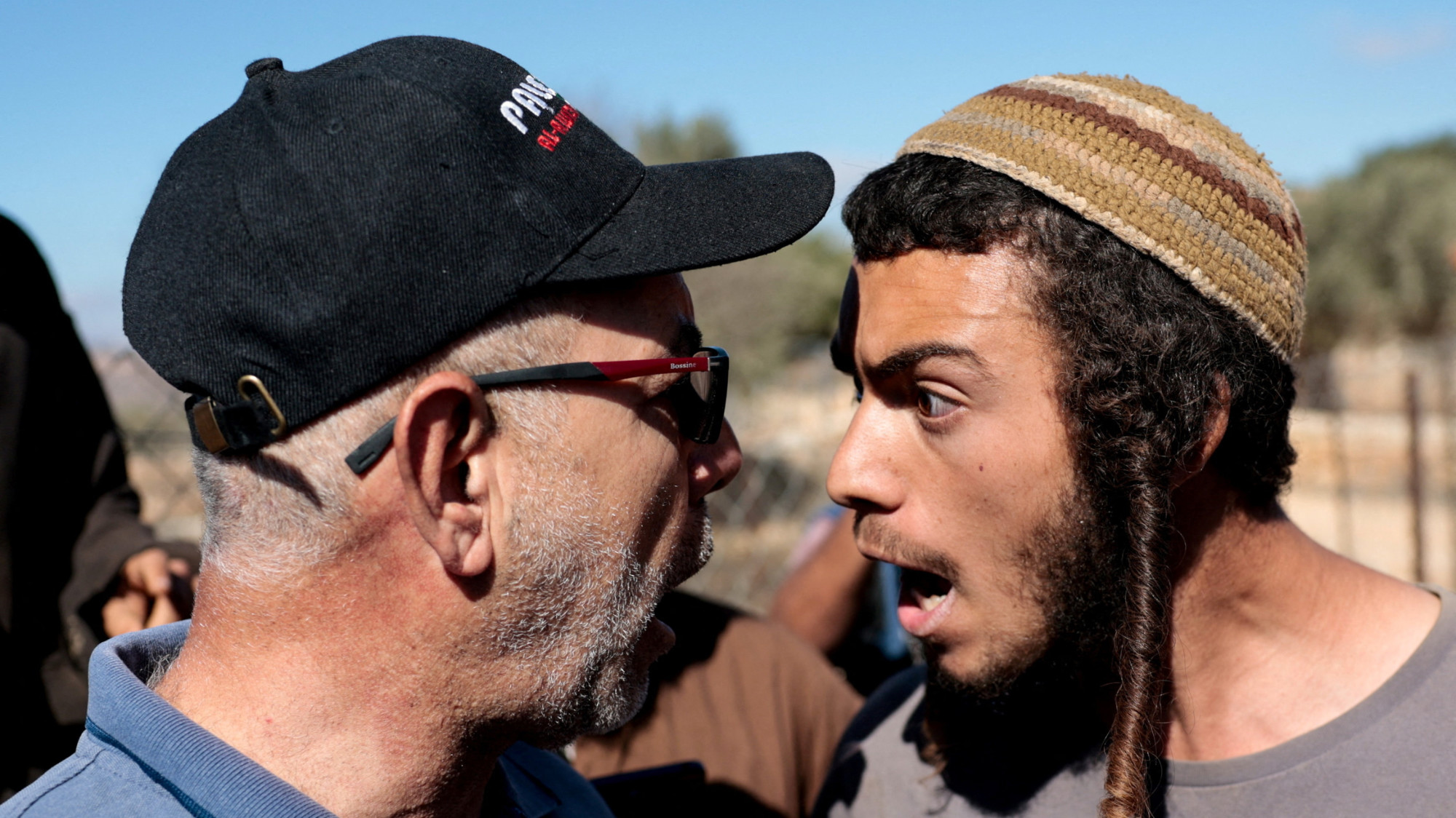
A surge in violent attacks by Israeli settlers, reportedly backed by the army, has targeted Palestinian communities and olive harvesters across the occupied West Bank. On Tuesday and Wednesday, multiple incidents of arson, vandalism, and intimidation were reported, exacerbating tensions in the region. In Atara, north of Ramallah, settlers torched two vehicles and spray-painted racist slogans on a home. Mayor Nizar Moghrabi stated that the attackers infiltrated the Turfin area after midnight, marking a continuation of assaults since settlers established an outpost there last August. Similar incidents occurred in Hebron, where vehicles were set ablaze, and in Beit Imrin, where settlers destroyed olive saplings and stole construction materials. The olive harvest season, which runs from October to December, has seen a significant increase in settler violence this year. In al-Sawiya, settlers armed with weapons and iron bars prevented Palestinians from accessing their olive groves. In Qaryut, despite the Israeli army granting access to previously restricted land, Palestinians found their olive trees destroyed. In Turmusaya, settlers set fire to farmland and olive trees, while in Silwad, settlers and the army blocked residents from reaching their lands. Talaat Hamed, a Silwad resident, highlighted that settlers have been encroaching on Palestinian land by establishing pastoral outposts. According to the Colonization and Wall Resistance Commission (CWRC), 259 attacks on olive harvesters have been recorded since early October, with 41 attributed to the Israeli army and 218 to settlers. The United Nations Office for the Coordination of Humanitarian Affairs (Ocha) documented 89 attacks affecting 50 villages, resulting in 112 injuries and the destruction of over 3,000 trees. Settler-related violence has risen sharply over the past five years, with 2024 witnessing more than double the attacks recorded in 2023. Since October 2023, settlers have carried out 7,154 attacks against Palestinians, while Israel has confiscated over 55,000 dunams of land under various pretexts. Additionally, the Israeli army conducted pre-dawn raids on Wednesday, detaining at least 40 people across the West Bank.
分类: world
-

World Shiology Forum focusing on food system opens in Hainan
The 5th World Shiology Forum commenced on October 29, 2025, in Haikou, Hainan province, drawing global attention to the pressing issues of food systems and sustainability. Established in 2017, the forum has become a pivotal platform for international stakeholders to collaborate on food governance and sustainable development. This year’s event centered on the theme of addressing food system challenges through Shiology, a comprehensive knowledge system that integrates fragmented knowledge into a cohesive framework. The forum released the “Global Food Systems and Sustainable Development Goals (SDGs) Report (2025)”, a collaborative effort by experts from 115 countries, which outlines a three-year implementation plan to tackle food-related issues. The report was presented to United Nations representatives, marking a significant step toward translating Shiology theory into actionable solutions. Former UN Secretary-General Ban Ki-moon, in the report’s foreword, highlighted the necessity of a holistic approach to food systems, stating that “Shiology is such a knowledge system”. UN Secretary-General António Guterres, in a written message delivered by China’s Special Envoy for Climate Change Liu Zhenmin, praised Shiology’s holistic principle as a guide for exploring human coexistence and resilience. The forum introduced the “Five Food Needs” framework, which includes basic sustenance, dietary diversity, food safety, healthy longevity, and sustainable supply. Liu Guangwei, director-general of the World Shiology Forum, emphasized that this framework signifies the maturation of Shiology as an interdisciplinary field. The event also underscored the critical role of food security in achieving the UN’s 2030 Agenda for Sustainable Development, with 13 of the 17 SDGs closely linked to food. Li Feng, vice-governor of Hainan, highlighted the province’s efforts in implementing a “Big Food View” approach, focusing on modern seed industry development, green production, and cold-chain logistics. The forum concluded with a call for global unity in addressing food system challenges, with UN officials acknowledging China’s contributions and expressing support for Shiology’s holistic principles.
-
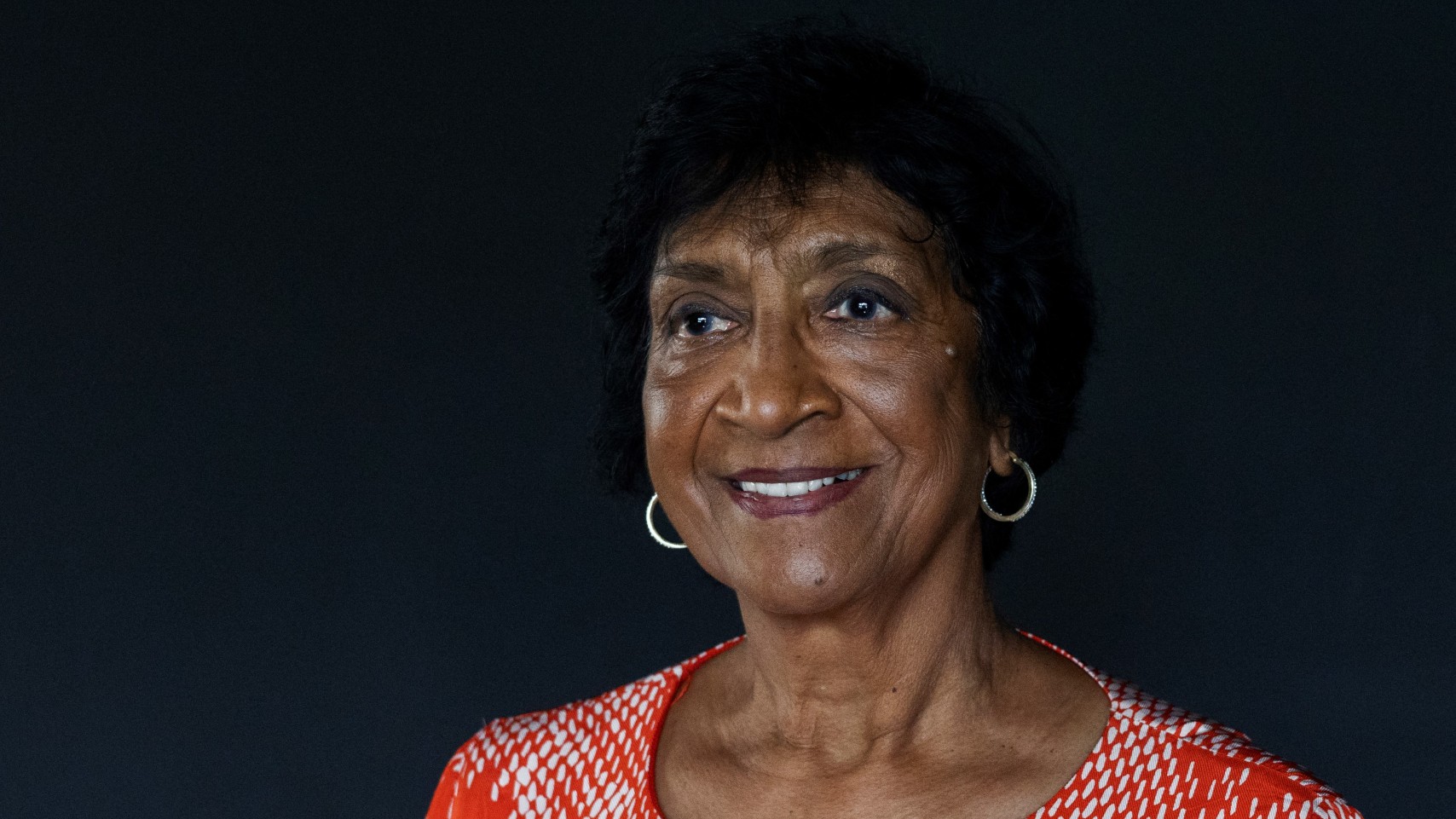
Exclusive: Navi Pillay on Israel’s Gaza genocide and global complicity
Judge Navi Pillay, a towering figure in international justice, has once again made headlines with her groundbreaking work on the UN Commission of Inquiry into the occupied Palestinian territories. In an exclusive interview with Middle East Eye’s Expert Witness podcast, Pillay detailed the Commission’s findings that Israel is committing genocide in Gaza, drawing on her extensive legal expertise and historical precedents from her tenure at the International Criminal Tribunal for Rwanda (ICTR).
The Commission’s report, released on October 6, 2025, meticulously analyzed Israel’s actions from October 7, 2023, to July 31, 2025, concluding that four out of the five underlying acts of genocide, as defined by the Genocide Convention, had been committed. These acts include the killing of Palestinians, causing severe physical and mental harm, imposing life-destroying conditions, and preventing births within the group. The report also highlighted the genocidal intent demonstrated by Israeli leaders’ statements and the systematic destruction of Gaza’s cultural, educational, and healthcare infrastructure.
Pillay emphasized the parallels between the current situation in Gaza and the ICTR’s landmark Akayesu case, which established that sexual violence could constitute genocide. She noted that the widespread gender-based violence in Gaza serves as both individual punishment and a collective strategy to humiliate and subjugate the Palestinian population.
The interview also addressed the international community’s failure to act, with Pillay criticizing the UK and US for their complicity through arms sales and sanctions against ICC officials. She called for immediate action to prevent further atrocities and urged states to fulfill their obligations under the Genocide Convention.
Pillay’s career, spanning over six decades, has been marked by her unwavering commitment to justice and human rights. From her early days challenging apartheid in South Africa to her pivotal role in shaping international jurisprudence, she remains a beacon of hope for those seeking accountability and justice on the global stage.
-

Sudanese RSF militia killed many civilians at el-Fasher hospital, WHO chief and doctors say
The city of el-Fasher in Sudan has become the epicenter of a deepening humanitarian crisis following its capture by the Rapid Support Forces (RSF) militia. Reports from the United Nations and local activists paint a grim picture of widespread violence, including the massacre of 460 civilians at the city’s main hospital. Tedros Adhanom Ghebreyesus, head of the World Health Organization (WHO), expressed profound shock at the atrocities, describing the hospital as a site of unimaginable brutality. The Sudan Doctors’ Network corroborated these accounts, stating that RSF fighters executed patients, medical staff, and bystanders indiscriminately, transforming healthcare facilities into ‘human slaughterhouses.’
In addition to the mass killings, the RSF has been accused of kidnapping six medical professionals, demanding exorbitant ransoms for their release. The el-Fasher Resistance Committee, a local activist group, reported a ‘horrifying silence’ in the aftermath of the hospital attack, underscoring the terror gripping the city. El-Fasher, the Sudanese army’s last stronghold in the Darfur region, fell to the RSF after an 18-month siege characterized by starvation and relentless bombardment.
The conflict, which began in April 2023, has seen the RSF and allied Arab militias accused of targeting non-Arab ethnic groups, allegations the RSF denies. With the city’s capture, concerns have mounted for the estimated 250,000 civilians trapped within, many from vulnerable communities. A communications blackout has hindered efforts to verify the full extent of the devastation, though new videos analyzed by BBC Verify show RSF fighters executing unarmed individuals.
Refugees fleeing to Tawila, a town 60 kilometers west of el-Fasher, have recounted harrowing tales of violence, including beatings, theft, and executions. Jan Egeland, a former UN humanitarian official, described the situation as ‘the worst place on Earth,’ emphasizing the catastrophic combination of massacres, starvation, and lack of medical care. Dr. Tedros called for an immediate ceasefire, highlighting that 185 attacks on healthcare facilities have resulted in 1,204 deaths since the war began.
The fall of el-Fasher has effectively split Sudan, with the RSF controlling much of Darfur and neighboring Kordofan, while the army retains Khartoum and eastern regions. The conflict, rooted in a power struggle between former allies, threatens to plunge the nation further into chaos as international attention remains insufficient.
-
Israeli press review: Gaza attack prompted by soldiers collapsing tunnel
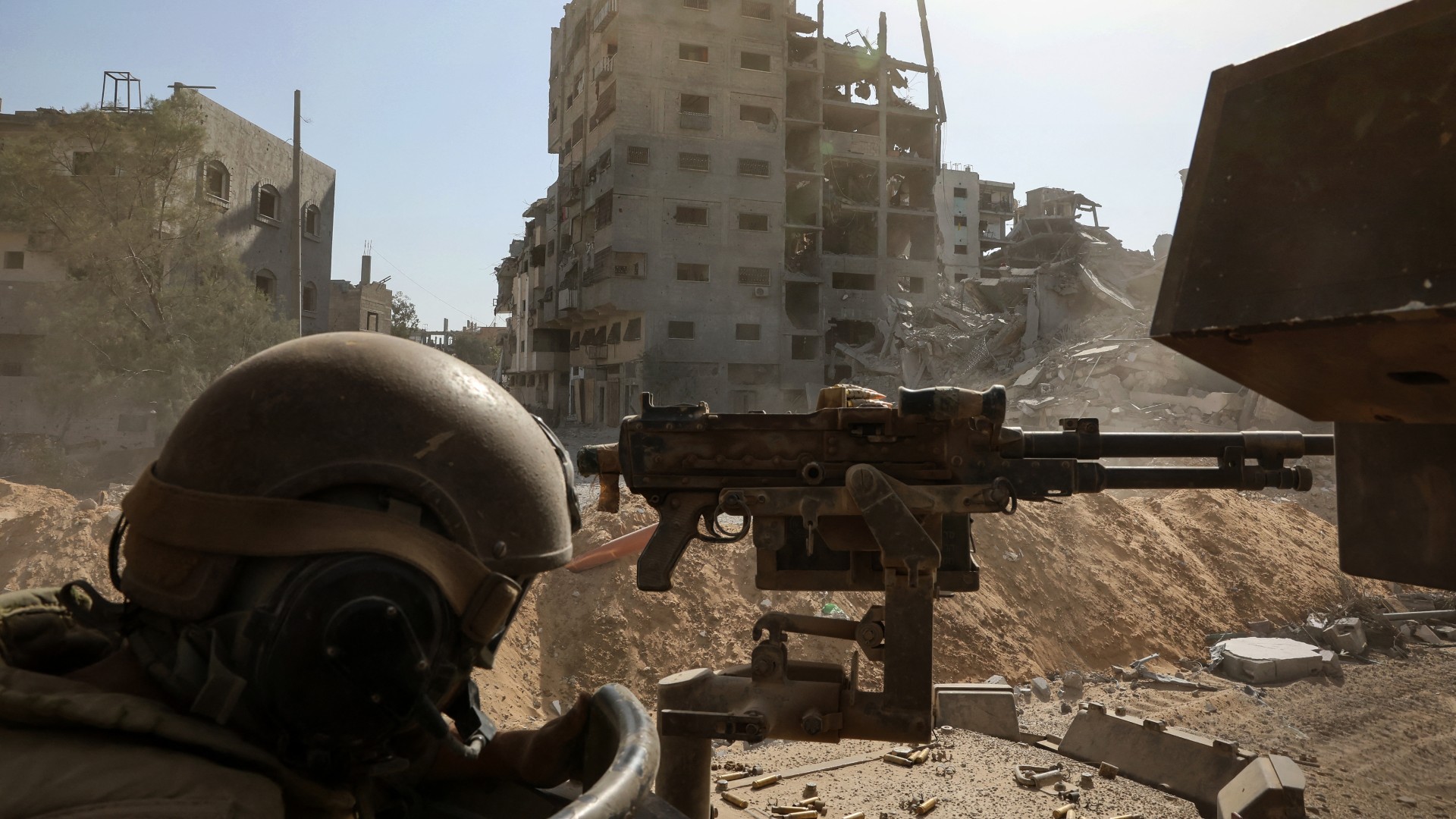
In a recent escalation of violence in Gaza, Palestinian fighters launched an attack on Israeli troops, resulting in the death of an Israeli reservist. According to Israeli news site Walla, the fighters had been hiding in tunnels for months and their actions appear to be independent of the Hamas leadership. The attack occurred in the southern Gaza city of Rafah, where the fighters targeted soldiers using heavy equipment. The tunnel in which they were hiding began to collapse, forcing them to act and catching the Israeli soldiers off guard. In response, Israeli Prime Minister Benjamin Netanyahu ordered widespread attacks across the Gaza Strip, leading to the deaths of over 100 Palestinians, including 46 children, further violating the fragile ceasefire. The Israeli military believes the fighters had been concealed in a tunnel near the al-Janina neighborhood, an area under Israeli control. Meanwhile, Israeli Finance Minister Bezalel Smotrich vowed on social media to continue efforts to annihilate Hamas, while an MP from his party called for revenge. Separately, the mother of an autistic Palestinian teenager, a citizen of Israel, reported that her son has been abused by prison guards following his detention in the occupied West Bank. The boy, recognized as disabled by the state, was arrested during a family visit and remains in custody despite his mother’s release. His lawyer detailed allegations of severe violence and inhumane conditions in detention, which the Israel Prison Service denies. Additionally, Israeli military data revealed a concerning rise in soldier suicides since the start of 2024, with 279 active-duty soldiers attempting suicide and 48 succeeding. MP Ofer Kasif emphasized the need for support systems for soldiers and an end to the ongoing conflict to address this growing crisis.
-
How Israel repeatedly violated Gaza truce before strikes killed 100 Palestinians
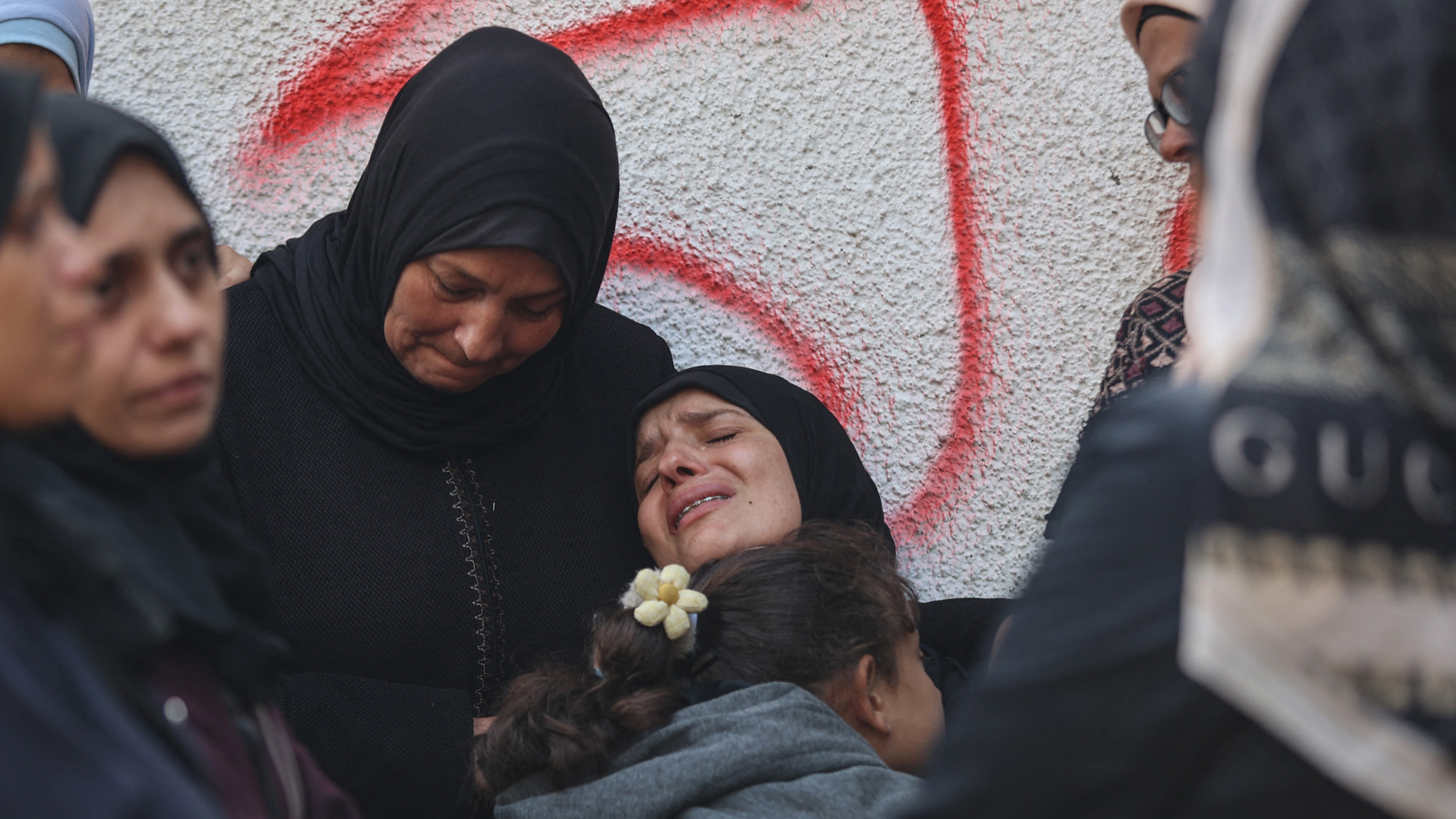
In a devastating escalation of violence, Israel launched a series of intense air strikes on Gaza this Wednesday, resulting in the deaths of over 100 Palestinians, nearly half of whom were children. This marks the most severe breach of the ceasefire agreement to date. Israel justified the strikes by accusing Hamas of violating the ceasefire terms, a claim Hamas vehemently denies, asserting full compliance with the agreement. However, evidence suggests that Israel itself has repeatedly violated the ceasefire, including restricting humanitarian aid, keeping the Rafah crossing closed, and conducting frequent air strikes. Since the ceasefire began, Israeli forces have killed 211 people, exacerbating the humanitarian crisis in Gaza, where medical supplies, fuel, and essential goods remain critically scarce. The sequence of events leading to Wednesday’s deadly bombardment reveals a pattern of Israeli violations, starting almost immediately after the ceasefire took effect on October 11. These violations include drone strikes, artillery shelling, and incursions beyond agreed deployment lines, often justified by claims of targeting individuals who crossed the ‘Yellow Line.’ Despite Hamas’s calls for mediation and restraint, Israel’s actions have continued unabated, culminating in the latest wave of air strikes. The death toll since the ceasefire began now stands at 211, with overall Palestinian casualties since October 7, 2023, exceeding 68,643, according to leaked military data. Israel has also cited the slow return of deceased captives as a reason for the escalation, despite the ceasefire agreement lacking a specific deadline for such returns. Hamas has returned all living captives and 15 deceased, with efforts to recover more bodies hindered by Israeli restrictions on equipment and access. The humanitarian situation in Gaza remains dire, with Israel failing to allow the agreed-upon daily aid trucks, leading to severe shortages and a healthcare system on the brink of collapse. The Rafah crossing remains closed, trapping tens of thousands of critically wounded Palestinians who are unable to seek treatment abroad. Middle East Eye continues to provide independent and comprehensive coverage of these developments, shedding light on the ongoing crisis in Gaza.
-
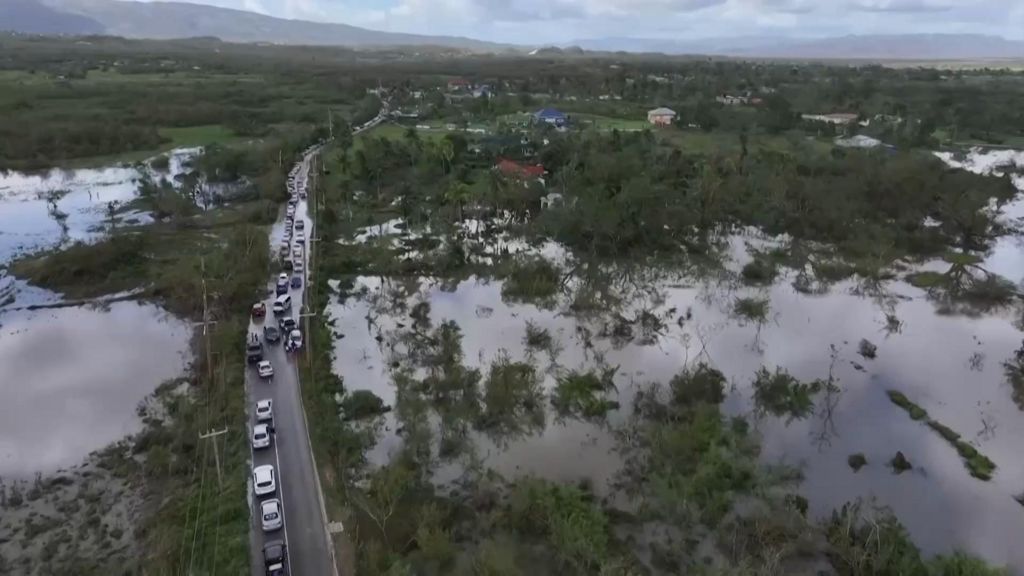
Hurricane Melissa drone footage shows destroyed homes and towns under water
Newly released drone footage has unveiled the catastrophic aftermath of Hurricane Melissa in Jamaica, with St Elizabeth and Montego Bay bearing the brunt of the storm’s fury. The aerial visuals depict entire neighborhoods submerged under floodwaters, with homes reduced to rubble and infrastructure severely damaged. These regions, among the hardest hit, now face a long and arduous recovery process. The hurricane’s relentless winds and torrential rains have left thousands displaced, prompting urgent calls for humanitarian aid and disaster relief efforts. Local authorities are scrambling to assess the full extent of the devastation while coordinating rescue operations for those stranded in the flood-ravaged areas. The footage serves as a stark reminder of the increasing intensity of tropical storms in the Caribbean, raising concerns about climate change’s role in exacerbating such natural disasters.
-

Neighbors by plate: How food strengthens China-ROK ties
As the 32nd APEC Economic Leaders’ Meeting draws near in the Republic of Korea, China Daily’s Xia Ji explores the culinary threads weaving together the youth of China and South Korea. From the spicy allure of tteokbokki to the numbing heat of mala tang, these shared flavors are transforming two neighboring nations into natural gastronomic allies. The streets of both countries buzz with the exchange of recipes, food trends, and a mutual appreciation for each other’s cuisines. This culinary camaraderie not only satisfies taste buds but also fosters cultural understanding and strengthens diplomatic ties. As young people bond over their favorite dishes, the food scene becomes a vibrant testament to the enduring friendship between China and South Korea. What’s your go-to Chinese or South Korean dish? Share your thoughts below!
-
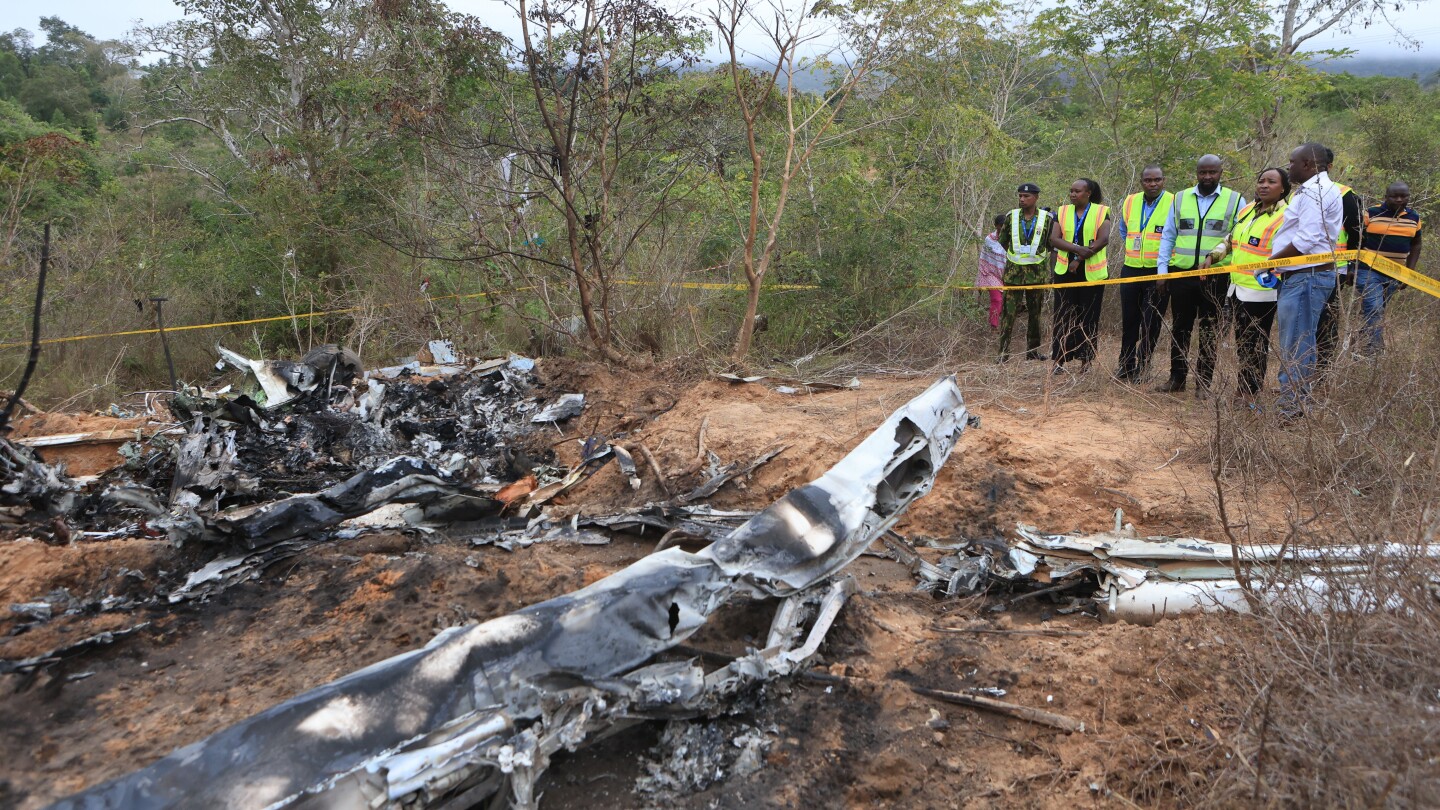
Budapest boxing club says board member, family among 11 killed in Kenya plane crash
A devastating plane crash in Kenya has claimed the lives of 11 individuals, including a prominent Hungarian boxing club leader and his family. The incident occurred on Tuesday when a Cessna Caravan aircraft, operated by Mombasa Air Safari, crashed in a hilly, forested area of Kwale County shortly after takeoff from Diani. Among the victims were eight Hungarians, two Germans, and the Kenyan pilot. Gyula Süllős, a long-time supporter and president of the Vasas SC boxing program, was identified as one of the deceased. The Hungarian Foreign Minister, Péter Szijjártó, confirmed that two families, including children, were among the victims. Kenya’s aviation department secretary, Terry Mbaika, stated that some bodies remain unrecovered due to challenging terrain and heavy rains. The investigation, expected to take 30 days, aims to ensure transparency. This tragedy highlights concerns about Kenya’s aviation safety, as recent audits indicate its accident investigation performance falls below global standards.
-
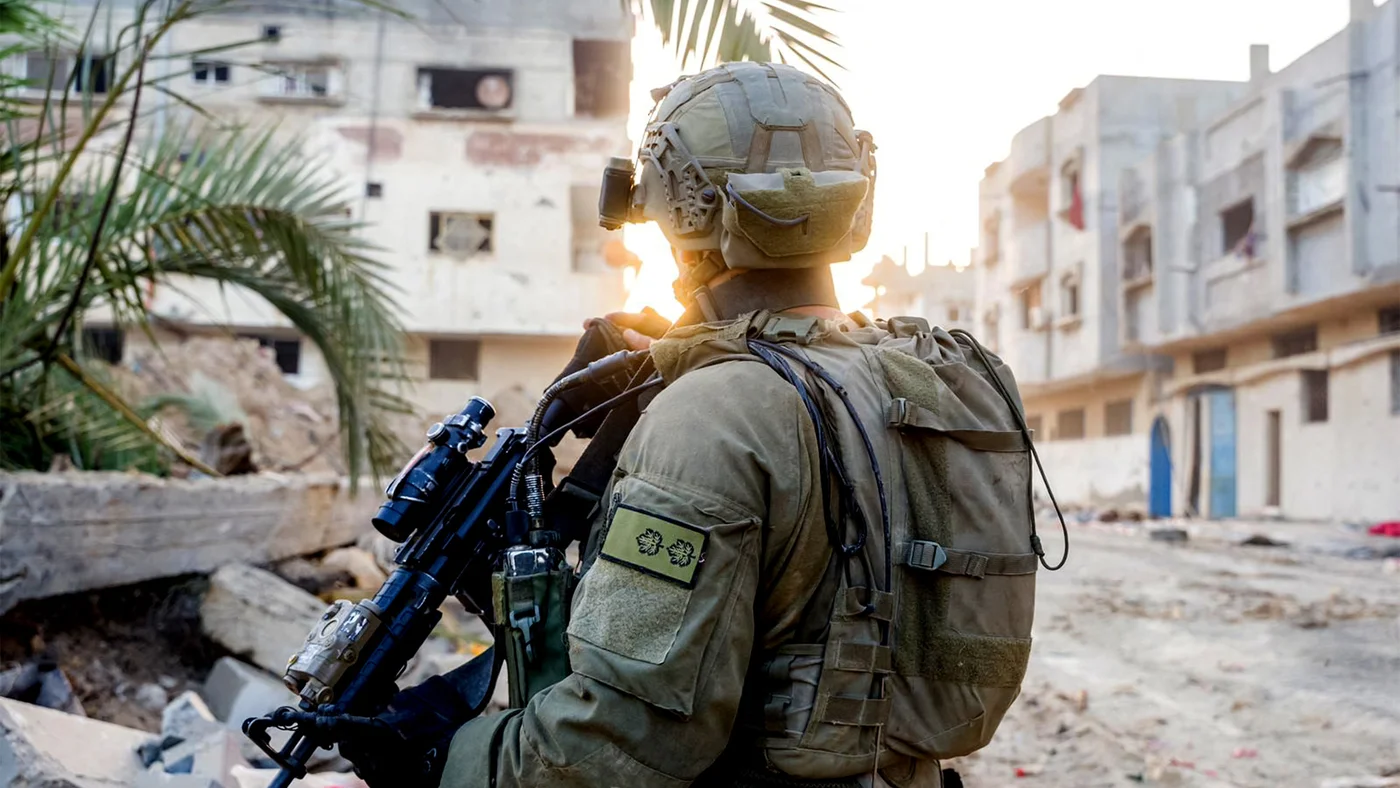
Israeli who fought in Gaza barred from entering Czech Republic
The Czech Republic has denied entry to an Israeli reservist after French authorities issued a criminal alert against him, according to Israeli media reports. The unnamed individual, who served in conflicts in Gaza and Lebanon, was detained at Prague’s Vaclav Havel Airport for several hours before being informed of the entry ban. Czech officials cited a Schengen-wide warning issued by France, which prohibits his entry into all European Union countries. The man and his wife were approached by armed police at passport control, who explained that the ban stemmed from French accusations of his involvement in ‘serious crimes.’ The reservist speculated that the alert might be linked to his military service or identity theft, though he claimed never to have visited France. Despite efforts to seek assistance from the Israeli embassy in Paris, the couple was compelled to return to Israel. The Israeli Foreign Ministry clarified that the refusal was unrelated to his military service. This incident follows a pattern of travel restrictions faced by Israeli military personnel globally. In December 2024, two Israeli soldiers were barred from entering Australia after being required to complete a detailed 13-page form, while in January, an Israeli soldier accused of war crimes fled Brazil amid an investigation. Additionally, New Zealand introduced a policy mandating Israeli visa applicants to disclose military service details. Amid growing scrutiny, the Israeli army has reportedly implemented measures to conceal soldiers’ identities to avoid arrest warrants and investigations related to alleged war crimes in Gaza.