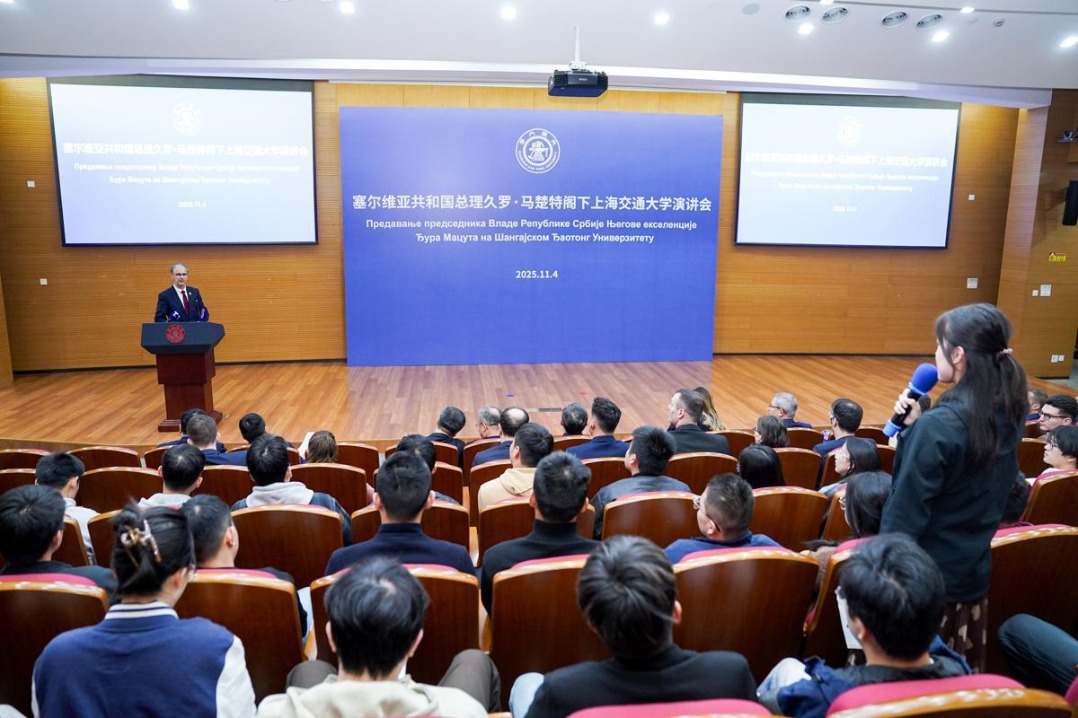
During his visit to Shanghai Jiao Tong University on Tuesday, Serbian Prime Minister Djuro Macut expressed optimism about expanding Serbia-China collaboration in economic, trade, and academic sectors. Macut, who also attended the eighth China International Import Expo (CIIE) in Shanghai, emphasized the importance of bilateral economic relations and trade, stating, ‘We are here to explore possibilities.’ He highlighted the potential for deeper cooperation in areas such as sourcing, markets, tourism, and academic exchanges, suggesting that universities from both countries could establish new agreements and shared visions. Addressing students and faculty, Macut underscored the opportunities for collaboration in fields like artificial intelligence, expressing enthusiasm for future outcomes. He described the Serbia-China relationship as ‘strong and evolving,’ noting its significance for both nations, particularly for Serbia. Macut proudly recalled Serbia becoming China’s first comprehensive strategic partner in Central and Eastern Europe in 2016, positioning the country as a top priority for China’s development partnerships. He also stressed the shared goal of maintaining peace, reinforcing the commitment to strengthening ties between the two nations.
分类: world
-
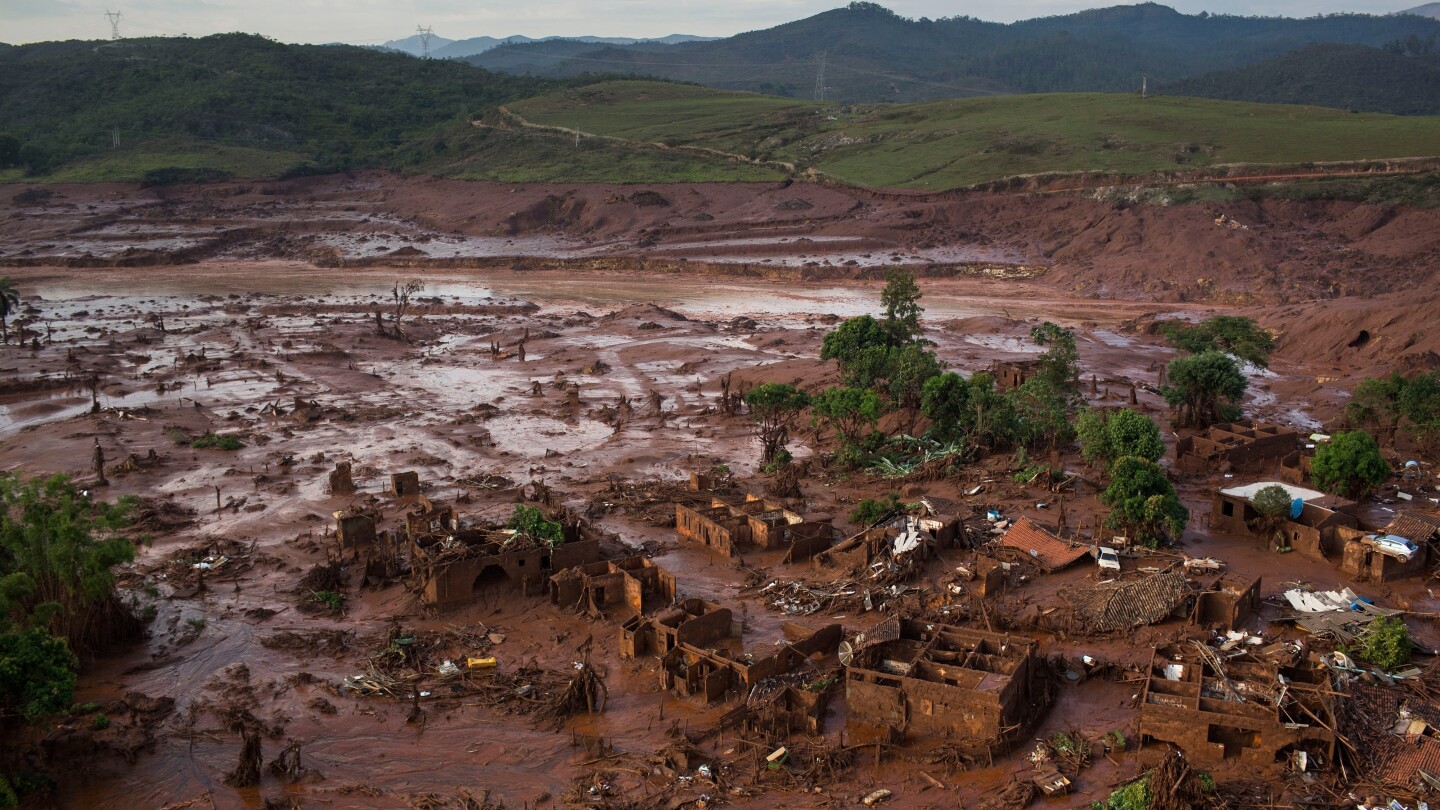
A decade after Brazil’s deadly dam collapse, Indigenous peoples demand justice on the eve of COP30
In November 2015, the Indigenous Krenak people of Minas Gerais, Brazil, witnessed what they now refer to as “the death of the river.” A week before the catastrophic event, they sensed an ominous change—birds ceased their songs, the air grew heavy, and an eerie silence enveloped their village. On November 5, the Samarco mining dam, a joint venture between Brazilian company Vale and Anglo-Australian BHP Billiton, collapsed near Mariana, unleashing a torrent of toxic iron ore waste. The disaster buried the nearby community of Bento Rodrigues, claimed 19 lives, and contaminated the Doce River for nearly 600 kilometers before reaching the Atlantic Ocean. For the Krenak, whose lives revolved around the river for food, rituals, and daily sustenance, the tragedy was not just environmental but deeply spiritual. Shirley Djukurnã Krenak, an Indigenous leader, described it as “the saddest day for my people.” A decade later, the river remains polluted, and reconstruction efforts have been mired in legal disputes. Despite Brazil’s ambition to lead global climate policy, hosting the UN’s COP30 summit in 2025, the unresolved legacy of Mariana casts doubt on its credibility. Indigenous congresswoman Célia Xakriabá emphasized that the Doce River is still “sick,” with contaminated fish and ill communities. Critics argue that Brazil’s environmental governance remains flawed, citing weakened laws and inadequate funding for environmental agencies. The 2015 disaster exposed systemic vulnerabilities, yet subsequent deregulation and policies like the “devastation bill” threaten to undermine Brazil’s climate goals. As COP30 approaches, Indigenous leaders like Krenak remain skeptical of its impact, calling for genuine action to protect rivers, forests, and Indigenous territories. Despite the challenges, they hold onto hope for a future where their children can drink water without fear.
-
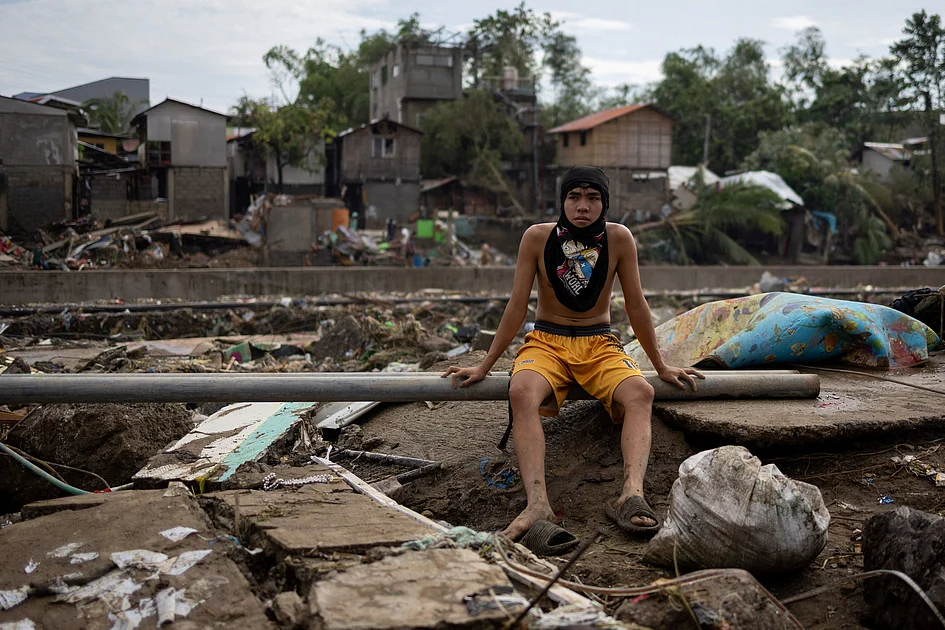
Philippines: 66 dead in Typhoon Kalmaegi as survivors confront destruction
The Philippines is reeling from the catastrophic impact of Typhoon Kalmaegi, which has claimed 66 lives and left a trail of destruction in its wake. The province of Cebu, the hardest-hit region, is now a landscape of shattered homes, debris-clogged streets, and displaced families. Survivors are grappling with the aftermath, sifting through the ruins in a desperate search for remnants of their former lives. Among them is Eilene Oken, 38, who returned to her neighborhood in Talisay city only to find her home obliterated. ‘We worked and saved for this for years, then in an instant, it was all gone,’ she lamented, though she expressed gratitude that her family remained unharmed. The typhoon’s devastation comes just weeks after a magnitude 6.9 earthquake struck northern Cebu, compounding the region’s suffering. Kalmaegi, the 20th storm to hit the Philippines this year, intensified as it moved toward Vietnam, where preparations are underway for its expected landfall. Over 200,000 people were evacuated across the Visayas region, including parts of southern Luzon and northern Mindanao, as the storm submerged homes, caused widespread flooding, and triggered power outages. The disaster also claimed the lives of six military personnel whose helicopter crashed during a humanitarian mission in Agusan del Sur. As the Philippines confronts yet another natural disaster, the resilience of its people is being tested once more.
-

Saudi Arabia: Pilgrim arrested after video pushing security at Makkah Grand Mosque goes viral
A recent incident at the Makkah Grand Mosque in Saudi Arabia has sparked widespread attention after a video of a pilgrim confronting a security officer went viral on social media. The footage shows the man raising his voice and resisting the officer’s attempts to maintain order, despite repeated warnings. The Special Forces for Hajj and Umrah Security swiftly responded, confirming the man’s arrest for violating the mosque’s regulations and procedures. Legal actions are now underway against the individual.
In the wake of the incident, Sheikh Dr. Abdulrahman bin Abdulaziz Al-Sudais, President of the Religious Affairs of the Two Holy Mosques, emphasized the importance of adhering to security protocols. He stated that following these rules is not only a legal obligation but also a profound act of worship and devotion. Sheikh Dr. Abdulrahman highlighted the sacred duty of safeguarding the sanctity of the holy sites and reiterated that while Saudi Arabia is committed to ensuring the safety of pilgrims, it is equally the responsibility of every visitor to comply with the established guidelines. He described security as a ‘red line that cannot be crossed,’ underscoring the gravity of maintaining order in such revered spaces.
The incident has reignited discussions about the balance between religious devotion and adherence to regulations in holy sites, particularly during peak pilgrimage seasons. Authorities have reaffirmed their commitment to enforcing rules to protect the safety and sanctity of the Two Holy Mosques.
-
EU agrees on new emissions targets before global climate summit in Brazil
The European Union has finalized a landmark agreement to reduce carbon emissions by 90% by 2040, marking a significant step in its climate policy. However, the deal has sparked criticism for perceived weakening of earlier commitments, particularly due to provisions allowing member states to purchase international carbon credits and reassess climate targets based on economic performance. Hungary, Slovakia, and Poland opposed the agreement, with Poland securing a delay in implementing a carbon trading plan for transport and heating. Environmental groups, including Greenpeace, condemned the deal for enabling ‘carbon laundering’ by outsourcing emission reductions to less-developed countries. Despite these concerns, EU climate ministers hailed the agreement as a necessary compromise amid geopolitical and economic tensions. The European Parliament must now vote on the agreement before it becomes legally binding. EU leaders, including European Commission President Ursula von der Leyen, will present the deal at the upcoming COP30 climate conference in Brazil, aiming to position Europe as a global leader in climate action. The agreement reflects the EU’s balancing act between environmental goals, economic competitiveness, and energy independence, as Europe faces increasing climate-related challenges like wildfires, heatwaves, and floods.
-
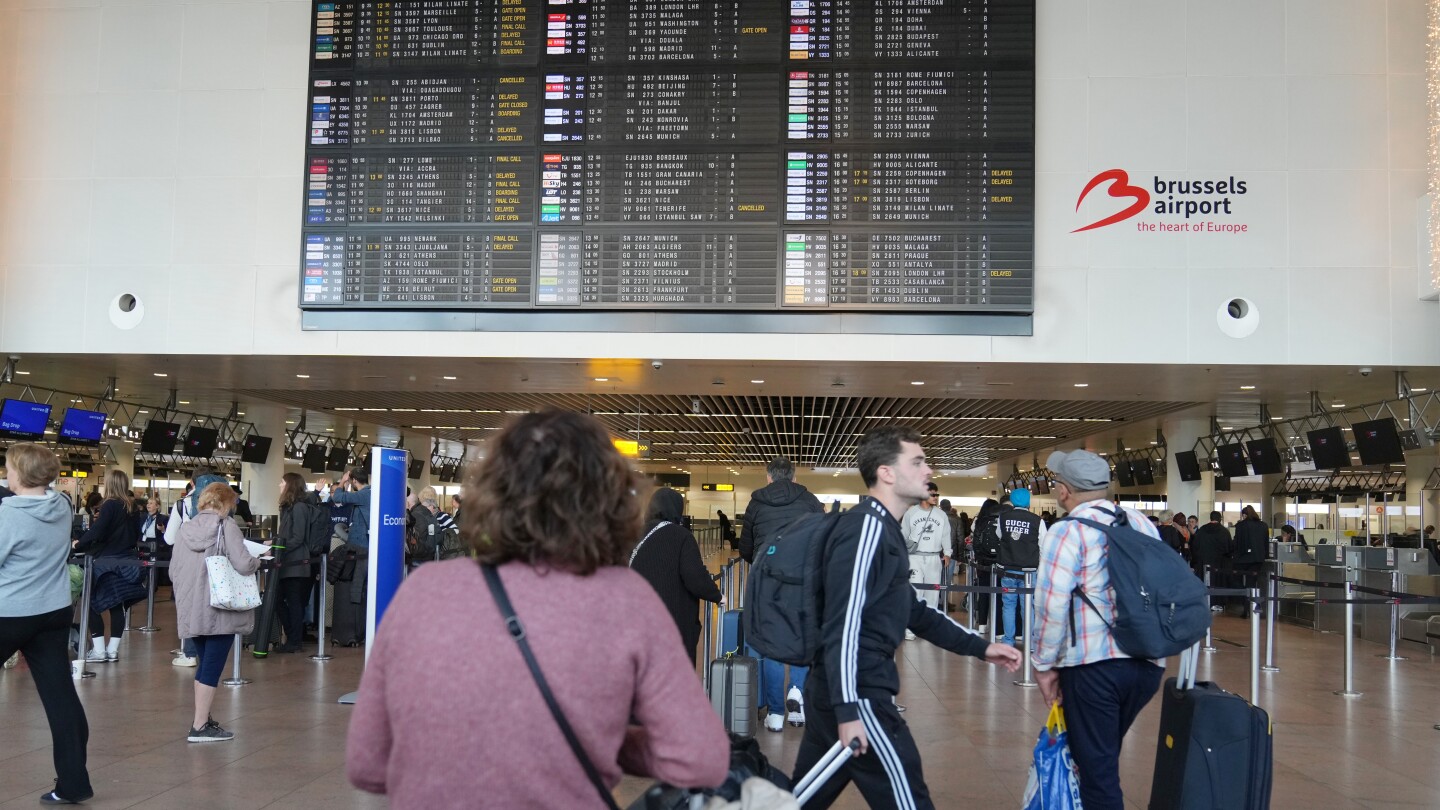
Drone sightings force fresh flight cancellations at Belgium’s main airport
Brussels Airport, Belgium’s primary international hub, faced significant disruptions on Wednesday as dozens of flights were canceled following drone sightings that forced a temporary closure. This unprecedented incident prompted Prime Minister Bart De Wever to call an urgent meeting with senior ministers to address escalating safety concerns. The shutdown, which occurred on Tuesday evening, led to the cancellation of 54 flights and the diversion of 24 others, leaving approximately 400-500 passengers stranded overnight. The airport provided beds, water, and snacks to accommodate affected travelers, emphasizing that passenger and staff safety remains its top priority. This event marks the first time Brussels Airport has been closed due to drone activity, coming just days after unidentified drones were spotted near a military base storing U.S. nuclear weapons. Interior Minister Bernard Quintin highlighted the gravity of the situation, stating that repeated drone incidents pose a direct threat to national security and require a coordinated response. Defense Minister Theo Francken suggested that the drone operations were sophisticated and likely part of a spying operation aimed at destabilization. This incident adds to a growing trend of drone-related disruptions across Europe, including a recent shutdown at Berlin’s Brandenburg Airport. Belgium, home to NATO and EU headquarters, faces heightened security challenges, particularly amid discussions about using frozen Russian assets to support Ukraine, a move that De Wever warned could provoke Russian retaliation.
-
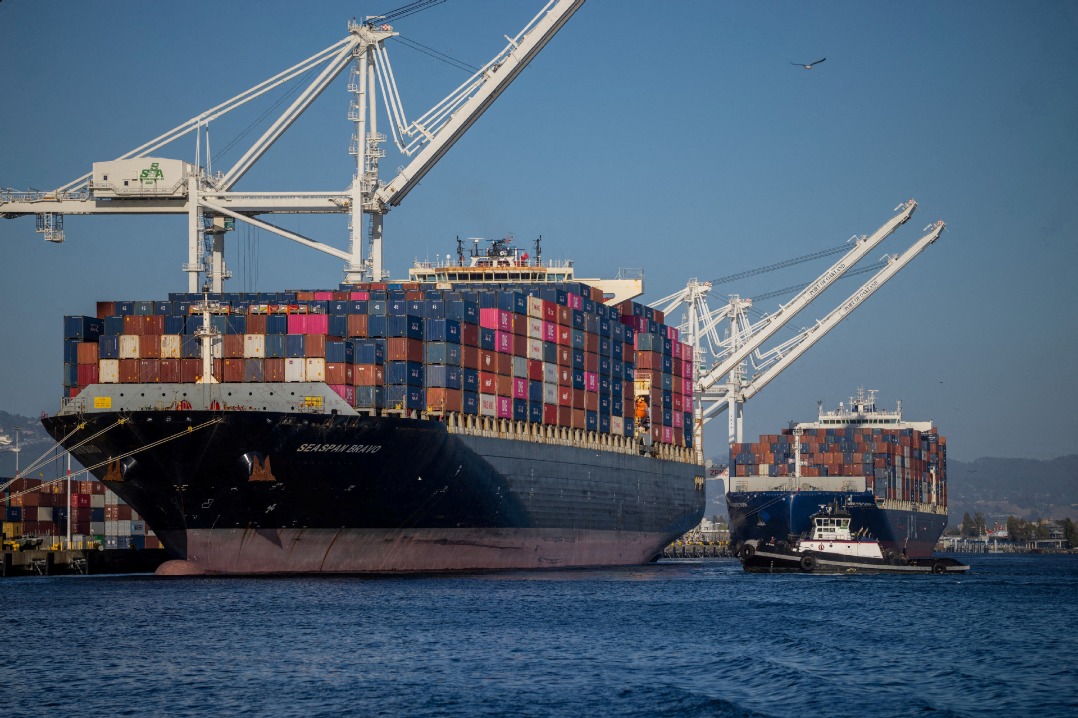
Allies weigh options amid uncertainties
In the face of escalating unpredictability in US trade and foreign policies, key Commonwealth nations such as Canada and New Zealand are actively pursuing strategies to diversify their economic partnerships. Radhika Desai, a political studies professor at the University of Manitoba, highlighted Canada’s precarious position following decades of deepening reliance on the United States. Desai noted that Canadian elites have historically concentrated their economic focus on the US, a strategy she described as a ‘silent surrender.’ This dependence has proven increasingly costly, particularly under the Trump administration, which renegotiated the North American Free Trade Agreement to Canada’s disadvantage. With the potential of a second Trump term, Prime Minister Mark Carney’s perceived inability to challenge Washington has left many Canadians disenchanted. Desai identified two major obstacles to Canada’s shift away from the US: entrenched economic integration and a ruling class resistant to diversification, especially if it involves closer ties with China. Concurrently, Canadian public sentiment has grown increasingly critical of aligning too closely with the US. Desai attributed Washington’s volatility to deeper structural issues within the US, including decades of financialization and deindustrialization, which have made it politically untenable for any candidate to claim economic success. Trump’s focus on tariffs and blame towards trade, China, and immigrants, rather than addressing neoliberalism, has further exacerbated global uncertainties. Desai emphasized that this unpredictability has lasting consequences, with governments worldwide recognizing that the US is unlikely to become a stable economic partner, even under a future Democratic administration. While Canada remains closely tied to the US, Desai believes a gradual realignment towards a multipolar world is inevitable. In a recent move, Prime Minister Carney attended the ASEAN Summit in Kuala Lumpur, aiming to strengthen trade, technology, and energy partnerships with Southeast Asian nations, signaling Canada’s intent to diversify its economic relationships. Meanwhile, the European Union and Australia are advancing their long-awaited Free Trade Agreement, reflecting a shared commitment to an open, rules-based trading system. New Zealand has also been proactive in diversifying its trade partnerships, recently concluding agreements with the UK and the Gulf Cooperation Council, and engaging in negotiations with India. These efforts underscore a broader trend among global allies to enhance supply chain resilience and reduce vulnerability to market-specific shocks.
-
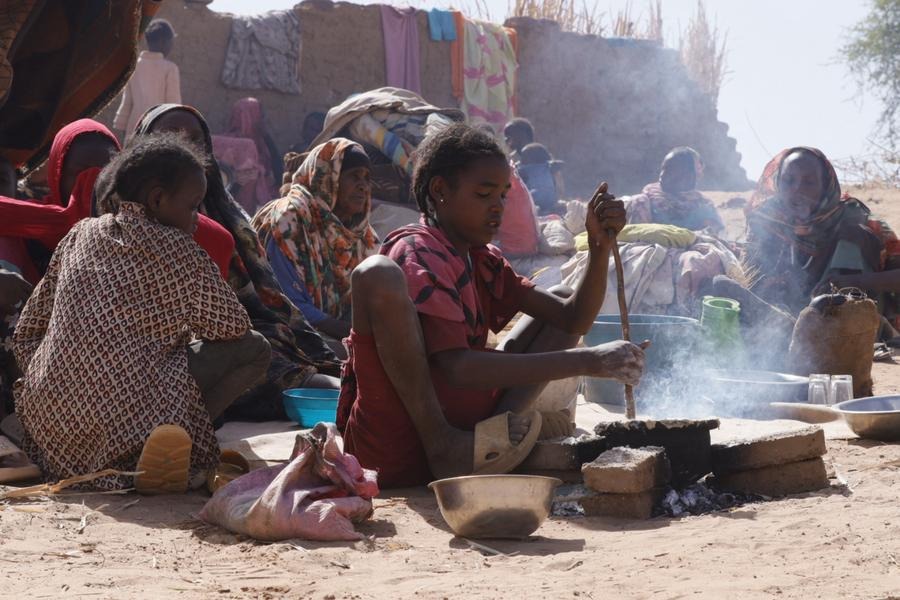
Violence intensifies in Sudan’s North Darfur: UN
The humanitarian crisis in Sudan’s North Darfur region has deepened as violence escalates following the capture of the state capital, El Fasher, by the Rapid Support Forces. According to the United Nations Office for the Coordination of Humanitarian Affairs (OCHA), multiple air and drone strikes were reported in El Fasher, Tina, and Wana Mountain on Sunday, exacerbating the already dire situation. Local sources have cited civilian casualties, though OCHA has been unable to verify these reports due to restricted access and communication challenges in the affected areas. The World Health Organization (WHO) Director-General, Tedros Adhanom Ghebreyesus, condemned the recent attack on the Kernoi Pediatric and Maternity Hospital in North Darfur, which resulted in at least four deaths and three injuries. He emphasized the urgent need to halt attacks on healthcare facilities globally. Despite the perilous conditions, the UN and its partners are delivering critical aid, including therapeutic feeding and vitamin supplementation programs, while also ensuring safe deliveries and emergency care for pregnant women through mobile clinics. Meanwhile, the security situation in Sudan’s Kordofan region has also deteriorated, with at least 40 civilians killed and dozens injured in an attack on a funeral gathering in El Obeid, the capital of North Kordofan state. OCHA has reiterated its call for an immediate cessation of hostilities and for all parties to protect civilians and adhere to international humanitarian law.
-
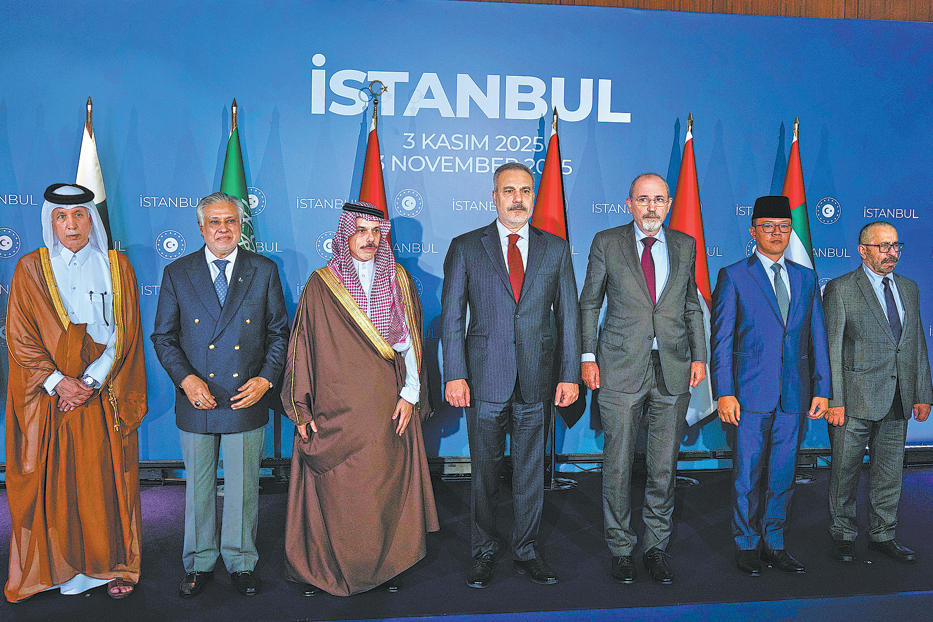
Istanbul gathering discusses Gaza peace force
Foreign ministers from seven Arab and Muslim-majority nations convened in Istanbul on Monday to deliberate on the establishment of an international peace force as part of a Gaza ceasefire agreement. Hosted by Turkish Foreign Minister Hakan Fidan, the meeting included representatives from the United Arab Emirates, Indonesia, Qatar, Pakistan, Saudi Arabia, and Jordan. The ministers unanimously affirmed their support for Palestinian self-governance, emphasizing that ‘Palestine should be governed and secured by Palestinians.’ Fidan criticized Israel for repeated truce violations and the blockade of humanitarian aid, stressing the collective desire to prevent a resurgence of violence in Gaza and to advance the two-state solution. Despite a U.S.-brokered ceasefire in effect since October 10, reports indicate that Israeli airstrikes have continued, resulting in civilian casualties. Jordanian Foreign Minister Ayman Safadi, speaking at the Manama Dialogue in Bahrain, advocated for a UN-mandated stabilization force, though Jordan ruled out deploying its own troops. Meanwhile, the U.S. circulated a draft UN Security Council resolution proposing an international force in Gaza for at least two years, with potential extensions. Qatari Emir Sheikh Tamim bin Hamad Al Thani urged intensified global efforts to aid Palestinian reconstruction. Analysts view the Istanbul meeting as a continuation of diplomatic efforts initiated during the UN General Assembly, with a focus on creating a temporary international task force to stabilize Gaza while ensuring Palestinian autonomy.
-
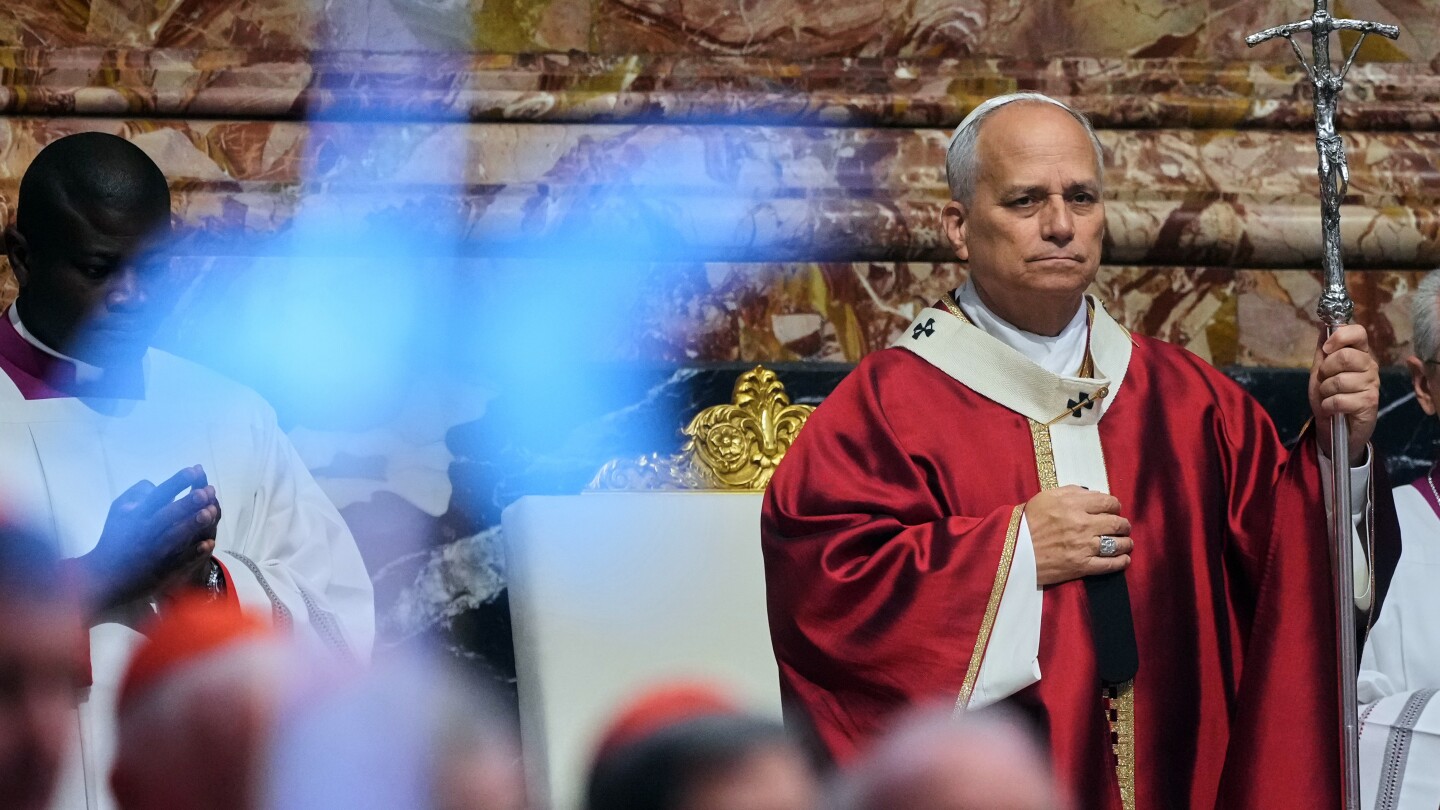
Pope Leo calls for ‘deep reflection’ about treatment of detained migrants in the United States
In a press conference held outside the papal retreat at Castel Gandolfo, Pope Leo XIV addressed pressing global issues, emphasizing the need for “deep reflection” on the treatment of migrants detained in the United States. The Chicago-born pontiff highlighted the plight of individuals who have lived peacefully for years but are now profoundly affected by current policies. He stressed that spiritual rights of detainees must be upheld, urging authorities to grant pastoral workers access to these individuals, many of whom have been separated from their families. Leo referenced scripture, posing the critical question: “How did you receive the foreigner?” as a call to action for compassionate treatment of migrants. On the topic of U.S. military strikes against suspected drug traffickers off Venezuela’s coast, the Pope expressed concern over escalating tensions, advocating for dialogue over conflict. Regarding the fragile ceasefire in the Middle East, Leo acknowledged the complexity of the situation, particularly in addressing Israeli settler attacks on Palestinians in the West Bank. He emphasized the need for justice and collaboration to ensure the rights of all peoples. The Pope’s upcoming engagements include a meeting with Palestinian President Mahmoud Abbas and his first papal visit to Turkey and Lebanon later this month.