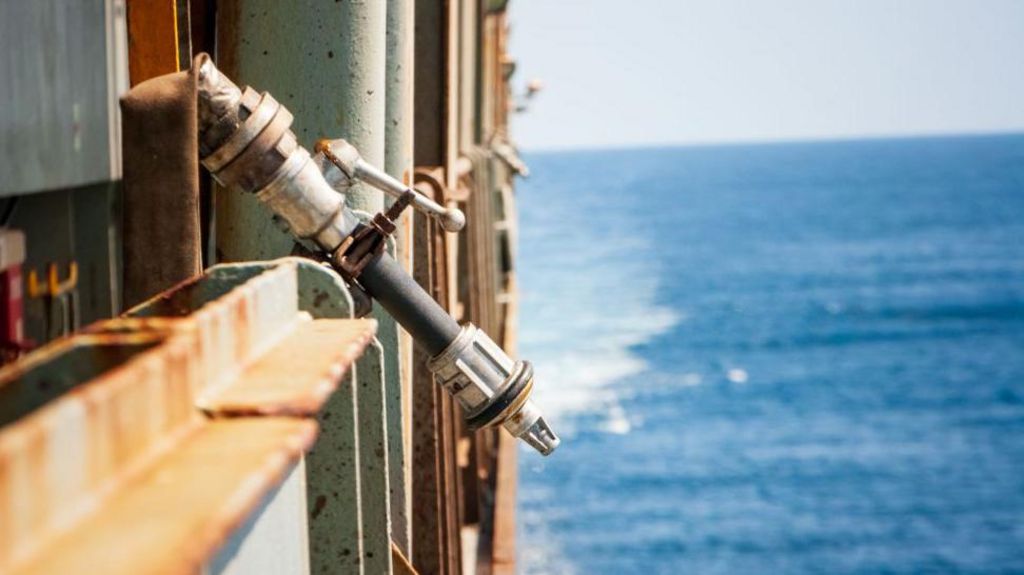
In a concerning development off the Somali coast, attackers armed with machine guns and rocket-propelled grenades boarded a Malta-registered gasoline tanker, according to the United Kingdom Maritime Trade Operations (UKMTO). The incident occurred approximately 560 nautical miles southeast of the Somali town of Eyl. Private security firm Ambrey identified the assailants as likely Somali pirates, who have recently intensified their activities in the region. The vessel, named Hellas Aphrodite, was en route from Sikka, India, to Durban, South Africa, when it was targeted. Greek shipping company Latsco Marine Management, which operates the tanker, confirmed the attack but assured that all 24 crew members were safe and accounted for. The company has activated its emergency response team and is coordinating with authorities to ensure the crew’s continued safety. This incident highlights a worrying resurgence of piracy in the region, which had seen a decline after peaking over a decade ago. The International Maritime Bureau reported at least seven piracy incidents last year, with several fishing vessels already seized in 2024. The attack underscores the ongoing security challenges in the waters off Somalia and the need for heightened vigilance in the area.
分类: world
-

Israel says Hamas returned body of dead Tanzanian hostage
Israel has confirmed that the remains of Joshua Mollel, a Tanzanian hostage killed during the Hamas-led attack on 7 October 2023, were handed over on Wednesday as part of a US-brokered Gaza ceasefire agreement. The Israeli Prime Minister’s Office announced that forensic tests conducted at the National Centre of Forensic Medicine confirmed Mollel’s identity, and his family has been informed. Mollel, a 21-year-old agricultural intern, was killed at Kibbutz Nahal Oz during the attack, and his body was subsequently taken by Hamas fighters. His return leaves six deceased hostages—five Israelis and one Thai—still in Gaza. The Israeli government expressed its condolences to the Mollel family and reiterated its commitment to recovering all remaining hostages. Hamas’s military wing stated that Mollel’s remains were recovered in eastern Shejaiya, Gaza City, before being handed over to the Red Cross. The ceasefire deal, which began on 10 October, initially required Hamas to release 20 living and 28 deceased hostages within 72 hours. While all living Israeli hostages were released by 13 October, the recovery of deceased hostages has been slow, delaying progress on the second phase of the Gaza peace plan. Israel has accused Hamas of intentionally obstructing the recovery process, while Hamas claims the bodies are buried under rubble. The conflict, which began with the 7 October attack that killed approximately 1,200 people, has resulted in over 68,800 deaths in Gaza, according to Hamas-run health authorities.
-
Ukraine says it has hit a major Russian oil refinery with long-range drones
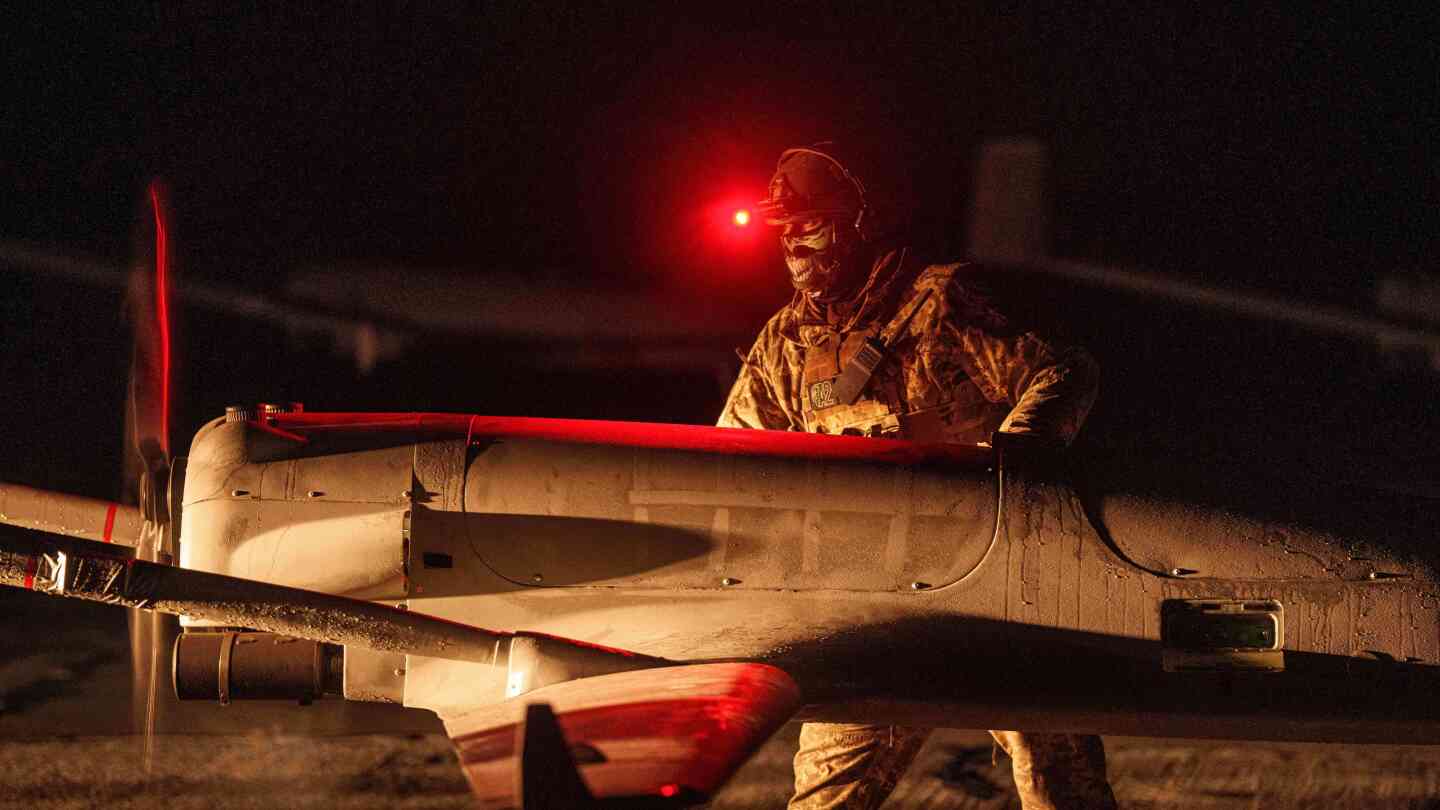
In a significant escalation of hostilities, Ukrainian drones targeted a major oil refinery in Russia’s Volgograd region for the second time in nearly three months, according to a statement from Ukraine’s general staff on Thursday. The refinery, a critical facility in Russia’s Southern Federal District, processes over 15 million tons of crude annually, accounting for approximately 5.6% of the nation’s total refining capacity. While Russian officials did not confirm the attack, the local governor reported a fire at an unspecified industrial site in the region.
The strike, which occurred on Wednesday, underscores the intensifying energy warfare between the two nations. Ukraine’s strategy of targeting Russian oil infrastructure aims to disrupt Moscow’s oil export revenue, a vital source of funding for its ongoing invasion. Conversely, Russia has focused on crippling Ukraine’s power grid, leaving civilians without heat, light, and running water—a tactic Kyiv officials describe as ‘weaponizing winter.’
In addition to the Volgograd refinery, Ukrainian forces struck three fuel lubricant facilities in the Russian-occupied Crimean peninsula and a storage base for Russia’s Shahed drones in the Donetsk region. Meanwhile, in the Kostroma region northeast of Moscow, a Ukrainian aerial attack reportedly targeted energy infrastructure, though no casualties or power disruptions were reported. Unconfirmed media sources suggest the attack may have hit one of Russia’s largest hydroelectric power plants.
The Russian Defense Ministry claimed to have intercepted 75 drones overnight across multiple regions, including annexed Crimea. On the other side, Russia launched drone attacks on Ukraine’s eastern Dnipropetrovsk region, injuring eight people and causing structural damage to a four-story building. The Russian military also continued its assault on Ukraine’s rail infrastructure, disrupting transportation in the Kharkiv, Dnipropetrovsk, and Zaporizhzhia regions.
Ukrainian President Volodymyr Zelenskyy acknowledged the relentless attacks on Ukraine’s power grid, emphasizing the efforts of repair crews and international support to restore essential services. As the conflict nears its fourth year, diplomatic efforts led by the U.S. have failed to curb the violence, with both sides locked in a cycle of reciprocal strikes on critical infrastructure.
-
Typhoon Kalmaegi leaves 114 dead in Philippines
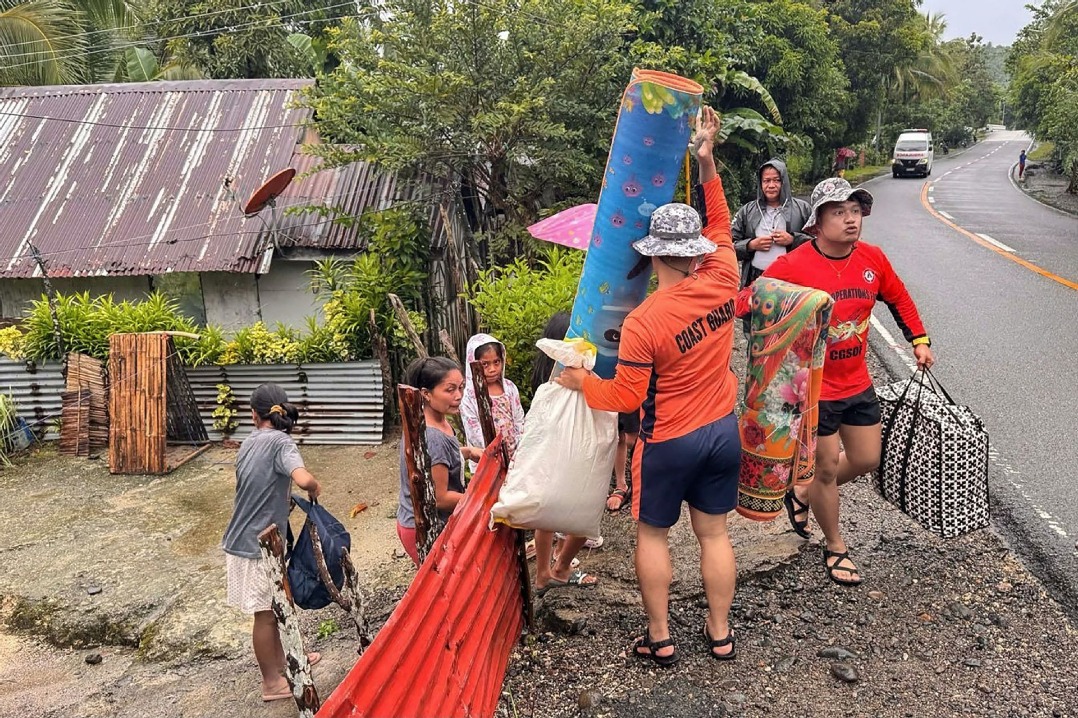
Typhoon Kalmaegi, the 20th typhoon to hit the Philippines this year, has caused widespread devastation, leaving 114 people dead and at least 127 missing. The Office of Civil Defense (OCD) reported the grim statistics as the storm moved out of the country before dawn on Thursday. The majority of the fatalities and missing persons were reported in the central regions of the Philippines. OCD Deputy Administrator Bernardo Rafaelito Alejandro confirmed the death toll, stating that the figures are based on actual body counts from five affected regions. He emphasized that the numbers are preliminary and await official death certificates. The search for the missing continues, with 65 individuals from Cebu province and 62 from the Negros Island region still unaccounted for. The typhoon’s impact underscores the Philippines’ vulnerability to extreme weather events, highlighting the urgent need for enhanced disaster preparedness and response mechanisms.
-
Africa calls for united action to protect biodiversity
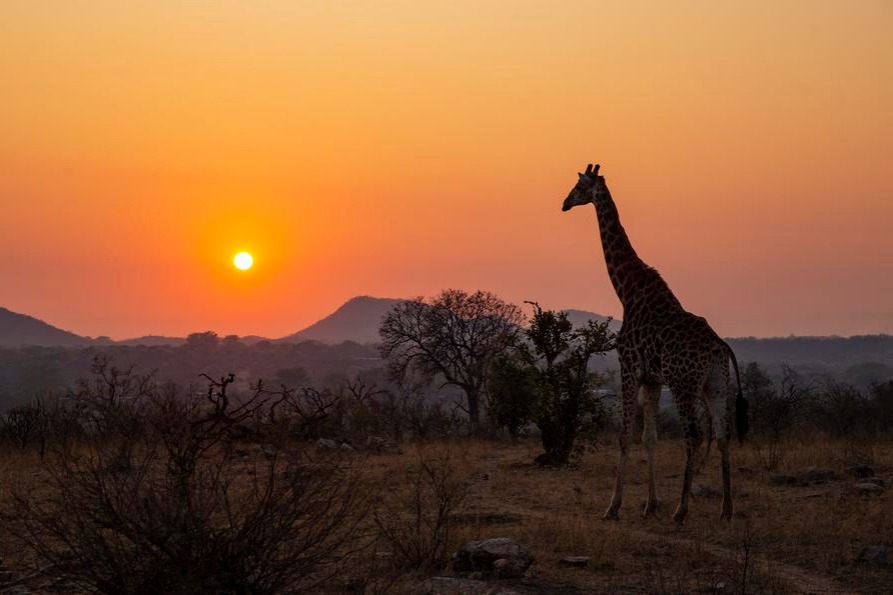
The African Union has rallied for enhanced continental collaboration to protect Africa’s biodiversity, as leaders, scientists, and policymakers convened in Gaborone, Botswana, for the first-ever Africa Biodiversity Summit. Held from Sunday to Wednesday, the summit, themed ‘Leveraging Biodiversity for Africa’s Prosperity,’ aimed to elevate biodiversity from a conservation concern to a strategic development priority, aligning with the AU’s Agenda 2063 vision of a prosperous and climate-resilient continent. Delegates from AU member states, regional economic communities, UN agencies, research institutions, civil society, and youth organizations participated in the event. The summit addressed the triple planetary crisis — biodiversity loss, climate change, and pollution — while highlighting Africa’s natural wealth as a cornerstone for economic growth and community well-being. According to the UN’s World Population Prospects report, Africa’s population, currently around 1.5 billion, is projected to reach 2.5 billion by 2050, intensifying pressure on biodiversity and nature’s capacity to sustain livelihoods. Rapid urbanization, deforestation, and unsustainable land use are exacerbating habitat loss, threatening species survival and undermining ecosystem services essential for food, water, and income. Harsen Nyambe, Director of Sustainable Environment and Blue Economy at the AU Commission, emphasized the urgency of collective action, describing Africa’s ecosystems as ‘lifelines’ critical to the continent’s identity and sustainability. He called for solutions rooted in African science, indigenous knowledge, and regional cooperation, urging that biodiversity be mainstreamed across sectors like agriculture, infrastructure, finance, and education. Miguel Cesar Domingos Bembe, representing Angola’s permanent representative to the AU, stressed that defending biodiversity is vital for Africa’s sovereignty, food security, and future prosperity. Botswana’s Permanent Secretary at the Ministry of Environment and Tourism, Boatametse Modukanele, urged stakeholders to translate knowledge into actionable results, emphasizing the need for community-level implementation of conservation frameworks.
-
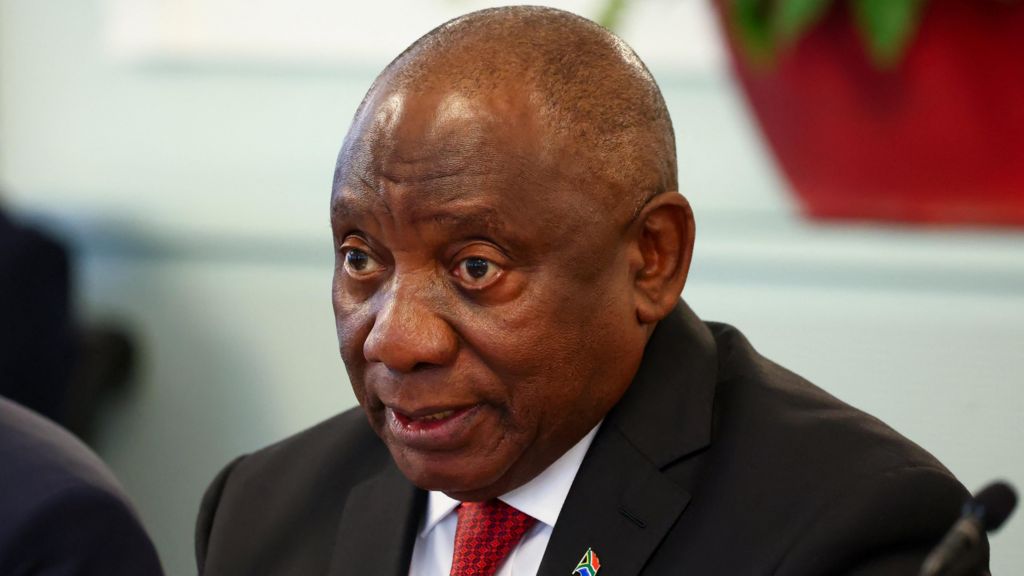
South Africa investigates how 17 men were duped into joining mercenaries in the Russia-Ukraine war
The South African government has launched an investigation into the alleged recruitment of 17 of its citizens as mercenaries in the ongoing Russia-Ukraine conflict. President Cyril Ramaphosa revealed that the men, aged between 20 and 39, were deceived into joining the war under the guise of lucrative employment contracts. After becoming trapped in Ukraine’s eastern Donbas region, they sought assistance to escape the conflict. While it remains unclear which side the men were fighting for, Russia has been accused of recruiting individuals from various countries, including South Africa, by offering false job opportunities. Additionally, Russia has been implicated in luring women from Africa to work in drone factories through misleading social media campaigns. President Ramaphosa condemned the exploitation of vulnerable individuals by foreign military entities and emphasized the government’s efforts to repatriate the affected citizens through diplomatic channels. This incident follows similar reports from India and Nepal, where citizens were allegedly recruited under false pretenses. An Associated Press investigation last year highlighted how hundreds of African women were tricked into working in a Russian drone plant amid the country’s wartime labor shortage. The South African government has since issued warnings about fraudulent job advertisements targeting young women.
-
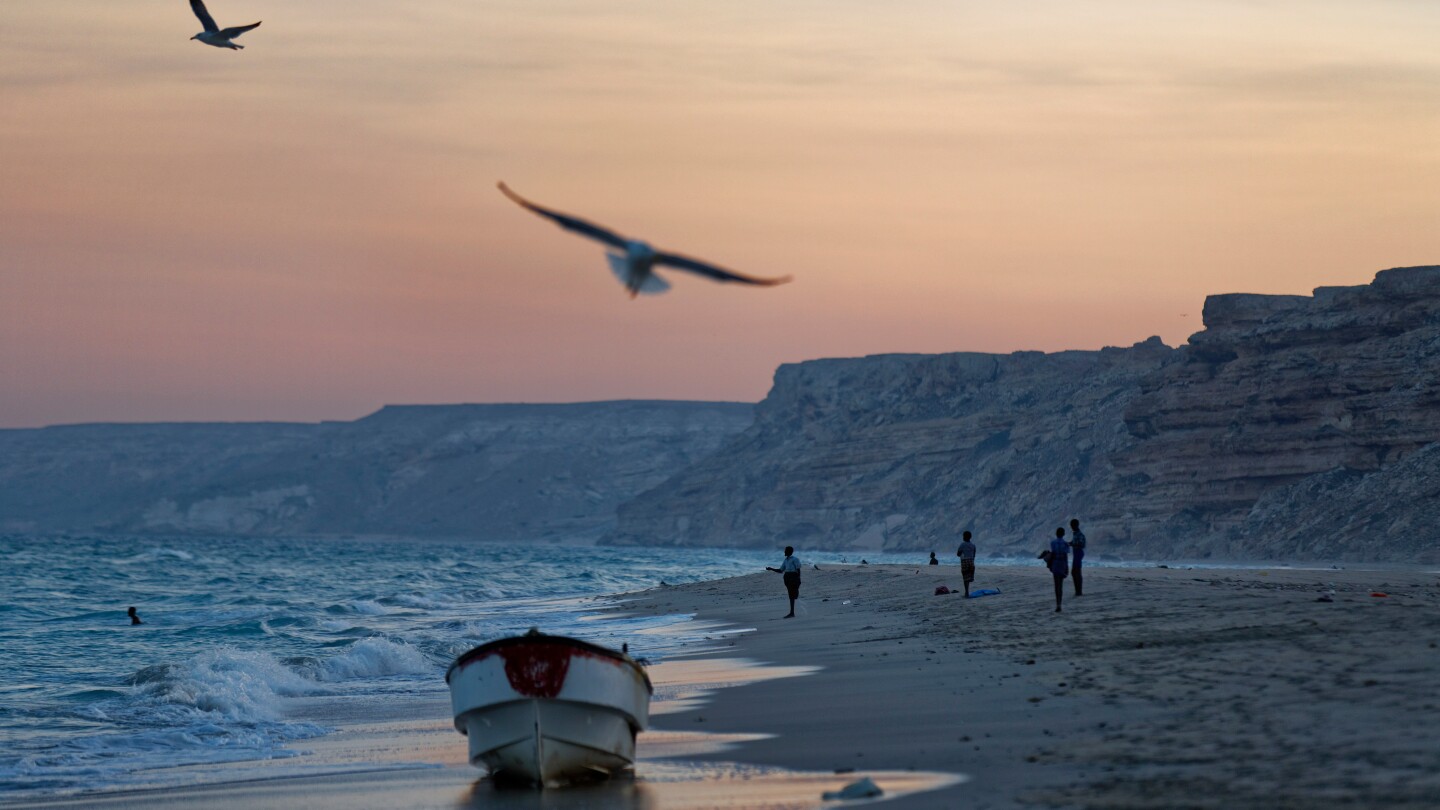
Attackers board a ship off the coast of Somalia after firing rocket-propelled grenades
In a brazen act of maritime piracy, attackers armed with machine guns and rocket-propelled grenades boarded a Malta-flagged tanker off the coast of Somalia on Thursday, according to British officials. The vessel, identified as the Hellas Aphrodite, was en route from Sikka, India, to Durban, South Africa, when it came under assault. The British military’s United Kingdom Maritime Trade Operations (UKMTO) center issued an alert, warning other ships in the area of the ongoing threat. Private security firm Ambrey confirmed the attack, attributing it to resurgent Somali pirates who have been increasingly active in the region. The attackers reportedly seized an Iranian fishing boat, the Issamohamadi, to use as a base of operations, though Iran has not officially acknowledged the incident. The Hellas Aphrodite’s crew of 24 mariners locked themselves in the ship’s citadel for safety during the attack, as the vessel lacked an armed security team. This incident follows a recent suspected pirate attack on the Cayman Islands-flagged Stolt Sagaland, where armed security forces engaged in a firefight with the assailants. Somali piracy, which peaked in 2011 with 237 attacks and $7 billion in global economic losses, had diminished due to international naval patrols and a stronger Somali government. However, piracy has resurged in recent months, partly fueled by regional instability caused by Yemen’s Houthi rebels and the ongoing Israel-Hamas conflict. In 2024 alone, seven incidents have been reported off Somalia, with multiple fishing boats seized by pirates.
-
South Africans trapped in Donbas after joining Russia-Ukraine war, Ramaphosa says
The South African government has disclosed that it has received distress calls from 17 of its citizens who were allegedly recruited as mercenaries in the ongoing Russia-Ukraine conflict. These individuals, aged between 20 and 39, are reportedly stranded in Ukraine’s war-torn Donbas region. President Cyril Ramaphosa has initiated an investigation into the circumstances surrounding their recruitment, which appears to have been facilitated under the guise of lucrative contracts. The government has not specified which side of the conflict these South Africans are fighting for, but it emphasized that such activities are illegal under South African law unless authorized by the government.
Vincent Magwenya, a government spokesperson, stated that the South African authorities are utilizing diplomatic channels to secure the safe return of these citizens. He also revealed that 16 of the men hail from KwaZulu-Natal, while one is from the Eastern Cape. President Ramaphosa has condemned the exploitation of vulnerable young people by foreign military entities, labeling it as a grave concern.
This incident comes amid broader geopolitical developments involving Russia’s expanding influence in Africa. The Africa Corps, a Russian mercenary group under the control of the Russian Ministry of Defence, has effectively replaced the Wagner Group in West Africa following the death of its leader, Yevgeny Prigozhin, in a plane crash. Additionally, the South African government had previously issued warnings about deceptive recruitment schemes targeting young women for jobs abroad, particularly in Russia. A BBC investigation uncovered that over 1,000 women from Africa and South Asia were recruited to work in weapons factories in Russia’s Alabuga Special Economic Zone.
In a related development, Kenyan police rescued over 20 individuals from a suspected human trafficking ring that lured them with job offers in Russia, only to intend sending them to fight in Ukraine. Ukraine has also reported holding citizens from various countries, including Somalia, Sierra Leone, Togo, Cuba, and Sri Lanka, in prisoner-of-war camps.
-
As Russian drone incursions rattle Europe, Poland and Romania deploy a new defensive system
In response to escalating Russian drone incursions into NATO airspace, Poland and Romania are deploying the American-made Merops system, an advanced AI-powered defense technology designed to identify and neutralize hostile drones. This move comes after a series of alarming incidents, including the penetration of Polish airspace by approximately 20 Russian drones in early September, which exposed vulnerabilities in NATO’s eastern flank. The Merops system, compact enough to fit in a midsize pickup truck, operates independently of satellite and electronic communications, making it highly effective in jamming environments. Denmark has also joined the initiative, signaling a broader effort to fortify NATO’s defenses against Russian aggression. The system’s deployment aims to create a robust deterrent along the alliance’s eastern border, stretching from Norway to Turkey. NATO officials emphasize that Merops offers cost-effective solutions compared to traditional methods, such as deploying multimillion-dollar fighter jets to counter low-cost drones. The technology has already proven effective in Ukraine, where it has been used to protect critical infrastructure and military operations. As drone warfare evolves rapidly, NATO is investing in a range of counter-drone technologies, including anti-drone missiles and collaborative EU efforts to establish a ‘drone wall’ along its eastern border. The alliance is also advocating for an Eastern Flank Deterrence Line, a layered defense network integrating advanced sensors and command systems. Despite Russia’s numerical advantage in deployable forces, NATO is leveraging its technological edge to offset this disparity. The Merops system represents the first phase of a multi-year defense strategy, with further developments expected in the coming years.
-

UN climate summit kicks off in Brazil’s Amazon with hopes for action despite US absence
As world leaders gather in Belem, Brazil, for the United Nations’ annual climate summit, COP30, the urgency of the global climate crisis is starkly visible. The Amazon rainforest, often referred to as the ‘lungs of the world,’ surrounds the city with its lush greenery and winding rivers. Yet, the view also reveals vast barren plains, a testament to the 17% of the Amazon’s forest cover lost over the past 50 years due to deforestation for agriculture, logging, and mining. This biodiverse ecosystem, crucial for absorbing carbon dioxide, has been increasingly threatened by wildfires and cattle ranching. Brazilian President Luiz Inácio Lula da Silva aims to use this summit to rally global support for halting the destruction of tropical rainforests and advancing critical climate goals. However, the absence of key leaders from the world’s largest polluters—China, the United States, and India—casts a shadow over the event. U.S. President Donald Trump’s withdrawal from the Paris Agreement and his administration’s absence from the summit have raised concerns about a potential global retreat from climate commitments. Meanwhile, Brazil faces its own contradictions as a major oil producer, with Lula’s decision to allow oil exploration near the Amazon River drawing criticism. Despite logistical challenges in hosting the summit in Belem, including a shortage of accommodations and surging prices, the event has become a platform for activists to voice their demands for climate justice and Amazon preservation. The freedom to protest in Brazil contrasts sharply with previous summits held in autocratic nations, offering a unique opportunity for dialogue and action.