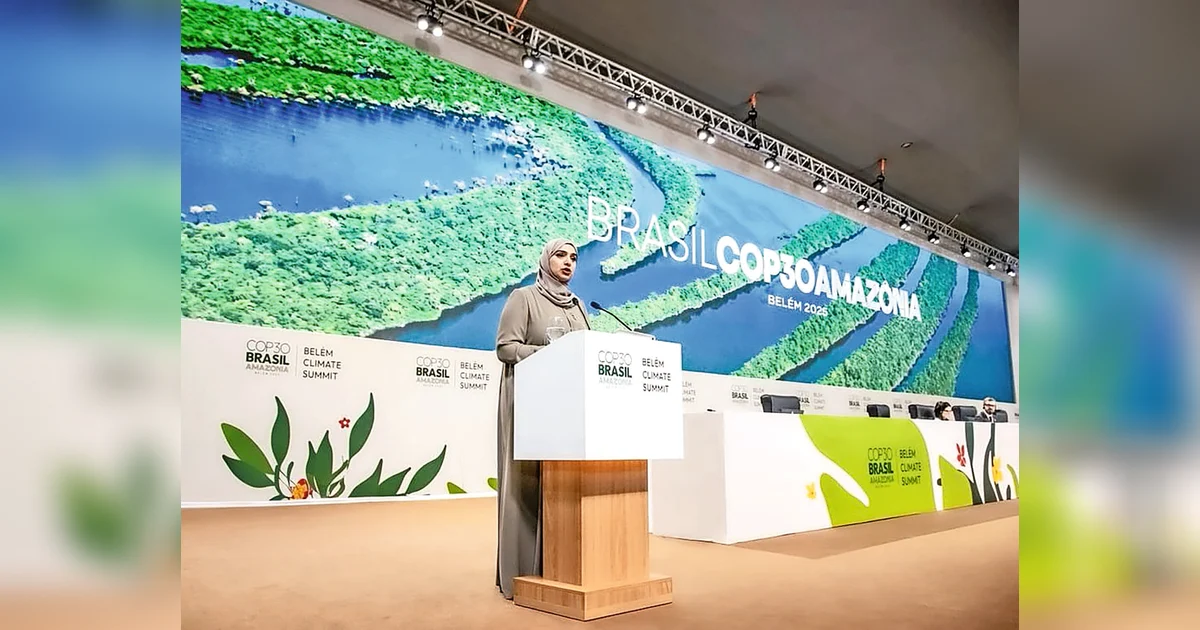
The Belém Climate Summit, held on November 6-7, 2025, in the Brazilian Amazon, marked a pivotal moment in the global fight against climate change. Convened by Brazil’s President Luiz Inácio Lula da Silva, the event brought together heads of state, ministers, and international leaders to address pressing environmental challenges and solidify commitments to sustainability. Representing the UAE, Dr. Amna bint Abdullah Al Dahak, Minister of Climate Change and Environment, and Razan Khalifa Al Mubarak, Special Envoy of the Minister of Foreign Affairs for Nature, underscored the nation’s leadership in climate action. Dr. Al Dahak delivered the UAE’s national statement, emphasizing transparency and the inclusion of all six greenhouse gases in the country’s climate reporting. She highlighted the UAE’s comprehensive efforts, including clean energy projects, agricultural transformation, and infrastructure initiatives, as a model for global sustainability. The minister urged nations to enhance their Nationally Determined Contributions (NDCs) and embrace adaptation indicators to measure collective progress. Razan Al Mubarak, at the launch of the Tropical Forests Forever Facility (TFFF), reiterated the UAE’s commitment to halting deforestation by 2030, a goal aligned with the COP28 UAE Consensus. The summit also focused on energy transition, with Dr. Al Dahak advocating for universal energy access and security while reaffirming the UAE’s pledge to limit global temperature rise to 1.5°C. The event served as a precursor to COP30, set to take place in Belém from November 6-21, 2025, where global leaders will discuss progress on climate finance and NDCs.
分类: world
-
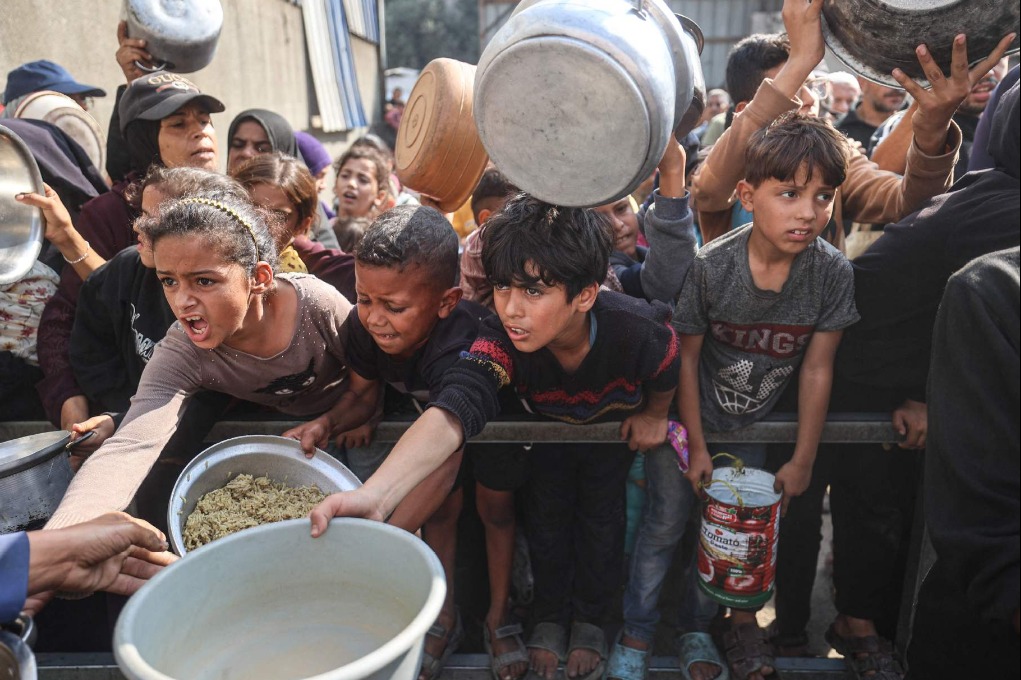
UN, partners feed over 1 mln people in Gaza since ceasefire: senior official
In a significant humanitarian effort, the United Nations and its partners have successfully provided food to over 1 million people in the Gaza Strip since the ceasefire between Israel and Hamas took effect one month ago. Tom Fletcher, UN Under-Secretary-General for Humanitarian Affairs, emphasized the ongoing commitment to saving lives and addressing critical needs in the region. Since the ceasefire on October 10, 2025, essential services have been restored, including the reopening of nutrition sites, increased hospital capacity, road clearance, and the resumption of vital immunization programs. Additionally, water lines have been repaired, and winter clothing, blankets, and mental health services have been distributed. Despite these efforts, challenges persist, including bureaucratic hurdles, limited access, and sporadic security incidents. UN teams continue to coordinate movements with Israeli authorities, though obstacles remain. Over the weekend, reports of shelling and navy fire were noted, albeit at reduced levels compared to pre-ceasefire conditions. The UN has also launched a catch-up campaign for routine immunization and nutrition, targeting 44,000 children who missed earlier vaccinations. Water trucking services have been expanded to 2,000 locations across Gaza, ensuring access to clean water for many.
-
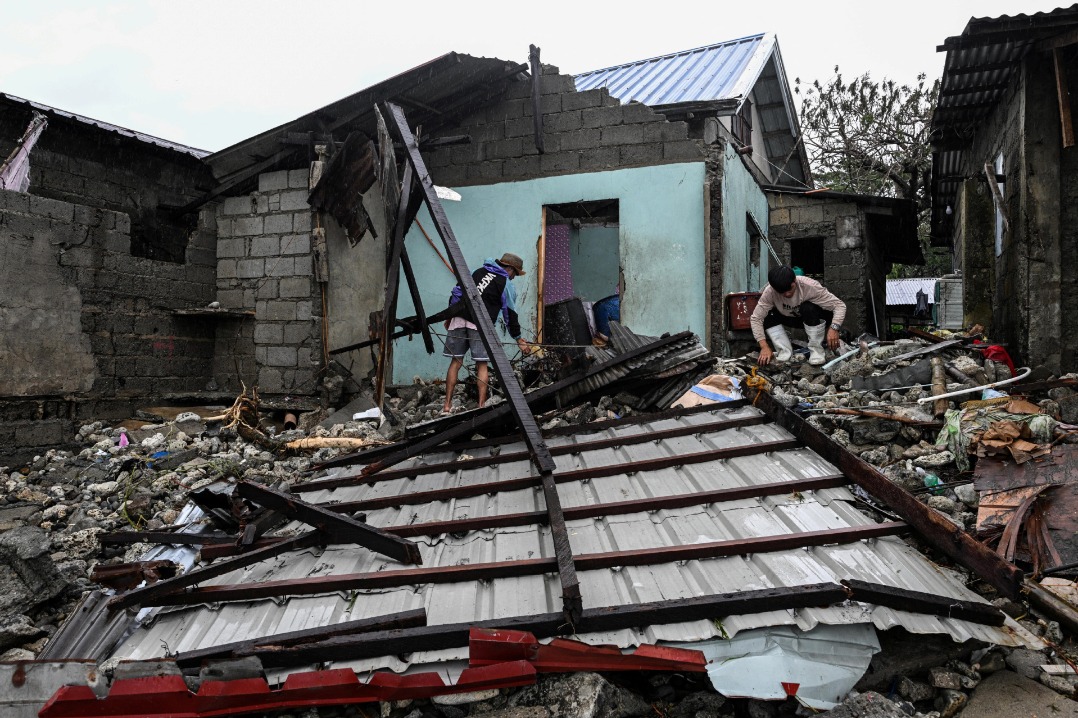
Death toll from 2 powerful storms in Philippines rises to 250
The Philippines is facing a humanitarian crisis as the death toll from two consecutive powerful storms has surged to 250, with millions displaced and widespread destruction reported. Authorities confirmed the grim statistics on Tuesday, highlighting the severe impact of Typhoon Kalmaegi and Super Typhoon Fung-wong. Typhoon Kalmaegi, which struck on November 4, unleashed catastrophic flooding and mudslides in the central Philippines, resulting in 232 fatalities and leaving 112 individuals unaccounted for. The hardest-hit region was Cebu province, which is still recovering from a devastating magnitude 6.9 earthquake that occurred on September 30. Meanwhile, Super Typhoon Fung-wong, which made landfall on Luzon Island on Sunday, claimed at least 18 lives. The dual storms have caused unprecedented damage, destroying homes, agricultural lands, and critical infrastructure such as roads and bridges. Fung-wong marks the 21st tropical cyclone to hit the Philippines this year, exceeding the nation’s annual average of 20 storms. The scale of the disaster has overwhelmed local authorities, who are now focused on rescue and relief operations to assist the millions affected by these calamities.
-

Delhi blast: Red fort to be closed for 3 days; security officials arrive for meeting
In the wake of a recent explosion in Delhi, authorities have announced the temporary closure of the iconic Red Fort for three days. The decision comes as a precautionary measure to ensure public safety and facilitate thorough security assessments. High-ranking security officials have convened an emergency meeting to discuss the incident and strategize on enhancing protective measures across the city. The blast, which occurred in a densely populated area, has raised concerns about potential threats to national security. While details of the explosion remain under investigation, the government has urged citizens to remain vigilant and report any suspicious activities. The Red Fort, a UNESCO World Heritage Site and a symbol of India’s rich history, attracts thousands of visitors daily, making its security a top priority. The closure is expected to impact tourism and local businesses, but officials emphasize that public safety takes precedence. This incident underscores the ongoing challenges in maintaining security in urban centers and highlights the need for robust counter-terrorism strategies.
-

COP30: The Amazon calls for climate action
The 30th UN Climate Change Conference (COP30) commenced on November 10, 2025, in Belém, Brazil, marking a pivotal moment in the global fight against climate change. Hosted at the gateway to the Amazon rainforest, the summit brings together leaders from nearly 200 countries to accelerate efforts on emissions reduction, renewable energy, and climate justice. This year’s conference holds particular significance as it returns to Brazil, the birthplace of the UN Framework Convention on Climate Change (UNFCCC) signed at the 1992 Rio Earth Summit. COP30 is not just another diplomatic gathering but a reckoning with unmet promises and a call for concrete action. Brazil’s presidency has emphasized the need to deliver on past commitments, including phasing out fossil fuels, scaling up renewable energy, and mobilizing climate finance for developing economies. The summit is expected to acknowledge the world’s failure to stay below the 1.5°C threshold, a critical tipping point for catastrophic climate impacts. COP30 also highlights the importance of protecting natural ecosystems, with a focus on inclusion, equity, and environmental justice. The event’s agenda is structured around six key themes: emissions reduction, adaptation, climate finance, renewable energy, biodiversity preservation, and climate justice. Thematic days will delve into topics such as cities, infrastructure, health, energy transition, and food systems, with a closing emphasis on the role of science and technology in driving climate solutions. Participants include representatives from governments, NGOs, academia, and civil society, with a strong presence from the Global South, including the BASIC group (Brazil, South Africa, India, and China). As the first COP held in the Amazon, COP30 symbolizes the urgent need to protect the planet’s vital ecosystems and ensure a sustainable future for all.
-

From host to influencer: How the UAE is steering the next chapter of global climate action
The United Arab Emirates (UAE) has transitioned from hosting COP28 in Dubai to becoming a pivotal influencer in global climate diplomacy. Building on the legacy of COP28, which marked the first global stocktake under the Paris Agreement and introduced the UAE Consensus on transitioning away from fossil fuels, the UAE is now steering international dialogue on climate finance, innovation, and sustainable development. As part of the COP Troika alongside Brazil and Azerbaijan, the UAE is ensuring policy continuity and pushing for tangible progress ahead of COP30 in Belém, Brazil. The UAE’s $30 billion climate investment fund, aimed at mobilizing $250 billion in global climate solutions by 2030, underscores its commitment to action. Domestically, the UAE is advancing renewable energy projects, such as the Mohammed bin Rashid Al Maktoum Solar Park, and leading initiatives like the Global Cooling Pledge. Its inclusive approach bridges developed and developing economies, emphasizing equitable climate progress. The UAE’s efforts in mangrove restoration, water efficiency, and urban sustainability further solidify its role as a model for adaptation and resilience. As the world prepares for COP30, the UAE’s diplomatic consistency and pragmatic vision position it as a trusted partner in shaping the future of global climate action.
-
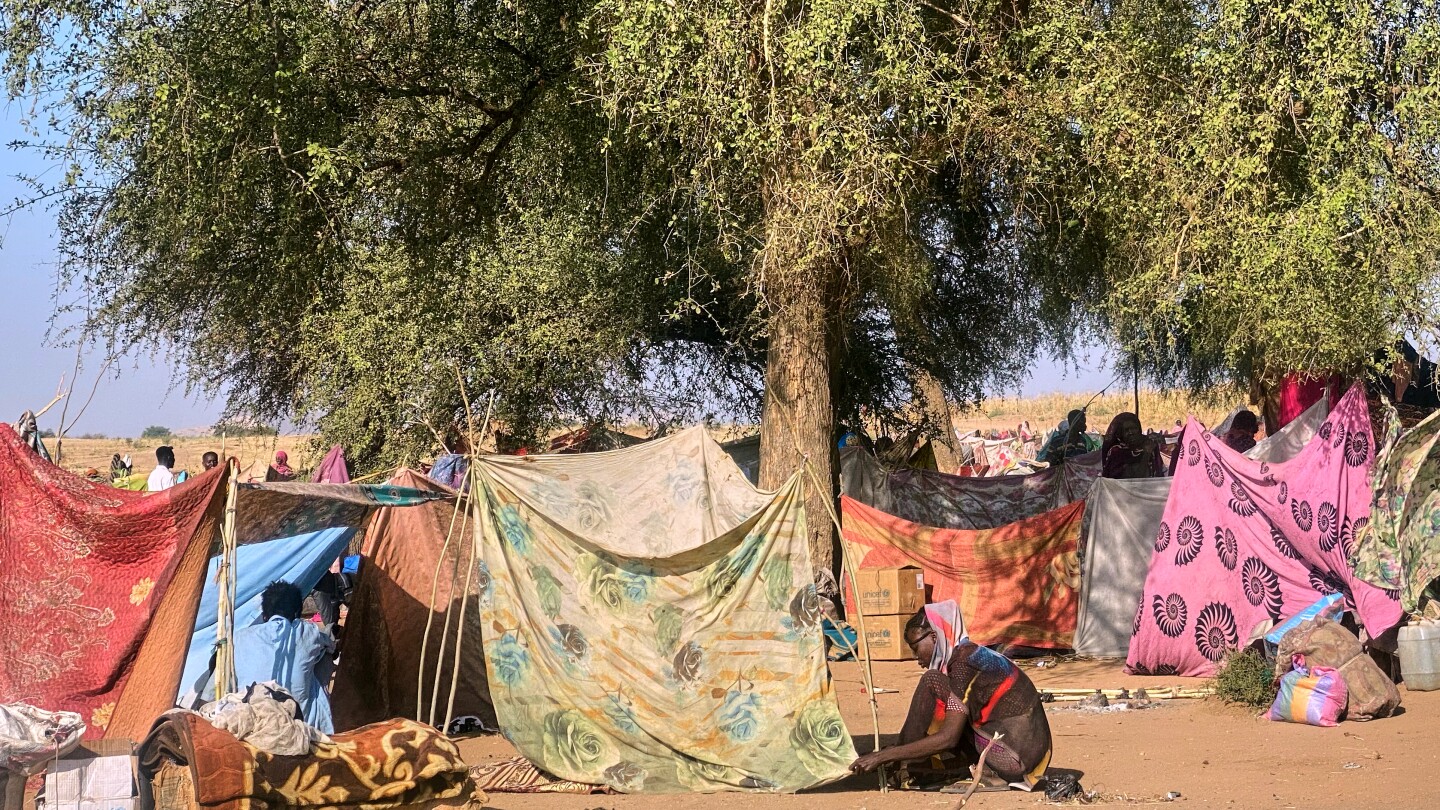
Sudan relief operations are ‘on the brink of collapse,’ UN migration agency warns
The International Organization for Migration (IOM) issued a stark warning on Tuesday, highlighting the dire state of humanitarian operations in Sudan’s war-torn North Darfur region. The agency emphasized that unless immediate funding and secure access for relief supplies are guaranteed, aid efforts could grind to a complete halt.
-
Exiled Syrian opens up about death-defying smuggling operation that showed proof of Assad’s cruelty
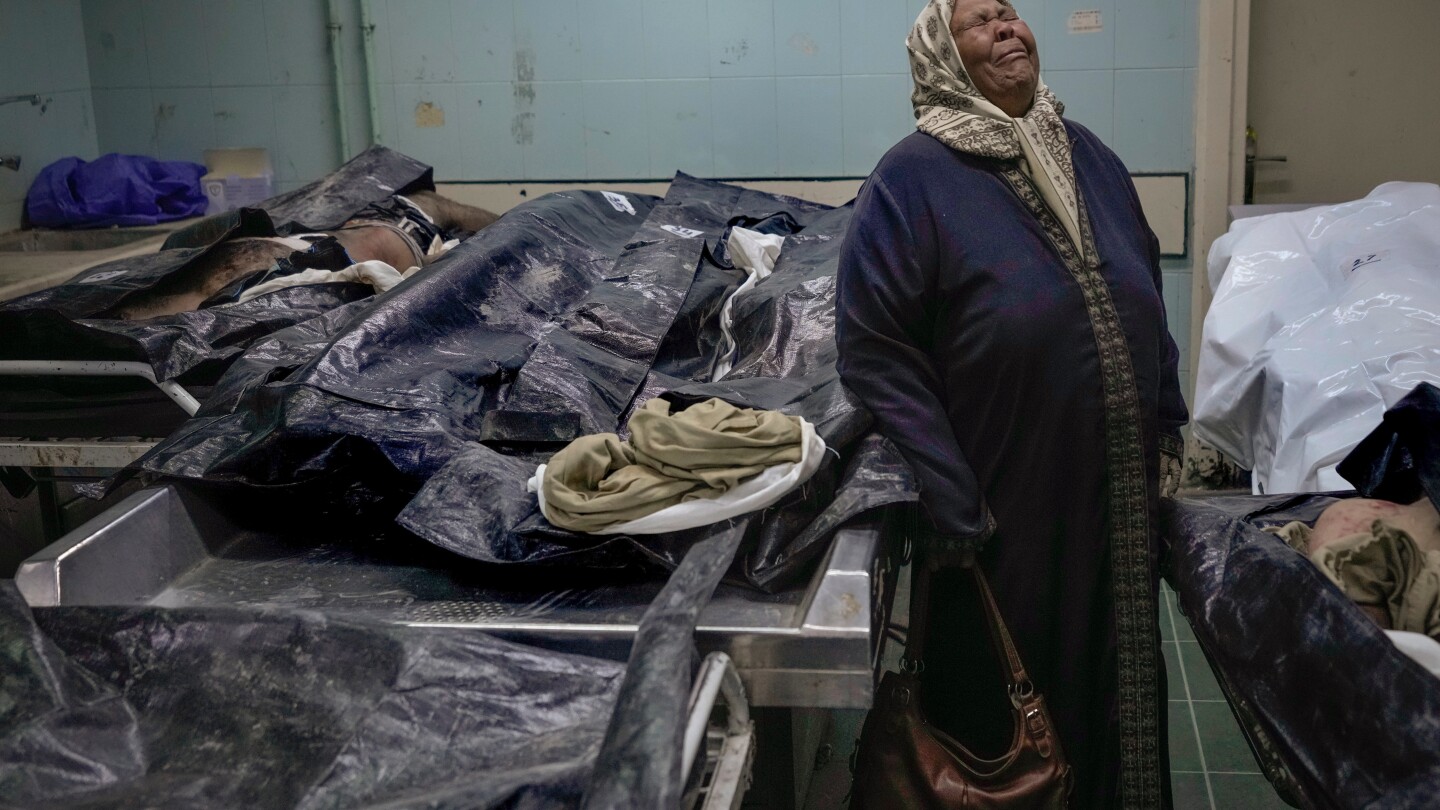
In a daring act of defiance against the Syrian dictatorship, Ussama Uthman, now 59, and his brother-in-law Farid al-Mazhan risked their lives to smuggle out over 53,000 photographs documenting the systematic torture and extrajudicial killings ordered by President Bashar Assad’s regime. The operation, known as the Caesar Files, began in 2011 during the Arab Spring, when protests in Syria were met with brutal government crackdowns. Uthman, a construction engineer, and al-Mazhan, a military police officer, secretly coordinated to gather and transport evidence of the regime’s crimes, including images of broken bodies and torture sites. The photos, which began appearing online in 2014, spurred international condemnation, U.S. sanctions, and legal actions against former Syrian officials. Uthman and his family eventually fled to France, where they continued their mission to expose Assad’s atrocities. Despite the fall of Assad’s regime in a surprise rebel offensive last year, the team remains committed to seeking justice for the victims and their families. Their efforts have provided crucial evidence for prosecuting war crimes and helping Syrians uncover the fates of their missing loved ones. The Caesar Files team, now expanded to 60 members, continues to document new evidence, ensuring that Assad’s crimes are not forgotten.
-
Death toll from capsized boat with Myanmar migrants climbs to 26 as more bodies recovered
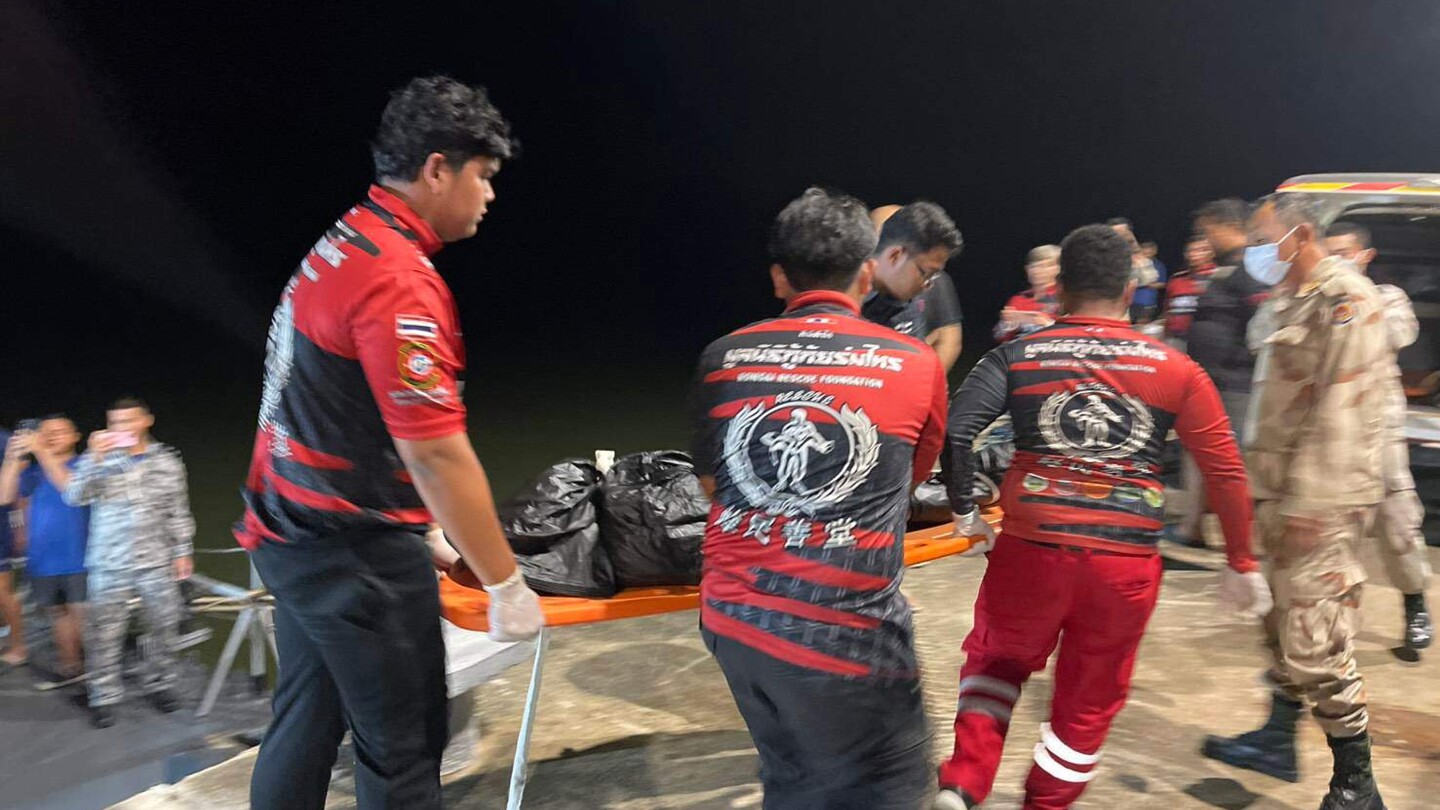
The death toll from a capsized boat carrying Rohingya migrants from Myanmar has climbed to 26, as rescue teams from Thailand and Malaysia recovered additional bodies at sea. The Malaysian Maritime Enforcement Agency reported that eight more bodies were found off northern Langkawi island, bringing the total to 20 deaths, including seven men, nine women, and four children, alongside 14 survivors. Meanwhile, the Romsai Rescue Foundation in Thailand’s Satun province discovered six bodies in Thai waters, with identification documents suggesting the victims were Rohingya refugees from the same vessel. Malaysian authorities estimate that approximately 70 people were aboard the ill-fated boat, based on survivor accounts. The incident is believed to be part of a larger operation involving a vessel carrying around 300 people from Myanmar’s Rakhine state, which split into three smaller boats near Malaysia. One of these boats reportedly sank near Thailand’s Tarutao island. The United Nations refugee agency and the International Organization for Migration have expressed deep concern over the tragedy, urging enhanced search-and-rescue efforts and safer asylum pathways. This year alone, over 5,300 Rohingya refugees have undertaken perilous sea journeys, with more than 600 reported missing or dead. Escalating conflicts in Myanmar and deteriorating conditions in Bangladesh’s refugee camps have exacerbated the crisis, pushing more vulnerable individuals, including women and children, to risk their lives at sea. Malaysia, a favored destination for Rohingya due to its Muslim-majority population, has historically accepted refugees on humanitarian grounds but has recently tightened restrictions to prevent mass arrivals.
-
Suicide bombing in Islamabad kills 12, says Pakistan’s interior minister
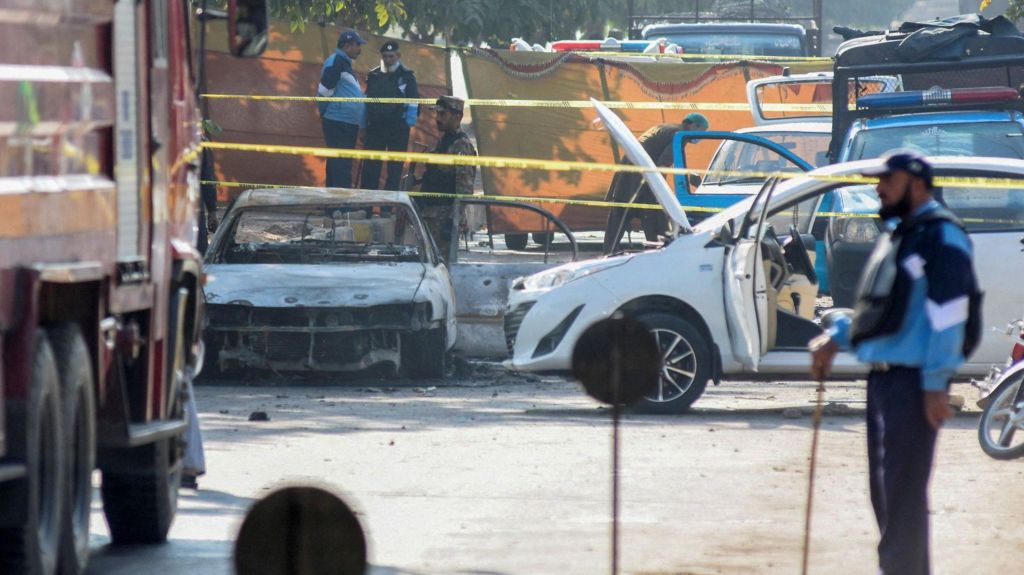
A devastating suicide attack occurred outside a district courthouse in Islamabad, Pakistan, resulting in the deaths of 12 individuals and injuring at least 27 others, according to Interior Minister Mohsin Naqvi. The bomber, who failed to enter the courthouse, detonated the explosive near a police vehicle after waiting for approximately 15 minutes. Authorities are now focusing on identifying the perpetrator and ensuring that all involved parties face justice. This incident marks a rare occurrence of such violence in Islamabad in recent years. Footage from the scene depicted a burnt-out car and a police cordon. The injured are currently receiving medical treatment. Pakistani President Asif Ali Zardari strongly condemned the attack, labeling it a heinous act. Witnesses described the chaos that ensued, with one lawyer, Rustam Malik, recounting the scene of panic and destruction, including bodies at the gate and burning vehicles.