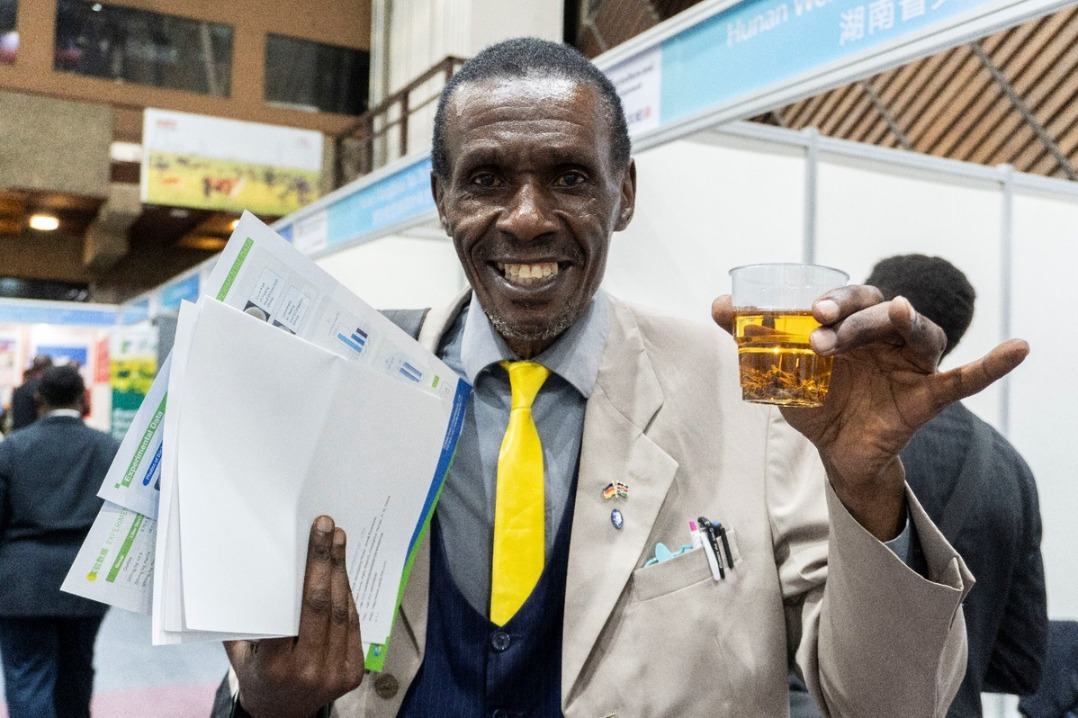
The 2025 Africa International Agricultural Expo, held from October 28 to 31 in Nairobi, Kenya, has emerged as a pivotal event in fostering Sino-Africa cooperation in agriculture. As Africa grapples with food insecurity and strives to build resilient agricultural systems, the expo has provided a platform for policymakers, investors, researchers, and farmers to exchange innovations, explore business opportunities, and establish partnerships. Organized by Hunan Hongxing International Exhibition and Agri-Africa Exhibition, with support from Kenya’s Ministry of Agriculture and Livestock Development, the event has drawn over 150 exhibitors and 100 international delegations, marking a significant step in positioning Kenya as a regional hub for agri-business and innovation. Kipronoh Ronoh, principal secretary in Kenya’s State Department of Agriculture, highlighted the expo’s role in promoting innovation, technology adoption, and market access as key drivers of agricultural transformation. Chinese Ambassador to Kenya, Guo Haiyan, emphasized Africa’s untapped agricultural potential, citing its fertile land, year-round sunshine, and youthful population. However, she acknowledged the continent’s challenges, including limited access to technology, financing, and markets, as well as the impacts of climate change. Drawing parallels to China’s agricultural transformation over the past five decades, Guo expressed China’s commitment to sharing its expertise in innovation, technology transfer, and market reforms to support Africa’s agricultural development. The expo underscores the growing agricultural partnership between China and Africa, reflecting a shared vision for sustainable growth and food security.
分类: world
-
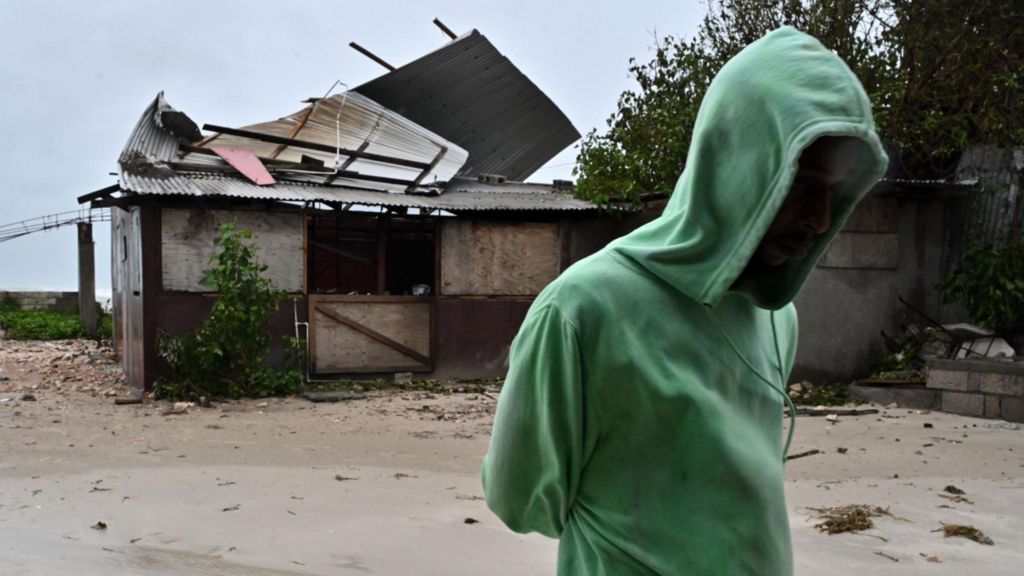
UK to provide £2.5m in support to Jamaica after hurricane
The UK has pledged £2.5 million in emergency humanitarian funding to Jamaica in the wake of the catastrophic damage caused by Hurricane Melissa. The Foreign, Commonwealth and Development Office (FCDO) announced the aid package, which includes essential supplies such as shelter kits, water filters, and blankets. Additionally, UK relief teams and technical experts have been deployed to assist with disaster response and recovery efforts. During Prime Minister’s Questions, Sir Keir Starmer expressed deep concern over the ‘truly shocking’ scenes of destruction emerging from Jamaica. The UK has also pre-positioned the naval vessel HMS Trent in the region to provide further support. With an estimated 8,000 British nationals in Jamaica, the FCDO has urged them to register their presence for updates and assistance. A specialist consular team has been dispatched to Miami to aid affected British citizens. Hurricane Melissa, now a Category 3 storm, initially struck Jamaica’s southern coast with winds reaching 295 km/h (185 mph), surpassing the intensity of Hurricane Katrina in 2005. The storm has left three-quarters of the island without power, flooded vast areas, and caused significant damage to homes, hospitals, and businesses. Jamaican Prime Minister Andrew Holness declared the island a ‘disaster area,’ warning of ongoing severe impacts. Families in the UK have struggled to contact loved ones in Jamaica, with many reporting failed communication attempts. The National Hurricane Center has warned of continued heavy rainfall, flash flooding, and landslides, particularly in mountainous regions, which could persist into Wednesday night.
-

British man accused of spying for Russia arrested in Ukraine
A British national has been arrested by Ukrainian security forces on allegations of espionage for Russia, according to the Kyiv Prosecutor’s Office. The unnamed individual, who entered Ukraine in January 2024, initially served as a military instructor in Mykolaiv, a city close to the southern front lines. Later, he was employed by Ukrainian border units. Prosecutors claim that the man ceased his instructional duties in September 2024 and relocated to Odesa, where he allegedly established contact with a Russian intelligence operative, agreeing to exchange military intelligence for financial compensation. Evidence presented by Ukrainian authorities indicates that in May 2025, the Briton transmitted sensitive information, including the locations of Ukrainian military units, photographs of training facilities, and personal data of military personnel. Additionally, he is accused of attempting to access military units, gathering intelligence on Odesa’s infrastructure, and discussing the potential use of explosive devices. For one of these tasks, he reportedly received $6,000. The Security Service of Ukraine (SBU) further alleges that the man was preparing to carry out terrorist attacks and had advertised his espionage services in pro-Kremlin online groups. He was detained at his temporary residence in Kyiv and is currently held without bail as the pre-trial investigation continues. If convicted, he could face up to 12 years in prison. The British Foreign Office has been approached for comment.
-
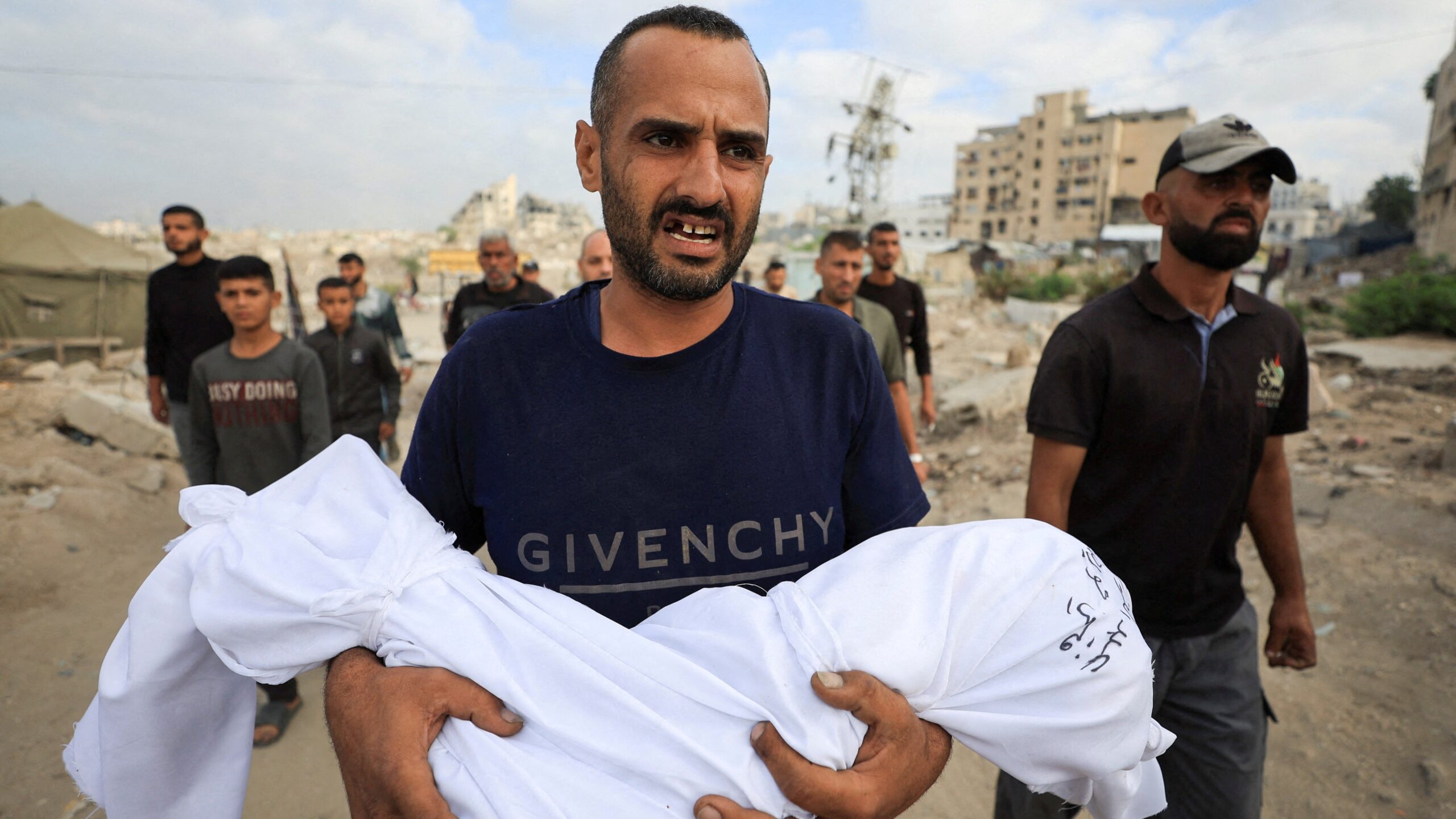
Israel kills 100, including 35 children, in night of heavy Gaza bombardment
In a devastating escalation of violence, Israeli military forces conducted a series of air strikes across the Gaza Strip on Tuesday and Wednesday, resulting in the deaths of more than 100 Palestinians, including 35 children. The attacks targeted key areas such as Gaza City, Khan Younis, and refugee camps in central Gaza, striking homes, tents, and even the courtyard of a hospital. The death toll is anticipated to rise as many of the wounded are in critical condition, and others remain trapped under the rubble. The director of Al-Shifa hospital in Gaza City described the health situation as ‘catastrophic,’ citing a severe shortage of medical supplies and medicines to treat the injured. The Palestinian Civil Defence has urgently called for an ‘immediate and comprehensive ceasefire.’ After nearly 12 hours of intense bombing, the Israeli military announced the reimposition of the ceasefire at 10 am local time. Israel accused Hamas of violating the ceasefire, pointing to an alleged attack on troops in Rafah that resulted in the death of one soldier and delays in the return of dead captives. Hamas denied involvement in the Rafah incident, attributing the delay to logistical challenges known to both Israel and the United States. US President Donald Trump supported Israel’s actions, stating it had ‘the right to retaliate’ and warning that Hamas could be ‘eliminated’ if it fails to comply with the ceasefire. The Popular Front for the Liberation of Palestine (PFLP) condemned the strikes, holding the US administration ‘fully responsible’ for the massacre and criticizing Trump’s statements as political cover for Israel’s actions. According to the Gaza-based Government Media Office, Israel has committed at least 125 ceasefire violations since October 11, resulting in over 180 deaths and 300 injuries. Israel has also continued to restrict aid entry and keep the Rafah crossing closed, further violating the ceasefire agreement.
-
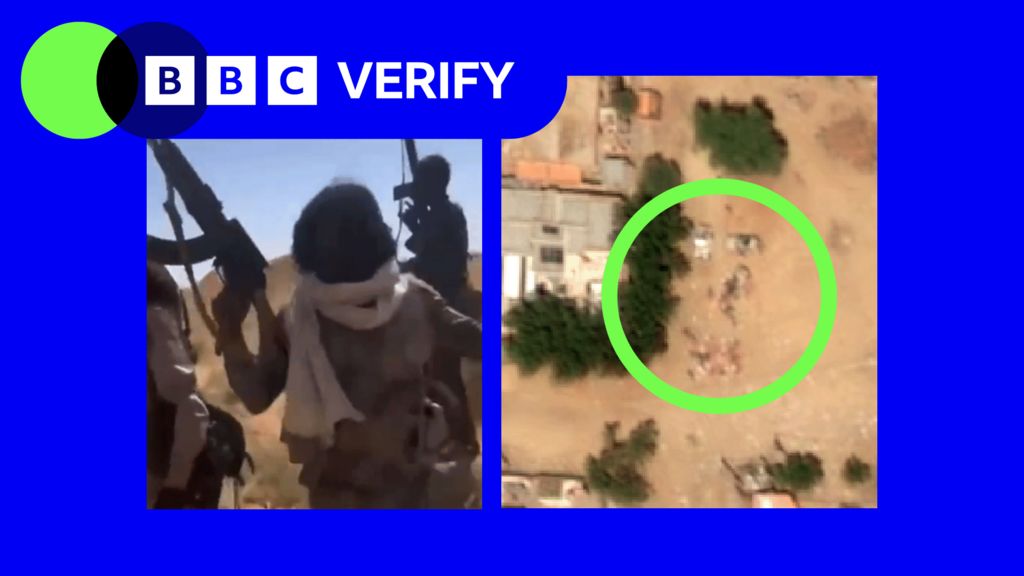
New videos show executions after militia takes key Sudan city
The Rapid Support Forces (RSF), a paramilitary group engaged in Sudan’s protracted civil war, have been accused of executing unarmed civilians following their capture of the strategic city of el-Fasher. Newly analyzed videos by BBC Verify depict men in military attire, some bearing RSF insignia, carrying out acts of extreme violence. The UN’s Sudan coordinator, Denise Brown, confirmed receiving credible reports of summary executions in the city, labeling such acts as war crimes under the Geneva Convention. The RSF, however, denies targeting civilians, with adviser Imran Abdullah stating their focus remains on military objectives. The conflict, which erupted in 2023, has claimed over 150,000 lives and displaced approximately 12 million people. Satellite imagery analyzed by Yale University’s Human Rights Laboratory suggests mass killings in el-Fasher, with clusters consistent with human bodies visible in recent images. Despite these findings, BBC Verify cannot independently confirm the exact nature of the events due to the lack of on-the-ground footage. The RSF, which controls much of Darfur and Kordofan, has a history of ethnically motivated violence, with analysts attributing some actions to the group’s decentralized structure. The Sudanese Armed Forces (SAF) have regained control of key areas, including the capital Khartoum, but el-Fasher’s fall marks a significant shift in the conflict’s dynamics. Both sides have been accused of war crimes, with the US previously labeling RSF actions as genocide.
-
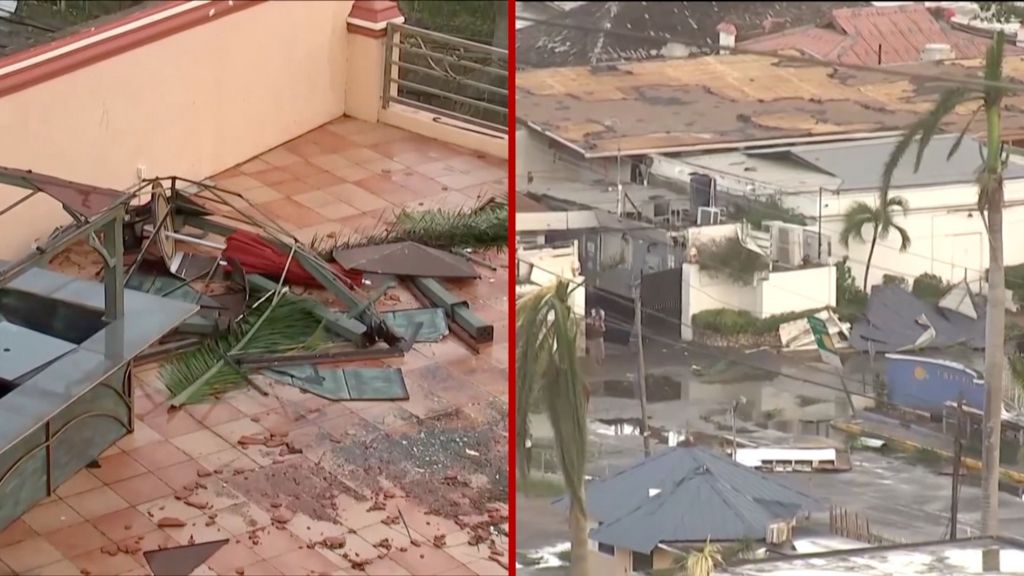
Watch: Aftermath of Hurricane Melissa as Montego Bay devastated
Montego Bay, a once-thriving coastal city in Jamaica, now lies in ruins following the catastrophic impact of Hurricane Melissa. The Category Five storm, one of the most powerful to hit the region in recent history, has left widespread destruction in its wake. Large swathes of Jamaica are grappling with prolonged power outages, as critical infrastructure has been severely damaged. Emergency services are working tirelessly to restore electricity and provide aid to affected communities. The hurricane’s ferocious winds and torrential rains have uprooted trees, demolished homes, and flooded streets, leaving residents in a state of despair. Authorities have issued warnings about potential health risks due to contaminated water and limited access to medical facilities. The international community has begun mobilizing relief efforts, but the road to recovery appears long and arduous. This disaster underscores the increasing intensity of tropical storms in the Caribbean, attributed to climate change, and highlights the urgent need for enhanced disaster preparedness in vulnerable regions.
-
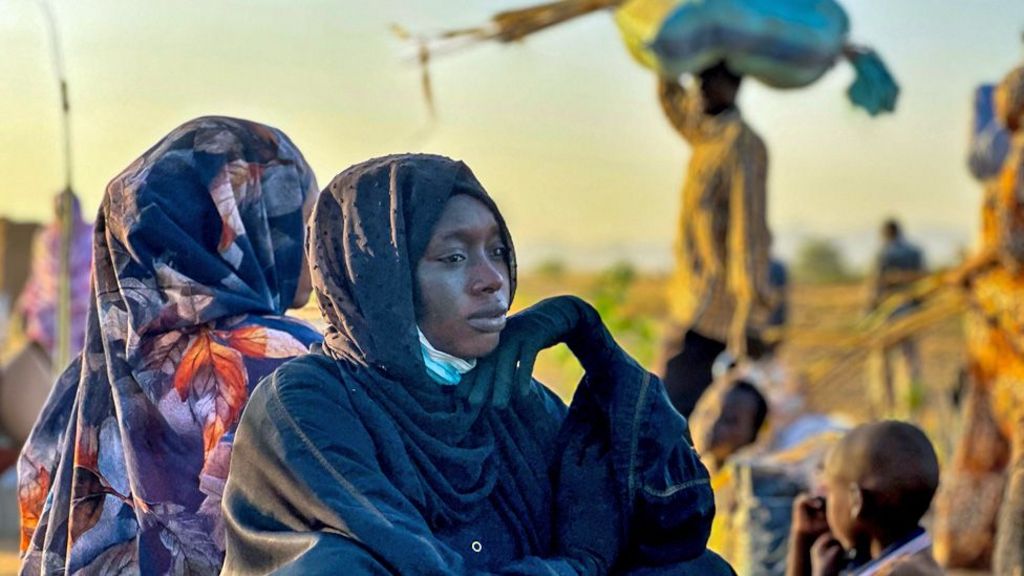
A simple guide to what is happening in Sudan
Sudan, a nation in northeast Africa, has been engulfed in a devastating civil war since April 2023, triggered by a power struggle between the Sudanese Armed Forces (SAF) and the Rapid Support Forces (RSF), a powerful paramilitary group. The conflict has resulted in over 150,000 deaths and displaced approximately 12 million people, creating what the United Nations has termed the world’s largest humanitarian crisis. The war has exacerbated existing poverty, with state revenues plummeting by 80% in 2024, further crippling the nation’s economy. The roots of the conflict trace back to the 2019 ousting of long-time President Omar al-Bashir, followed by a series of coups and failed attempts at establishing a civilian-led government. The current war is fueled by disagreements between SAF leader Gen Abdel Fattah al-Burhan and RSF leader Gen Mohamed Hamdan Dagalo, particularly over the integration of the RSF into the national army. The RSF, which originated from the notorious Janjaweed militia, has been accused of committing atrocities, including genocide and ethnic cleansing in Darfur. The conflict has seen the RSF gain control of key territories, including el-Fasher, while the SAF retains dominance in the north and east. International efforts to broker peace have failed, with both sides showing little willingness to compromise. The humanitarian situation is dire, with over 24 million people facing acute food insecurity and aid operations severely hampered. The international community’s response has been criticized as inadequate, with calls for urgent action to prevent further catastrophe.
-
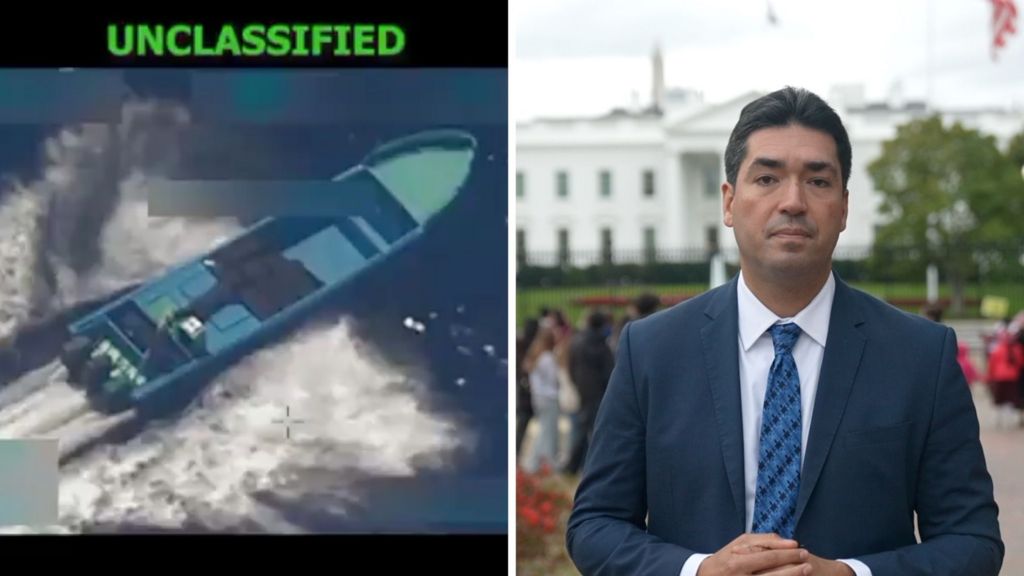
What we know about US strikes targeting alleged drug boats
Recent US military operations targeting suspected drug trafficking vessels in the Caribbean and Pacific have resulted in significant casualties, with at least 57 individuals reported dead. The BBC’s Bernd Debusmann has analyzed video footage of the strikes, shedding light on the intensity and scope of these operations. The strikes, aimed at disrupting illegal drug networks, have sparked widespread debate over their legality and humanitarian implications. While US officials argue that these actions are necessary to combat transnational crime, critics question the collateral damage and the lack of transparency surrounding the missions. The incidents highlight the ongoing challenges in addressing drug trafficking and the complex ethical dilemmas involved in such military interventions.
-

Global forum explores Xizang’s modernization
A significant international forum, the ‘2025 Forum on the Development of Xizang, China,’ convened in Nyingchi city, Southwest China’s Xizang autonomous region, on Wednesday. The event, organized by the Xizang regional government, attracted over 400 participants from 44 countries and regions, including government officials, diplomats, experts, and media representatives. The forum, themed ‘Discovering a beautiful Xizang and writing a new chapter on the plateau,’ focused on key areas such as international communication, the Communist Party of China’s (CPC) governance guidelines, Xizang’s image-building, and its development philosophies and practical pathways. Mo Gaoyi, deputy head of the Publicity Department of the CPC Central Committee and director of the State Council Information Office, emphasized the importance of Xizang’s modernization as China formulates its 15th Five-Year Plan. He highlighted the exchange of governance experiences, improving people’s well-being, and enhancing civilizational exchanges. Shahbaz Khan, director of the UNESCO Regional Office for East Asia, praised Xizang’s transformation, noting its modern infrastructure and expanded opportunities. The forum, which has been held since 2007, included four sub-forums on international communication, sustainable local industries, youth engagement, and environmental protection. Prior to the main event, participants visited a high-altitude pasture, a local village, and a wetland park in Nyingchi.
-
Sudan’s paramilitary killed hundreds including hospital patients in Darfur, residents say
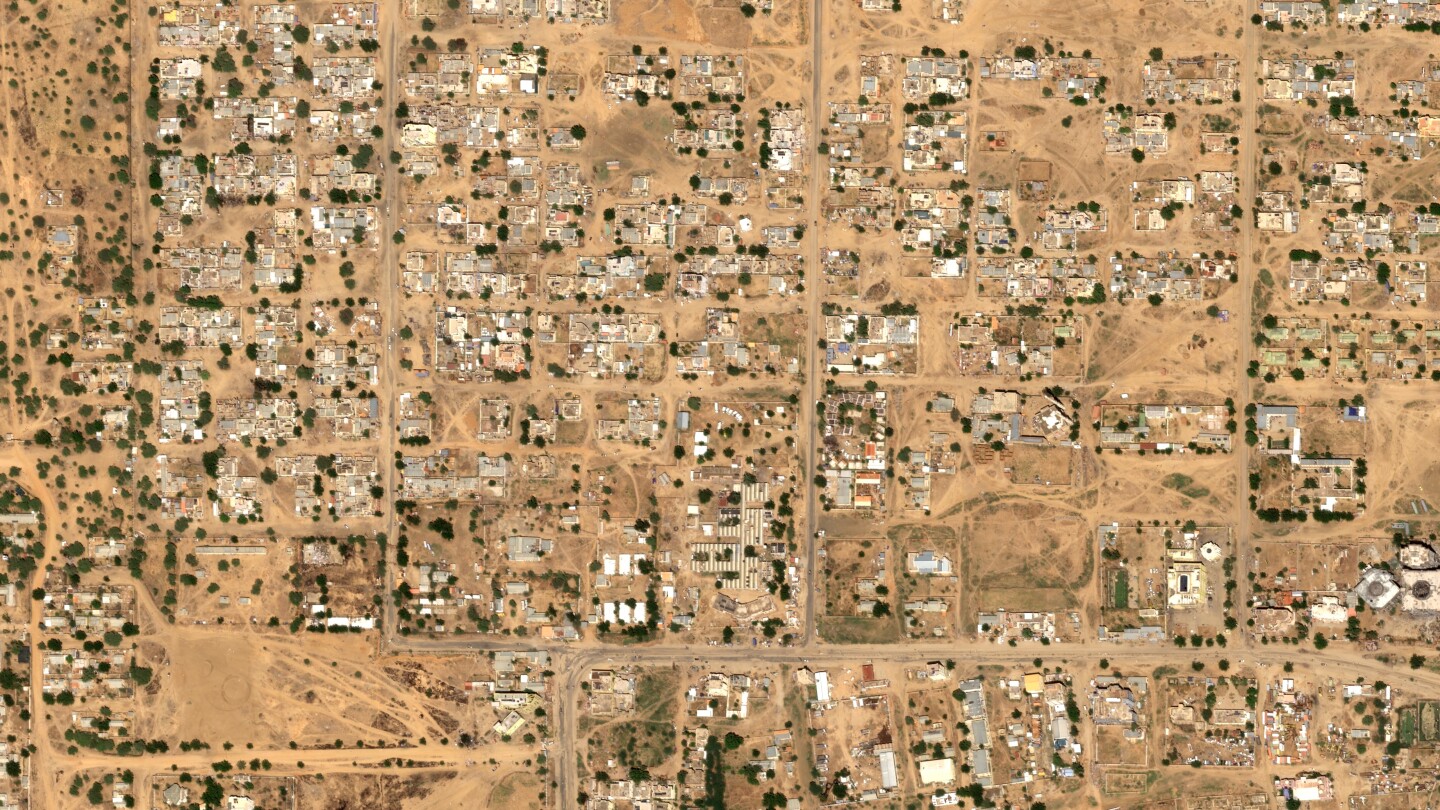
In a harrowing escalation of violence, Sudan’s Rapid Support Forces (RSF) have been accused of committing mass atrocities in el-Fasher, the capital of North Darfur, over the weekend. According to the United Nations, displaced residents, and aid workers, the RSF killed hundreds of people, including patients in the Saudi Maternity Hospital. Tedros Adhanom Ghebreyesus, Director-General of the World Health Organization (WHO), expressed profound shock, stating that 460 patients and companions were reportedly massacred. The Sudan Doctors Network corroborated these reports, describing the killings as cold-blooded executions of everyone inside the hospital. Witnesses recounted RSF fighters going house-to-house, beating and shooting civilians, including women and children, with many dying in the streets as they attempted to flee. Satellite imagery from the Yale School of Public Health’s Humanitarian Research Lab (HRL) corroborated mass killings around the hospital and other locations, suggesting systematic executions. The RSF’s actions have drawn global condemnation, with France, Germany, the UK, and the EU denouncing the atrocities. Human Rights Watch’s Mohamed Osman emphasized the urgent need for international intervention to protect civilians. U.S. Senator Jim Risch called for the RSF to be designated as a foreign terrorist organization, citing its role in genocide and unspeakable crimes against the Sudanese people. Aid groups warn of a catastrophic humanitarian crisis, with hundreds killed and thousands displaced, while communication blackouts obscure the true scale of the violence.