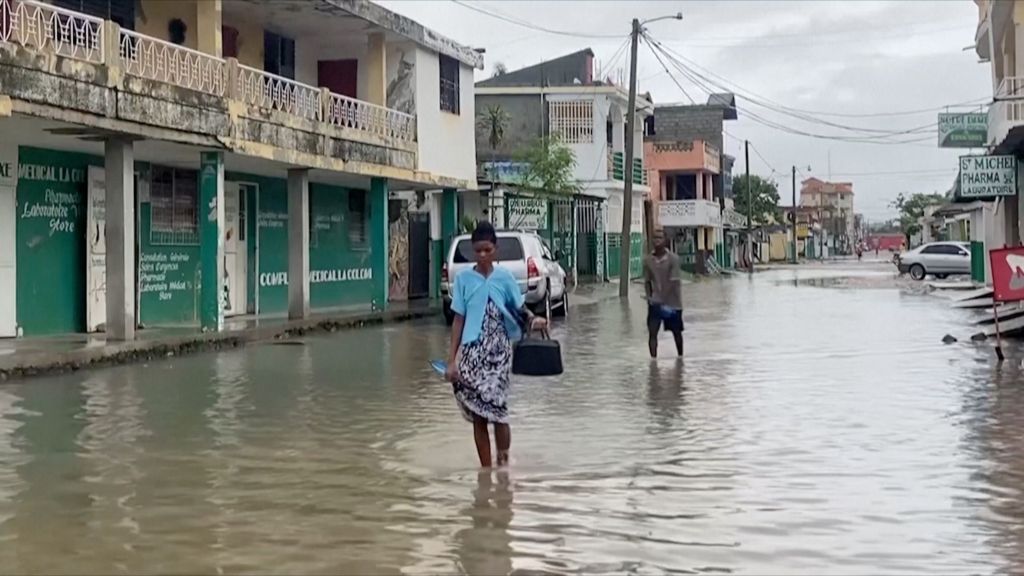
Hurricane Melissa has unleashed catastrophic flooding across the Caribbean, resulting in widespread destruction and a mounting death toll. In Jamaica, authorities have confirmed the deaths of at least four individuals, while neighboring Haiti has reported a staggering 20 fatalities due to the relentless flooding. The storm’s ferocity has submerged towns, destroyed infrastructure, and displaced countless residents, leaving communities in disarray. Emergency response teams are working tirelessly to provide aid and assess the full extent of the damage. Meteorologists warn that the hurricane’s path may continue to pose significant threats to other regions in the coming days. The Caribbean nations, already vulnerable to extreme weather events, are now grappling with the aftermath of this latest natural disaster, highlighting the urgent need for enhanced disaster preparedness and climate resilience measures.
分类: world
-
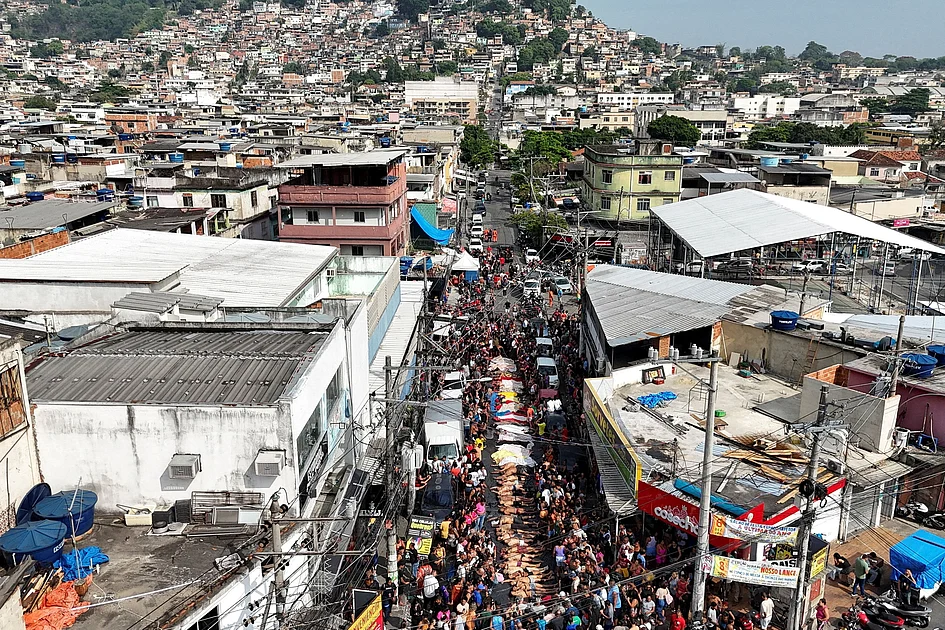
Rio police raids kill at least 132, corpses line street
In what has been described as the deadliest police operation in Brazil’s history, at least 132 people were killed during a large-scale raid in Rio de Janeiro. The operation, which targeted the Comando Vermelho drug gang, was meticulously planned over two months and aimed to corner suspects in a forested hillside where a special police unit lay in wait. The aftermath saw residents of the Penha neighborhood lining the streets with dozens of corpses recovered from the surrounding area. Among the dead were four police officers, while 113 suspects were arrested, and 118 firearms were seized. Rio Governor Claudio Castro defended the operation, stating that those killed were criminals engaged in gunfire from the forest. However, the high death toll has drawn sharp criticism from civil society groups and the United Nations, which called for a prompt and effective investigation into the incident. The federal government, led by President Luiz Inacio Lula da Silva, was reportedly caught off guard by the operation, with Justice Minister Ricardo Lewandowski expressing concerns over the lack of prior notification. The incident has reignited debates over police violence in Brazil’s marginalized communities, particularly as Rio prepares to host global climate events next week.
-

Saudi’s Diriyah gigaproject eyes role rebuilding historic Syrian sites
Saudi Arabia’s ambitious Diriyah gigaproject, a cornerstone of the kingdom’s Vision 2030 strategy to diversify its economy and establish itself as a global tourism and cultural hub, is now eyeing a potential role in the reconstruction of historic sites in Syria. Jerry Inzerillo, CEO of Diriyah Gate Company, revealed during the Future Investment Initiative (FII) summit in Riyadh that discussions with Syrian officials have taken place regarding this collaboration. ‘Someone is going to rebuild Damascus and Aleppo at some point, and Beirut as well,’ Inzerillo stated, emphasizing that while the company is currently occupied with its primary project, it may consider contributing to Syria’s reconstruction in the future. The ongoing conflict in Syria has devastated many of its ancient cities and archaeological treasures, including the ancient city of Aleppo and the Roman temple sites at Palmyra, prompting international calls for restoration efforts. Challenges such as funding, security, and political coordination remain significant hurdles. Meanwhile, the Diriyah project, which includes luxury hotels, museums, and residential units centered around the UNESCO-listed At-Turaif district, is progressing on schedule and within budget. The company is also exploring opportunities to develop six additional cultural heritage sites in Saudi Arabia and plans to pursue an initial public offering on the Saudi exchange after 2030, anticipating billions in foreign private investment.
-
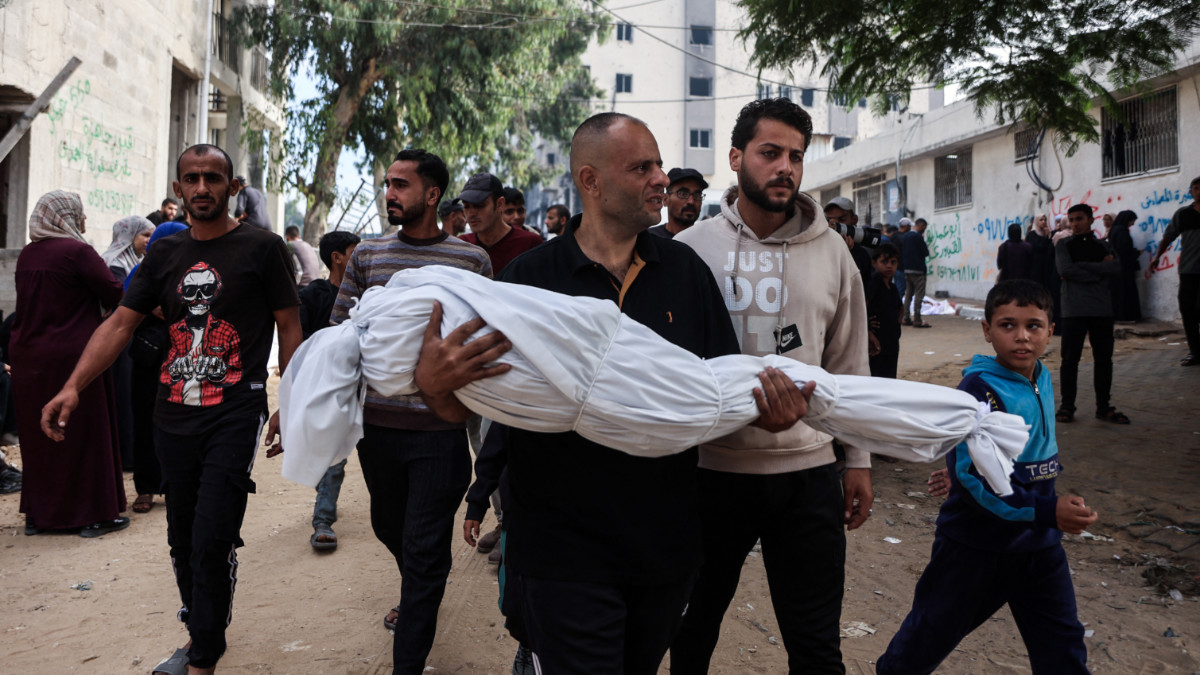
Qatari PM says Hamas ruled out role in Gaza governance, but disarmament talks ongoing
Qatar has disclosed that Hamas is prepared to relinquish its governance role in Gaza but remains uncommitted to unconditional disarmament. Speaking at a Council on Foreign Relations event in New York, Qatari Prime Minister Mohammed bin Abdulrahman al-Thani emphasized that Hamas views disarmament as a collective obligation for all factions, not solely their own. He stressed the necessity of ensuring safety for both Palestinians and Israelis through decommissioning and disarmament efforts. Qatar, alongside the US, Turkey, and Egypt, is a key guarantor of the recent Gaza ceasefire, which has been plagued by violations, including Israel’s refusal to open the Rafah border crossing and continued air strikes. On Tuesday, Israel launched its most severe attacks since the ceasefire, resulting in over 100 Palestinian casualties, including 46 children. Israel accused Hamas of breaching the ceasefire, citing an alleged attack on troops in Rafah that killed one soldier. Hamas denied involvement, while US President Donald Trump supported Israel’s retaliatory actions, expressing confidence in the ceasefire’s durability. Qatar, Turkey, and Egypt played pivotal roles in brokering the ceasefire, with Trump exerting pressure on Israeli Prime Minister Benjamin Netanyahu. Despite Israel’s ongoing occupation of half the Gaza Strip, the US is drafting a UN resolution to deploy Arab and Muslim peacekeeping forces to Gaza, avoiding references to a two-state solution. The US is likely to rely on Gulf states, including Qatar, for Gaza’s reconstruction and peacekeeping costs. The recent Israeli attack on Hamas negotiators in Doha, which killed six people, including a Qatari security official, has further complicated regional dynamics. Trump’s administration responded by pledging to defend Qatar and signing a new military training agreement. Thani described the Doha attack as a turning point in ceasefire negotiations, highlighting the crossing of red lines. Middle East Eye continues to provide independent coverage of these developments.
-
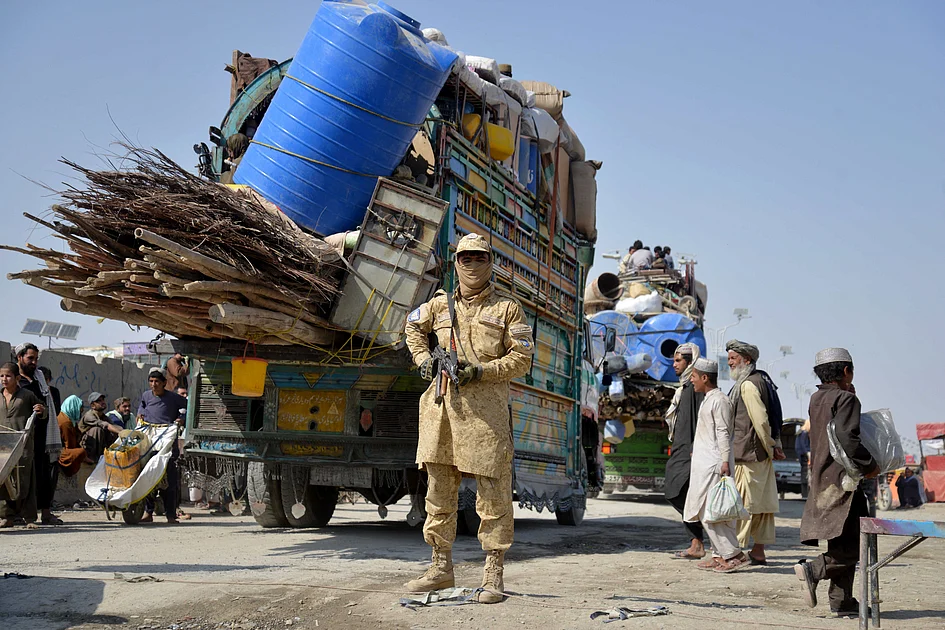
Pakistan threatens to ‘obliterate’ Taliban after peace talks fail
Pakistan has issued a stark warning to the Taliban regime in Afghanistan following the collapse of peace talks mediated by Turkey and Qatar. Defence Minister Khawaja Asif declared that Pakistan could ‘completely obliterate the Taliban regime’ with just a fraction of its military capabilities. This escalation in rhetoric comes after negotiations in Istanbul failed to produce a viable solution to the ongoing conflict between the two nations. The talks, aimed at preventing further violence, ended in disagreement over the presence of militant groups in Afghanistan that Pakistan claims are targeting its security forces. Despite a ceasefire brokered in Doha on October 19, weekend clashes near the border resulted in the deaths of 30 individuals, including five Pakistani soldiers and 25 militants. Both sides have accused each other of derailing the peace process, with Pakistan accusing Afghanistan of deflecting from core issues and engaging in a ‘blame game.’ The Taliban, however, has yet to respond to these accusations. The situation remains tense, with fears of an ‘open war’ if a resolution is not reached.
-
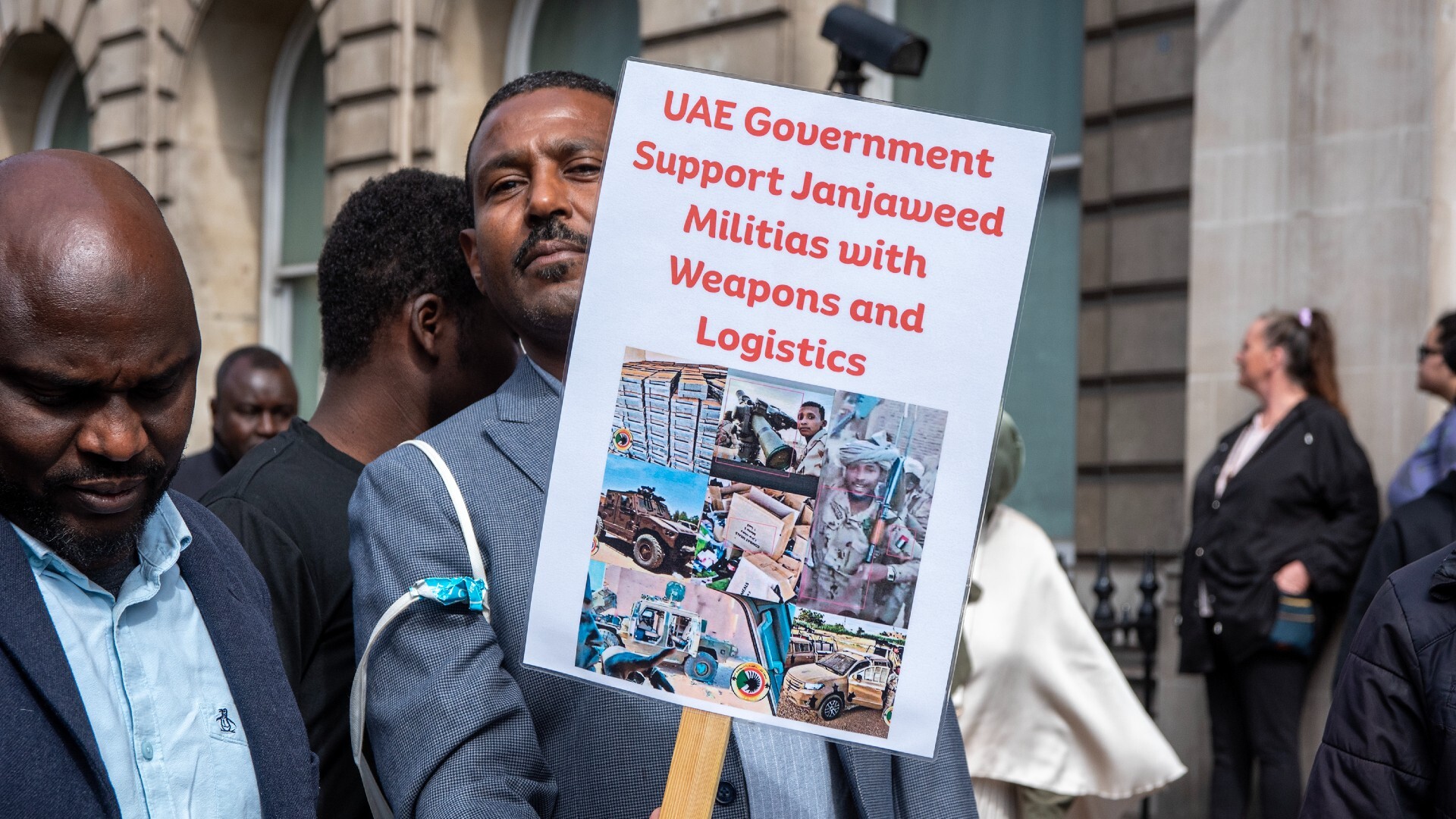
Could the ICC pursue Emirati complicity for RSF crimes in Sudan’s Darfur?
The Rapid Support Forces (RSF), a notorious paramilitary group in Sudan, has been accused of committing massacres in el-Fasher, the capital of North Darfur. This has reignited allegations against the United Arab Emirates (UAE) for its alleged complicity in these atrocities. While the International Court of Justice dismissed a case against the UAE due to lack of jurisdiction, the International Criminal Court (ICC) continues its investigation into crimes in Sudan, focusing on individuals rather than states. The ICC’s jurisdiction over Darfur, established by UN Security Council Resolution 1593, allows it to prosecute individuals for crimes committed in the region, including those who aided or abetted such crimes. However, prosecuting Emirati officials would face significant legal and logistical challenges, as neither Sudan nor the UAE are parties to the ICC’s founding treaty, the Rome Statute. Experts suggest that while the legal basis exists, gathering sufficient evidence and securing cooperation from the UAE would be major hurdles. Recent investigations have linked the UAE to the supply of weapons to the RSF, raising questions about its role in facilitating these crimes. The ICC’s ability to prosecute Emirati nationals hinges on proving their direct involvement in aiding the RSF’s atrocities in Darfur.
-
China, Africa deepen cooperation to boost food security and innovation
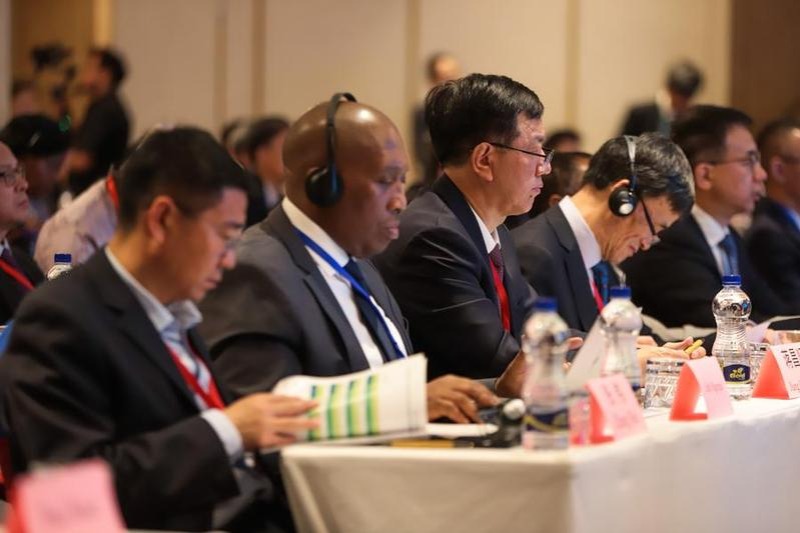
The African Union has reaffirmed its commitment to deepening agricultural and technological cooperation with China, aiming to accelerate growth and achieve food sovereignty across Africa. This partnership was highlighted during the 2025 General Assembly of the China-Africa Agricultural Science and Technology Innovation Alliance, held in Addis Ababa, Ethiopia. Gaspard Banyankimbona, AU Commissioner for Education, Science, Technology, and Innovation, emphasized the importance of leveraging China’s expertise in modern farming, digital technologies, and water management to align with the AU’s Science, Technology, and Innovation Strategy for Africa (STISA 2025–34) and the continental development blueprint, Agenda 2063. Banyankimbona stated that Africa is at a pivotal moment, with vast opportunities to apply innovation for sustainable progress. The alliance provides a platform for joint research in climate-smart agriculture, animal and plant health, agroecology, and food safety. Efa Muleta, Ethiopia’s State Minister for Agriculture, highlighted the country’s progress in agricultural modernization, emphasizing the integration of Chinese technological expertise with local strengths to enhance productivity. The collaboration includes training and exchange programs in the livestock sector, with capacity-building initiatives set to begin immediately. The three-day assembly, co-organized by the Chinese Academy of Agricultural Sciences, the African Academy of Sciences, and the Mission of China to the African Union, brought together over 200 scientists, policymakers, and representatives from agricultural institutions across China and Africa. Lise Korsten, President of the African Academy of Sciences, noted that China’s agricultural modernization journey offers valuable lessons for Africa, particularly in addressing the paradox of food insecurity despite Africa’s vast uncultivated arable land. Abebe Haile-Gabriel, Assistant Director-General and Regional Representative for Africa at the FAO, described China-Africa South-South cooperation as a strategic lever for transforming African agriculture, highlighting tangible outcomes such as higher rice yields, improved pest management, and digital farming adoption.
-
Israeli settler violence sweeps West Bank amid olive harvest
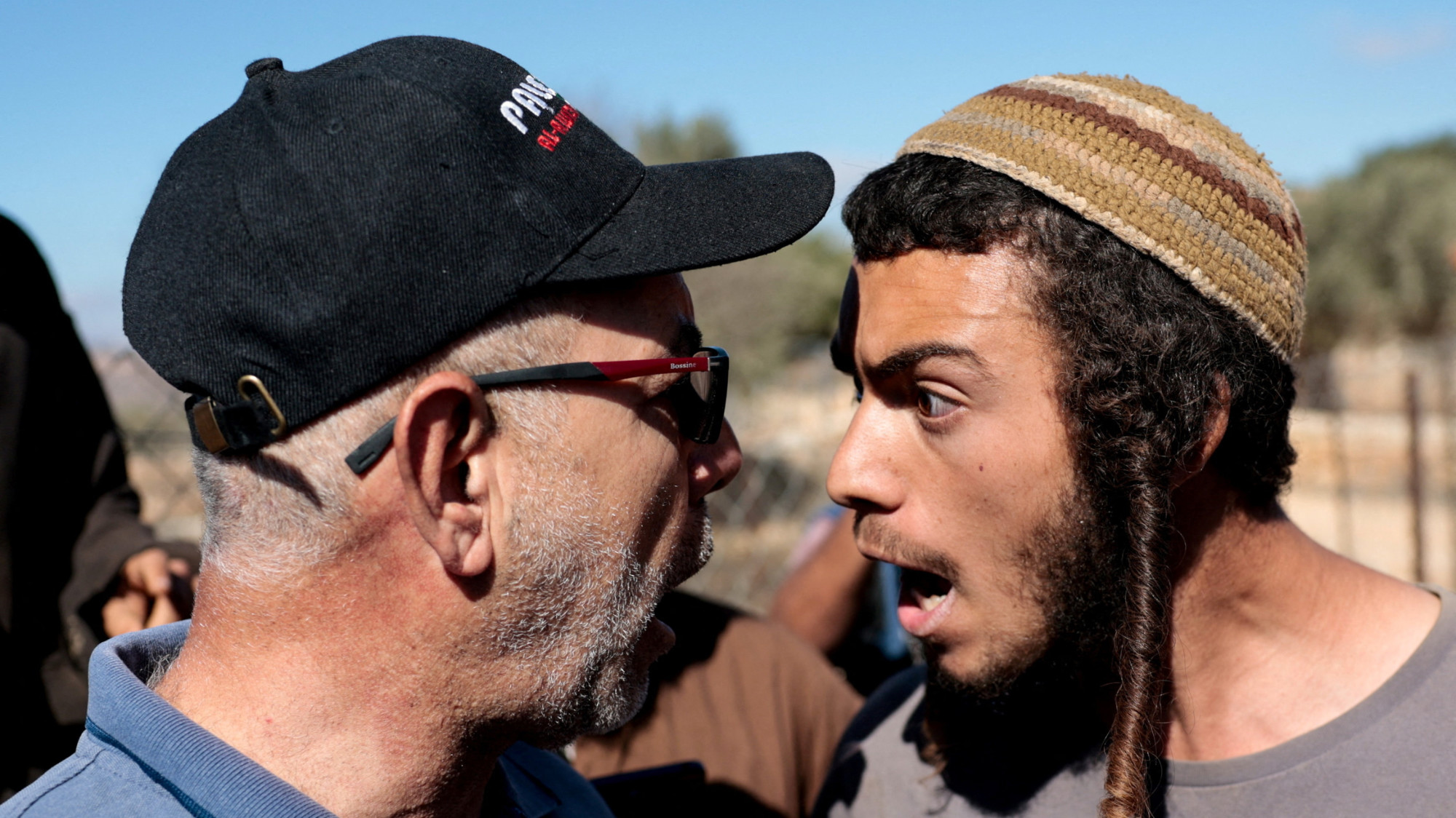
A surge in violent attacks by Israeli settlers, reportedly backed by the army, has targeted Palestinian communities and olive harvesters across the occupied West Bank. On Tuesday and Wednesday, multiple incidents of arson, vandalism, and intimidation were reported, exacerbating tensions in the region. In Atara, north of Ramallah, settlers torched two vehicles and spray-painted racist slogans on a home. Mayor Nizar Moghrabi stated that the attackers infiltrated the Turfin area after midnight, marking a continuation of assaults since settlers established an outpost there last August. Similar incidents occurred in Hebron, where vehicles were set ablaze, and in Beit Imrin, where settlers destroyed olive saplings and stole construction materials. The olive harvest season, which runs from October to December, has seen a significant increase in settler violence this year. In al-Sawiya, settlers armed with weapons and iron bars prevented Palestinians from accessing their olive groves. In Qaryut, despite the Israeli army granting access to previously restricted land, Palestinians found their olive trees destroyed. In Turmusaya, settlers set fire to farmland and olive trees, while in Silwad, settlers and the army blocked residents from reaching their lands. Talaat Hamed, a Silwad resident, highlighted that settlers have been encroaching on Palestinian land by establishing pastoral outposts. According to the Colonization and Wall Resistance Commission (CWRC), 259 attacks on olive harvesters have been recorded since early October, with 41 attributed to the Israeli army and 218 to settlers. The United Nations Office for the Coordination of Humanitarian Affairs (Ocha) documented 89 attacks affecting 50 villages, resulting in 112 injuries and the destruction of over 3,000 trees. Settler-related violence has risen sharply over the past five years, with 2024 witnessing more than double the attacks recorded in 2023. Since October 2023, settlers have carried out 7,154 attacks against Palestinians, while Israel has confiscated over 55,000 dunams of land under various pretexts. Additionally, the Israeli army conducted pre-dawn raids on Wednesday, detaining at least 40 people across the West Bank.
-
World Shiology Forum focusing on food system opens in Hainan
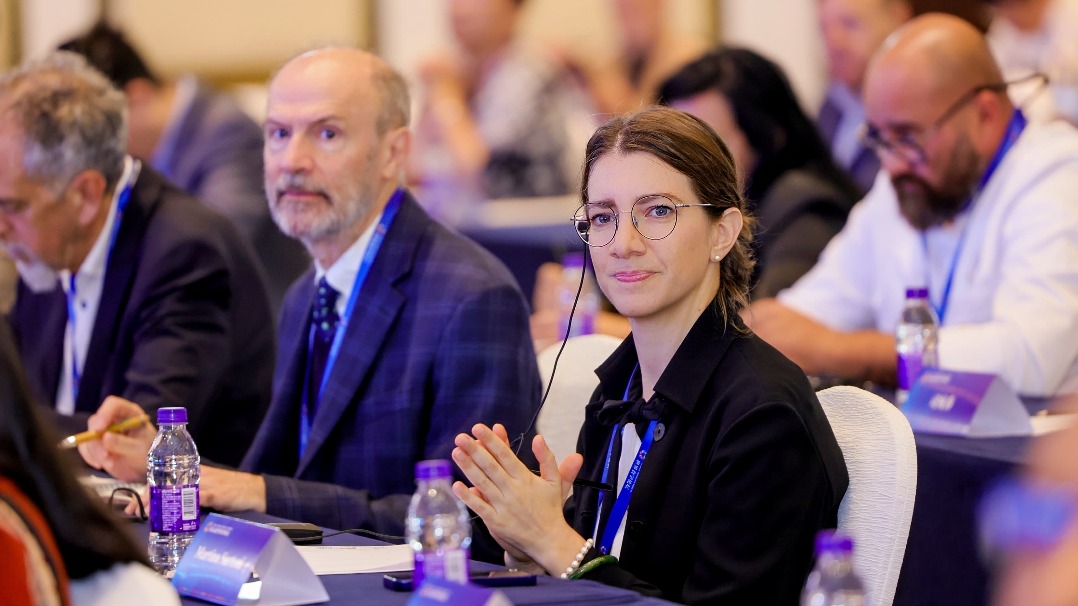
The 5th World Shiology Forum commenced on October 29, 2025, in Haikou, Hainan province, drawing global attention to the pressing issues of food systems and sustainability. Established in 2017, the forum has become a pivotal platform for international stakeholders to collaborate on food governance and sustainable development. This year’s event centered on the theme of addressing food system challenges through Shiology, a comprehensive knowledge system that integrates fragmented knowledge into a cohesive framework. The forum released the “Global Food Systems and Sustainable Development Goals (SDGs) Report (2025)”, a collaborative effort by experts from 115 countries, which outlines a three-year implementation plan to tackle food-related issues. The report was presented to United Nations representatives, marking a significant step toward translating Shiology theory into actionable solutions. Former UN Secretary-General Ban Ki-moon, in the report’s foreword, highlighted the necessity of a holistic approach to food systems, stating that “Shiology is such a knowledge system”. UN Secretary-General António Guterres, in a written message delivered by China’s Special Envoy for Climate Change Liu Zhenmin, praised Shiology’s holistic principle as a guide for exploring human coexistence and resilience. The forum introduced the “Five Food Needs” framework, which includes basic sustenance, dietary diversity, food safety, healthy longevity, and sustainable supply. Liu Guangwei, director-general of the World Shiology Forum, emphasized that this framework signifies the maturation of Shiology as an interdisciplinary field. The event also underscored the critical role of food security in achieving the UN’s 2030 Agenda for Sustainable Development, with 13 of the 17 SDGs closely linked to food. Li Feng, vice-governor of Hainan, highlighted the province’s efforts in implementing a “Big Food View” approach, focusing on modern seed industry development, green production, and cold-chain logistics. The forum concluded with a call for global unity in addressing food system challenges, with UN officials acknowledging China’s contributions and expressing support for Shiology’s holistic principles.
-
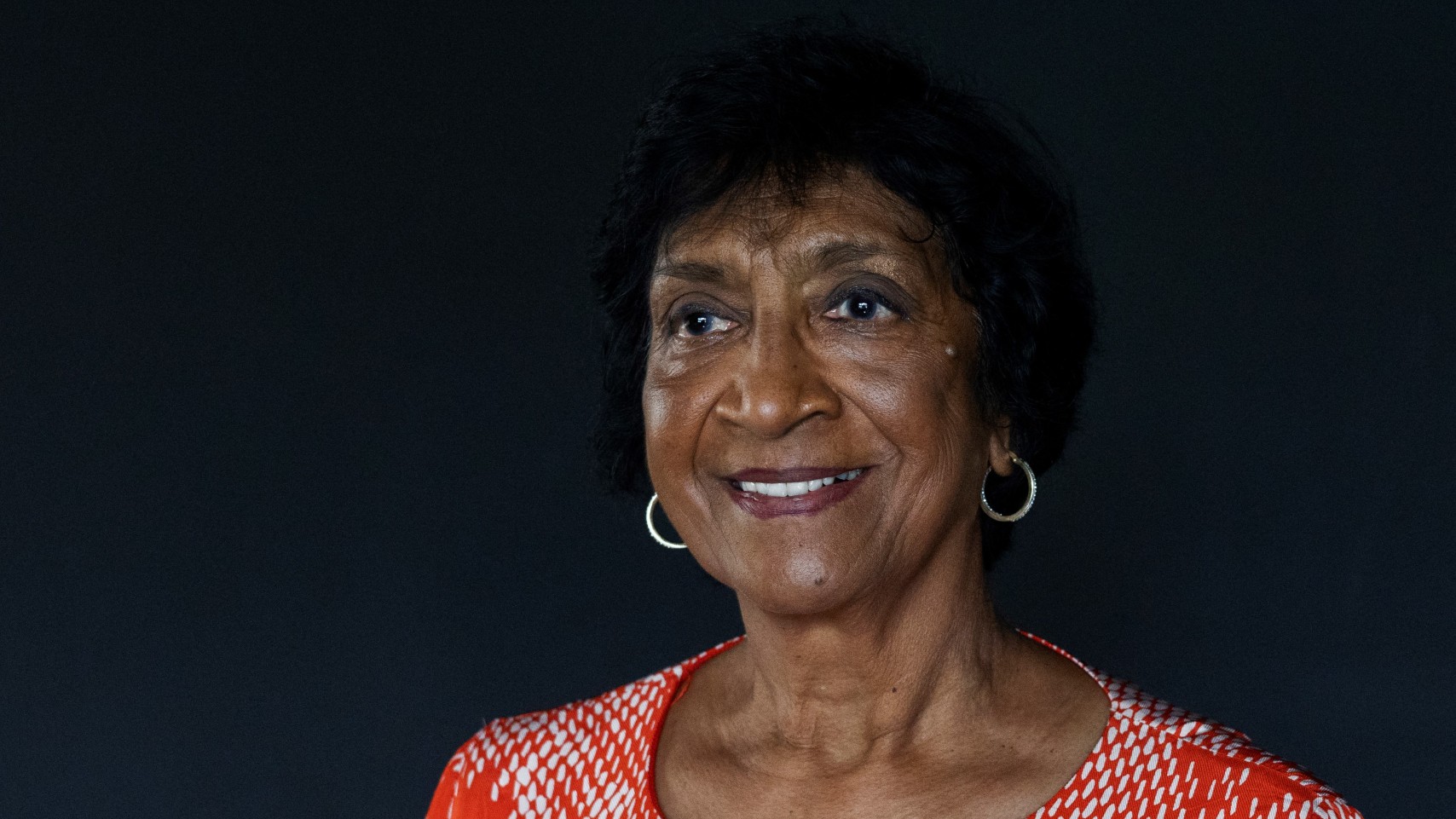
Exclusive: Navi Pillay on Israel’s Gaza genocide and global complicity
Judge Navi Pillay, a towering figure in international justice, has once again made headlines with her groundbreaking work on the UN Commission of Inquiry into the occupied Palestinian territories. In an exclusive interview with Middle East Eye’s Expert Witness podcast, Pillay detailed the Commission’s findings that Israel is committing genocide in Gaza, drawing on her extensive legal expertise and historical precedents from her tenure at the International Criminal Tribunal for Rwanda (ICTR).
The Commission’s report, released on October 6, 2025, meticulously analyzed Israel’s actions from October 7, 2023, to July 31, 2025, concluding that four out of the five underlying acts of genocide, as defined by the Genocide Convention, had been committed. These acts include the killing of Palestinians, causing severe physical and mental harm, imposing life-destroying conditions, and preventing births within the group. The report also highlighted the genocidal intent demonstrated by Israeli leaders’ statements and the systematic destruction of Gaza’s cultural, educational, and healthcare infrastructure.
Pillay emphasized the parallels between the current situation in Gaza and the ICTR’s landmark Akayesu case, which established that sexual violence could constitute genocide. She noted that the widespread gender-based violence in Gaza serves as both individual punishment and a collective strategy to humiliate and subjugate the Palestinian population.
The interview also addressed the international community’s failure to act, with Pillay criticizing the UK and US for their complicity through arms sales and sanctions against ICC officials. She called for immediate action to prevent further atrocities and urged states to fulfill their obligations under the Genocide Convention.
Pillay’s career, spanning over six decades, has been marked by her unwavering commitment to justice and human rights. From her early days challenging apartheid in South Africa to her pivotal role in shaping international jurisprudence, she remains a beacon of hope for those seeking accountability and justice on the global stage.