分类: world

  • New funding transforms lives by expanding electricity access across Africa

    New funding transforms lives by expanding electricity access across Africa

    Deep in the pre-dawn darkness of Nairobi’s dense informal settlement of Mathare, Agnes Mbesa reaches up to flick on a single bare bulb suspended from her corrugated tin roof. Just a few years ago, the mother of three would have relied on a dim, smoke-choked kerosene lamp to navigate her small home. Today, electricity not only illuminates her living space but powers the small neighborhood shop she runs from her front veranda, transforming her ability to earn a living.

    “Before we had power, we had to shut down the shop as soon as dusk fell — it was just too dark to work,” Mbesa explained. “Now customers stop by even late into the evening, and I can bring in extra income that I never could before.”

    Hundreds of kilometers away in the lakeside village of Sori, in western Kenya, fisherman Samuel Oketch shares this story of transformation. When a community solar mini-grid was installed to serve his remote settlement, Oketch invested in a electric freezer to store his daily catch. Previously, he was forced to sell all his fish immediately at cut-rate prices to middlemen who controlled cold storage. Today, his catch can be preserved and transported to higher-value markets in larger nearby towns, cutting out exploitative brokers and boosting his household income.

    “These small, quiet changes add up to everything,” Oketch said. “Electricity opens up choices we never had before. Now my wife can sell our fish directly, without being ripped off by the brokers who used to hold all the power with their freezers.”

    The firsthand accounts from Mbesa and Oketch put a human face on a decades-long global push to expand energy access across Africa, where hundreds of millions of people still live without reliable power. Right now, more than 730 million people across the globe lack access to any electricity at all, and nearly 80% of that population lives in Africa. Widespread energy poverty holds back progress across every sector of development: it limits access to modern health care, stifles educational opportunity, blocks digital connectivity, and stunts the creation of small businesses and formal jobs.

    To accelerate progress toward universal energy access, major international institutions and philanthropic organizations have announced billions in new financing for renewable energy projects across sub-Saharan Africa, unveiled in coordinated actions this March. The European Investment Bank committed more than $1.15 billion to support a range of projects, including utility-scale hydropower, wind and solar farms, and expansion of both national and community-level power grids.

    “This funding represents Europe’s unwavering commitment to deliver cleaner, more affordable, and more reliable energy to hundreds of millions of people across Africa,” said European Investment Bank President Nadia Calviño.

    The Rockefeller Foundation followed that announcement with a pledge of an additional $10 million in investment, made public during the Africa Energy Indaba conference in Cape Town, South Africa. The funding will be deployed in partnership with the Global Energy Alliance for People and Planet to strengthen national electrification strategies and support policy reforms that expand private and community-led energy solutions across at least 15 African nations.

    “African governments are leading the transformation of their own energy sectors, committing to national energy compacts and investing in homegrown solutions that meet their people’s needs,” said William Asiko, senior vice president at the Rockefeller Foundation.

    These new investments fold into the broader Mission 300 initiative, led jointly by the World Bank and the African Development Bank. The ambitious campaign set a target to connect 300 million people across sub-Saharan Africa to electricity by 2030, relying on a mix of national grid expansion and decentralized solutions like community mini-grids and household-level off-grid solar systems.

    For most of sub-Saharan Africa, national power grids are often overstretched, unreliable, and do not reach many remote and low-income communities. That gap has turned decentralized mini-grids into a fast-growing and effective alternative. These small, community-managed systems, most often powered by solar or hybrid renewable sources, generate and distribute power locally, eliminating the need for costly large-scale transmission infrastructure to reach isolated areas.

    Off-grid systems, by contrast, operate independently at the household level, with affordable stand-alone solar kits that give individual families access to power even when they are located far from any centralized infrastructure. These solutions have become critical for closing electricity gaps in the rural and informal settlement communities that are most often left behind by national grid expansion.

    To hit the 2030 target, Mission 300 is providing tailored support to countries across the continent: governments in Malawi and Liberia receive technical assistance to refine their national energy plans, expand transmission networks, and improve the reliability and efficiency of power distribution. In Côte d’Ivoire, Nigeria, and Senegal, the initiative provides local currency financing and pooled procurement support to drive down costs and speed up project deployment.

    Andrew Herscowitz, CEO of the Mission 300 Accelerator at RF Catalytic Capital, warned that scaling access to meet the 2030 goal will require sustained long-term financing and strengthened local implementation capacity, including improved impact monitoring and better aligned policy support to speed up new connections.

    “Energy access is the foundational key that unlocks human potential and broad-based economic development,” Herscowitz noted.

    Kenya, one of the early beneficiaries of Mission 300 funding, has already seen dramatic gains under the initiative. Since 2017, the country has received support from the World Bank, African Development Bank and partner organizations for its Last Mile Connectivity program, which targets households located near existing grid infrastructure — particularly those in rural areas and informal urban settlements — as the country works toward universal electricity access by 2030.

    The results have been staggering: national rural electricity access jumped from less than 7% in 2010 to roughly 68% in 2023. Across eastern and southern Africa, where only 48% of the total population and just 26% of rural residents currently have access to power, World Bank programs aim to expand access across up to 20 countries over the next seven years through a portfolio of renewable energy projects.

    Mbesa, the Mathare shopkeeper, received her grid connection in 2021 through the Last Mile Connectivity Project, which covered the standard $115 connection fee for eligible low-income households and small businesses located near existing transformers. In remote communities like Oketch’s village, which lies far beyond the reach of the national grid, the program has supported the deployment of off-grid solutions including solar mini-grids and stand-alone household systems.

    For Mbesa, the tangible impact of that connection is impossible to overstate. The small bulb above her shop has extended her working hours, and the electricity has let her children study after dark instead of stopping when the sun goes down.

    “Electricity changes everything,” she said. “Once you have it, life finally starts moving forward.”


    The Associated Press receives philanthropic funding for its climate and environmental coverage, but retains full editorial control over all independent content. AP’s standards for partnership with philanthropic organizations, a full list of supporters, and details of funded coverage areas are available at AP.org.

  • Magnitude 7.4 earthquake hits off Indonesia, killing one

    Magnitude 7.4 earthquake hits off Indonesia, killing one

    In the early hours of Thursday local time, a powerful 7.4-magnitude earthquake jolted the Molucca Sea off Indonesia’s Ternate Island, leaving one person dead and triggering panic across coastal communities in the country’s eastern region.

    The United States Geological Survey recorded the tremor striking at 6:48 a.m. local time (22:48 GMT Wednesday) at a depth of 35 kilometers, with its epicenter located roughly halfway between the Sulawesi city of Manado and the North Maluku volcanic island of Ternate. Within an hour of the initial shock, Indonesia’s national geological agency confirmed structural damage to buildings and reported multiple injuries, though full casualty and damage assessments were still ongoing in the hours after the event. At least two aftershocks measuring 5.5 and 5.2 magnitude followed the main quake, with local authorities warning residents to prepare for additional aftershocks in the coming hours and days.

    One confirmed fatality has been recorded: a 70-year-old woman in North Sulawesi who was crushed by falling building debris, according to Indonesia’s state-run national news agency Antara. A second person suffered a broken leg after jumping from a multi-story building to escape the shaking.

    The powerful tremor immediately sparked a regional tsunami warning, with the Hawaii-based Pacific Tsunami Warning Center initially noting that low-lying waves less than 0.3 meters high could reach coastlines stretching from Guam and Japan to Malaysia, the Philippines, Papua New Guinea and Taiwan. The alert was fully lifted just two hours later after no abnormal tsunami activity was detected across the region.

    For residents across eastern Indonesia, who live in one of the world’s most seismically active zones and experience frequent small tremors, the strength of Thursday’s quake stood out as unprecedented in recent memory. Multiple residents told international reporters it was the most powerful seismic event they had experienced in at least six years.

    Isvara Safitri, a journalist based in central Manado, described the scene to BBC Indonesian: “It was really strong… My head even felt dizzy. Even the roads outside the house were shaking.” In Bitung, a coastal city on Sulawesi’s northeastern shore, Yayuk Oktiani was shopping at a local market when the tremors began. “Everything started shaking. Several stores experienced power outages, and as the tremors got stronger, everyone fled,” she recalled. Oktiani immediately rushed to her child’s school, located just steps from the ocean, where chaos had already broken out. “Teachers immediately told parents to bring their children home, even though they had only just arrived,” she said.

    On Ternate Island, resident Budi Nurgianto told Agence France-Presse that the walls of his home vibrated for more than a minute, forcing him to rush outside into widespread panic. “There were many people outside… I even saw some people leaving their house without having finished their shower,” he said. At Manado’s Siloam Hospital, 69-year-old patient Admini described the frantic evacuation process. “We were sitting there drinking tea… Initially we didn’t realise it was an earthquake. And then we heard a child scream, ‘Come down, hurry up,’” he recalled. Medical staff quickly moved patients out of the hospital building, setting up makeshift treatment zones in open outdoor areas and inside parked vehicles. “Everyone was huddled together outside. Some were in wheelchairs, others were helping each other,” Admini said.

    Footage captured by search and rescue teams operating in Manado shows first responders and local residents navigating the rubble of a damaged local sports complex, where large pieces of furniture were thrown across the ground and steel support structures were bent out of shape by the force of the quake. Search and recovery operations are ongoing, with teams working to clear damaged structures and account for any residents who may still be missing.

    The Indonesian archipelago sits along the Pacific Ring of Fire, a zone of intense tectonic activity that sees frequent volcanic eruptions and large earthquakes, making seismic risk preparedness a persistent priority for national authorities.

  • South African army arrive in crime hotspots to help tackle gangs

    South African army arrive in crime hotspots to help tackle gangs

    Facing a persistent national crisis of staggering violent crime rates, South Africa has formally rolled out a one-year military deployment across five high-risk provinces to support overstretched local police forces grappling with organized gang activity and unregulated illicit mining. The deployment, first announced by President Cyril Ramaphosa earlier in 2026, will see 2,200 soldiers deployed to the five of the country’s nine provinces that have been hit hardest by widespread criminal violence. An initial advance contingent of troops was sent to targeted high-gang areas in Gauteng province – home to South Africa’s largest city, Johannesburg – back in March, with the main full deployment kicking off across Eastern Cape, Free State, North West and Western Cape starting April 1, 2026, for a 12-month mandate. The core stated goal of the operation is to reestablish public order in communities that have been overwhelmed by persistent lawlessness. But the deployment has already sparked sharp debate over its long-term effectiveness and the appropriateness of using the military for domestic civilian policing.

    South Africa’s ongoing crime epidemic has reached alarming levels, with one of the highest intentional homicide rates in the world. The most recent official crime statistics, covering the final quarter of 2025 from October through December, show that an average of 71 people are killed across the country every day. Illicit, unregulated mining and intergenerational gang violence are two of the primary drivers of this bloodshed, particularly in densely populated urban and semi-rural hotspots across the affected provinces.

    Interviews with residents of Eldorado Park, a Johannesburg suburb that was part of the initial March deployment and targeted for its chronic gang violence, reveal sharply divided views on the military’s presence. Many locals expressed deep scepticism that the deployment would deliver any lasting change to the dangerous conditions they face daily. Leola Davies, a 74-year-old retired resident, described the suburb as an unlivable “hell-hole”, saying “Sodom and Gomorra have nothing on this place. I stay indoors all day because I just don’t want to be the next victim. Things are getting worse.” Elviena le Roux, a mother of three living in the area, said she fears the military presence will only escalate tensions rather than improve safety, predicting it would “make the violence worse”. Even some residents who welcomed the visible military patrols warned that the current 12-month mandate is not enough to bring permanent change. Ronald Rabie, a 56-year-old father of three, noted that the visible patrols have created a temporary sense of safety for local families, but warned that “Once they leave, things return to chaos – they need to be here permanently.”

    This latest deployment marks the third time Ramaphosa has called on the military to assist with domestic security challenges during his presidency. In 2023, more than 3,000 soldiers were deployed for six months to target illicit mining operations across the country. In July 2021, troops were sent into major urban centers to put down deadly widespread rioting that broke out following the arrest of former president Jacob Zuma. Under current South African law, military personnel have very limited authority to arrest civilians, and are required to turn any detained suspects over to police as quickly as possible.

    Security analysts and criminologists have raised widespread concerns about the deployment, echoing many residents’ doubts about its long-term impact. Experts point out that the South African military is trained for combat operations, not the community-centered trust-building policing that is required to reduce violent crime over time. The legacy of apartheid also looms large over the deployment: the former white minority apartheid regime regularly used the military to enforce repressive rule over Black South African communities, a history that continues to shape widespread suspicion of uniformed soldiers operating in residential neighborhoods. Guy Lamb, a leading South African criminologist, told the BBC he remains unconvinced the deployment will deliver sustainable improvements in safety. “Soldiers are not designed to engage in policing, but rather to engage in combat and use maximum force,” he explained, warning “There’s danger that they will escalate situations or respond very aggressively in tense situations.”

    Lamb pointed to the military’s controversial conduct during the Covid-19 pandemic as a cautionary precedent. At that time, troops were deployed to enforce national lockdown curfews and movement restrictions, and the operation drew widespread international and domestic condemnation after multiple reports emerged of excessive force, unlawful detention, and harassment of ordinary civilians. While national authorities have expressed confidence that the new deployment will reduce crime rates, Lamb argued that without targeted action to address the root causes of violent crime in high-risk communities, any gains will be temporary. “Without a dedicated plan to try and address why crime is so violent in these sort of places, there was a strong likelihood it would flare up again once the soldiers leave,” he said, adding “So we’re likely to see this happening into the foreseeable future, because this plan of addressing what are the root causes of crime in these areas is not in place.”

  • Brazil judge blocks Sugarloaf Mountain zipline

    Brazil judge blocks Sugarloaf Mountain zipline

    One of Rio de Janeiro’s most iconic natural landmarks, Sugarloaf Mountain, has been the center of a years-long environmental and legal battle that took a dramatic new turn this week, when a Brazilian judge ruled to block a controversial zipline construction project on the UNESCO World Heritage Site.

    The proposed adventure attraction planned four parallel ziplines stretching 755 meters between the 396-meter peak of Sugarloaf Mountain and nearby Morro da Urca, running alongside the historic cable car route that has connected the two landforms since 1912. Developers marketed the project as a high-thrill tourist addition, promising visitors speeds of up to 100 kilometers per hour on the downhill descent.

    First launched four years ago, the initiative sparked immediate and sustained pushback from local communities and environmental activists across Brazil. Opponents argued that the construction of zipline access platforms required extensive rock excavation at the mountain’s peak, causing permanent, irreversible damage to the sensitive protected ecosystem and geological landscape of the heritage site. In response, the site management company and project developers claimed excavation would be limited to existing developed areas to minimize disruption, and had already secured formal approval from both the Rio de Janeiro City Council and Brazil’s National Historical and Artistic Heritage Institute (IPHAN).

    The project faced repeated construction halts through years of legal challenges, and was 95% complete when Brazil’s high court ruled in January 2026 to allow work to restart, arguing that halting construction at that late stage would cause more environmental harm than finishing the project. That ruling has now been fully overturned by this week’s court decision.

    In his ruling, the judge emphasized that Sugarloaf Mountain holds inestimable cultural and natural value not only for Brazilians, but for people across the globe. As part of the ruling, both IPHAN and the project developer were ordered to pay 30 million Brazilian reals (approximately $5.77 million USD) in environmental damages for harm already caused during construction.

    Activist leaders who spearheaded the campaign against the zipline called the ruling a landmark victory for environmental protection of Brazil’s natural heritage. Gricel Osorio Hor-Meyll, one of the lead organizers of the opposition campaign, confirmed the outcome to AFP, describing the decision as a huge win for conservation.

    Despite the court’s ruling, the legal fight over the project is far from over. Developers have announced they plan to appeal the decision, leaving the future of the nearly completed attraction uncertain while the case moves through Brazil’s appellate courts.

  • Drone attacks trigger fire at Kuwait airport fuel facility, no injuries reported

    Drone attacks trigger fire at Kuwait airport fuel facility, no injuries reported

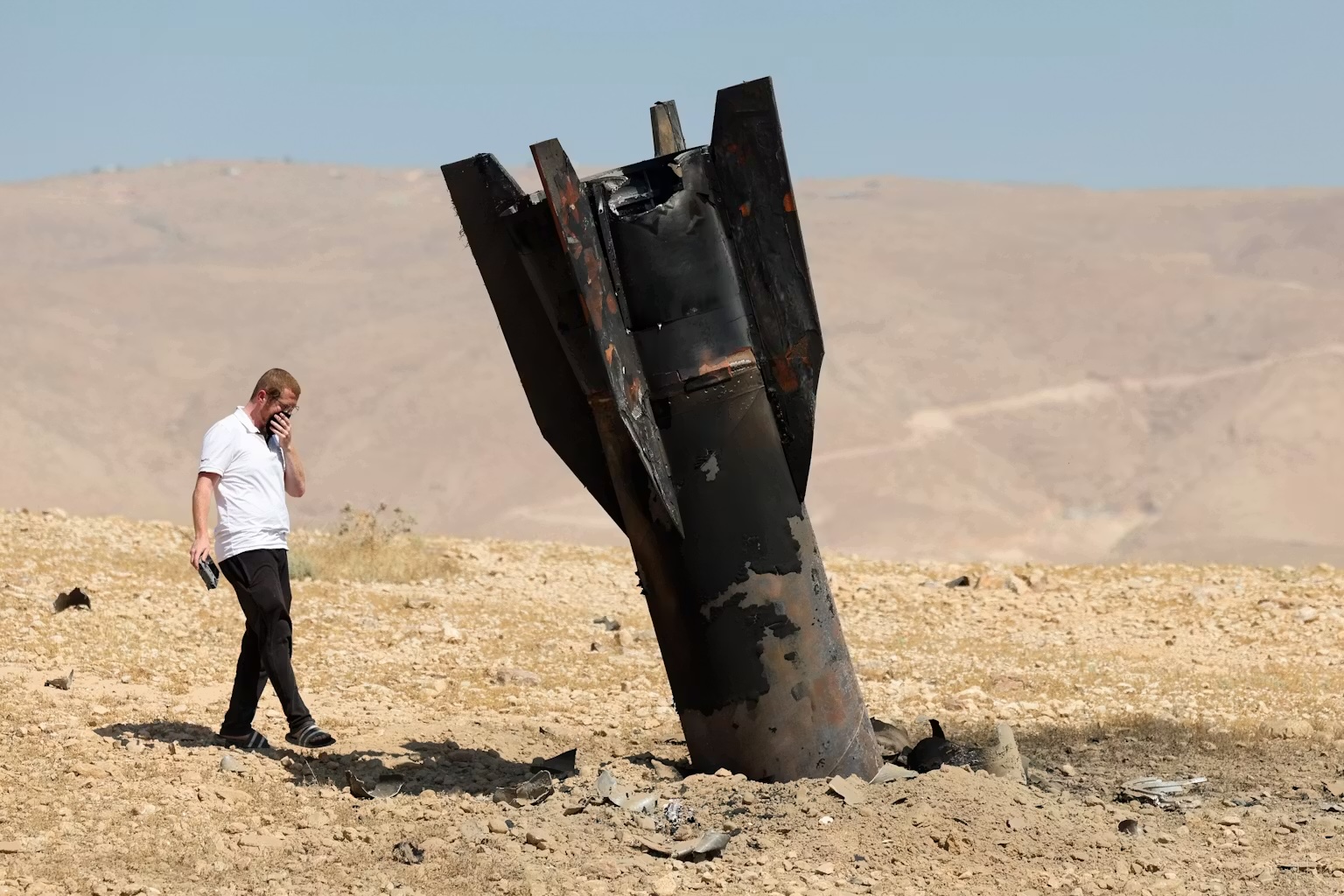
    In a disruptive incident that underscores growing regional security tensions linked to Middle East geopolitical shifts, a drone attack targeted fuel infrastructure at Kuwait International Airport early Wednesday, igniting a large blaze at the site’s fuel storage facility. The Kuwait Civil Aviation Authority confirmed the attack in an official public statement, noting the assault has been tied to Iran-connected actors. Local emergency response units were dispatched to the scene immediately after the attack was reported, mobilizing rapidly to bring the fire under control and secure the damaged facility. As of the latest official update, preliminary investigations have confirmed that no injuries or fatalities have resulted from the incident. The attack comes amid a broader period of elevated unrest across the Middle East, with recent escalations between the U.S. and Iran already driving volatility in global energy markets and pushing Eurozone inflation above the European Central Bank’s targeted threshold, according to concurrent economic reporting. Kuwaiti authorities have not yet announced further details on ongoing investigations into the attack or potential impacts to airport operations in the coming days.

  • Indonesia delays deportation of Scottish crime boss to Spain for murder and drug trafficking charges

    Indonesia delays deportation of Scottish crime boss to Spain for murder and drug trafficking charges

    In a last-minute adjustment to law enforcement proceedings, Indonesian authorities have postponed the deportation of 45-year-old Steven Lyons, a high-profile alleged Scottish transnational crime leader taken into custody last week on the popular Indonesian resort island of Bali. Lyons, who is accused of overseeing an international criminal syndicate linked to large-scale drug trafficking, cross-border money laundering, and gang-related violence, was initially scheduled to be extradited via a Qatar Airways flight from Bali to Spain, with a layover in Doha, on Wednesday evening.

    Husnan Handano, a spokesperson for Bali’s regional immigration office, confirmed the delay in a statement Wednesday, announcing that the deportation will now proceed on Thursday. Handano did not offer any explanation for the last-minute schedule change.

    The fugitive suspect was apprehended this past Saturday shortly after he landed at Bali’s Ngurah Rai International Airport, arriving from Singapore. Automated immigration screening flagged Lyons based on an Interpol Red Notice, an international police alert that requests the global law enforcement community to locate and provisionally arrest a suspect pending extradition. The alert was filed at the formal request of Spanish authorities, who have sought Lyons for approximately two years.

    As the alleged head of the so-called Lyons Crime Family, a transnational criminal network originally based in Scotland, the suspect is accused of controlling major drug trafficking routes that move narcotics from Spain into the United Kingdom. His syndicate is also suspected of operating an elaborate money laundering scheme that uses registered shell companies across multiple jurisdictions, including Spain, Scotland, England, Dubai, Qatar, Bahrain, and Turkey to obscure the origins of criminal proceeds.

    Prior to Lyons’ arrest in Bali, coordinated law enforcement raids led by Scottish and Spanish investigators had already resulted in multiple arrests connected to the syndicate’s activities. Additional suspects linked to the network have been taken into custody in Turkey, the Netherlands, and the United Arab Emirates.

    Public records and local Scottish media reporting have documented Lyons’ long ties to organized crime: he survived a 2006 shooting in Glasgow that left his cousin dead. Following the attack, he relocated first to Spain, and later settled in Dubai, the United Arab Emirates. Last May, Lyons’ brother and a known criminal associate were shot and killed in a suspected gangland targeted killing at a beachfront bar in Fuengirola, a coastal town in southern Spain. Lyons has also been linked to a 2024 murder in Spain, according to Spanish law enforcement records.

    Bali Police Chief Daniel Adityajaya confirmed that Lyons’ arrest was the product of a long-running joint transnational investigation involving law enforcement agencies from Spain, Scotland, and Indonesia. Interpol’s global alert system was critical in flagging the suspect as he attempted to enter Indonesia, allowing local officers to take him into custody immediately upon arrival.

  • 132,000 jobs at risk as Nepal graduates from ‘least developed status’

    132,000 jobs at risk as Nepal graduates from ‘least developed status’

    In November 2026, Nepal will complete its long-awaited transition out of the United Nations’ Least Developed Country (LDC) classification and move up to developing country status — a milestone widely seen as confirmation of a nation’s developmental progress. But a new analysis from the International Labour Organization (ILO) released on March 16 warns that this landmark shift comes with substantial near-term economic and employment risks: up to 132,000 existing jobs could be lost over five years, with total economic losses reaching nearly $1 billion. The report breaks down projected losses evenly by gender, with 67,000 jobs for men and 65,000 for women expected to disappear, almost entirely driven by shrinking export volumes that will follow the expiration of trade preferences exclusively reserved for LDCs.

    The manufacturing sector, Nepal’s largest export-driven employer, will bear the brunt of the impact: the *Employment Impact Assessment on Nepal’s LDC Graduation* estimates that roughly 142,000 manufacturing positions will face disruption, placing urgent pressure on the Nepali government to both offset existing losses and create new, stable roles to replace them. What makes the outlook particularly concerning for gender equity is that women, who already face far lower labor force participation rates across Nepal, will see a proportional share of losses. Urban areas will see steeper job declines than rural regions, with urban women facing twice the rate of job loss as their male counterparts. This imbalance, the report warns, could trigger reverse migration of displaced female workers from cities back to rural communities, where work is overwhelmingly informal, low-productivity, and frequently unpaid, deepening the economic precarity of already vulnerable groups.

    Key export-reliant sub-sectors including apparel, textiles, and handwoven carpets are most exposed to losses, as these industries already contend with steep domestic transport costs and cutthroat global competition. Overall, the report projects total export losses will equal between 2.5% and 4.3% of Nepal’s total annual export value, varying by target market and product category.

    Numan Ozcan, ILO’s country director for Nepal, framed the upcoming 2026 graduation as a critical turning point for the South Asian nation, but emphasized that the milestone is just the start of a challenging new phase. “It is a transition into a more competitive environment with fewer international support measures and higher expectations,” Ozcan said. “That can sound very technical, but it can also become very real and very personal. Maybe not for the people sitting in this meeting room, but for business owners, factory workers, and workers in small shops, hotels, transport or the informal economy. It can become very real and personal.”

    The ILO’s analysis does not only outline risks, however: through simulated policy testing, the report found that targeted strategic investments can fully offset projected GDP losses and create new employment to replace the roles lost. The most promising areas for intervention, the report notes, include upgraded trade facilitation infrastructure, expanded investment in the tourism sector, and deliberate growth of the information and communications technology (ICT) industry. The organization stressed that the success of these mitigation efforts will hinge entirely on proactive policy design and timely implementation ahead of the November graduation date, urging the Nepali government to begin preparations immediately to secure a smooth transition. Ultimately, Ozcan said, the true test of Nepal’s graduation will not be the milestone itself, but whether the country can convert its new developing country status into sustained, inclusive growth: “The real test is how Nepal can translate graduation into better jobs, stronger enterprises and greater economic security for everyone.”

  • War takes toll on Africa, fuels pain at the pump

    War takes toll on Africa, fuels pain at the pump

    The escalating military conflict in the Middle East has sent shockwaves through global energy markets, and its most acute economic impacts are now being felt across Africa, a region where most nations depend heavily on imported energy and remain deeply vulnerable to external supply disruptions. As tensions disrupt critical oil shipping lanes through the Strait of Hormuz, communities and economies across the continent are already grappling with empty fuel station storage tanks, hours-long queues at pumps, soaring price expectations, and growing fears that an already heavy cost of living will become even more unmanageable.

    Industry analysts warn that prolonged instability in the Middle East will exacerbate pre-existing economic challenges across African economies, deepening already entrenched inflationary pressure, expanding ballooning trade deficits, and draining already strained foreign exchange reserves at a time when many nations are still fighting to build a stable post-pandemic recovery amid sky-high import costs.

    In Kenya, a nation that imports nearly all of its petroleum needs, most via government-brokered agreements with Middle Eastern exporters, fuel retailers have already reported significant supply tightening. Some retail outlets have completely run out of product as global prices climb and market participants prepare for further pump price increases. Vivo Energy Kenya, one of the country’s largest fuel distribution firms, confirmed that it has faced temporary stockouts at a number of its service stations, driven by a combination of elevated consumer demand and global supply chain constraints, adding that it is working urgently to restock its inventory across the network.

    In response to growing public anxiety and reports of unauthorized hoarding by suppliers, Kenya’s Energy Cabinet Secretary Opiyo Wandayi has issued a formal directive ordering all oil marketing companies to release any withheld fuel stock to the market, warning that hoarding is a violation of national law and will result in formal sanctions for non-compliant firms.

    X. N. Iraki, an economist based at the University of Nairobi, explained that the spike in global energy prices will inevitably be passed through to local consumers at the pump, driving up transportation, manufacturing, and household costs that will push the overall cost of living even higher. Iraki added that the ongoing fuel crisis could carry significant political as well as economic ramifications ahead of Kenya’s scheduled 2027 general election, creating new voter anxiety that will shape political discourse in the coming months. He noted that while Kenya made its first major oil discovery back in 2012, persistent logistical hurdles and financing challenges have delayed large-scale commercial production, leaving the country completely exposed to sudden external energy supply shocks.

    Further north in Ethiopia, national authorities have already called for urgent fuel conservation measures as global supply disruptions put growing pressure on domestic energy markets. The Ethiopian Petroleum and Energy Authority has issued an official directive urging both private citizens and commercial businesses to cut non-essential fuel consumption and prioritize supply for critical public services, as lengthy queues have become a common sight at fuel stations in the capital Addis Ababa, and dozens of retail outlets have been forced to temporarily close their doors due to stockouts.

    In West Africa, economic analysts warn that prolonged Middle Eastern tensions will add new layers of complexity to macroeconomic management in Nigeria, a country that already struggles with persistently high double-digit inflation. Jide Pratt, country manager for commodity data firm TradeGrid in Nigeria, explained that rising global crude prices will push up production costs across nearly every sector of the country’s economy. Notably, even though Nigeria is one of Africa’s largest crude oil exporters, it lacks sufficient domestic refining capacity, meaning it relies almost entirely on imports of refined petroleum products to meet domestic demand — leaving Nigerian consumers directly exposed to every shift in global energy prices.

    In East Africa’s South Sudan, the spreading fuel crisis has already begun to disrupt domestic power supplies, forcing authorities to implement strict energy consumption restrictions. The national government has launched formal electricity rationing programs in the capital Juba to conserve fuel used for thermal power generation.

    Regional energy analysts say the unfolding crisis lays bare deep structural weaknesses across African national energy systems, including an overreliance on imported finished fuel products, chronically limited domestic refining capacity, and widespread exposure to sudden foreign exchange volatility that makes energy imports even more costly when global prices rise. Raymond Parsons, an economist at the North-West University Business School in South Africa, noted that the current supply shock poses simultaneous risks to both price stability and economic growth across nearly all African economies.

    “It is therefore not good news for either the inflation outlook or growth prospects,” Parsons said. “As the economy experiences a supply-side shock, the economic pain is inevitable.”

  • Stanford University wins battle to keep diaries of Mao Zedong’s secretary

    Stanford University wins battle to keep diaries of Mao Zedong’s secretary

    A long-running legal dispute over a vast collection of historical documents from late former Chinese Communist Party cadre Li Rui has concluded with a California court ruling that Stanford University’s Hoover Institution is the rightful owner of the materials. The collection, which includes decades of personal diaries, official correspondence, meeting minutes, work notes, creative writing, and personal photographs spanning from 1938 to Li Rui’s death in 2019, is widely regarded as an irreplaceable firsthand historical record of modern Chinese history and the CCP’s period of governance.

    Li Rui, a once-prominent party figure who held reformist political views and became known for vocal criticism of CCP leadership in his later years, had long intended to preserve his materials outside of China to avoid censorship, according to court findings. When Li was still alive, his daughter Li Nanyang began transferring the documents to Stanford’s Hoover Institution in 2014, a step she says was taken in direct alignment with her father’s explicit wishes. Following Li Rui’s death in 2019, however, his widow Zhang Yuzhen launched a parallel legal claim in Beijing, arguing that Li had granted her authority to decide which documents would be made public, and that the transfer to Stanford was unlawful. A Beijing court ruled in Zhang’s favor, ordering the materials be returned to China.

    Stanford subsequently initiated its own legal proceedings in the U.S. to confirm its ownership of the collection, arguing that the transfer aligned with Li’s wishes and that the documents would face censorship, redaction, or even destruction if returned to China, framing the case as a defense of academic freedom and open access to historical records. In its ruling, the California court noted key irregularities in the Chinese legal proceedings: it found that the Beijing lawsuit was likely not initiated by Zhang of her own free will, but was instead backed and financed by the CCP, with Zhang herself having previously stated she had no personal desire to sue her stepdaughter. Zhang passed away during the course of the U.S. trial proceedings.

    The court’s final judgment confirmed that the original donation to the Hoover Institution was lawful and fully consistent with Li Rui’s documented intentions. It further ruled that the Beijing court’s order had no enforceable standing in the United States. The court specifically highlighted Li Rui’s own stated belief that his papers would be suppressed or destroyed if kept within China, and that his explicit goal in transferring the materials was to make them openly accessible to researchers and the public globally.

    Condoleezza Rice, current director of the Hoover Institution and former U.S. Secretary of State, praised the ruling in a public statement, noting that the decision guarantees that one of the most valuable firsthand accounts of modern Chinese history will remain freely available for academic study. Stanford’s legal team echoed this sentiment, saying the university was pleased that Li Rui’s final wishes would be honored, and that the materials would remain open to any interested researchers. The BBC has reached out to Zhang’s former U.S. legal representation for comment on the ruling, with no response reported as of yet.

  • China is trying to play peacemaker in the Iran war – will it work?

    China is trying to play peacemaker in the Iran war – will it work?

    As the armed conflict in the Middle East stretches into its second month, global energy markets have been thrown into chaos, with oil prices surging to multi-month highs amid disrupted supply chains. In this tense geopolitical landscape, China has emerged as an unexpected peace broker, joining Pakistan to table a five-point peace initiative aimed at securing an immediate ceasefire and reopening the strategically critical Strait of Hormuz, a waterway through which roughly a fifth of the world’s daily oil supplies pass.

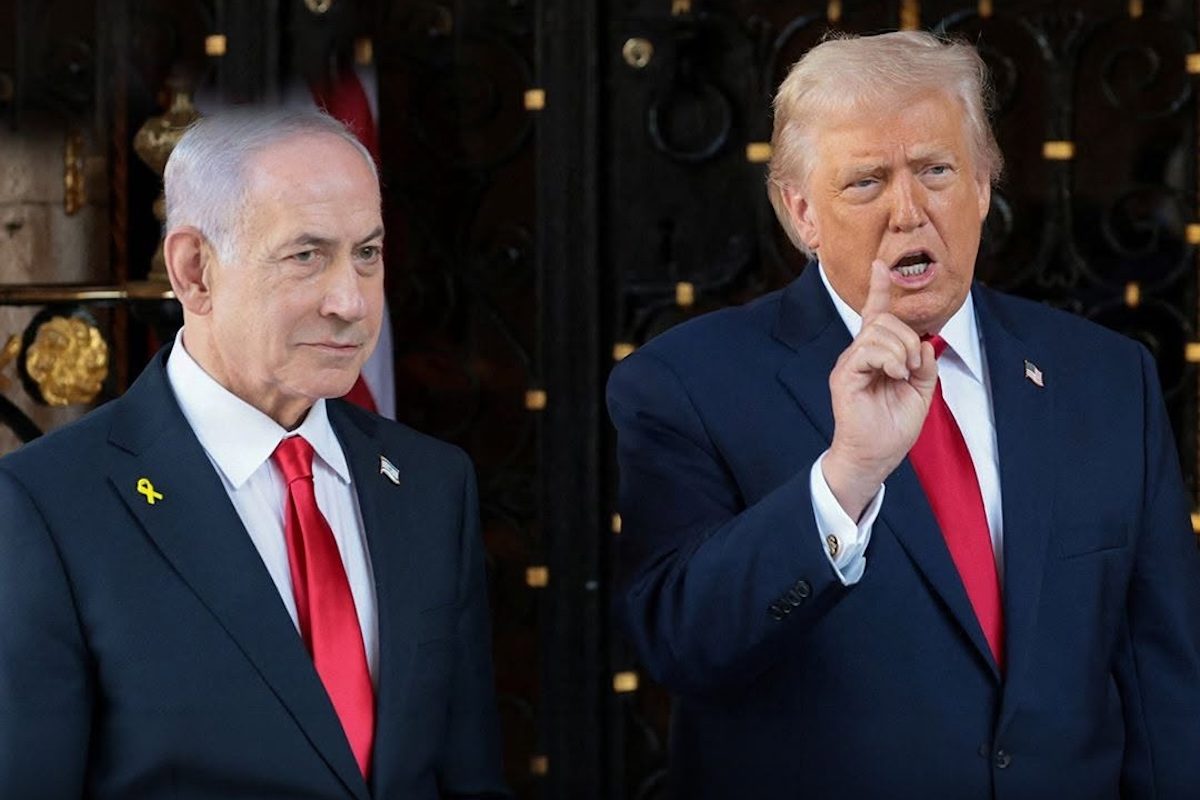
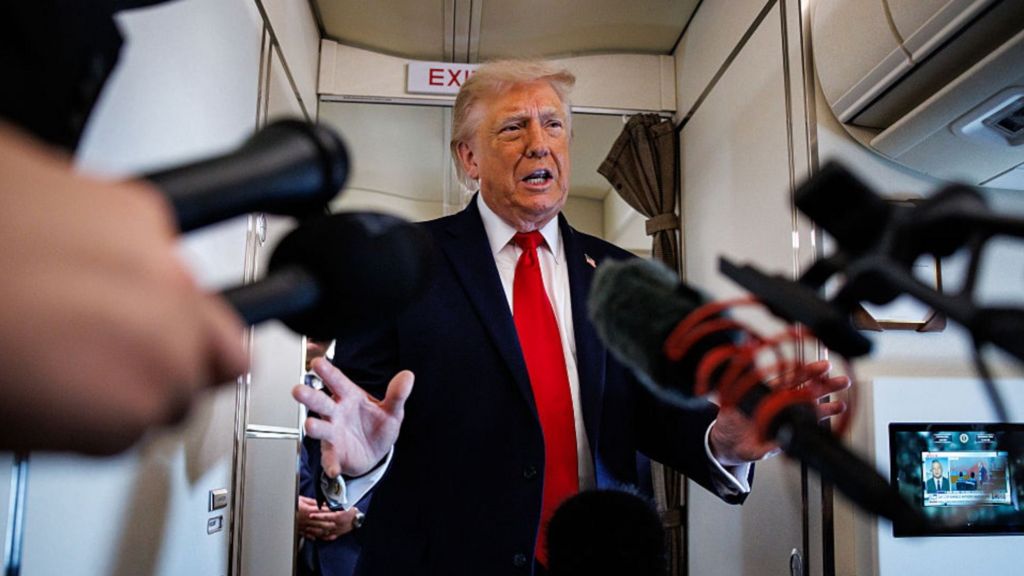
    The move comes as former U.S. President Donald Trump has suggested that direct American military action against Iran could wrap up within two to three weeks, though no clear timeline or post-conflict plan has been laid out to date. Pakistan, a long-time U.S. ally that has positioned itself as an unlikely intermediary in the U.S.-Israel led campaign against Iran, has reportedly already gained Trump’s ear for its mediation efforts. China’s entry into the fray comes just weeks ahead of high-stakes trade talks between Chinese leader Xi Jinping and Trump, placing Beijing directly in a role as a diplomatic counterweight to Washington in the region.

    Zhu Yongbiao, director of the Centre for Afghanistan Studies at Lanzhou University and a leading Chinese expert on Middle East affairs, described Chinese backing for the initiative as “very important.” He noted that “Morally, politically and diplomatically, China is providing comprehensive support with the hope that Pakistan can play a more distinctive role” in de-escalating the conflict. This marks a notable shift for Beijing, which had maintained a relatively muted public response to the war since it began with U.S. and Israeli strikes on Iran in late February.

    The joint peace plan took shape after Pakistan’s foreign minister traveled to Beijing to formally request Chinese backing for Pakistan’s negotiation efforts. Following the meeting, Chinese Foreign Ministry officials confirmed that the two countries were making “new efforts towards advocating for peace,” releasing a joint statement that reaffirmed dialogue and diplomacy as “the only viable option to resolve conflicts” and called for the protection of global key waterways including the blockaded Strait of Hormuz.

    While energy security is a core consideration for Beijing, analysts note that the world’s largest crude importer currently holds enough strategic stockpiles to cover its domestic needs for the next several months. Instead, China’s decision to step into the mediation role is rooted in its broader pursuit of global economic stability, a priority that is closely tied to Beijing’s efforts to reboot its post-recovery sluggish domestic economy. A prolonged energy shock triggered by the conflict would drag down global growth, which would in turn hit Chinese factories and export-dependent sectors that are central to the country’s economic rebound.

    Matt Pottinger, chairman of the Foundation for Defense of Democracy’s China Program, explained that “If the rest of the world begins to slow down economically because of an energy shock, that’s going to be tough for China’s factories and exporters. That’s why I think when I see China’s foreign minister just this week advising Iran that we need to find a way to end this war, I think there’s some sincerity there. I think that Beijing is a little bit worried about where this could lead if it turns into a real energy shock that is protracted.”

    A prolonged crisis would send ripples through China’s sprawling industrial supply chain, from raw material inputs for plastic goods and synthetic textiles to critical components for consumer electronics, electric vehicles and semiconductors – sectors that are foundational to China’s export economy. In recent years, the Middle East has become one of China’s fastest growing export markets, with Chinese sales to the region growing nearly twice as fast as exports to the rest of the world in the last year. The region is the world’s fastest growing market for electric vehicles, and China is the largest foreign investor in regional desalination projects, with major Chinese state-owned energy and infrastructure firms operating across Saudi Arabia, the United Arab Emirates, Oman and Iraq.

    This deepening economic engagement has allowed China to build balanced diplomatic ties across the region, maintaining strong relationships with both U.S. allies such as Saudi Arabia and geopolitical rivals of Washington such as Iran. China and Iran have maintained a close partnership spanning decades, with China serving as Iran’s largest trade partner and purchasing roughly 80% of Iran’s total oil exports.

    This is not the first time Beijing has sought to play the role of peace broker in the Middle East, though previous efforts have yielded mixed results. In 2023, China famously brokered a landmark deal to restore diplomatic relations between longtime regional rivals Saudi Arabia and Iran, a breakthrough that reduced the risk of open conflict between the two powers. A year later, Beijing hosted leaders from 14 competing Palestinian factions, including Fatah and Hamas, resulting in an agreement to form a national unity government for the Palestinian territories. While the agreement was largely an expression of intent rather than a binding final settlement, it further cemented China’s growing diplomatic profile in the region.

    Unlike the United States, which maintains a heavy military presence across the Gulf region, China’s global engagement does not come with formal security guarantees or military alliances. For Beijing, economic development remains the top domestic and foreign policy priority, and Chinese leaders have long avoided direct entanglement in Middle East great power conflicts. This cautious approach also reflects practical limitations: China’s only overseas military logistics facility in the broader region is a small anti-piracy hub in Djibouti, opened in 2017, and it lacks the power projection capabilities that the U.S. maintains across the Gulf. During the 2025 Israel-Iran war, Beijing maintained a largely hands-off approach, highlighting the inherent limits of its regional influence.

    To date, neither Washington nor Tehran has issued an official response to the new five-point peace plan. Analysts note that the initiative nonetheless allows Xi to position himself as a neutral broker and voice for de-escalation, a stark contrast to the Trump administration’s approach of military pressure. Still, Beijing’s credibility as a neutral global actor faces ongoing questions: its close strategic alignment with Russia has sparked widespread skepticism about its commitment to neutrality in regional conflicts, while its authoritarian governance model and expansionist territorial claims have drawn global criticism.

    Despite these caveats, China remains a powerful global actor with clear strategic interests in regional stability, and it has already demonstrated that it can wield meaningful diplomatic influence in the Middle East. For Beijing, the current mediation effort marks another step in its long-term push to expand its geopolitical leverage across the region in the years ahead.