分类: world

  • What to know about the mystery of Malaysia Airlines Flight 370 as the search resumes

    What to know about the mystery of Malaysia Airlines Flight 370 as the search resumes

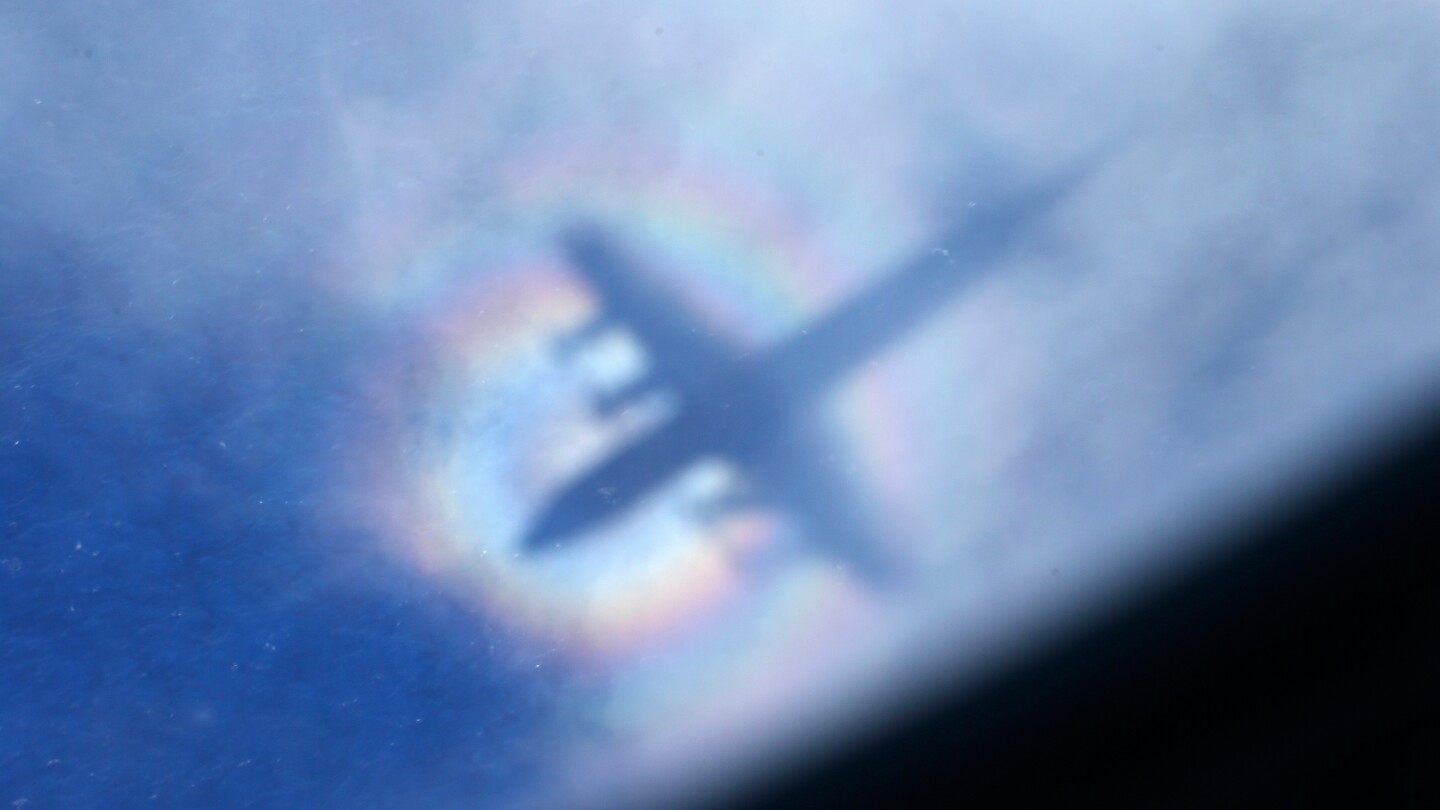
    A decade after one of aviation’s most perplexing disappearances, the search for Malaysia Airlines Flight MH370 has officially recommenced, rekindling hopes for resolution. On Wednesday, Malaysian authorities confirmed that Ocean Infinity, a U.S. marine robotics firm, has initiated a new underwater search operation utilizing advanced technology and revised data analysis.

    The Boeing 777 vanished on March 8, 2014, during its routine flight from Kuala Lumpur to Beijing with 239 passengers and crew aboard. After its final communication at 39 minutes into the flight, the aircraft’s transponder ceased transmission. Military radar tracked an unexpected reversal over the Andaman Sea, while satellite data indicated the plane continued flying for hours before presumably crashing into the remote southern Indian Ocean due to fuel exhaustion.

    Previous multinational search efforts, including the largest underwater operation in history covering 120,000 square kilometers, yielded minimal results. Only a few fragments—notably a wing flaperon discovered on Réunion Island in 2015—have been confirmed as wreckage from the missing aircraft. The absence of bodies, substantial debris, or definitive explanations has perpetuated the mystery.

    Theories regarding the disappearance range from mechanical failure and cabin depressurization to deliberate intervention. Malaysian investigators in 2018 eliminated suspicion of passengers and crew but acknowledged possible “unlawful interference” given the intentional severance of communications.

    The passenger manifest represented global diversity, with individuals from China, the United States, Indonesia, France, Russia, and other nations. Among them were technology professionals, artists, families with children, and two Iranians traveling on stolen passports.

    The current search, operating under a “no-find, no-fee” agreement worth $70 million upon success, will focus on a targeted 15,000-square-kilometer area identified through enhanced debris drift studies and technological advancements. Initially paused in April due to adverse weather conditions, the operation will resume intermittently from December 30 for 55 days in zones deemed most probable for locating wreckage.

    Ocean Infinity has collaborated with numerous experts to refine search parameters but has not disclosed whether new evidence prompted the revised approach. The immense challenges of searching the deep, volatile Indian Ocean—where depths average 4 kilometers—continue to complicate recovery efforts.
  • Who is El Gerente, the accused mastermind of deadly ambush, arrested by UAE

    Who is El Gerente, the accused mastermind of deadly ambush, arrested by UAE

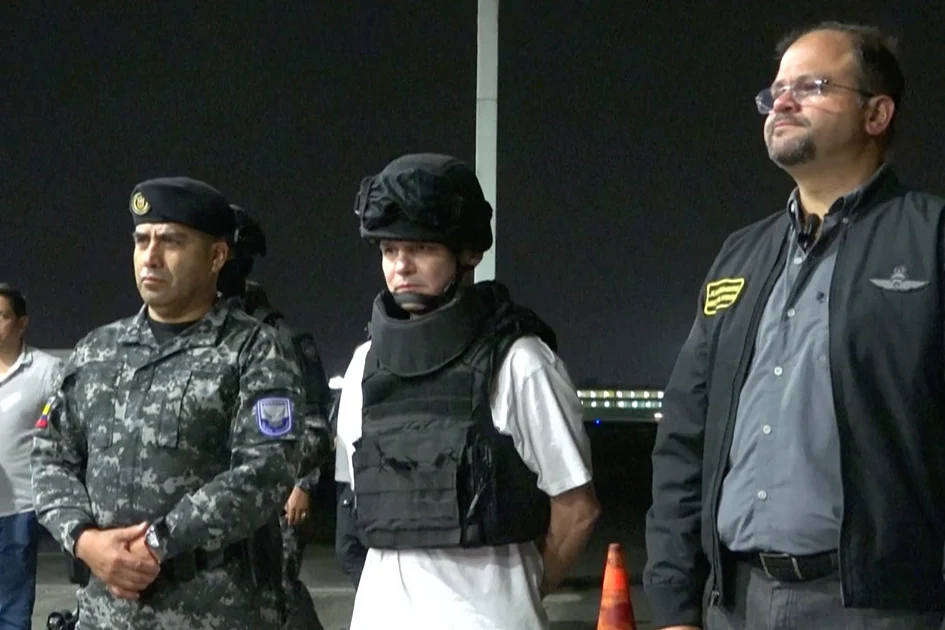
    In a significant breakthrough for international law enforcement collaboration, United Arab Emirates authorities have captured Roberto Carlos Alvarez Vera, the elusive Ecuadorian criminal mastermind known as ‘El Gerente’ (The Manager). The arrest concludes an intensive manhunt for the alleged leader of the Comandos de la Frontera criminal network, who operated along the volatile Ecuador-Colombia border region.

    The UAE’s apprehension of Alvarez Vera followed judicial cooperation between the two nations, with extradition proceedings already initiated to return the high-value target to Ecuador. Ecuadorian President Daniel Noboa confirmed the revocation of Alvarez Vera’s temporary bail status and announced his impending transfer to face justice in his home country.

    According to Ecuadorian security agencies, Alvarez Vera built his criminal empire from dissident factions of Colombia’s disbanded FARC guerrilla movement. The organization allegedly evolved into a sophisticated cartel-like operation involved in drug trafficking, arms smuggling, illegal mining operations, and complex money laundering schemes. Investigators have linked him to an extensive network of front companies and financial structures designed to conceal proceeds from criminal activities.

    The most severe allegation against Alvarez Vera concerns his alleged orchestration of a deadly ambush on May 9 in Orellana province’s remote Alto Punino area. Armed assailants attacked an Ecuadorian military patrol conducting operations against illegal mining, resulting in the deaths of eleven soldiers—one of the deadliest assaults on the country’s armed forces in recent history. Prosecutors assert the ambush was designed to protect the group’s drug trafficking and mining interests in the Amazon region.

    Both governments have emphasized that this case demonstrates their shared commitment to combating transnational organized crime and upholding the rule of law. The successful operation highlights the importance of maintaining effective communication channels between central authorities to strengthen judicial cooperation and bilateral relations on global security matters.

  • Authorities investigating damage to undersea telecom cable in Gulf of Finland

    Authorities investigating damage to undersea telecom cable in Gulf of Finland

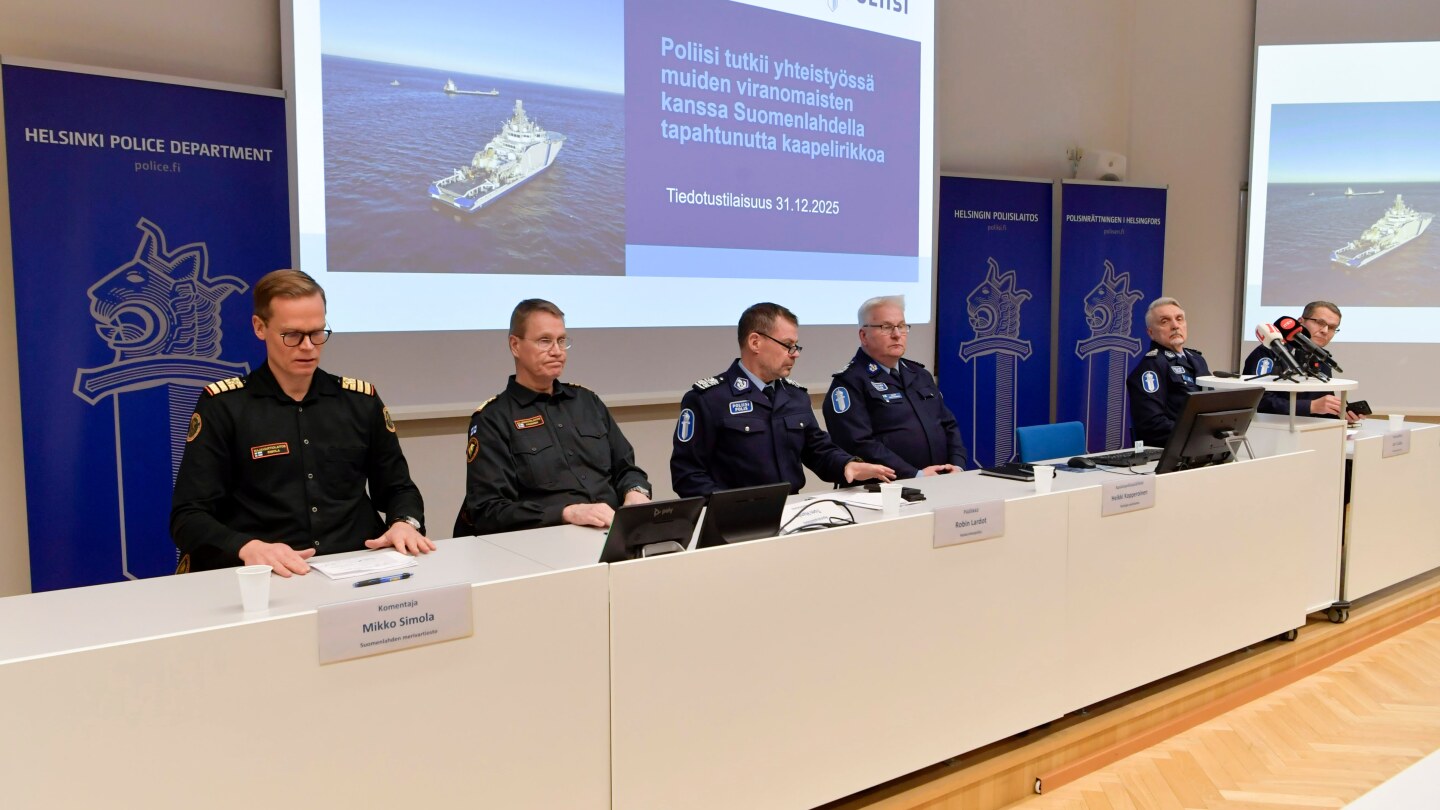
    A significant incident involving damage to critical underwater telecommunications infrastructure has triggered a multinational response in the Baltic Sea region. Early Wednesday, authorities discovered damage to a submarine cable operated by telecommunications provider Elisa in the Gulf of Finland between Helsinki and Tallinn.

    Finnish Border Guard officials executed a swift response, seizing and inspecting a vessel suspected of involvement in the incident. The ship was identified within Finland’s exclusive economic zone with its anchor deployed at the time of discovery. The actual cable damage occurred within Estonia’s exclusive economic zone, elevating the incident to matters of international jurisdiction.

    Helsinki law enforcement has launched a comprehensive criminal investigation encompassing potential charges of aggravated criminal damage, attempted aggravated criminal damage, and aggravated interference with telecommunications infrastructure. The case represents a serious breach of critical undersea assets that form the backbone of regional communications networks.

    Finnish President Alexander Stubb addressed the situation through social media platform X, stating: “Finland is prepared for security challenges of various kinds, and we respond to them as necessary.” This declaration underscores the seriousness with which Nordic authorities are treating the incident.

    Estonian and Finnish authorities are currently coordinating their response to determine whether to pursue separate criminal proceedings or initiate a joint prosecution. This bilateral cooperation highlights the transnational nature of underwater infrastructure protection and the shared security concerns between NATO allies in the strategically sensitive Baltic region.

  • New Zealand’s Auckland kicks off 2026 celebrations with fireworks

    New Zealand’s Auckland kicks off 2026 celebrations with fireworks

    AUCKLAND, New Zealand — While Auckland became the world’s first major city to welcome 2026 with its traditional Sky Tower fireworks display, New Year’s Eve celebrations across the Asia-Pacific region unfolded under markedly subdued circumstances, with several nations scaling back festivities in response to recent tragedies.

    New Zealand’s largest city proceeded with its five-minute pyrotechnic spectacle despite rainy conditions, launching 3,500 fireworks from the 240-meter (787-foot) Sky Tower—the country’s tallest structure. The celebration positioned Auckland 18 hours ahead of New York’s Times Square ball drop. However, numerous smaller community events across New Zealand’s North Island were canceled due to forecasts predicting rain and potential thunderstorms.

    The most profound shift in celebration tone occurred in Sydney, Australia, where authorities implemented unprecedented security measures following the nation’s deadliest mass shooting in three decades. The December 14 attack at a Hanukkah celebration in Bondi Beach, which left 15 dead and 40 wounded, cast a pall over festivities. Thousands gathered at Sydney Harbor under the watch of heavily armed police—a first for the annual event—while officials projected menorah images onto bridge pylons and observed a minute of silence for victims. New South Wales Premier Chris Minns characterized the continued celebration as an act of defiance against terrorism.

    Elsewhere in the region, Indonesia significantly scaled back celebrations in solidarity with communities devastated by catastrophic floods and landslides that claimed over 1,100 lives on Sumatra island one month prior. Jakarta replaced its typical fanfare with prayer ceremonies, while Makassar officials urged residents to embrace reflection over revelry. Bali canceled concerts and fireworks in favor of traditional cultural performances.

    Hong Kong likewise abandoned its iconic Victoria Harbor fireworks display following a November factory fire that killed 161 people, opting instead for a musical performance and light projection countdown. Meanwhile, Japan and South Korea maintained their traditional bell-tolling ceremonies, providing continuity amid regional changes to New Year’s observances.

  • Russian drones blast Ukraine’s Odesa and injure 6, including children

    Russian drones blast Ukraine’s Odesa and injure 6, including children

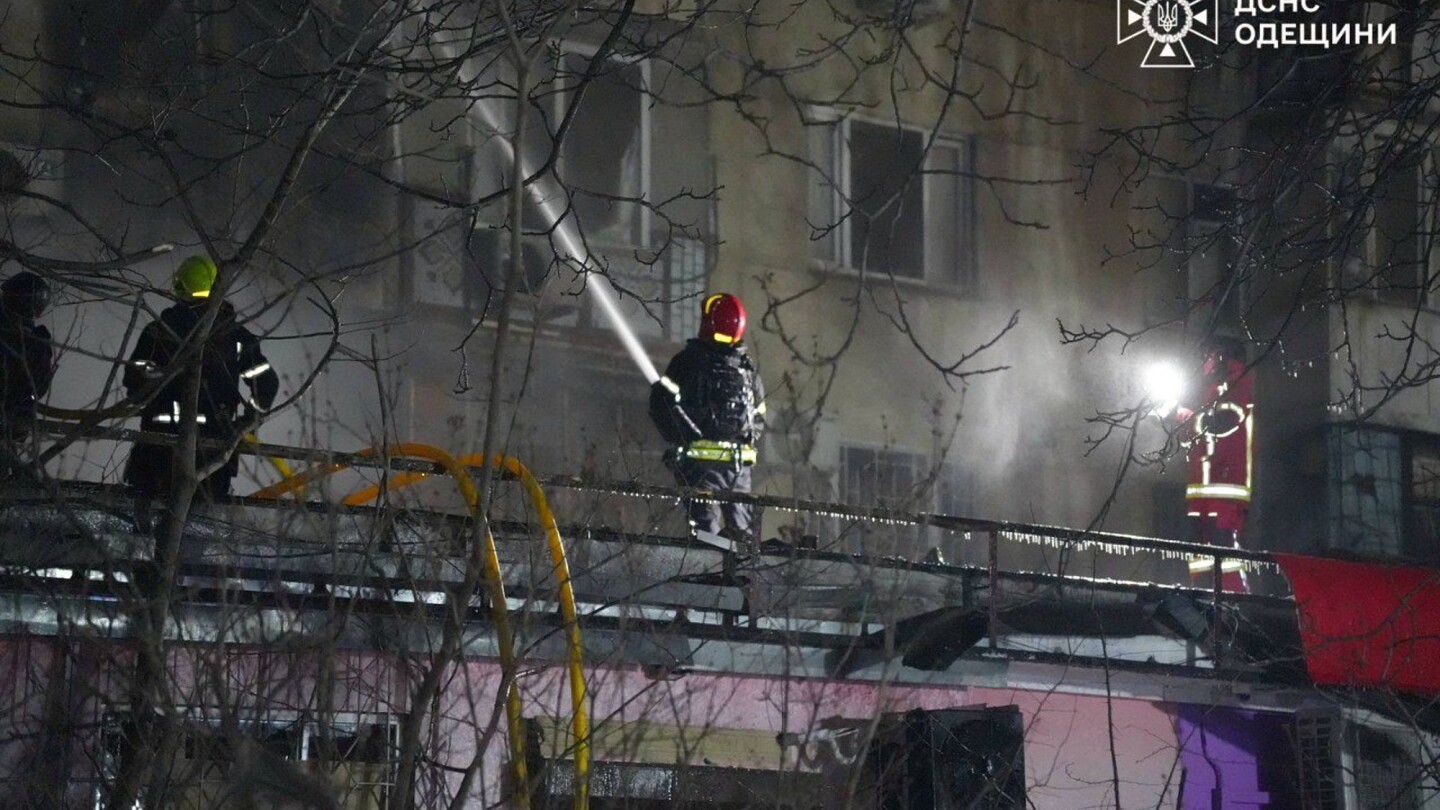
    ODESA, Ukraine — A relentless overnight drone offensive conducted by Russian forces struck residential complexes and critical energy infrastructure in the southern Ukrainian port city of Odesa, resulting in significant damage and civilian casualties. Regional authorities confirmed Wednesday that six individuals, including three young children, sustained injuries during the bombardment that damaged multiple apartment buildings.

    Oleh Kiper, head of Odesa’s regional military administration, characterized the assault as part of Russia’s systematic terror campaign targeting civilian infrastructure. Energy provider DTEK reported substantial damage to two key energy facilities, compounding earlier damage to ten regional substations throughout December alone.

    This escalation occurs against a backdrop of intensified long-range attacks on Ukrainian urban centers as Russia’s invasion approaches its fourth anniversary. Moscow has significantly increased targeting of energy infrastructure during winter months, deliberately seeking to deprive civilians of heating and running water during extreme cold conditions.

    United Nations data reveals alarming casualty figures, with over 2,300 Ukrainian civilians killed and 11,000 injured between January and November this year—representing a 26% increase from the same period in 2024 and a 70% surge compared to 2023.

    The sustained attacks coincide with renewed diplomatic efforts to broker peace. Following Ukrainian President Volodymyr Zelenskyy’s meeting with U.S. President Donald Trump in Florida, where officials suggested a settlement might be “closer than ever,” Zelenskyy is scheduled to engage European leaders next week regarding security guarantees and negotiation terms.

    Meanwhile, Moscow alleges Ukraine attempted a 91-drone attack on President Vladimir Putin’s residence, claims Ukrainian officials dismiss as fabricated propaganda intended to undermine peace negotiations. Russian Major General Alexander Romanenkov presented unverified flight path maps during a restricted briefing, though independent verification remains impossible.

    Ukraine’s air force reported intercepting 101 of 127 Russian drones overnight, while Russia’s Defense Ministry claimed shooting down 86 Ukrainian drones over Russian territories, the Black Sea, and occupied Crimea. A resulting fire at a Krasnodar oil refinery was quickly extinguished according to local authorities.

  • Channel Tunnel power malfunction fixed, but rail delays may linger

    Channel Tunnel power malfunction fixed, but rail delays may linger

    PARIS — Full operational capacity has been restored to the Channel Tunnel following a significant power malfunction that paralyzed cross-continental travel for an entire day. The undersea passage connecting continental Europe with the United Kingdom resumed bilateral train services on Wednesday after engineers successfully rectified an unspecified electrical fault overnight.

    Eurotunnel, the tunnel’s operator, confirmed the resolution in a concise statement, noting that the technical issue within the 50-kilometer (32-mile) infrastructure had been completely addressed. While the company did not disclose the root cause of the failure, the restoration brings relief to one of Europe’s most critical transport corridors.

    Eurostar, the primary passenger rail service utilizing the tunnel, announced the recommencement of its operations while cautioning passengers about potential residual disruptions. The company indicated that “knock-on impacts” from Tuesday’s extensive suspension might continue to manifest as delays and occasional cancellations throughout the day.

    The interruption, which lasted several hours during a peak travel period, created widespread travel chaos during the busy year-end holiday season. Thousands of travelers found their getaway plans abruptly canceled, triggering frantic searches for alternative transportation including limited flight options and bus services. The incident highlighted the tunnel’s vulnerability and its critical role in European connectivity, raising questions about contingency planning for major infrastructure failures.

  • Joint operations along Mekong River elevate security, promote well-being

    Joint operations along Mekong River elevate security, promote well-being

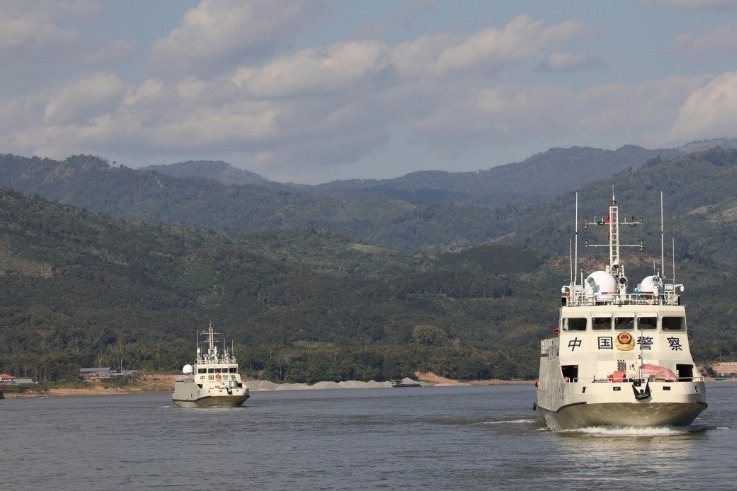
    A landmark security initiative along the Mekong River has yielded transformative results, with China, Laos, Myanmar, and Thailand successfully completing their 160th joint patrol operation. The coordinated effort, conducted from December 27-30, 2025, involved approximately 170 law enforcement personnel and six patrol vessels navigating from Guanlei Port in China’s Yunnan province to Jingha Port.

    The comprehensive patrol mechanism has fundamentally altered the security landscape of this vital waterway. According to Humphan Keovanglat, Political Commissar of Laos’ Luang Namtha military area, “Cross-border travel now occurs smoothly and securely, trade flows without interruption, and local communities report substantially increased feelings of safety and fulfillment.”

    The operation represents one of Southeast Asia’s most successful multinational security collaborations, establishing an intelligence-sharing framework that enables rapid response capabilities. Captain Than Naing Oo of Myanmar’s Patrol Boat 171 emphasized that “this joint mechanism facilitates immediate intelligence exchange, strengthening our collective security cooperation while simultaneously promoting regional development.”

    Chinese veteran officer Ran Xi, who has served with Yunnan’s water patrol division since 2011, confirmed the dramatic security improvements: “Commercial vessels now navigate independently without security concerns, and we’ve witnessed a complete cessation of armed incidents along patrolled sections in recent years.”

    The enhanced security has generated tangible economic and social benefits. Thai tourist Kongkham Khamtip, 51, recently completed a stress-free journey from the Golden Triangle to Guanlei Port, noting “the river feels exceptionally secure, making for a relaxing voyage amid stunning scenery.” Cross-border commerce has similarly flourished, with Myanmar resident Sa Yin, 19, regularly traveling to China to purchase quality animal feed and visit family.

    Local merchant Zhang Yisheng reported significant increases in cross-border shopping, particularly during festival periods when customers from Myanmar routinely spend hundreds to thousands of yuan. The cooperation extends beyond security operations to include cultural exchanges, with personnel from all four nations recently participating in friendship sports events to strengthen interpersonal bonds.

    Jiang Zhida, senior research fellow at the China Institute of International Studies, characterized the initiative as “a crucial safeguard for stability and prosperity throughout the Lancang-Mekong region, establishing the security foundation necessary for building a shared future community.”

  • Thailand releases 18 Cambodian prisoners of war as part of ceasefire agreement

    Thailand releases 18 Cambodian prisoners of war as part of ceasefire agreement

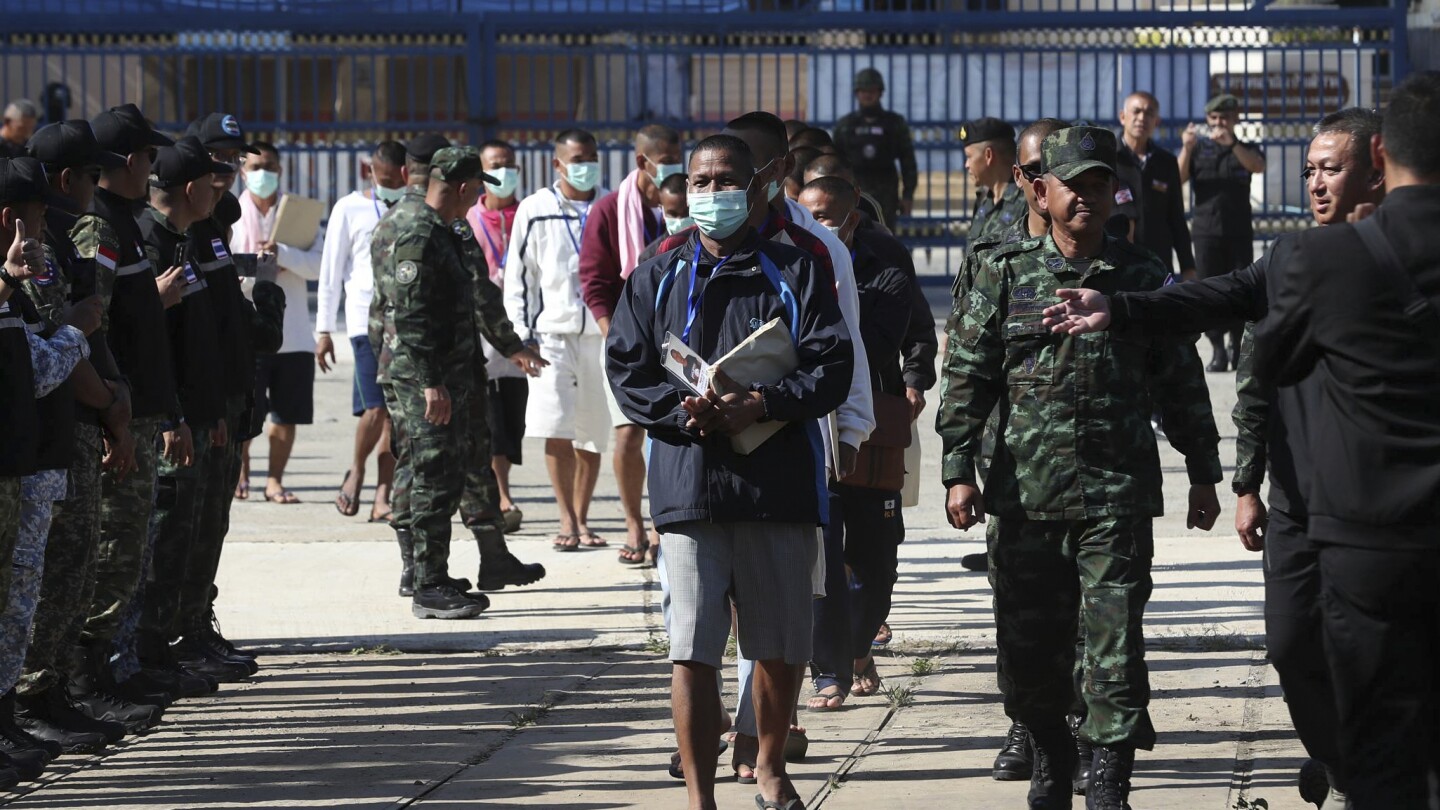
    In a significant diplomatic breakthrough, Thailand has repatriated 18 Cambodian prisoners of war following the successful implementation of a bilateral ceasefire agreement. The release occurred Wednesday at the Chanthaburi-Pailin border checkpoint, precisely where defense ministers from both nations formalized the truce last Saturday.

    Thai authorities characterized the prisoner transfer as “a demonstration of goodwill and confidence-building” conducted in strict adherence to international humanitarian principles. Cambodia’s Defense Ministry welcomed the development, stating it “creates an environment conducive to peace, stability, and the full normalization of relations for the benefit of both nations.”

    The soldiers’ captivity had become a major obstacle to reconciliation following two rounds of destructive combat over contested border territories. Thailand had previously justified their detention under Geneva Convention provisions permitting prisoner retention until hostilities conclude. Throughout their five-month imprisonment, the soldiers received regular visits from the International Committee of the Red Cross and were afforded all protections guaranteed by international humanitarian law.

    Cambodian officials had leveraged the detention to galvanize nationalist sentiment during the conflict. The government explicitly promised both the soldiers’ families and the Cambodian public that “no soldier would be left behind.”

    The current ceasefire agreement stipulated prisoner release upon 72 hours of sustained peace following Saturday’s noon enactment. Although this period concluded Tuesday, Thai authorities implemented a brief evaluation delay citing concerns over 250 Cambodian drones operating along the border.

    Disputes persist regarding the circumstances of the soldiers’ capture on July 31, coinciding with an initial ceasefire brokered by Malaysia. Cambodian accounts describe soldiers approaching Thai positions with friendly post-combat greetings, while Thai officials maintain the group demonstrated hostile intent while entering disputed territory. Originally capturing 20 soldiers, Thailand repatriated two individuals earlier for medical reasons.

    The conflict has exacted a heavy toll, with Thailand reporting 26 military fatalities, one civilian death, and 44 additional civilian casualties since December 7. The current ceasefire represents the third diplomatic attempt to resolve tensions, following earlier agreements mediated by Malaysia and advanced through economic pressure from the Trump administration.

  • Thailand releases 18 Cambodian soldiers held since July

    Thailand releases 18 Cambodian soldiers held since July

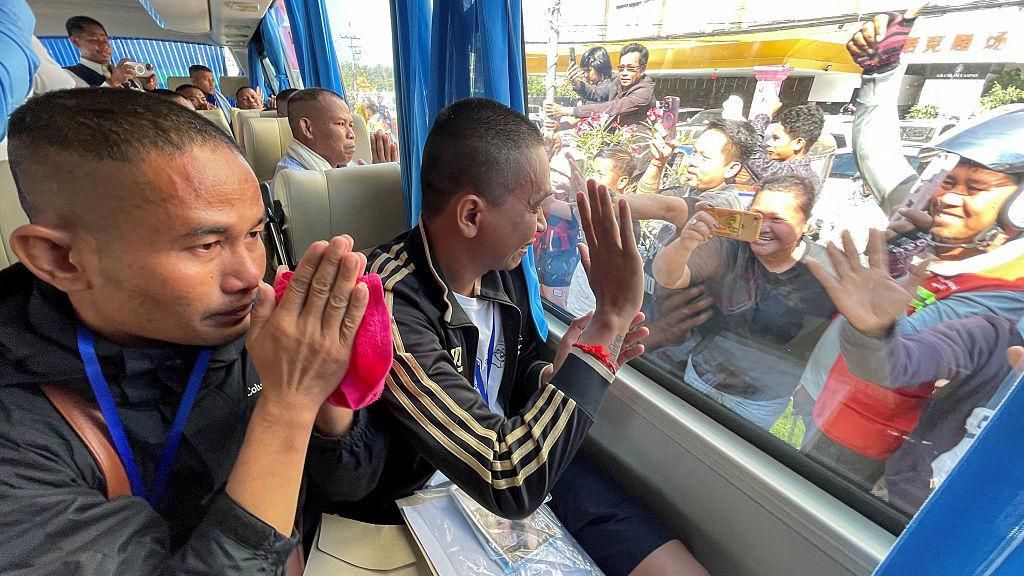
    In a significant diplomatic development, Thailand has repatriated 18 Cambodian military personnel who had been detained since July following intense border hostilities. The prisoner transfer, executed on Wednesday, forms a crucial component of the freshly brokered ceasefire agreement established last Saturday between the Southeast Asian neighbors.

    The handover operation, momentarily postponed due to Thai allegations of ceasefire violations involving unauthorized drone incursions, ultimately proceeded under substantial diplomatic persuasion from China. The released soldiers, clad in civilian attire, received an emotional welcome as they crossed through the designated border checkpoint into Cambodian custody.

    This exchange follows weeks of renewed armed conflict along the contentious border region that displaced approximately one million residents and reignited longstanding territorial disputes. The current ceasefire framework mandates both nations to maintain existing frontlines, prohibit military reinforcements, and facilitate the safe return of displaced civilians to border communities.

    Cambodia’s Defense Ministry characterized the soldiers’ return as a constructive measure toward fostering “mutual trust and confidence,” while Thailand’s Foreign Ministry described the action as a “demonstration of goodwill” expecting reciprocal cooperation from Phnom Penh.

    The border tensions, rooted in century-old territorial disagreements, escalated dramatically this year following nationalist demonstrations at a disputed temple complex. Previous ceasefire attempts, including a Trump-brokered agreement in October, collapsed earlier this month when renewed clashes erupted. Despite previous failures, current indications suggest the latest truce arrangement is maintaining stability along the border region.

  • Israel to suspend several aid groups operating in Gaza, starting January 1

    Israel to suspend several aid groups operating in Gaza, starting January 1

    Israel’s Ministry of Diaspora Affairs and Combating Antisemitism announced on Tuesday its decision to suspend multiple humanitarian organizations operating in Gaza effective January 1, 2025. The regulatory action targets groups that allegedly failed to comply with enhanced security protocols requiring detailed employee information to prevent potential terrorist affiliations.

    The ministry stated that affected organizations had received formal notifications regarding license revocations after demonstrating what officials characterized as insufficient cooperation. These groups reportedly refused to submit comprehensive lists of their Palestinian staff members, preventing authorities from conducting necessary security vetting procedures.

    According to official statements, the suspended organizations—whose identities remain undisclosed—must completely cease operations by March 1. Ministry representatives emphasized that these groups had been given a ten-month compliance window but ultimately failed to meet updated regulatory requirements governing international NGOs in Palestinian territories.

    In a significant development, the ministry specifically implicated Doctors Without Borders (Médecins Sans Frontières or MSF), alleging that two employees maintained connections with militant organizations. Officials claimed one individual was identified as a Palestinian Islamic Jihad member in June 2024, while another was allegedly a Hamas sniper as of September 2024. The ministry asserted that MSF failed to provide complete disclosure regarding these individuals’ identities and roles despite repeated requests.

    MSF responded to these allegations by stating the organization would never knowingly employ individuals engaged in military activities, noting such affiliations would endanger both staff and patients. The medical charity confirmed ongoing registration discussions with Israeli authorities but clarified it had not yet received formal re-registration decisions.

    The ministry maintained that these measures would not significantly disrupt humanitarian aid distribution, estimating that fewer than 15% of operating organizations violated the updated regulatory framework. However, multiple NGOs have expressed concerns to international media about substantial impacts on aid distribution capabilities throughout Gaza.

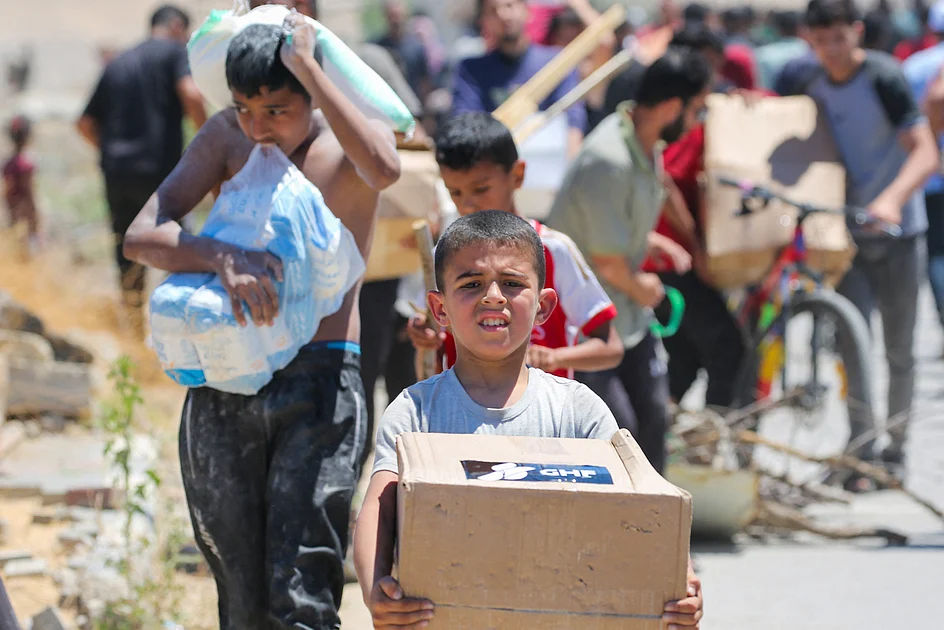
    This regulatory tightening occurs amid ongoing humanitarian challenges in the region. Despite October ceasefire agreements stipulating 600 daily aid trucks, current figures range between 100-300 trucks according to United Nations and NGO reports, creating significant supply shortages for Gaza’s population.