分类: world

  • Over 100 injured in India as two monorail trains crash at hydropower site

    Over 100 injured in India as two monorail trains crash at hydropower site

    A significant industrial accident occurred at a major hydropower construction site in northern India on Tuesday night, resulting in mass casualties when two monorail trains collided within an underground tunnel. The incident took place at the Pipalkoti hydropower project in Uttarakhand state, operated by Tehri Hydro Development Corp (THDC), a joint venture partially owned by NTPC Ltd.

    According to Gaurav Kumar, the district’s chief administrative officer, the collision was triggered by catastrophic brake failure in one of the monorail vehicles. These transport systems are critical infrastructure at the construction site, primarily used for ferrying personnel and moving construction materials through the extensive tunnel network.

    The collision resulted in 109 workers sustaining injuries, with medical officials reporting that most victims suffered minor trauma while four individuals sustained serious fractures. Emergency response teams were immediately deployed to the remote mountainous region to provide medical assistance and extract injured workers from the confined tunnel environment.

    Despite the severity of the incident, Kumar confirmed that track clearance operations were completed promptly, with project managers anticipating a resumption of construction activities on Wednesday. The quick recovery highlights the project’s strategic importance to India’s energy infrastructure development.

    This accident brings attention to India’s ambitious hydropower expansion program. Currently, hydropower constitutes approximately 51 gigawatts of the nation’s 505-gigawatt total installed capacity. Uttarakhand state, where this incident occurred, hosts more than ten operational hydropower facilities with approximately 2.0 gigawatts of combined capacity, alongside numerous projects under development.

  • Goodbye 2025! First 10 countries to ring in New Year 2026 before UAE

    Goodbye 2025! First 10 countries to ring in New Year 2026 before UAE

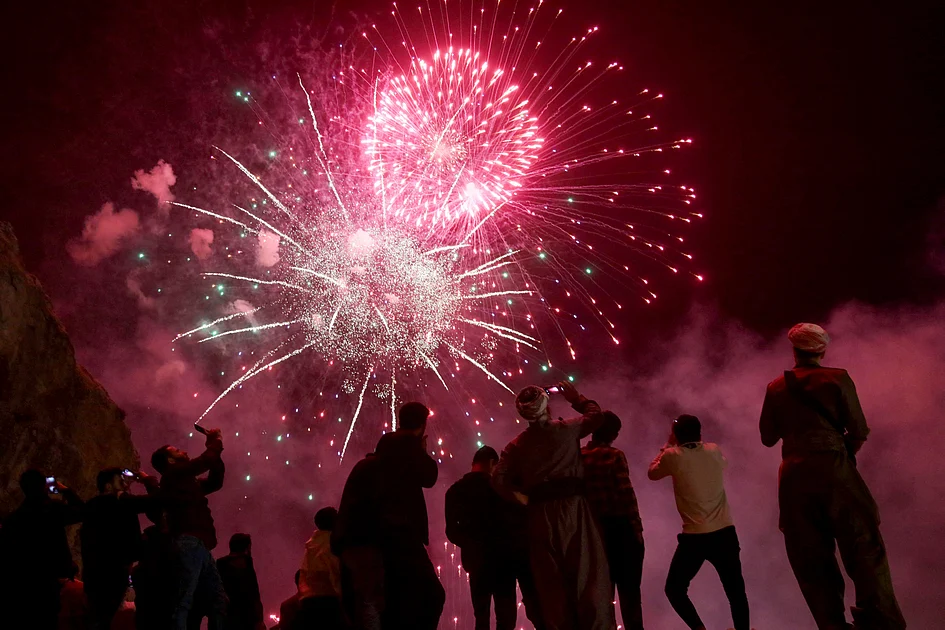
    While the United Arab Emirates prepares for its spectacular New Year’s Eve festivities featuring dazzling fireworks and drone displays, numerous nations across the globe will have already commenced their 2026 celebrations due to time zone differences. This chronological progression of New Year arrivals highlights both the diversity of global traditions and the universal human desire for renewal and celebration.

    Leading the planetary countdown, New Zealand’s UTC+13 time zone positions it as the first major nation to welcome the new year at 3:00 PM UAE time. The country celebrates with magnificent pyrotechnic displays above Auckland’s Sky Tower and Harbour Bridge, alongside public concerts and beach gatherings that capitalize on the Southern Hemisphere’s summer season.

    The temporal complexity of Kiribati presents a fascinating case study in time zone peculiarities. This Pacific nation spans three separate time zones across its 33 atolls, with Kiritimati Island (Christmas Island) in the UTC+14 zone technically becoming the first inhabited place on Earth to enter 2026 at 2:00 PM UAE time. The nation’s celebrations emphasize community feasts, traditional dancing, and church services, with modest fireworks and shared meals of local delicacies.

    Australia’s celebrations at 5:00 PM UAE time will carry particular significance following the tragic Bondi Beach mass shooting. While Sydney’s iconic Harbour Bridge fireworks will proceed as scheduled, authorities have implemented enhanced security measures and planned solemn tributes to honor victims, including illuminating the bridge’s pylons with peace doves and mental health awareness symbols.

    East Asian nations Japan and South Korea simultaneously welcome 2026 at 7:00 PM UAE time, though Tokyo’s Shibuya Station has cancelled its famed countdown due to crowd safety concerns. Both countries maintain traditional observances including purifying rituals at shrines and bell-ringing ceremonies alongside modern K-pop performances and fireworks displays.

    China and the Philippines share an 8:00 PM UAE time entry into the new year, with China emphasizing commercial district celebrations while reserving its major cultural observances for the upcoming Lunar New Year. The Philippines blends Spanish, Chinese, and indigenous traditions through vibrant fireworks, symbolic foods, and noise-making ceremonies intended to attract prosperity.

    Thailand’s beach parties and urban celebrations commence at 9:00 PM UAE time, followed by India’s nationwide festivities at 10:30 PM UAE time featuring massive concerts and fireworks across major metropolitan centers. Pakistan concludes the list at 11:00 PM UAE time with combined religious observances and public countdown events.

    This global temporal journey demonstrates how cultural traditions adapt to modern celebrations while maintaining unique characteristics that reflect each nation’s historical and social context.

  • Aid agencies warn of ‘devastating’ impact on Gaza after Israeli ban

    Aid agencies warn of ‘devastating’ impact on Gaza after Israeli ban

    A sweeping Israeli directive targeting 37 humanitarian organizations operating in Gaza has sparked grave concerns among international aid agencies, with suspensions set to take effect January 1st. The Israeli Ministry of Diaspora Affairs announced the measure Tuesday, citing non-compliance with newly implemented security and transparency protocols, including requirements to submit detailed staff lists for security vetting.

    Major global aid providers including Médecins Sans Frontières (MSF), Oxfam, ActionAid, and the Norwegian Refugee Council are among those affected. These organizations have played critical roles in delivering healthcare, sanitation, shelter, and essential supplies throughout the ongoing humanitarian crisis in the besieged territory.

    Oxfam’s policy lead for Palestinian territories, Bushra Khalidi, characterized the new regulations as a politicized mechanism that effectively obstructs humanitarian operations. ‘The core issue here is not a legal technicality,’ Khalidi told Middle East Eye. ‘It’s the use of a politicized registration to restrict life-saving aid—that’s against international humanitarian law.’

    MSF, which provides approximately 20% of hospital bed capacity and supports one-third of all childbirth deliveries in Gaza, warned of ‘devastating consequences’ if forced to cease operations. The medical organization stated it had received no official notification despite the impending deadline and vehemently denied Israeli allegations of cooperation with Hamas.

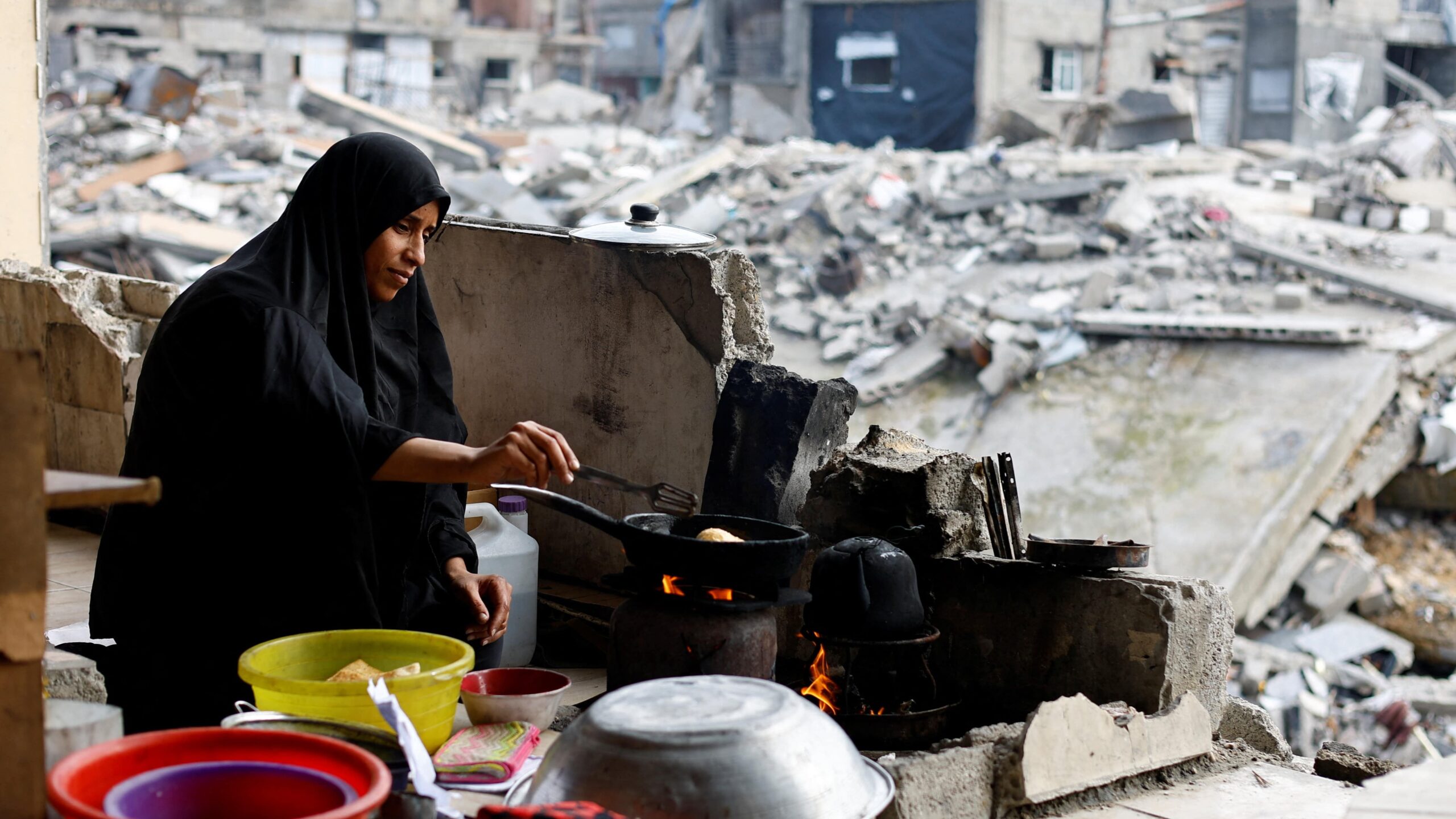
    The humanitarian crisis has been exacerbated by severe winter weather that has flooded makeshift camps, damaged over 42,000 shelters, and claimed the lives of at least three children from exposure. Aid groups report that Israeli restrictions have already limited essential supplies entering Gaza, with only approximately 20,000 trucks allowed entry since October compared to the agreed-upon 48,000.

    Concurrently, the Israeli parliament approved legislation cutting utilities to UNRWA offices in Jerusalem, further complicating the humanitarian response. Aid organizations indicate they will pursue legal challenges against any formal deregistration decisions while emphasizing that court proceedings cannot substitute for unimpeded humanitarian access.

  • Finnish police seize ship suspected of sabotaging undersea cable

    Finnish police seize ship suspected of sabotaging undersea cable

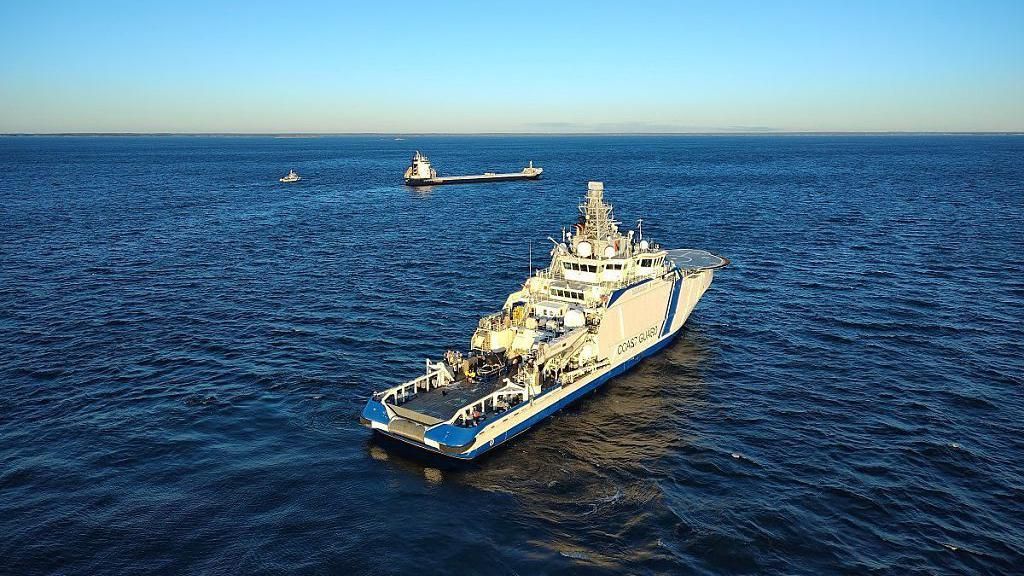
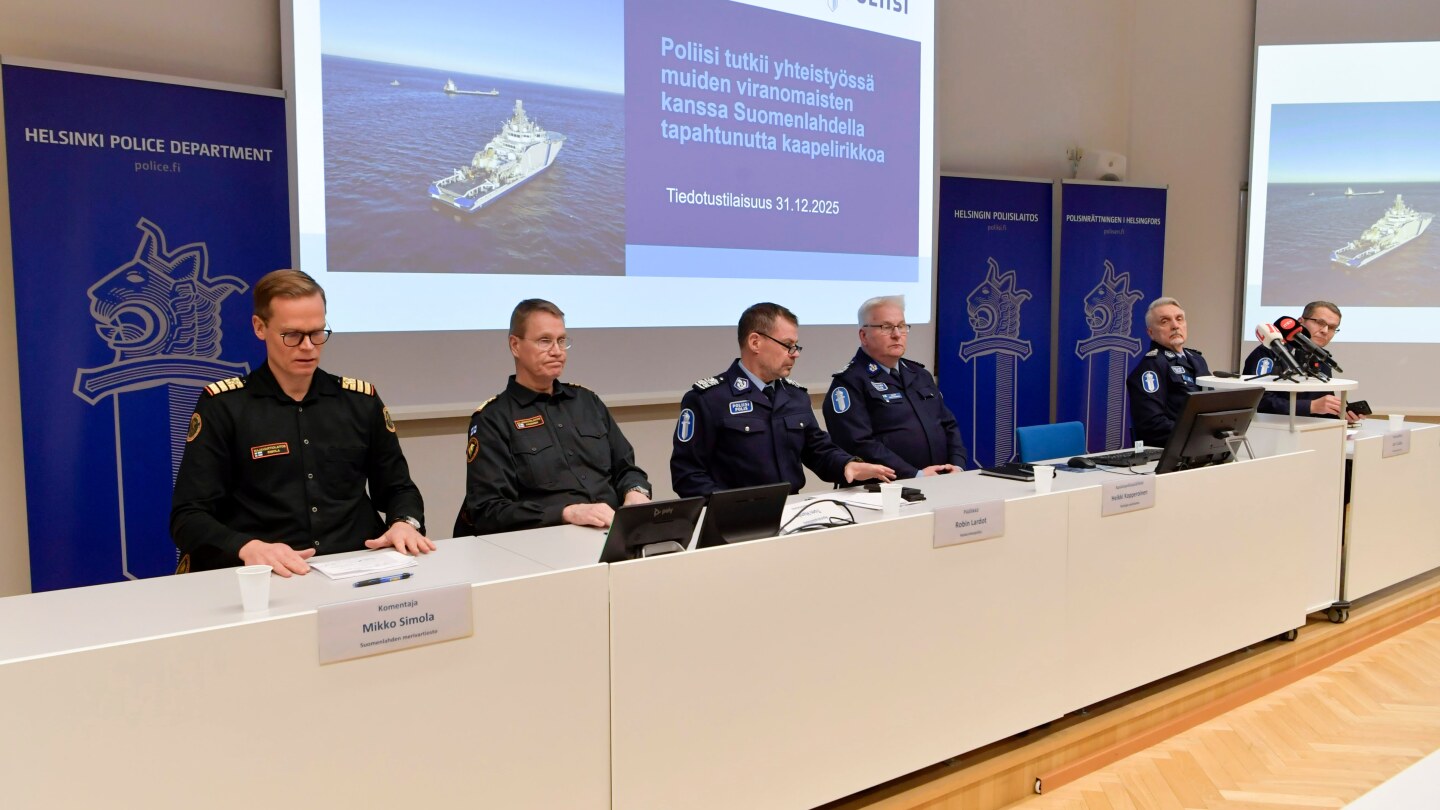
    Finnish law enforcement has apprehended a cargo vessel and its entire 14-member crew on suspicion of damaging a vital undersea telecommunications cable connecting Helsinki to Tallinn across the Gulf of Finland. The incident, which occurred on Wednesday, prompted a major multi-agency response involving coast guard helicopters and patrol ships.

    The detained vessel, identified as the Fitburg, was en route from St. Petersburg, Russia, to Haifa, Israel, sailing under the flag of St. Vincent and Grenadines. Authorities intercepted the ship after telecommunications provider Elisa detected a fault in its submarine cable system. The coast guard reported finding the vessel dragging its anchor in proximity to the cable’s location.

    While Elisa confirmed service continuity through rerouted traffic, police have launched a criminal investigation into “aggravated disruption of telecommunications” and “aggravated sabotage.” The multinational crew comprises Russian, Georgian, Kazakh, and Azerbaijani nationals.

    This incident occurs against heightened regional security concerns, with eight NATO countries bordering the Baltic Sea. Estonian authorities simultaneously reported an outage in a second Finland-Estonia cable, though causation remains unconfirmed. Finnish President Alexander Stubb affirmed national preparedness for “security challenges of various kinds,” while EU Technology Commissioner Henna Virkkunen pledged vigilance against “hybrid threats.

    The event echoes growing apprehensions about critical infrastructure vulnerability, particularly since Russia’s 2022 invasion of Ukraine. Security expert and Finnish MP Jarno Limnell characterized the situation as involving “national security” where “critical infrastructure is the front line.” Police Chief Ilkka Koskimäki declined to speculate on state involvement, emphasizing that investigators focus exclusively on establishing factual circumstances.

  • Passenger describes ‘chaos’ after head-on Machu Picchu train collision

    Passenger describes ‘chaos’ after head-on Machu Picchu train collision

    A devastating head-on collision between two passenger trains near Peru’s iconic Machu Picchu has resulted in one fatality and at least 40 injuries, according to official reports. The incident occurred Tuesday at approximately 13:20 local time (18:20 GMT) along the vital transport route connecting Ollantaytambo Station and Aguas Calientes, the gateway town to the ancient Incan citadel.

    Eyewitness Niels Honkoop, a 33-year-old tourist, provided harrowing accounts of the immediate aftermath to BBC reporters. Having fortuitously moved from the middle to the rear of the train shortly before impact, Honkoop described scenes of utter chaos with injured passengers, shattered glass covering carriage floors, and structural components torn apart. “I saw staff running around and people crying and people on the floor and chaos erupted,” he recounted. “We got off the train and I saw people bleeding with very severe injuries.”

    The collision involved trains operated by PeruRail and Inca Rail, the two primary rail service providers for the UNESCO World Heritage site. Emergency response teams arrived via another train, evacuating survivors to nearby villages for medical treatment and temporary accommodation. Multiple international citizens were among those affected, with both the UK Foreign Office and US Embassy confirming they were providing consular assistance to injured nationals.

    PeruRail issued an official statement expressing profound regret for the incident and confirming their staff had provided immediate first aid to those involved. The precise cause of the accident remains under investigation amid ongoing transportation disputes in the region. Local communities have voiced concerns about insufficiently transparent bidding processes for transport services to Machu Picchu, where limited accessibility creates lucrative but expensive transit options for visitors.

    The incident highlights ongoing challenges in managing tourism to the 15th-century Incan city, designated one of the Seven Modern Wonders of the World. While Peruvian authorities implemented daily visitor caps in 2011 to preserve the archaeological site, transportation infrastructure and safety protocols remain critical concerns for the millions who visit annually via rail and hiking trails.

  • Thailand repatriates 18 detained Cambodian soldiers

    Thailand repatriates 18 detained Cambodian soldiers

    In a significant diplomatic development, Thailand has formally repatriated 18 Cambodian soldiers who had been detained since late July 2025. The transfer occurred on Wednesday, December 31st, marking a crucial implementation of recent bilateral agreements between the Southeast Asian neighbors.

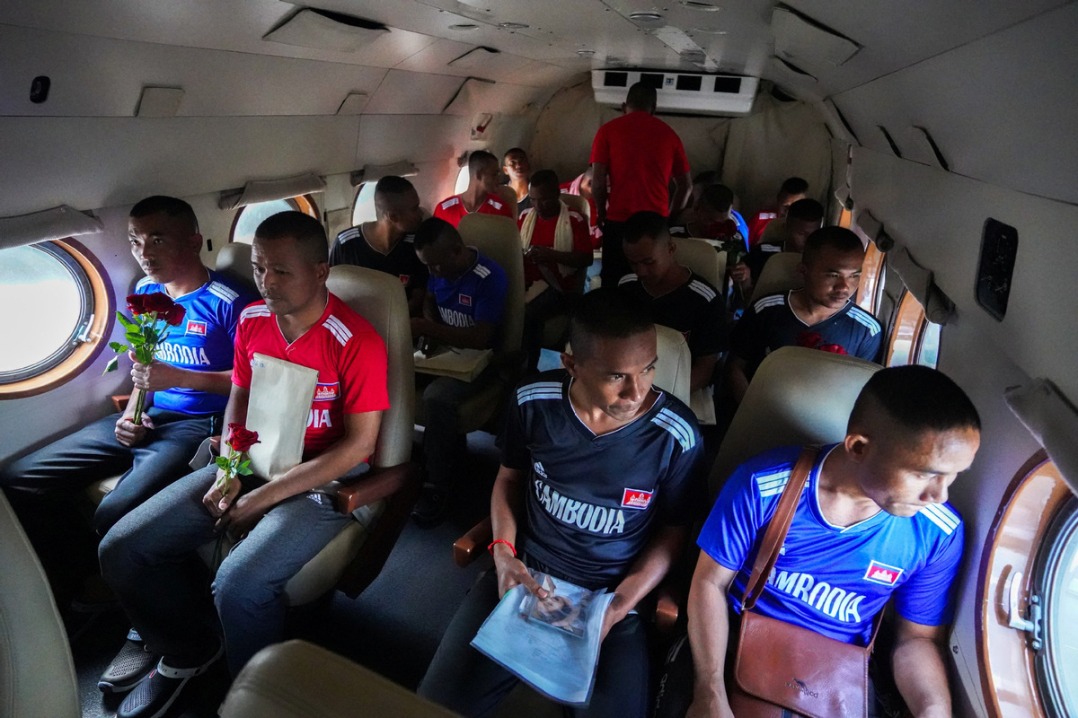
    The repatriation operation was conducted under strict observation from both the ASEAN Observer Team and the International Committee of the Red Cross, ensuring transparent and humane treatment throughout the process. The soldiers were transported via military helicopter from Battambang airport to Phnom Penh, completing their journey home after nearly five months in detention.

    This military personnel exchange directly fulfills Paragraph 11 of the Joint Statement signed during the 3rd Special General Border Committee Meeting on December 27, 2025. The agreement stipulated that the soldiers would be returned following a successfully maintained 72-hour ceasefire period between the two nations. Additionally, the action honors the spirit of the earlier Joint Declaration between Thailand and Cambodia signed in Kuala Lumpur on October 26, 2025.

    Cambodian Defense Ministry spokesperson Lieutenant General Maly Socheata confirmed the soldiers’ release, expressing optimism that this confidence-building measure would significantly contribute to regional stability. “Cambodia remains hopeful that this release will significantly contribute to building mutual trust and confidence,” Socheata stated. “We believe this creates an environment conducive to peace, stability, and the full normalization of relations for the benefit of both nations and their people in the near future.”

    The incident that led to the soldiers’ capture in July occurred amid ongoing border tensions between the two countries, though specific details surrounding their detention were not disclosed in the official statements. The successful repatriation represents a tangible step toward de-escalation and demonstrates both governments’ commitment to diplomatic resolution of conflicts.

  • Israeli forces kill three Palestinians in Gaza and West Bank

    Israeli forces kill three Palestinians in Gaza and West Bank

    Fresh violence has erupted across Palestinian territories with Israeli military operations claiming multiple lives, including children, despite an existing truce agreement. The ongoing conflict continues to exacerbate what international organizations describe as a catastrophic humanitarian situation in Gaza.

    In separate incidents spanning Tuesday and Wednesday, three Palestinians lost their lives during Israeli military operations. An 11-year-old child, Dana Hussein Ahmed Muqat, was killed in al-Zarqa northeast of Gaza City, while another juvenile died in al-Mawasi within the southern Gaza Strip. Simultaneously, Israeli forces conducted aerial and ground assaults throughout Gaza, with particularly intense operations reported in northern and central regions.

    The West Bank witnessed parallel violence as Israeli forces conducted overnight raids resulting in numerous arrests. During one operation between Awarta and Einabus towns south of Nablus, Israeli troops opened intensive fire on a Palestinian vehicle, causing it to overturn and burst into flames. The attack resulted in one fatality—20-year-old Qais Sami Jasser Allan—and left several others wounded.

    This recent escalation occurs against the backdrop of staggering casualty figures, with over 71,269 Palestinians killed in Gaza and more than 1,000 in the West Bank since October 2023, according to local reports.

    Amid the deteriorating situation, a coalition of ten nations—Canada, Denmark, Finland, France, Iceland, Japan, Norway, Sweden, Switzerland, and the United Kingdom—issued a joint statement on Tuesday demanding Israel remove restrictions on humanitarian access to Gaza. The diplomatic communiqué emphasized that unimpeded aid delivery is essential for effective humanitarian response, reconstruction efforts, and lasting peace stability.

    The humanitarian crisis has been severely aggravated by harsh winter conditions, with reports indicating at least three children have died from exposure to cold temperatures since the start of the rainy season. An additional 19 fatalities resulted from structural collapses caused by severe weather conditions. Palestinians face critical shortages of winter shelter, essential supplies, medicine, clean water, and food due to Israel’s prolonged aid blockade.

    Adnan Abu Hasna, media advisor for the United Nations Agency for Palestinian Refugees (UNRWA), revealed that approximately 1.6 million Palestinians currently experience dangerous levels of malnutrition and food insecurity. In an interview with Al Jazeera, he emphasized that the winter season is producing “direct and disastrous effects” on displaced populations throughout the territory.

  • What to know about the mystery of Malaysia Airlines Flight 370 as the search resumes

    What to know about the mystery of Malaysia Airlines Flight 370 as the search resumes

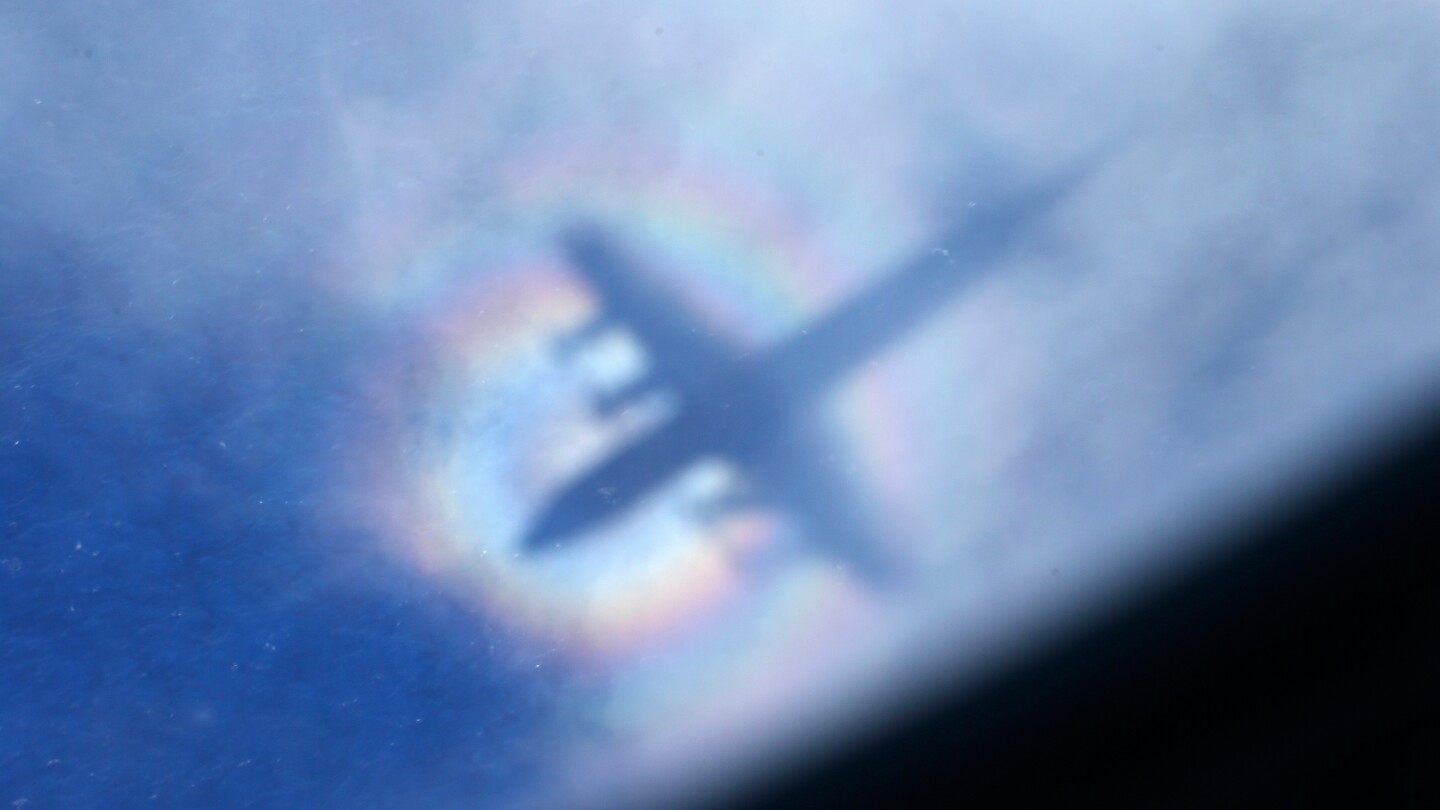
    A decade after one of aviation’s most perplexing disappearances, the search for Malaysia Airlines Flight MH370 has officially recommenced, rekindling hopes for resolution. On Wednesday, Malaysian authorities confirmed that Ocean Infinity, a U.S. marine robotics firm, has initiated a new underwater search operation utilizing advanced technology and revised data analysis.

    The Boeing 777 vanished on March 8, 2014, during its routine flight from Kuala Lumpur to Beijing with 239 passengers and crew aboard. After its final communication at 39 minutes into the flight, the aircraft’s transponder ceased transmission. Military radar tracked an unexpected reversal over the Andaman Sea, while satellite data indicated the plane continued flying for hours before presumably crashing into the remote southern Indian Ocean due to fuel exhaustion.

    Previous multinational search efforts, including the largest underwater operation in history covering 120,000 square kilometers, yielded minimal results. Only a few fragments—notably a wing flaperon discovered on Réunion Island in 2015—have been confirmed as wreckage from the missing aircraft. The absence of bodies, substantial debris, or definitive explanations has perpetuated the mystery.

    Theories regarding the disappearance range from mechanical failure and cabin depressurization to deliberate intervention. Malaysian investigators in 2018 eliminated suspicion of passengers and crew but acknowledged possible “unlawful interference” given the intentional severance of communications.

    The passenger manifest represented global diversity, with individuals from China, the United States, Indonesia, France, Russia, and other nations. Among them were technology professionals, artists, families with children, and two Iranians traveling on stolen passports.

    The current search, operating under a “no-find, no-fee” agreement worth $70 million upon success, will focus on a targeted 15,000-square-kilometer area identified through enhanced debris drift studies and technological advancements. Initially paused in April due to adverse weather conditions, the operation will resume intermittently from December 30 for 55 days in zones deemed most probable for locating wreckage.

    Ocean Infinity has collaborated with numerous experts to refine search parameters but has not disclosed whether new evidence prompted the revised approach. The immense challenges of searching the deep, volatile Indian Ocean—where depths average 4 kilometers—continue to complicate recovery efforts.

  • Who is El Gerente, the accused mastermind of deadly ambush, arrested by UAE

    Who is El Gerente, the accused mastermind of deadly ambush, arrested by UAE

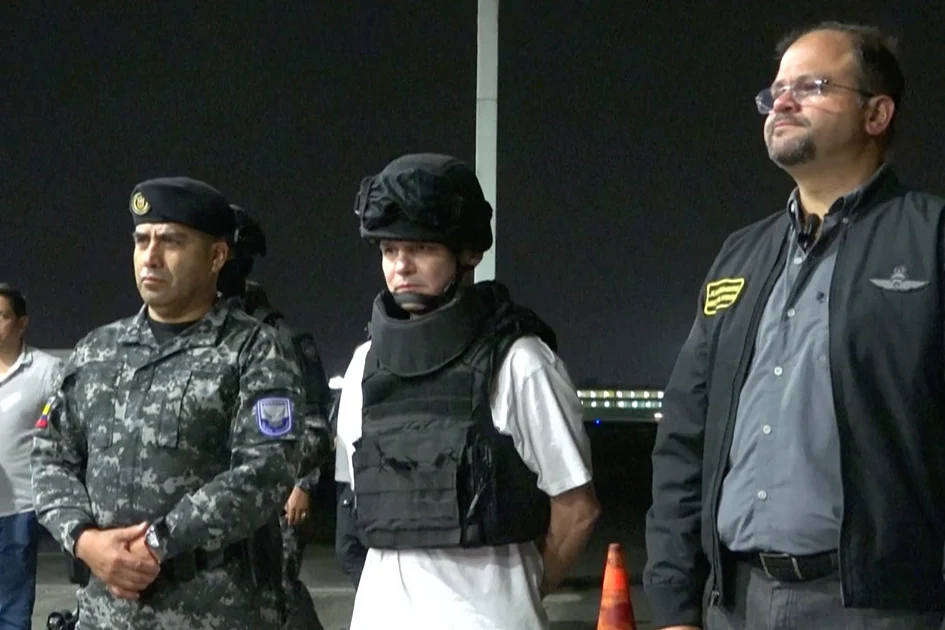
    In a significant breakthrough for international law enforcement collaboration, United Arab Emirates authorities have captured Roberto Carlos Alvarez Vera, the elusive Ecuadorian criminal mastermind known as ‘El Gerente’ (The Manager). The arrest concludes an intensive manhunt for the alleged leader of the Comandos de la Frontera criminal network, who operated along the volatile Ecuador-Colombia border region.

    The UAE’s apprehension of Alvarez Vera followed judicial cooperation between the two nations, with extradition proceedings already initiated to return the high-value target to Ecuador. Ecuadorian President Daniel Noboa confirmed the revocation of Alvarez Vera’s temporary bail status and announced his impending transfer to face justice in his home country.

    According to Ecuadorian security agencies, Alvarez Vera built his criminal empire from dissident factions of Colombia’s disbanded FARC guerrilla movement. The organization allegedly evolved into a sophisticated cartel-like operation involved in drug trafficking, arms smuggling, illegal mining operations, and complex money laundering schemes. Investigators have linked him to an extensive network of front companies and financial structures designed to conceal proceeds from criminal activities.

    The most severe allegation against Alvarez Vera concerns his alleged orchestration of a deadly ambush on May 9 in Orellana province’s remote Alto Punino area. Armed assailants attacked an Ecuadorian military patrol conducting operations against illegal mining, resulting in the deaths of eleven soldiers—one of the deadliest assaults on the country’s armed forces in recent history. Prosecutors assert the ambush was designed to protect the group’s drug trafficking and mining interests in the Amazon region.

    Both governments have emphasized that this case demonstrates their shared commitment to combating transnational organized crime and upholding the rule of law. The successful operation highlights the importance of maintaining effective communication channels between central authorities to strengthen judicial cooperation and bilateral relations on global security matters.

  • Authorities investigating damage to undersea telecom cable in Gulf of Finland

    Authorities investigating damage to undersea telecom cable in Gulf of Finland

    A significant incident involving damage to critical underwater telecommunications infrastructure has triggered a multinational response in the Baltic Sea region. Early Wednesday, authorities discovered damage to a submarine cable operated by telecommunications provider Elisa in the Gulf of Finland between Helsinki and Tallinn.

    Finnish Border Guard officials executed a swift response, seizing and inspecting a vessel suspected of involvement in the incident. The ship was identified within Finland’s exclusive economic zone with its anchor deployed at the time of discovery. The actual cable damage occurred within Estonia’s exclusive economic zone, elevating the incident to matters of international jurisdiction.

    Helsinki law enforcement has launched a comprehensive criminal investigation encompassing potential charges of aggravated criminal damage, attempted aggravated criminal damage, and aggravated interference with telecommunications infrastructure. The case represents a serious breach of critical undersea assets that form the backbone of regional communications networks.

    Finnish President Alexander Stubb addressed the situation through social media platform X, stating: “Finland is prepared for security challenges of various kinds, and we respond to them as necessary.” This declaration underscores the seriousness with which Nordic authorities are treating the incident.

    Estonian and Finnish authorities are currently coordinating their response to determine whether to pursue separate criminal proceedings or initiate a joint prosecution. This bilateral cooperation highlights the transnational nature of underwater infrastructure protection and the shared security concerns between NATO allies in the strategically sensitive Baltic region.