
The 2025 World Internet Conference Wuzhen Summit, held in Zhejiang province, brought together global leaders, experts, and tech executives to discuss the future of digital intelligence. With the theme ‘Forging an Open, Cooperative, Secure, and Inclusive Future of Digital Intelligence,’ the summit emphasized the need for joint efforts to build a shared digital future. Li Shulei, a senior official of the Communist Party of China, highlighted the importance of inclusive development, digital infrastructure, and the widespread adoption of digital technologies. He called for enhancing global digital literacy and bridging the digital divide to ensure that the benefits of digital development are shared worldwide. Wang Hao, Party secretary of Zhejiang, noted the province’s progress in integrating the digital economy with the real economy, with the digital economy accounting for over 50% of its GDP in 2024. Daren Tang, Director General of the World Intellectual Property Organization, praised China’s entry into the top 10 of the Global Innovation Index, attributing it to the robust digital economy. The summit also addressed the role of artificial intelligence (AI) in driving the digital economy. Wu Yongming, CEO of Alibaba Group, emphasized the company’s commitment to open-source AI models and the importance of technological inclusiveness. Liu Qiangdong, founder of JD.com, discussed the transformative potential of AI and robotics in reducing logistics costs and creating new job opportunities. The summit concluded with a call for global collaboration to harness the power of digital technologies for the benefit of all.
分类: technology
-
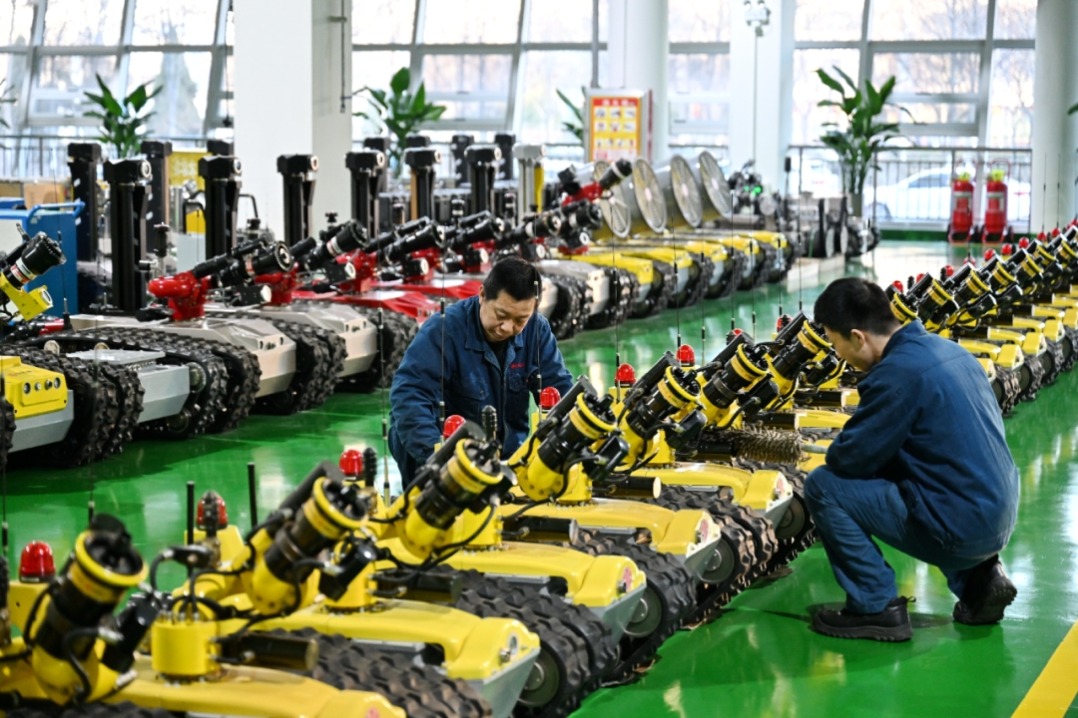
Hebei emerges as global sci-tech hub during 14th Five-Year Plan period
Hebei Province has solidified its position as a global hub for scientific and technological innovation during the 14th Five-Year Plan period (2021–2025), according to senior officials. The province’s advancements have not only fueled regional development but also strengthened international cooperation. A recent press conference by the Information Office of the Hebei Provincial People’s Government revealed that Hebei’s R&D expenditure soared to 96.78 billion yuan ($13.59 billion) in 2024, ranking 13th nationally and reflecting a 52.5% increase from the 13th Five-Year Plan period (2016–2020). The value of technology contracts surged to 197.14 billion yuan, 3.53 times higher than the previous period. Hebei is now home to over 15,000 national high-tech enterprises and more than 127,000 provincial-level sci-tech SMEs, with five local firms achieving global unicorn status this year. The province’s integration with Beijing and Tianjin has deepened, with Hebei absorbing 75.53 billion yuan in technology contracts from Beijing in 2024, the highest nationwide. The Xiong’an New Area has emerged as a key innovation hub, hosting over 200 enterprises in its Zhongguancun Science Park and attracting foreign talent through streamlined services. Notable breakthroughs include the world’s first RISC-V kernel super SIM chip by Xiong’an XinSheng Technology and HBIS Group’s leading hydrogen metallurgy projects. Hebei has also expanded its international collaboration, establishing joint laboratories with Serbia and Brazil. These achievements underscore Hebei’s growing role in global sci-tech cooperation and its commitment to driving high-quality development through innovation.
-

Canadian University Dubai Incubator launches first innovation start-up
Canadian University Dubai (CUD) has unveiled TrustPaper, the first patented start-up to emerge from its business Incubator, marking a significant milestone in document security and authenticity. Powered by ZipTrust, a blockchain-enabled technology, TrustPaper introduces a revolutionary solution that allows for the secure and automatic verification of documents within seconds. This innovation integrates Near Field Communication (NFC) and copyright protection technology directly into academic credentials, enabling instant verification via QR codes or NFC chips using mobile devices. This eliminates the risk of forgery or tampering while ensuring seamless validation. Additionally, TrustPaper stores a digital twin of documents on the blockchain, ensuring lifelong access and security. As part of CUD’s commitment to sustainability and social impact, 25% of the venture’s royalty proceeds will be allocated to an endowment fund supporting equality in education. TrustPaper was officially launched under the brand promise ‘Authenticity You Can Hold’ at the CUD Hub in Dubai City Walk. The event featured a panel discussion with Prof. Karim Chelli, CUD’s president and vice chancellor, and a fireside chat with TrustPaper’s founders. Prof. Chelli emphasized the university’s role as a catalyst for innovation, fostering collaboration to address real-world challenges. Caeser Medel, CEO and founder of ZipTrust, highlighted the project’s alignment with Dubai’s vision for progress and innovation, underscoring the role of technology in building trust and empowerment. TrustPaper also aligns with the United Nations Sustainable Development Goals, particularly in advancing Quality Education, Industry, Innovation and Infrastructure, and Peace, Justice, and Strong Institutions. By bridging traditional paper-based documentation with cutting-edge technology, CUD aims to promote equitable access to secure academic credentials worldwide.
-

AI infrastructure: Super data centres powering the digital age
The United Arab Emirates (UAE) is emerging as a global leader in the development of energy-resilient, AI-ready infrastructure, positioning itself as a hub for next-generation cloud and AI workloads. As the demand for artificial intelligence and large-scale cloud computing surges, the UAE is addressing the critical challenge of scaling energy-hungry data centres while ensuring sustainability, cost efficiency, and environmental responsibility.
-

Changping builds core of science power
Beijing’s Changping district is poised to become a global leader in science and technology as several national-level laboratories from top institutions like Tsinghua University and Peking University relocate to the area. This strategic move aligns with Beijing’s broader ambition to establish itself as a hub for innovation and technological advancement. Liu Xiaodong, deputy Party chief and head of Changping district, emphasized that the relocation is a significant step in implementing both the city’s development strategy and the nation’s innovation goals. ‘Changping is set to become a new high-tech engine for China and the world,’ Liu stated. Situated adjacent to Haidian, Beijing’s high-tech center, Changping already hosts one-third of the city’s national-level laboratories and boasts the largest concentration of universities and working-age talent in the capital. The district has drawn inspiration from globally renowned university towns like Stanford in the U.S. and Cambridge in the U.K. to develop its own ‘scientist towns’ in Nankou and Machikou. In Nankou, Tsinghua University has collaborated with the district to establish a major national research base, with the first phase already operational and the second phase nearing completion. Meanwhile, Machikou is being developed in partnership with Peking University’s ‘New Campus + New Engineering’ initiative, with the first nine facilities expected to be completed by year-end. The district has also focused on urban renewal and industrial heritage preservation, repurposing old factory buildings to reduce carbon emissions and meet green development goals. The International Association of Science Parks and Areas of Innovation recently held its annual meeting in Changping, further highlighting the district’s growing prominence on the global stage. Ebba Lund, the organization’s CEO, praised Changping as a catalyst for international exchanges and a model for science park development worldwide. Local high-tech companies, such as MicroCyto, have also benefited from the district’s innovation network, which includes expert teams from Peking University and numerous startups. With its ambitious plans and strategic partnerships, Changping is well on its way to becoming a world-class innovation engine, driving regional and national development.
-
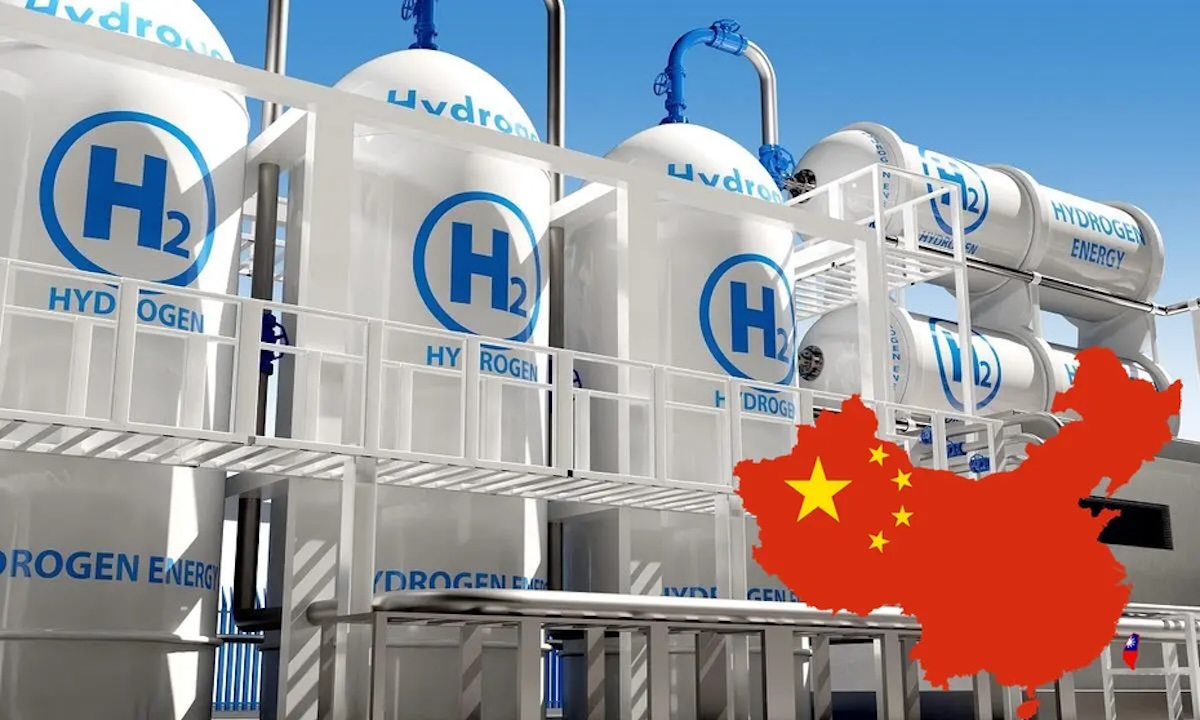
China’s hydrogen electrolyzer dominance – and global risks
The global energy sector is undergoing a significant transformation, with low-carbon hydrogen emerging as a cornerstone of decarbonization efforts. While most hydrogen is currently produced from fossil fuels, the demand for low-carbon hydrogen is projected to skyrocket, with the market expected to grow from $26.39 billion in 2024 to $113.1 billion by 2034. At the forefront of this burgeoning hydrogen economy is China, which has rapidly become a dominant force in the global electrolyzer market, a critical component for hydrogen production. Over the past six years, Chinese firms have increased their share of global electrolyzer manufacturing capacity from 5% to 60%, with six of the top ten manufacturers now based in China. China’s dominance is particularly evident in alkaline (AWE) technology, where it controls 85% of global manufacturing capacity, thanks to over 40 years of experience and a highly integrated supply chain. While European and US companies have traditionally led in proton exchange membrane (PEM) technology, China is closing the gap through substantial state subsidies, reducing PEM electrolyzer prices by 40% between 2022 and 2024. By 2024, China not only became the world’s leading hydrogen producer but also accounted for nearly half of global green hydrogen output. This expansion is part of a deliberate national strategy, mirroring China’s earlier successes in solar PV and wind turbine sectors. However, challenges such as overcapacity, low efficiency, and limited technological adaptability persist, creating opportunities for alternative technologies and international partnerships. China’s hydrogen strategy, codified in the Hydrogen Industry Medium-and Long-Term Plan (2021–2035), aims for 50,000 fuel-cell vehicles, a nationwide refueling network, and significant low-carbon hydrogen output by 2024. State-owned enterprises like Sinopec and CNPC, along with major automakers such as SAIC Motor and BAIC Group, are heavily investing in hydrogen development. Chinese firms are also exporting hydrogen technology globally, with projects in countries like Namibia. Despite its dominance, China’s overcapacity and technological limitations highlight the need for innovation in next-generation solutions like solid oxide electrolyte (SOE) technology, which shows promise in industrial decarbonization and powering data centers. As the hydrogen sector evolves, investing in alternative technologies and diversified partnerships will be crucial for a resilient and sustainable hydrogen future.
-

Texas sues Roblox for ‘putting paedophiles and profits’ over safety
Texas Attorney General Ken Paxton has filed a lawsuit against Roblox, accusing the popular online gaming platform of ‘flagrantly ignoring’ safety laws and ‘deceiving parents’ about the risks it poses to young users. In a strongly worded social media post, Paxton labeled Roblox a ‘breeding ground for predators,’ alleging that the company prioritizes ‘pixel paedophiles and corporate profit’ over the safety of children. This legal action adds to the mounting scrutiny faced by Roblox, which boasts tens of millions of daily active users, over issues related to online safety and predatory behavior. Roblox responded to the lawsuit, expressing disappointment and calling the claims ‘misrepresentations and sensationalised.’ The company emphasized its commitment to child safety, citing measures to remove malicious users and protect its community. Roblox, a platform particularly popular among children, allows users to play solo or interact with strangers online—a feature criticized for exposing young players to potential dangers. Parents and children have voiced concerns about distressing content and abuse on the platform. Paxton urged Roblox to take stronger action to shield children from ‘sick and twisted freaks hiding behind a screen,’ vowing to hold corporations accountable for enabling child abuse. Texas joins Kentucky and Louisiana in suing Roblox over potential harms to children. Roblox CEO Dave Baszucki previously advised parents uncomfortable with the platform to restrict their children’s access, emphasizing parental discretion. In recent years, Roblox has introduced features to enhance age verification and safety, including technology to estimate players’ ages using video selfies and restrictions on messaging for users under 13 without parental consent. The platform has faced bans in countries like Turkey over child exploitation concerns and came under scrutiny in Singapore in 2023 after a self-radicalized teenager was groomed on its servers.
-
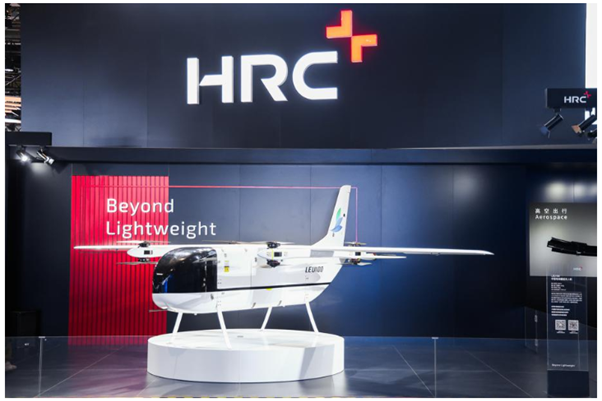
HRC Group’s LEU100 drone debuts at CIIE, targeting China’s low-altitude mobility sector
HRC Group, a global leader in composite-material solutions, unveiled its cutting-edge LEU100 drone at the eighth China International Import Expo (CIIE) in Shanghai on November 5, 2025. The drone, designed for low-altitude mobility, marks a significant step in the company’s expansion into China’s burgeoning drone market. The LEU100 boasts a maximum takeoff weight of 140kg, a range of 200km, and a payload capacity of 55kg. Its electric vertical take-off and landing (eVTOL) capabilities make it ideal for diverse applications, including logistics, medical rescue, disaster relief, and remote sensing. HRC Group’s expertise in carbon-fiber composites played a pivotal role in the drone’s development, ensuring lightweight yet durable construction. Ge Hongyi, HRC Group’s Vice President and CFO, emphasized the material’s advantages, noting its high strength and low energy consumption. He also highlighted the company’s decade-long experience in applying carbon-fiber composites to automotive structures, which has driven exponential sales growth. Ge expressed optimism about China’s low-altitude economy, citing the country’s leadership in the sector and the potential for innovative products. Beyond the LEU100, HRC Group showcased its carbon-fiber applications in automotive and commercial aircraft components. The company, a six-time CIIE exhibitor, praised the expo as a diverse and international platform that aligns with its global market strategy. Ge underscored the event’s role in demonstrating China’s commitment to openness and fostering industry growth.
-
Huawei supports Kenya’s shift to clean and digital energy
Huawei, a leading Chinese technology company, has introduced a groundbreaking digitization strategy to revolutionize Kenya’s energy sector. Unveiled at the Huawei Kenya Energy Summit 2025 in Nairobi, the ‘Digitalization White Paper for the Energy Industry’ outlines a comprehensive plan to modernize Kenya’s power infrastructure, enhance grid resilience, and accelerate the adoption of clean and smart energy solutions. The initiative focuses on four key strategies: developing digital green power plants with remote monitoring capabilities, implementing automated systems for grid stability, creating self-healing distribution networks, and optimizing energy source coordination for improved efficiency and sustainability. Kenya’s Cabinet Secretary for Energy and Petroleum, Opiyo Wandayi, praised Huawei’s contributions, expressing confidence in achieving universal access to clean, reliable, and modern energy by 2030. Wandayi emphasized Kenya’s commitment to leveraging both traditional and renewable energy sources, with a focus on clean energy technologies that drive economic growth while ensuring environmental sustainability. Benjamin Muoki, Kenya Power’s telecommunications and service delivery manager, highlighted Huawei’s role in enhancing operational efficiency, customer experience, and network reliability. This partnership underscores Kenya’s potential for strategic collaborations with global technology leaders to transform its energy landscape.
-
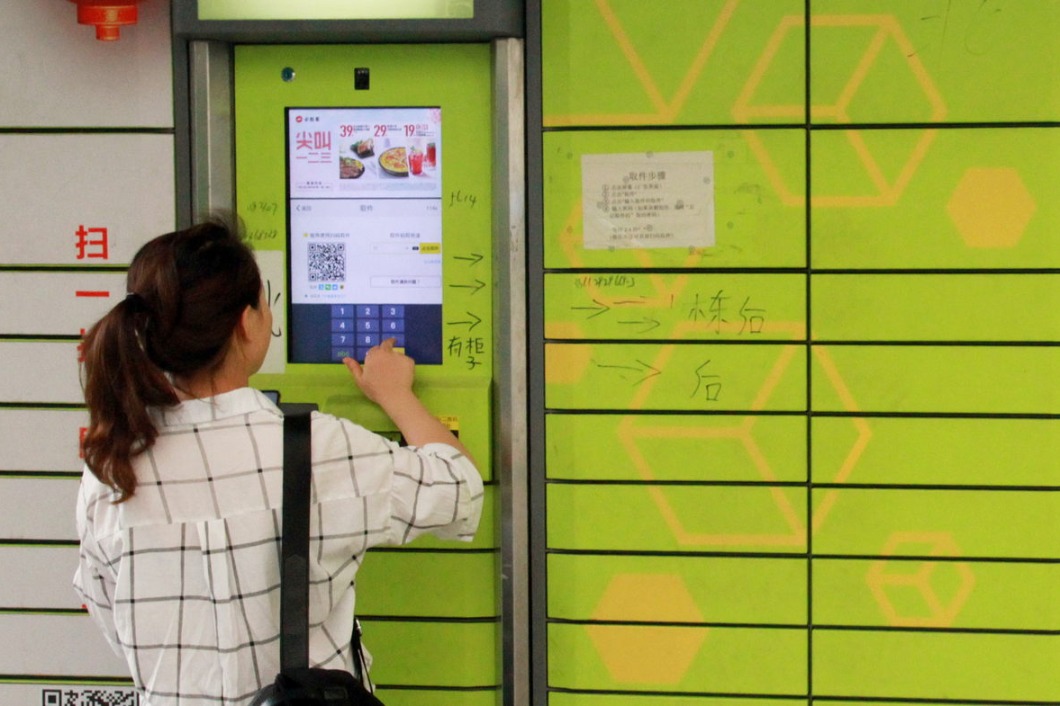
Smart technology-aided delivery aiding China’s online shoppers
China is leveraging cutting-edge smart technology to address one of the most persistent challenges in the logistics sector: the ‘last mile’ of package delivery. This critical phase, which involves transporting goods from local distribution centers to consumers’ doorsteps, has been significantly streamlined through innovations such as smart parcel lockers and neighborhood service stations. According to a report unveiled at a national delivery industry conference in Beijing, these smart solutions now account for over 55 percent of all deliveries in the country. The findings are based on a comprehensive survey of more than 35,000 individuals across the delivery ecosystem. Zhang Ping, the lead researcher, emphasized that the focus is on meeting customer needs, whether in urban apartments or rural villages. Companies like Fengchao have installed electronic lockers in residential communities nationwide, expanding their services beyond package delivery to include offerings like laundry collection. Rural areas have also seen remarkable progress, with 78 percent of villages now equipped with package service stations, ensuring equal convenience for rural residents. Liao Jinrong, deputy head of the State Post Bureau of China, highlighted the growing use of drones and delivery robots, particularly in hard-to-reach areas. China’s delivery industry, already one of the most advanced globally, continues to innovate, driven by the annual ‘last mile’ conference that has been held since 2015. This event brings together experts to explore new ways to enhance efficiency for the nation’s vast online shopping population.