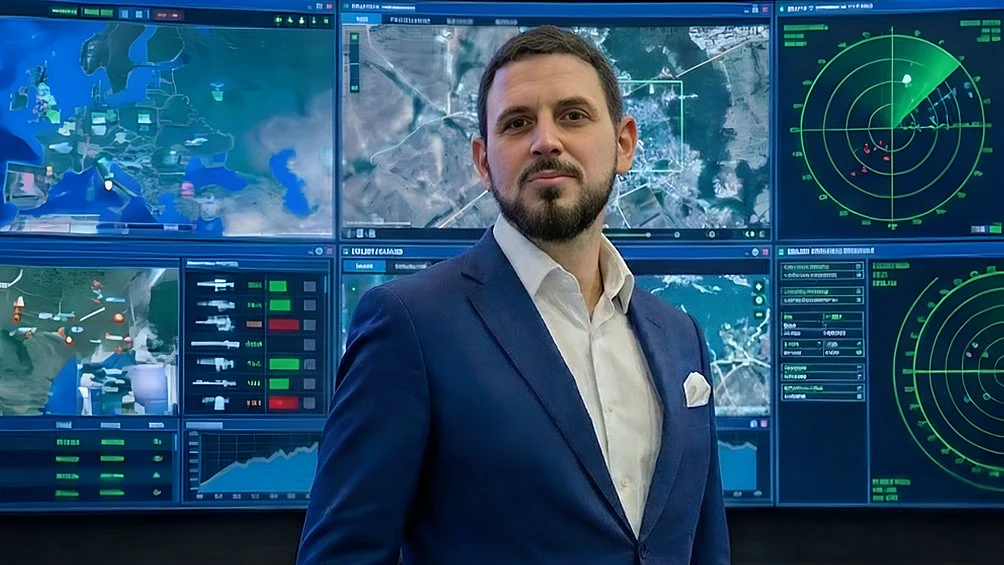
In a groundbreaking move, Talabat, the leading on-demand delivery platform in the MENA region, has joined forces with K2, a trailblazer in advanced technology, to launch a commercial drone delivery service for food and groceries. This collaboration, formalized through a Memorandum of Understanding (MoU), aims to revolutionize urban logistics by enhancing delivery efficiency, reducing carbon emissions, and optimizing operations. The initiative underscores both companies’ dedication to innovation, sustainability, and community impact. The partnership will focus on developing and testing a drone-to-station delivery model, designed to address the challenges of high-demand urban areas. Mayank Khaitan, Director of Logistics at Talabat, emphasized the company’s commitment to leveraging cutting-edge technology to create smarter, safer, and more efficient delivery systems. Waleed AlBlooshi, Vice President of Strategy at K2, highlighted the significance of integrating drone delivery into Abu Dhabi’s smart-city ecosystem, transforming autonomy from a concept into a practical service that enhances daily life. This pilot project aligns with the UAE’s vision for intelligent mobility and future-ready logistics, marking a significant step toward redefining last-mile delivery across the region.
分类: technology
-

6-second entry: Dubai to extend ‘red carpet’ biometric service to arrivals in 2 months
Dubai International Airport is set to revolutionize the arrival experience with the expansion of its ‘Red Carpet’ biometric service to Terminal 3 within the next two months. This innovative system, already operational for departures, enables passengers to breeze through passport control in as little as six seconds, leveraging real-time biometric data processing. Majed Al Joker, Chief Operating Officer at Dubai Airports, highlighted the service’s ability to handle groups of up to ten passengers simultaneously, significantly enhancing efficiency and reducing wait times. The Red Carpet corridor eliminates the need for physical travel documents, offering a seamless and contactless journey. Al Joker emphasized the airport’s commitment to integrating advanced technologies, including artificial intelligence, to optimize operations and decision-making processes. He also noted the airport’s record-breaking passenger numbers, projecting over 95.2 million travelers by year-end. Additionally, Al Joker discussed the growth of Al Maktoum International Airport and the upcoming launch of a new terminal designed to meet future demands. The Dubai Airshow 2025 served as a platform for showcasing next-generation aviation innovations, including electric and vertical take-off aircraft, underscoring Dubai’s leadership in sustainable aviation solutions.
-

China’s role in technology advancement and ASEAN ties highlighted at summit
The Global Chinese Economic and Technology Summit 2025 (GCET 2025), held in Kuala Lumpur on November 19, 2025, underscored China’s critical role in advancing global digitalization and sustainable development, particularly through its partnerships with Malaysia and ASEAN member states. The event, themed ‘Global Leadership and Partnership in the Age of Digital and Green Transformation,’ drew over 400 participants, including policymakers, diplomats, and business leaders, to deliberate on future economic and technological trends.
Malaysian Deputy Prime Minister Ahmad Zahid Hamidi emphasized Malaysia’s strategic position as the ASEAN 2025 chair, stating, ‘The countries that act fastest will lead the next decade.’ He highlighted China’s enduring status as Malaysia’s top trading partner for 16 consecutive years, with bilateral trade surpassing 200 billion ringgit ($48.2 billion) by May 2025. Zahid identified the digital economy, green transition, and the global Chinese diaspora as key drivers of ASEAN’s future growth, particularly in areas like artificial intelligence, smart manufacturing, and green technology.
KSI Strategic Institute for Asia Pacific President Michael Yeoh echoed the importance of preparing for a new economy shaped by digitalization, green energy, and shared prosperity, especially amid rising geopolitical tensions. The summit served as a platform to foster collaboration and dialogue, reinforcing China’s leadership in technological innovation and its commitment to sustainable development within the ASEAN region.
-

China’s new C919 is given a Dubai debut
China’s domestically developed C919 aircraft marked its international debut at the 19th Dubai Airshow, signaling a significant milestone in the country’s aviation industry. The event, held on November 19, 2025, highlighted the aircraft’s growing global appeal and its potential to compete in international markets. Sameer Alhashmi, CEO of Arzana Aviation Consultancy, emphasized the C919’s promising prospects, particularly in regions like Africa, where demand for modern and efficient aircraft is on the rise. The C919, a narrow-body jet designed to rival established models from Boeing and Airbus, represents China’s ambitious push to establish itself as a major player in the global aviation sector. Its presence at the Dubai Airshow underscores China’s commitment to innovation and its strategic efforts to expand its footprint in the aerospace industry. The event also served as a platform for China to showcase its technological advancements and foster international partnerships. As the C919 gains traction, it could reshape the competitive landscape of the aviation market, offering a new alternative to airlines worldwide.
-

University licenses smart fish feeding system for 20 million
Huazhong Agricultural University, located in Wuhan, Hubei province, has unveiled a groundbreaking smart fish feeding system developed by its College of Fisheries. This innovative technology is designed to enhance efficiency and minimize waste in the aquaculture industry, addressing critical challenges faced by fish farmers. The university recently signed a 20-year technology licensing agreement with Sheng Ya Environment, granting the company exclusive rights to the system in exchange for 20 million yuan ($2.8 million). The smart feeding system leverages advanced algorithms and sensors to optimize feeding schedules and quantities, ensuring that fish receive the right amount of nutrition while reducing environmental impact. This development marks a significant step forward in the integration of technology into traditional industries, potentially transforming aquaculture practices globally. The licensing deal underscores the growing demand for sustainable solutions in food production and highlights the university’s commitment to fostering innovation and collaboration between academia and industry.
-

After UAE, Archer to launch flying taxi service in Saudi Arabia
Archer Aviation, the pioneering company set to introduce flying taxi services in the UAE next year, has announced its expansion into Saudi Arabia. The agreement, signed at the Dubai Airshow 2025, involves collaboration with The Helicopter Company (THC), a subsidiary of Saudi Arabia’s Public Investment Fund (PIF), and Red Sea Global (RSG), the developer behind regenerative tourism projects like The Red Sea and Amaala. The partnership aims to develop, test, and potentially integrate Archer’s Midnight eVTOL (electric vertical takeoff and landing) aircraft into RSG’s operations. The initial phase will focus on creating a structured sandbox environment to conduct real-world test flights, assessing aircraft performance, operational feasibility, regulatory compliance, passenger acceptance, and ecosystem readiness. Additionally, the collaboration will explore advanced aerial technologies, long-term strategic partnerships for large-scale deployment, and regional innovation in next-generation aviation systems. Upon completing the sandbox program, the parties will evaluate the results and consider further steps to scale eVTOL services. Archer’s CEO, Adam Goldstein, expressed enthusiasm about transforming travel within Saudi Arabia and setting a regional benchmark for aviation. THC’s CEO, Captain Arnaud Martinez, highlighted eVTOL’s potential as the future of urban transportation, while RSG’s CEO, John Pagano, emphasized the alignment of eVTOL integration with their vision for regenerative tourism.
-

Future Dubai buildings to have rooftop access for air taxis, RTA reveals
Dubai is taking a bold step toward integrating air mobility into its urban landscape by mandating rooftop access for air taxis in future buildings. This initiative, unveiled by the Roads and Transport Authority (RTA) at the Dubai Airshow 2025, is part of a broader strategy to make air taxis a practical and accessible mode of transportation for residents. Developers are now collaborating with the RTA during the early design stages of new projects to ensure seamless integration of vertiports into residential and commercial districts. Ahmed Bahrozyan, CEO of Dubai’s Public Transport Agency, emphasized the importance of embedding air mobility into the fabric of future communities, stating that most developers are eager to participate in this transformative phase. The first vertiport, located near Dubai International Airport, is already 60% complete and on track for completion by early 2026. By the time commercial services launch later that year, four vertiports are expected to be operational. Dubai recently conducted its first successful point-to-point air taxi test flight, marking a significant milestone in the city’s air mobility journey. Joby Aviation CEO JoeBen Bevirt envisions a future where vertiports are within walking distance of homes and workplaces, fundamentally reshaping urban design. Skyports CEO Duncan Walker highlighted Dubai’s role as a global model, noting that success in this dense and expensive real estate market could set a precedent for other cities worldwide. Community readiness and safety remain top priorities, with ongoing efforts to address public concerns about noise and safety through rigorous testing and awareness campaigns. Dubai aims to launch its first commercial air taxi operations by the end of 2026, gradually expanding into a citywide network. Bahrozyan reiterated the goal of making the service safe, quiet, and eventually affordable, underscoring the importance of early collaboration with developers to ensure accessibility.
-

Instagram owner Meta tells Australian teens accounts will close
In a bold move to protect younger users, Australia has introduced a pioneering social media ban targeting individuals under the age of 16. Meta, the parent company of Instagram, Facebook, and Threads, has begun notifying users aged 13 to 15 that their accounts will be deactivated starting December 4, ahead of the nationwide enforcement on December 10. The ban extends to other major platforms, including TikTok, YouTube, X (formerly Twitter), and Reddit. Prime Minister Anthony Albanese emphasized the initiative’s goal to ‘let kids be kids,’ despite opposition from tech companies. Meta, while complying, advocates for a law requiring parental consent for under-16s to access social media apps. The Australian internet regulator estimates that 150,000 Facebook users and 350,000 Instagram users fall within the affected age group. Meta has urged young users to update their contact details to receive notifications when they become eligible to reopen accounts. Users can download their content before deactivation. To challenge the restriction, teens can submit a ‘video selfie’ for facial age verification or provide government-issued identification. However, a report by the UK-based Age Check Certification Scheme (ACCS) noted that no single verification method is universally effective. Platforms failing to enforce the ban face fines of up to A$50 million. Roblox, a gaming platform, has preemptively restricted under-16s from chatting with adult strangers to avoid inclusion in the ban. The e-Safety Commissioner, Julie Inman Grant, highlighted the ban’s aim to shield teens from online risks. The list of impacted platforms includes Facebook, Instagram, TikTok, and YouTube, while Discord, WhatsApp, and YouTube Kids remain unaffected.
-

New ‘mobile marine ranch’ vessel begins operation in Guangdong
A groundbreaking aquaculture vessel, named Zhanjiang Bay 1, commenced operations on November 19, 2025, in Zhanjiang, Guangdong Province. This innovative vessel, hailed as the world’s first floating dynamically-positioned cage-type aquaculture platform, marks a significant leap in the development of China’s aquaculture industry. Owned by the Southern Marine Science and Engineering Guangdong Laboratory (Zhanjiang), the vessel integrates advanced technologies to optimize mariculture practices. Measuring 154 meters in length and 44 meters in width, Zhanjiang Bay 1 boasts an aquaculture water volume of 80,000 cubic meters and features 12 independent farming zones, enabling multi-species fish cultivation. With an annual production capacity ranging from 2,000 to 5,000 metric tons, the vessel is designed to operate in all waters, significantly expanding mariculture space. Its intelligent operation system and cost-effective integration design set new standards for the industry, positioning Guangdong as a leader in sustainable aquaculture innovation.
-

Inside the California lab that shows the contradiction at the heart of the trillion-dollar AI race
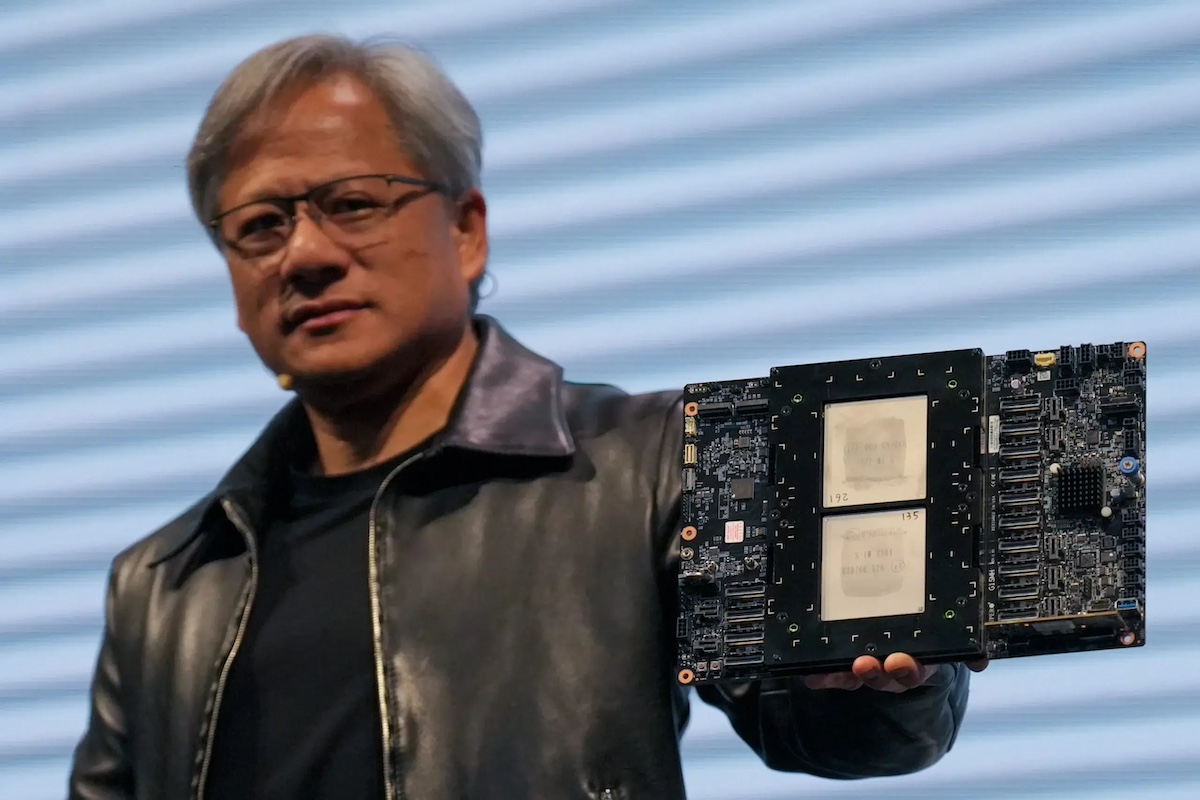
In a rare glimpse into Google’s California headquarters, CEO Sundar Pichai led a tour of the sprawling Googleplex, showcasing the company’s cutting-edge innovations. Amidst the campus’s iconic landmarks—a dinosaur skeleton, a beach volleyball court, and sunlit lunch spots—Pichai’s excitement was palpable as he revealed a hidden laboratory. This facility is the birthplace of Google’s secret weapon: the Tensor Processing Unit (TPU), a chip poised to revolutionize artificial intelligence (AI).
Pichai emphasized the transformative potential of AI, calling it ‘the most profound technology humanity has ever worked on.’ However, he acknowledged the looming question of whether the AI boom is a bubble at risk of bursting, akin to the dotcom crash of the early 2000s. Despite this, Google is investing heavily, with annual AI expenditures exceeding $90 billion—a threefold increase in just four years.
The AI surge has propelled tech giants like Google, Nvidia, Apple, Meta, and OpenAI to unprecedented valuations, collectively amassing $15 trillion in market value. Yet, this growth comes with risks. The IMF has warned that market concentration in these firms exceeds levels seen during the dotcom bubble. Pichai remains cautiously optimistic, noting that while the industry may overshoot in its enthusiasm, the progress in AI services is undeniably exciting.
At the heart of Google’s strategy is the TPU, a custom-designed chip optimized for AI workloads. The lab, resembling a high-tech fortress, is a hive of activity, with cooling systems humming to manage the intense heat generated by these powerful chips. Google’s TPUs, part of its broader ambition to control the AI supply chain, are central to its vision of dominating the AI landscape.
The race for AI supremacy is not without challenges. The demand for high-performance chips has led to frenzied deal-making, with tech leaders like Elon Musk and Larry Ellison vying for Nvidia’s GPUs. Meanwhile, OpenAI’s Sam Altman has called for governments to build their own AI infrastructure, reflecting the scale of investment required.
As the AI boom continues, questions about sustainability and energy consumption loom large. By 2030, data centers are projected to consume as much electricity as India did in 2023. Pichai believes that balancing AI ambitions with climate goals is possible but requires significant infrastructure scaling.
Ultimately, the AI race is a global battle, with the US and China at the forefront. While the US leverages its free-market innovation, China’s centralized approach poses a formidable challenge. Regardless of the outcome, the AI revolution is reshaping economies, industries, and the future of work, with Google and its TPUs leading the charge.