分类: technology

  • China, Algeria expand space cooperation with new satellite launch

    China, Algeria expand space cooperation with new satellite launch

    In a significant advancement of Sino-Algerian space collaboration, China successfully deployed the AlSat-3B remote-sensing satellite into orbit on Saturday, January 31st, 2026. The spacecraft ascended aboard a Long March 2C carrier rocket from the Jiuquan Satellite Launch Center in Inner Mongolia at precisely 12:01 pm local time.

    The newly launched satellite represents the second component of Algeria’s enhanced Earth observation capabilities, joining its predecessor AlSat-3A which was similarly launched by Chinese partners just weeks earlier on January 15th. Both sophisticated satellites were developed by the China Academy of Space Technology, showcasing China’s growing prowess in international space technology partnerships.

    This bilateral project operates under a comprehensive cooperation agreement signed in July 2023 between the Algerian Space Agency and China Great Wall Industry Corporation, the international trade subsidiary of China Aerospace Science and Technology Corp. The contractual arrangement encompasses not only satellite delivery but also includes complete ground systems, specialized training programs, and ongoing technical support services.

    The twin-satellite constellation is designed to provide critical data for multiple civilian applications including geological surveying, agricultural planning, environmental monitoring, urban development mapping, and disaster management infrastructure. The partnership marks the most significant space cooperation between the nations since the successful deployment of Algeria’s Alcomsat-1 communications satellite in December 2017.

    The launch vehicle itself, the Long March 2C manufactured by China Academy of Launch Vehicle Technology, stands 43 meters tall with a 3.35-meter diameter and a substantial liftoff weight of 242.5 metric tons. The reliable rocket model specializes in deploying payloads into both low-Earth and sun-synchronous orbits.

    This mission represents the 629th flight of the Long March rocket series and China’s ninth successful orbital launch in 2026, demonstrating the nation’s accelerating pace in space operations and international technology cooperation.

  • Musk’s SpaceX applies to launch 1m satellites into orbit

    Musk’s SpaceX applies to launch 1m satellites into orbit

    SpaceX, under the leadership of Elon Musk, has submitted a groundbreaking proposal to deploy one million satellites into Earth’s orbit, creating an unprecedented network of orbital data centers specifically designed to power artificial intelligence systems. The revolutionary application, filed with the Federal Communications Commission on Friday, presents this ambitious infrastructure as the most economically viable and energy-efficient solution to meet the exponentially growing computational demands of AI technology.

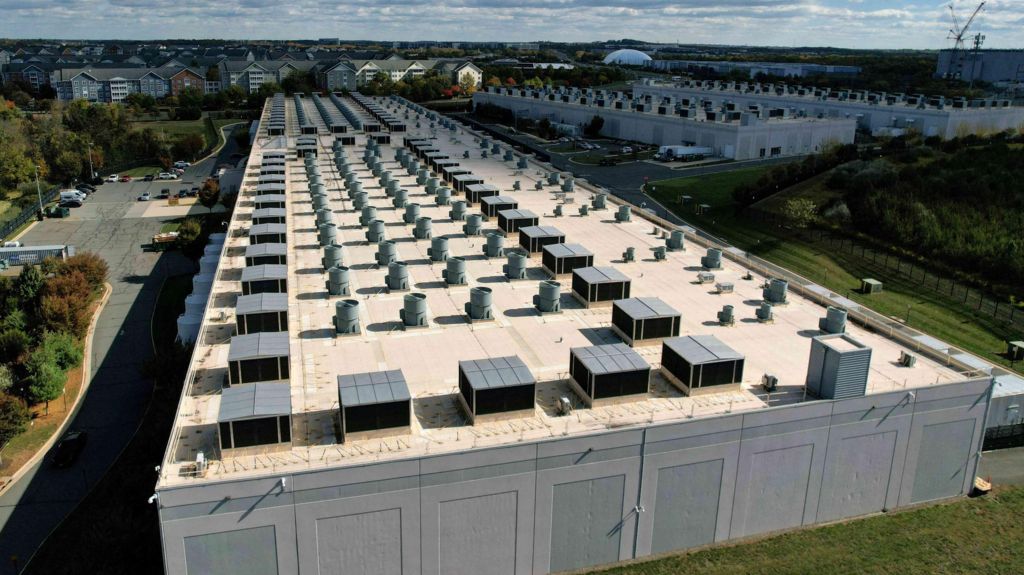
    The aerospace company contends that traditional terrestrial data facilities, typically housed in massive warehouse complexes, are increasingly inadequate to handle the computational requirements of expanding AI applications. According to SpaceX’s documentation, these orbital data centers would operate as a distributed network of solar-powered satellites positioned in low-Earth orbit at altitudes ranging from 500 to 2,000 kilometers.

    This proposal represents a dramatic expansion beyond SpaceX’s existing Starlink constellation of approximately 10,000 satellites, which has already drawn criticism from astronomers and space traffic experts. The company maintains that the new system would provide essential computing capacity to serve billions of users worldwide while advancing humanity toward what Musk describes as ‘a Kardashev Type II civilization’—a theoretical societal classification that denotes the ability to harness a star’s complete energy output.

    Addressing potential concerns about space congestion, Musk stated on his social media platform X that ‘the satellites will actually be so far apart that it will be hard to see from one to another,’ emphasizing the vastness of space. SpaceX further argues that orbital data centers offer environmental advantages over traditional ground-based facilities by eliminating the enormous water and power requirements for cooling.

    However, space technology experts have raised multiple concerns regarding the feasibility and safety of such an extensive orbital network. Previous analyses indicate that launching and maintaining hardware in space remains prohibitively expensive, with complex infrastructure requirements for protection, cooling, and power management. Additionally, the increasing volume of space debris presents significant collision risks that could potentially damage equipment or cause materials to re-enter Earth’s atmosphere.

    Astronomers have previously reported interference from SpaceX’s existing satellite network, noting in 2024 that radio emissions from Starlink satellites were effectively ‘blinding’ their telescopes and impeding scientific research. Despite these concerns, Musk has consistently rejected allegations that his satellites are overcrowding space or creating unfair competition in the orbital environment.

  • China launches satellite for Algeria

    China launches satellite for Algeria

    China’s aerospace capabilities reached another milestone on Saturday with the successful deployment of an Algerian remote sensing satellite from the Jiuquan Satellite Launch Center in northwest China. The mission, executed precisely at 12:01 pm Beijing Time, utilized a Long March-2C carrier rocket to transport the satellite into its designated orbit.

    This collaborative space endeavor between China and Algeria focuses on practical Earth observation applications. The newly deployed satellite is specifically engineered to support land planning initiatives and enhance disaster prevention and mitigation capabilities for the North African nation. The sophisticated remote sensing technology will provide valuable data for urban development, agricultural management, and emergency response coordination.

    The launch represents a significant achievement in international space cooperation, demonstrating China’s growing role as a reliable partner in global space missions. This mission also marks the 629th flight of China’s Long March rocket series, underscoring the program’s extensive experience and technical maturity in space launch operations. The consistent performance of these rockets has established China as a major player in the competitive satellite launch industry, capable of serving both domestic and international space objectives.

  • Capital accelerates humanoid robot mass production

    Capital accelerates humanoid robot mass production

    Beijing has inaugurated a groundbreaking pilot manufacturing and validation platform for humanoid robotics, marking a significant leap from small-batch prototyping to large-scale production capabilities. The Beijing Innovation Center of Humanoid Robotics unveiled this first-of-its-kind facility in the capital on Thursday, equipped with 500 sets of specialized production and testing equipment capable of producing up to 5,000 embodied humanoid robots annually.

    The comprehensive platform addresses critical industry bottlenecks by providing end-to-end services including prototyping, performance validation, process optimization, module assembly, and complete robot testing. This initiative comes at a crucial juncture as the global humanoid robotics sector transitions from research and development phases to practical application scenarios and commercial deployment.

    Liu Yizhang, head of the pilot platform, identified the primary industry challenges: “The main bottlenecks lie in pilot manufacturing readiness, standardized production protocols, and insufficient data continuity from development to scale-up phases.” He noted that research institutions and startups typically rely on costly, inefficient small-scale trial lines with inconsistent quality standards and inadequate testing systems.

    The platform’s digital infrastructure represents a core innovation, featuring a unified master data system and open interfaces that connect information, logistics, and data flows throughout the production cycle. This integrated digital operation system enables seamless tracking from design and process planning to production and test feedback, significantly shortening iteration cycles.

    Located in Beijing’s Economic-Technological Development Area (E-town), the 9,700-square-meter facility aligns with national industrial priorities. In November 2025, China’s Ministry of Industry and Information Technology had specifically identified humanoid robotics as requiring accelerated development of manufacturing validation platforms to convert technological advances into productive capacity.

    The Beijing municipal government has established a tiered support system for such platforms, offering subsidies of up to 100 million yuan ($14.39 million) for newly established facilities. This policy framework complements the city’s growing robotics sector, which saw nearly 40% revenue growth in 2025 and leads the nation in specialized robotics enterprises.

  • Phone (3a) Community Edition: A new model for co-creating products with fans

    Phone (3a) Community Edition: A new model for co-creating products with fans

    In an innovative departure from conventional product development, technology company Nothing has launched the Phone (3a) Community Edition—a smartphone entirely co-created with its community of dedicated fans. This groundbreaking initiative represents a fundamental reimagining of how consumer technology products are conceived and developed.

    The nine-month collaborative endeavor generated over 700 submissions across multiple creative categories, culminating in the selection of four emerging creators who worked directly with Nothing’s London-based teams. These winners—Emre Kayganacl (Hardware Design), Ambrogio Tacconi & Louis Aymond (Accessory Design), Jad Zock (Lock Screen Interface), and Sushruta Sarkar (Marketing Campaign)—were chosen based on their exceptional originality, technical craftsmanship, and ability to advance Nothing’s distinctive design philosophy.

    This year’s program expanded significantly from previous iterations, incorporating hardware design, custom software elements, accessory creation, and comprehensive marketing campaigns. Nothing enhanced the collaborative process by releasing all creative briefs simultaneously and providing participants extended development timelines alongside dedicated resources. Each category winner received a £1,000 cash prize to support their creative development.

    The resulting device showcases remarkable innovation: Kayganacl’s hardware design draws inspiration from late-1990s and early-2000s technology aesthetics, creating a nostalgic yet futuristic visual language. The accessory component features ‘Dice’—a culturally universal gaming element incorporating Nothing’s proprietary Ndot 55 font. Zock’s software contribution includes a minimalist clock face designed to reduce visual clutter while improving information retention, complemented by exclusive wallpapers that bridge the device’s physical and digital aesthetics. Sarkar’s ‘Made Together’ marketing campaign celebrates the collaborative process itself rather than focusing exclusively on the final product.

    Beyond product development, Nothing is pioneering a comprehensive community integration model. The company recently opened a $5 million community investment opportunity at its Series C valuation of $1.3 billion, allowing supporters to invest alongside institutional partners. This initiative coincides with Nothing’s strategic pivot toward developing AI-native operating systems, reflecting the company’s conviction that future personal technology should be shaped directly by its users.

    The Phone (3a) Community Edition will have extremely limited availability with only 1,000 units produced worldwide. Priced at Dh1,399, the device will be exclusively available through noon retailers, maintaining the 12+256 GB specifications of the standard Phone (3a) model.

  • Paradoxa AI announces 3 billion organic views milestone supporting consumer AI applications

    Paradoxa AI announces 3 billion organic views milestone supporting consumer AI applications

    In a significant achievement for organic marketing in artificial intelligence, Paradoxa AI has officially surpassed 3 billion tracked organic views across major social media platforms. The milestone, announced on January 30, 2026, demonstrates the company’s successful content distribution strategy for consumer AI applications, particularly AI companion and chat platforms.

    Operating as a specialized growth partner for consumer AI apps, Paradoxa AI collaborates with over 44 AI companion and chat applications to drive user acquisition through organic social media content rather than traditional paid advertising. The company’s distribution model concentrates on short-form video content across TikTok, Instagram, and YouTube, creating platform-native material that resonates with target audiences.

    Founder and CEO Mohamed Anani emphasized the significance of this achievement: “Reaching 3 billion organic views demonstrates the scale at which content-driven user acquisition can operate for consumer AI apps. This milestone represents our work with dozens of AI platforms seeking sustainable growth through organic distribution rather than paid media.”

    The company, founded by Mohamed Anani and Ahmed Hamdy with Mahmoud H Abbas as COO, maintains a unique operational structure. Rather than executing influencer campaigns or one-off marketing initiatives, Paradoxa AI manages proprietary social media accounts and coordinates a distributed network of content creators. This approach allows for continuous testing of content formats and rapid scaling of successful videos across different platforms and geographic markets.

    The results speak for themselves: several AI chat applications supported by Paradoxa AI have reached Top 50 positions among generative AI consumer apps based on web traffic, while others have entered Top 5 entertainment app rankings on regional App Store charts. Collectively, client apps have acquired millions of users through Paradoxa’s organic content distribution system.

    Notably, the company has achieved seven-figure revenue since its launch without external funding or paid advertising for its own services. This success highlights the growing demand among AI app developers for user acquisition methods that don’t rely exclusively on performance marketing or paid media networks.

    With a remote team operating across multiple time zones, Paradoxa AI continues to serve AI companion, AI chat, and consumer AI platforms that prioritize sustainable growth strategies over traditional advertising approaches, positioning organic social media content as a powerful alternative for user acquisition in the competitive AI market.

  • Would you pay for WhatsApp, Instagram, Facebook? Meta to test premium subscriptions

    Would you pay for WhatsApp, Instagram, Facebook? Meta to test premium subscriptions

    Meta Platforms is developing premium subscription tiers that would introduce enhanced artificial intelligence capabilities across its social media applications, including WhatsApp, Instagram, and Facebook. According to a TechCrunch report verified by Meta representatives, these paid offerings would provide access to advanced AI tools while maintaining free access to core platform functionalities.

    The subscription model would incorporate Vibes, Meta’s AI-powered video generation application that enables users to create customized visual content through artificial intelligence. Additionally, Meta plans to integrate technology from Manus, an AI specialist company acquired for approximately $2 billion in December. The Singapore-based firm, which originally operated from China, specializes in developing “truly autonomous” agents capable of executing complex tasks with minimal user intervention, such as trip planning and presentation development.

    This strategic shift follows previous experimentation with monetization approaches. In 2023, Facebook tested restrictions on link-sharing capabilities for non-paying users. More recently, United Kingdom users encountered notifications offering ad-free experiences on Facebook and Instagram for £2.99 monthly, while European Union users received similar offers at €5.99 monthly. These developments represent Meta’s evolving approach to revenue diversification beyond advertising.

    The Manus acquisition has attracted regulatory attention, with Chinese authorities announcing reviews to determine potential violations of technology export or national security regulations. Despite these premium offerings, Meta has confirmed that essential platform services will remain accessible without subscription requirements.

  • UAE-based founder launches tech platform focused on access over ownership

    UAE-based founder launches tech platform focused on access over ownership

    A new technology platform emerging from the United Arab Emirates is challenging traditional consumption models by prioritizing access over ownership. Life4Rent, founded by UAE entrepreneur Dr. Hamza Mohammed, has launched a peer-to-peer rental service that enables community members to monetize underutilized possessions while providing neighbors with temporary access to everyday items.

    The platform capitalizes on evolving consumer behaviors and the UAE’s advanced digital infrastructure, which collectively create an ideal environment for access-based business models. With rising living costs and increasing urban density, residents are seeking more flexible alternatives to outright ownership of infrequently used items.

    Life4Rent distinguishes itself by focusing on practical, everyday assets rather than commercial-scale rentals. The platform facilitates local sharing of tools, equipment, and lifestyle items that typically remain idle for extended periods. This approach not only generates supplemental income for owners but also provides renters with cost-effective access to necessities without long-term commitments.

    Dr. Mohammed explained the platform’s rationale: “Globally, valuable assets sit idle while others face the burden of purchasing items for temporary use. Our technology creates a secure, trustworthy environment for this exchange, eliminating unnecessary expenditure and reducing waste.”

    The service holds particular significance for the UAE’s growing freelance and small business community, offering a structured system for resource sharing within local neighborhoods. The platform’s design emphasizes user-friendly interfaces, transparent listing processes, and integrated communication tools to build confidence among participants.

    Beyond economic benefits, Life4Rent aligns with sustainability objectives by promoting circular economy principles. Shared usage extends product lifecycles and reduces unnecessary consumption, addressing environmental concerns while meeting practical needs.

    Although conceived with global scalability, the platform incorporates regional insights from the UAE’s innovation ecosystem. Its development reflects the practical realities of modern urban living rather than abstract trends.

    Currently accessible via web application, Life4Rent plans to expand to mobile platforms with upcoming releases on Google Play and Apple App Store. The platform represents a growing shift toward access-led consumption models that redefine community resource sharing in increasingly digital societies.

  • New AI-powered classifieds platform Shoofi gains early traction in the UAE and GCC

    New AI-powered classifieds platform Shoofi gains early traction in the UAE and GCC

    A transformative artificial intelligence-powered classifieds platform named Shoofi is demonstrating remarkable early adoption metrics throughout the United Arab Emirates and Gulf Cooperation Council (GCC) region. Departing from conventional marketplace models that implement AI capabilities selectively, Shoofi has engineered a comprehensively integrated AI architecture that permeates the entire transactional lifecycle.

    The GCC’s secondary goods marketplace continues its expansion trajectory, fueled by exceptional smartphone saturation and predominantly mobile-oriented consumer behaviors. Despite this growth, the regional market contends with persistent fragmentation challenges including linguistic diversity, inconsistent content standards, trust deficiencies, and limited monetization frameworks beyond conventional advertising. Shoofi’s foundational architecture specifically targets these structural market inefficiencies.

    Shoofi’s technological differentiation emerges through its deeply embedded AI infrastructure. The platform autonomously generates listings through image recognition and minimal user input, intelligently categorizes offerings, recommends optimal pricing strategies, and standardizes listing formats. Advanced AI algorithms simultaneously conduct content moderation, duplicate detection, and behavioral fraud prevention, creating a streamlined user experience while maintaining content integrity.

    Addressing the GCC’s multilingual composition, Shoofi incorporates real-time AI translation capabilities directly within listing presentations and communication channels. This linguistic integration enables seamless cross-cultural transactions without requiring sellers to create multiple advertisement versions or buyers to navigate language barriers. The platform’s ongoing development includes additional AI-enhanced communication tools specifically designed to facilitate successful transactions.

    Since its commercial introduction, Shoofi has attracted over 15,000 active users engaging in daily transactions across primary categories. The platform’s algorithm prioritizes successful deal completion rather than mere listing volume, aligning system incentives with user success metrics. A proprietary ranking model evaluates listing freshness, relevance, content quality, and seller trustworthiness to optimize user experience and transaction predictability.

    Trust constitutes a fundamental component of Shoofi’s operational philosophy, implemented through measurable seller ratings, verified transaction confirmations, and behavioral analytics that directly influence listing visibility. This trust infrastructure simultaneously reduces fraudulent activities while encouraging repeated platform engagement.

    The platform’s monetization strategy advances beyond traditional advertising through the impending introduction of Shoofi Pay—an integrated escrow payment solution that releases funds exclusively upon transaction confirmation. This development positions Shoofi as a transaction integrity guarantor while establishing commission-based revenue streams. Concurrently, the platform is developing specialized commercial tools for small-to-medium businesses and professional sellers, including digital storefronts, analytical capabilities, and structured pricing models.

    Designed as a pan-regional solution for GCC markets, Shoofi combines unified technological architecture with sophisticated localization and multicultural design elements. The platform’s competitive emphasis focuses on transactional quality and execution efficiency rather than listing price competition. This approach represents a paradigm shift from classifieds as static advertising inventory to dynamic transactional infrastructure, offering investors a scalable model with diversified revenue potential and regional expansion capabilities.

  • China to foster new quality productive forces in water conservancy sector

    China to foster new quality productive forces in water conservancy sector

    China is embarking on an ambitious technological transformation of its water conservancy infrastructure, positioning advanced innovation as the cornerstone of modern reservoir management. The Ministry of Water Resources announced Thursday a comprehensive initiative to develop new quality productive forces throughout the nation’s water management sector.

    The strategic plan centers on creating an all-weather intelligent monitoring system that integrates surveillance capabilities across multiple domains: sky, space, land, water, and engineering infrastructure. This sophisticated network will employ an array of cutting-edge technologies including satellite remote sensing, ground-penetrating radar, unmanned aerial vehicles, autonomous marine vessels, and subaquatic robotics.

    Zhang Wenjie, a ministry official, emphasized that these technological advancements will significantly enhance hidden danger detection capabilities while advancing intelligent patrol operations. The integration of these systems represents a fundamental shift toward data-driven water management and disaster prevention.

    The initiative builds on successful technological implementations demonstrated during recent flood seasons. During the 2025 autumn floods along the Hanjiang River, authorities effectively monitored the Danjiangkou Reservoir’s structural integrity in real-time using Global Navigation Satellite Systems and automated surveying robots. This technological support enabled precise, science-based reservoir regulation during critical high-water conditions.

    According to Wang Bao’en, Deputy Head of the Ministry, current efforts are accelerating the development of next-generation infrastructure characterized by enhanced safety, ecological sustainability, and intelligent operation. The ministry will intensify research, development, and deployment of innovative technologies while selecting representative dams with strong foundational conditions for pilot projects.

    This technological push aims to elevate reservoir management standards to unprecedented levels, establishing new benchmarks for modern water conservancy operations worldwide. The initiative represents China’s commitment to leveraging technological innovation for critical infrastructure management and environmental sustainability.