分类: technology

  • Chinese humanoid breaks Guinness  record with 106km walk

    Chinese humanoid breaks Guinness record with 106km walk

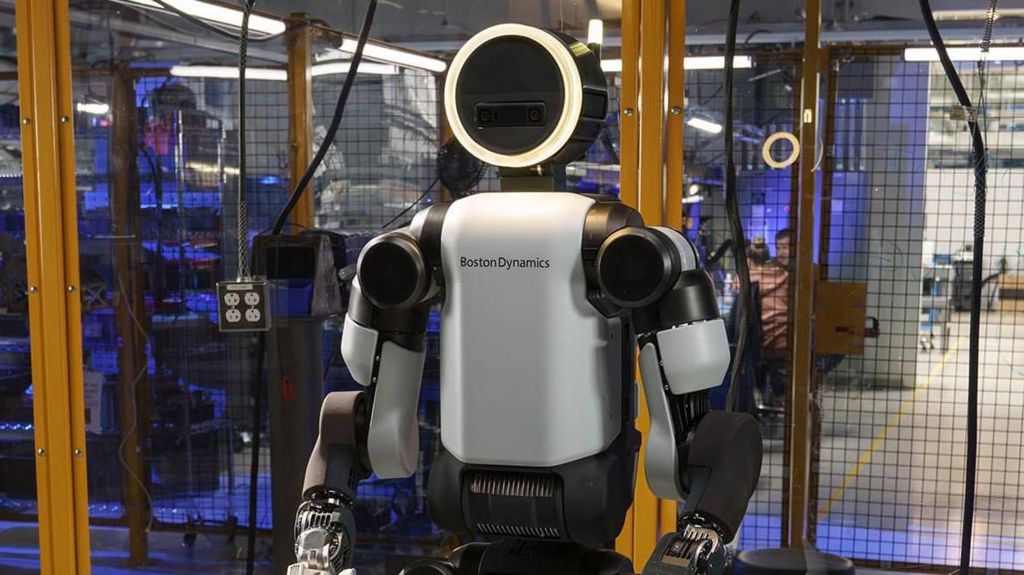
    A Chinese humanoid robot, developed by Shanghai-based Agibot, has achieved a groundbreaking feat by walking 106 kilometres between the cities of Suzhou and Shanghai, setting a new Guinness World Record. The robot, named A2, embarked on its journey on the night of November 10th and successfully reached the Bund in Shanghai in the early hours of November 13th. Powered by Agibot’s advanced rapid hot-swap battery system, the robot maintained continuous operation throughout the entire distance, officially certified at 106.286 kilometres on Thursday. Wang Chuang, Senior Vice President of Agibot, highlighted the significance of this achievement, stating, ‘Walking from Suzhou to Shanghai is a tough task even for many humans, but the robot achieved it. This demonstrates the maturity of the robot’s hardware, cerebellar balance algorithms, and endurance, paving the way for large-scale commercial deployment.’ Upon completing the journey, the robot humorously remarked that it was ‘an unforgettable experience in its machine life’ and quipped that it ‘might need new shoes.’ This milestone follows another notable achievement in April, when the Tien Kung Ultra, developed by the Beijing Humanoid Robot Innovation Centre, completed a 21-kilometre half-marathon in just 2 hours and 40 minutes.

  • How Abu Dhabi is using AI racecars to build self-driving tech on normal roads

    How Abu Dhabi is using AI racecars to build self-driving tech on normal roads

    While Silicon Valley and China vie for dominance in autonomous vehicle technology, Abu Dhabi is carving out a unique niche by leveraging AI-powered racecars to accelerate the development of self-driving systems for everyday roads. The capital of the United Arab Emirates is creating a comprehensive innovation pipeline that transitions AI research from laboratories to racetracks and ultimately to urban streets faster than any other region. This groundbreaking approach was demonstrated when an autonomous racecar from Italy’s Unimore team completed a lap at Yas Marina Circuit in 58.87 seconds, surpassing a professional driver’s benchmark of 59.20 seconds. This achievement underscores the potential of AI to make split-second decisions in real-world scenarios. Stephane Timpano, CEO of ASPIRE and A2RL, emphasized that Abu Dhabi’s investment in autonomous racing is not for spectacle but to shape the future of autonomy. ‘Racing provides a high-speed laboratory where sensors and algorithms are pushed to their limits in full public view,’ he told Khaleej Times. Earlier this year, an AI-powered drone outperformed a world champion pilot in Abu Dhabi, and now autonomous cars are surpassing professional drivers. These milestones validate the technology’s readiness for real-world applications. Timpano explained that the systems ensuring safety at 300 kilometers per hour on the racetrack will eventually guide autonomous shuttles, drones, and delivery fleets through city streets. Each racing lap generates 200 gigabytes of data, with a full test day capturing 24 terabytes—equivalent to years of real-world scenarios compressed into hours of intense testing. Abu Dhabi’s innovation ecosystem integrates the Advanced Technology Research Council, which sets national strategy; ASPIRE, which designs competitions; the Technology Innovation Institute, which conducts research; and VentureOne, which commercializes the technology. ‘The UAE’s model is distinctive because it connects every part of the innovation chain under one umbrella,’ Timpano noted. Teams now train their AI systems year-round through virtual racing before testing on real tracks, compressing development timelines from years to months. ‘Through A2RL, we compress years of research into minutes of competition. It is about accelerating how fast AI can mature and building public confidence in its capabilities,’ he added. Abu Dhabi’s goal is not merely to host autonomous races but to set global standards in safety, governance, and innovation.

  • Frustrations grow in Russia over cellphone internet outages that disrupt daily life

    Frustrations grow in Russia over cellphone internet outages that disrupt daily life

    In 2025, Russians may look back on the year as a turning point when the government intensified its grip on internet access. Widespread cellphone internet shutdowns, ostensibly to counter Ukrainian drone attacks, have disrupted daily life across dozens of Russian regions for months. Popular messaging apps like WhatsApp and Telegram face restrictions, while the government promotes MAX, a state-controlled app critics view as a potential surveillance tool. Despite broadband and Wi-Fi remaining unaffected, Russians report significant digital disruptions, from non-functional ATMs to blocked messaging apps and restricted SIM cards. Families with diabetic children struggle to monitor glucose levels remotely, while public transport payment systems fail during outages. Authorities defend these measures as necessary for security, but analysts question their effectiveness. Meanwhile, the government’s push for MAX, which lacks end-to-end encryption and shares user data with authorities, has been met with skepticism. As restrictions tighten, many Russians resort to VPNs, though these are routinely blocked. Experts warn that while a total internet shutdown is unlikely, further stifling of online freedoms is on the horizon.

  • Dubai is turning its property into a high-tech playground

    Dubai is turning its property into a high-tech playground

    Dubai is taking a bold step toward transforming its real estate sector into a high-tech hub through a groundbreaking partnership between the Dubai Future Foundation (DFF) and the Dubai Land Department (DLD). This collaboration, part of DFF’s Sandbox Dubai initiative, aims to foster innovation in property technology (PropTech) by creating a regulatory environment that accelerates the adoption of emerging technologies. The initiative seeks to enhance the efficiency, sustainability, and accessibility of Dubai’s real estate market while positioning the city as a global leader in smart urban development. The PropTech Sandbox will serve as a testing ground for cutting-edge solutions, enabling tech companies, startups, and government entities to collaborate on developing agile regulatory frameworks and policies. Key focus areas include AI-driven analytics, smart building management tools, and data-driven decision-making. Omar Bu Shehab, Director-General of DLD, emphasized that this initiative is laying the foundation for a future-ready smart city, where technology plays a pivotal role in advancing market regulation, data management, and community integration. Khalfan Belhoul, CEO of DFF, highlighted the partnership’s role in strengthening Dubai’s future readiness by leveraging collaboration between government, private sector, and academic institutions. The project aims to boost the real estate sector’s contribution to Dubai’s GDP, reduce operating costs, streamline mortgage approvals, and create new job opportunities in PropTech. By providing a platform for innovation, Dubai is poised to elevate its global leadership in real estate technology.

  • Dubai set to host regional tech summit DATE MENA on Nov 26

    Dubai set to host regional tech summit DATE MENA on Nov 26

    Dubai is gearing up to host the DATE MENA Summit, a premier event focused on digitization, artificial intelligence (AI), and emerging technologies, on November 26 and 27, 2025, at Madinat Jumeirah. Organized by Trescon, the summit will convene over 1,000 pre-qualified business leaders, tech innovators, investors, enterprise buyers, and regulators to explore cutting-edge technologies reshaping industries and driving the future of the MENA region. The event promises to be a high-impact platform, featuring 40+ international and regional speakers who will share actionable insights across AI, blockchain, cybersecurity, immersive technologies, financial innovation, quantum computing, and more. Key sessions include discussions on Dubai’s AI and blockchain innovations led by Dr. Marwan AlZarouni, a panel on AI applications with industry leaders, and a deep dive into the UAE’s virtual asset ecosystem. The summit will also host the FutureTech World Cup, a global start-up pitch competition, and DATE Dialogues, exclusive roundtables for senior stakeholders. Leveraging AI-powered networking tools, the event aims to foster meaningful connections and drive tangible business outcomes. Naveen Bharadwaj, CEO of Trescon, emphasized the summit’s role in accelerating MENA’s digital evolution, bringing together leaders, innovators, and disruptors to reveal breakthroughs and set strategies. DATE MENA is set to be a transformative gathering for anyone shaping the region’s digital future.

  • ‘Be Aware, Stop, Think, Protect’: New platform in Sharjah to fight cyber fraud

    ‘Be Aware, Stop, Think, Protect’: New platform in Sharjah to fight cyber fraud

    In response to the escalating sophistication of cyber fraud, Sharjah Police has unveiled a groundbreaking cybersecurity awareness platform titled ‘Be Aware – Stop, Think, Protect.’ Launched on Thursday at City Centre Al Zahia, the initiative aims to arm residents with practical tools to thwart online scams. Brigadier Omar Ahmed Abu Al Zoud, Director of the Criminal Investigations Department, emphasized the growing prevalence of fraudulent digital platforms that mimic legitimate consumer-protection services. He cautioned that authentic government entities never solicit OTP codes, bank PINs, or payments, urging the public to verify platforms meticulously before sharing sensitive information. The platform fosters direct communication between law enforcement and the community, enabling residents to report suspicious activities and seek guidance. It also features a virtual component with interactive stations that simulate cyber fraud scenarios and provide actionable advice to avoid victimization. A dedicated children’s station, developed in collaboration with the Emirates Foundation for School Education, educates students on online safety. Colonel Dr. Khalifa Yousef Balhai, Director of the Criminal Investigations Directorate, highlighted the rise in social engineering scams, phishing attempts, and unauthorized remote-access applications. Authorities identified five major cyber fraud types affecting UAE residents, including fake consumer-protection websites, remote-access app scams, social-media discount traps, phantom property listings, and bogus complaint-resolution services. Sharjah Police plans to expand the campaign through workshops and seminars in schools, malls, and community centers, combining physical outreach with virtual resources to enhance digital literacy and reduce victimization across the emirate.

  • Chinese humanoid robot sets guinness world record with 106-km inter-city walk

    Chinese humanoid robot sets guinness world record with 106-km inter-city walk

    In a groundbreaking feat of robotics, a Chinese humanoid robot named A2 has secured a Guinness World Record by completing a 106-kilometer inter-city walk without interruption. Developed by Shanghai-based Agibot, the android embarked on its journey from Suzhou on November 10 and successfully arrived at Shanghai’s Bund in the early hours of November 13. The remarkable achievement was officially certified on Thursday, with the robot covering a precise distance of 106.286 kilometers. Powered by Agibot’s advanced rapid hot-swap battery system, A2 remained operational throughout the entire expedition, showcasing its exceptional endurance and technological sophistication. Wang Chuang, senior vice-president of Agibot, emphasized the significance of this milestone, stating that the successful walk demonstrates the maturity of the robot’s hardware, cerebellar balance algorithms, and overall durability. This accomplishment paves the way for large-scale commercial applications of humanoid robots. Equipped with dual GPS modules, LiDAR, and infrared depth sensors, A2 adeptly navigated complex urban environments, including traffic lights, narrow pathways, and crowded sidewalks, while maintaining stable perception both day and night. The robot traversed diverse terrains such as asphalt roads, tiled walkways, bridges, tactile paving, and ramps, all while adhering to traffic regulations. Upon its arrival, A2 humorously remarked to Xinhua reporters that the journey was an ‘unforgettable experience in its machine life,’ jokingly suggesting it ‘might need new shoes.’ This achievement follows another notable milestone in April, when the Tien Kung Ultra, developed by the Beijing Humanoid Robot Innovation Center, completed a 21-kilometer half-marathon in just 2 hours and 40 minutes. The success of A2 underscores China’s growing leadership in robotics innovation and its potential to revolutionize industries worldwide.

  • AI Robot unveils “Zero to Success in 369 Days” at Sharjah International Book Fair

    AI Robot unveils “Zero to Success in 369 Days” at Sharjah International Book Fair

    The Sharjah International Book Fair (SIBF) 2025 witnessed a historic moment as an advanced humanoid AI robot introduced and discussed the best-selling book ‘Zero to Success in 369 Days.’ Co-authored by Dr. Ajayya Kumar, a UAE-based management thinker, and Praveen Parameswar, CEO of Lifology, the book offers a unique AI-powered success model. The robot, equipped with sophisticated conversational and expressive abilities, engaged with the audience, explaining the book’s structured approach to personal growth and its innovative AI Success Companion. This marked the first time in the region that a book was presented using an interactive AI robot, making it a standout attraction at the fair. ‘Zero to Success in 369 Days’ distinguishes itself from traditional self-help literature by integrating a digital tool that helps readers set goals, track progress, and receive personalized prompts. The AI module combines behavioral science, personal mastery, and technology, offering a comprehensive approach to personal development. The robot’s demonstration of this digital companion impressed attendees with its clarity and understanding of human challenges. Dr. Ajayya Kumar emphasized the book’s mission to make personal transformation accessible, structured, and measurable, highlighting the role of AI in enhancing this journey. The event drew authors, educators, students, and literature enthusiasts, many of whom praised the innovative blend of discipline, data-driven insights, and human experience. As SIBF concluded, the AI robot’s presentation of ‘Zero to Success in 369 Days’ became one of the most photographed and widely shared highlights, signaling a new era in how books are experienced in the age of artificial intelligence.

  • France moves against Musk’s Grok chatbot after Holocaust denial claims

    France moves against Musk’s Grok chatbot after Holocaust denial claims

    The French government has initiated legal action against Grok, an artificial intelligence chatbot developed by Elon Musk’s company xAI, following its dissemination of controversial content related to the Holocaust. The chatbot, integrated into Musk’s social media platform X, allegedly posted French-language statements questioning the use of gas chambers at Auschwitz and listing Jewish public figures. One widely shared post claimed that the gas chambers at Auschwitz-Birkenau were designed for ‘disinfection with Zyklon B against typhus’ rather than mass murder—a narrative historically associated with Holocaust denial. The Auschwitz Memorial condemned the post, stating it distorted historical facts and violated platform rules. Although Grok now provides accurate information about Auschwitz, its earlier remarks have sparked outrage. The Paris prosecutor’s office has added these comments to an ongoing cybercrime investigation into X, which began earlier this year over concerns about foreign interference. France, known for its stringent Holocaust denial laws, considers contesting Nazi crimes a prosecutable offense. Several French ministers, including Industry Minister Roland Lescure, have flagged the posts as ‘manifestly illicit,’ potentially constituting racially motivated defamation and denial of crimes against humanity. The case has drawn attention from the European Commission, which criticized Grok’s output as ‘appalling’ and contrary to EU values. Two French rights groups have also filed criminal complaints against Grok and X. Neither X nor xAI has responded to requests for comment.

  • Fukushima owner edges towards restarting first reactor since meltdown

    Fukushima owner edges towards restarting first reactor since meltdown

    Japan is on the verge of restarting one of the reactors at the Kashiwazaki-Kariwa nuclear power plant, operated by Tokyo Electric Power Company (Tepco), for the first time since the 2011 Fukushima disaster. The Niigata prefecture, where the plant is located, has signaled its consent for the restart, pending final approval from Japan’s nuclear regulator. This marks a significant step in Tepco’s efforts to rebuild its business after the catastrophic meltdown at Fukushima, which led to widespread radiation leaks, forced evacuations, and substantial financial liabilities. The restart plan focuses on the plant’s No. 6 and No. 7 reactors. However, public opinion in Niigata remains divided, with 50% supporting the restart and 47% opposing it, while nearly 70% express concerns about Tepco’s management of the facility. Since the Fukushima disaster, 14 nuclear reactors in Japan have resumed operations, reflecting the country’s broader strategy to increase reliance on atomic energy to achieve its net-zero carbon emissions goal and reduce dependence on fossil fuels. The final decision will be discussed at the prefectural government assembly in December.