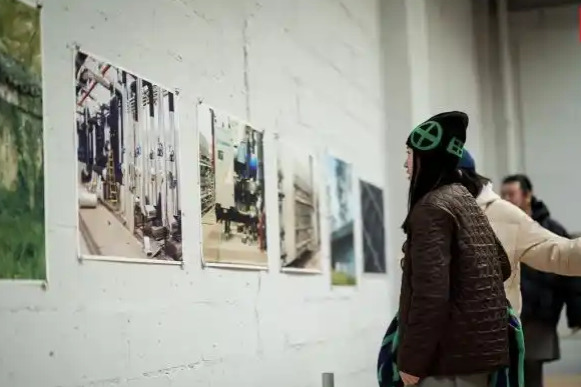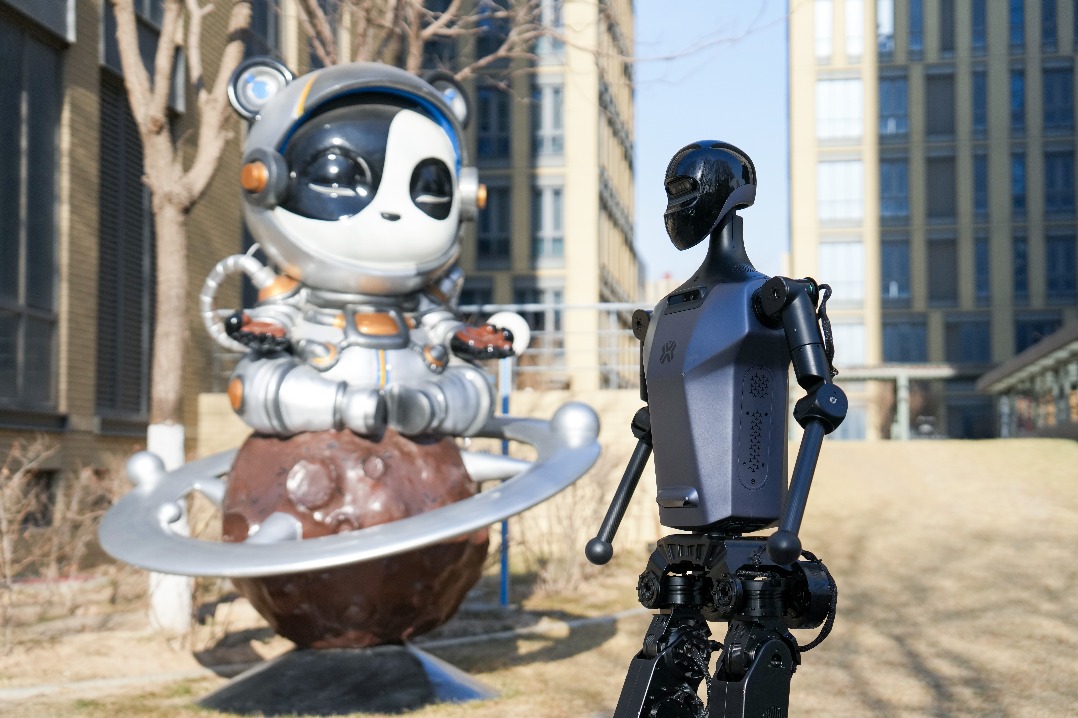
Beijing has inaugurated a groundbreaking pilot manufacturing and validation platform for humanoid robotics, marking a significant leap from small-batch prototyping to large-scale production capabilities. The Beijing Innovation Center of Humanoid Robotics unveiled this first-of-its-kind facility in the capital on Thursday, equipped with 500 sets of specialized production and testing equipment capable of producing up to 5,000 embodied humanoid robots annually.
The comprehensive platform addresses critical industry bottlenecks by providing end-to-end services including prototyping, performance validation, process optimization, module assembly, and complete robot testing. This initiative comes at a crucial juncture as the global humanoid robotics sector transitions from research and development phases to practical application scenarios and commercial deployment.
Liu Yizhang, head of the pilot platform, identified the primary industry challenges: “The main bottlenecks lie in pilot manufacturing readiness, standardized production protocols, and insufficient data continuity from development to scale-up phases.” He noted that research institutions and startups typically rely on costly, inefficient small-scale trial lines with inconsistent quality standards and inadequate testing systems.
The platform’s digital infrastructure represents a core innovation, featuring a unified master data system and open interfaces that connect information, logistics, and data flows throughout the production cycle. This integrated digital operation system enables seamless tracking from design and process planning to production and test feedback, significantly shortening iteration cycles.
Located in Beijing’s Economic-Technological Development Area (E-town), the 9,700-square-meter facility aligns with national industrial priorities. In November 2025, China’s Ministry of Industry and Information Technology had specifically identified humanoid robotics as requiring accelerated development of manufacturing validation platforms to convert technological advances into productive capacity.
The Beijing municipal government has established a tiered support system for such platforms, offering subsidies of up to 100 million yuan ($14.39 million) for newly established facilities. This policy framework complements the city’s growing robotics sector, which saw nearly 40% revenue growth in 2025 and leads the nation in specialized robotics enterprises.