
Tesla is under scrutiny by the US government following reports that its self-driving vehicles have allegedly violated traffic laws, including instances of driving on the wrong side of the road and failing to stop at red lights. The National Highway Traffic Safety Administration (NHTSA) has identified 58 such incidents in a recent filing, prompting a preliminary evaluation of Tesla’s ‘Full Self-Driving (Supervised)’ mode. This advanced feature, which requires an additional fee, allows vehicles to perform lane changes and turns autonomously, though drivers are expected to remain vigilant and ready to intervene. Approximately 2.9 million Tesla vehicles equipped with this technology are now part of the investigation. The NHTSA report highlights six crashes caused by vehicles stopping at red lights before proceeding prematurely, four of which resulted in injuries. Tesla has reportedly taken corrective measures to address recurring issues at a specific intersection in Maryland. Additionally, the agency is examining reports of vehicles entering opposite lanes during turns, with some incidents offering drivers minimal time to react. This probe adds to Tesla’s existing investigation concerning door-locking mechanisms in Model Y vehicles, where children were allegedly trapped inside, leading some owners to break windows for rescue. Amid these challenges, Tesla has introduced more affordable versions of its popular models to compete with cost-effective electric vehicles, particularly those manufactured by Chinese companies. Elon Musk, Tesla’s CEO and former ally of President Donald Trump, recently launched the America Party, aiming to challenge the dominance of the Republican and Democratic parties. For more updates on global tech developments, subscribe to the Tech Decoded newsletter.
分类: technology
-

The Indian messaging app that wants to take on WhatsApp
India, WhatsApp’s largest market, has long been dominated by the messaging giant, which has become an integral part of daily life. However, a new contender, Arattai, developed by Indian tech company Zoho, is making waves. Over the past few weeks, Arattai has seen a meteoric rise in popularity, with seven million downloads in just seven days, according to Zoho. This surge is largely attributed to the Indian government’s push for self-reliance, a message echoed by Prime Minister Narendra Modi and his ministers, who have encouraged the use of homegrown apps. Federal minister Dharmendra Pradhan recently urged citizens to use Arattai on social media, further boosting its visibility. Zoho CEO Mani Vembu reported that daily sign-ups skyrocketed from 3,000 to 350,000 in just three days, with active users increasing 100-fold. Despite this growth, Arattai still lags behind WhatsApp, which boasts 500 million monthly active users in India. Arattai offers features similar to WhatsApp, including messaging, voice, and video calls, and is designed to function smoothly on low-end devices and slow internet connections. Users have praised its interface and design, with many expressing pride in supporting an Indian-made app. However, experts remain skeptical about Arattai’s ability to dethrone WhatsApp, citing the latter’s entrenched user base and extensive integration with businesses and government services. Additionally, concerns have been raised about Arattai’s data privacy policies. While the app offers end-to-end encryption for calls, it does not yet extend this feature to messages, raising questions about user privacy. Zoho has stated that it is working to implement full end-to-end encryption for text messages. The company has also emphasized its commitment to complying with India’s IT regulations while ensuring user control over data. Historically, Indian apps like Koo and Moj have struggled to sustain initial success against global giants. Whether Arattai can overcome these challenges and carve out a lasting presence in India’s competitive tech landscape remains uncertain.
-
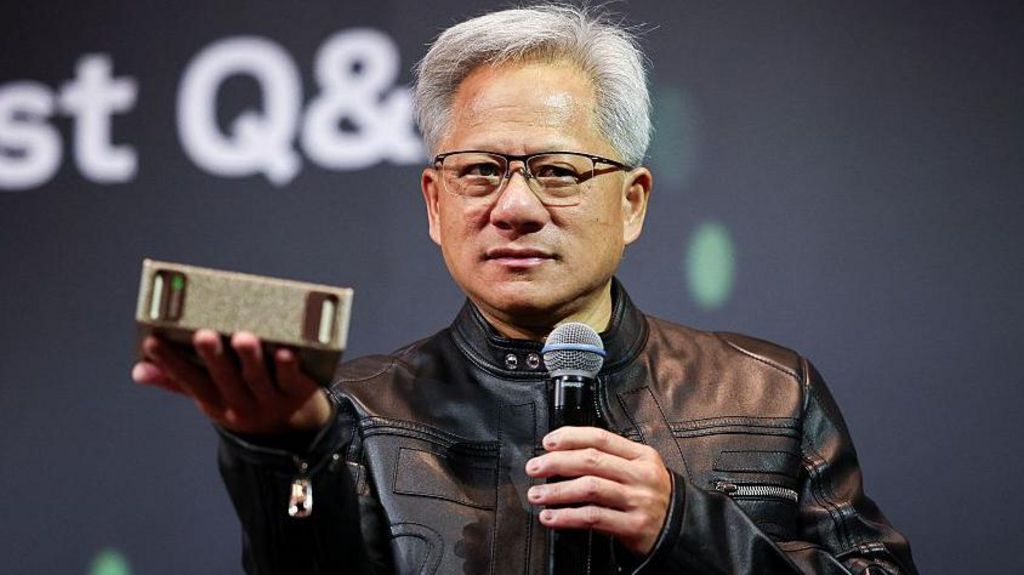
How China is challenging Nvidia’s AI chip dominance
For decades, the United States has been the undisputed leader in the global technology market. However, China is making significant strides to challenge this dominance, particularly in the realm of advanced semiconductor technology. Nvidia CEO Jensen Huang recently remarked that China is merely ‘nanoseconds behind’ the US in chip development, signaling a narrowing gap in this critical industry.
-
Apple pulls US immigration official tracking apps
Apple has removed several apps, including ICEBlock, from its App Store following concerns raised by U.S. law enforcement about potential safety risks. The tech giant confirmed the decision to the BBC, stating that the apps were taken down after authorities highlighted their association with threats to U.S. Immigration and Customs Enforcement (ICE) officers. U.S. Attorney General Pam Bondi reportedly demanded the removal, claiming the apps endangered ICE personnel. However, ICEBlock’s creator, Joshua Aaron, dismissed these allegations as ‘patently false’ and accused Apple of yielding to authoritarian pressures. ICEBlock, which allows users to track ICE officers’ movements, was developed in response to increased immigration enforcement under the Trump administration. The app, downloaded over a million times, has faced criticism from the White House and FBI, with officials linking it to a September attack on an ICE facility in Dallas that resulted in two deaths. Apple defended its decision, emphasizing its commitment to maintaining a safe App Store. Aaron argued that ICEBlock is akin to crowd-sourced speed trap apps and is protected under the First Amendment. The controversy underscores the tension between tech innovation, free speech, and national security in the U.S.
-

Huawei to boost AI chip output despite additional US curbs
Huawei Technologies is poised to significantly expand its artificial intelligence (AI) chip production capabilities, with plans to double the annual output of its flagship Ascend 910C processors to 600,000 units by 2026. This ambitious move comes in response to escalating export restrictions imposed by the United States on Chinese chipmakers and their supply chains, which have heightened Beijing’s drive for semiconductor self-sufficiency.
-
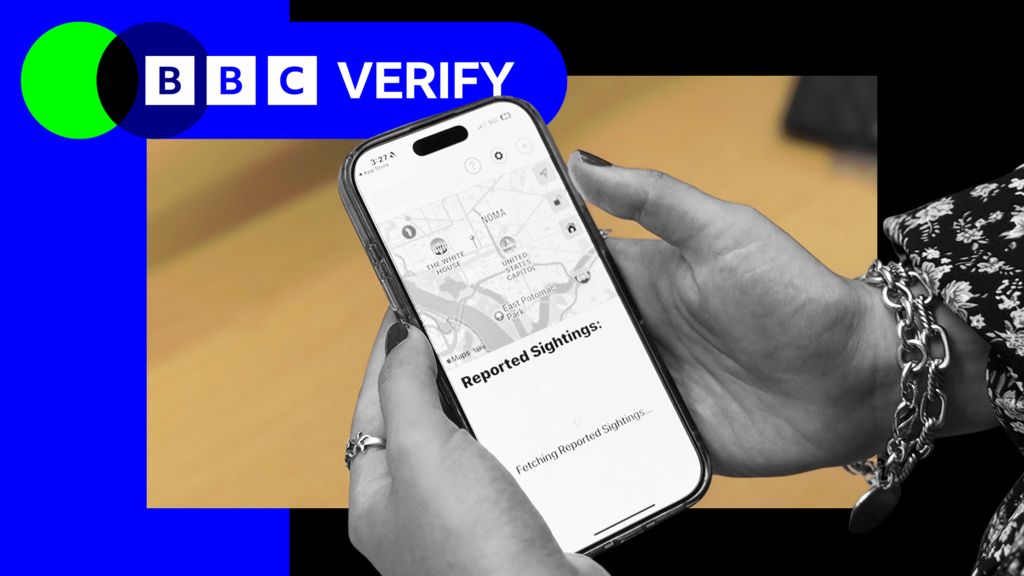
Could US government ban apps which track ICE agents?
The US government and law enforcement agencies have intensified their criticism of apps designed to track Immigration and Customs Enforcement (ICE) agents, claiming these tools endanger the lives of officers. The FBI has linked a recent attack on an ICE facility in Dallas, which resulted in the deaths of two detainees, to the use of such apps. Special Agent Joseph Rothrock likened the apps to providing a hitman with the location of their target, a statement contested by developers of these applications. ICEBlock, the most popular of these apps, has been downloaded over one million times since its release in April. Despite backlash from the Trump administration, it remains available on the Apple Store. Joshua Aaron, the developer of ICEBlock, defended his creation, stating it was designed to protect vulnerable communities in response to the administration’s aggressive immigration policies. US Attorney General Pam Bondi accused Aaron of threatening law enforcement, but he remains resolute, arguing that the app serves a necessary purpose. Critics argue that the apps could be misused, while supporters claim they are a tool for safety and transparency. The debate highlights the tension between national security concerns and constitutional freedoms, with legal experts noting that banning such apps would be challenging under US law.
-
YouTube to pay $24.5m to settle Trump lawsuit over Capitol riot
YouTube, the video-sharing giant owned by Alphabet, has agreed to pay $24.5 million to settle a lawsuit filed by former U.S. President Donald Trump. The lawsuit stemmed from the platform’s decision to suspend Trump’s account in the aftermath of the January 6, 2021, attack on the U.S. Capitol. This settlement marks the latest in a series of payouts by major tech companies, including Meta (Facebook) and X (formerly Twitter), which also faced legal action from Trump over account suspensions. Trump had accused these platforms of political bias, alleging unfair censorship of conservative voices. As part of the agreement, YouTube will allocate $22 million to the Trust for the National Mall, a non-profit organization raising funds for a new White House ballroom, while $2.5 million will be distributed to other plaintiffs, including the American Conservative Union. The settlements reflect a broader shift in Silicon Valley’s approach to Trump, with tech leaders adopting a more conciliatory stance. YouTube also announced plans to reinstate accounts previously banned for spreading misinformation about COVID-19 and the 2020 election, emphasizing its commitment to conservative voices and civic discourse.
-

Swiss voters narrowly approve plan for electronic ID cards
In a closely contested referendum, Swiss voters have narrowly endorsed the introduction of voluntary electronic identity cards, with 50.4% voting in favor and 49.6% opposing the measure. This outcome defied earlier opinion polls, which had predicted a 60% approval rate for the digital IDs, a proposal supported by the Swiss government and both houses of parliament. The vote marks Switzerland’s second attempt at implementing digital IDs, following the rejection of a 2021 proposal due to concerns over centralized data control by private entities. The revised plan ensures that the system remains under government oversight, with data stored exclusively on users’ smartphones and the use of digital IDs remaining optional. Citizens retain the choice to continue using traditional national identity cards, a long-standing standard in Switzerland. To address privacy concerns, authorities will only be able to access specific details, such as proof of age or nationality, when necessary. This development coincides with the UK government’s announcement of its own mandatory digital ID system aimed at curbing illegal migration, which has sparked similar privacy and security debates. Proponents of the Swiss system argue that it will streamline bureaucratic processes, from obtaining phone contracts to age verification for purchases. However, opponents, who successfully petitioned for the referendum, remain wary of potential privacy infringements and misuse of data for tracking or marketing purposes. Switzerland’s strong tradition of privacy protection, exemplified by its banking secrecy laws and stringent regulations on services like Google Street View, underscores the cautious approach to digital innovation.
-
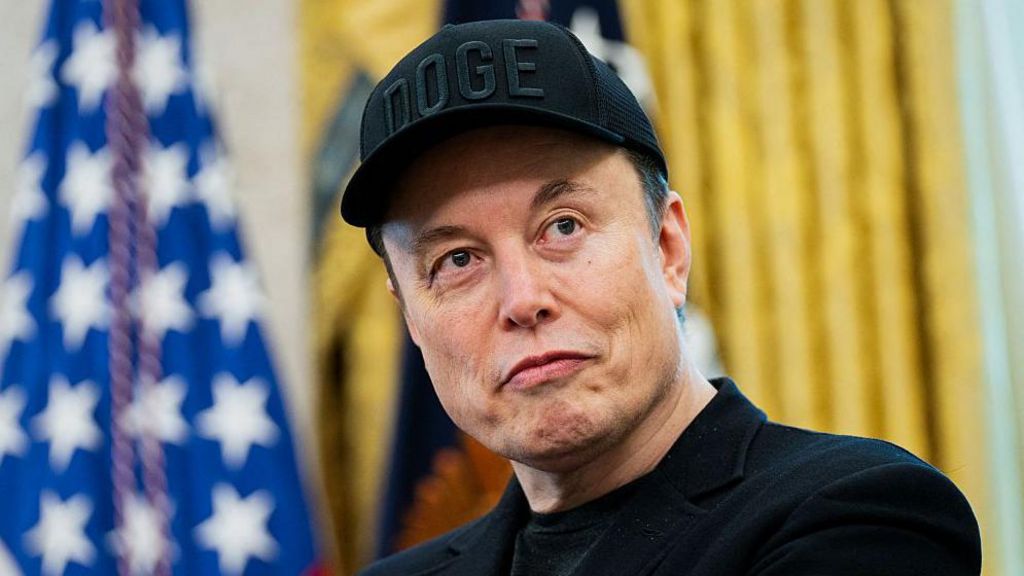
India legal setback for Elon Musk’s X in free speech fight
An Indian court has dismissed a legal challenge by Elon Musk’s social media platform, X, against the Indian government’s Sahyog portal, which the company alleged was being used to arbitrarily censor content. The Karnataka High Court ruled that X’s case was ‘without merit,’ though the full judgment remains undisclosed. This marks the second time in just over two years that X has lost a legal battle against the Indian government’s content-blocking powers, raising concerns among free speech and digital rights advocates. X, which boasts an estimated 25 million users in India, has not yet indicated whether it will appeal the decision.
The Sahyog portal, operated by India’s federal home ministry, automates the process of sending government notices to social media platforms like X and Facebook. While other tech giants such as Google, Amazon, and Meta have joined the portal, X has refused, labeling it a ‘censorship portal.’ X argued that Sahyog bypasses legal safeguards, allowing government officials, including local police officers, to issue content removal orders unilaterally and arbitrarily. The company’s lawyer criticized the system, stating that it authorizes ‘every Tom, Dick, and Harry officer’ to issue takedown orders, a remark that drew objections from the government.
The Indian government defended Sahyog, emphasizing its necessity in addressing the ‘growing volume of unlawful and harmful content’ on social media. It clarified that the portal is not for issuing blocking orders but for notifying intermediaries about unlawful content. The court upheld this view, stating that social media cannot be left in ‘a state of anarchic freedom’ and that regulation is essential. The judge also noted that while X complies with similar takedown orders in the U.S., it refuses to do so in India.
This ruling has sparked debates about free speech and government overreach in India. Digital rights experts have warned that Sahyog has led to a ‘wholesale increase in censorship.’ X has a history of challenging India’s content-blocking mechanisms, which legal experts often describe as opaque and arbitrary. In 2022, before Musk’s acquisition, X became the first platform to contest takedown orders, resulting in a fine of 5 million rupees ($56,000) for delayed compliance. Its appeal against that ruling is still pending.
-

Phone spyware scandal in Greece moves to court as critics claim cover-up
The unfolding saga of Greece’s spyware scandal, often likened to a modern-day Watergate, has sent shockwaves through the nation’s political and judicial systems. At the heart of the controversy is the use of Predator spyware, developed by the Athens-based Israeli company Intellexa, which allegedly targeted the mobile phones of government ministers, senior military officers, judges, and journalists. Prime Minister Kyriakos Mitsotakis has labeled the incident a scandal, yet no government officials have faced charges in court, leading critics to accuse the administration of a cover-up.