
In a groundbreaking development, the Mohamed bin Zayed University of Artificial Intelligence (MBZUAI) in Abu Dhabi has introduced PAN, an advanced AI model capable of predicting future events while maintaining human-like consistency in its responses. Unlike existing systems such as OpenAI’s Sora and Google’s Veo, which often produce visually stunning but temporally inconsistent video clips, PAN excels in preserving scene structure and object continuity over extended sequences. This innovation marks a significant leap in AI technology, addressing a critical gap in current video generation models. PAN operates through a two-stage process: first, it creates an internal representation of the environment by recognizing objects, motion, and relationships over time. Second, it translates this understanding into coherent video outputs, updating them dynamically as instructions evolve. This approach ensures stability and realism, making PAN particularly valuable for applications in robotics, autonomous systems, and industrial planning. Developed collaboratively by MBZUAI teams in Abu Dhabi, Paris, and Silicon Valley, PAN is part of a broader initiative to reduce reliance on imported technology. The model and its technical documentation are freely accessible at panworld.ai, positioning the UAE as a leader in open AI research. PAN’s ability to anticipate outcomes and understand the physical world’s dynamics represents a significant step toward AI systems that can reason and predict with genuine accuracy.
分类: technology
-

GMU’s Thumbay College of Management & AI in Healthcare launches UAE’s first Thumbay AI Clinic
Gulf Medical University (GMU), a leading private medical institution in the region, has unveiled the Thumbay AI Clinic, a pioneering initiative aimed at revolutionizing healthcare education and clinical practice through artificial intelligence (AI). Officially inaugurated by Dr. Thumbay Moideen, founder president of Thumbay Group, the clinic represents a significant milestone in the digital transformation of healthcare. The facility, powered by Zoom’s AI Companion and HP | Poly’s advanced technologies, introduces cutting-edge features such as AI-generated clinical notes, automated meeting summaries, and context-aware collaboration tools. These innovations are designed to enhance precision, efficiency, and patient outcomes while ensuring secure, HIPAA-compliant hybrid care models. The Thumbay AI Clinic serves as a hands-on innovation hub, enabling students, faculty, and healthcare professionals to explore AI’s role in diagnostics, telemedicine, and collaborative care. Dr. Moideen emphasized that the clinic embodies GMU’s mission to prepare future healthcare leaders for an AI-driven world, stating, ‘The future of healthcare lies at the intersection of knowledge, compassion, and technology.’ Professor Manda Venkatramana, vice-chancellor of GMU, highlighted the clinic’s transformative impact on education and research, noting that it creates intelligent ecosystems that mirror real-world healthcare dynamics. This initiative underscores GMU’s commitment to integrating technology into healthcare learning, fostering professionals who excel in both clinical expertise and digital fluency.
-

Fact check: Viral video of ‘Tesla Glide’ flying shoes is AI-generated
The digital realm is once again abuzz with a viral video showcasing what appears to be a groundbreaking innovation: ‘Tesla Glide’ flying shoes. The footage, which has captivated social media users, depicts a demonstrator effortlessly lifting off a stage, hovering in mid-air, and gliding across a room to the astonishment of onlookers. However, this seemingly futuristic technology is not what it seems. The video has been confirmed as an AI-generated deepfake, further blurring the lines between reality and artificial intelligence.
-

Spanish company to launch “Free for Life” smartphones in the UAE
Deode, a global technology manufacturer with production facilities in Spain, China, and Mexico, is set to introduce its innovative ‘Free for Life’ smartphones in the UAE under the brand de.free. This initiative aims to redefine digital connectivity by offering lifetime access to calls, internet, and apps without the need for SIM cards, top-ups, or contracts. The company plans to integrate local telecom connectivity into its proprietary hardware, ensuring seamless user experience.
Led by Filipe Camejo, CEO of Deode Global, the executive team will participate in the igKnightED’25 event this November as the Innovation Partner. They will engage with investors, regulators, distributors, and telecom operators to discuss partnerships and secure regulatory approvals. Deode’s disruptive ODM+ business model combines in-house manufacturing with software innovation, offering integrated products that merge hardware, connectivity, and digital ecosystems.
The de.free devices will come preloaded with social media apps, mobile wallets, and remittance solutions, catering to the UAE’s large working-class and expatriate population. Retail prices are expected to range between €125–€250, targeting mass affordability while maintaining premium build quality and user experience.
Daniel Poveda, chairman of Deode Global, stated, ‘Our goal is to eliminate financial and structural barriers to communication. The UAE represents an ideal hub for innovation — a nation that embraces technology and inclusion. By partnering with local telecoms, fintechs, and retail networks, we aim to deliver sustainable, accessible connectivity to millions.’
Deode, valued at €337 million, operates across Europe, Asia, and Latin America, offering a comprehensive range of consumer technology products, including tablets, kids’ smart tables, and AI-powered devices.
-

China moves against AI-generated misleading marketing content
China has taken decisive action against the misuse of artificial intelligence (AI) in creating misleading marketing content. The Cyberspace Administration of China (CAC) announced on Friday that it has penalized a series of online accounts that utilized AI to impersonate public figures in livestreams and short videos. These accounts were found to be engaged in false promotion and online infringement, significantly harming the online ecosystem and generating negative impacts. The CAC has also urged online platforms to intensify their efforts in combating such activities, resulting in the punishment of over 11,000 impersonation accounts to date. The regulator emphasized its commitment to holding platforms accountable and maintaining a stringent enforcement stance against AI-enabled impersonation in livestream sales. A recent incident involving an AI-generated deepfake of Chinese actress Wen Zhengrong, used by unscrupulous merchants to impersonate her in livestream sales, sparked widespread online discussion. The deepfake was so convincing that it appeared as though Wen was simultaneously hosting multiple livestreams, promoting different products while wearing different outfits. The CAC’s actions underscore China’s proactive approach to regulating the ethical use of AI and protecting the integrity of online content.
-

Humans teaching AI: How driverless cars racing in Abu Dhabi run on code, brainpower
The Yas Marina Circuit in Abu Dhabi is set to host the world’s largest autonomous car race, where 11 teams from across the globe will compete for a $2.25 million prize pool. This event, part of the Autonomous Racing League (A2RL), features six fully autonomous cars from Germany, Italy, and the UAE, alongside five others in the Silver Race. The competition highlights the intersection of human ingenuity and artificial intelligence, as engineers and mechanics work tirelessly to refine the algorithms and systems that power these driverless vehicles. Unlike traditional Formula One races, there are no pit-to-driver radios or tyre strategies. Instead, each car relies on sensors, algorithms, and the ‘personality’ coded into it by its creators. The event also includes a Human vs AI showdown, pitting reigning champions TUM against former F1 driver Daniil Kvyat. Teams like Code 19, founded by ex-military personnel, bring a unique perspective, emphasizing speed, innovation, and precision. The race underscores the rapid advancements in autonomous technology, with cars now achieving speeds comparable to human-driven vehicles. As the machines grow faster, the human role shifts from driving to strategic oversight, marking a new era in motorsport.
-
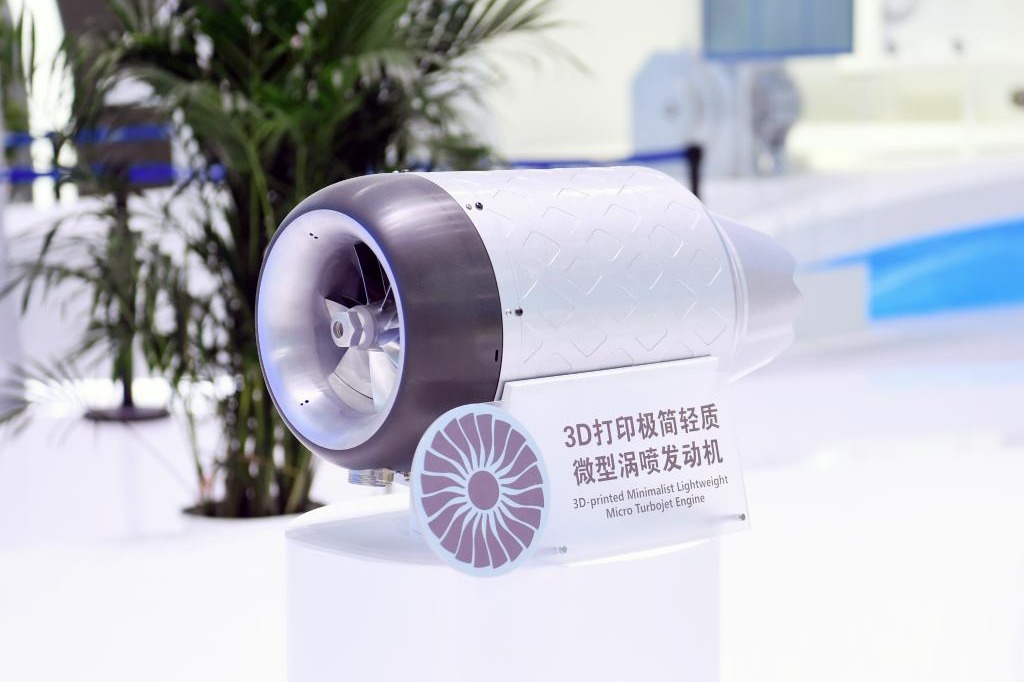
China’s 3D-printed miniature turbojet engine completes flight test
China has marked a significant advancement in aerospace technology with the successful flight test of its first domestically developed, ultra-lightweight miniature turbojet engine, primarily manufactured using 3D printing. The Aero Engine Corporation of China (AECC) announced the milestone on Thursday, revealing that the engine powered a target drone for a 30-minute flight, reaching an altitude of 6,000 meters and a speed of Mach 0.75. The engine demonstrated stable and reliable performance throughout the test. This achievement follows an earlier captive-carry flight test conducted in July 2025, further validating the engine’s capabilities in higher altitudes and complex environments. The engine, which falls within the 160-kilogram thrust class, utilizes multi-disciplinary topology optimization and 3D printing technologies to achieve its lightweight and high-performance design. Over 75% of the engine’s weight consists of 3D-printed rotating parts, significantly reducing the number of components, lowering weight, and simplifying maintenance. This breakthrough paves the way for future developments targeting higher altitudes and greater speeds, while also accelerating China’s progress in independent research and manufacturing of aviation propulsion systems.
-
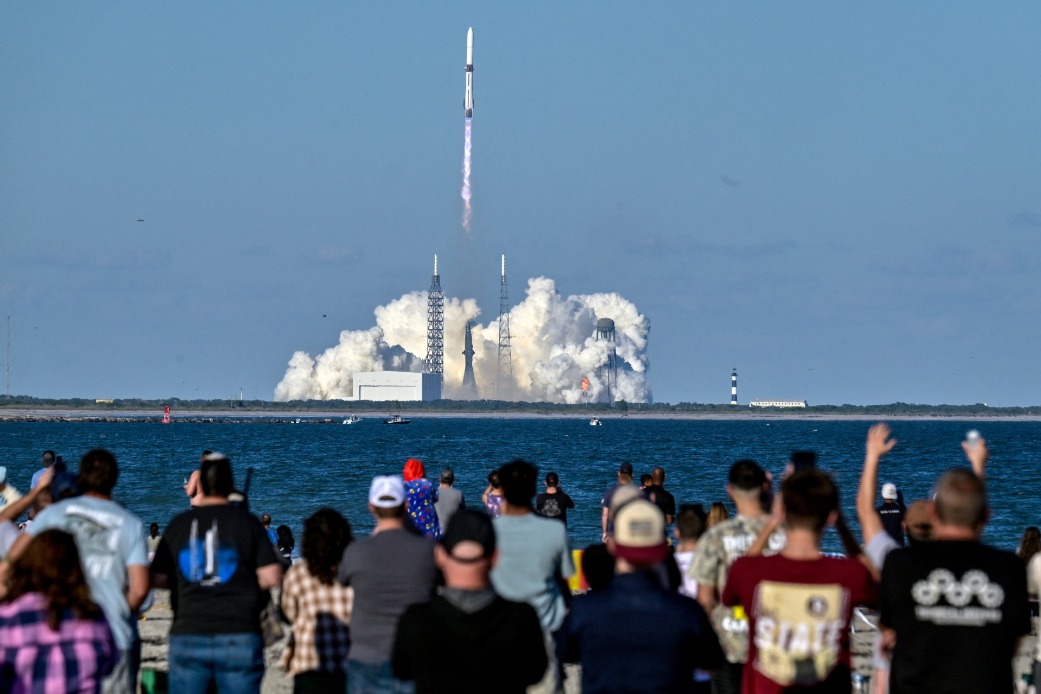
Blue Origin launches New Glenn rocket for NASA’s Mars mission
In a significant milestone for space exploration, Blue Origin successfully launched its New Glenn rocket on November 13, 2025, from the Cape Canaveral Space Force Station in Florida. The mission, designated NG-2, carried NASA’s ESCAPADE twin spacecraft, which are set to orbit Mars as part of the agency’s Mars exploration initiative. The launch occurred at 3:55 pm Eastern Time, with the rocket’s main engine cutting off and stage separation confirmed approximately three minutes after liftoff. Blue Origin later reported that the second stage and payload were on track to continue their journey into space. This marks the second flight of the reusable New Glenn rocket, which is designed to support the scientific objectives of the ESCAPADE mission. The successful launch underscores Blue Origin’s growing role in advancing space technology and its collaboration with NASA in exploring the Red Planet.
-

‘Peak brand delusion’: Apple’s new iPhone Pocket sparks viral meme fest
Apple’s latest product, the iPhone Pocket, has ignited a storm of online humor and criticism, with many labeling it as the company’s most unintentionally amusing creation yet. Launched in collaboration with Japanese fashion house Issey Miyake, the minimalist pouch is designed to offer a ‘seamless blend of function and fashion,’ allowing users to carry their iPhones hands-free while making a style statement. However, its uncanny resemblance to a sock and its hefty price tag—ranging from $149.95 for the short strap to $229.95 for the long strap—have made it the subject of widespread ridicule on social media. Users have flooded platforms like X with memes, comparing the accessory to a gym sock or even the infamous ‘mankini’ from the ‘Borat’ movie. Despite the backlash, Apple’s ability to turn everyday items into luxury collectibles continues to captivate its audience, ensuring the iPhone Pocket remains a topic of global conversation.
-
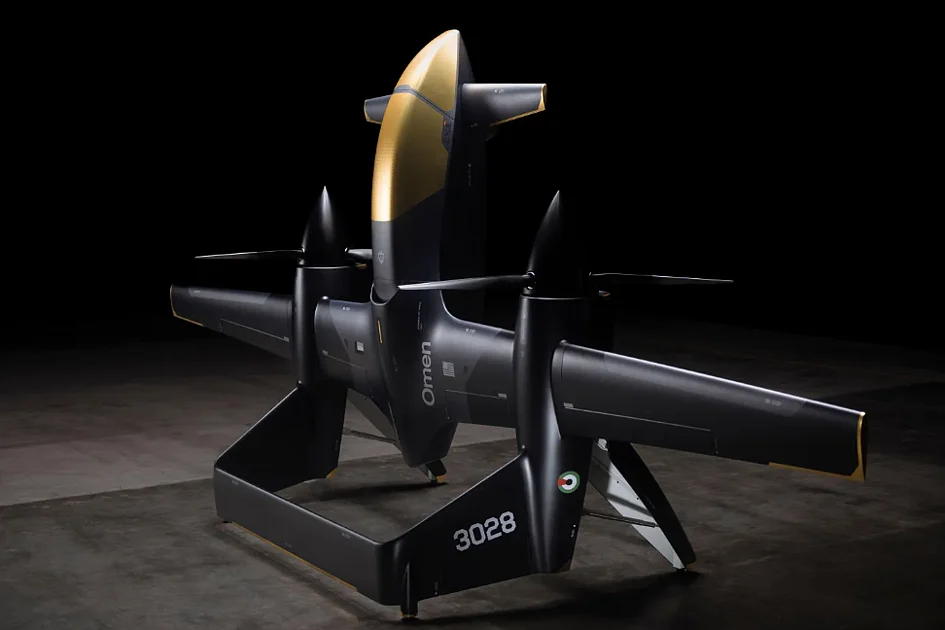
UAE, US join forces to build AI-powered drones in Abu Dhabi
In a significant leap for defence technology, the United Arab Emirates (UAE) and the United States have announced a groundbreaking collaboration to develop AI-powered autonomous drones. The partnership involves American high-tech arms developer Anduril Industries and Abu Dhabi’s EDGE Group, marking a pivotal moment in the UAE’s quest to enhance its domestic defence manufacturing capabilities and integrate cutting-edge artificial intelligence into aerial warfare systems. The joint venture will focus on designing and producing a new generation of combat-ready drones, named Omen, at a state-of-the-art 50,000-square-foot research and development centre in Abu Dhabi. The UAE is set to acquire the first 50 units, underscoring the government’s commitment to fostering home-grown advanced defence technologies. The Omen drone, characterized by its sleek and lightweight design, combines the vertical take-off capabilities of a helicopter with the range and speed of an airplane, making it ideal for deployment in diverse terrains, including maritime patrols, border security, and disaster relief. Shane Arnott, Anduril’s senior vice-president, emphasized that the project aims to disrupt traditional maritime patrol and special mission aircraft systems. Under the agreement, EDGE gains access to Anduril’s Lattice AI operating system, an advanced software platform enabling real-time coordination of multiple autonomous aircraft through a 3D command-and-control network. This AI-driven architecture is expected to provide militaries with unparalleled situational awareness and coordination, potentially revolutionizing air combat strategies. The Omen project is the first of several systems anticipated to emerge from this partnership, with EDGE investing nearly $200 million and Anduril committing $850 million in prior technology development. Production is slated to begin by 2028, with prototypes set for testing in the UAE next year. This collaboration builds on the US-UAE defence partnership announced during President Donald Trump’s visit to Abu Dhabi in May, which aims to promote joint capability development between the two allies. Since the launch of EDGE in 2019, the UAE has been steadily advancing its defence industry, reducing reliance on foreign suppliers and boosting exports of advanced military technology. For Anduril, founded by tech entrepreneur Palmer Luckey, this venture reflects growing confidence in the UAE’s defence ecosystem. For Abu Dhabi, it solidifies its position as a regional innovation hub for next-generation autonomous systems, where artificial intelligence and air power converge to shape the future of warfare.