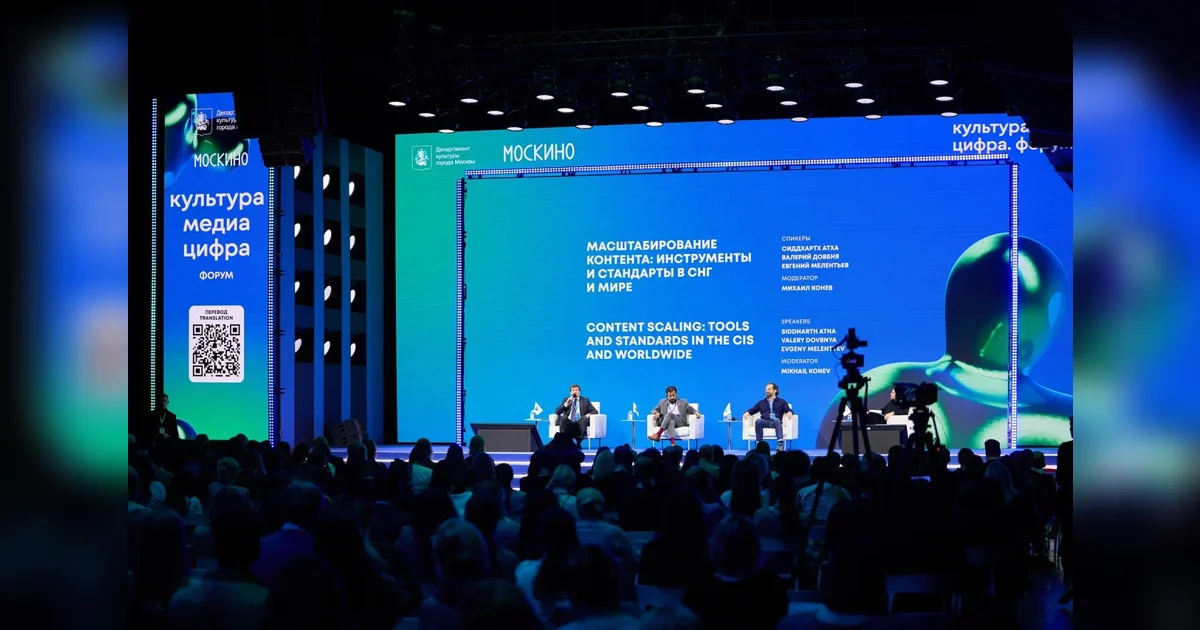
The second edition of the Culture.Media.Digital Forum, held on November 6–7, 2025, at Moscow’s MosKino Film Factory, emerged as a pivotal event for the media and creative industries. Attracting over 8,000 participants and featuring 160+ speakers from 20+ countries, the forum spotlighted the growth potential of the CIS media market and the integration of its cultural and digital ecosystems. The event brought together media executives, filmmakers, bloggers, IT specialists, and government representatives to explore the future of media in the region, which boasts a combined audience of over 350 million Russian-speaking users. Key discussions revolved around localized AI tools, regional distribution platforms, content metrics standardization, and innovative monetization strategies. A notable focus was the increasing collaboration between the CIS and MENA regions, with Middle Eastern leaders sharing insights on multilingual production and digital infrastructure. The forum’s business agenda, structured across six thematic tracks—Media Network, Influencers, Technomagic, Art Resource, PRology, and Kinofield—hosted 50+ sessions, panel discussions, and presentations. International cinema icons, including French cinematographer Michel Amathieu and Italian Academy Award winner Vittorio Storaro, enriched the program with their expertise. The event also featured interactive experiences like a retro gaming zone and a literary corner, alongside autograph sessions with prominent media personalities. The forum’s outcomes underscored its role as a catalyst for cross-industry collaboration, fostering new partnerships and actionable projects that promise to shape the future of the CIS media landscape.
分类: technology
-
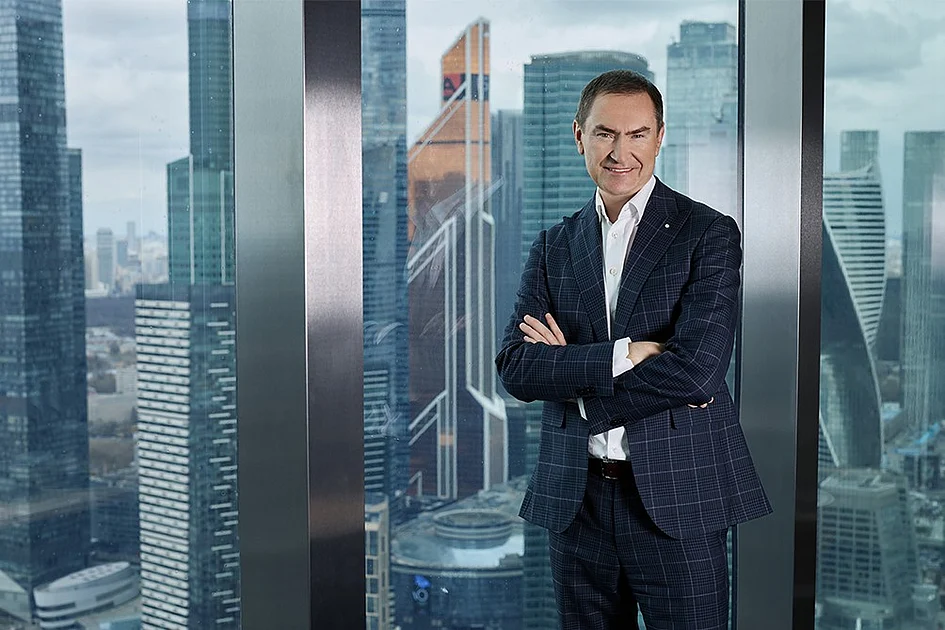
Russia contributes to building the global AI architecture
As artificial intelligence (AI) continues to reshape the global economy and society, Russia is emerging as a key player in fostering international collaboration and regulation in the field. Alexander Vedyakhin, Sberbank’s first deputy chairman of the executive board, highlights Russia’s leadership in the BRICS AI Alliance Network and its efforts to expand AI cooperation globally. Established in 2024, the AI Alliance Network unites 17 industry-specific associations from 14 countries, including BRICS+ members and nations like Azerbaijan, Belarus, and Serbia. In 2025, Russia chairs the Secretariat, spearheading the Global AI Horizons foresight research project, which involves over 200 scientists from 25 countries. The Alliance focuses on joint educational initiatives, AI regulation, and ethical frameworks, aiming to create a human-centered foundation for AI development. Efforts are underway to include Arab nations such as Bahrain, Egypt, and the UAE, whose cultural and linguistic diversity is crucial for AI’s global evolution. The BRICS+ AI Success Hub, in partnership with UNIDO, will serve as a platform for sharing AI implementation case studies. Russia also emphasizes the need for a unified global AI regulatory framework, advocating for safety, ethics, and innovation. The annual AI Journey conference, held in Moscow, further promotes AI research and dialogue, attracting global experts and young researchers. Russian AI solutions, such as GigaChat, are gaining traction in BRICS markets, supported by localization efforts and partnerships. The Russian AI Casebook, featuring over 600 implementation cases, showcases the country’s advancements in AI applications across industries. Harmonizing AI standards among BRICS members remains a priority to ensure seamless technology exchange and integration.
-

Chinese student in New York reimagines Miao embroidery with digital art
Wang Wanqiu, a 28-year-old student at the School of Visual Arts in New York, is revolutionizing the way traditional Chinese culture is perceived by integrating Miao embroidery with cutting-edge digital technology. Her project transforms intricate Miao embroidery patterns into digital collectibles, specifically Non-Fungible Tokens (NFTs), thereby preserving and promoting this ancient art form in the digital age. Inspired by her master’s program in Design for Social Innovation, Wang noticed a significant lack of Chinese cultural representation in New York’s diverse cultural scene. This observation led her to explore innovative ways to preserve and propagate traditional art forms through digital means. Collaborating with Luo Xianru, a classmate from the Tujia ethnic group, Wang aims to address the declining interest among younger generations and the financial struggles faced by traditional artisans. Their project not only highlights the beauty of Miao embroidery but also ensures its relevance in contemporary digital platforms. By converting these traditional designs into NFTs, Wang and her team are creating a new avenue for cultural transmission and economic sustainability for artisans. This initiative is a testament to the potential of digital technology in preserving and revitalizing traditional art forms, ensuring they are appreciated by future generations.
-

The Kenyan start-up aiming to electrify African transport
In a bold move to transform Africa’s transportation landscape, Kenyan startup eWaka is spearheading the electrification of the continent’s delivery sector. With a vision to cater to both large-scale fleets and individual riders, eWaka is positioning itself as a key player in Africa’s burgeoning e-mobility market. The company’s innovative approach focuses on providing eco-friendly electric bikes (e-bikes) tailored to meet the diverse needs of the delivery industry. By leveraging cutting-edge technology and sustainable solutions, eWaka aims to reduce carbon emissions and address the challenges of urban congestion. The startup’s ambitious plans include expanding its reach across multiple African countries, tapping into the growing demand for efficient and environmentally conscious transport options. As Africa grapples with the dual challenges of urbanization and climate change, eWaka’s initiative represents a significant step towards a greener and more sustainable future for the continent’s transport sector.
-
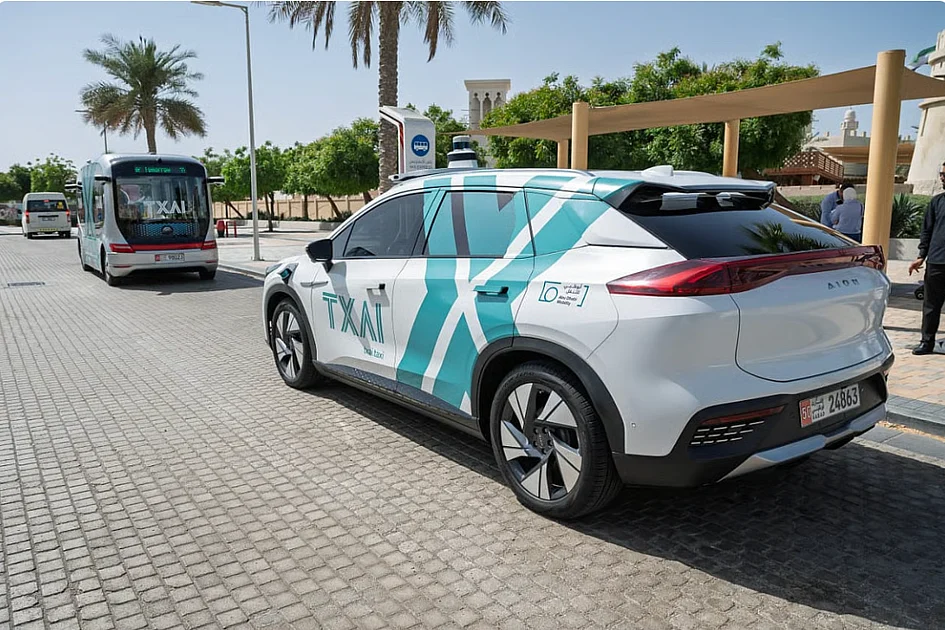
Abu Dhabi emerges as global hub for autonomous tech, smart innovation
Abu Dhabi is rapidly transforming into a global hub for autonomous technology and smart innovation, with ambitious plans to make 25% of all trips autonomous by 2040. Ahmed Jasim Al Zaabi, Chairman of the Abu Dhabi Department of Economic Development (ADDED), emphasized the city’s role as a ‘sandbox’ for testing cutting-edge technologies during the Abu Dhabi Autonomous Week 2025. He announced the signing of 13 commercial pilot agreements, with more to follow, highlighting the importance of speed and innovation in this sector. Al Zaabi noted that Abu Dhabi is not only focusing on smart and autonomous vehicles but also investing in 13 key clusters, including manufacturing, to integrate technology, talent, and robotics at an advanced level. This initiative is part of broader diversification efforts, with the non-oil sector now contributing 57% to Abu Dhabi’s GDP, a significant shift from its previous oil-dominated economy. Mohamed Ali Al Shorafa, Chairman of the Department of Municipalities & Transport – Abu Dhabi, also emphasized the importance of risk management in maintaining the city’s leadership in innovation. Abu Dhabi’s strategic investments and forward-thinking policies are positioning it as a global leader in autonomous technology and smart innovation.
-
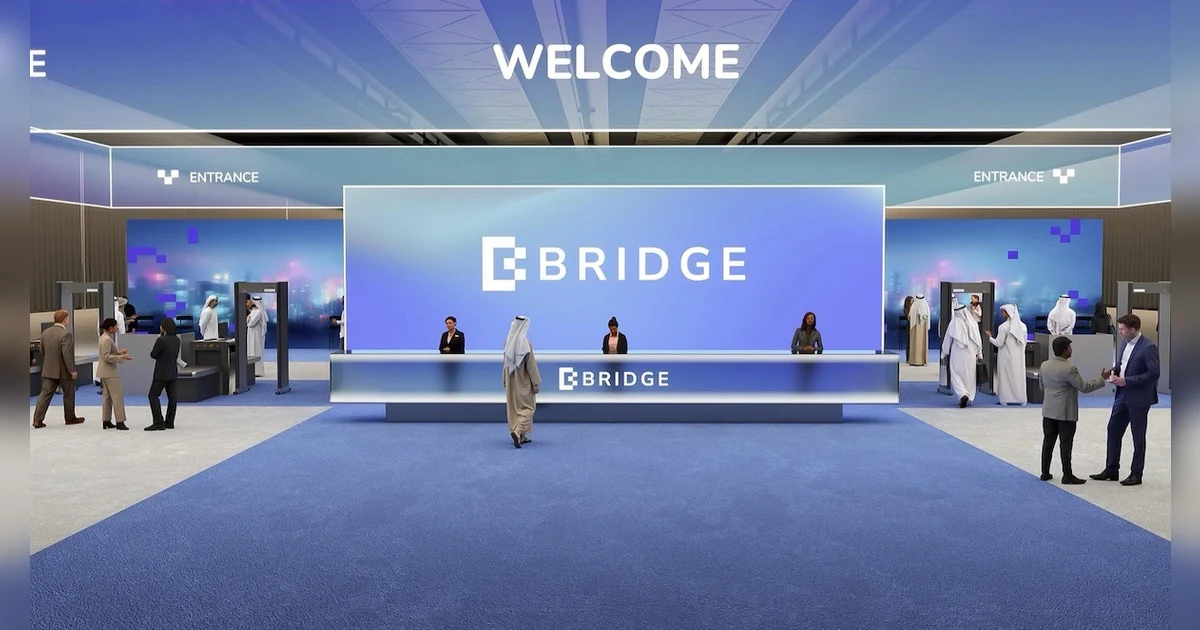
Media Track at BRIDGE Summit 2025 to confront the global credibility crisis and the economics of influence
The BRIDGE Summit 2025, set to take place from December 8–10 at the Abu Dhabi National Exhibition Centre (ADNEC), will feature the Media Track as one of its seven core pillars. This groundbreaking event, the world’s largest debut media gathering, will bring together over 100 global editors, founders, policymakers, and investors across 50+ sessions. The Media Track aims to tackle the pressing challenges of media credibility, influence economics, and the evolving global information ecosystem. Amidst a decade of transformative shifts in media—from the rise of streaming and social platforms to the advent of artificial intelligence—the Summit will explore how cross-sector collaboration can foster a more resilient, credible, and inclusive media landscape. Key themes include the impact of capital, technology, and philanthropy on editorial independence, the ethics of credibility in an age of synthetic content, and the redefinition of audience engagement in a fragmented media world. Sessions such as “Money Talks: Who’s Funding the News You Read?” and “The Threshold of Truth” will delve into the complexities of modern media ownership, transparency, and sustainability. The Media Track will also feature an impressive lineup of industry leaders, including Gary Vaynerchuk, Moira Forbes, and Jessica Sibley, who will share insights on rebuilding trust and innovation in media. Hosted in Abu Dhabi, the Summit underscores the UAE’s role as a global hub for dialogue and cooperation, while advancing the integration of technology, finance, policy, and culture in the media ecosystem.
-
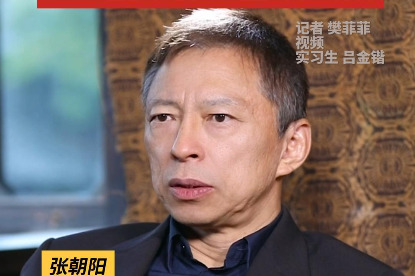
Zhang Chaoyang emphasized active thinking in AI era
At the 2025 World Internet Conference Wuzhen Summit, Zhang Chaoyang, the founder and CEO of Sohu, highlighted the critical need for original and authentic thinking in the age of artificial intelligence. He warned that over-reliance on AI could lead to a loss of creative and intellectual capabilities. ‘If we delegate all our thinking processes to AI, we risk losing the ability to generate new knowledge,’ Zhang stated. He emphasized that active human thinking is more crucial than ever as AI continues to evolve and integrate into various aspects of life. This call to action serves as a reminder of the importance of maintaining human creativity and innovation in a rapidly advancing technological landscape.
-

UAE: Demand for autonomous vehicles grows, outpaces capacity
The United Arab Emirates (UAE) is witnessing an unprecedented surge in demand for autonomous vehicles, significantly outpacing the existing operational capacity. Hasan Al Hosani, CEO of Smart Solutions, Space42, revealed this trend during a panel discussion at the Abu Dhabi Autonomous Week 2025. Since their initial deployment between late 2020 and 2021, autonomous taxis have completed over 600,000 kilometers in full four-mode operation, with more than 20,000 trips successfully executed. However, the current demand is three times the operational capacity, indicating a strong public embrace of this cutting-edge technology. Al Hosani emphasized the public’s enthusiasm for exploring hands-free and person-free transportation solutions.
-
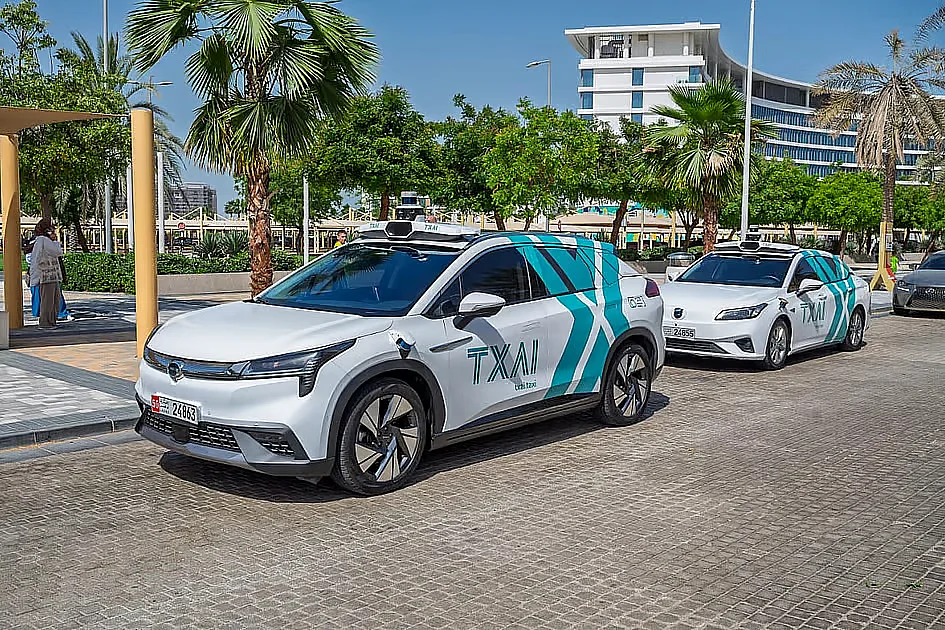
Abu Dhabi secures insurance for autonomous cars in city, says official
In a groundbreaking move for autonomous transportation, Abu Dhabi has successfully secured insurance for self-driving vehicles within the city, marking a significant milestone in the UAE’s push toward advanced technological integration. Faisal Al Bannai, adviser to the UAE President and Secretary General of the Advanced Technology Research Council, announced this achievement during the Abu Dhabi Autonomous Summit 2025. He highlighted that the Smart and Autonomous Systems Council has been actively addressing regulatory and insurance challenges, which have historically been major barriers to the deployment of autonomous systems globally. Al Bannai emphasized the city’s rapid progress, citing an example where autonomous cargo vehicles were tested and insured within just 45 days—a feat that left industry stakeholders astonished. He urged companies working with autonomous technologies, including drones and robotics, to focus their efforts on Abu Dhabi, describing it as the ideal hub for innovation. The UAE capital is already home to operational autonomous vehicles, with plans to introduce flying taxis in the near future. Al Bannai also revealed that Abu Dhabi is developing its own robotics AI model and autonomous platforms, positioning the UAE as a global leader in the autonomous technology race by 2026. The city aims to make 25% of trips autonomous by 2040, with some sectors expected to exceed this target. Mohamed Ali Al Shorafa, Chairman of the Department of Municipalities & Transport – Abu Dhabi, reinforced this vision, stating that Abu Dhabi is not just imagining the future but actively creating and deploying it. The city’s recent ranking as the fifth-best Smart City globally underscores its commitment to embedding innovation into everyday life.
-
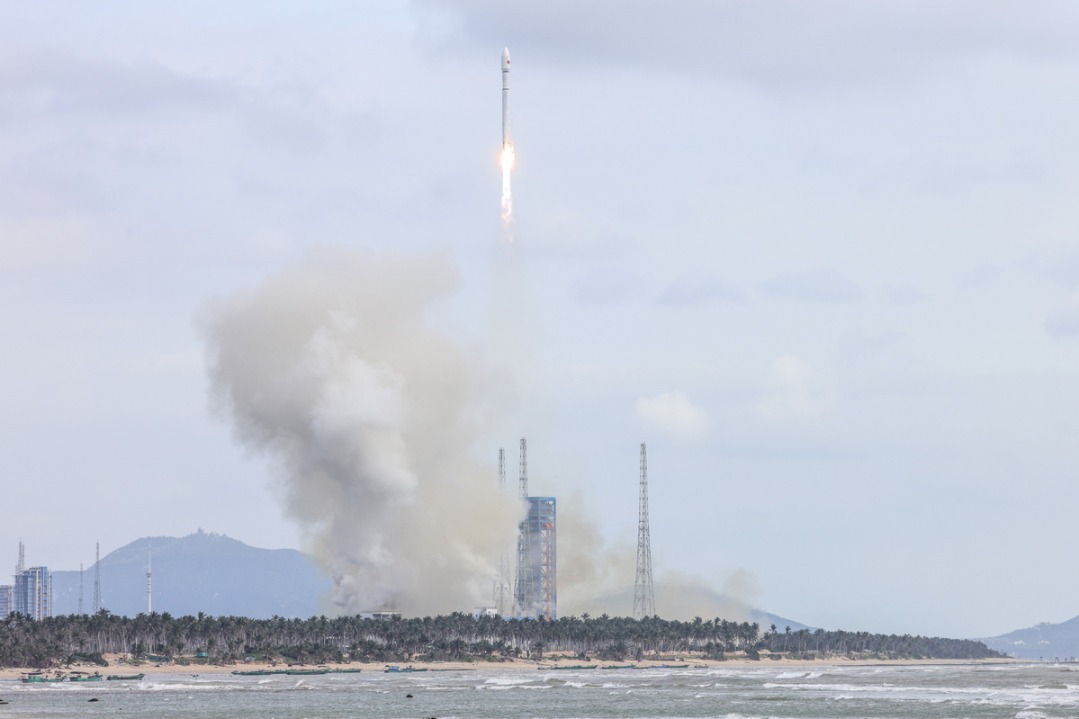
China launches group of internet satellites into orbit
China has successfully deployed its 13th group of low Earth orbit (LEO) internet satellites, marking another significant step in the development of its expansive space-based internet network. The launch took place on November 10, 2025, at 10:41 am from the Hainan International Commercial Aerospace Launch Center in Wenchang, Hainan province. The satellites were carried into orbit by the Long March 12 carrier rocket, a state-of-the-art model designed by the Shanghai Academy of Spaceflight Technology, a subsidiary of China Aerospace Science and Technology Corp (CASC).
The Long March 12, the 22nd member of the Long March family, stands out as the first Chinese rocket with a diameter of 3.8 meters, breaking away from the traditional 3.35-meter standard established in the 1960s. Standing at 62.6 meters tall, it is the second tallest rocket in China’s fleet, only slightly shorter than the Long March 5. This launch represents the 72nd space mission for China and the 607th flight of the Long March rocket series.
This latest deployment is part of China’s ambitious plan to create a mega-constellation of approximately 13,000 satellites in low Earth orbit, aimed at providing global internet coverage. Often compared to SpaceX’s Starlink, this project underscores China’s growing capabilities in space technology and its commitment to enhancing global connectivity. With 12 batches of satellites already launched this year, China is rapidly advancing toward the completion of its space-based internet system.