
Apple has ignited a storm of online criticism following the unveiling of its latest accessory, the iPhone Pocket. Priced at £219.95, the product, described as a novel carrying case for iPhones, has been widely mocked for its resemblance to a piece of knitted footwear and its seemingly exorbitant cost. Social media users were quick to deride the accessory, with one X user quipping, ‘$230 for a cut-up sock.’ Renowned tech YouTuber Marques Brownlee labeled it a ‘litmus test’ for Apple enthusiasts who ‘buy or defend anything Apple releases.’ Apple defended the product, stating it was part of a limited-edition collaboration with Japanese fashion label Issey Miyake, inspired by ‘a piece of cloth’ and the concept of ‘creating an additional pocket.’ The accessory, available in multiple colors, features a short or long strap design. However, critics on social media questioned its practicality, highlighting the lack of security features like a zipper, especially given the prevalence of iPhone thefts. Some users humorously compared the product to the bright green mankini worn by Sasha Baron Cohen’s character Borat. Despite the backlash, supporters argued the price reflects the collaboration’s exclusivity and Apple’s historical ties to fashion. Social media analyst Matt Navara noted the pricing aligns with luxury fashion norms but suggested Apple might be ‘testing the limits of brand loyalty.’
分类: technology
-
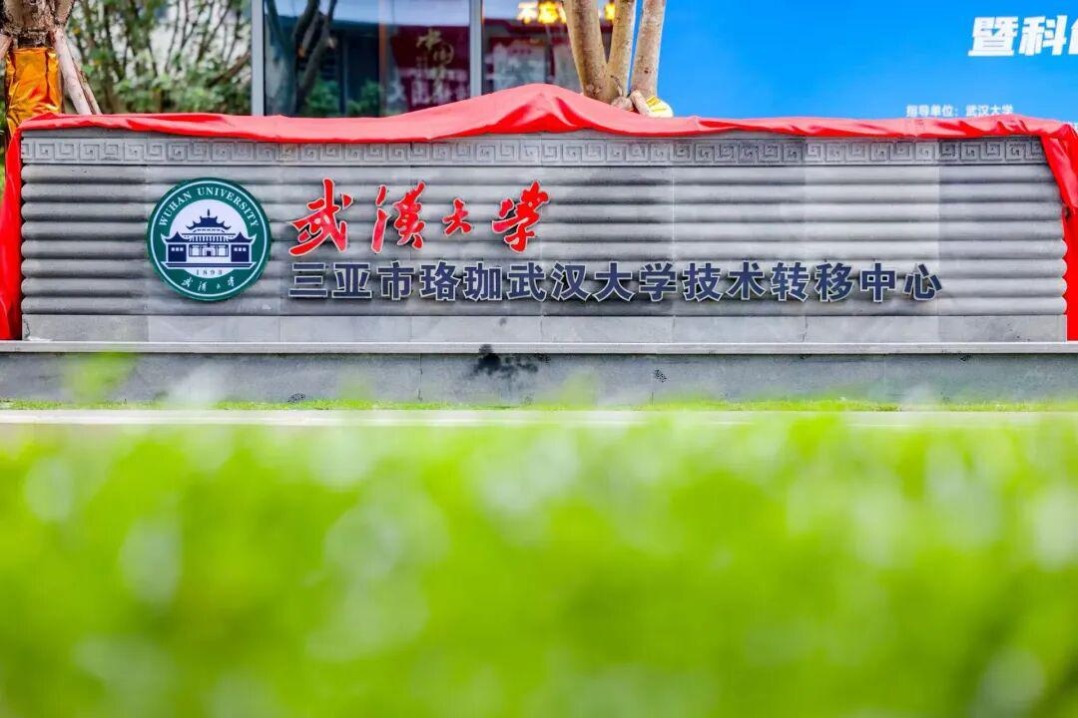
Wuhan University opens technology transfer center in Sanya
Wuhan University has inaugurated a new branch of its Technology Transfer Center in Sanya, Hainan province, marking a significant step in fostering regional innovation and industrial collaboration. The launch ceremony, held in Yazhou Bay Science and Technology City, was attended by Sanya Vice-Mayor Fan Mu, who emphasized the center’s role in bridging academic research with industrial applications. The center will focus on key sectors such as marine technology, life sciences, advanced materials, intelligent manufacturing, and digital information, leveraging Wuhan University’s expertise in space information, artificial intelligence, robotics, and new materials. Supported by funding, policy incentives, and talent services from Yazhou Bay Science and Technology City, the center aims to become a comprehensive platform for technology transfer, innovation cultivation, and business incubation. Zhou Wei, vice-president of Wuhan University, highlighted the strategic alignment of the Hainan Free Trade Port’s policies with the university’s resources, positioning the center as a hub for international cooperation and entrepreneurship. The initiative underscores Yazhou Bay Science and Technology City’s broader vision to establish itself as a regional innovation powerhouse.
-

Feisty and fearless: Govinda’s wife Sunita Ahuja on standing up for herself and self-care
In a groundbreaking move, Abu Dhabi has officially launched commercial operations for fully autonomous vehicles, marking a significant milestone in the evolution of smart transportation. This initiative, spearheaded by the emirate’s advanced technology sector, underscores its commitment to innovation and sustainability. The driverless vehicles, equipped with state-of-the-art AI and sensor systems, are set to revolutionize urban mobility by enhancing safety, reducing traffic congestion, and minimizing carbon emissions. The deployment of these vehicles aligns with Abu Dhabi’s broader vision of becoming a global leader in smart city development. Meanwhile, in the realm of sports, Luanzinho’s heroic performance secured a hard-fought draw for the UAE in their World Cup playoff against Iraq. The match, characterized by intense competition and strategic gameplay, highlighted the resilience and determination of the UAE team as they continue their quest for World Cup qualification.
-

Danish man given suspended sentence for sharing nude film scenes on Reddit
A Danish man has been found guilty of distributing nude scenes from copyrighted films and TV series on Reddit, marking a significant legal precedent in copyright law. According to a police report obtained by BBC News, the unnamed individual shared 347 explicit clips on a Reddit group he moderated, which garnered 4.2 million views. The Danish court handed him a seven-month suspended sentence for copyright infringement, citing a rarely invoked clause in Danish copyright law that protects artists’ ‘moral rights.’ The judge ruled that by removing the scenes from their original context, the man had harmed the integrity and reputation of the artists involved. Additionally, he was convicted of sharing over 25 terabytes of copyrighted data. Operating under the pseudonym ‘KlammereFyr,’ the man posted sexually explicit scenes featuring more than 100 actresses between March 2022 and May 2023. His subreddit, which had over 6,000 members, encouraged users to request clips of specific actors. The case was reported to the police in 2023 by The Rights Alliance (TRA), an anti-piracy group, on behalf of affected actors, directors, and producers, leading to the subreddit’s closure. Andrea Vagn Jensen, one of the actresses whose scenes were shared, described the posts as ‘abuse,’ emphasizing the distinction between appearing nude in a film and having those scenes distributed on Reddit. The man was arrested in September 2024 and pleaded guilty last month. Maria Fredenslund, head of TRA, hailed the ruling as an ‘important’ signal that violations of artists’ rights have consequences. The case is notable for its application of the ‘moral rights’ section of the Danish Copyright Act, which safeguards an artist’s work from misuse that could damage their reputation. Dr. Alina Trapova, a copyright law expert, told the BBC that the case is ‘rare’ for its focus on the integrity of artists rather than economic harm. While the broader implications for other countries remain unclear, Trapova suggested that similar cases may increase with the rise of artificial intelligence, which could make it easier to manipulate the integrity of creative works.
-

New Dubai AI platform gives women facing abuse safe, private support
Dubai has introduced a groundbreaking AI-powered platform, ‘Malath,’ designed to provide confidential and secure psychosocial support to women experiencing abuse. Developed by the Dubai Foundation for Women and Children, this innovative tool ensures that women can access assistance anytime, anywhere, without fear of exposure or judgment. Launched at GITEX Global 2025, Malath is the first of its kind in the region, offering a private, Arabic-speaking digital space where women can assess their emotional and mental health, and begin their journey toward recovery. The platform uses AI to evaluate indicators such as anxiety, depression, and trauma, generating personalized reports and recommending tailored rehabilitation programs. These programs include up to 22 AI-led interactive sessions covering topics like problem-solving, empowerment, and future planning. Privacy is a cornerstone of Malath, with the platform collecting minimal data and ensuring all information is anonymized and securely processed. This initiative aligns with Dubai’s Social Agenda 33, which aims to enhance the quality of life and mental health of individuals and families. Since its launch on October 13, 2025, Malath has received widespread acclaim for its compassionate and innovative approach. The Women and Children’s Welfare Foundation is now evaluating user feedback and exploring collaborations to expand the platform’s reach. Women can access Malath at https://app.malathhelp.com, where they receive an initial assessment and a personalized self-help plan within minutes.
-

Watch: Russia’s AI robot falls seconds after being unveiled
In an unexpected turn of events, Russia’s highly anticipated anthropomorphic robot experienced a dramatic fall mere moments after its unveiling. The incident, captured on video, has sparked widespread discussion about the challenges of developing advanced robotics. The robot, designed to mimic human movements, was showcased as a significant milestone in Russia’s AI and robotics sector. However, its abrupt collapse during the demonstration highlighted potential technical limitations. Experts suggest that while the mishap is a setback, it underscores the complexities of creating human-like machines. The event has also raised questions about the readiness of such technologies for public presentation and their practical applications in real-world scenarios.
-
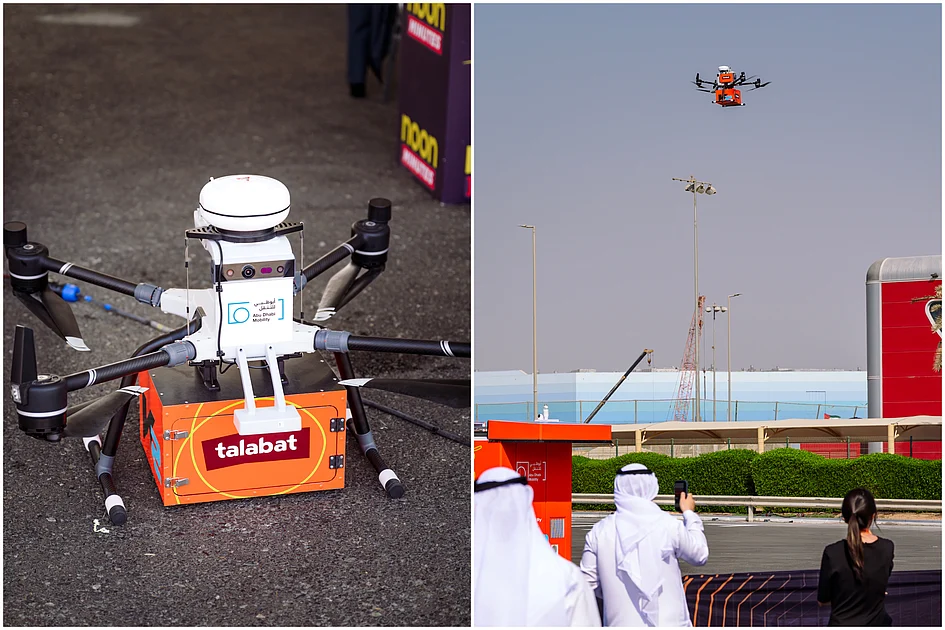
Watch: This drone will deliver your Talabat food orders soon in UAE
Abu Dhabi is on the brink of transforming the food delivery landscape with the introduction of drone-powered deliveries through the Talabat app. Test flights are already underway, and the first customer orders are anticipated to be fulfilled within weeks. This innovative service will allow customers to order groceries and meals via the Talabat app, with drones transporting the orders to designated drop-off stations, referred to as DOS (Drop-Off Stations).
Waleed Al Blooshi, Vice President of Strategy at K2, an Abu Dhabi Government-owned advanced technology company, explained the process: ‘The drone will fly from the Talabat kitchen or restaurant to the DOS, where customers can collect their orders using a secure code or QR code. The packaging has been specially designed to withstand the UAE’s challenging weather conditions, ensuring the food remains intact.’
Currently, two drones are being tested at DriftX, an exhibition showcasing smart, autonomous, and sustainable urban mobility during the Abu Dhabi Autonomous Week at Yas Marina Circuit. Al Blooshi emphasized that this is just the beginning, with plans to expand the service across Abu Dhabi. ‘We are starting with drop-off stations strategically located throughout the city, though we haven’t yet explored direct deliveries to homes or apartments,’ he added.
The collaboration between K2 and Talabat is set to be formalized during DriftX, with operations expected to commence shortly thereafter. Al Blooshi highlighted the company’s rapid pace of innovation, stating, ‘At K2, we work fast. We can launch the service in less than 45 days.’
This initiative marks K2’s first foray into aerial delivery, following its successful testing of autonomous ground deliveries with Noon. The goal is to integrate drone delivery into Abu Dhabi’s logistics ecosystem, with further testing and regulatory approvals to be conducted in collaboration with the Integrated Transport Centre (ITC) of Abu Dhabi Mobility.
Security and airspace coordination are critical to the project’s success. Al Blooshi noted, ‘We are working closely with the General Civil Aviation Authority (GCAA) to ensure compliance with regulations and manage airspace effectively.’
While costs are still under review, Al Blooshi is confident that drone delivery represents the future of logistics. ‘Autonomy is inevitable—whether by air, land, or sea. Robotics will become ubiquitous, and people will quickly adapt to this new convenience,’ he concluded.
-
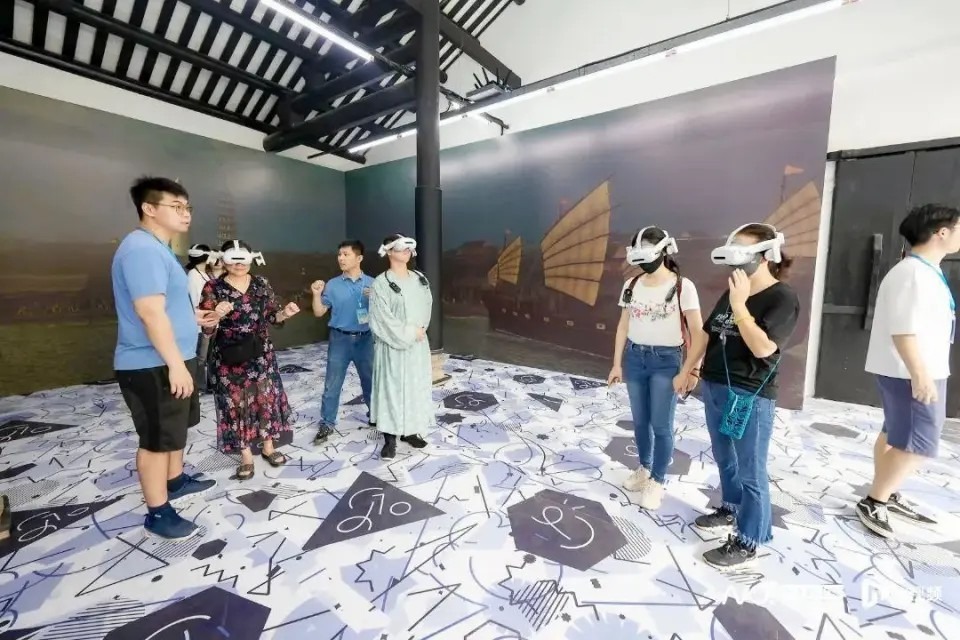
‘Tech tourism’ takes off across nation
Across China, a new wave of tourism is taking shape, driven by cutting-edge technology and immersive experiences. From virtual reality (VR) journeys to the ancient Qin Dynasty’s Terracotta Warriors to simulated Mars missions in astronaut suits, ‘tech tourism’ is redefining how visitors engage with cultural and scientific landmarks. This innovative trend is not confined to museums or theme parks but is spreading across scenic spots nationwide, offering interactive and expansive experiences that captivate tourists of all ages. The integration of artificial intelligence (AI), VR, and robotics into tourism has transformed abstract technological concepts into tangible, engaging activities. For instance, the Shenzhen Science and Technology Museum allows children to ‘roam’ through space, while the Qingdao Science and Technology Museum turns them into ‘underwater archaeologists’ with VR goggles. Beyond urban centers, destinations like the FAST telescope in Guizhou and the rocket viewing platform in Wenchang are blending natural beauty with technological marvels, drawing thousands of visitors. Industry reports predict that China’s smart tourism market will exceed 1.4 trillion yuan ($197.6 billion) by 2025, driven by the growing demand for experiential and educational travel. Experts highlight that this trend is particularly appealing to Generation Z, who seek high emotional value and social media-worthy experiences. ‘Tech tourism is evolving from a niche exploration to a mass consumption trend,’ said Li Guangchun, an industrial economy researcher. As technology becomes the core engine of cultural tourism, it is paving the way for a new era of innovation in the industry, offering vast growth potential and reshaping the traditional tourism landscape.
-
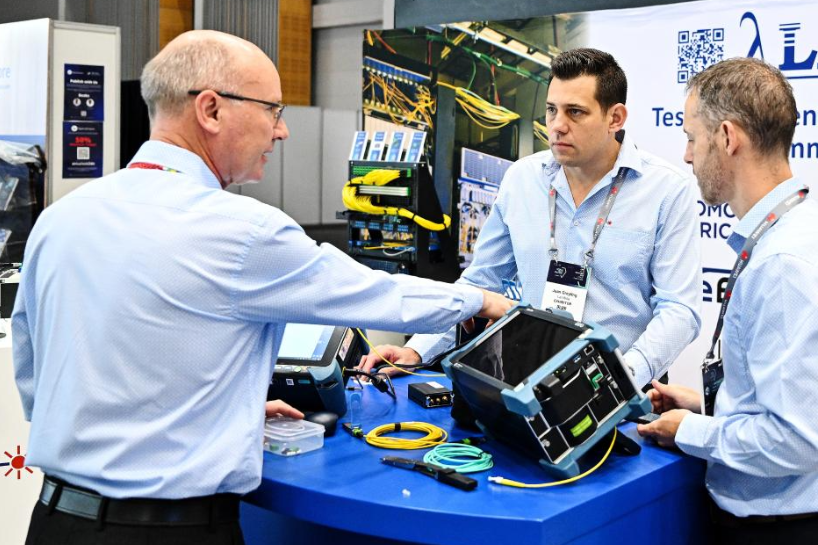
Africa Tech Festival kicks off in South Africa with focus on inclusive digital future
The Africa Tech Festival 2025 commenced on Tuesday in Cape Town, South Africa, bringing together a diverse array of innovators, policymakers, and investors to deliberate on fostering an inclusive digital future for the continent. South Africa’s Minister of Communications and Digital Technologies, Solly Malatsi, emphasized the necessity of establishing robust digital foundations to ensure that emerging technologies, particularly AI, benefit all Africans. Malatsi highlighted three critical pillars: affordable connectivity and devices, reliable digital public infrastructure, and practical digital literacy tailored to meet people’s needs. He asserted that emerging technologies should serve as tools of opportunity rather than symbols of exclusion, transforming prototypes into products and products into public value. Now in its 28th iteration, the Africa Tech Festival is the continent’s premier technology and digital innovation event, running until Thursday. It is anticipated to attract 17,000 delegates, 300 exhibitors, and 450 speakers. The festival, themed ‘Responsible Innovation, Inclusive Investment, Connectivity for Development, and Policy Harmonization,’ features four key sessions: AfricaCom, AfricaTech, AfricaIgnite, and the AI Summit Cape Town. Sean Suzuki, AfricaCom Portfolio Manager, pointed out that Africa’s digital infrastructure challenges are primarily tied to accessibility and affordability of connectivity, regulatory hurdles, and the digital skills gap. Justin Georges Tala, global accounts manager at Cameroon Telecommunications, stressed the importance of strategic partnerships in bridging Africa’s digital divide, advocating for end-to-end meaningful connectivity across the continent.
-

AI deepfakes spur calls for more control
The unauthorized use of artificial intelligence-generated deepfakes to impersonate Chinese actress Wen Zhengrong in livestream sales has reignited debates over the need for stricter regulations and greater accountability from internet platforms. Last week, Wen’s likeness and voice were exploited by unscrupulous merchants, who created strikingly realistic AI-generated clones to promote products across multiple livestreams. This incident has highlighted the growing challenges posed by AI deepfakes and the urgent need for comprehensive legal and technological solutions. Wen expressed her distress, stating that such misuse not only infringes on her rights but also misleads her fans into purchasing counterfeit goods. Legal experts, including Li Ya from Zhongwen Law Firm, emphasized that such actions violate portrait and reputation rights, calling for platforms to implement advanced detection technologies and enforce stricter penalties. Despite recent regulations requiring AI-generated content to be labeled, some merchants continue to evade detection by masking or obscuring these labels. Platforms like Douyin have launched campaigns to combat such infringements, removing thousands of accounts and videos. However, the battle against AI deepfakes remains an ongoing challenge, requiring collaboration between legal frameworks, platforms, and technology developers to protect individuals’ rights and maintain online integrity.