分类: sports

  • After more than 25 years, former winner Australia is back in sailing’s America’s Cup

    After more than 25 years, former winner Australia is back in sailing’s America’s Cup

    After a 25-year absence from the iconic America’s Cup sailing competition, Australia is officially making a comeback, with its challenger entry for the 38th edition of the world’s oldest sailing trophy accepted by event organizers.

    Sydney’s Royal Prince Edward Yacht Club announced Thursday that its challenge submitted alongside Team Australia has been cleared for the 38th America’s Cup, scheduled to kick off next year in Naples, Italy. Australia joins a growing field of challengers gunning for a spot in the final match against defending champion Team New Zealand, including a confirmed entry from the United States.

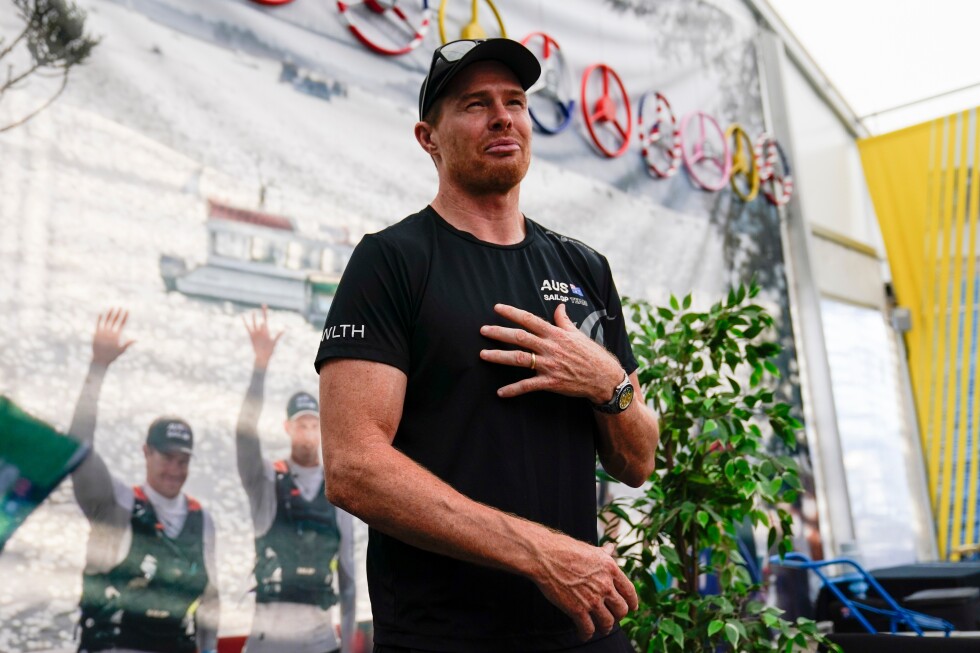
    Team Australia has wasted no time building an elite, championship-caliber leadership squad, welcoming some of the biggest names in global sailing to key roles. Olympic gold medal-winning sailor Tom Slingsby, who currently competes in the global SailGP series for an Australian team, will step into the position of head of sailing for the syndicate. Three-time America’s Cup champion Glenn Ashby has been tapped to lead the team’s performance and design division.

    Speaking on his new appointment, Slingsby emphasized the deep personal meaning of returning Australia to the competition as an independent national contender. “The opportunity to represent Australia in the America’s Cup with an Australian team is something that genuinely means a lot to me,” he said. “It’s been a dream throughout my career to be part of bringing Australia back to the Cup in a meaningful way.”

    Leading the entire campaign as chief executive officer is Grant Simmer, a foundational member of the legendary 1983 Australia II team that pulled off one of the biggest upsets in sports history, ending the New York Yacht Club’s unbroken 132-year winning streak in the America’s Cup. For Simmer, the 2027 comeback campaign is both a full-circle moment and a thrilling new chapter. “For me, this campaign is both deeply personal and incredibly exciting,” he shared in a formal statement. “I first became involved in the America’s Cup in the early 1980s and was fortunate to be part of the team that changed the course of the Cup forever.”

    Australia’s return to the America’s Cup as a flagged contender fills a gap that has lasted more than two decades. The last official Australian challenger syndicate was Young Australia, which competed in the 2000 America’s Cup held in Auckland, New Zealand. In the years since, Australian sailors and designers have claimed America’s Cup glory as part of winning teams from the United States, Switzerland and New Zealand, but no fully Australian-led and flagged entry has competed until now.

    The path to the 38th America’s Cup final was set last October, when Team New Zealand claimed the 37th America’s Cup title in Barcelona, Spain, beating INEOS Britannia by a score of 7-2 to secure their third consecutive America’s Cup victory. Representing the Royal New Zealand Yacht Squadron, the Kiwi team will now automatically advance to the best-of-13 final match in 2027, where they will face the winner of the challenger series hosted in Naples next year.

    Next year’s competition will also bring a landmark new rule for AC75 yachts, requiring every race crew to include at least one female sailor. Tash Bryant, a world-leading Australian female sailor, called the policy a transformative milestone for gender equity in elite sailing. “The changes represent an important moment for the future of the sport,” she said. “The evolution of the boats and the competition is opening the door to broader opportunities and visibility for women in elite sailing, while also creating clearer pathways for younger generations coming through the sport.”
  • Man City ease past Palace to keep pressure on Arsenal

    Man City ease past Palace to keep pressure on Arsenal

    The English Premier League’s 2024-25 title race has tightened to a stunning climax, after Manchester City secured a comfortable 3-0 victory over Crystal Palace at the Etihad Stadium on Wednesday that cut Arsenal’s lead at the top of the table to just two points with only two matches remaining for City.

    With a grueling fixture schedule stretching into the final weeks of the season, Pep Guardiola made the call to rotate his squad heavily, making six changes from the starting 11 that defeated Brentford 3-0 over the weekend. Star striker Erling Haaland and dynamic winger Jeremy Doku both started the match on the bench, while Crystal Palace manager Oliver Glasner also made several adjustments to his own lineup ahead of his side’s upcoming UEFA Conference League final. Despite the rotated squad, City never looked troubled on a damp evening in Manchester, taking firm control of the contest before halftime with two quick goals and adding a third late on to cap the win.

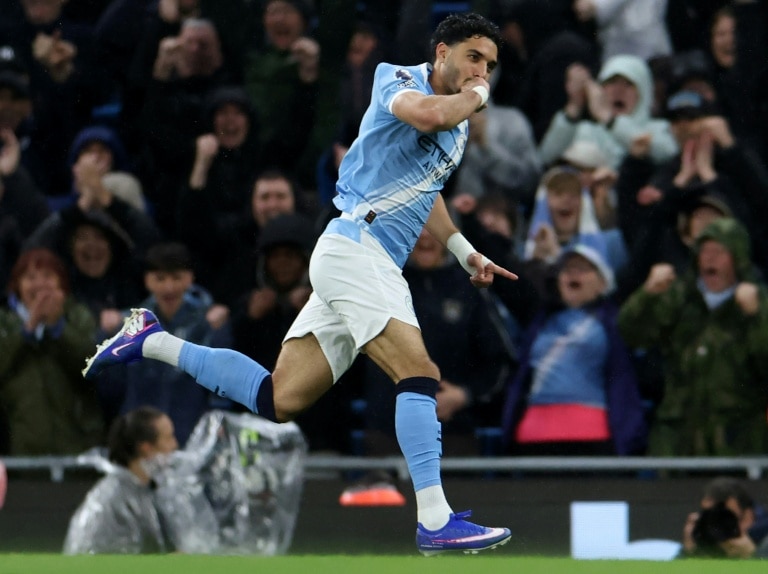
    The opening goal arrived in the 32nd minute, crafted by Phil Foden’s exquisite backheel pass that put Antoine Semenyo in on goal. Semenyo finished calmly, slotting the ball past Crystal Palace goalkeeper Dean Henderson into the far corner to break the deadlock. Eight minutes later, Foden was once again the architect, setting up Egyptian forward Omar Marmoush to score his third Premier League goal of the season, putting City 2-0 up going into the halftime break. The second half was a largely uneventful affair, though defender John Stones – who is set to leave the club at the end of the campaign – received a raucous standing ovation from the Etihad crowd when he came on as a late substitute. Minutes after Stones’ introduction, the match’s final goal arrived: young French midfielder Rayan Cherki carried the ball from his own half to set up Savinho, who finished cleanly past Henderson to put City three goals up.

    The result leaves City on 77 points, two points behind leaders Arsenal, but Guardiola’s side hold a narrow advantage in goal difference of plus one, having scored seven more goals across the campaign than the Gunners. The title race has swung dramatically over the past fortnight: City had clawed back ground to put themselves in pole position, but a costly 3-3 draw at Everton last weekend restored Arsenal’s comfortable lead. Just two days before City’s match against Palace, Arsenal survived a late scare to beat West Ham 1-0, after a stoppage-time equalizer for the Hammers was ruled out following a lengthy VAR check, keeping the Gunners in the driving seat.

    City now turn their attention to a major cup test this weekend, as they face Chelsea in the FA Cup final at Wembley Stadium on Saturday, targeting a domestic cup double having already won the League Cup earlier this season. Defending his decision to rotate heavily against Palace, Guardiola emphasized the need for squad depth in a congested fixture list, saying: “When the schedule is so tight, everybody is fit, everybody needs to help.”

    Despite City’s win, Arsenal remain overwhelming favorites to claim their first Premier League title since 2004. If Mikel Arteta’s side beat already-relegated Burnley next Monday, City will need to take all three points against Champions League-chasing Bournemouth the following day to keep their title hopes alive. The final matchday of the season falls on May 24, when Arsenal travel to face Crystal Palace, while City – who currently hold a 14-match unbeaten run in league play – host Aston Villa at home.

    Speaking after the final whistle, Foden insisted City will not give up their title bid, noting that anything can happen in the final stretch of the campaign. “It’s a team game at the end of the day. If you want to win titles and trophies it’s about a full squad and everyone playing their part,” Foden told Sky Sports. “The aim is to keep pushing and keep them on their toes. We’ve seen a lot of things can happen on the final day. I’ve experienced it many times when the game doesn’t go your way. We just have to keep pushing and doing our part.”

    For Crystal Palace, all focus now shifts to their first major European final, as they prepare to face Rayo Vallecano in the UEFA Conference League final in Leipzig on May 27. The match will be Glasner’s final game in charge of the south London club.

  • AFL 2026: Western Bulldogs will ‘tread carefully’ with Tim English

    AFL 2026: Western Bulldogs will ‘tread carefully’ with Tim English

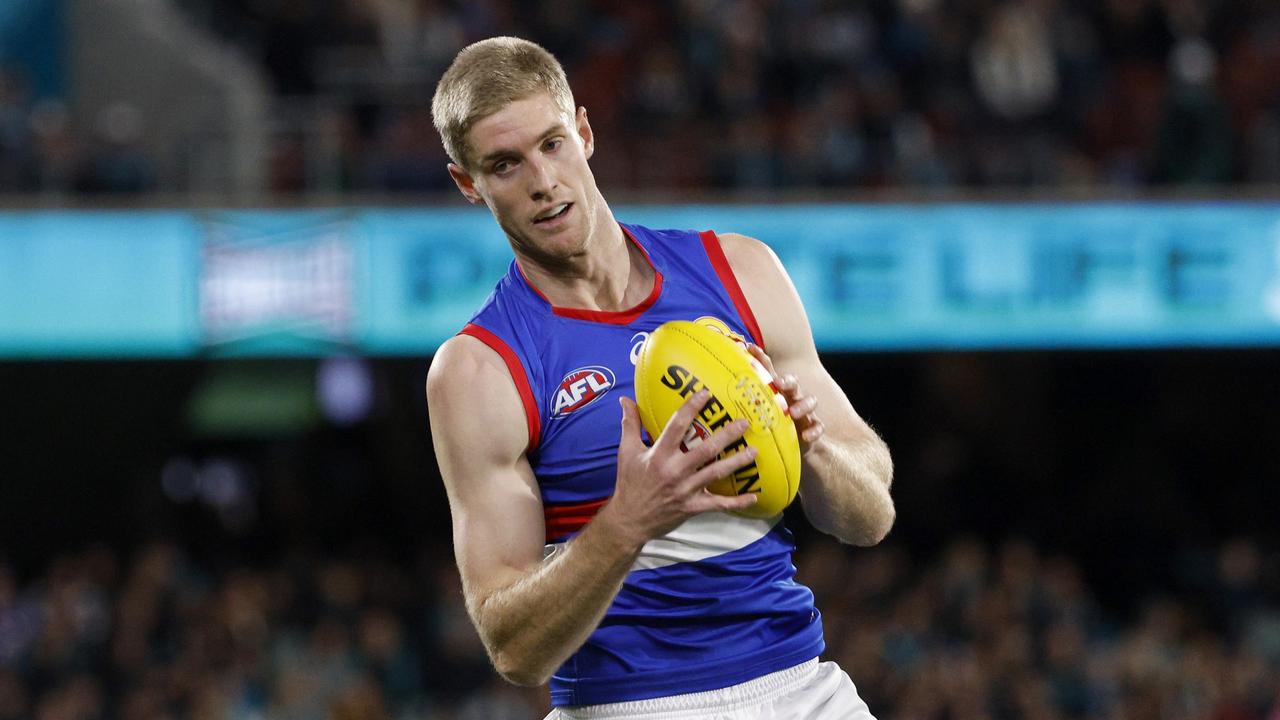
    The Australian Football League’s Western Bulldogs are moving deliberately and cautiously with star ruckman Tim English’s return to competitive play, after a fresh head knock reignited long-standing concerns over the athlete’s repeated concussion history.

    English’s latest injury occurred during last weekend’s victory over Port Adelaide, when he collided in a training drill with teammate Matthew Kennedy. Speaking to reporters on Thursday morning, Bulldogs head coach Luke Beveridge emphasized that the club would prioritize the athlete’s long-term health over a rapid comeback, stressing that no timeline for his return has been finalized.

    “We haven’t got an update for you today, we’ll wait and see how he goes over the next week and what his availability will be,” Beveridge told reporters. “I think because of his history — he’s been out of action at different times and spent a whole pre-season a couple of years ago non-contact — we’ll tread carefully.”

    English’s history of head injuries dates back to 2021 and 2022, when he sustained multiple concussions that forced him to sit out all contact drills during the 2024 pre-season to prioritize recovery. Without their starting ruckman, the Bulldogs have been forced to throw two inexperienced young tall players, Lachie Smith and Louis Emmett, into the rotation earlier than club officials had planned.

    Beveridge acknowledged that the club’s recruiting team is actively exploring the option of adding a supplementary ruckman via the upcoming mid-season draft, to ease the pressure on the club’s underprepared young talent. “Obviously, Lachie Smith has played a bit recently and dipped his toe in the water,” Beveridge said. “Louis Emmett has played some minutes there as a young player who is probably not ready for the ruck position, definitely not ready to be frank, but he’s a competitor and he’s done his best for us. It’s something that we’re thinking about, but is there a player available? And our recruiters are working through that at the moment.”

    The Bulldogs are also taking a measured approach to the return of veteran midfielder Tom Liberatore, who has not seen game action since Round 6. While Liberatore also has a recent concussion, Beveridge noted that the primary barrier to his comeback is a knee injury, with the head injury listed as a secondary concern.

    “He’ll be a while, Tom … he’s a fair way away with that knee,” Beveridge said. “Concussion I think is secondary at the moment, for me, we’re not really talking about it, we’re talking about the knee. He’ll have some tests along the way around the concussion, but I think it’s mainly just about the knee at the moment.”

  • Chris Wood to lead New Zealand at the World Cup after an injury-troubled Premier League campaign

    Chris Wood to lead New Zealand at the World Cup after an injury-troubled Premier League campaign

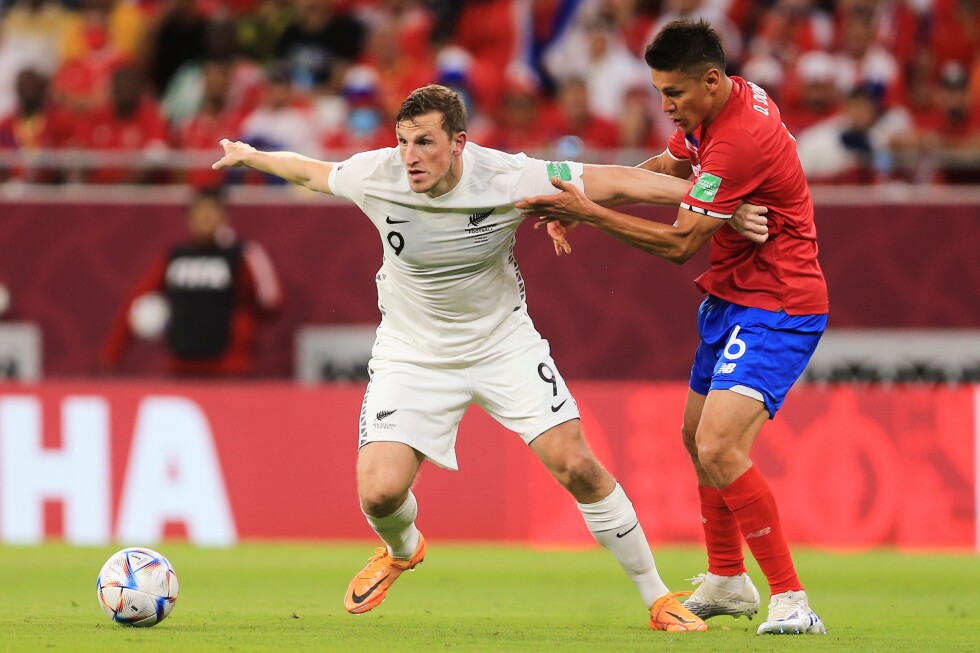
    New Zealand Football has finalized its 26-player squad for the upcoming FIFA Men’s World Cup, headlined by injured Nottingham Forest striker Chris Wood, who will captain the nation’s first World Cup side in 14 years. The announcement, made Thursday by head coach Darren Bazeley in Auckland, marks a milestone for New Zealand men’s football, with two players set to break new ground for the country on soccer’s biggest global stage.

    Alongside Wood, 36-year-old defender Tommy Smith earned a surprise recall, receiving his first All Whites call-up since late 2024 despite plying his trade in England’s fifth-tier National League. Both Wood and Smith featured in New Zealand’s 2010 World Cup squad in South Africa, making them the first New Zealand men ever to qualify for two World Cup tournaments. As team captain, Wood follows in the footsteps of New Zealand World Cup skippers Steve Sumner (1982 Spain) and Ryan Nelsen (2010), carrying the nation’s hopes of a historic first knockout stage berth.
    Bazeley acknowledged that cutting the preliminary pool down to 26 roster spots was one of the hardest challenges of his preparation, noting that 40 different players featured for the All Whites across 10 international matches over the previous 15 months, with more than 50 players tracked for selection in the years leading up to the tournament.

    “Naming a World Cup squad is a true privilege — the World Cup is the pinnacle of our sport, and it’s the ultimate dream for every player who steps onto the pitch,” Bazeley said in his announcement address. “We’ve spent years building toward this moment, evaluating every contender who put themselves forward for a spot.”
    The head coach added that his technical staff settled on a group they believe gives New Zealand the best possible chance to achieve an unprecedented result: advancing out of the group stage. Ranked 85th in the FIFA rankings, New Zealand was drawn into Group G alongside three higher-ranked opponents: No. 9 Belgium, No. 20 Iran and No. 29 Egypt. The All Whites have never advanced past the group stage in their two prior World Cup appearances, a fact Bazeley says his side is hungry to change.
    “This process is never easy, and we do not take the responsibility of selecting this squad lightly,” he said. “But I am confident we have put together the strongest possible group to compete against Iran, Egypt, Belgium and whoever comes next. Now the debate is over — it’s time to head to the tournament and seize this chance to make history for New Zealand.”
    Wood, who has missed extensive club action this season with injury, delivered a pre-recorded address to the squad announcement crowd from his base in England, saying he is eager to join his teammates and compete on the world stage.
    “I can’t wait to share this moment with all of you and make history together,” Wood said. “I hope we can make the entire country proud and show the world what New Zealand football is capable of.”
    The squad blends veteran experience with exciting young emerging talent, a balance that is on clear display across the roster. At the opposite end of the experience spectrum from 36-year-old Smith, 23-year-old midfielder Lachlan Bayliss earned a spot just two months after making his international debut. Bayliss enjoyed a breakout 2023-24 season with the Newcastle Jets in Australia’s A-League, and qualifies for New Zealand through his Kiwi father despite being born and raised in Australia.
    Other key selections include Auckland FC goalkeeper Michael Woud, who won a tight battle for the third goalkeeper spot behind starters Alex Paulsen and Max Crocombe. Up front, Wood will be backed by Australia-based veteran Kosta Barbarouses, Port Vale forward Ben Waine and Silkeborg winger Callum McCowatt. On the back line, Smith joins a deep group of central defender options including Michael Boxall, Tyler Bindon, Nando Pijnaker and Finn Surman.
    The full 26-player New Zealand World Cup squad is as follows:
    Goalkeepers: Max Crocombe, Alex Paulsen, Michael Woud
    Defenders: Tyler Bindon, Michael Boxall, Liberato Cacace, Francis de Vries, Callan Elliot, Tim Payne, Nando Pijnaker, Tommy Smith, Finn Surman
    Midfielders: Lachlan Bayliss, Joe Bell, Matt Garbett, Ben Old, Alex Rufer, Sarpreet Singh, Marko Stamenic, Ryan Thomas
    Forwards: Kosta Barbarouses, Eli Just, Callum McCowatt, Jesse Randall, Ben Waine, Chris Wood

  • Iran holds World Cup send-off for national football team

    Iran holds World Cup send-off for national football team

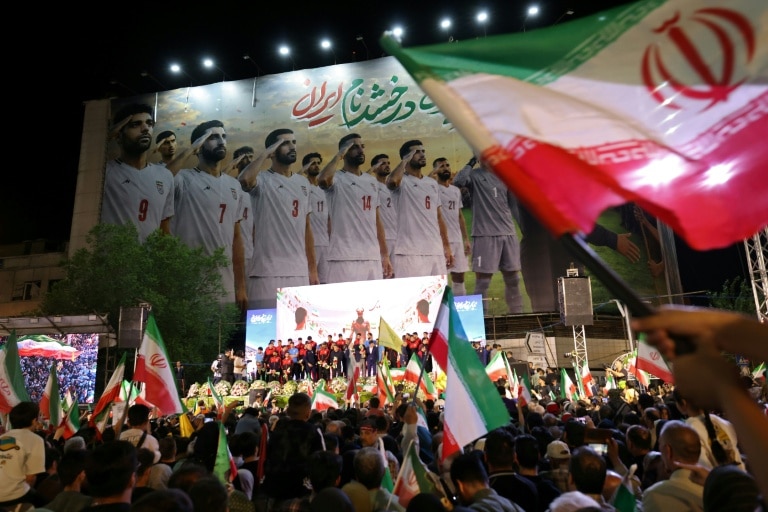
    On Wednesday, Iran hosted a high-stakes, politically infused public send-off ceremony for its men’s national football team ahead of the 2026 FIFA World Cup, the historic tournament co-hosted by the United States, Mexico and Canada. Footage broadcast on Iranian state television showed thousands of fans packing Enghelab Square in central Tehran, where players clad in the national team’s signature red and black tracksuits were introduced to the cheering crowd from a central stage.

    Both head coach Amir Ghalenoei and Iranian Football Federation president Mehdi Taj joined the squad for the celebratory but tense event. In his remarks to attendees, Taj framed the national team’s participation in the upcoming tournament through a sharply political lens, noting that the squad would represent not just the Iranian people, but also the country’s fighters and current Supreme Leader Mojtaba Khamenei. “Our national team is the national football team of wartime,” Taj stated, adding that the side would serve as a “pillar of authority and resistance” on the global stage.

    Attendees waved Iranian flags and sang patriotic chants throughout the ceremony, with many holding up placards and portraits of the late former Supreme Leader Ali Khamenei, who was killed in recent U.S.-Israeli strikes that sparked an ongoing regional war across the Middle East. One prominent placard carried a direct message to the squad, reading: “For the blood of the martyrs, sing the national anthem with firmness and without hesitation.”

    Iran has been drawn into Group G for the tournament’s group stage, where it will face off against New Zealand, Belgium and Egypt. As a World Cup participating nation, Iran will base its training and operations out of Tucson, Arizona for the duration of the tournament, and will kick off its 2026 campaign against New Zealand on June 15 in Los Angeles.

  • Arrieta beats Eulalio to win epic wet Giro stage

    Arrieta beats Eulalio to win epic wet Giro stage

    The 2026 Giro d’Italia delivered one of its most dramatic and memorable stages in recent memory on Wednesday, as Spain’s Igor Arrieta outlasted Portugal’s Afonso Eulalio to claim a chaotic stage 5 victory in Potenza, southern Italy, while Eulalio walked away with the race’s coveted overall lead pink jersey. What unfolded over 203 kilometers of rain-soaked, treacherous roads was a story of endurance, misfortune, and last-minute grit that has reshaped the three-week Grand Tour’s early standings.

    Arrieta and Eulalio broke away from the main peloton with 50 kilometers remaining, launching a two-man battle for the stage win that would see both riders suffer identical high-speed crashes in the wet conditions. The pair both lost control of their front wheels on left-hand bends, sliding hard into roadside kerbs as sheets of rain turned the asphalt into a slippery, stream-covered hazard. Both walked away from the wrecks with deep cuts across their bodies, torn racing Lycra, and a narrow path back to contention.

    Arrieta was the first to fall, crashing with just 14 kilometers left to race. He lost more than 30 seconds to Eulalio as he scrambled to swap his damaged bike for a spare from his UAE Team Emirates-XRG team car. But just a few kilometers further on, Eulalio suffered an identical crash, slamming into the kerb and bruising his lower back, shouting in frustration as he also switched to a backup bicycle.

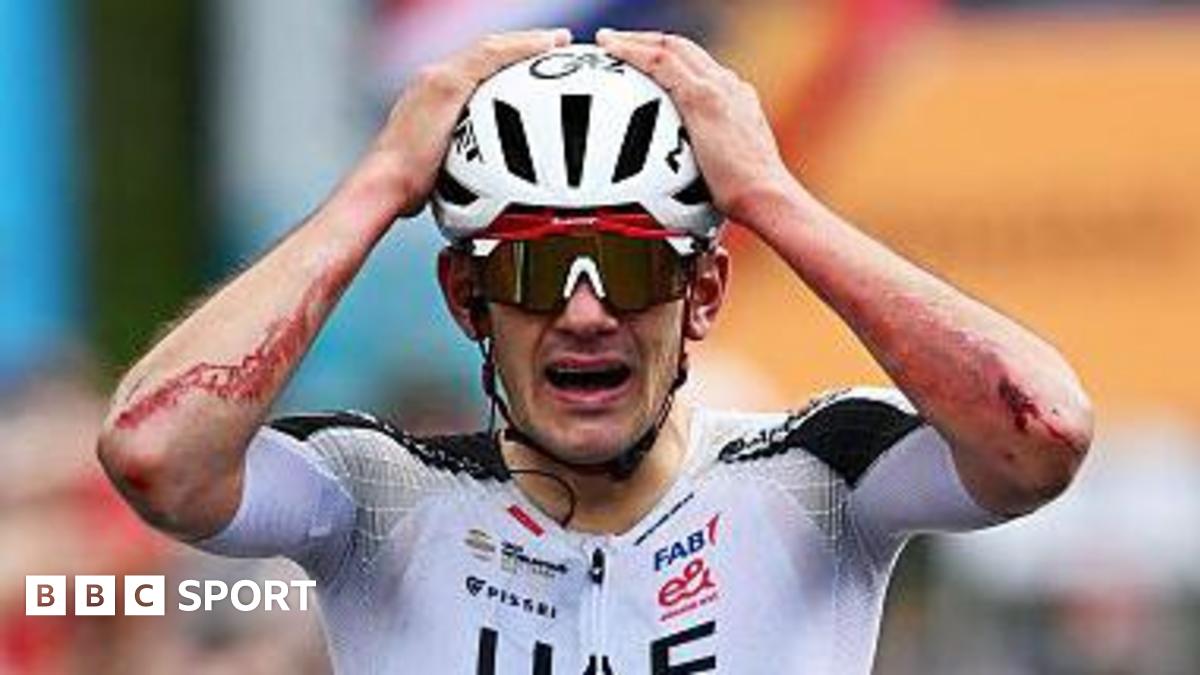
    The chaos did not end there as the pair entered the finishing town of Potenza. Arrieta overshot a right-hand turn, accidentally heading down the wrong route before becoming tangled in course organizers’ boundary tape. With less than one kilometer to go, he nearly crashed for a second time when his rear wheel slipped out on the wet surface. But in a final, surprising push, the exhausted 24-year-old clawed his way back past an equally drained Eulalio to cross the line just two seconds ahead, breaking down in tears with blood running down his arms.

    Speculation has emerged that the final sprint was the result of a prearranged agreement between the two breakaway companions, which would grant Arrieta the stage win and Eulalio the overall lead, given the large gap the pair had built over the main peloton. After crossing the line, Arrieta called the victory the biggest of his young career. “I don’t know what to say. This victory means a lot to me,” he said. “I just thought it was not lost, and I need to try to the end. You never know. I was completely empty in the last kilometres, but I know Afonso was the same – we both deserved the victory.”

    For UAE Team Emirates-XRG, the win is a much-needed boost after a devastating crash on the similarly treacherous second stage in Bulgaria just days prior wiped out three of the team’s top riders, including British general classification contender Adam Yates – the twin brother of 2025 Giro champion Simon Yates. The team already claimed a stage win on Tuesday, when Ecuador’s Jhonatan Narvaez won the sprint into Cosenza in stage 4.

    Despite losing the stage, Eulalio’s result was a career milestone. The Bahrain-Victorious rider became just the third Portuguese rider to wear the Giro’s pink jersey, inheriting the top spot from Italy’s Giulio Ciccone of Lidl-Trek. Ciccone described the brutal wet stage as one of the hardest of his career, and was even forced to stop mid-stage to change into dry clothing amid the constant downpour.

    Eulalio holds a lead of nearly three minutes over Arrieta in the general classification, with all pre-race favorites more than six minutes back. Tour de France champion and pre-race favorite Jonas Vingegaard of Denmark, riding for Visma-Lease a Bike, finished safely within the main peloton, crossing the line 7 minutes 12 seconds behind the leading breakaway group. Vingegaard sits 15th overall, 6 minutes 22 seconds behind Eulalio, and the Dane is widely expected to claw back this deficit when the Giro enters its high mountain stages in the coming weeks.

    Thursday’s stage 6 will offer a reprieve for the sprinters, with a 141-kilometer relatively flat route finishing in Naples.

  • Afcon final ‘deficiencies’ dealt with – Motsepe

    Afcon final ‘deficiencies’ dealt with – Motsepe

    The 2025 Africa Cup of Nations (Afcon) final in Morocco remains one of the most contentious episodes in African football history, and the global sporting world is now waiting on a final ruling from the Court of Arbitration for Sport (CAS) to resolve the ongoing dispute. What began as a tense match between hosts Morocco and defending hopeful Senegal has spiraled into a crisis that has tested the credibility of the Confederation of African Football (Caf), prompting the governing body to implement sweeping changes to prevent future chaos.

    On match day in January, Senegal secured a 1-0 extra-time victory and were immediately crowned champions on the pitch, with star forward Sadio Mane poised to lift his second consecutive continental title. But the outcome was overturned just two months later by a Caf appeal board, which stripped Senegal of the trophy and awarded it to Morocco. The decision came in response to Senegal’s players walking off the pitch in protest during second-half injury time, when referee Jean-Jacques Ndala awarded Morocco a controversial penalty following an extended VAR review that critics have called the longest in the tournament’s history.

    The final was marred by multiple other unseemly incidents: stadium security clashed with visiting fans, and Morocco faced accusations of unsportsmanlike conduct in the so-called “towelgate” affair, where players and ball boys repeatedly moved the Senegal goalkeeper’s training towel to disrupt his focus. In the wake of the fallout, Caf president Patrice Motsepe has acknowledged the governing body’s missteps, confirming that the organization has already moved to address systemic deficiencies that allowed the chaos to unfold.

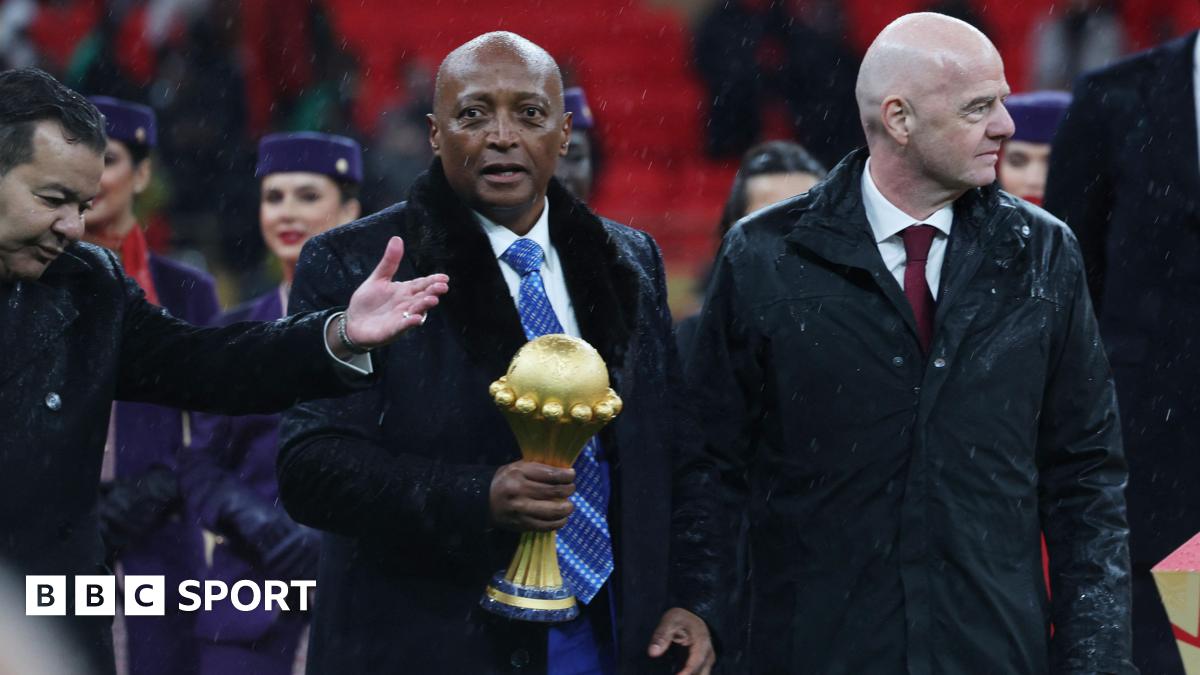
    “We’ve done good work in terms of building the confidence and the trust amongst the football community of our referees and of our VAR,” Motsepe told BBC Sport Africa on the sidelines of the Africa Forward Summit in Nairobi. “But there are still these challenges and we’ve recognised what the deficiencies were that led to the unfortunate incidents we had in Morocco. We’ve introduced new laws, new regulations which will ensure that doesn’t happen again.”

    Despite Motsepe’s claim that African football emerged from the tournament “stronger than ever before”, the controversial ruling has dealt significant damage to Caf’s efforts to rebuild its international reputation. Former England international midfielder Nigel Reo-Coker was among the most high-profile critics, describing the decision to strip Senegal of the title as an embarrassment that opens the door for global football bodies to dismiss African football governance.

    The Senegalese Football Federation has repeatedly called the outcome a “robbery” and formally challenged the Caf ruling at CAS, where a final decision is imminent. Motsepe, who was re-elected unopposed for a second term as Caf president in March 2024, has already completed a diplomatic outreach tour to both nations to ease tensions and says the organization will abide by whatever ruling CAS delivers.

    “Whatever decision comes, we will respect and implement,” Motsepe said.

    The controversy has reignited with fresh debate in recent weeks after Caf retained Ndala, the referee who oversaw the chaotic 2025 final, as the official for the first leg of the 2025 African Champions League final. Both participating clubs — South Africa’s Mamelodi Sundowns and Morocco’s AS FAR — have publicly voiced concerns over the appointment, but Motsepe defended the decision, noting that the independent Caf refereeing committee cleared Ndala after a full review that found his performance aligned with global best practices.

    “The referee’s committee is independent. We don’t get involved and should not get involved in identifying who should ref at which match,” Motsepe explained. “I’ve been told that both the football clubs have expressed their reservations, but we have to respect the decisions that are taken by this independent body. The very specific thing is to continue training our referees. Some of our referees are as good as the best in the world.”

    Beyond the 2025 Afcon fallout, Motsepe also addressed preparations for the 2027 Afcon, which will make history as the first edition of the tournament co-hosted by three nations: Kenya, Tanzania and Uganda. The tournament will mark the first return of Afcon to East Africa since Ethiopia hosted the event in 1976. A recent Caf inspection flagged ongoing delays to stadium upgrades and critical transport infrastructure across all three host nations, but Motsepe expressed full confidence that the event will be a success, pointing to unprecedented commitment from the three national governments. A permanent Caf team is based in the region to oversee daily progress on preparations.

    In Kenya, preparations are proceeding against the backdrop of an ongoing governance dispute within the Football Kenya Federation (FKF). Nine of the federation’s 12 executive committee members have called for FKF president Hussein Mohammed to step down over allegations of financial misconduct, claims Mohammed has rejected, blaming a power grab led by his deputy, former Inter Milan and Kenya international McDonald Mariga. Both Fifa and Caf have requested formal clarification on the dispute, and Motsepe said he is confident the issue will be resolved in line with global football governance statutes. Kenya was previously banned from international football for nine months in 2022 over similar administrative irregularities, a suspension that was lifted in late 2022.

  • World Cup transport prices cut after fan backlash

    World Cup transport prices cut after fan backlash

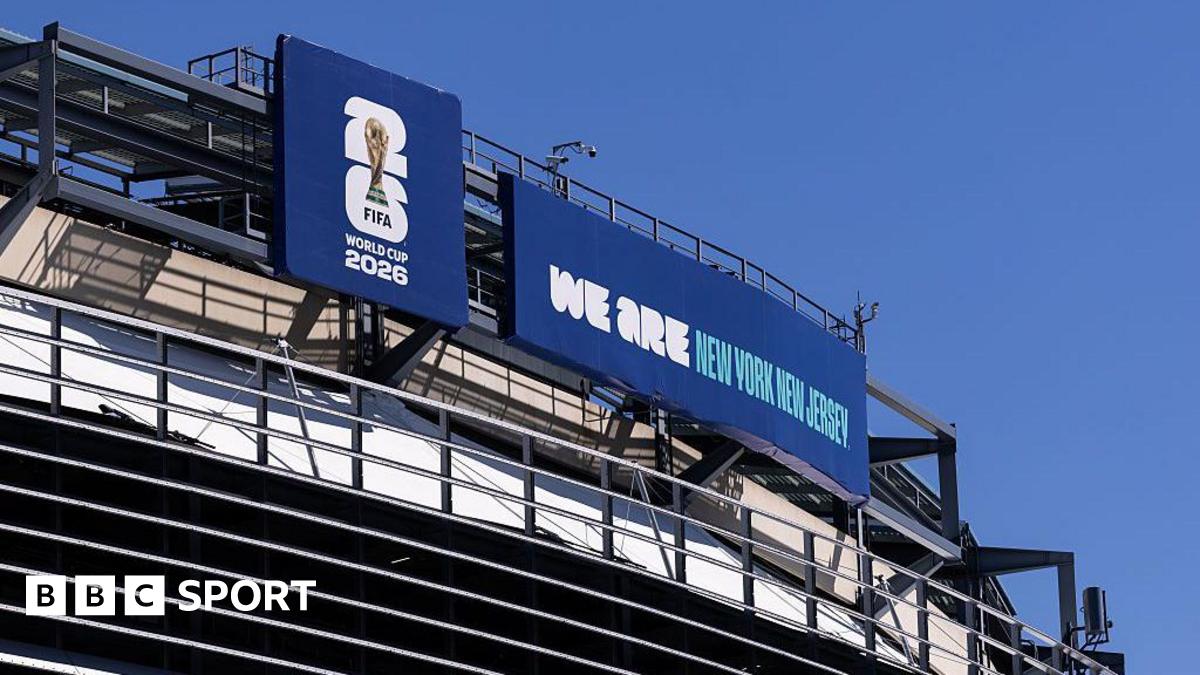
    As the 2026 FIFA World Cup approaches, widespread public outcry from football fans has forced officials to roll back exorbitant public transport prices for matches at the New York/New Jersey-hosted venue, one of the tournament’s most high-profile match sites. The venue, commercially known as MetLife Stadium, will operate under the neutral name New York/New Jersey Stadium for the duration of the World Cup per FIFA’s rules banning corporate sponsored venue names during the event. It is set to host eight matches, including the tournament final and a Group C fixture for the England men’s national team.

    Before the price adjustment, a single round-trip train ticket from Manhattan’s Penn Station to the stadium, located roughly 18 miles outside midtown, was set at $150 — a staggering markup from the standard off-event return fare of just $12.90. Shuttle bus fares were originally priced at $80 per passenger. Following sustained criticism from fan groups and elected officials, train prices have been reduced to $98, while shuttle bus fares have dropped 75% to $20.

    Thomas Concannon, head of the Football Supporters’ Association, an England-based fan advocacy group, had earlier slammed the original pricing as “astronomical” and far outside standard event pricing norms, warning that the exorbitant costs would have a “chilling effect” on fan attendance. New Jersey Governor Mikie Sherrill had also publicly criticized FIFA for declining to subsidize match-day transport, stressing that local taxpayers should not be forced to cover the cost of the tournament’s travel expenses.

    The issue carries extra weight because the 2018 host agreement signed by the United States originally committed to providing free fan transport for World Cup attendees, a perk that was extended to fans at the 2018 Russia World Cup and 2022 Qatar World Cup. A 2023 revision to the agreement adjusted the commitment to only require transport offered at cost, rather than fully free.

    In a social media statement released Tuesday, Governor Sherrill confirmed that commercial sponsorship funding allowed for the ticket price cut without drawing from New Jersey taxpayer funds. “Good news: Ahead of NJ Transit World Cup train tickets going on sale, NJ Transit is lowering ticket prices to $98 without New Jersey taxpayer money,” she wrote, adding gratitude to private sector partners who made the adjustment possible.

    New York Governor Kathy Hochul echoed the announcement of the bus fare reduction, noting that getting to World Cup matches should be as accessible as possible for all attendees. She also added that 20% of match tickets will be reserved exclusively for New York residents in recognition of the region’s role as tournament hosts.

    While the price cut in New Jersey marks a win for fans, other host locations are still facing dramatic transport price markups. In Foxborough, Massachusetts, which will host matches for both England and Scotland, round-trip train fares from Boston’s South Station to the venue have jumped more than 300% from the standard $20 fare to $80 for the tournament. England will face Ghana in Foxborough on June 23 before moving to New York/New Jersey Stadium for a June 27 match against Panama, while Scotland will play two group stage fixtures in Foxborough against Haiti and Morocco.

    Not all host cities have imposed inflated pricing, however: Kansas City will charge just $15 for round-trip shuttle bus service to its match venue, while Philadelphia will retain its standard $2.90 public transport fare for the duration of the tournament.

    FIFA has previously pushed back against criticism, claiming there is no precedent for restricting transport price increases during major events held at MetLife Stadium.

  • Cristiano Ronaldo enters sixth World Cup looking to show he can still thrive despite Saudi move

    Cristiano Ronaldo enters sixth World Cup looking to show he can still thrive despite Saudi move

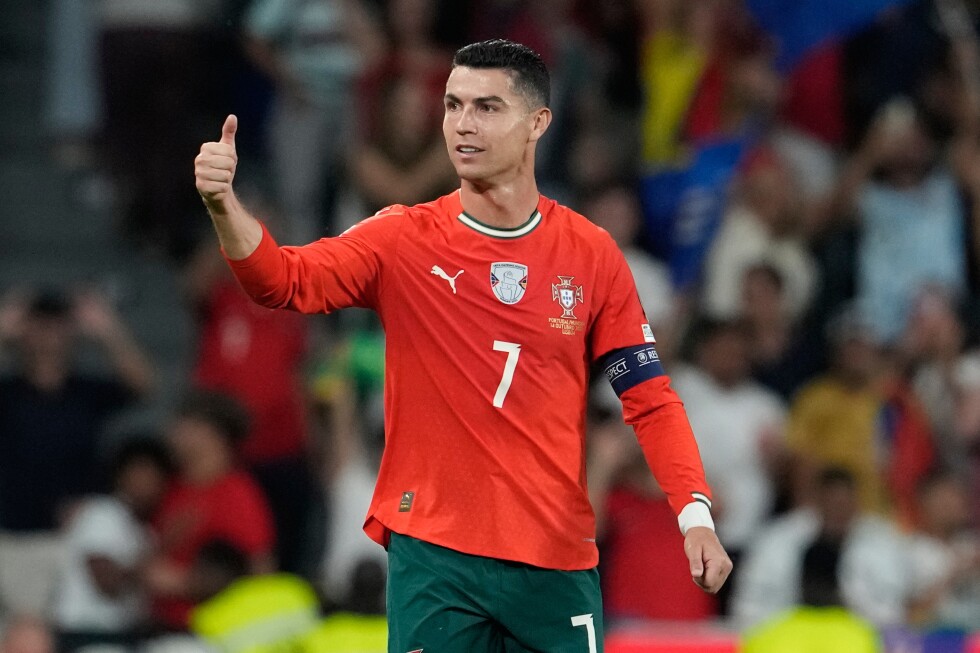
    MADRID — When Cristiano Ronaldo shocked global football by leaving Europe for a high-profile move to Saudi Arabia’s Al Nassr in late 2022, the decision was met with widespread skepticism. Critics argued that a drop in competition level would erode the 41-year-old’s form, leaving him ill-prepared for what he confirms will be his sixth and final appearance at the FIFA World Cup — his first World Cup campaign after relocating to the Middle East. Now, three years into his time in the Saudi Pro League, Ronaldo and his camp have put those doubts to rest, with consistent goalscoring form for both club and country proving his enduring quality.

  • ‘Don’t understand it, but it looks fun’: cricket bowls Japan over

    ‘Don’t understand it, but it looks fun’: cricket bowls Japan over

    Four months before the Asian Games kick off in Nagoya, a quiet but energetic buzz is growing around a converted baseball field turned brand-new cricket ground, where a sport largely unfamiliar to most Japanese is starting to win over casual spectators.

    When the continental multi-sport event runs from September 19 to October 4, most competitions on the program will feel familiar to Japanese sports fans. Cricket, however, remains a complete mystery to the majority of the population – but that has not stopped locals from leaning into curiosity and showing up to watch the action.

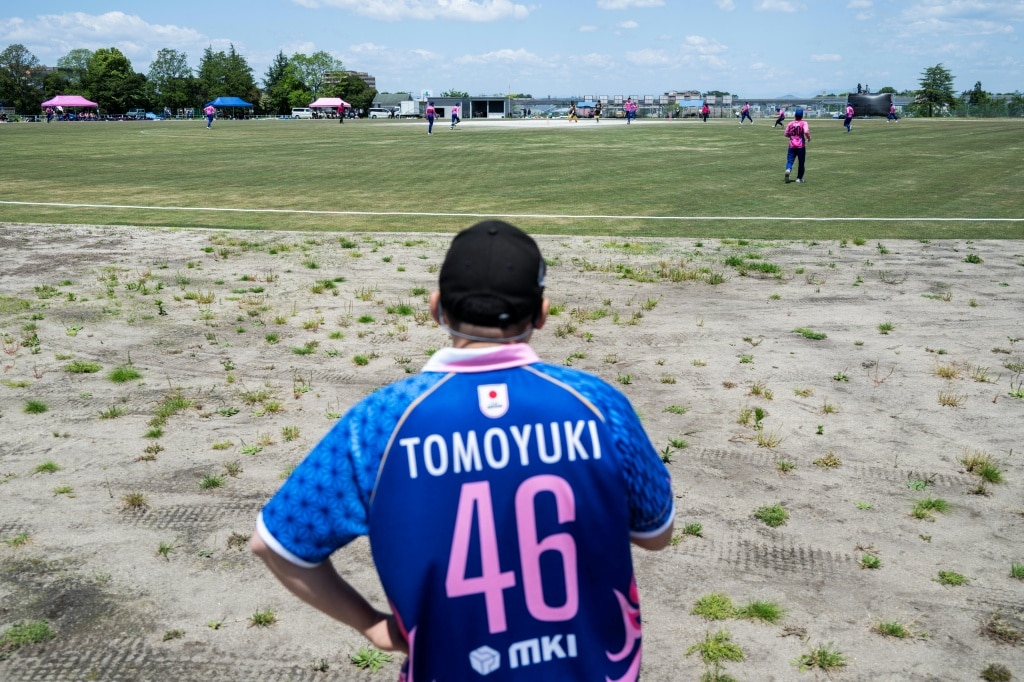
    Located 40 minutes by train from central Nagoya, Korogi Sports Park retains faint traces of its former life as a baseball diamond, with an old pitcher’s mound still sitting just beyond the playing boundary. Right now, the venue is cutting its teeth ahead of the Asian Games by hosting the first major international cricket event ever held at the site: the East Asia-Pacific qualifiers for the 2028 Men’s T20 World Cup. The tournament brings together eight emerging cricket nations alongside host Japan: Vanuatu, Fiji, Samoa, Indonesia, the Philippines, Papua New Guinea, the Cook Islands and South Korea.

    For many local attendees, the match is their first ever live experience with the sport. Yuya Okimasu, a 34-year-old local resident who brought his wife and two children to watch Japan face off against Vanuatu, said his family only first encountered cricket through his daughter’s favorite Australian children’s cartoon *Bluey*. “I’m looking at the rules as I’m watching the game because I don’t understand it, but it looks fun,” Okimasu told reporters, echoing the sentiment of many first-time spectators.

    On a windy opening weekend, roughly 300 fans turned out for Japan’s first qualifying match. Most relaxed on deck chairs, listening to a commentator walk through the basic rules of play to help new fans follow along. Temporary stands will be installed before the Asian Games to boost capacity to around 2,000 spectators. While top-ranked international teams are accustomed to far larger, more lavish venues, the quality of the venue’s playing pitch is not expected to disappoint.

    The pitch is overseen by Asitha Wijayasinghe, the same curator who manages the playing surface at Sri Lanka’s 35,000-seat Pallekele International Cricket Stadium. Adam Birss, operations manager for the Asian Games at Korogi Sports Park, noted the pitch is expected to play with extra bounce, even with the approach of Japan’s annual September typhoon season. “I would say that it should act like the pitches in Pakistan, which are bouncy but also take spin,” Birss explained. “It’s got a grippy surface, so if you put spin on the ball, it will spin off.”

    This new venue is a key piece of an ambitious long-term plan to grow cricket in Japan, a nation where baseball has long reigned as the dominant bat-and-ball sport. The International Cricket Council (ICC) has identified Japan as one of its global priority markets for expansion, and grassroots participation numbers have slowly climbed in recent years. The Japan Cricket Association (JCA) has already built a small but stable foothold for the sport in the Tokyo area.

    Cricket’s inclusion in the 2026 Nagoya Asian Games was only confirmed in April 2024, leaving organizers with just 15 months of preparation time. The JCA had previously pushed unsuccessfully to host matches in Sano, a city north of Tokyo that is already a domestic cricket hotbed. JCA CEO Naoki Alex Miyaji acknowledged that Nagoya remains “a huge vacuum area for cricket”, and he has raised concerns that the tight timeline leaves too little time to build widespread public interest ahead of the tournament. “Creating something here with the Asian Games is an ideal situation, but not when you’re talking with 15 months’ preparation,” Miyaji said.

    Long-term questions about the venue also remain unresolved. After the Asian Games conclude, the park will be shared between cricket and local baseball teams, and it is still unclear which governing body will take responsibility for maintaining the specialized cricket pitch. Even so, Miyaji says he holds out hope that the venue will become “one of the key ingredients of the growth of cricket in Japan”.

    Local leadership has already gotten behind the project, with Nagoya’s mayor emerging as an enthusiastic early supporter. That early public curiosity among attendees who turned out for the qualifying match suggests there is potential for broader interest. In the opening qualifier, the Japanese men’s team picked up a confidence-boosting 30-run win over Vanuatu, adding to the growing momentum.

    With just four months remaining until the Asian Games begin, Japanese players say they are ready to embrace the moment and help grow the sport they love. “The ground looks in incredible condition given that they only started building it a few months ago,” said Japan captain Kendel Kadowaki-Fleming. “Excitement is the overwhelming emotion that we’re feeling about it.”