分类: sports

  • Four years after banning Russia, FIFA and IOC passive in the face of war

    Four years after banning Russia, FIFA and IOC passive in the face of war

    Four years after the swift expulsion of Russian athletes following the invasion of Ukraine, international sports organizations are demonstrating markedly different responses to recent U.S.-led military actions against Iran, sparking allegations of geopolitical bias and institutional hypocrisy.

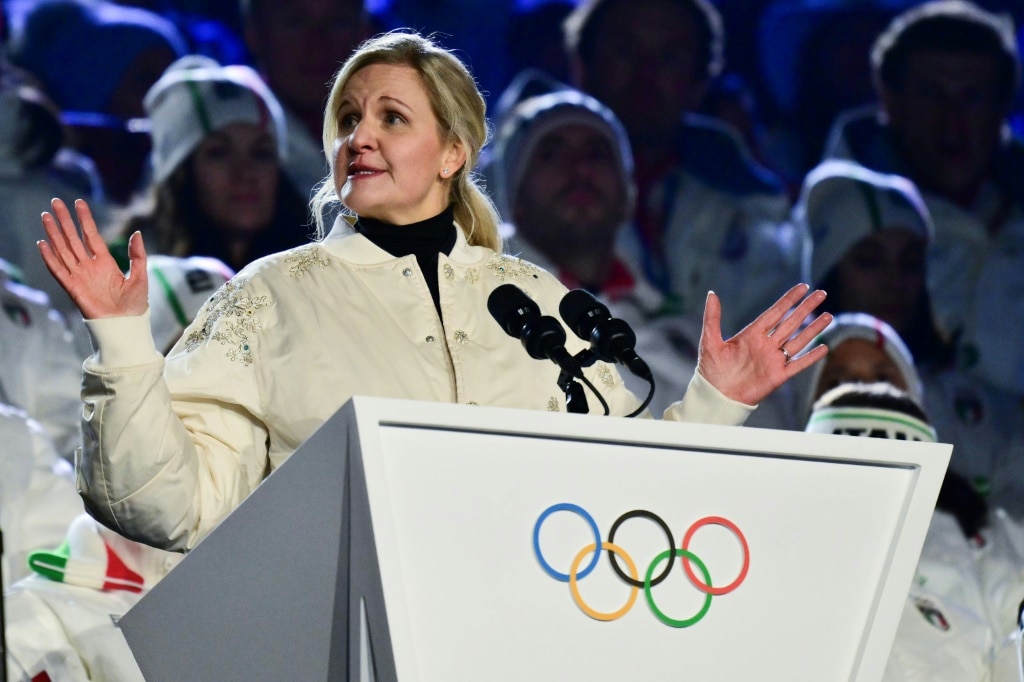
    The parallel timing of both conflicts—occurring between Winter Olympics and subsequent Paralympics, and ahead of summer World Cup tournaments—highlights the inconsistent approaches of FIFA and the International Olympic Committee. While Russia faced comprehensive bans within four days of its 2022 invasion, current responses to the Iran conflict have been limited to safety assurances for Paralympic athletes.

    Sports governance experts identify multiple factors driving this discrepancy. Simon Chadwick, sports geopolitics specialist at EMLyon Business School, notes that despite similar competitive circumstances, no discussions have emerged regarding American exclusion from international competitions. The United States, as co-host of the upcoming World Cup and host of the 2028 Los Angeles Olympics, occupies a position of significant institutional power.

    French academic Pim Verschuuren characterizes the current approach as ‘blatant avoidance,’ explaining that political realities force pragmatism. ‘In 2022, political pressure was so intense that the IOC was forced to exclude the Russians,’ Verschuuren told AFP. ‘Today it can’t afford to single out and antagonize the United States.’

    The analysis reveals structural power imbalances within global sports governance. Verschuuren notes that sport is effectively ‘in the hands of the United States, with funding from its Gulf allies,’ creating inherent constraints on impartial decision-making. This power dynamic is exemplified by FIFA President Gianni Infantino’s cultivation of close U.S. relations, including creating a special ‘FIFA Peace Prize’ for Donald Trump—a move described by sources close to football governance as ‘beyond ridiculous’ but strategically rational.

    Geopolitical considerations extend to affected nations’ global standing. Iran, despite qualifying for the World Cup, remains the world’s second-most sanctioned country and possesses limited sporting influence. Unlike Russia’s powerful athletic allies, Iran receives minimal support from China and Russia, the latter still navigating its own reinstatement challenges.

    The situation reflects broader collapses in multilateralism, with sports organizations mirroring the failures of international diplomatic bodies. As Verschuuren concludes, ‘The very idea of multilateralism is collapsing, and sport is one dimension of this collapse.’
  • Italian skier helps shape Hebei’s Chongli into winter sports destination

    Italian skier helps shape Hebei’s Chongli into winter sports destination

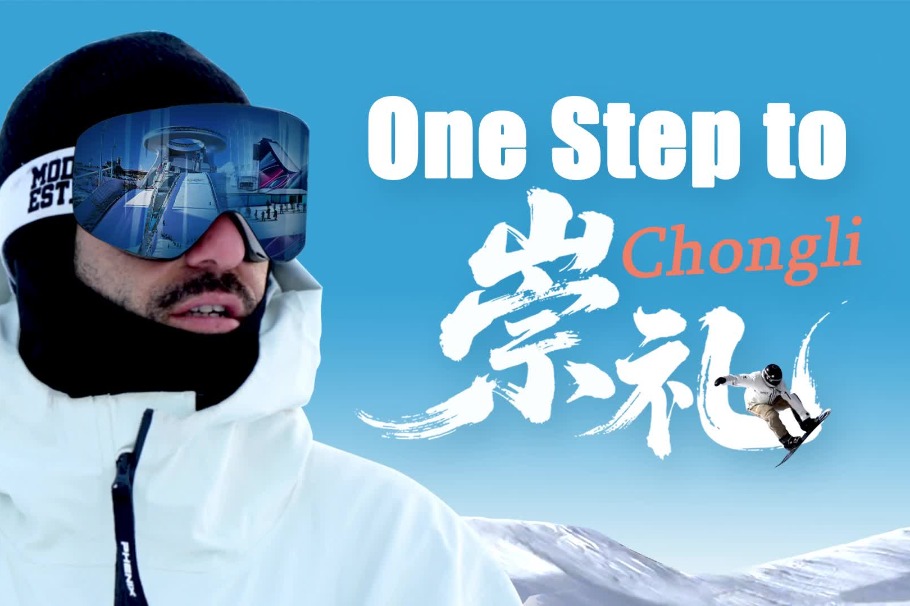
    Two decades after arriving from Italy, Andrea Coatti has become an integral part of Chongli’s remarkable transformation from an unknown mountain town to an internationally recognized winter sports destination. The Italian ski professional, affectionately known as “Yibu” (meaning “one step”) among locals, initially journeyed to Zhangjiakou’s Chongli district in Hebei province without prior knowledge of the area.

    Coatti dedicated his expertise to developing and maintaining ski infrastructure during Chongli’s formative years as a winter sports location. His technical contributions proved instrumental in the region’s development, culminating in his participation in constructing competition venues for the prestigious 2022 Beijing Winter Olympics.

    The Olympic legacy has propelled Chongli into a new era of growth and international recognition. The district now boasts state-of-the-art winter sports facilities connected to Beijing via high-speed rail, making it accessible to enthusiasts worldwide. This connectivity has transformed the once-quiet town into a thriving hub that attracts young skiers and snowboarders from across the globe.

    Chongli’s evolution represents China’s strategic development of winter sports infrastructure and the successful integration of international expertise. The combination of foreign technical knowledge and local implementation has created a destination that meets international standards while maintaining its unique regional character.

  • South Korea advances to the WBC quarterfinals with 7-2 win over Australia

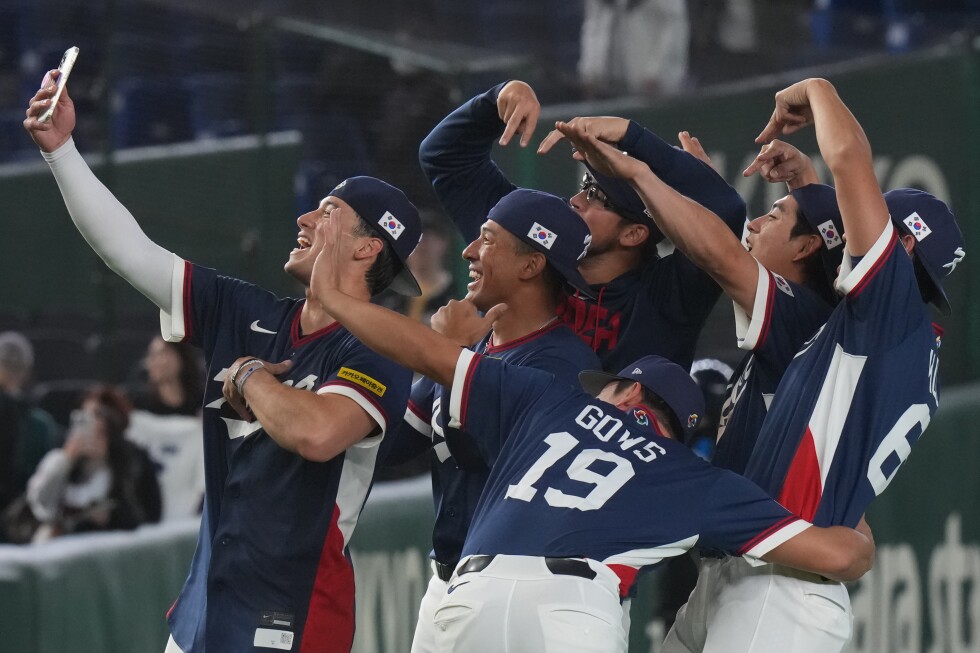
    South Korea advances to the WBC quarterfinals with 7-2 win over Australia

    In a high-stakes showdown at the Tokyo Dome, South Korea’s national baseball team clinched a dramatic 7-2 victory against Australia on Monday, securing their advancement to the World Baseball Classic quarterfinals through a complex tiebreaker scenario. The triumph marks South Korea’s first appearance in the tournament’s knockout stage after three consecutive failures to escape pool play.

    The game unfolded as a nail-biting mathematical puzzle, with South Korea requiring a victory margin of five runs or more to advance from Pool C. The team initially established a commanding 4-0 lead within the first three innings, with Bo Gyeong Moon delivering an exceptional offensive performance that included four RBIs, bringing his tournament total to an impressive 11.

    Australia mounted several comeback attempts, twice narrowing the deficit to four runs, but each time South Korea responded with additional scoring. The decisive moment arrived in the ninth inning when Australian shortstop Jarryd Dale committed a critical throwing error that extended the inning. This miscue enabled Hae-Min Park to reach third base and subsequently score on Hyun Min Ahn’s sacrifice fly, providing the crucial fifth-run margin.

    The drama intensified in the bottom of the ninth when South Korean right fielder Jung Hoo Lee made a spectacular diving catch off Rixon Wingrove’s line drive, preventing what appeared to be a certain double that could have scored an Australian runner and reduced the final margin to four runs—which would have eliminated South Korea from contention.

    Pitcher Ju Young Son earned the victory while Australian starter Lachlan Wells was charged with the loss. South Korea now joins previously qualified Japan and superstar Shohei Ohtani as Pool C representatives in the quarterfinals, completing a remarkable turnaround after their early tournament struggles.

  • N Korea cancels Pyongyang Marathon for ‘some reasons’

    N Korea cancels Pyongyang Marathon for ‘some reasons’

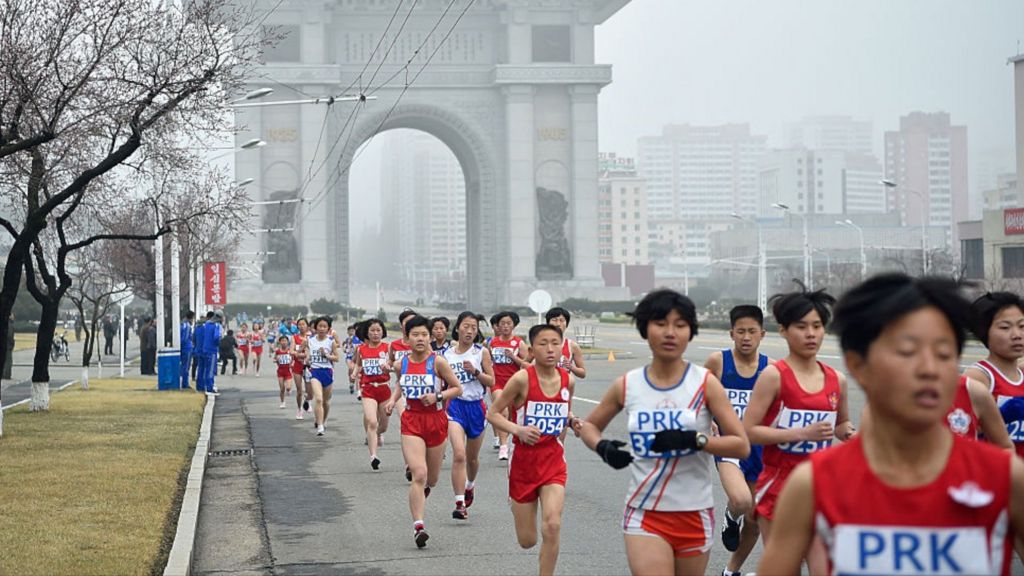
    In an unexpected development, North Korea has officially canceled the Pyongyang International Marathon scheduled for April 5, 2026, offering no substantive explanation for the decision. The announcement was communicated to Koryo Tours, the British-operated tour agency recognized as the event’s official partner, by North Korea’s athletics association.

    The notification, attributed to the association’s general secretary, cited vague “some reasons” for the cancellation while expressing gratitude to international elite and amateur runners who had shown interest in participating. According to Koryo Tours, the determination appears final and was made at a level surpassing the event’s direct organizers, suggesting higher governmental authority involvement.

    This marks the first cancellation since the event’s post-pandemic revival in 2025 after five consecutive years of COVID-19 related suspensions. Established in 1981 to commemorate the birth of North Korea’s founding leader Kim Il Sung, the marathon typically attracts foreign participants through specialized tour packages.

    Koryo Tours, which operates from Beijing, had sold out its premium packages priced from €2,190 for 2.5 nights in Pyongyang including race entry and city tours. The company has committed to full deposit refunds while offering participants the option to retain credits for future events. No date has been set for the 2027 edition of the competition, which traditionally features 5km, 10km, half-marathon and full marathon distances open to both amateur and professional athletes.

  • Finnish pair wins a barrel of ale in annual ‘wife-carrying’ contest in England

    Finnish pair wins a barrel of ale in annual ‘wife-carrying’ contest in England

    DORKING, Surrey — An unconventional athletic competition unfolded on the grassy slopes of southern England this weekend as couples participated in the United Kingdom’s annual Wife Carrying Race. The event, characterized by its blend of physical endurance and comedic spectacle, saw Finnish partners Teemu Touvinen and Jatta Leinonen claim victory with a remarkable time of 1 minute and 45 seconds.

    Inspired by 19th-century Finnish folklore about village raids and abductions, the modern interpretation emphasizes lighthearted entertainment above historical accuracy. Participants embraced the absurdity with creative costumes while navigating a 380-meter obstacle course that included hay bale hurdles and water bucket assaults.

    The competition demonstrates remarkable inclusivity in both participant selection and carrying techniques. Contestants must carry partners over 18 years old weighing at least 50 kilograms (110 pounds), with underweight participants requiring weighted rucksacks. The rules explicitly permit carrying ‘someone else’s wife’ or any acquaintance, with organizers humorously recommending ‘they should ideally weigh less than you do.’

    Most competitors employed the traditional ‘Estonian Hold’ method, where the carried person hangs upside-down with legs secured around the carrier’s shoulders. The winning Finnish duo received a barrel of local ale as their championship prize.

    While niche, this Scandinavian export has gained international traction with similar events in the United States, Australia, and Poland. The British event, established in 2008, serves as a qualifying competition for the World Wife Carrying Championships in Finland. This year’s fastest British team—Edward Nash and Kathryn Knight, who finished just four seconds behind the winners—will represent the UK at July’s global championship.

  • China beats North Korea 2-1 to take top spot in Group B at Women’s Asian Cup

    China beats North Korea 2-1 to take top spot in Group B at Women’s Asian Cup

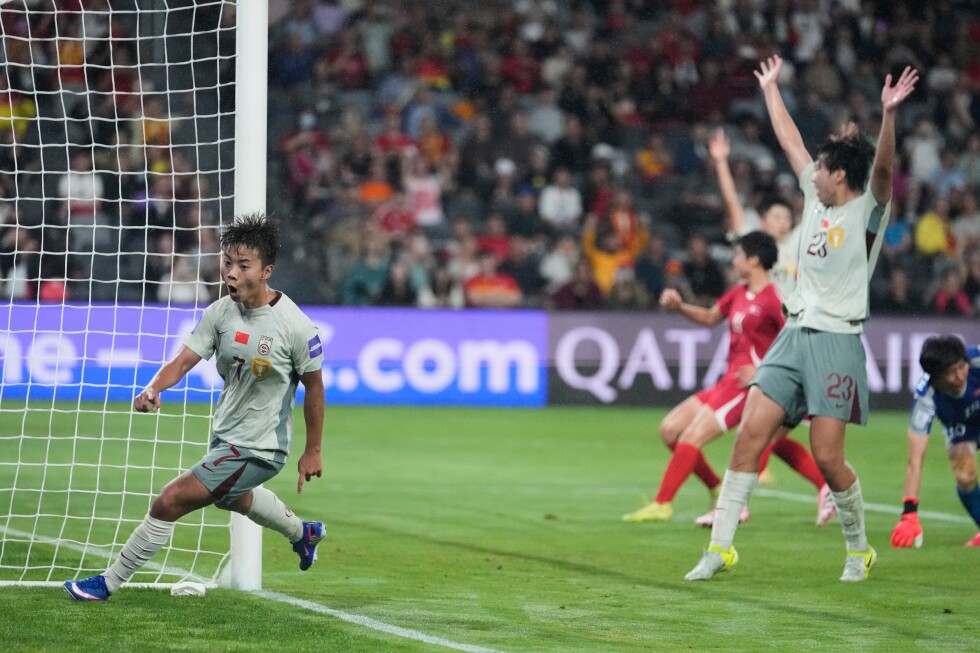
    In a high-stakes Group B finale at the Women’s Asian Cup, defending champions China secured a dramatic 2-1 victory over North Korea in a physically intense match at Western Sydney Stadium on Monday. The result positions China atop the group standings while setting North Korea for a quarterfinal confrontation against tournament hosts Australia in Perth this Friday.

    The match marked North Korea’s return to the tournament after their 2010 final loss to Australia, requiring only a draw to claim group supremacy. Their ambitions seemed attainable when Kim Kyong Yong broke the deadlock with a clinical counter-attack finish in the 32nd minute—the game’s first shot on target.

    China’s response was immediate and spectacular. Just two minutes later, Chen Qiaozhu unleashed a breathtaking strike through defensive traffic from the edge of the penalty area, leveling the score with her powerful equalizer.

    The match turned decisively in first-half stoppage time when Wang Shuang’s goal underwent VAR review after initially being flagged for offside. The video assistant referee overturned the on-field decision, awarding China the crucial go-ahead goal. The controversial ruling sparked vehement protests from the North Korean bench, resulting in a yellow card for coach Ri Song Ho and delayed the team’s return to the pitch for the second half.

    Both sides created significant opportunities after the break. North Korean goalkeeper Yu Son Gum made a spectacular full-stretch save to deny Wang Shuang in the 78th minute, while 19-year-old substitute Choe Il Son saw her apparent equalizer nullified by another VAR offside review minutes later.

    China, guided by former Australian women’s team coach Ante Milicic, now advances as group winners seeking their record-extending tenth Asian Cup title. The tournament format sees the top two teams from each group plus the two best third-place finishers progress to the quarterfinals.

  • 23 red cards and police intervention as mass brawl mars end of title match in Brazil

    23 red cards and police intervention as mass brawl mars end of title match in Brazil

    A Brazilian state championship final between fierce rivals Cruzeiro and Atletico Mineiro culminated in unprecedented chaos as a massive on-field brawl resulted in a staggering 23 red cards being issued. The violent incident, which required intervention from military police, erupted in the closing seconds of Sunday’s Campeonato Mineiro final in Belo Horizonte.

    The confrontation originated from a dangerous challenge by Cruzeiro midfielder Christian on Atletico goalkeeper Everson near the end of the match. Everson responded violently, executing a rugby-style tackle that brought Christian to the ground before driving both knees into his opponent’s head. This aggressive act instantly ignited a full-scale melee that rapidly spread across the pitch.

    Players from both teams immediately rushed into the fray, engaging in punches, kicks, and physical altercations that lasted over a minute. The conflict quickly escalated beyond players to include substitutes, coaching staff, and security personnel. Social media footage captured particularly concerning moments, including Atletico’s star forward Hulk striking an opponent from behind before himself receiving a kick to the chest.

    When order was finally restored, the officiating crew faced the extraordinary task of disciplining participants. According to official statistics, Cruzeiro received 12 red cards while Atletico Mineiro had 11 players dismissed, including Hulk, a former Brazilian national team standout.

    Despite the late-game turmoil, Cruzeiro maintained their 1-0 advantage to claim the state championship title in Minas Gerais. The match will be remembered not for the sporting achievement but for one of the most disciplinary incidents in modern football history, raising serious questions about player conduct and security measures in high-stakes rivalries.

  • Iraq coach Graham Arnold urges FIFA to delay his team’s World Cup playoff because of the Iran war

    Iraq coach Graham Arnold urges FIFA to delay his team’s World Cup playoff because of the Iran war

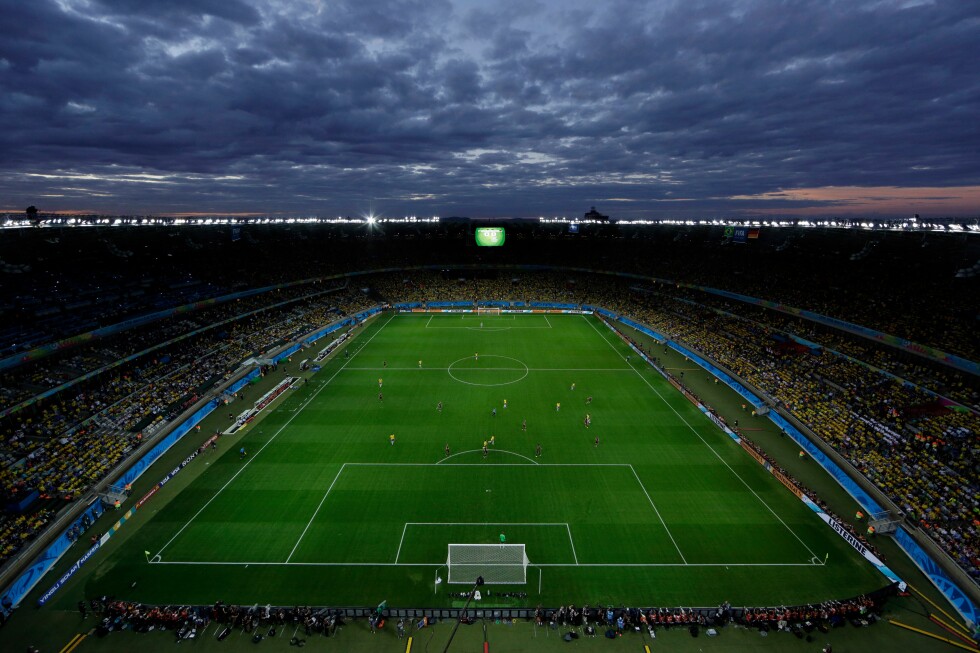
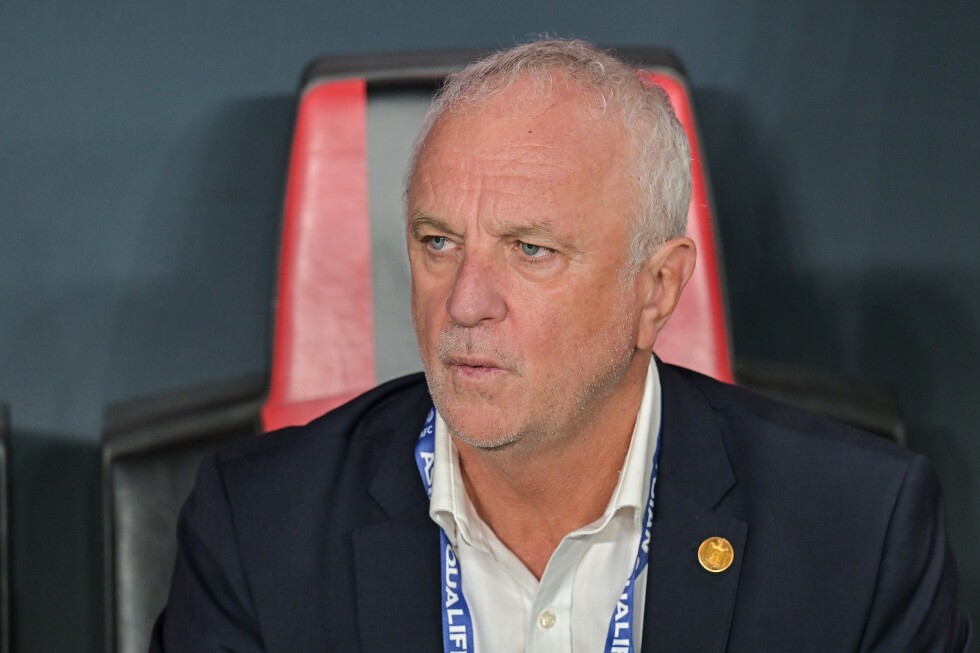
    Iraq’s national football team faces unprecedented challenges in their World Cup qualification campaign as head coach Graham Arnold appeals to FIFA for urgent intervention. With regional tensions escalating and Iraqi airspace closed until April 1st, the squad confronts severe logistical obstacles ahead of their crucial playoff match scheduled for March 31st in Monterrey, Mexico.

    The team’s preparation has been severely compromised by multiple factors. Domestic players remain stranded within Iraq due to airspace closures, while visa processing for Mexican entry has stalled following the closure of foreign embassies. Arnold himself remains separated from his squad, currently stranded in the United Arab Emirates amid the ongoing regional conflict.

    The Australian tactician emphasized the historical significance of this qualifier, describing it as “the country’s biggest game in 40 years.” He has proposed a strategic rescheduling that would allow Suriname and Bolivia to proceed with their preliminary match this month while delaying Iraq’s final playoff until just before the World Cup commencement.

    Arnold warned that fielding a team comprised solely of overseas-based players would substantially weaken Iraq’s chances. The proposed postponement would not only allow proper preparation but potentially accommodate broader geopolitical developments, including the possibility of Iran’s withdrawal from the tournament.

    Iraqi Football Federation president Adnan Dirjal is reportedly working extensively to navigate these challenges as the nation awaits FIFA’s decisive response to this extraordinary situation.

  • The nearly-forgotten cricketer who became India’s T20 World Cup hero

    The nearly-forgotten cricketer who became India’s T20 World Cup hero

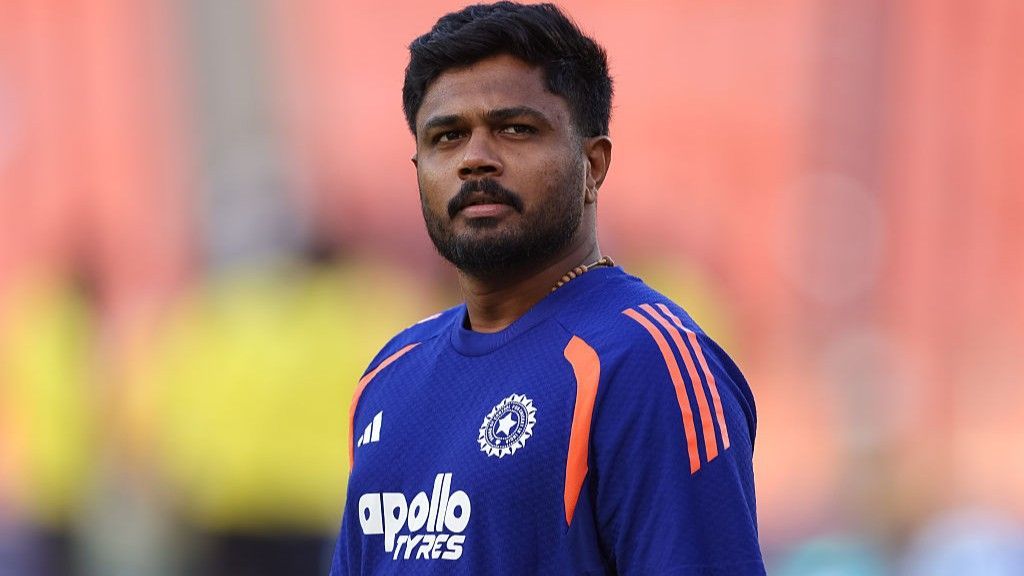
    AHMEDABAD — In a career-defining performance, Indian cricketer Sanju Samson emerged as the unexpected architect of India’s T20 World Cup victory against New Zealand on Sunday, culminating a decade-long journey of perseverance and dedication to traditional batting fundamentals.

    The 31-year-old wicketkeeper-batter, who nearly missed selection due to prior inconsistent performances, delivered a tournament-transforming performance that ultimately secured India’s title defense with a decisive 96-run victory. Samson’s remarkable statistics—275 runs at a staggering strike rate of 199 throughout the knockout stages—belied his conventional technique that prioritizes precise footwork, impeccable balance, and textbook strokeplay over modern power-hitting aesthetics.

    Samson’s path to glory was nearly derailed multiple times. After struggling to translate his Indian Premier League success to international cricket—managing just one half-century in his first 23 innings—he had effectively played himself out of contention during bilateral series preceding the tournament. His inclusion came partly due to Rinku Singh’s personal circumstances, while his promotion to opener was initially intended to relieve pressure from struggling teammate Abhishek Sharma.

    The tournament’s turning point came during India’s virtual quarterfinal against West Indies in Kolkata, where Samson’s unbeaten 97 demonstrated the enduring value of classical batting in the T20 format. His mature innings throughout the knockout phase provided the foundation upon which India’s campaign was built, though individual accolades frequently went to teammates like Jasprit Bumrah, who received Player of the Match honors in the final despite Samson’s 89-run contribution.

    What made Samson’s triumph particularly noteworthy was his refusal to compromise his technique despite pressure to adopt more contemporary approaches. In an era dominated by high-risk, high-reward batting philosophies, Samson’s success validated the enduring relevance of traditional cricketing values—patience, process-oriented preparation, and technical discipline developed through years in unglamorous domestic tournaments like the Ranji Trophy.

    His journey from teenage IPL prodigy to World Cup hero represents not just personal redemption but the validation of cricket’s fundamental virtues, proving that in the modern game’s relentless evolution, there remains room for classical excellence executed with humility and perseverance.

  • India erupts in celebration after T20 cricket World Cup victory

    India erupts in celebration after T20 cricket World Cup victory

    India has cemented its cricketing dominance by achieving an unprecedented consecutive victory in the ICC Men’s T20 World Cup, defeating New Zealand by a commanding 96-run margin in Sunday’s final. The championship match, held in Ahmedabad, witnessed India’s formidable performance against twenty competing nations, solidifying their status as the first team to retain the T20 World Cup title.

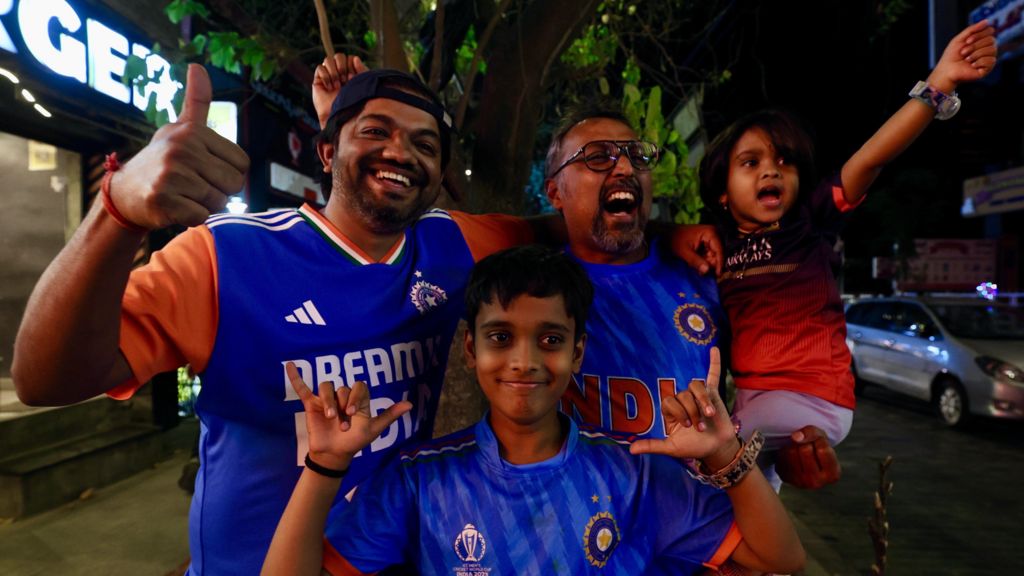
    The victory ignited spontaneous nationwide celebrations as ecstatic fans adorned in team jerseys flooded streets across the country. From Delhi’s India Gate to Mumbai’s airport vicinity, Chennai’s Marina Beach to Kolkata’s urban centers, impromptu gatherings featured drum-beating, flag-waving, and fireworks that illuminated the night sky. The celebrations commenced even before the final delivery, with stadium crowds and outdoor viewers expressing their euphoria simultaneously.

    Prime Minister Narendra Modi praised the team’s exceptional achievement, stating: ‘This remarkable triumph reflects exceptional skills, determination and teamwork. They have shown outstanding grit through the tournament. This victory has filled every Indian heart with pride and joy.’ The win marks India’s third T20 World Cup victory (2007, 2024, 2026) and follows their recent Women’s Cricket World Cup success four months prior.

    Fans expressed overwhelming emotion, with Mumbai supporter Shraddha Mokal telling news agencies: ‘I have no favorites, I love each member of the team. I can’t express in words how happy I am today.’ Another fan from Gurgaon noted: ‘Once again our team has proved that this is the best in the world.’

    The Board of Control for Cricket in India (BCCI) is expected to organize formal victory celebrations where team members will present the trophy to thousands of adoring fans, continuing the cricketing nation’s celebration of this historic achievement.