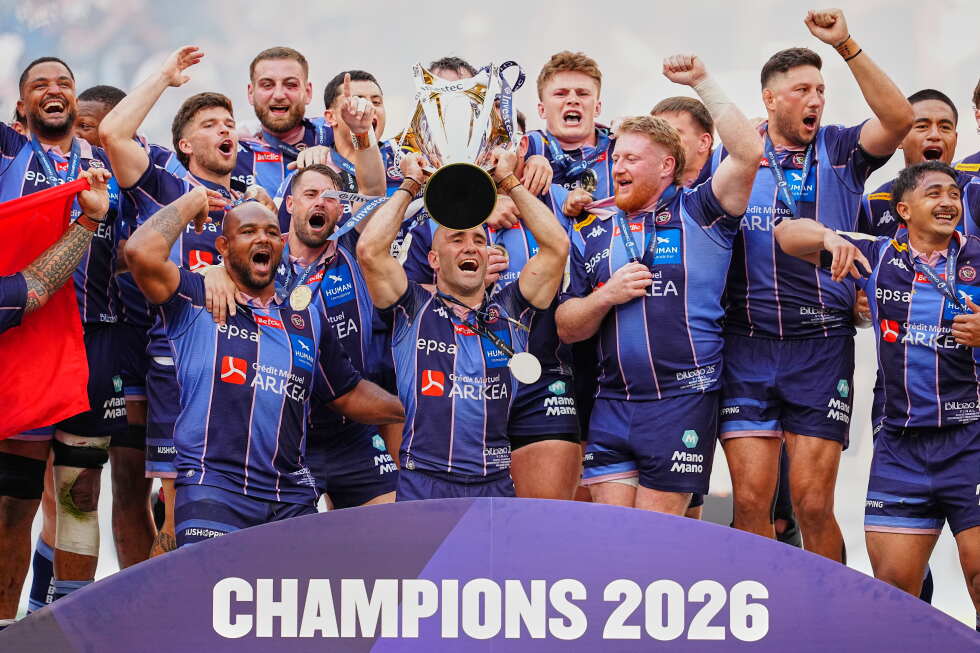
Fresh off their historic second consecutive European Rugby Champions Cup triumph, Bordeaux-Begles are turning their attention to the one major trophy that has eluded them since the club’s founding 19 years ago: the French Top 14 domestic crown. Head coach Yannick Bru issued a rallying cry to his squad Saturday, calling on the side to step up and reveal their full strength as they chase a maiden domestic title in the closing stages of the season.
Bru’s side delivered a dominant 41-19 upset over four-time champions Leinster at Bilbao’s iconic San Mamés Stadium last week to secure back-to-back European titles, a performance headlined by a two-try outing from in-form winger Louis Bielle-Biarrey and 21 points from captain Maxime Lucu. The result marked a massive milestone for the club, which formed out of a merger of two local sides in 2006 and has never claimed the Top 14 crown. But the team’s domestic form has been uneven all season, leaving them fifth in the league standings with just two regular-season matches remaining. Barring a late surge in the table, Bordeaux-Begles will have to battle through the play-offs to lift their first domestic silverware.
“The Top 14 is a boxing bout every weekend,” Bru told reporters following the Champions Cup victory. “I hope we will have all our resources to show our true selves in the Top 14.”
The road to the second consecutive European title has already taken a visible toll on the squad. Since scraping past Bath in a tight semi-final clash three weeks ago, Bordeaux-Begles have only notched narrow wins against bottom-of-the-table sides Bayonne and Perpignan in league play. For veteran Tongan prop Ben Tameifuna, the final win marked a long-awaited weight off the team’s shoulders. “It is relief. It has been a hard few weeks,” the 34-year-old told Premier Sports. “This is one of the few times that I was nervous in my career. Back-to-back is special.”
More than 50,000 fans packed into Bilbao’s sold-out San Mamés, nicknamed “The Cathedral,” with thousands of Bordeaux supporters making the four-hour drive down the Atlantic coast from southwest France to cheer on their side. Tameifuna praised the travelling support, adding with a joke: “What an arena and place to play. Thank you for everyone who made the trip. It is going to be a rough couple of days.”
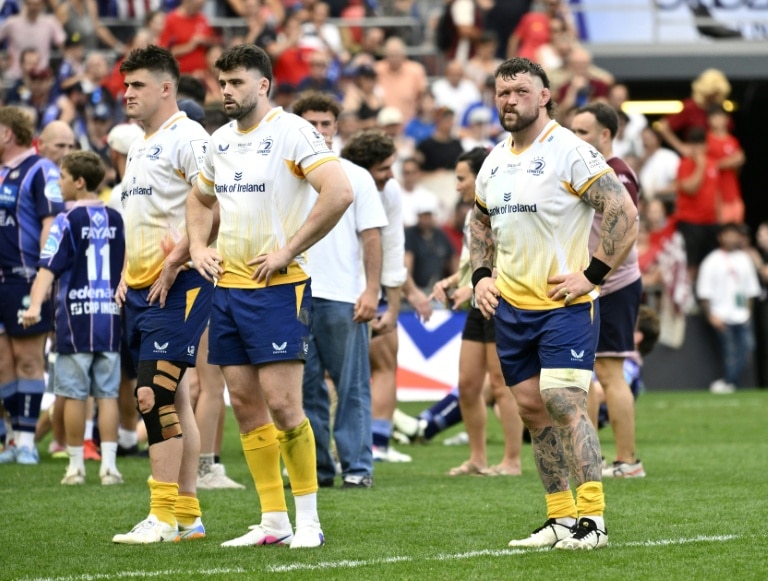
For Leinster, the defeat marked a devastating fifth Champions Cup final loss, extending the Irish side’s title drought that stretches back to 2018. Despite the heartbreaking half-time deficit – the side trailed 35-7 after conceding five tries before the break, including an 80-metre intercept try from Yoram Moefana – Leinster captain Caelan Doris said he remained proud of his squad’s resilience and confident the team would return to compete for the title again next season.
“I admire the resilience of the group to keep knocking,” Doris said. “We have a lot of strength in the group to keep coming back, to keep working hard and keep reaching these stages. I have faith that we’re going to do the same again.”
Doris acknowledged that Bordeaux capitalized on every small opportunity to build their unassailable lead, saying, “They’re capable of big moments out of nothing, a lot of the scraps went their way. We left ourselves too tall of a mountain to climb. I’m happy with the resolve and how we put the first half behind us.”
The final was a quiet outing for New Zealand short-term signing Rieko Ioane, who was outmaneuvered in defense for Pablo Uberti’s 18-minute try that put Bordeaux ahead for good. Ioane will leave the province at the end of the current season after his seven-month deal concludes. Leinster now quickly shifts focus to their next title defense: next weekend, they will host the Lions at home in the quarter-finals of the United Rugby Championship, where they will aim to add another trophy to their cabinet to close out the campaign. “There are some lads moving on,” Doris said. “So we’re going to have to celebrate them over the next couple of days before turning the page to finish the season with silverware.”
分类: sports
-
Bru challenges Bordeaux-Begles to show ‘true selves’ in Top 14 after Champions Cup defence
-
Bordeaux rout Leinster in Champions Cup final and seal a French treble of European titles
On a rainless Saturday at Bilbao’s iconic San Mamés Stadium in northern Spain, French rugby union side Bordeaux Bègles delivered a devastating first-half performance to crush Irish powerhouse Leinster 41-19, claiming the 2024 European Rugby Champions Cup title and cementing France’s total dominance of men’s top-tier European rugby this season. The victory marks the second consecutive Champions Cup crown for a French club, and completes a historic hat-trick of major European titles for French sides in 2024, following France’s Six Nations championship win over Ireland in March and Montpellier’s lopsided 59-26 victory over Ulster in the second-tier Challenge Cup final the previous night. This historic win also extends France’s unprecedented streak to six consecutive European Cup titles, a run of continental dominance that has few parallels in modern rugby. From the opening kickoff, the match took an unexpected turn when Leinster starting wing Tommy O’Brien, who earned a starting nod over Irish international star James Lowe, crossed the try line for an early score to put the Irish side up 7-0. What followed over the next 28 minutes was a masterclass in offensive rugby from Bordeaux, as the French side ran in five converted tries to put the match almost out of reach before the halftime whistle. Scrumhalf and team captain Maxime Lucu got Bordeaux on the board with a sharp sniping try from close range, before breakout star wing Louis Bielle-Biarrey notched two tries, pushing his tournament total to 10 for the campaign. Bielle-Biarrey’s standout form throughout the competition earned him player of the tournament honors, adding to his player of the Six Nations award earned earlier this year, capping a breakout season for the young French talent. Just before the first half wrapped up, Bordeaux put the final nail in the first-half coffin when center Yoram Moefana intercepted a pass from Leinster fly-half Harry Byrne and sprinted the length of the pitch to score, pushing the French lead to a commanding 35-7 at the break. Lucu turned in a player-of-the-final winning performance, orchestrating Bordeaux’s lethal attack and nailing all seven of his kicking attempts, including a long-range penalty from his own half. Even a first-half yellow card for a hair-pulling incident on Leinster lock Joe McCarthy did little to slow Bordeaux; Leinster managed only one try during Lucu’s time in the sin bin, with McCarthy diving over for a score that remained the only Irish points of the opening 40 minutes. Speaking after the match, Bordeaux assistant coach Noel McNamara highlighted the team’s hunger to back up last year’s Champions Cup win, drawing inspiration from golf legend Rory McIlroy to motivate the squad ahead of the knockout rounds. “We spoke about Rory McIlroy in the lead-up to the quarterfinal against Toulouse. Good players win one green jacket, great players win two. We have fantastic players. They made the decision that one Champions Cup is not enough,” McNamara told the BBC. Leinster captain Caelan Doris credited Bordeaux’s dominant first-half display as the difference in the match. “You have to credit Bordeaux. Some of their attack in the first half was incredibly hard to deal with,” Doris told Premier Sports after the full-time whistle. The result extends a painful run of final heartbreak for Leinster, which has now lost five Champions Cup finals since claiming its fourth and most recent European title in 2018, falling once again to the dominant French side that have ruled European club rugby for the past half-decade.
-
Nascar champion Kyle Busch died of pneumonia and sepsis, family says
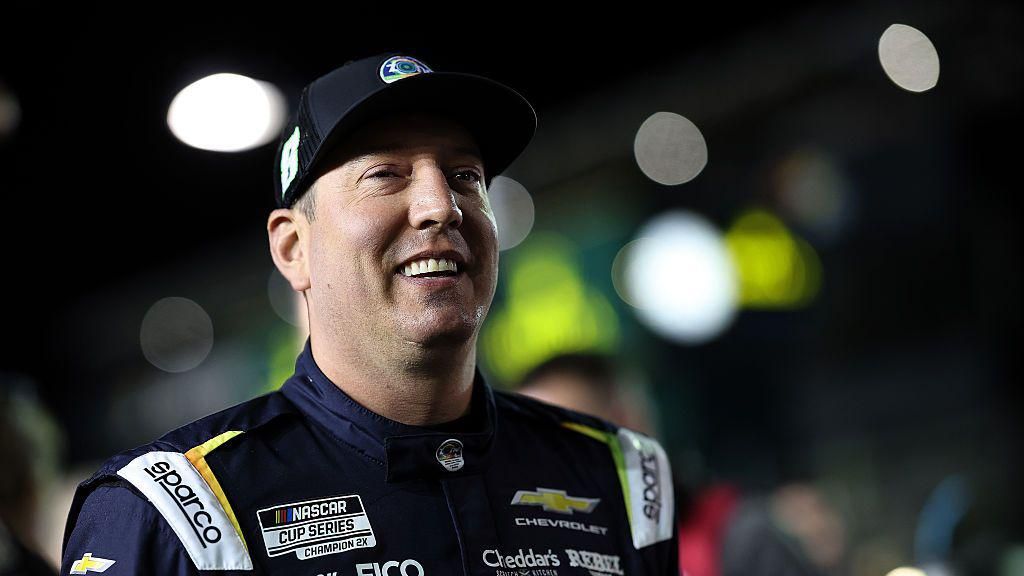
Beloved two-time NASCAR Cup Series champion Kyle Busch has passed away at the age of 41, his family confirmed in an official statement shared with sports outlet The Athletic. The racing icon’s death followed a progression from severe pneumonia to sepsis, with the medical outcome triggering rapid, unmanageable organ complications that overwhelmed his body, according to the family’s announcement.
Busch’s sudden passing on Thursday came just days before he was scheduled to compete in the iconic Coca-Cola 600 at North Carolina’s Charlotte Motor Speedway, a race he had been preparing for as part of his 22nd consecutive season competing in NASCAR’s top racing division.
In the wake of the news, NASCAR leadership paid heartfelt tribute to one of the sport’s most recognizable figures. NASCAR CEO Steve O’Donnell described Busch as a generational talent, a rare competitor whose skill and charisma transformed how fans engaged with stock car racing. Over his two-decade career, Busch claimed 63 race victories and two Cup Series championship titles, cementing his place as one of the most successful drivers in modern NASCAR history.
O’Donnell announced that the weekend’s Coca-Cola 600 would proceed as planned, explaining that the decision honored what Busch would have wanted. “Kyle Busch lived just about every chapter of what you could do in NASCAR,” O’Donnell said, remembering the driver as a fiercely competitive racer with a sharp wit and a penchant for memorable, unfiltered interviews. Ahead of the race, local media reported that Busch’s race car and iconic driver number were put on public display at the speedway as a temporary memorial to the late star.
Beyond his achievements on the track, Busch leaves a legacy of charitable work. O’Donnell highlighted the foundation Busch founded alongside his wife, which works to expand awareness of and access to in vitro fertilization (IVF) and infertility treatments for families struggling to conceive. Known for his brash, high-energy racing style, Busch earned the widely loved nickname “Rowdy” among fans and peers, building a larger-than-life public persona that extended far beyond the race track.
-
Pitches, PlayStations and protein ice cream – A look inside Brazil’s World Cup base camp
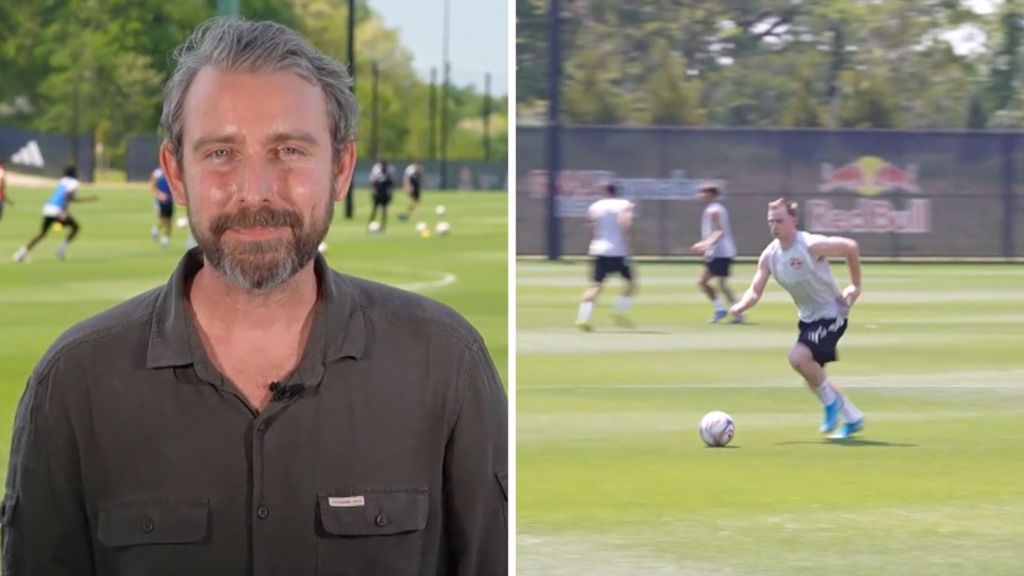
As the world’s most anticipated football tournament draws near, all eyes are on how top contenders are shaping up for their quest for the trophy. Among the elite national sides preparing for the competition, Brazil has set up its pre-tournament base far from home, at the Columbia Park Training Facility nestled in Morris Township, New Jersey. BBC correspondent Brandon Livesay recently got rare access to the closed camp, offering football fans around the globe an unprecedented peek into how the five-time world champions are getting ready for their World Cup campaign.
What stands out most about the Brazilian camp is the careful balance the team’s support staff have struck between high-performance training and personal comfort, designed to keep the squad in peak physical and mental condition ahead of the tournament. Beyond the meticulously maintained grass pitches, where players put in daily work on tactics, fitness and teamwork, the facility includes off-pitch amenities that cater to modern athletes’ needs for recovery and relaxation. To help players unwind after intense training sessions, the camp has been equipped with gaming stations including PlayStations, allowing team members to unwind with casual friendly competitions. Meanwhile, the nutrition team has tailored a performance-focused diet for the squad, that even includes specially sourced protein ice cream – a treat that fits the team’s strict fitness requirements while satisfying players’ cravings for sweet snacks.
Choosing a pre-tournament base in the United States rather than in Brazil or closer to the tournament host nation was a strategic call by the Brazilian Football Confederation. The New Jersey location offers controlled privacy, cutting out distractions that often come with a high-profile side preparing for a major tournament, while still providing easy access to travel logistics for the final journey to the competition. Livesay’s tour confirms that every detail of the camp, from training infrastructure to off-field comfort, has been planned to give the Brazilian squad the best possible chance to lift the World Cup trophy, underscoring the side’s commitment to preparing thoroughly for every possible challenge ahead of the tournament.
-
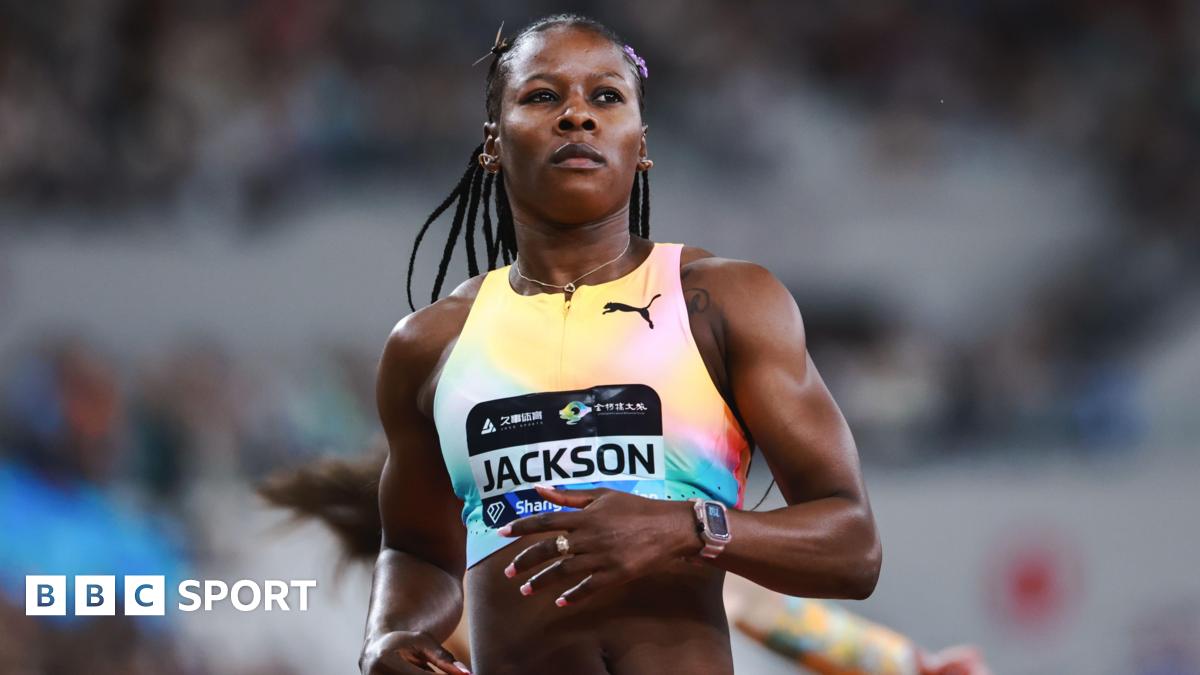
Jackson smashes meeting record to win 200m
The Xiamen Diamond League track and field meet delivered a day of thrilling competition and historic performances on Saturday, headlined by a masterclass victory from two-time 200m world champion Shericka Jackson.
Fresh off a win at the opening Shanghai/Keqiao Diamond League stop a week prior, Jackson picked up right where she left off in Xiamen, delivering a dominant run that left her competitors trailing far behind. From the moment the starting gun fired, the Jamaican sprinter seized control of the race, putting her unparalleled strength on the bend to create an insurmountable gap over the rest of the field. She crossed the finish line with a blistering time of 21.87 seconds, breaking the existing meeting record and falling just one hundredth of a second short of claiming the current world leading time.
While Jackson claimed the top spot on the podium, her fellow competitors also turned in impressive personal season-best results. Bahamian sprinter Shaunae Miller-Uibo took second place with a time of 22.04 seconds, while American sprinter Anavia Battle secured third with 22.29 seconds. Neither runner ever looked positioned to challenge Jackson for the win, however. 2023 world 100m champion Sha’Carri Richardson also notched a new season best, finishing fourth in 22.38 seconds. Great Britain’s Amy Hunt, the 2022 200m world junior silver medallist, crossed the line seventh out of nine competing athletes.
The standout historic performance of the day came from 18-year-old Chinese javelin thrower Yan Ziyi, who rewrote multiple record books with a stunning 71.74m throw. Just one day after celebrating her 18th birthday, Yan’s effort broke not only the Xiamen Diamond League meet record but also the long-standing Asian senior record and the world under-20 record. This milestone comes just over a year after Yan set the world junior record at the age of 17, cementing her status as one of the most promising young track and field talents in the world. Her throw moves her into second place on the all-time global women’s javelin performance list.
Another crowd-pleasing matchup came in the men’s 400m hurdles, which pitted 2024 Olympic bronze medalist Alison dos Santos of Brazil against Norwegian world record holder and 2024 Olympic silver medalist Karsten Warholm in a much-anticipated head-to-head duel. The two elite hurdlers quickly separated themselves from the rest of the pack, battling neck-and-neck for the top spot through every hurdle. In the final stretch, dos Santos pulled ahead to claim the win, finishing in 46.72 seconds – 0.10 seconds ahead of Warholm’s runner-up time.
-
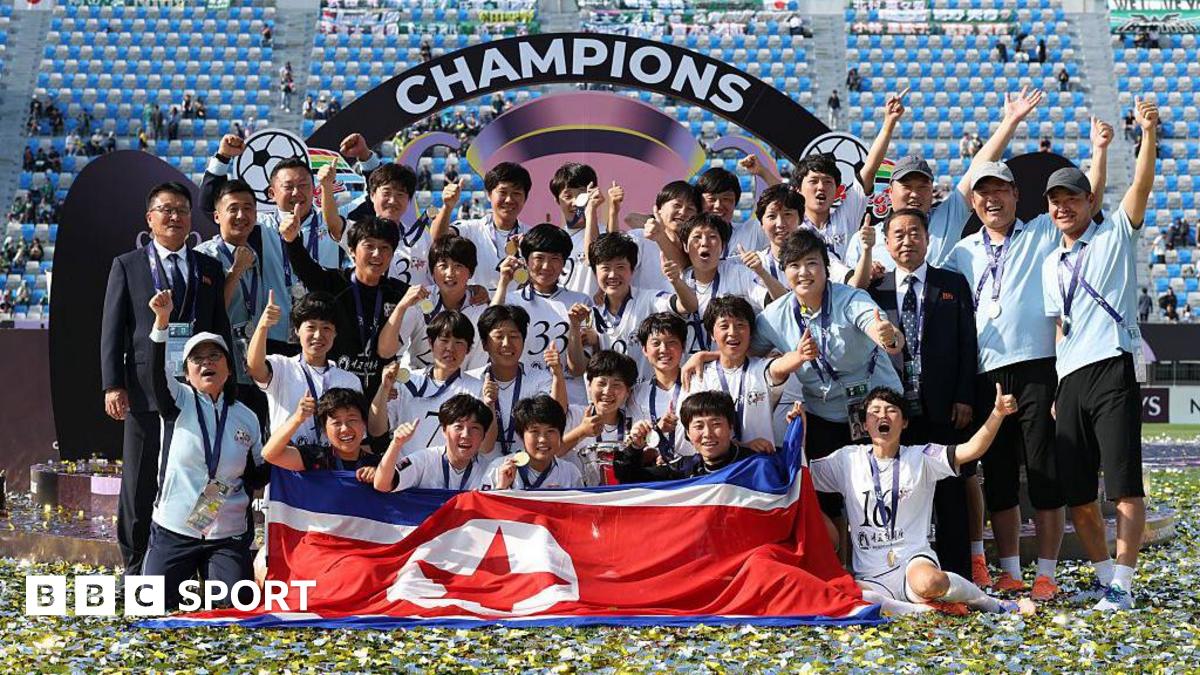
North Korean side wins final in South Korea
In a groundbreaking moment for both inter-Korean relations and women’s Asian football, North Korean club side Naegohyang has captured the 2025 Asian Women’s Champions League crown, securing a 1-0 victory over Japan’s Tokyo Verdy Beleza in the final held in Suwon, South Korea.
Founded in 2012 with a name translating to “My Hometown”, Naegohyang made history long before the final whistle even blew: this tournament marks the club’s first appearance in the continental competition, and their entry required a landmark border crossing from North Korea into the South, a rare occurrence amid long-strained relations between the two nations.
The winning goal came just before the halftime break from captain Kim Kyong Yong, whose strike proved enough to hold off the Japanese side and claim the trophy. After the final whistle, the team celebrated their victory by parading the North Korean national flag — a display that is normally classified as taboo under South Korea’s National Security Act, though exceptions are granted for specific international sporting events.
Following the win, Naegohyang head coach Ri Yu Il expressed the overwhelming emotion of the squad’s historic achievement. “Today, as we face a historic moment advancing into the world as the top team in Asia, the emotions and passion we feel are simply indescribable,” Ri said. “The trophy ceremony has already concluded and now we face the task of confronting various new challenges ahead of us.”
With their continental title secured, Naegohyang has qualified for the 2026 FIFA Women’s Champions Cup, the global tournament that brings together the top club champions from each of football’s six continental confederations.
Due to longstanding travel restrictions between North and South Korea, no official traveling supporters from North Korea were able to attend the Saturday final. Even so, roughly 1,200 members of South Korean civic groups, with backing from Seoul’s Unification Ministry, turned out to watch the match.
A small controversy emerged after the match, when Ri and goal scorer Kim walked out of the post-match press conference after a South Korean reporter referred to their country as the “north side” in a question. Ri later pushed back on the incident, noting that the squad had remained laser-focused on the competition throughout their stay. “All of our players focused solely on winning today’s match, putting in the effort while cherishing every minute and second,” Ri explained. “I did not have the time or room to concern myself with various other issues.”
Ahead of the tournament, South Korea’s Unification Minister Choo Dong-young framed the club’s participation as a potential turning point for cross-border ties, saying the match would set a “positive precedent” for future inter-Korean engagement.
Context around the event stretches back decades: the Korean War concluded in 1953 without a formal peace treaty, leaving the two nations technically still at war. While multiple efforts have been made to warm relations over the years, ties have deteriorated sharply in recent years. North Korea has repeatedly labeled South Korea its “most hostile state” and announced it would no longer pursue formal reunification. Current South Korean President Lee Jae Myung has made improving inter-Korean relations a core policy priority of his administration.
-
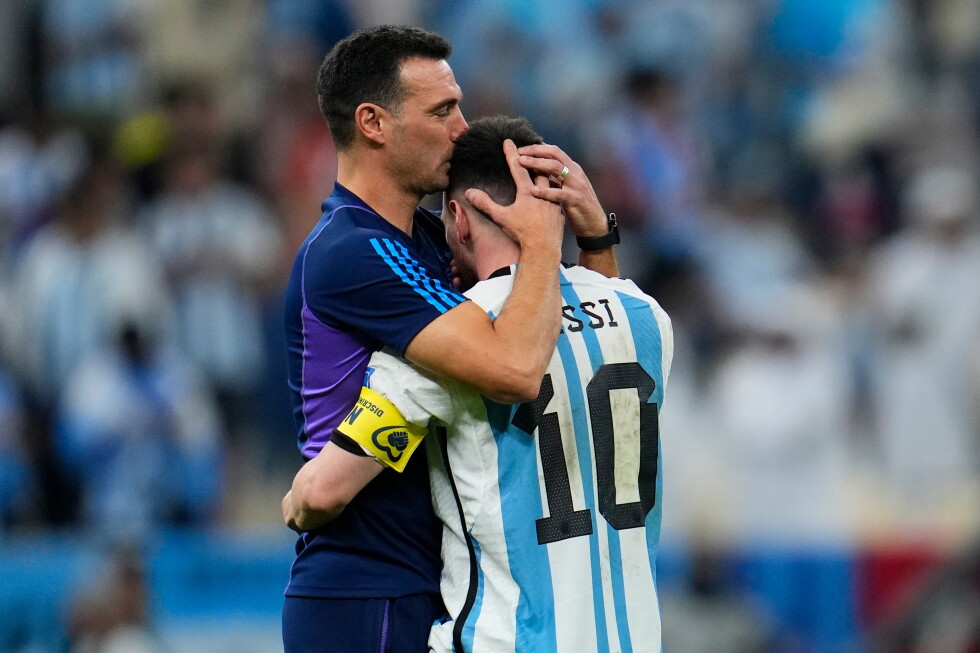
Lionel Scaloni remains calm and cool as Argentina prepares to defend its World Cup title
As Argentina counts down to the 2026 FIFA World Cup, all eyes are fixed on head coach Lionel Scaloni, the quiet architect of the nation’s 2022 global title who is now chasing an almost unprecedented back-to-back championship. The iconic image of his icy composure after Gonzalo Montiel’s decisive penalty sealed Argentina’s third World Cup crown against France in 2022 remains etched in football fans’ memories: instead of erupting in celebration, Scaloni stood motionless and silent on the touchline, seemingly numb to the historic achievement he had just helped deliver. It was only minutes later, when a player embraced him and whispered the words “We are world champions,” that the coach finally broke down in tears. That unflappable temperament, it turns out, is no accident — it has been honed by a daily routine far from the roar of football stadiums.
Longtime acquaintances of Scaloni trace his remarkable emotional control to his post-playing career hobby: long-distance cycling. Picked up on the advice of his friend, former Spanish tennis star Carlos Moyá, the 48-year-old dedicates two to three hours every day to pedaling, whether it be through the mountainous terrain of Mallorca — the Spanish island he calls home — or along the quiet trails of his native Pujato, in northwest Argentina. For Scaloni, cycling is far more than a fitness activity: it is a mental reset and a form of therapy that allows him to work through tactical plans, analyze opponents, and stay grounded amid the pressure of international football.
“On the bike, you can think about your team, your opponent, how to prepare for the match. It really clears my head. It’s a good escape … it helps me lower my expectations, be calmer,” Scaloni explained in recent interviews.
That calm has been tested repeatedly throughout his tenure as Argentina’s head coach, a role he never expected to hold long-term. After Argentina’s humiliating round-of-16 exit from the 2018 Russia World Cup, Scaloni — a former Argentina international with zero prior experience managing a professional club — stepped into the role on an interim basis, while the Argentine Football Association (AFA) courted high-profile candidates such as Mauricio Pochettino and Diego Simeone. At the time, even Argentine legend Diego Maradona dismissed him, sneering, “Scaloni? He can’t even direct traffic.”
Undeterred by the widespread criticism of his inexperience, Scaloni steadily built a cohesive, hungry team. He led Argentina to the 2021 Copa América title, navigated a successful 2022 World Cup qualifying campaign, and silenced doubters again in Qatar after a shocking opening-match loss to Saudi Arabia. Mid-tournament, he revamped his lineup, giving opportunities to young rookies including Enzo Fernández, Alexis Mac Allister, and Julián Álvarez, and drew out the best performance of Lionel Messi’s long World Cup career, ultimately lifting the sport’s biggest prize.
Today, Scaloni prepares to make history as only the third Argentine coach to lead the national side into consecutive World Cups, following legendary champions César Luis Menotti (1978, 1982) and Carlos Bilardo (1986, 1990). The youngest of the three, however, rejects any comparison to the iconic managers who came before him, noting “They have established careers, they defined an era.”
Now, the challenge of repeating as champion looms larger than ever. No men’s World Cup champion has successfully defended their title since Brazil in 1962, and Scaloni faces no shortage of obstacles: his star player Messi, 38, is nearing the end of his international career; the AFA is mired in off-field turmoil, with leadership facing corruption accusations and widespread internal anger over league format changes and refereeing calls. Even World Cup preparation has drawn criticism: the AFA has arranged warm-up friendlies against low-ranked sides, including Indonesia, Puerto Rico, Angola, Mauritania, and Zambia, with two final pre-tournament matches scheduled against non-qualifiers Honduras and Iceland in June.
Scaloni, for his part, has refused to publically air grievances. While he shocked fans in November 2023 by hinting at a potential exit after a qualifying win over Brazil — later clarifying he was overwhelmed by serious health issues affecting his elderly parents, amid unconfirmed rumors of friction with players over off-field behavior — he has remained in the role and stayed true to his no-nonsense approach. He has made clear to his squad that winning the 2022 title does not guarantee anyone a spot on the 2026 roster, demanding constant focus and hunger from his players.
“I don’t dwell on past achievements; you always have to keep looking ahead,” he said in late 2025. “With this jersey, you don’t have time to relax and think your place is secure.”
His approach has paid off in the years since Qatar: Argentina claimed back-to-back Copa América titles in 2021 and 2024, and finished top of South American 2026 World Cup qualifying, even with Messi missing multiple matches due to injury. 20 of the 26 players from the 2022 title-winning squad, including Messi, have been included in Scaloni’s preliminary 55-man roster for the upcoming tournament.
Jorge Valdano, a 1986 World Cup champion with Argentina, praised Scaloni’s work in an interview with the Associated Press, noting “Argentina has achieved the best thing a national team can achieve: being a team. It’s a team with very clear leadership, that of the coach and Leo Messi, and players who haven’t lost their hunger.”
Argentina kicks off its 2026 World Cup Group J campaign in Kansas City on June 16 against Algeria, followed by matches against Austria on June 22 and Jordan on June 27. Scaloni retains the same calm demeanor that carried his side to glory four years ago, fully aware of the weight of expectation from Argentine fans who demand another title and will not accept disappointment.
“We’re doing well, we’re eager. We’re aware that our opponents will play us differently because we’re the reigning champions,” Scaloni said. “The important thing is that we’ll be there. After that, it’s football, and anything can happen.” “To win a World Cup, a lot of things have to come together, not just playing well. It’s very difficult, but not impossible.”
-
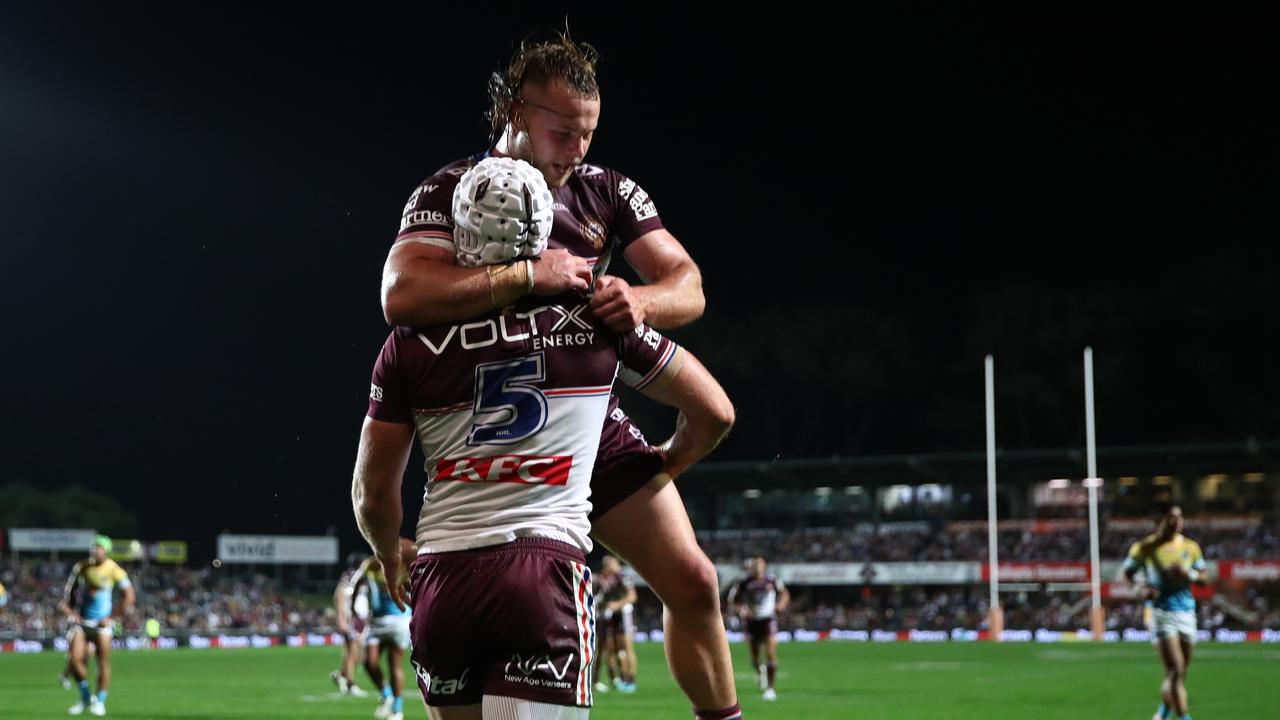
FozBall fires again: New hero emerges as depleted Sea Eagles survive late scare to knock off the Titans
For the Manly Sea Eagles, the narrative used to be simple: when star fullback Tom Trbojevic was sidelined, the team collapsed. But under first-year coach Kieran Foran, that long-held narrative is being rewritten, thanks to a breakout performance from an unlikely hero that sealed a tense 12-10 victory over the Gold Coast Titans on a rain-soaked Sydney night.
Manly headed into the clash missing no fewer than four of their most impactful players. Tom Trbojevic was already out of action, while two other established fullback options—Lehi Hopoate (suspension) and Tolu Koula (State of Origin representative duty)—were also unavailable. To make matters worse, star forward Haumole Olakau’atu and winger Jojo Fifita were also watching from the stands. For a side that once relied entirely on their superstar fullback to deliver results, the odds of extending their recent winning run looked stacked against them.
Step up Clayton Faulalo, the Sea Eagles’ fourth-choice fullback playing just his second senior NRL start in the position. The young utility produced two moments of individual magic that changed the course of the game. In the first half, he delivered a pinpoint, sharp pass to fill-in winger Blake Wilson that set up the opening try of the match. Later, he ran a brilliant line onto a perfectly timed inside ball from Ben Trbojevic to cross the line himself, stretching Manly’s lead and putting the Titans on the back foot.
With just 21 minutes left on the clock, Faulalo absorbed a heavy hip drop tackle but shook off the impact to see out the full 80 minutes. By the final siren, he had racked up an impressive 238 running metres, turning in a career-best performance that has already sparked speculation he could become a targeted signing for rival clubs when his contract comes up in 2028.
For the Titans, the match was supposed to be a celebration for one of their most beloved stalwarts. Mo Fotuaika entered the game poised to become the Gold Coast’s most capped player in club history, earning the record with his 174th appearance, breaking Mark Minichiello’s long-standing mark. But any hopes of a fairy tale upset quickly faded, as the visitors produced one of their most lethargic, error-ridden performances of the season.
The Titans’ bad luck started early, when an opening try from Jaylan De Groot was ruled out for an earlier knock-on. By the final whistle, the side had conceded 16 unforced errors, even with key Manly stars sidelined. While they got a late consolation try through AJ Brimson in the final minute to set up a nervous closing few seconds, they could not complete the comeback, falling just short of what would have been a shocking comeback win. Even with their starting wingers each running for more than 200 metres, the Titans forward pack failed to step up in the absence of captain Tino Fa’asuamaleaui, leaving the side stuck in second-last place on the premiership ladder heading into their upcoming bye.
For Manly, the win pushes them back into the top four on the NRL ladder, and extends their extraordinary run of form under Foran: the club great-turned-coach has now notched seven wins from just eight matches in charge, an incredible start to his senior coaching tenure. The result is even more notable given Foran only signed with the Titans as a player just 10 months prior to taking the Manly coaching job.
There was one sour note for Manly to end the night, however. Ben Trbojevic, who ran for 122 metres and was one of Manly’s most dangerous players on the left edge, suffered a head clash in the second half while carrying the ball. Initially classified as a category two concussion, the injury was later downgraded to category one—but the star back-rower will still be forced to miss the Sea Eagles’ next clash against the Cronulla Sharks this coming Friday, joining brother Tom on the sidelines in a major late setback for Foran’s side.
-
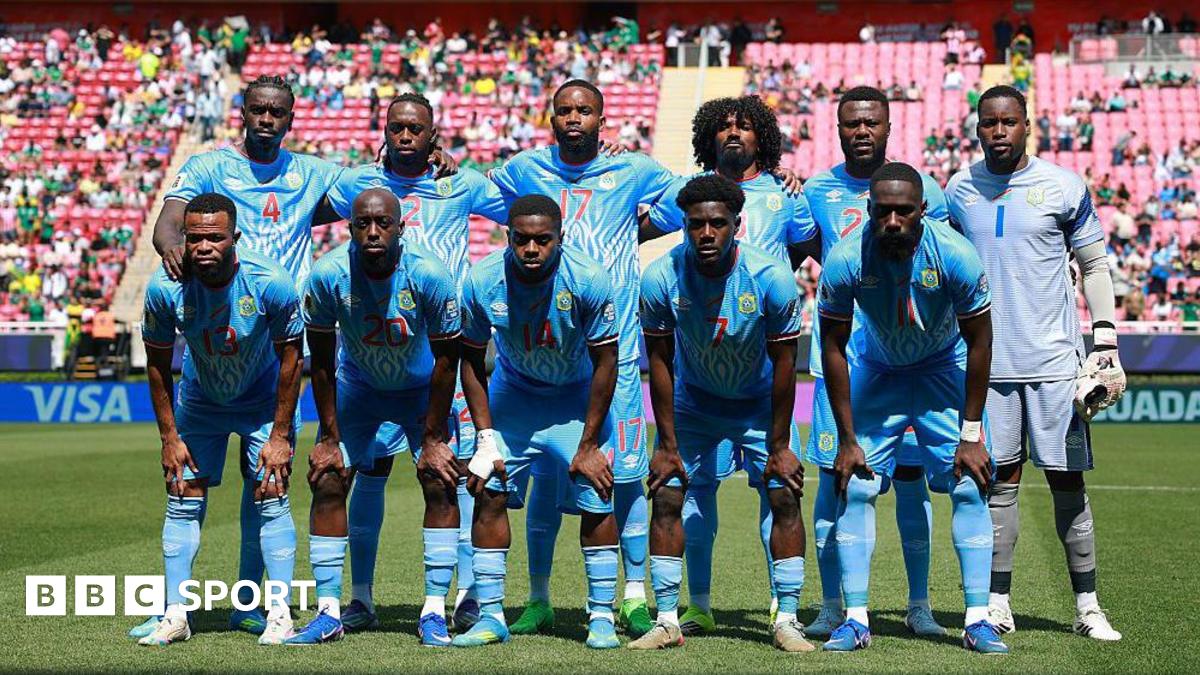
DR Congo players told to isolate before World Cup
The 2026 FIFA World Cup, set to kick off across North America next month, has hit an unprecedented public health barrier for one African participant, as the Democratic Republic of Congo’s national squad faces strict new entry rules from U.S. health authorities tied to a worsening Ebola outbreak in Central Africa.
Amid the escalating risk, U.S. Centers for Disease Control and Prevention (CDC) regulations currently bar entry to the United States for any non-U.S. citizen who has traveled to DR Congo, Uganda, or South Sudan within the 21-day period before their planned arrival. To comply with these rules, DR Congo was forced to scrap its planned pre-tournament training camp in its capital Kinshasa, and the team has instead relocated its preparation to temporary training facilities in Belgium.
Despite the location shift, White House World Cup Task Force Executive Director Andrew Giuliani emphasized that strict protocols remain non-negotiable for the squad to earn entry. The entire roster must remain in a locked health bubble within Belgium for the full 21-day waiting period before traveling to the U.S. for the tournament, Giuliani told ESPN. “They need to maintain that bubble or they risk not being able to travel to the United States. We cannot be any clearer,” he said.
All of DR Congo’s senior squad players are currently based at club teams outside of the country, meaning they are not directly exposed to the outbreak and will not fall afoul of the existing travel restrictions so long as they avoid exposure during the pre-tournament period. Giuliani added that any additional support staff or personnel joining the squad from affected regions must be separated into an entirely separate isolation bubble to avoid putting the entire team’s participation at risk.
“If they end up coming, and any of those people end up symptomatic, they are risking the entire team being able to come and compete in this World Cup,” he explained.
The heightened protocols come just weeks after the World Health Organization upgraded the public health risk of the ongoing Ebola outbreak in DR Congo from “high” to “very high” earlier this month. WHO Director-General Dr. Tedros Adhanom Ghebreyesus noted that while the regional risk across Central Africa remains classified as high, the global risk level still sits at low, limiting the need for widespread international travel restrictions outside the immediate affected zone.
In addition to their pre-tournament isolation in Belgium, DR Congo is scheduled to play two warm-up friendlies ahead of the World Cup: a June 3 matchup against Denmark in Belgium, followed by a June 9 clash with Chile in Spain. The African side will kick off their World Cup Group K campaign on June 17 against reigning champion Portugal, with additional group stage matches against Colombia and Uzbekistan to follow. The 48-team tournament will run from June 11 to July 19 across host cities in the United States, Mexico, and Canada.
-
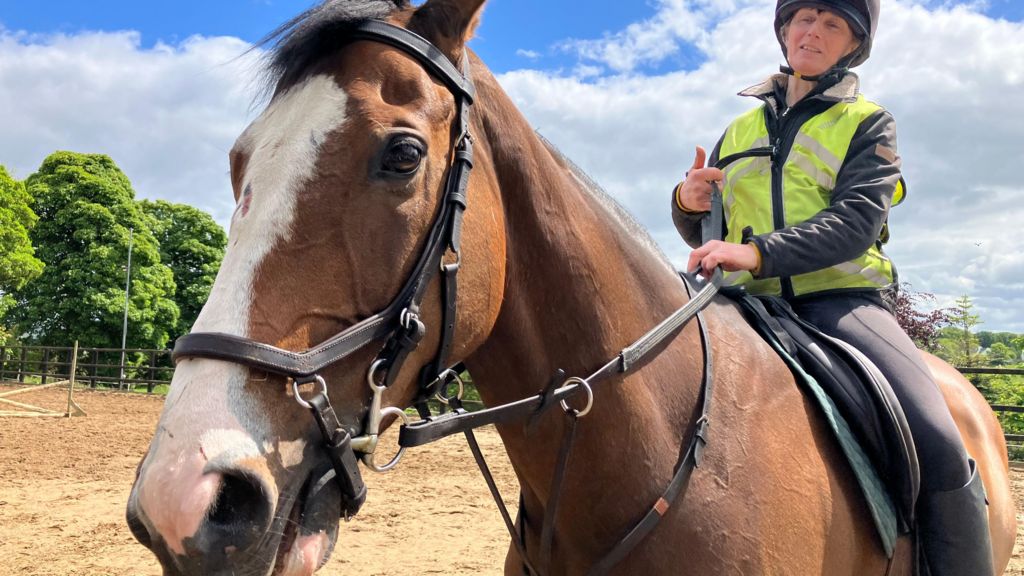
Fergie’s former racehorse enjoying a retirement with beaches and beer
When Sir Alex Ferguson, the legendary former Manchester United manager, hung up his football coaching boots, he continued to find success across another sport: elite horse racing. Many of Ferguson’s former sporting champions have gone on to high-profile post-competition lives — from football icon Gary Neville’s prominent career as a television pundit to Eric Cantona’s unexpected turn as a Hollywood actor. But for one of Ferguson’s most decorated equine champions, retirement looks very different: quiet, relaxed days spent wandering Irish beaches and a small daily treat to cap off his dinner.
Spirit Dancer, the powerful thoroughbred sired by racing legend Frankel, built a career that cemented his place as one of Ferguson’s most successful racehorses, racking up back-to-back victories at the Bahrain International Trophy in 2023 and 2024, and earning more than $2 million in total prize money along the way. But a career-ending fetlock sprain — an injury equivalent to a human ankle sprain — cut his racing days short in late 2024. After months of rest, rehabilitation, and medication, it became clear that the joint would never withstand the intensity of professional racing again, and the decision was made to retire the champion early.
Rather than sending the gelding to a pasture in England, a personal connection brought him across the Irish Sea to the quiet coastal village of Rathmullan in County Donegal. That connection is Oisín Orr, the top jockey who partnered with Spirit Dancer for all of his biggest wins, and stepson of Donegal-based trainer Rachel Carton, who now cares for the horse. Orr, who grew up riding at Carton’s Rathmullan stables before taking a job with Spirit Dancer’s former English trainer Richard Fahey, arranged for the champion to retire at his childhood training grounds.
Since arriving in Donegal, Spirit Dancer has adapted seamlessly to his new low-pressure life. Carton says the horse, who inherited the mellow, good-natured temperament of his famous sire Frankel (often called the “Usain Bolt of horse racing”), has settled in beautifully. He spends his days exploring the coastal countryside and strolling along sandy beaches, and has even picked up a unique new daily ritual: a few drops of locally brewed beer mixed into his dinner. Carton, who works at a well-known local brewery alongside training horses, says all of her horses enjoy the small treat, and Spirit Dancer is no exception.
Carton describes Spirit Dancer as a step above most horses, noting that his steady temperament was just as much a key to his racing success as his natural talent. “Oisín was able to keep him calm and relaxed settled out the back of the field,” she explained. “He wasn’t using up any unnecessary energy, but when he was asked to go he would give it his all.” That same easygoing adaptability has made his transition to retirement smooth, with Carton saying he is curious, affectionate, and a pleasure to care for once he is out of the stables.
Sir Alex Ferguson, who bred Spirit Dancer and watched him grow from a foal to a champion, has maintained a close connection to the horse. Carton says Ferguson, who spent decades working with elite human athletes in football, immediately recognized Spirit Dancer’s exceptional talent and temperament. Videos of the horse’s relaxed new routine are regularly sent back to Ferguson and former trainer Richard Fahey, and Carton says they’re sure the former football manager will be delighted to see his champion enjoying a well-earned retirement.
For Orr, who credits his wins on Spirit Dancer with opening doors to international racing opportunities, moving the horse to Donegal was a natural choice. “Spirit Dancer has been a big part of my career since moving from Ireland to the UK. I was very fortunate to get on him,” Orr said, adding that he always knew the champion would love his new life on the Irish coast.