分类: sports

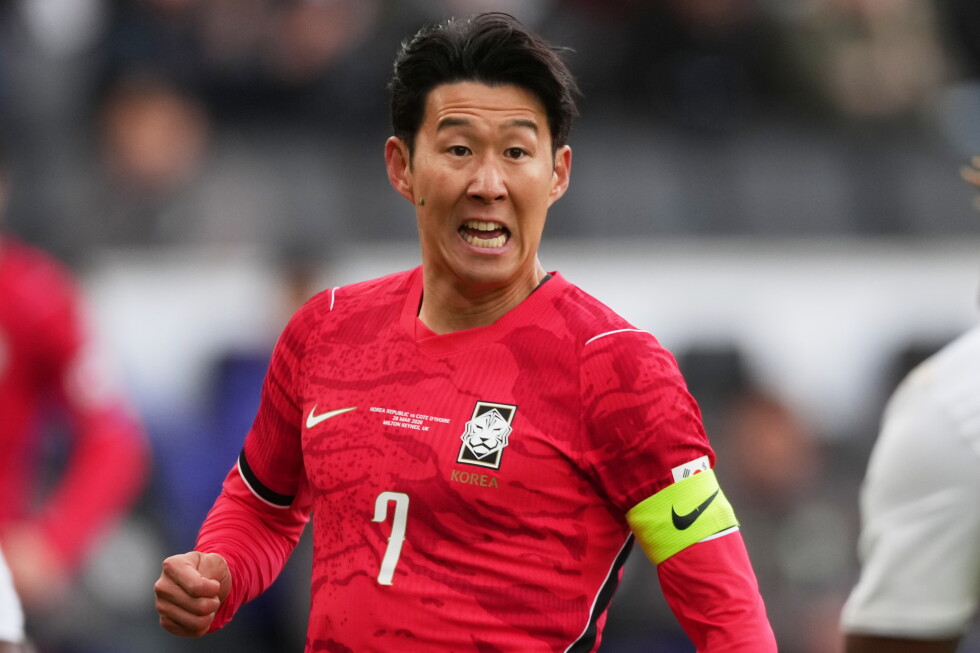
  • Known as ‘Sonaldo’ in Mexico, South Korea star Son feeling like a ‘young boy’ entering 4th World Cup

    Known as ‘Sonaldo’ in Mexico, South Korea star Son feeling like a ‘young boy’ entering 4th World Cup

    GUADALAJARA, Mexico — For South Korean captain Son Heung-min, the feeling of stepping into a FIFA World Cup never gets old. As the 33-year-old striker prepares to kick off his fourth consecutive World Cup tournament, he says the excitement matches that of a wide-eyed young player chasing the biggest dream in global soccer. What makes his 2026 campaign even more special? Early signs point to unexpected backing from local Mexican fans ahead of South Korea’s Group E opening match against the Czech Republic this Thursday in Guadalajara.

    Fresh off an illustrious 11-year tenure with English Premier League side Tottenham Hotspur, Son recently made the move to Major League Soccer, where he currently plays for the LA-based LA Galaxy. With a large Mexican community already embracing him in Southern California, the connection has carried over across the border into co-host nation Mexico, where fans have affectionately dubbed him “Sonaldo”. The nickname pays homage to two of the game’s greatest forwards — Portugal’s legendary Cristiano Ronaldo, and Brazil’s iconic two-time World Cup champion Ronaldo Nazário.

    In a press conference Wednesday held through a translator, Son opened up about the warm reception he has received from Mexican supporters. “I’m in L.A. now and there are a lot of Mexicans there,” he explained. “I can feel their passion and love for soccer, and they support me a lot. I’m very thankful and grateful.”

    Despite the flattering comparison, Son pushed back on the nickname, saying he does not feel ready to carry such a lofty title just yet. “It’s not enough [for me] to take that name, at least not yet,” he added.

    That fan support, however, will likely shift for South Korea’s second group-stage match, which will also be held in Guadalajara. Son’s side will face off against co-host Mexico, a fixture where the home crowd will overwhelmingly back the El Tri national side. The team’s final group match will be played further north in Monterrey against South Africa to wrap up the group stage.

    With three previous World Cup appearances under his belt dating back to his debut at Brazil 2014, followed by campaigns in Russia 2018 and Qatar 2022, Son says he still feels the same childlike wonder that made him fall in love with the game as a kid. “Whether it’s the first or fourth World Cup, I feel like a young boy again,” Son said. “It’s my dream stage. I’m happy to be back on a World Cup pitch, it’s what I dreamed of from a very young age.”

    The veteran striker also pushed back against recent widespread speculation that this tournament would mark his final World Cup appearance. “I never said that this would be my last World Cup,” he said. “How I do and perform is the most important thing.”

    As the most experienced member of the current South Korean squad, Son has stepped into a natural leadership role, working to calm the nerves of the younger, first-time World Cup players in the group. “Sometimes I have to calm them, I have to say ’calm down,’” he said. “Hopefully we will have a good result. It would be deserved. We are well prepared.”

    This tournament marks South Korea’s 12th World Cup appearance — more than any other Asian nation in the history of the competition. The country’s historic best run came during the 2002 World Cup, which it co-hosted with Japan, where the side advanced all the way to the semi-finals to finish in fourth place. In every World Cup campaign since 2002, South Korea has failed to advance beyond the round of 16, leaving the squad hungry to break that dry spell this year.

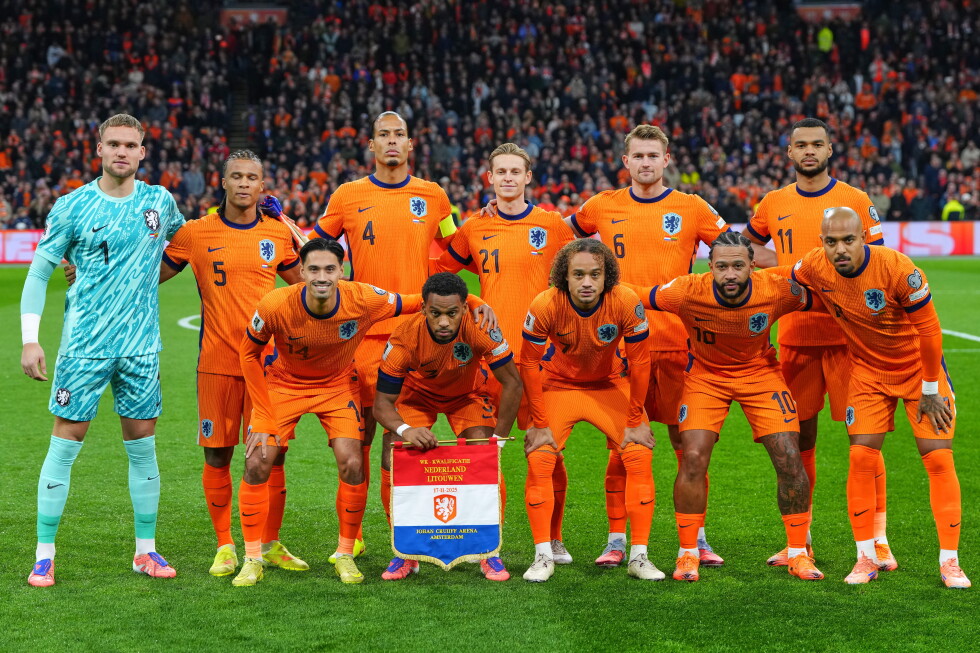
  • Netherlands keeper Bart Verbruggen day-to-day with hip injury ahead of World Cup game against Japan

    Netherlands keeper Bart Verbruggen day-to-day with hip injury ahead of World Cup game against Japan

    RIVERSIDE, Mo. — The Netherlands men’s national soccer team is facing a last-minute injury crisis just days ahead of their opening 2024 FIFA World Cup group stage match against Japan, after starting goalkeeper Bart Verbruggen was sidelined from team training Wednesday due to a hip injury sustained in a pre-tournament friendly against Uzbekistan. The 23-year-old Brighton & Hove Albion shot-stopper, who is head coach Ronald Koeman’s undisputed first-choice between the posts, was forced out of Monday’s tune-up match in New York, where he was substituted by Mark Flekken in the side’s 2-1 victory. The Dutch squad also has third goalkeeper Robin Roefs included in their 26-man World Cup roster as a backup option.

    Verbruggen’s availability for Sunday’s Dallas kickoff against Japan remains uncertain as the team monitors his recovery day by day. Speaking to reporters after Wednesday’s light 90-minute session, held at the training facility of NWSL side Kansas City Current, Koeman offered a cautiously optimistic update: “We have to wait. We think (Verbruggen) can reach the match on Sunday, but day-by-day we have to wait for that. The rest of the boys are physically OK.”

    This latest injury scare adds to a string of selection blows for the Dutch side, which has reached three World Cup finals in its history but has never lifted the coveted trophy. Earlier this month, the team confirmed star defender Jurrien Timber would miss the entire tournament after suffering a groin injury. The 24-year-old Arsenal center-back had played 55 minutes in the 2024 Champions League final against Paris Saint-Germain just over a week before his withdrawal, and was replaced in the roster by Lutsharel Geertruida of Sunderland. Timber’s injury followed an earlier blow: top playmaker Xavi Simons was ruled out after tearing the ACL in his right knee during a Premier League fixture with Tottenham Hotspur, requiring urgent surgery last month.

    After wrapping up their friendly against Uzbekistan in New York, the Netherlands traveled to their pre-tournament base camp in Riverside, Missouri, where extreme summer heat has added an extra challenge for the squad. Koeman called off Tuesday’s scheduled full training session as heat indexes neared 100 degrees Fahrenheit, and Wednesday’s open training was largely limited to low-intensity 3-on-3 footvolley, a hybrid game that allows players to only use their feet and heads to touch the ball. Even with the adjusted schedule, midday temperatures remained brutally hot for the squad.

    Dutch captain Virgil van Dijk noted that while the hot, humid conditions are demanding, the challenge is equal for all teams competing in the tournament. The Liverpool center-back drew on his experience of preseason tours across Asia and the United States with his club, where similar high temperatures are common. “Different places in Asia, it was similar type of temperatures. It was very humid,” van Dijk said. “But it’s going to be the same for every team. You have to adapt quickly, and you also have to adapt in games as well. … We’ll be ready.”

    The Netherlands’ 2024 World Cup campaign kicks off Sunday against Japan in Dallas, with subsequent group stage matches against Sweden on June 20 and Tunisia on June 25 as they chase their first ever World Cup title.

  • World Cup what to know: Canada earns a hard-fought draw in opener, U.S. is up next vs. Paraguay

    World Cup what to know: Canada earns a hard-fought draw in opener, U.S. is up next vs. Paraguay

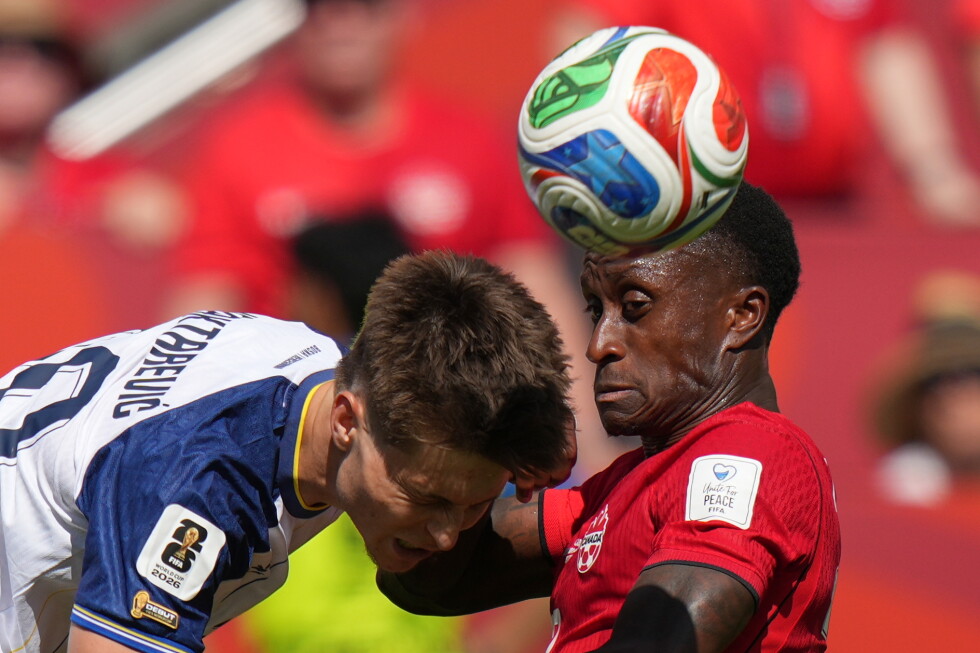
    The 2026 FIFA World Cup hosted across North America is now underway, with live match updates available to global audiences in both English and Spanish. The tournament’s first full match day on Friday delivered a historic result for Canada, which secured a 1-1 draw against Bosnia-Herzegovina at a packed, energized Toronto stadium. This outcome marks a significant milestone for the Canadian men’s national team, which had lost all six of its previous World Cup matches in tournament history. The result also felt like a positive breakthrough after a tough start for Canada, which fell behind early in the fixture.

    Bosnia’s Jovo Lukic broke the deadlock in the 21st minute, connecting with a skillful header off a corner kick to silence the raucous home crowd. Canada spent the majority of the match chasing an equalizer, and it finally came in the 78th minute from recent substitute Cyle Larin, who slotted home to level the score and earn Canada its first ever World Cup point. The day’s action will close with a primetime match between the United States and Paraguay in Inglewood, California, and the tournament will shift to its full schedule starting Saturday, with a minimum of four matches scheduled per day through June 27.

    The tournament kicked off one day earlier at Mexico City’s iconic Azteca Stadium, where host nation Mexico opened with an impressive 2-0 victory over South Africa in front of a capacity, boisterous crowd.

    ### What to Watch on June 13: Broadcast Information and Full Match Previews
    Fox holds exclusive English-language broadcast rights for the entire tournament in the United States, with all 104 matches airing on either the main Fox broadcast network or cable channel FS1. All fixtures are also available to stream via the Fox One app. For Spanish-language audiences, Telemundo and Universo will carry every match, with streaming access available through Peacock and the official Telemundo app.

    Four matches are scheduled for Saturday, June 13, across four North American host cities:
    1. Qatar vs. Switzerland, 3 p.m. EDT at Levi’s Stadium in Santa Clara, California (FOX/Telemundo/Peacock)
    2. Brazil vs. Morocco, 6 p.m. EDT at MetLife Stadium in East Rutherford, New Jersey (FOX/Telemundo/Peacock)
    3. Haiti vs. Scotland, 9 p.m. EDT at Gillette Stadium in Foxborough, Massachusetts (FOX/Telemundo/Peacock)
    4. Australia vs. Turkey, midnight EDT at BC Place in Vancouver, British Columbia (FS1/Telemundo/Peacock)

    #### Qatar vs. Switzerland
    While Qatar qualified automatically for the 2022 World Cup as tournament host, the nation earned its spot in the 2026 field through competitive qualification, marking a new milestone for the program. The side is led by all-time career scoring leader Almoez Ali, who has notched 60 goals across 126 international appearances for Qatar.

    Switzerland is appearing in its sixth consecutive World Cup, entering the tournament ranked 19th in the official FIFA men’s rankings. Despite advancing past the group stage on three separate occasions in tournament history, the Swiss men’s national team has never won a knockout round fixture. Veteran midfielder Granit Xhaka, who earned 145 international caps, leads the side as it chases a historic deep run.

    #### Brazil vs. Morocco: Top-10 Group Stage Clash
    Brazil enters this tournament as one of the most historically successful men’s World Cup programs, claiming five tournament titles in 1958, 1962, 1970, 1994 and 2002. However, the side has struggled to replicate its historic success in recent decades, falling at the quarterfinal stage in four of the last five tournaments. Even so, Brazil remains a formidable contender, ranked 6th in the world entering Saturday’s fixture, and head coach faces intense pressure to deliver the nation’s sixth World Cup title.

    Morocco, ranked 7th globally, is one of Africa’s top men’s programs and made history at the 2022 World Cup by becoming the first African nation to reach the tournament semifinals, where it fell to eventual champion France. The match marks a high-stakes early group stage showdown between two of the top-ranked sides in the tournament.

    #### Haiti and Scotland: Long-Absent Underdogs Make Their Return
    Both Haiti and Scotland are making their return to the World Cup after decades-long absences, earning their spots against pre-tournament expectations. Haiti is appearing in the World Cup for just the second time in history, with its last appearance coming all the way back in 1974. Ranked 83rd in the world—one of the lowest-ranked sides in the 2026 field—Haiti secured its place in the tournament by outperforming more established Central American powers including Costa Rica and Honduras.

    Scotland is also back on the world’s biggest football stage for the first time since 1998. Premier League midfielder Scott McTominay leads the Scottish side, having scored 14 goals in his last 33 international appearances.

    #### Australia vs. Turkey: Two Sides Marking Return Trips
    Australia is making its sixth consecutive World Cup appearance, and seventh overall, entering the tournament ranked 27th. The side reached the round of 16 at the 2022 tournament, falling to eventual champion Argentina, and has embraced a diverse squad built around immigrant talent ahead of 2026, with a public message that “soccer is for everyone.”

    Turkey is competing in its first World Cup since 2002, when the nation pulled off a surprise third-place finish. The Turkish program has climbed steadily up the rankings in recent years, entering the 2026 tournament ranked 22nd globally.

    ### U.S. Men’s National Team Chases Historic Breakthrough In Home Opener
    The host United States men’s national team enters the tournament ranked 17th in the FIFA rankings, with high hopes that home-field advantage can help the side make its first deep run in decades. The U.S. has advanced to the knockout round in four of the last six World Cups it has competed in, but has not advanced past the quarterfinal stage in any modern tournament.

    Former top European club manager Mauricio Pochettino was hired as head coach in 2024, tasked with unlocking the team’s potential. Star forward Christian Pulisic enters the tournament in the peak of his career, carrying high expectations from American fans.

    Paraguay, the U.S.’s opening opponent, is ranked 47th in the world—lowest in Group D—and is competing in its first World Cup in 16 years. Star attackers Ramon Sosa and Julio Enciso lead the underdog side.

    ### Breaking: Palestinian Football Head Denied U.S. Visa For Tournament
    In off-the-field breaking news, Jibril Rajoub, president of the Palestinian Football Association, remains stranded in Mexico City after being denied a U.S. visa to attend the 2026 World Cup. Rajoub was able to attend the tournament’s opening match between Mexico and South Africa on Thursday, but is one of multiple accredited attendees who have been either denied entry or are still waiting for visa approval from U.S. authorities.

    While the Palestinian national team did not qualify for the 2026 tournament, FIFA routinely invites football association presidents from every member nation to attend the quadrennial event as part of its mission to celebrate global unity through the sport.

    Other recent tournament news includes the viral rise of a Bosnian song about disillusionment with the American Dream becoming an unexpected World Cup fan anthem, Arsenal star Thomas Partey being sidelined for Ghana’s opening match against Panama in Toronto after he was also denied a U.S. visa, and Mexico manager Javier Aguirre earning opening match praise for a youth-focused tactical gamble that delivered the opening win against South Africa.
  • New York to keep security tight for NBA finals game between Knicks and Spurs

    New York to keep security tight for NBA finals game between Knicks and Spurs

    New York City is bracing for a tense high-stakes NBA Finals Game 4 between the New York Knicks and San Antonio Spurs on Wednesday, with city officials enforcing strict, New Year’s Eve-level security measures across the Madison Square Garden area after a chaotic Monday watch party near Bryant Park devolved into widespread violence and mass arrests.

    The heightened security framework, which will keep the surrounding neighborhood blocked off in a so-called “frozen zone” similar to restrictions put in place for former President Donald Trump’s attendance at Monday’s Game 3, has sparked a heated public feud between city leaders and Knicks ownership, even as officials defend the crackdown as a necessary public safety precaution.

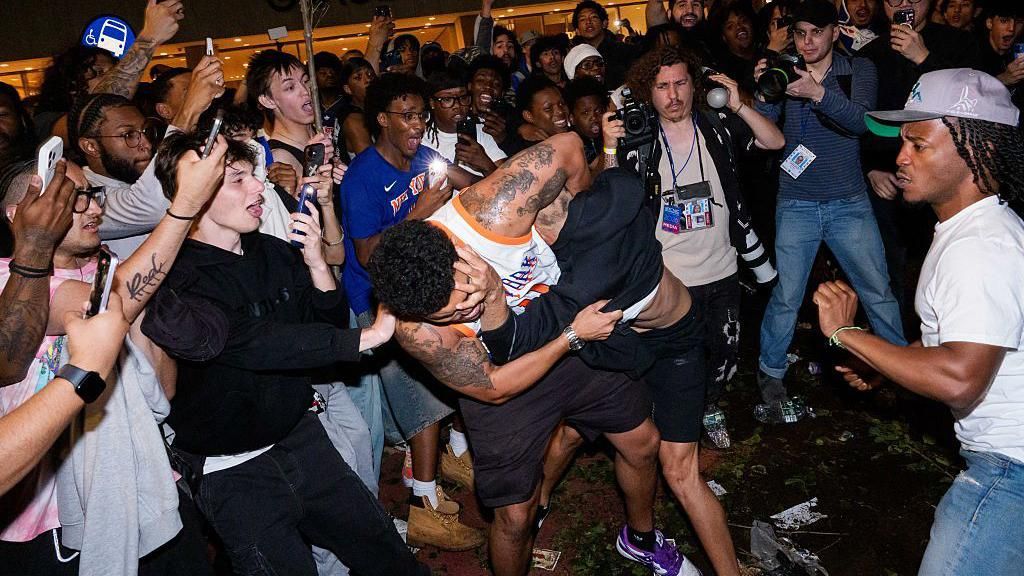
    Monday’s Game 3, which ended in a narrow 115-111 Spurs win that cut the Knicks’ series lead to 2-1, brought tens of thousands of elated and disappointed fans onto the streets of Midtown Manhattan. Thousands of fans without arena tickets gathered for an official city-sponsored public watch party at Bryant Park, a few blocks from Madison Square Garden. What began as a collective celebration of the Knicks’ first NBA Finals appearance since 1999 quickly spiraled out of control: crowds overwhelmed the area, blocking vehicle traffic, climbing atop parked cars and scaling building scaffolding to catch a glimpse of the game screens. The chaos escalated into multiple brawls, with attendees throwing glass projectiles at one another. By the end of the night, the New York Police Department (NYPD) arrested 21 people in what department officials described as an “incredibly reckless” turn by fans.

    The most shocking incident to emerge from the chaos was a brutal group assault on a 39-year-old visiting Spurs fan, who was attacked while walking back to his midtown hotel. Video of the assault quickly went viral across social media. According to NYPD accounts, multiple suspects punched and kicked the victim across his body before forcibly tearing his Spurs jersey off his frame. The NYPD’s Crime Stoppers unit has since launched a public manhunt to identify and apprehend the remaining suspects.

    Reaction to the violence has been swift and widespread across the sports and political spheres. San Antonio Spurs star Victor Wembanyama called the assault “unacceptable,” while Texas Senator Roland Gutierrez directly called out New York Mayor Zohran Mamdani, saying “We don’t do this to your people.” High-profile Knicks celebrity fan Ben Stiller, a frequent courtside presence during the 2026 Finals, also pushed back against the violence, emphasizing that fan passion should never cross into harassment or harm.

    “Being a Knick fan doesn’t mean being disrespectful to Spurs fans in any way…we get caught up during the games but we gotta show respect to our fellow humans,” Stiller said.

    Mamdani echoed Stiller’s sentiment, framing the strict new security measures as a necessary step to protect public safety ahead of Wednesday’s ticketed watch party inside Madison Square Garden, which is expected to draw 1,000 attendees.

    “As we prepare to watch together, let me be clear: this is a historic, joyful moment for our city. We will not allow it to be disrupted by violence,” Mamdani said at a press conference Tuesday. “Couldn’t agree more. We’ll win this series on the court … not by targeting, harassing, or attacking Spurs fans.”

    NYPD Commissioner Jessica Tisch confirmed that security for Game 4 will match the stringent protocols seen during Times Square’s New Year’s Eve celebration. All attendees will go through mandatory security screenings, and the NYPD has advised fans to arrive early and leave personal bags at home to reduce entry delays. Even though former President Trump will not attend Wednesday’s game, the full “frozen zone” perimeter that was put in place for Trump’s Game 3 visit will remain in effect, keeping surrounding streets largely closed off to vehicle and foot traffic.

    The continued restrictions have sparked sharp criticism from Knicks owner James Dolan, who has slammed Mamdani and Tisch as “New York City’s biggest party poopers” and argued the safety measures are an unnecessary overreach that will dampen the historic celebratory mood for fans. Dolan claimed the initial restrictions were framed as a response to Trump’s visit, but the extension of the lockdown for Game 4 proves the measure was never tied to the former president’s attendance.

    “We now know that these restrictions were never about the President. It was just a convenient excuse to restrict how and when Knicks fans celebrate,” Dolan said in a public statement.

    Pushing back on Dolan’s criticism during Tuesday’s press conference, Mamdani countered that the scope of the upcoming watch party justifies the heightened security framework. Many local fans have also echoed Dolan’s frustration, noting that the sweeping restrictions will put a damper on the excitement of the Knicks’ first finals berth in 27 years, after a generations-long drought that left New York fans starved for championship contention.

    After Monday’s loss, the series stands at 2-1 in favor of San Antonio, with Game 4 set to tip off Wednesday at Madison Square Garden.

  • Brother’s memory inspires Williams for World Cup opener

    Brother’s memory inspires Williams for World Cup opener

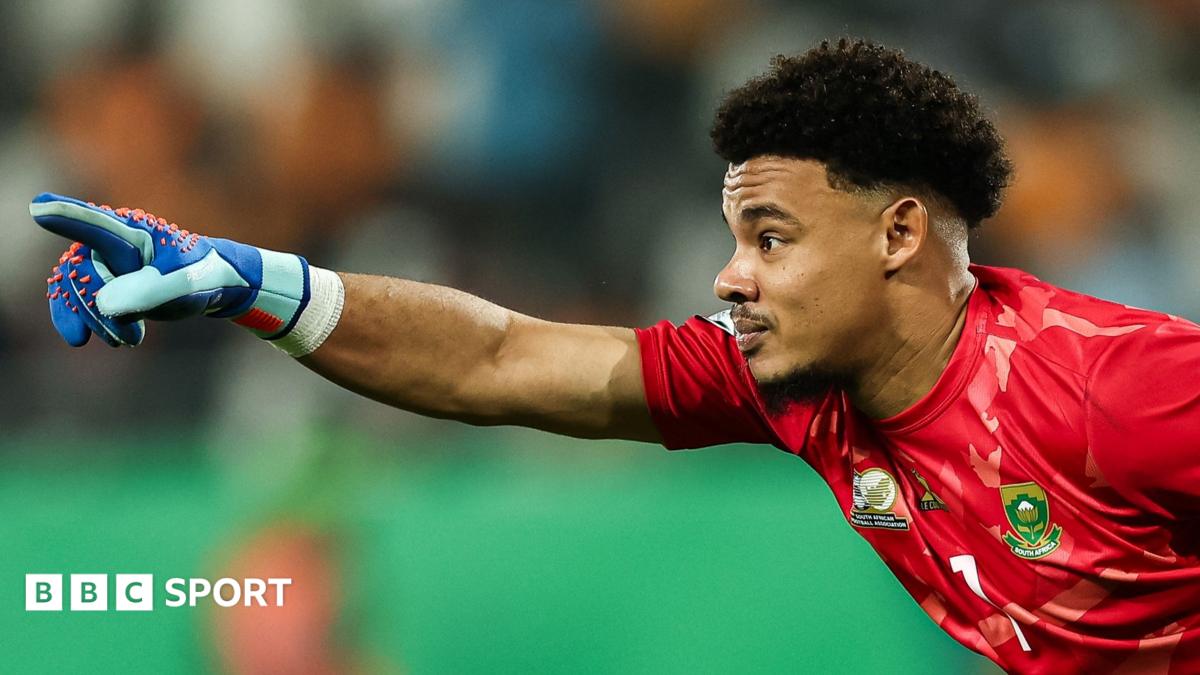
    Football has long served up moments of poetic, unexpected coincidence, and for South Africa national team captain Ronwen Williams, the 2026 FIFA World Cup will deliver one of the most remarkable such occasions. When Bafana Bafana steps onto the pitch for the tournament’s opening match against co-hosts Mexico in Mexico City’s iconic Estadio Azteca, it will mirror the opening fixture of the 2010 World Cup – the tournament that marked South Africa’s historic first time hosting football’s biggest global event.

    For Williams, this opening match carries far more personal weight than just a poetic callback to 2010. Just two months before the 2010 World Cup kicked off on home soil, the 18-year-old emerging goalkeeper lost his older brother Marvin in a devastating car crash. Grief-stricken, Williams briefly considered walking away from the sport he loved entirely. Now, 16 years later, that choice to stay in the game has led him to this unprecedented moment: leading his country out as captain in the opening match of the world’s most-watched sporting tournament.

    In an interview with BBC World Service’s Newsday, Williams opened up about the overwhelming emotion of the opportunity. “He had so much high hopes for me,” Williams said of his brother. “To know I’ll be leading out my team in the opening game, I can’t put it into words. It gives me chills. Sometimes I find myself just laying at night thinking about it. I always say the two most important games at the World Cup are the opening and the final, and Bafana Bafana is going to be part of one.”

    While the loss of his brother left a permanent gap, Williams has been surrounded by unwavering family support throughout his rise. He recalled the intimate family celebration after Belgian head coach Hugo Broos named him captain shortly after taking the role in 2021, saying the joy and pride his family felt then has only multiplied exponentially ahead of the 2026 tournament. Broos, a 74-year-old veteran manager who won the 2017 Africa Cup of Nations with Cameroon, inherited a South African side in the doldrums when he took over. His first major decision was naming Williams skipper, and the pair have since orchestrated a remarkable turnaround for Bafana Bafana: a third-place finish at the 2023 Africa Cup of Nations, and a top spot in their 2026 World Cup qualifying group that booked South Africa’s fourth ever appearance at the tournament.

    Williams credits Broos with rebuilding not just the team, but the nation’s belief in Bafana Bafana. “Broos has united the country after bringing belief and love back to the team and South Africa itself,” Williams explained. “Two, three years ago we were crying for supporters to come out and support us. And he mentioned that it goes hand in hand with performance, with results. When we started picking up the results, that’s when the belief came back. Now people can’t wait for Bafana Bafana to play. Buying our merch, sending us the well wishes. He’s been amazing, exceptional.”

    Despite the momentum behind the team, Williams remains grounded as South Africa prepares for Group A play against Mexico, Czech Republic and South Korea. The team have never advanced past the group stage in their three previous World Cup appearances, even picking up four points in both the 2002 and 2010 tournaments. For the expanded 48-team 2026 tournament co-hosted by Canada, Mexico and the United States, just making it to the knockout round (the last 32) would mark a historic milestone for South African football. Williams says his team’s priority is clear: “I think we need to be realistic about our chances. The most important thing is to get out of the group. The mentality that we need to have is: can we compete? Can we show up? Can we perform?”

    Williams, who also captains South African club side Mamelodi Sundowns to a recent CAF Champions League title, has built his reputation as a formidable penalty saving specialist – a skill that could prove critical if South Africa advances to a knockout round. At the 2023 Afcon, he delivered two legendary shootout performances: saving four out of five penalties against Cape Verde in the quarterfinals, then two more against DR Congo in the third-place playoff, cementing his team’s best continental finish since 2000. Those performances earned him the 2024 African Goalkeeper of the Year award and a surreal nomination for the prestigious Yashin Award at the Ballon d’Or ceremony.

    Far from shying away from the pressure of penalty shootouts, Williams embraces the moment. “I enjoy it. There’s no pressure on the goalkeeper,” he said. “You analyse, you watch. When it comes to penalty shootouts, I try and pick up a lot of trends. Sometimes it goes with just the feeling that you have on the field. Penalties present a moment to shine.”

    He cites 2022 World Cup champion Emiliano Martinez as a major influence, calling the Argentine goalkeeper a hero for his decisive shootout performance in the 2022 final. While Martinez’s gamesmanship drew criticism, Williams notes that goalkeepers have always had a different mindset than outfield players. “You have to be [a bit different],” he explained. “Diving at someone’s feet, saving a ball that’s coming, I don’t know at what speed, it’s not normal. You need to be a bit crazy. Most goalkeepers are the jokesters in the team.”

    Williams also pushes back on the common football cliche that goalkeepers make poor captains, arguing that modern rules allow keepers to assign an on-field player to handle quick discussions with referees, eliminating the inefficiency critics point to. For Williams, captaincy is a role he was born for: he describes his leadership style as bringing “stability” to the squad, calling himself the “glue” that holds the team together – a role he has filled since he started playing in local leagues as a young boy. “I think that I was made for it. I cherish the captaincy, the responsibility that comes with it,” he said.

    When Williams walks out onto the Estadio Azteca pitch in front of 73,000 fans for the 2026 World Cup opener, all eyes will be on the South African captain. It will be the culmination of 16 years of perseverance through grief, doubt, and hard work – and a chance to finally write the new chapter of South African football that Williams has spent his entire career working toward.

  • Australia begins the Women’s T20 World Cup as No. 1 with India surging

    Australia begins the Women’s T20 World Cup as No. 1 with India surging

    As the 10th edition of the Women’s T20 World Cup prepares to get underway across England this week, the world’s top women’s cricket teams are set to clash for the sport’s most coveted short-format global title, with an unprecedented surge in fan interest and growth marking a new watershed moment for women’s cricket.

    Dominance is a word that has become synonymous with Australia’s women’s cricket program across the history of white-ball world championships. The country’s national side has claimed 13 world titles across all white-ball formats, more than the combined total of every other competing nation. Entering this tournament as the top-ranked side in the world, Australia is favored to lift a seventh T20 World Cup trophy, even as the team navigates a generational reset after ending a five-year global trophy drought that stretched back to 2017. Six-time champion Alyssa Healy has stepped back from the leading lineup, handing the captaincy to Sophie Molineux, with Beth Mooney taking over wicketkeeping duties and rising star Georgia Voll locked in as opening batter. Australia’s strength remains formidable: Voll and Mooney rank as the world’s top two batters in T20 cricket, all-rounder Ellyse Perry is chasing her seventh world title, and allrounder Annabel Sutherland is widely tipped as a contender for player of the tournament. Still, Australia faces a brutal test in Group A, where one of Australia, India, or South Africa will fail to advance to the semifinals — a result Australia has never suffered in the history of the tournament.

    Chasing their first T20 World Cup title, India enters the tournament riding a wave of momentum and renewed confidence, fueled by massive investment that has closed the gap on long-dominant sides. Fresh off the men’s team claiming back-to-back T20 World Cups, the Indian women won their first ODI World Cup in November 2024, and in February this year, they notched a historic milestone: their first T20 bilateral series win over Australia since 2017, and their first series victory on Australian soil in a decade. “There’s a belief in the team now that we can beat anybody in this world,” Indian seam bowler Arundhati Reddy said of the side’s newfound confidence. Much of India’s progress traces back to the launch of the Women’s Premier League (WPL) in 2023, modeled after the wildly successful men’s Indian Premier League, eight years after Australia launched the Women’s Big Bash League. The franchise competition has cultivated a bold, aggressive batting style among India’s top players including Jemimah Rodrigues, Richa Ghosh, and veteran captain Harmanpreet Kaur, who is leading India at her 10th T20 World Cup, and came closest to lifting the trophy in the 2020 tournament final.

    South Africa, the third contender in Group A’s battle for semifinal spots, has also built a strong contender after reaching the last three world finals across T20 and ODI formats. To address the team’s overreliance on in-form captain Laura Wolvaardt — who boasts an average of 54 across 13 innings in 2025 — the Proteas have convinced two legendary veterans to come out of retirement: 37-year-old fast bowler Shabnim Ismail, who still dominates batters in global franchise competitions, and former captain Dane van Niekerk, who stepped away in controversy ahead of the 2023 T20 World Cup. Rounding out Group A are Pakistan, Bangladesh — making their first appearance at a women’s T20 World Cup hosted in England — and the Netherlands, who are competing in the tournament for the first time as qualifiers.

    The 2025 tournament marks the first edition of the Women’s T20 World Cup expanded to 12 teams, split into two groups. Group B is set to feature three former world champions: second-ranked hosts England, New Zealand, and the West Indies, joined by Ireland, Scotland and Sri Lanka. The tournament opens Friday in Birmingham with a match-up between England and Sri Lanka.

    England has received a major boost ahead of the tournament, with star captain Nat Sciver-Brunt cleared to play after a calf tear forced her to sit out recent home series wins over New Zealand and India. Sciver-Brunt will not bowl until the later stages of the tournament, but her availability at the crease eases widespread fitness concerns that dogged England at the last edition of the tournament. Coach Charlotte Edwards, who captained England to victory at the inaugural 2009 T20 World Cup, has made squad fitness a core priority for this tournament.

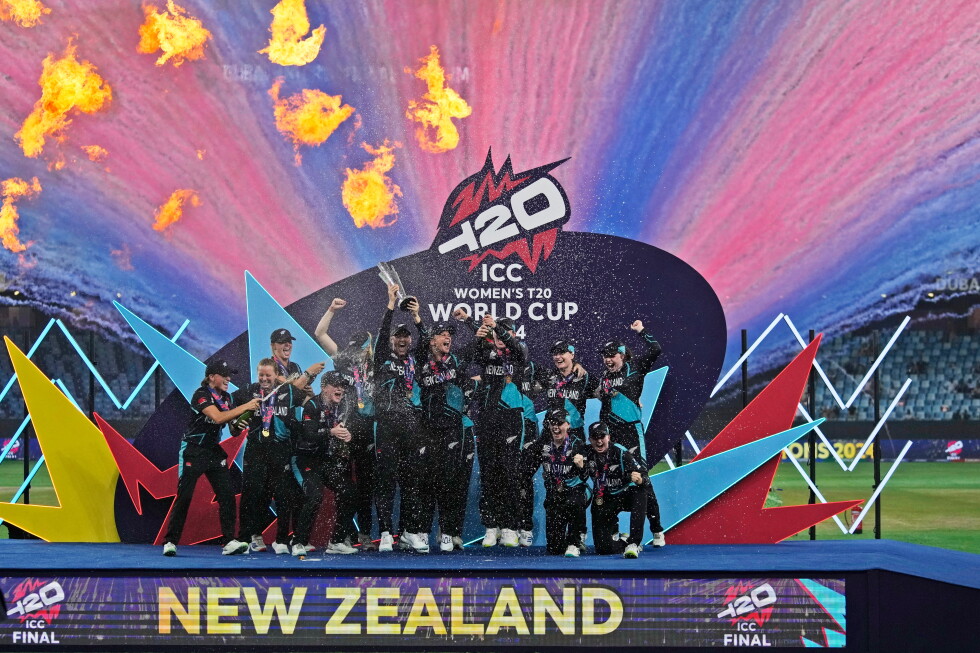
    New Zealand, the 2024 defending champion, brings 10 players from its title-winning side into this year’s tournament, led by top-ranked allrounder and new captain Melie Kerr. The tournament will mark the final international event for veteran stars Suzie Bates, Sophie Devine and Lea Tahuhu, who share nearly 900 international caps between them. “To have our three most senior players all finishing their careers at the same tournament is a rare and special occasion,” coach Ben Sawyer said.

    The West Indies enter the tournament on a high, after claiming a tri-nations series win over Ireland and Pakistan last week, bouncing back from consecutive home series sweeps by Sri Lanka and Australia. The side is led by captain Hayley Matthews and veteran leg-spinner Afy Fletcher. Sri Lanka’s squad is headlined by trailblazing batter Chamari Athapaththu, who has indicated the 10th edition may not be her last tournament. Ireland, making their fifth appearance at the T20 World Cup, will be looking to break a 17-match losing streak, while Scotland warmed up for the tournament with a home tri-nations series win over Bangladesh and the Netherlands.

    The top two teams from each group advance to the semifinals scheduled at The Oval, with the final set to take place at Lord’s on July 5, capping 33 matches played across 24 days. Every knockout fixture has been scheduled with a reserve day to account for weather disruptions.

    Off the pitch, the 2025 tournament continues the rapid growth trajectory of women’s cricket. Ticket sales passed the previous tournament record of 136,546 set at the 2020 edition in Australia weeks ago, and have now surpassed 160,000, with on-track projections pointing to a total of 200,000 tickets sold by the end of the tournament. Prizemoney has also received a 10% increase from the 2024 tournament, rising to a total of $8.76 million, with the champion side taking home $2.34 million.

  • What to know about the World Cup referee from Somalia who was denied entry to the US

    What to know about the World Cup referee from Somalia who was denied entry to the US

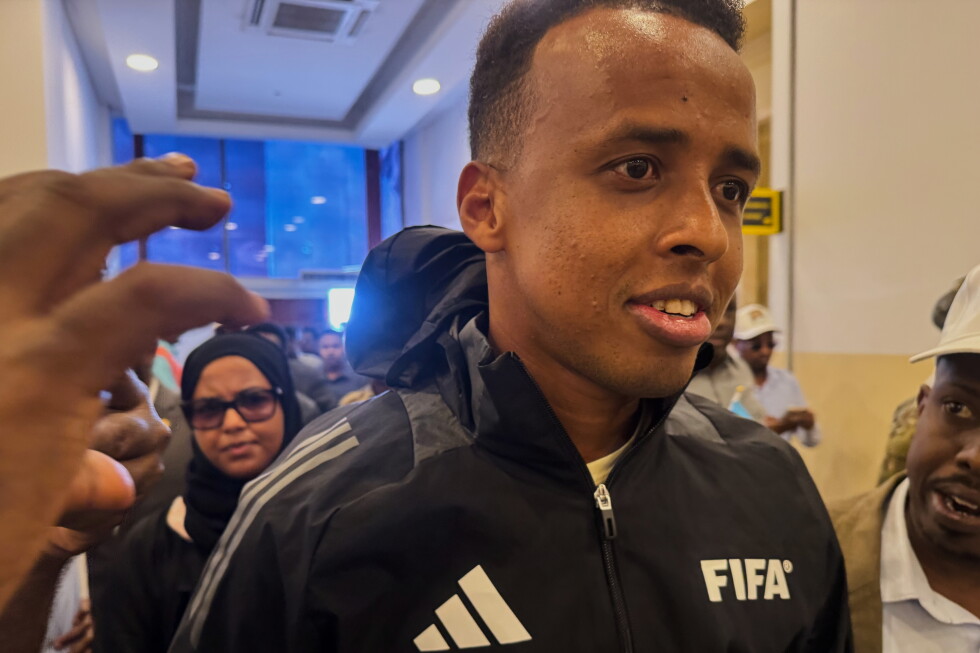
    For a nation emerging from decades of crippling civil conflict, Omar Artan’s historic selection as the first Somali referee to earn a spot on the 2026 FIFA World Cup officiating roster looked set to be a watershed moment for Somalia — a testament to the country’s slow recovery and the resilience of its grassroots soccer culture. But what should have been a crowning achievement for the 34-year-old official turned into an unprecedented diplomatic and sporting controversy, when U.S. border authorities denied him entry ahead of World Cup referee preparation camp in Miami, forcing his removal from the tournament’s final officiating list.

    Artan, widely recognized as Africa’s top male referee for 2025, has spent nearly a decade climbing the ranks of international soccer officiating to reach the sport’s biggest stage. He earned his FIFA referee credentials in 2018, and made history again in January 2024 when he became the first Somali to officiate a match at the men’s African Cup of Nations, taking charge of the group-stage fixture between Tunisia and Namibia. Just months later, he was selected to referee the decisive second leg of the 2025 African Champions League final in Morocco, the most high-profile club soccer match on the continent. He also served as an official at the 2024 men’s Under-20 World Cup in Chile, adding critical elite-level experience to his resume ahead of World Cup selection.

    FIFA’s path to World Cup officiating is a rigorous, multi-year process that requires candidates to prove their consistency across domestic, continental and global competitions. National associations first nominate eligible officials to join the FIFA international referee list, after which candidates must officiate continental tournaments, FIFA-organized qualifiers and youth or Olympic competitions to demonstrate their skill. Top performers are invited to preparation camps in the year leading up to the tournament, with the final officiating roster announced in April 2025 — where Artan’s name appeared, making him the first Somali to ever earn the honor.

    For 19 million Somalis, the announcement was more than a sporting milestone. For decades, civil war and political instability shattered institutions and infrastructure across the country, but soccer remained a unifying force, holding communities together even at the height of conflict. Today, despite limited resources, the Somali Football Federation organizes 22 annual competitions ranging from youth regional leagues to the 12-club Somali Premier League. The 2020s restoration of Mogadishu’s 65,000-seat national stadium, once occupied by armed groups as a military base, has become a defining symbol of the country’s slow progress toward stability. Artan’s success, many Somalis hoped, would shine a global spotlight on that recovery.

    That progress hit an unexpected barrier when Artan arrived in the U.S. to join the pre-tournament referee camp. U.S. Customs and Border Protection confirmed the referee was ruled inadmissible over unspecified vetting concerns, with an anonymous U.S. official later claiming the denial stemmed from “association with suspected members of terror organizations.” Somali government officials have pushed back on that claim, suggesting the rejection stems from longstanding entry restrictions first implemented by the Trump administration, which added Somalia to a list of nearly 40 countries targeted by broad immigration bans. The restrictions have remained in place in subsequent years, and Trump made repeated public statements targeting Somali immigrants, even calling for those already residing in the U.S. to leave the country.

    The decision to bar a FIFA-vetted referee from entering a World Cup host nation is unprecedented in modern soccer history. The 2026 tournament is co-hosted by the U.S., Mexico and Canada, making U.S. border authorities responsible for granting entry to participating teams and officials. FIFA has sought to distance itself from the controversy, noting that host nations retain final authority over visa and entry decisions for event-related personnel in line with longstanding event protocols.

    Still, the ruling has sparked widespread outrage among global soccer fans on social media, who have criticized the U.S. government’s decision and raised questions about the country’s ability to successfully host a global, inclusive sporting event. Fans have also noted that Artan’s case is not an isolated one, with similar entry denials having already disrupted pre-tournament preparations for visiting teams.

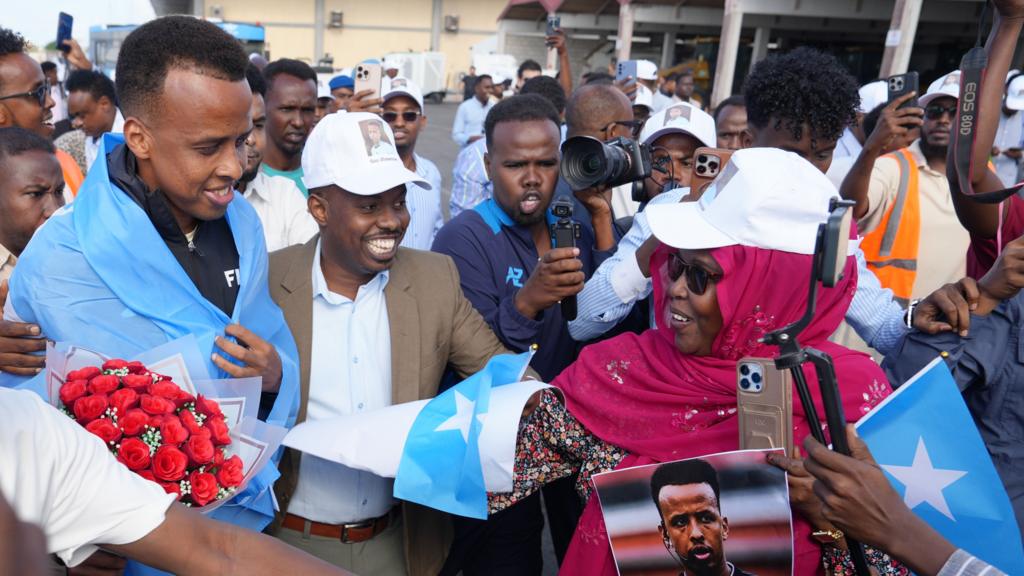
    Despite the disappointment of missing out on his historic World Cup appointment, Artan received a jubilant hero’s welcome when he returned to Mogadishu on Wednesday. Addressing young Somali athletes and fans, he urged the next generation of Somali sportspeople to remain proud of their identity and their country, framing his own experience as a test of resilience rather than a defeat. For many Somalis, that resilience has long been embodied by their country’s soccer culture — and Artan’s standing as a national hero remains undimmed, even after the lost World Cup opportunity.

  • Watch: Skier tackles Peruvian mountain ridge

    Watch: Skier tackles Peruvian mountain ridge

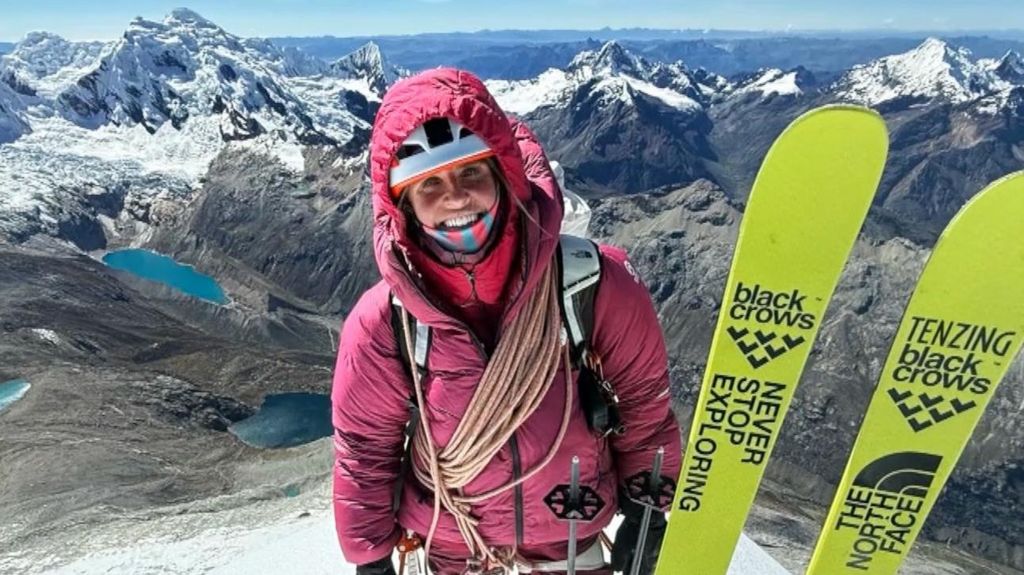
    A skilled alpine skier from Bedford in the United Kingdom has pulled off a remarkable feat of endurance and skill, tackling one of the most challenging terrain stretches in the Peruvian Andes: the icy southwest ridge of 6,162-meter Mount Ranrapalca. Fay Manners, an experienced climber and backcountry skier known for pushing her limits in high-altitude environments, recently reflected on the journey that tested every ounce of her training and nerve.

    The southwest ridge of Ranrapalca has long been regarded as a formidable objective for even the most seasoned mountaineers, with consistently unstable ice conditions, sharp vertical drops, and rapidly shifting high-altitude weather that can turn a routine descent into a life-threatening situation in minutes. Manners spent weeks acclimatizing to the thin Andean air, scouting the route from lower vantage points and adjusting her equipment to account for the unique challenges of the glaciated terrain.

    In her post-expedition reflection, Manners described the mix of focus and exhilaration that defined the descent, recalling how every turn required deliberate, careful judgment to avoid hidden crevasses and ice sheets that could give way without warning. She also highlighted the quiet awe of being on one of the Andes’ most striking peaks, with panoramic views of surrounding glacial summits stretching out across the horizon as she made her way down the ridge.

    The successful descent cements Manners’ reputation as one of the UK’s most ambitious backcountry alpine athletes, and adds a notable new entry to the list of challenging high-altitude ski descents completed in the Peruvian Andes in recent years. For the alpine community, Manners’ achievement highlights both the growing interest in exploring under-documented big mountain routes in South America, and the level of preparation and respect for the mountains required to pull off such a challenge safely.

  • Ref Artan receives hero’s welcome after World Cup exclusion

    Ref Artan receives hero’s welcome after World Cup exclusion

    In a moment that blended national pride with unfulfilled dream, Somali referee Omar Artan has returned home to a rapturous, hero’s welcome in Mogadishu, just days after a sudden U.S. entry denial blocked his path to becoming the first Somali official to officiate at a FIFA World Cup finals. The 34-year-old, who earned the title of Africa’s Referee of the Year in 2025, was en route to the 2026 World Cup when he was turned away at Miami International Airport on Monday — a shocking outcome given he held both a valid diplomatic passport and an approved single-entry U.S. visa.

    Upon his arrival at Aden Adde International Airport in the Somali capital Wednesday, Artan was met by a cheering crowd that included senior Somali government officials, leadership from the Somali Football Federation, fellow regional referees, and hundreds of local residents eager to honor his trailblazing achievement even in the wake of disappointment. Addressing the gathered crowd, Artan expressed profound gratitude to his compatriots and his homeland, saying “I want to thank my people and my country from the bottom of my heart for this incredible show of support.”

    Despite the crushing setback of his World Cup exclusion, Artan has not stepped back from his career ambitions. The referee has publicly reaffirmed his commitment to reaching the global tournament, vowing that he will achieve his long-held goal of officiating at the 2030 FIFA World Cup, turning this unexpected disappointment into fuel for future progress for himself and for Somali football on the global stage.

  • Paraguay fans are eager for their long-awaited World Cup return, in the country they now call home

    Paraguay fans are eager for their long-awaited World Cup return, in the country they now call home

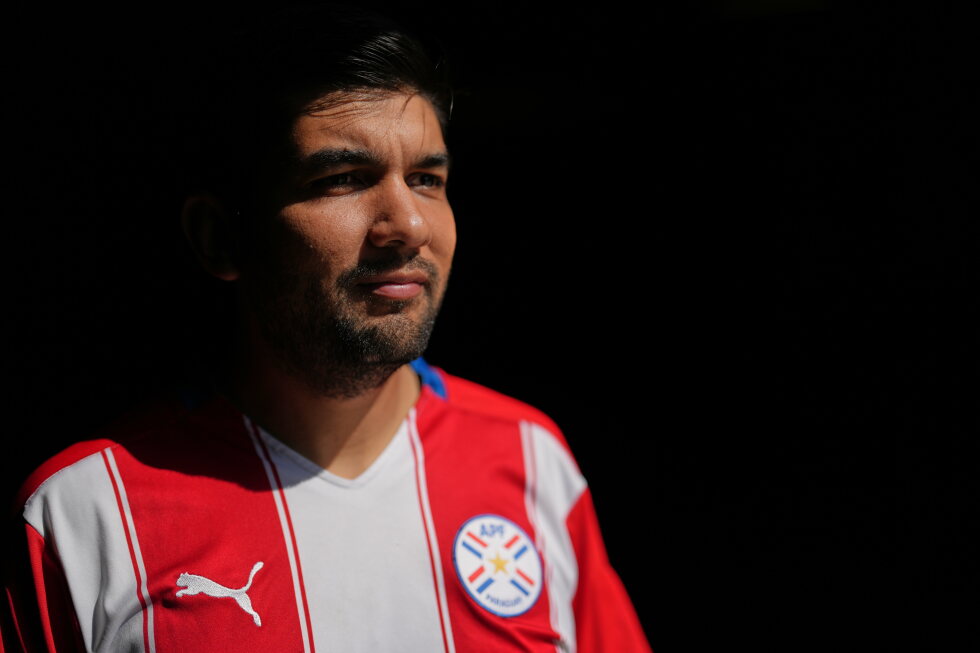
    As the 2026 FIFA World Cup gets underway on U.S. soil, global soccer fans have turned their collective attention to the host nation’s squad. But for the tight-knit community of Paraguayans living across the United States, this tournament marks a far more personal milestone: the return of their beloved national team to the world’s biggest soccer stage after a 16-year drought.

    Paraguay last qualified for the World Cup in 2010, when the squad recorded its best-ever finish, advancing all the way to the quarterfinals. This year’s appearance marks the ninth time the nation, currently ranked 40th globally by FIFA, has competed in the tournament. Drawn into Group D alongside the U.S., Turkey and Australia, Paraguay will face off against Australia on June 19 and Turkey on June 25, both matches hosted in Santa Clara, California.

    For the estimated 37,000 Paraguayans calling the U.S. home, the moment has been decades in the making, and fans have been organizing watch parties, community gatherings and match-day celebrations across the country. While steep ticket prices for the opening Group D match against the U.S. — with some seats reselling for more than $1,000 apiece — have put the fixture out of reach for most local fans, many have scraped together funds to secure tickets for the team’s later matches in California.

    Thirty-two-year-old Santiago Araujo is one of the lucky fans who scored tickets to Paraguay’s match against Australia, set to take place just 80 miles from his family’s Paraguayan restaurant, Cafe Guarani, in the coastal California town of Pacific Grove. Araujo, who moved to California with his family when he was 11 years old, says soccer is woven into the cultural identity of every Paraguayan. “Every Paraguayan I know wants to go,” he explained. “It’s not like there’s seasons of any other sports in Paraguay. I used to sleep with a soccer ball as my toy.”

    His family’s restaurant is leaning into the excitement, hosting pre- and post-match celebrations that bring the local Paraguayan community together over traditional dishes including manioc empanadas and iced yerba mate. Similar gatherings are planned at I Love Paraguay Restaurant in Queens, New York, where a large concentration of Paraguayan Americans resides. Other major Paraguayan American communities are based in Bernardsville, New Jersey — an affluent town that Paraguayan President Santiago Peña visited in 2024.

    For many fans, even the dream of attending a match comes with steep barriers. Ana Di Sessa, a Paraguayan American based in New Jersey, says she would love to travel to the California matches, but the combined cost of flights, accommodation and overpriced tickets puts the trip out of budget for most working-class fans. Zoraida Pereira, a 43-year-old travel agent based in Bernardsville who moved to the U.S. from Paraguay more than 30 years ago, says she has only sold travel packages for the later Santa Clara matches, as opening game prices are prohibitive for nearly all her clients. Even when forced to choose between her host and home nations on the pitch, Pereira’s loyalty is clear: “I am rooting for Paraguay this time around. They’ve been out for so long.”

    For the team itself, the moment carries just as much emotional weight. Midfielder Miguel Almirón, a 32-year-old veteran who plies his club trade with Major League Soccer’s Atlanta United, grew up watching the 2010 World Cup squad and dreamed of one day getting the chance to compete on soccer’s global stage. “It’s going to be something beautiful in that moment, not just for me, but also for my family and for all the Paraguayan fans, and for anyone who’s been with us through all the tough moments,” Almirón said. “There are going to be a lot of emotions at that moment. We take it on with responsibility, because we know so many people are depending on us.”

    That excitement extends 5,000 miles back to Paraguay, a small landlocked South American nation of roughly 7 million people bordered by Argentina, Bolivia and Brazil, best known for its vast grasslands, rich biodiversity and indigenous Guarani cultural heritage. A new documentary titled *El Renacer Albirrojo* (The Red-and-White Rebirth) chronicles the national team’s 16-year journey to qualify for the tournament, and the squad was sent off to the U.S. with a massive public celebration capped by fireworks. Many Paraguayan Americans report that friends and family are traveling from Paraguay to the U.S. to attend the matches, joining local fans to cheer on the team.

    For 34-year-old Rodrigo Valdez, a computer engineer based in San Diego who was born in the U.S. but raised in Paraguay, the tournament is a once-in-a-generation opportunity. Even with a 4-month-old newborn at home, his wife encouraged him to buy a ticket to the Australia match as a first Father’s Day gift. Valdez will drive more than 450 miles to Santa Clara to see the match, after gathering with local family and friends to watch the opening game against the U.S. in San Diego. “It was a unique opportunity for us that we are living in California,” he said. “It will be very meaningful.”