分类: sports

  • Uruguay lands in Miami after flight delay ahead of World Cup opener against Saudi Arabia

    Uruguay lands in Miami after flight delay ahead of World Cup opener against Saudi Arabia

    MIAMI GARDENS, Fla. – The Uruguay men’s national football team touched down in South Florida on Sunday evening, wrapping up a disrupted travel day that saw their flight delayed for two hours on the ground in Mexico, just one day before their opening match of the 2025 expanded FIFA World Cup.

    Set to kick off Group H play against Saudi Arabia on Monday night at Hard Rock Stadium, one of the 16 host venues for the tournament’s new 48-team format, the squad had completed a scheduled training session in Cancun earlier the same Sunday morning before heading to the airport for their final journey to the match site.

    In an official statement released following the disruption, FIFA explained the hold-up stemmed from an administrative permitting error on the airline’s part in Mexico. “The airline has apologized for the inconvenience caused. FIFA remained in close contact with the Uruguay national team throughout their delay and worked alongside airport and operational partners to help expedite the process and minimize disruption to the team’s travel arrangements,” the governing body noted.

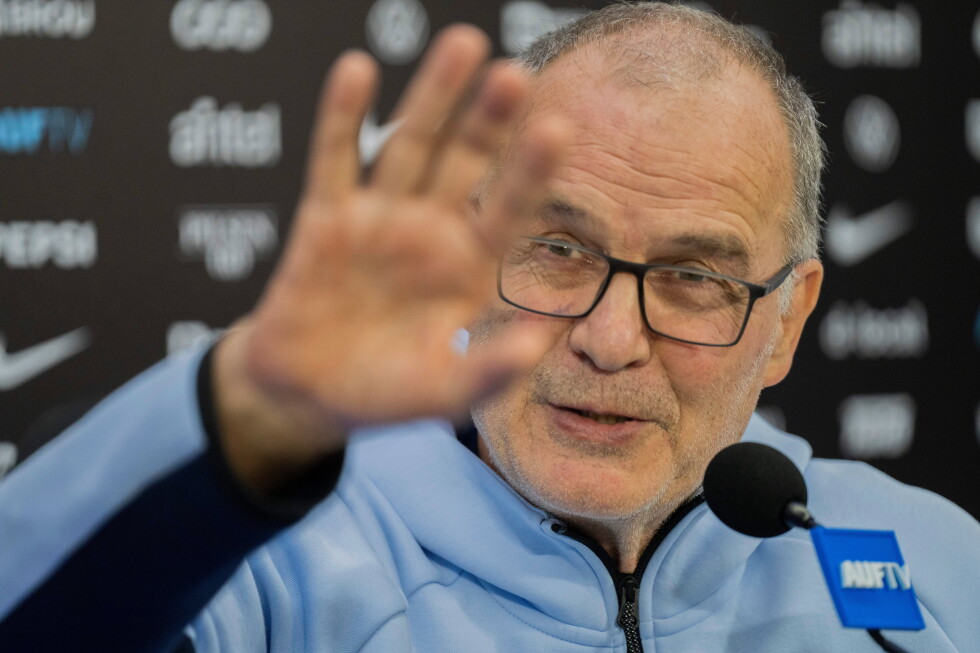
    Despite the unplanned disruption, both head coach Marcelo Bielsa and starting defender Jose Maria Gimenez struck a relaxed tone when speaking to reporters at the stadium shortly after the team’s arrival. Bielsa downplayed the issue, saying the delayed flight “caused no problem” to the squad’s preparations.

    Speaking through a professional interpreter, Gimenez acknowledged the unexpected complications but framed the delay as a non-issue for the team. “We had some complications. It was a difficulty but we actually took advantage of it because we were able rest at the hotel,” the defender added.

    Fans and officials can follow full coverage of the 2025 FIFA World Cup via AP News’ dedicated tournament hub.

  • Amad Diallo scores in the 90th minute to lift Ivory Coast past Ecuador 1-0 in the World Cup

    Amad Diallo scores in the 90th minute to lift Ivory Coast past Ecuador 1-0 in the World Cup

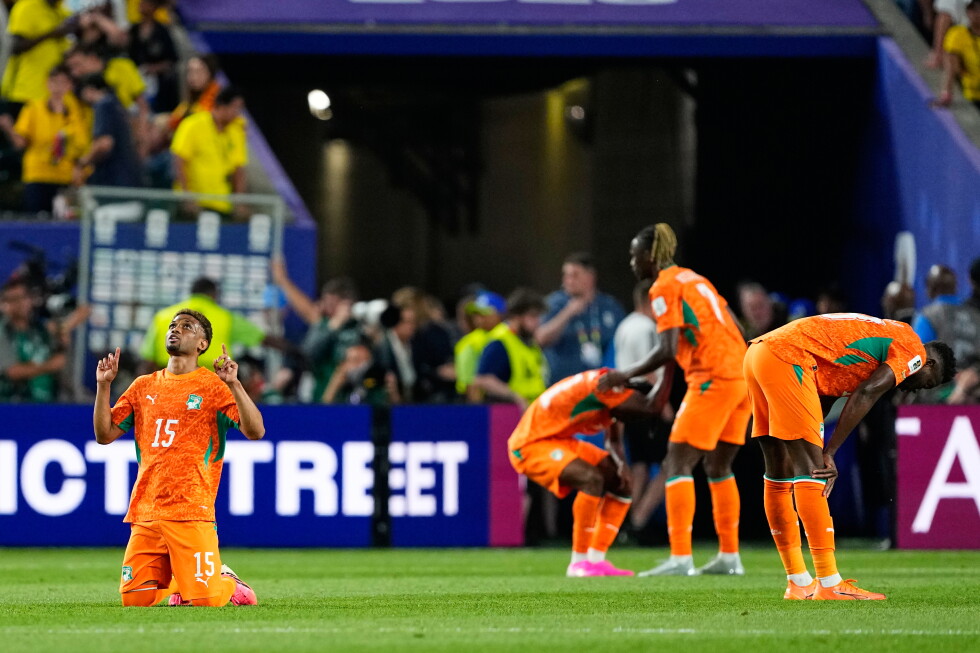
    PHILADELPHIA — A dramatic late finish at Philadelphia’s Lincoln Financial Field has handed Ivory Coast a memorable 1-0 opening win over Ecuador in their first FIFA World Cup appearance in 12 years, with Manchester United winger Amad Diallo netting the decisive goal in the final minute of regulation.

    The encounter was a tense, chance-filled affair from kickoff, with both sides crashing the crossbar three times combined before Diallo found the back of the net. The substitute winger, who entered the match in the 56th minute, struck a clinical left-footed finish from just inside the 18-yard box that beat Ecuador goalkeeper Hernán Galíndez, who had dived full-stretch in an attempt to make the save. Wilfried Singo set up the game-winner with a dynamic attacking run down the right flank to create the scoring opportunity.

    For Ivory Coast, this result marks a promising start to their fourth World Cup campaign — their first since the 2014 tournament — and puts them in a strong position to push for a spot in the knockout round for the first time in the nation’s World Cup history. For Ecuador, the loss brings a stunning end to a 19-game unbeaten run that dated back more than nine months; their previous defeat came in a 1-0 friendly loss to Brazil in September 2024.

    The near-misses began early in the opening half, when Ecuador’s John Yeboah and Nilson Angulo each hit the woodwork in the first 45 minutes. Shortly after halftime, Ivory Coast’s Elye Wahi also struck the crossbar, keeping the match deadlocked heading into the final stretch.

    Ecuador entered the match as de facto favorites with a home-field advantage in Philadelphia, as a capacity crowd of 68,274 packed Lincoln Financial Field, with the vast majority of fans clad in the yellow kits of La Tri, who were making their fifth World Cup appearance and looking to advance to the knockout stage for just the second time in their history.

    Ecuador controlled much of the run of play before Diallo’s late strike, their best opening coming in the 68th minute when Gonzalo Plata unleashed a powerful 25-yard effort that was pushed away by Ivory Coast goalkeeper Yahia Fofana to keep the scoreline level.

    Ivory Coast’s attack was consistently dangerous thanks to the impact of RB Leipzig forward Yan Diomande, who created multiple clear scoring chances with his work down the right flank. One of those opportunities created Wahi’s second-half near-miss: Diomande whipped a hard cross into the box that Wahi flicked toward goal, only to see it bounce off the crossbar.

    The match was physical from the opening moments, with Ivory Coast captain Franck Kessié setting the tone with a hard challenge just four minutes in. Kessié picked up one of three first-half yellow cards for Les Éléphant, all for reckless tackles, while Ecuador’s Jackson Porozo received a caution in the 73rd minute.

    Looking ahead to the next round of group stage matches in Group E, Ivory Coast will face off against four-time World Cup champion Germany, who opened their campaign with a dominant 7-1 win over Curacao earlier on Sunday. Ecuador will take on Curacao, with both matches scheduled to kick off on June 20.

  • Spain superstar Lamine Yamal declared fit to make his World Cup debut against Cape Verde

    Spain superstar Lamine Yamal declared fit to make his World Cup debut against Cape Verde

    ATLANTA — As Spain prepares to kick off its 2026 World Cup campaign against Cape Verde on Monday, head coach Luis de la Fuente has confirmed that teenage sensation Lamine Yamal has been given full medical clearance to feature in the match, putting to bed recent concerns over the young star’s hamstring injury.

    The 18-year-old, one of the most hyped young talents in global soccer, was forced to sit out the final weeks of his club season with Barcelona after picking up the soft tissue injury. While he will be available for selection, De la Fuente confirmed that Yamal is not expected to get the start in Monday’s tournament opener in Atlanta, with his game time set to be determined by how the match unfolds.

    “Our medical and fitness teams have worked in lockstep with the medical staff at Barcelona to manage Lamine’s recovery every step of the way,” De la Fuente told reporters at a pre-match press conference. “All the signs point to him being fully ready to play tomorrow. We don’t know exactly how many minutes he will get just yet – that will depend on the flow of the game, the situation we find ourselves in – but what we can confirm is he is in ideal condition to take the pitch.”

    Yamal first announced himself to the world as a core part of Spain’s victorious 2024 European Championship run, turning 17 just hours before the tournament’s final. In the two years since that breakout, he has cemented his status as arguably the most exciting emerging talent in European soccer, with widespread pundit and fan expectation that he will eventually succeed Lionel Messi and Cristiano Ronaldo as the face of global soccer.

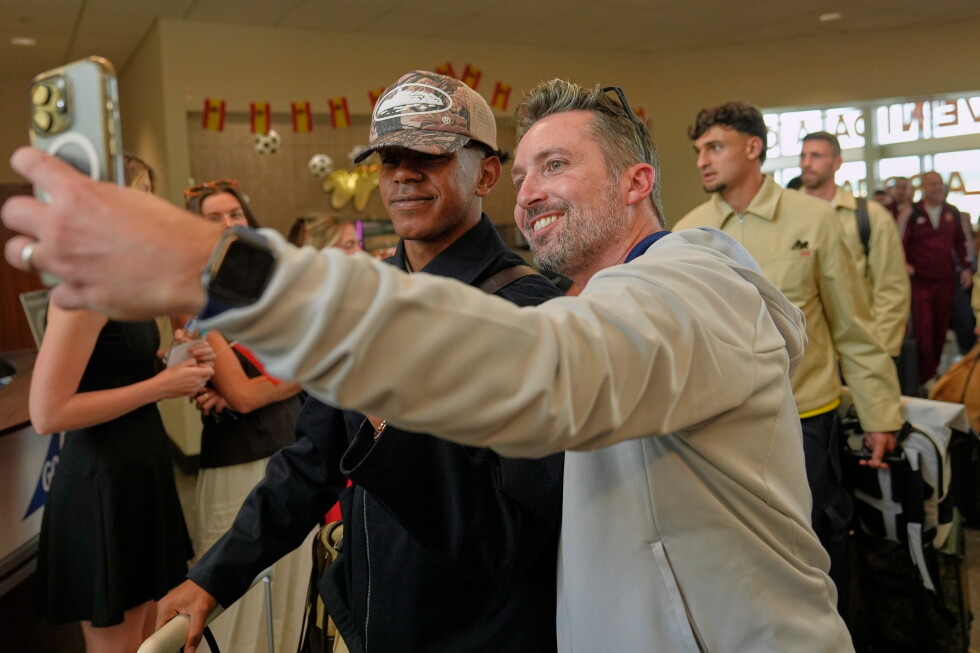
    Yamal’s massive global appeal has been on clear display since the Spanish squad arrived in Georgia for the World Cup. A towering billboard advertisement featuring the winger overlooks Mercedes-Benz Stadium – rebranded as Atlanta Stadium for the tournament – where Spain will play its first match. On the day before the opener, dozens of fans gathered outside Spain’s training base at Kennesaw State University to catch a glimpse of the star, with multiple young fans even showing up sporting his signature blonde curly hairstyle.

    For supporters hoping to see Yamal take the pitch, De la Fuente offered a promising update: the teen will be on the match day bench, and is cleared to play minutes if called upon. “Lamine Yamal is fit enough to play some minutes tomorrow, and our entire medical team backs this decision,” the coach said. “If he wasn’t, he wouldn’t even be on the bench.”

    Spain enters this World Cup in a familiar position: the side won its last World Cup title in 2010, when it also entered the tournament as the reigning European champion. Currently ranked as co-favorites alongside defending champions France to lift the trophy, De la Fuente says his squad is keeping a grounded mindset ahead of their first match.

    “Being labeled as co-favorites is just recognition of the work we have put in to get to this point,” he said. “But we are humble. We know how hard it is to win even one match at this tournament, let alone the whole thing.”

    Monday’s opponent, Cape Verde, is making its first ever appearance at a men’s World Cup, and is widely considered the heavy underdog heading into the matchup. But De la Fuente warned against any complacency from his side, noting that underdog upsets are common in major international tournaments.

    “There is no chance we are underestimating Cape Verde,” he said. “They have quality, and they could easily be one of the teams that springs a surprise on a bigger opponent at this World Cup.”

  • Can Tunisia finally break through at the World Cup?

    Can Tunisia finally break through at the World Cup?

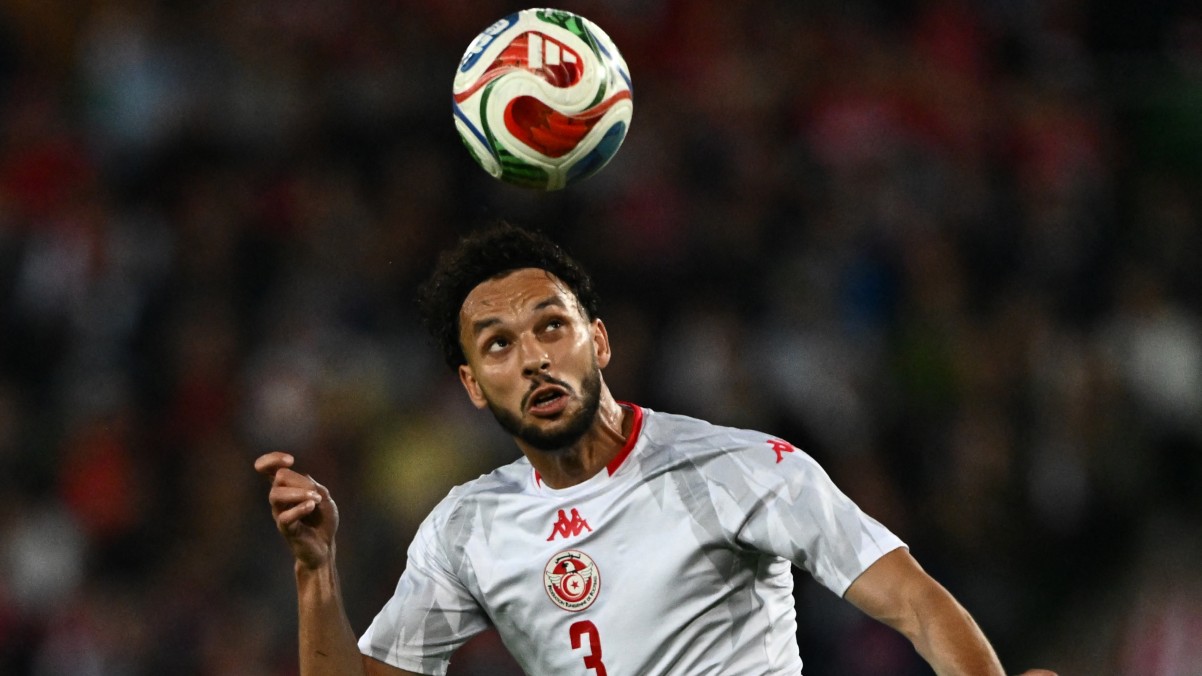
    The old adage holds that consistency paves the way for long-term success, but for Tunisia’s national men’s football team, decades of reliable qualification have turned into a heavy burden of unmet expectation ahead of the 2026 FIFA World Cup.

    For nearly 30 years, the Carthage Eagles have outperformed most of their North African and regional rivals in major tournament qualifications. Since 1998, they have booked their spot at twice as many World Cup finals as any neighboring nation, and hold an unmatched continental record: 17 consecutive Africa Cup of Nations (AFCON) qualifications dating back to 1994. This streak of steady performance earned them the nickname “the Germans of Africa” among football observers.

    Yet for all their routine qualification success, Tunisia has failed to carve out the iconic, memorable legacy that smaller, less consistent teams from the region have built. Algeria captured global admiration for its deep run at the 2014 World Cup, while Morocco made history by reaching the semi-finals in 2022. Even Saudi Arabia, which has suffered multiple lopsided defeats at World Cup tournaments, boasts one of the biggest upsets in the competition’s history: a 2-1 victory over eventual champion Argentina at the 2022 Qatar World Cup.

    Tunisian fans have long craved a similarly unforgettable milestone, but once-steady hope has gradually shifted to cynicism. Simply reaching the World Cup — a feat that eludes dozens of capable football nations every cycle — is no longer celebrated as an achievement on its own. For a side that has delivered consistent results for decades, fans expect more than just early-round exits, and frustration has grown over the team’s pragmatic, often uninspiring style of play.

    “If this team wins a game, it will never be by more than one goal. Given how they play, the maximum we can hope for is two points from three group stage matches,” veteran Tunisian journalist Maher Mezahi noted, echoing the sentiment of many disappointed supporters. One African football journalist added to Middle East Eye earlier this month: “A young football fan watching the World Cup at home will never pick Tunisia as their second favorite team. They have no breakout star players catching the global eye, and they don’t play attractive, exciting football.”

    It is important to contextualize Tunisia’s achievements, however. The core of the nation’s decades-long consistency has been an unshakable team spirit, a trait that has proven critical in the grueling, physically and mentally draining African qualification cycle. Away matches in African qualifying are notoriously hostile, and success often comes down to a squad’s ability to stay united under extreme pressure. That is a challenge that more star-studded sides have failed to overcome this cycle: both Cameroon and Nigeria, packed with globally recognized talent, missed out on the 2026 World Cup largely due to internal disarray and poor cohesion. Tunisia, by contrast, sealed its qualification without conceding a single goal.

    This unyielding determination has a name among fans and analysts: grinta. Borrowed from Italian, the term is widely used across the Mediterranean to describe courage, grit and unrelenting fighting spirit — qualities that have defined Tunisian football for generations.

    What many local supporters overlook is the steep structural disadvantage Tunisia faces compared to its regional rivals. With a total population of just over 12 million, the nation has a far smaller talent pool than neighbors Morocco (37 million) and Algeria (45 million), both of which also have much larger European diasporas to draw elite talent from. Wealthier rivals like Saudi Arabia and other Gulf nations have far deeper financial resources to invest in football development, while the World Bank classifies Tunisia as a lower-middle-income country.

    Two decades of persistent economic stagnation have forced Tunisian football to operate with tight budget constraints, forcing smart, frugal investment to stay competitive. Top-flight Tunisian clubs rarely offer large contracts to players, and foreign managers have become increasingly rare: as of 2026, only two of the 16 clubs in Tunisia’s top division employ a foreign manager.

    These financial limitations have also pushed clubs to prioritize youth talent development over buying established stars, a strategy that has turned Tunisian football into a respected talent incubator for overlooked players across the African continent. For example, Baghdad Bounedjah, Algeria’s all-time leading men’s international goalscorer, was ignored by clubs in his home country before signing with Tunisian side Etoile du Sahel in 2013. Just one year later, he earned a call-up to the Algerian national team, and moved to Qatari side Al Sadd for a $3.8 million transfer in 2016. In recent years, Tunisia has expanded its talent export market to Europe, with promising young players moving abroad earlier in their careers — a trend born of economic necessity, as government funding for football has declined and revenue from television rights and merchandising remains limited.

    In the wake of Morocco’s historic 2022 World Cup run, Tunisian fans are more eager than ever to see their side reach the World Cup knockout stage for the first time in the nation’s history. Many local analysts hold out cautious optimism for the 2026 tournament. “I am naturally an optimistic person when it comes to our chances,” said the founder of ActuFootTunisie, a leading local outlet covering Tunisian football. “Tunisia is capable of finishing second in the group, but we have to stay realistic. A third-place finish that earns a spot as one of the best third-placed teams is achievable. It would be a first for our country and a fantastic result for us.”

    This year, however, the traditional grit and cohesion of the squad is facing an unprecedented test, after new manager Sabri Lamouchi launched a complete overhaul of the national squad. Only five players from Tunisia’s 2022 World Cup squad retained their spots for 2026, and several senior stars — including former captains Ferjani Sassi, Ali Maaloul and Yassine Meriah — were left off the roster entirely.

    One of the most controversial new additions is Germany-born midfielder Rani Khedira, who previously rejected overtures from the Tunisian Football Federation (FTF), telling German media in 2015, “There was never any thought of playing for Tunisia.” Khedira’s selection over fan favorites Aissa Laidouni and Mohamed Ali Ben Romdhane has angered many supporters. The ActuFootTunisie founder notes that the decision is frustrating, given that other candidates played every minute of the qualifying campaign, and Khedira’s last-minute call-up can come off as opportunistic. “But now that he’s here, he represents our country, he’s Tunisian, so we support him,” he added, noting that the rest of the squad selection is strong. “It’s a good group with lots of young players, unlike previous squads that relied too much on veteran players. This group has real potential.”

    The 2026 squad reflects this youth focus: 12 of the 26 players were born in the 21st century, including teenager Khalil Ayari, who had only been a professional for 18 months before moving from Stade Tunisien to Paris Saint-Germain ahead of the 2025-26 season.

    The squad renewal came after a string of underwhelming results that made clear the old approach was no longer working. Tunisia turned in poor performances at two major tournaments in the lead-up to 2026: at the 2025 FIFA Arab Cup in Qatar, the side opened with a 1-0 loss to Syria, then blew a 2-0 lead to draw 2-2 with Palestine, crashing out in the group stage. The Carthage Eagles did reach the knockout round of the 2025 AFCON a month later, but turned in unconvincing performances and were outclassed by top African sides. After Tunisia’s Round of 16 elimination at the hands of Mali, star midfielder Hannibal Mejbri did not mince words about the state of the nation’s football program.

    “We are behind in our football development, that’s the plain truth — we lag behind in so many areas,” said the Premier League star. “All of the leaders of Tunisian football need to sit down together and ask the hard questions, honestly.”

    The FTF’s response to that call for change came in January 2026, when the body hired Lamouchi, a former French international of Tunisian descent, to lead the national side. The hire was widely seen as an effort to appease fans who had grown frustrated with six straight local managers holding the job since 2018. When Lamouchi was introduced to the press, he promised sweeping change, and the heavily reshuffled 26-man squad delivers on that promise.

    Even with the promised renewal, the squad selection has not been without controversy. A recent investigative report claimed that some of Lamouchi’s selections were forced by FTF executives, who mandated a quota of players from Tunisia’s biggest clubs to secure more FIFA compensation. FIFA pays participating clubs $10,950 per player per day for releasing their players for the World Cup, with total compensation for the 2022 tournament exceeding $209 million globally.

    The claims are a serious black mark for the new FTF leadership, coming on the heels of a major corruption scandal that brought down the federation’s previous regime. Former FTF president Wadie Jary was arrested in 2023, and is currently serving a four-year prison sentence after being convicted of corruption and match-fixing. Many members of the new leadership — including current FTF president Moez Nasri and vice president Hussein Jenayah — were close allies of Jary during his tenure.

    As Tunisia prepares to travel to the 2026 World Cup in North America, questions far outnumber answers regarding the inner workings of the FTF, the long-term financial health of Tunisian football, and whether a heavily reshuffled squad can retain the grinta that carried the team to qualification for decades. This is Lamouchi’s first major tournament as Tunisia’s manager, and only five veterans remain from the 2022 squad that had no shortage of the famous fighting spirit, even with its other flaws.

    Only time will tell whether a new manager and a youth-focused squad overhaul can deliver Tunisia’s first-ever trip to the World Cup knockout stage. But for critics like Mezahi, the outlook is not positive. “If this team wins a game, it won’t be by more than one goal,” he said. “And given their style of play, the ceiling might be just two points from three group games.”

  • England loses another pacer for 2nd test vs NZ with Robinson injured after Stokes, Atkinson dropped

    England loses another pacer for 2nd test vs NZ with Robinson injured after Stokes, Atkinson dropped

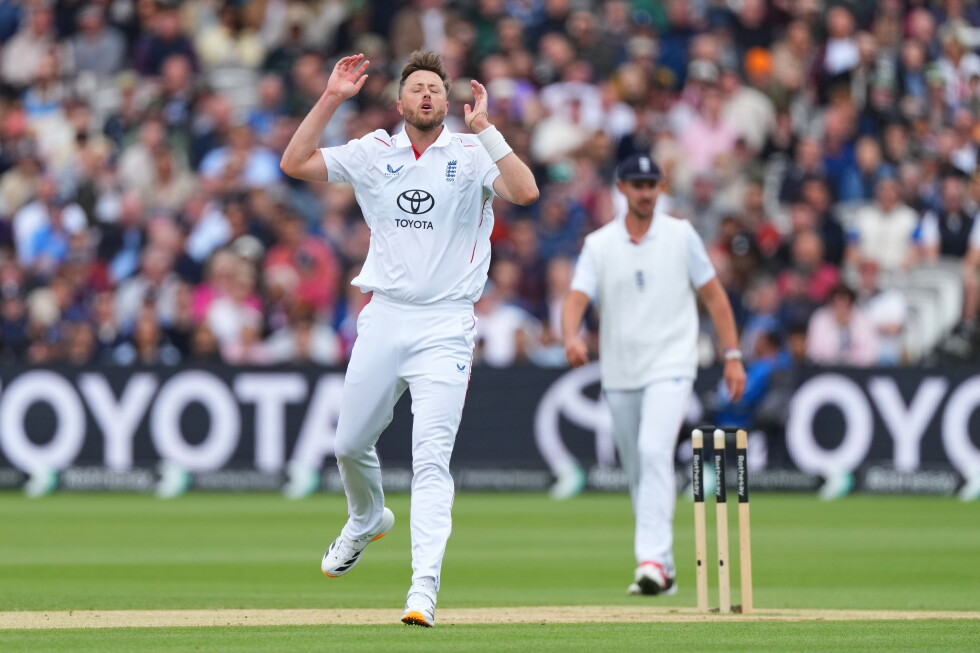
    Just days before England hosts New Zealand for the second Test match of their bilateral series at London’s iconic Oval ground, the home side has suffered another major blow to their fast bowling unit, with seamer Ollie Robinson ruled out of the clash by a lingering knee injury. The announcement of Robinson’s withdrawal came Sunday, marking the third high-profile absence from England’s squad this week.

    Robinson was one of the standout performers in the series opener at Lord’s last week, where England secured a hard-fought 115-run victory over the Black Caps. The right-armer picked up an impressive combined match figures of 7 wickets for just 77 runs, forming a devastating opening bowling partnership with fellow pacer Gus Atkinson. Atkinson, meanwhile, tore through New Zealand’s second innings to claim 5 wickets for 30 runs, closing out the win for the home side.

    But Atkinson will not feature at The Oval, after he and England captain Ben Stokes were dropped from the 2nd Test squad earlier this week amid an ongoing internal investigation into a post-victory nightclub incident. The pair were on an authorized night out following the Lord’s win when the incident occurred, which the England and Wales Cricket Board (ECB) has described as a breach of the team’s internal protocols. Multiple reports indicate the altercation started when a player from English professional rugby union side Saracens struck a member of England cricket’s security detail during the night out.

    For Robinson, the knee injury will not force him to leave the squad entirely. The fast bowler will remain with the group to begin immediate rehabilitation work on his injury, with the aim of being fit for the third and final Test of the series, which kicks off on June 25 at Trent Bridge in Nottingham. To cover Robinson’s absence for the Oval Test, the ECB has called up uncapped pace bowler Henry Crocombe to the senior squad for the first time. Crocombe has impressed for Sussex in domestic red-ball cricket over the past two seasons, earning his first international call-up as injury cover.

    This latest wave of off-field and on-field disruption has thrown fresh scrutiny on the culture and professionalism of England’s men’s Test side, coming just months after the team’s humbling defeat in the 2023 Ashes series against Australia. Following that disappointing tour, reports confirmed that the ECB imposed a mandatory midnight curfew on all players and staff during home and away series to enforce greater off-field discipline.

    With Stokes sidelined for the second Test due to the investigation, former England captain Joe Root will step in to lead the side at the Oval. Root, who remains one of the team’s core performers with both bat and ball, has captained England in more than 60 Test matches previously, giving him extensive experience leading the side at the highest level.

  • UEFA head Čeferin criticized for allegedly saying expanded World Cup creates uninteresting matches

    UEFA head Čeferin criticized for allegedly saying expanded World Cup creates uninteresting matches

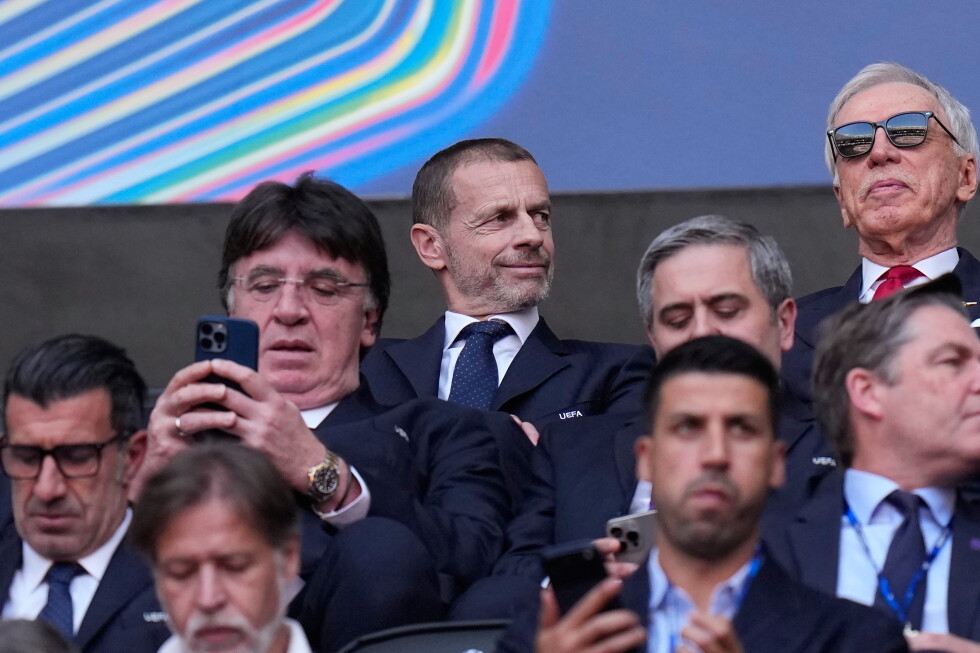
    A cross-regional backlash has erupted against UEFA President Aleksander Čeferin following reported comments dismissing matches involving lower-ranked teams at the newly expanded 48-team FIFA World Cup as “completely uninteresting”, drawing joint condemnation from governing bodies across Africa, Asia and the Caribbean.

    The criticism, organized and released by South Africa’s national soccer federation, brings together six associations — Cape Verde, Congo, Curaçao, Haiti, Jordan and Uzbekistan — in a show of solidarity with 10 other African federations including Algeria, Egypt, Ghana, Morocco, Senegal and Tunisia. The joint statement pushes back against Čeferin’s reported remarks, which were first published by Slovenian outlets Zurnal 24 and Dosi following a conference in Ljubljana a week before the condemnation.

    While Čeferin also reportedly acknowledged that the 2026 format expansion opens the door for smaller nations to experience the thrill of the world’s biggest soccer tournament, his take on the quality of matches involving debutants and long-absent sides struck a nerve across global soccer communities. For many of the nations signing onto the statement, the current 48-team tournament marks a historic milestone: Cape Verde, Curaçao, Jordan and Uzbekistan are making their first-ever World Cup appearances, while Congo and Haiti are returning to the global stage for the first time since 1974.

    “Football does not belong to a select group of nations. Its strength comes from its universality,” the statement reads. It goes on to emphasize that for emerging soccer nations, qualifying for the World Cup is far more than a simple sporting entry: it is a generational moment that can inspire young players, accelerate grassroots and professional soccer development across the region, and leave lifelong, meaningful memories for entire populations.

    The statement adds: “To suggest that these matches are somehow less important is deeply disappointing and fails to recognize the efforts, sacrifices and aspirations of players, coaches, clubs, football leaders and supporters across the world. For Cape Verde, Curaçao, Jordan and Uzbekistan, qualification for the FIFA World Cup represents a historic achievement and the realization of a dream shared by generations. For nations such as Congo and Haiti, returning to football’s biggest stage after a long absence carries a special meaning for millions of supporters who have waited years, and in some cases decades, for this moment.”

    Notably, the joint statement does not directly name Čeferin or explicitly quote his reported comments. As of Sunday, neither UEFA nor the signatory federations have issued immediate responses to requests for additional comment on the controversy. The condemnation comes the same day that Curaçao, one of the debutant signatory nations, played its first ever World Cup group stage match against Germany, falling 7-1 after notching the underdog side’s first-ever World Cup goal.

  • Deepti Sharma rips through Pakistan as India opens its Women’s T20 World Cup quest with big win

    Deepti Sharma rips through Pakistan as India opens its Women’s T20 World Cup quest with big win

    The 2024 Women’s Twenty20 World Cup opened with two dramatic days of group-stage action in Birmingham, England, that delivered record-breaking performances and historic upsets at the sold-out Edgbaston Stadium on Sunday.

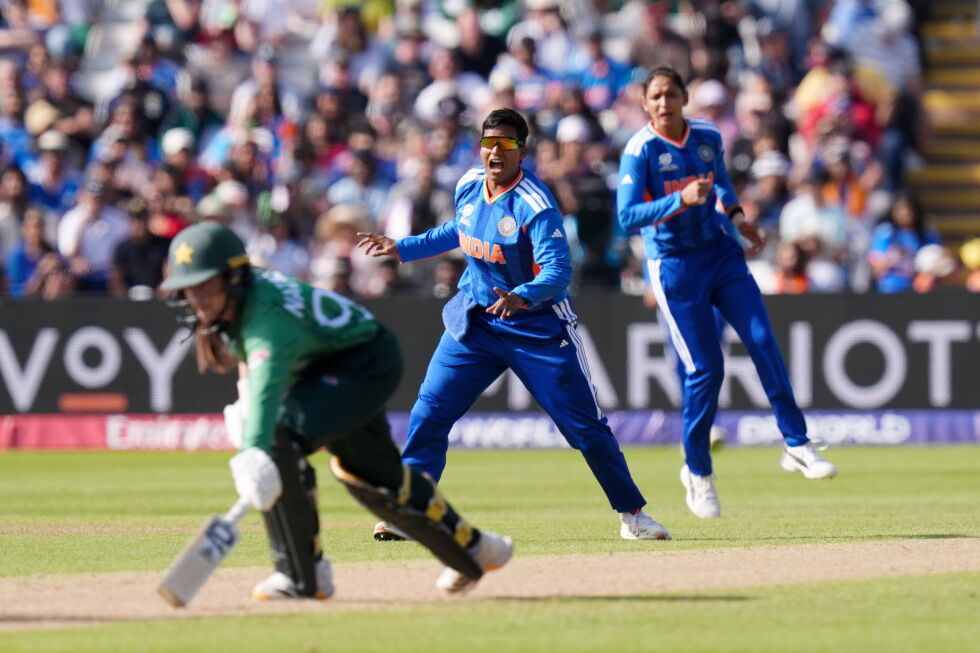
    In the headline matchup between long-time rivals India and Pakistan, India claimed a dominant 64-run victory, kicking off its long-running quest for a first-ever Women’s T20 World Cup title in style. Off-spinner Deepti Sharma produced one of the most devastating closing spells in tournament history, spinning through Pakistan’s final three wickets in just five deliveries to seal the win, finishing with career-defining figures of 5 wickets for just 10 runs. The result extended India’s unbeaten streak against Pakistan in T20 World Cup competition.

    India’s total of 170 for 6 came from a late-order turnaround that shocked even their own supporters. Opening batter Smriti Mandhana survived two dropped catches early in her innings — including one on 27 and another on 55, where a top-edged hit ricocheted off her helmet and forced a mandatory concussion check — before storming to a 38-ball 68. After Mandhana’s departure triggered a minor batting collapse that left India at 132 for 5 heading into the 19th over, young wicketkeeper-batter Richa Ghosh exploded into action, blasting 34 runs off just 17 deliveries. Ghosh and Sharma piled on 23 runs against World Cup debutant Tasmia Rubab in the 19th over, before Pakistan captain Fatima Sana conceded 15 runs in the final over, pushing India to its highest ever total against Pakistan in T20 World Cup history.

    Pakistan got off to a flying start in its chase, posting its highest ever powerplay score against India at 52 for 1, with opener Muneeba Ali surviving two dropped catches off Shreyanka Patil. But India turned the tide by the 10th over, when Sharma produced a spectacular direct hit from backward point to run out Ali for 41, breaking Pakistan’s momentum. When Sana fell in the following over to leave Pakistan at 77 for 5, the chase collapsed entirely. Shree Charani supported Sharma’s match-winning spell with 3 wickets for 21 runs, helping bowl Pakistan out for just 106. The five-wicket haul pushed Sharma to become the leading wicket-taker in the history of women’s T20 international cricket, marking her second five-wicket haul in a major ICC tournament just seven months after her player-of-the-match performance in India’s ODI World Cup final win over South Africa.

    The sell-out crowd of 18,814 at Edgbaston set a new attendance record for a Women’s T20 World Cup group-stage match, underscoring the growing global popularity of women’s cricket.

    In the second match of the day on the same Edgbaston pitch, Bangladesh pulled off the highest successful run chase in their Women’s T20 World Cup history, defeating the Netherlands by six wickets with five balls to spare. Chasing a target of 140 set by the Netherlands’ 139 for 8, 20-year-old opener Juairiya Ferdous laid the perfect foundation for Bangladesh with a blistering 50 off 33 balls. Ferdous survived two reprieves — a controversial third-umpire overturned catch on 7 and a dropped catch on 18 — before hammering two sixes over midwicket to put Bangladesh well on track for victory.

    Dutch spinners Silver Siegers, Heather Siegers and Caroline de Lange slowed Bangladesh’s progress after Ferdous’ departure, with de Lange picking up two wickets for 27 runs. But an unbroken 56-run partnership between Sharmin Akhter and Shorna Akter closed out the chase, securing Bangladesh their fourth win in seven Women’s T20 World Cup campaigns. For the Netherlands, captain Babette de Leede top-scored with a 45-ball 50 before being run out in the 17th over while attempting a second run, while Bangladesh medium-pacers Marufa Akter and Ritu Moni led the bowling attack with two wickets for 31 and one wicket for 17 respectively.

    The tournament continues Tuesday with matches between New Zealand and Sri Lanka, followed by hosts England facing Ireland.

  • Germany surges to a 3-1 halftime lead as Curacao nets its 1st World Cup goal

    Germany surges to a 3-1 halftime lead as Curacao nets its 1st World Cup goal

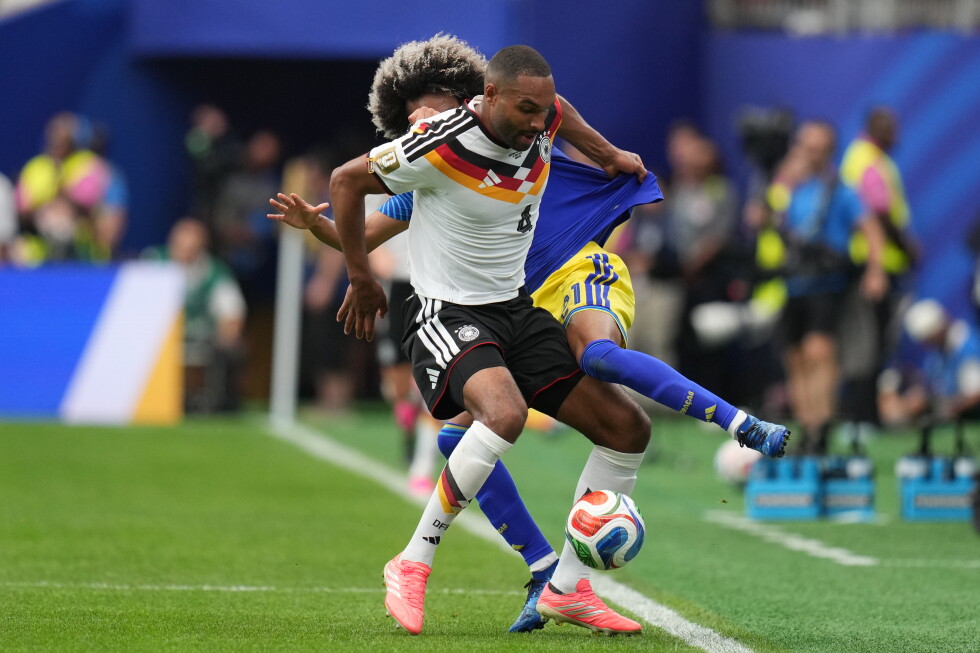
    HOUSTON — In a thrilling opening 45 minutes of their 2026 FIFA World Cup group stage encounter Sunday, tournament giant Germany held a 3-1 lead over first-time qualifier Curacao, where the tiny Caribbean underdog not only earned a spot in history as the smallest nation ever to compete at the World Cup, but also bagged its first-ever tournament goal to hold the four-time world champions level deep into the first half.

    The game opened with a quick strike from Germany, as Felix Nmecha buried a one-time right-footed finish into the near post just inside the 18-yard box in the sixth minute. The attacking chance was set up neatly by a crafty assist from Florian Wirtz, putting the European side ahead 1-0 early on.

    But Curacao, a nation with a population of less than 160,000 competing in its first ever World Cup finals, refused to be overawed by the occasion. In the 21st minute, Livano Comenencia levelled the score, drilling a powerful left-footed shot through a crowd of defenders from the center of the penalty area. The landmark goal — the first ever for Curacao at the World Cup — sent the island’s traveling “Blue Wave” fan contingent into wild celebration inside the Houston stadium.

    While most of the sellout crowd leaned heavily in support of Germany, Curacao’s spirited group of supporters made their presence felt throughout the opening stanza, cheering their side on as they held firm against the tournament favorite.

    Germany reclaimed the lead in the 38th minute, after a well-executed set piece: Nathaniel Brown delivered an accurate corner kick into the box, where defender Nico Schlotterbeck rose above the Curacao defense to nod a header into the net, putting Germany back on top 2-1 heading toward halftime.

    Just before the break, in first-half stoppage time, Germany extended its advantage to 3-1 from the penalty spot. The spot kick was awarded after Riechedly Bazoer brought down Felix Nmecha inside the penalty area, and Kai Havertz stepped up to calmly slot the ball into the left corner of the net.

    For Germany, this World Cup run carries extra pressure and motivation. The side claimed the world title in 2014, but suffered shocking early eliminations in the 2018 Russia and 2022 Qatar tournaments, failing to advance past the group stage in both events. Now, the four-time champions are entering this tournament with a clear goal of redemption, looking to reestablish their status as one of the global game’s elite sides.

  • Justin Trudeau skipped Canada World Cup opener because girlfriend Katy Perry performed at US game

    Justin Trudeau skipped Canada World Cup opener because girlfriend Katy Perry performed at US game

    In a surprising personal turn amid the 2026 co-hosted FIFA World Cup, former Canadian Prime Minister Justin Trudeau opted to attend the United States’ opening tournament match against Paraguay this past Friday instead of cheering on his own country’s squad in their opening game held in Toronto. The high-profile appearance drew immediate public attention, as Canada shares hosting duties for this year’s World Cup alongside the United States and Mexico, making the Toronto match a landmark moment for Canadian soccer.

    Trudeau, who served as Canada’s head of government from 2015 to 2025, quickly clarified his decision on social media platform X over the weekend. He explained that his attendance at the match at Inglewood, California’s SoFi Stadium stemmed from a commitment to his girlfriend, global pop star Katy Perry, who headlined the pre-game performance ahead of the U.S. versus Paraguay fixture.

    “Sometimes supportive boyfriend duties call. But you know who I’m rooting for to take the Cup,” Trudeau wrote in his social media post, confirming that despite his presence at the U.S. match, his championship support remains with his home nation’s team.

    The scheduling of the two opening matches created an unavoidable conflict for Trudeau: Canada’s 3 p.m. EDT opening draw against Bosnia-Herzegovina finished just hours before the U.S. match kicked off six hours later in California. Canada left their opening match with a 1-1 tie, while the host United States secured a solid 4-1 victory over Paraguay in their opening outing. Full coverage of the 2026 FIFA World Cup is available via The Associated Press’ dedicated coverage hub.

  • Two Chinas at North America’s World Cup

    Two Chinas at North America’s World Cup

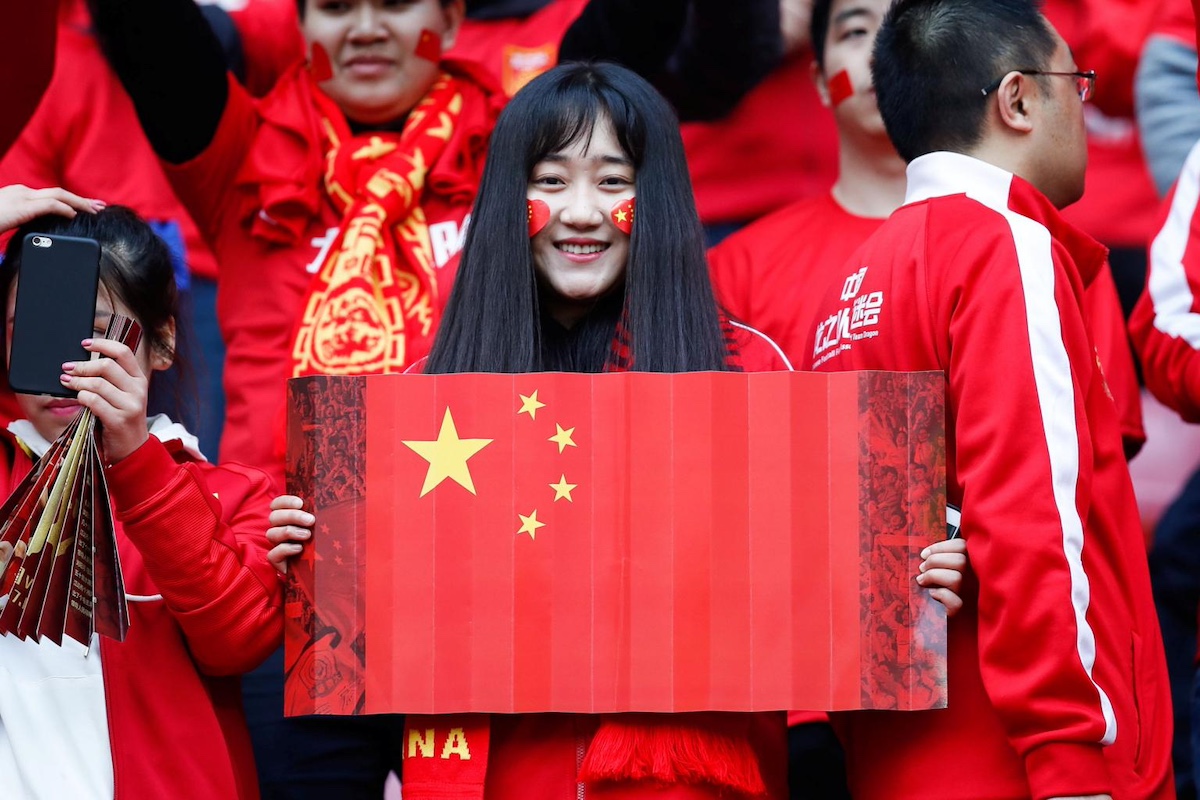
    As the 2026 FIFA World Cup kicks off across North America this summer, a familiar pattern has repeated itself: China’s men’s national team is once again watching the tournament from the outside rather than competing inside it.

    This absence has long been reduced to a tired punchline: how can a nation of 1.4 billion people fail to field 11 world-class footballers? But this oversimplification erases the full context of China’s qualifying campaign. The team did not crash out in the opening stage of Asian qualifiers; instead, it narrowly advanced to the final third round of 2024 qualifying, keeping alive hopes of a first return to the World Cup finals since their solitary debut in 2002.

    Even with the tournament’s expansion to 48 teams and a new, larger allocation of spots for Asian nations, however, China’s run fell short. When their qualifying campaign wrapped, the same longstanding conclusion remained: China’s massive population, growing economic wealth, world-class sports infrastructure and lofty sporting ambitions have not yet combined to produce a consistently competitive men’s national World Cup side.

    What is less often discussed is the reality that there are not one, but two distinct Chinas present at this World Cup — and only one is missing. The absent China is the men’s national team, whose only World Cup appearance to date ended with a goalless group-stage exit in 2002, a record that remains unchanged 24 years later.

    The other China, by contrast, is impossible to miss across every corner of the tournament. It is woven into the event’s commercial framework, cutting-edge technology systems, global consumer branding, global merchandise supply chains, broadcast infrastructure and even its officiating team.

    Major Chinese brands including Lenovo, Hisense and Mengniu are not minor, peripheral players in the multi-billion-dollar World Cup economy. They are core components of the global machinery that makes the event possible, brings it to living rooms across the world and generates revenue from the world’s biggest sporting spectacle. Even Chinese referee Ma Ning has emerged as an unexpected symbol of Chinese participation: with no national team to cheer for, many Chinese football fans have embraced the official as a stand-in for national representation.

    This small, telling detail encapsulates the central paradox of China’s relationship with the modern World Cup: China is missing in the way football fans care about most, but omnipresent in almost every other layer of how the tournament operates. It remains peripheral on the match pitch, but central to all the systems that make the World Cup work off it.

    This paradox reveals a larger truth: it exposes the limits of a development model that has delivered spectacular success across nearly every other sector for China. The country has mastered the art of mobilizing massive capital, setting centralized national targets, and scaling large-scale infrastructure projects at unmatched speed. It built out a global-leading high-speed rail network, become a world leader in electric vehicle manufacturing, constructed world-class ports and solar panel supply chains, and dominated Olympic medal tables in a matter of decades, all at astonishing pace.

    But football defies this top-down, industrial logic. China did not underinvest in the sport — if anything, it over-engineered its development. A landmark national football reform plan released in 2016 promised to build tens of thousands of new pitches and get tens of millions of schoolchildren playing the game regularly. Top-flight Chinese Super League clubs spent hundreds of millions of dollars on high-profile foreign stars, chasing quick global prestige and rapid growth.

    For a short window, it looked like Chinese football would become the next disruptive force in the global game. Then, the fragile foundations of the model began to crack.

    Most top Chinese professional clubs were tied to real estate developers and local government prestige projects, rather than rooted in sustainable, community-focused sporting institutions. When China’s property sector entered a broad slowdown and the COVID-19 pandemic shut down sports for years, the fragility of the professional game was laid bare. Dozens of clubs folded, league finances deteriorated sharply, and high-profile corruption and match-fixing scandals eroded what little public confidence remained.

    The key lesson here is not that China is inherently incapable of producing a world-class football team. It is that football cannot be manufactured like a mass-produced industrial good.

    A vibrant football culture is not built simply by counting the number of new pitches constructed. It grows organically through generations of neighborhood rivalries, well-trained trusted youth coaches, deeply rooted local clubs, intergenerational family fandom, unstructured pickup play, and years of accumulated competitive game time for young talent. It requires enough structure to nurture emerging talent, but enough flexibility for spontaneous creativity to flourish.

    This is where China’s top-down model has struggled. The same system that can produce Olympic champion divers through years of disciplined repetition or elite gymnasts through early specialization cannot easily generate the on-pitch improvisation of a world-class midfielder, the instinctive finishing of a top striker, or the collective cohesive trust that 11 players need to perform under high pressure.

    Compounding this challenge is what analysts call the “academic cliff”: around early adolescence, just as young football talent is starting to mature and deepen, many Chinese children face intensifying pressure from college entrance exams, and most drift away from organized sport. For most Chinese families, pursuing football looks far less like a viable career path and far more like an unnecessary risk to a child’s academic future.

    This dynamic shrinks the available talent pool dramatically before young players can reach their full potential. It also explains why China’s football shortfall has never really been a mystery of population size. A large population does not automatically produce elite teams; football success depends on a robust, accessible development pipeline, not just a large national headcount.

    Today, the most encouraging signs for Chinese football are not coming from another wave of big-spending marquee signings by wealthy clubs. They are growing from the grassroots up.

    Amateur and community-led football has begun to draw growing public and institutional attention. Local amateur leagues, most notably the widely discussed “Suchao” (Village Super League) phenomenon in eastern Jiangsu province, have demonstrated that popular enthusiasm for football in China is far healthier at the social and community level than it is within the formal professional institutional structure. Teachers, software engineers, college students and delivery drivers competing in front of sold-out local crowds will not produce a World Cup-caliber striker overnight, but they are doing something more foundational: they are making football feel like a normal, accessible part of everyday life, which is the first building block of a sustainable national football culture.

    China’s deep commercial roots at this World Cup should not be seen as a consolation prize for its on-pitch absence. Instead, it can serve as a unique platform. Chinese brands that reap the benefits of the World Cup’s massive global visibility could invest in open-access youth leagues, international coaching exchange programs, data and analytics tools for lower-tier local clubs, and need-based scholarships that allow young players to pursue football alongside their academic studies.

    The end goal should not be another cycle of vanity projects and big-name signing sprees. It should be building a patient, organic ecosystem: sustained school-community partnerships, stable financially viable local clubs, improved coach training and education, transparent youth scouting systems, expanded recreational leagues for both boys and girls, and clear development pathways that reassure parents that sporting participation and academic mobility can coexist, rather than compete.

    This last point is non-negotiable. If football is consistently framed as a threat to academic success, China’s pool of young talent will remain artificially small. If it is framed as a complementary activity that builds discipline, teamwork, physical health and long-term opportunity, far more families will allow their children to stay in the game long enough to discover if they have the talent to compete at the highest level.

    So will China qualify for the 2030 World Cup? It is a possibility, but far from a guarantee. The expanded 48-team format makes qualification easier, but it cannot close the gap between China’s off-pitch commercial power and its on-pitch footballing depth. What China does not need is more loud, empty slogans about becoming a global football superpower.

    What it does need is more ordinary football: more children playing for fun, more parents trusting that the development pathway is safe and worthwhile, more local clubs surviving year to year, more coaches improving their craft, and more local community competitions that matter to the people who play and watch them.

    This broader lesson extends far beyond the world of sport. There are some forms of progress that can only grow when centralized authority creates space for local institutions, families and independent clubs to do what top-down national plans cannot. Football rewards patience, spontaneous improvisation and social trust. These are far harder to mandate than large capital investments, but they are exactly the ingredients the game requires to thrive.

    In the end, China’s absence from this summer’s World Cup is not just a failure of national sporting ambition. It is a mirror that reflects the strengths and limitations of China’s modern development model. Off the pitch, China is already a World Cup power: commercially sophisticated, technologically integrated, and symbolically present at the heart of the world’s biggest sporting event. On the pitch, the project remains unfinished.

    If China eventually earns its way back to football’s biggest global stage, it will not be because it found more money to spend. It will be because it learned how to cultivate the organic, patient culture that elite football actually requires. That would be a better story for China, a better story for Asian football, and a better story for the World Cup as a whole.