分类: society

  • UAE weather: Red alert issued for fog; temperatures to dip to 10ºC

    UAE weather: Red alert issued for fog; temperatures to dip to 10ºC

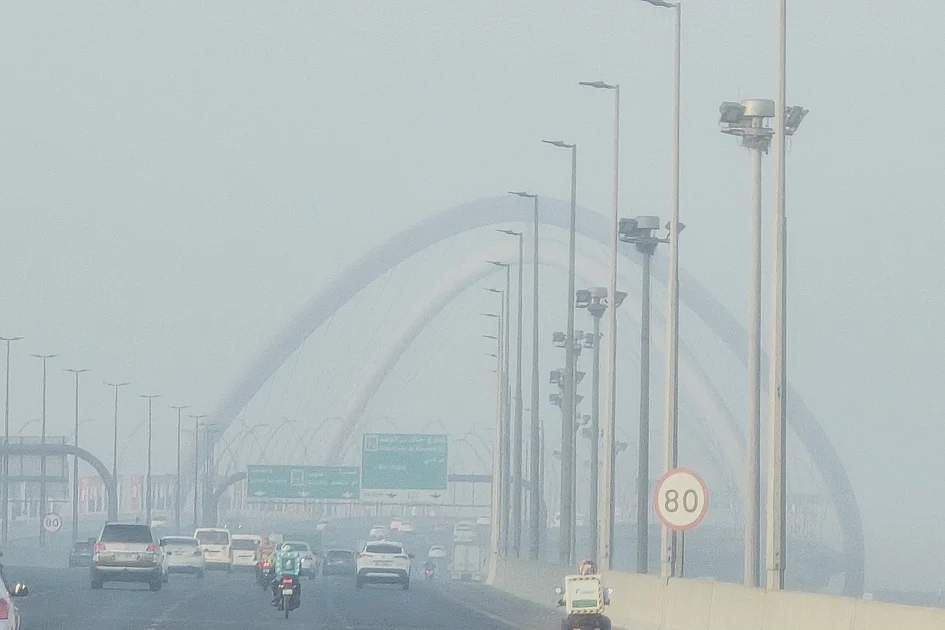
    Meteorological authorities in the United Arab Emirates have escalated weather warnings to red alert status due to persistent fog conditions expected to affect visibility across multiple regions. The National Centre of Meteorology (NCM) has issued the severe weather advisory effective from 1:32 AM until 10:00 AM on Tuesday, January 13, 2026.

    According to the latest forecast, daytime conditions will feature fair to partially cloudy skies with temperature extremes ranging from daytime highs of 25°C in major urban centers to nighttime lows of 10°C in certain interior locations. Abu Dhabi and Dubai will experience minimum temperatures of 15°C and 17°C respectively.

    Meteorologists indicate elevated humidity levels will develop overnight through Wednesday morning, particularly affecting coastal and internal areas. This atmospheric moisture will create ideal conditions for fog or mist formation, potentially reducing visibility to hazardous levels in some districts.

    Surface winds will remain generally light to moderate, originating from southeasterly to northeasterly directions. Wind speeds will typically range between 10-25 km/h with occasional gusts potentially reaching 35 km/h. Maritime conditions in both the Arabian Gulf and Oman Sea are projected to remain calm with slight wave activity.

    The NCM advises residents to exercise heightened caution during morning commutes and to monitor official weather channels for real-time updates. Motorists are specifically urged to maintain safe following distances and utilize fog lights when visibility deteriorates.

  • Local farmers combat desertification in Moyu county of NW China’s Xinjiang

    Local farmers combat desertification in Moyu county of NW China’s Xinjiang

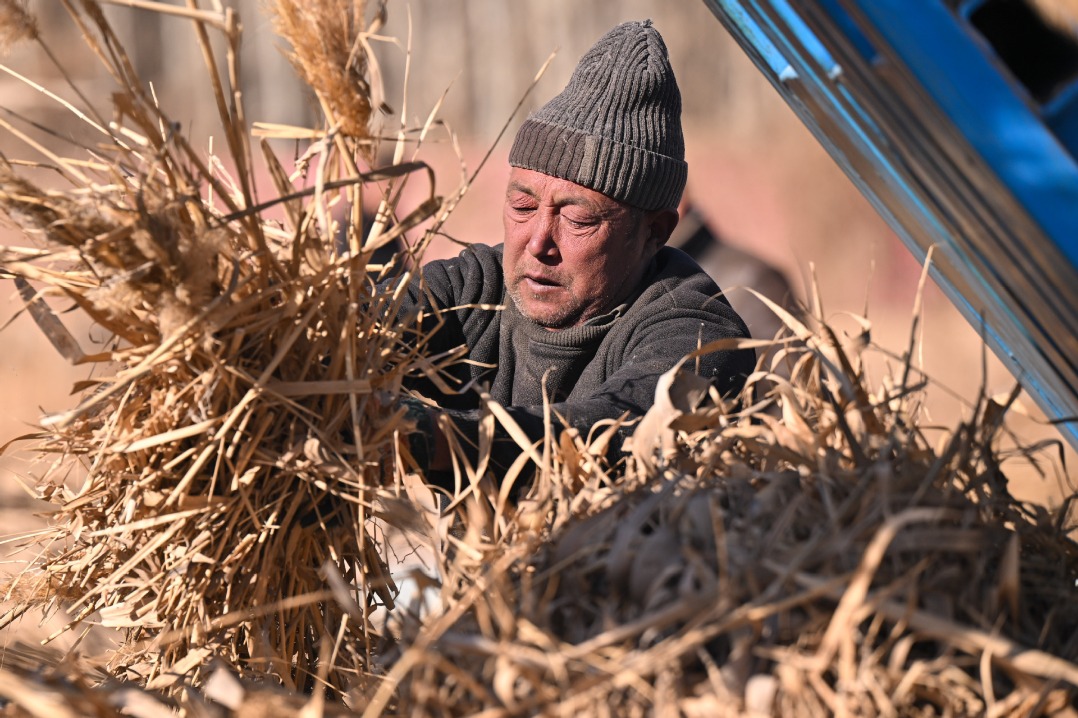
    In the arid landscapes of Moyu county, located within China’s Xinjiang Uygur autonomous region, local agricultural workers are spearheading a remarkable initiative against desert encroachment during their traditional off-season. Despite sub-freezing temperatures, these dedicated farmers are actively constructing extensive reed grid systems in the desert terrain surrounding Kawak township.

    This ambitious ecological endeavor represents a dual-purpose strategy that addresses both environmental conservation and economic development. The desertification prevention program, maintained as a long-term priority for regional authorities, has successfully transformed into a source of supplemental employment for rural communities during agricultural downtime.

    The carefully laid grass grids serve as vital barriers against shifting sands, effectively stabilizing the desert floor and creating sustainable vegetation zones. This method represents a proven technical approach to gradually reclaiming land from desert expansion while simultaneously providing financial benefits to participating families.

    Regional environmental specialists emphasize that these efforts contribute significantly to consolidating ecological security buffers for surrounding communities. The project demonstrates how environmental challenges can be transformed into opportunities for community engagement and economic improvement in China’s northwestern regions.

  • N China’s Hohhot launches winter amusement programs to boost local economy

    N China’s Hohhot launches winter amusement programs to boost local economy

    HOHHOT — The Inner Mongolian capital of Hohhot has embarked on an ambitious winter tourism initiative, launching over 300 specialized amusement programs since December 2025. This comprehensive development strategy combines traditional ice sports with contemporary cultural experiences and modern consumption venues to stimulate economic activity during the traditionally slow tourism season.

    New aerial photography reveals extensive infrastructure development at local skiing resorts, where visitors now enjoy enhanced facilities amid picturesque snowy landscapes. The municipal government’s coordinated effort integrates multiple economic sectors including hospitality, retail, and entertainment under a unified winter tourism banner.

    Beyond conventional winter sports, the programs incorporate cultural elements showcasing Inner Mongolia’s unique heritage alongside modern consumer experiences. This strategic blending of traditional and contemporary attractions aims to create a multifaceted tourism ecosystem that appeals to diverse visitor demographics.

    The initiative represents a significant investment in cold-weather infrastructure, transforming the region’s climatic challenges into economic opportunities. Local businesses report increased patronage while tourism authorities note rising visitor numbers compared to previous winter seasons.

    Economic analysts suggest this approach could serve as a model for other northern Chinese cities seeking to maximize year-round tourism potential. The programs continue through the winter season with ongoing evaluations for potential expansion in subsequent years.

  • UAE temperatures to drop by up to 8°C as coldest winter stretch begins soon

    UAE temperatures to drop by up to 8°C as coldest winter stretch begins soon

    Meteorological authorities have announced an impending cold spell set to sweep across the United Arab Emirates, with temperatures expected to plummet by up to 8°C within a remarkably brief timeframe. The National Centre of Meteorology (NCM) indicates this substantial thermal decline will manifest over a concentrated two-day period commencing January 15th, marking one of winter’s most pronounced cooling episodes.

    Dr. Ahmed Habib, NCM meteorologist, detailed the atmospheric mechanics behind this development, explaining that north-westerly winds will channel colder air masses from northern regions. The thermal transition will initiate in western territories before propagating across the nation. Western sectors will experience an initial decrease of 3-4°C on January 15th, succeeded by additional cooling of approximately 5°C in remaining areas throughout the subsequent 24 hours.

    Mountainous regions will confront the most severe conditions, with temperatures anticipated to descend below 10°C and early morning readings potentially reaching 5-7°C. Coastal zones will maintain comparatively milder conditions, with daytime temperatures stabilizing between 20-22°C, while interior desert locales—particularly areas within Ajman and other inland territories—may experience temperatures dipping below 10°C.

    Complementing the temperature decline, meteorological models predict occasional fresh to strong winds that will amplify the perceived cold through wind chill effects. The thermal disparity between coastal and inland areas stems from seawater’s capacity to gradually absorb and release heat, functioning as a natural temperature regulator that prevents abrupt coastal cooling—a buffering effect absent in desert regions where sand rapidly loses thermal energy.

    Concurrent atmospheric changes include possible early morning fog formation in interior regions and increased cloud coverage, particularly across northern and eastern emirates. Meteorological data suggests potential light precipitation in Ras Al Khaimah and northern Fujairah territories during this period.

  • Viral app bares ‘safety anxiety’ among solo dwellers

    Viral app bares ‘safety anxiety’ among solo dwellers

    A minimalist mobile application named ‘Sileme’ – directly translated as ‘Are You Dead?’ – has unexpectedly surged to the top of China’s paid app charts, revealing deep-seated safety anxieties among the nation’s growing population of solo dwellers. Developed by three Generation Z creators in just one month, the application requires no personal data or login credentials – users simply tap a daily check-in button. Should they miss consecutive check-ins, the system automatically dispatches an email alert to a pre-designated emergency contact.

    The app’s provocative title, far from being perceived as morbid, has resonated with thousands of young professionals like Li Wan, a 25-year-old from Shandong province. For Li, the service represents an 8-yuan ($1.14) investment in peace of mind. ‘I downloaded it because the name was amusing,’ she explained, noting it alleviates her mother’s concerns about her solitary living situation and enhances family communication.

    This digital phenomenon underscores a significant demographic shift detailed in the 2025 China Statistical Yearbook, which reports single-person households now constitute approximately 20% of China’s sampled population. Projections from the Beike Research Institute suggest this demographic could expand to 150-200 million people by 2030.

    Developer Guo, whose team recovered the app’s modest 1,000-yuan development cost shortly after launch, defends the blunt name as culturally significant. ‘The name is direct and reflects a shifting cultural attitude,’ Guo stated, observing that younger generations are becoming less hesitant about discussing mortality. Despite some user feedback requesting softer alternatives like ‘Are You Alive?’, the app’s user base has grown fifty-fold since its introduction, spawning several copycat applications.

    Beyond digital solutions, communities are developing innovative safety nets. In Taiyuan, Shanxi province, elderly residents participate in a ‘curtain signal’ initiative where opening curtains each morning indicates they are safe. Meanwhile, on social platform Douban, female solo dwellers have formed mutual aid communities to exchange services like appliance repairs, avoiding the need to invite strangers into their homes.

    Professor Wen Jun of East China Normal University’s social sciences department cautions that while apps like Sileme provide a valuable starting point, they are not comprehensive solutions. He advocates for stronger collaboration between government and local communities to establish an ‘online-offline synergy’ ensuring no one is left truly isolated during emergencies. As Sileme’s developers consider a potential name change in response to user feedback, the app continues to trend under its original, attention-grabbing title, symbolizing a broader technological response to urban solitude.

  • Online platform helps deputies solve locals’ problems

    Online platform helps deputies solve locals’ problems

    In Yuci District of Jinzhong City, Shanxi Province, a technological innovation is transforming how local representatives address community concerns. The ‘Smart People’s Congress’ platform, launched in 2021 after three years of development, has become a cornerstone of digital governance, enabling unprecedented connectivity between deputies and constituents.

    The platform’s effectiveness was demonstrated during recent winter months when heating inadequacies emerged as a primary concern. Resident Feng Jingkai reported uncomfortably low indoor temperatures through the system after failing to reach customer service via traditional channels. Deputy Cao Xinsheng, 52, immediately coordinated with community officials and heating company representatives to address the issue comprehensively.

    Rather than treating this as an isolated complaint, Cao leveraged the platform to identify systemic patterns. ‘Serving the public isn’t about solving individual issues in isolation,’ Cao explained. ‘It’s about integrating common demands to extend services to broader populations.’

    The resulting solution involved comprehensive optimization measures: the heating company implemented grid-based service coverage with employees joining residential WeChat groups, while establishing a dedicated hotline guaranteeing two-hour response times for heating concerns.

    Technologically, the platform features ten core sections including supervision mechanisms and deputy suggestion management. Each representative receives a unique QR code that citizens can scan to leave messages directly, creating what deputy Chen Liyuan describes as ‘all-time, zero-distance contact’ between officials and community members.

    The data speaks to its success: deputies have uploaded over 21,000 performance records, interacted with citizens more than 600 times, and resolved 606 civil issues through the system. The platform also generates electronic performance files for each deputy, enhancing accountability and service tracking.

    Beyond immediate problem-solving, the technology has facilitated policy development. Deputy Chen Liyuan utilized gathered public opinions to propose elderly care initiatives that resulted in four municipal government documents strengthening senior service development.

    Platform manager Duan Wenyan emphasizes the transformation from ‘scheduled offline meetings to all-time availability,’ while Deputy Cao sees the technology as essential for modern governance: ‘By leveraging digital convenience, we build bridges between the public and government.’

  • ‘Lost essentially everything else’: Woman fighting breast cancer loses home to Victorian bushfires on same day mother dies

    ‘Lost essentially everything else’: Woman fighting breast cancer loses home to Victorian bushfires on same day mother dies

    Amidst the catastrophic bushfires ravaging Victoria, deeply personal stories of profound loss and resilience are emerging from affected communities. These narratives reveal the multi-layered devastation confronting residents as structural losses surpass 350 properties statewide.

    In an extraordinary convergence of misfortune, Harcourt resident Mandy Dashwood experienced two life-altering events simultaneously—the destruction of her home occurred on the very day her mother passed away. Compounding these tragedies, Ms. Dashwood is currently undergoing treatment for breast cancer. Her niece, Remi Goldrick, established a crowdfunding campaign to support recovery efforts, noting that while insurance provides some coverage, it cannot compensate for the immense personal toll and lost time required for rebuilding. Describing her aunt as having created ‘a beautiful sanctuary filled with love,’ Ms. Goldrick emphasized that Ms. Dashwood has dedicated years to assisting vulnerable Australians experiencing domestic violence.

    Another heartbreaking account involves Lynda Quinton, a single mother of five whose Harcourt property was ‘absolutely decimated’ by the uncontrolled blazes. The family escaped with minimal possessions—a few photographs and their pets—while losing virtually all other belongings including clothing, furniture, and household essentials. Ms. Quinton, deeply embedded in the local community through her children’s school attendance and participation in community events, now faces complete displacement.

    Further north in Longwood, Ruben and Carolina Fuentes witnessed their family farmhouse—described as the ‘heart of their farm’—destroyed within hours. The couple lost essential infrastructure, equipment, tools, and irreplaceable family memorabilia. Their son Rueben noted the particular cruelty of their situation given their extensive volunteer work with a fortnightly food bank program that supports migrants with meals and clothing.

    These individual stories reflect the broader crisis as fire authorities continue combating uncontrolled blazes across Victoria. The emerging pattern reveals not just property destruction but the complete unraveling of lives, livelihoods, and community networks, with recovery expected to involve extensive and costly cleanup operations before rebuilding can commence.

  • Adelaide Writers Week canceled as 180 speakers withdraw after the exclusion of a Palestinian writer

    Adelaide Writers Week canceled as 180 speakers withdraw after the exclusion of a Palestinian writer

    Australia’s premier literary gathering, Adelaide Writers Week, has been abruptly canceled following the withdrawal of over 180 authors and speakers in protest of the disinvitation of prominent Australian-Palestinian writer Dr. Randa Abdel-Fattah. The festival’s board initially rescinded Abdel-Fattah’s invitation on January 8th, citing unspecified “previous statements” and cultural sensitivities following December’s antisemitic mass shooting at Sydney’s Bondi Beach that killed 15 people.

    The board emphasized that their decision was unrelated to any connection between Abdel-Fattah’s work and the tragedy, though they provided no specific examples of problematic statements. The author, known for her fiction and nonfiction works addressing Islamophobia, condemned the move as outright censorship, arguing the board had effectively declared her “mere presence” culturally insensitive.

    The controversy escalated dramatically as literary luminaries including British novelist Zadie Smith and former New Zealand Prime Minister Jacinda Ardern joined the boycott. Festival Director Louise Adler, identifying as Jewish Australian, resigned in protest, stating she could not “be party to silencing writers.” By Tuesday, approximately 70% of scheduled participants had withdrawn, forcing complete cancellation of the event scheduled for late February.

    The festival organization issued an apology on Facebook for “how the decision was represented” but maintained their action reflected “a continuing rapid shift in the national discourse around freedom of expression” post-terror attack. Abdel-Fattah rejected this apology as insufficient, calling her exclusion “a blatant act of anti-Palestinian racism.”

    Background lobbying emerged from the Jewish Community Council of South Australia, with state Premier Peter Malinauskus supporting Abdel-Fattah’s removal. The cancellation carries significant economic impact—the 2025 event attracted 160,000 attendees and generated millions in revenue alongside hundreds of jobs.

    This cultural firestorm unfolds amid Australia’s broader national reckoning with hate speech legislation and public discourse boundaries following the Bondi massacre. Prime Minister Anthony Albanese has announced tightened gun controls, lowered thresholds for hate speech prosecutions, and a royal commission into antisemitism, with a national day of mourning scheduled for January 22.

  • Poverty relief transitions to governance

    Poverty relief transitions to governance

    China has entered a new phase in its rural development strategy, transitioning from time-bound poverty alleviation campaigns to establishing permanent governance mechanisms against poverty recurrence. This strategic shift emerged as a central theme at the recent annual central working conference on agriculture, where President Xi Jinping emphasized consolidating poverty eradication achievements and integrating continuous assistance measures within the broader rural vitalization framework.

    Agricultural experts identify this conference as marking a fundamental transformation in approach—from temporary support initiatives to sustainable structural governance. Professor Cheng Guoqiang, Director of the National Food Security Strategy Research Institute at Renmin University, notes that preventing poverty has evolved into a permanent component of China’s rural development strategy rather than a temporary mission. This represents a philosophical shift from ‘problem-solving’ to ‘system governance,’ providing long-term security for rural residents while ensuring the sustainability of anti-poverty accomplishments.

    The new strategy emphasizes creating diversified income streams for farmers beyond traditional agricultural dependence. Conference participants advocated for enhanced income protection mechanisms for grain producers through refined pricing policies, subsidies, and agricultural insurance. Additionally, the plan includes improving services for migrant workers and supporting entrepreneurship among those returning to their hometowns.

    Dr. Hu Bingchuan, researcher at the Chinese Academy of Social Sciences’ Rural Development Institute, explains that with China embarking on its 15th Five-Year Plan period (2026-30), sustained income growth for farmers forms the foundation for agricultural modernization and common prosperity. The approach recognizes limitations in relying solely on agricultural production, particularly given low bulk commodity prices and rising production costs that squeeze profit margins.

    The revised strategy positions counties as fundamental units for advancing urban-rural integration and rural revitalization. It promotes developing ‘county-level industries that enrich local communities’ through agricultural processing, cold-chain logistics, and rural tourism. Crucially, this approach aims to deepen farmers’ participation in industrial chains rather than limiting them to primary production, enabling them to share in value-added gains instead of passively enduring market fluctuations.

  • ‘Micro sports areas’ boost students’ fitness, fun

    ‘Micro sports areas’ boost students’ fitness, fun

    Educational institutions across China are undergoing a transformative approach to student wellness through the innovative creation of micro sports areas. These compact athletic zones, strategically implemented in previously underutilized campus spaces, are revolutionizing physical activity participation among students.

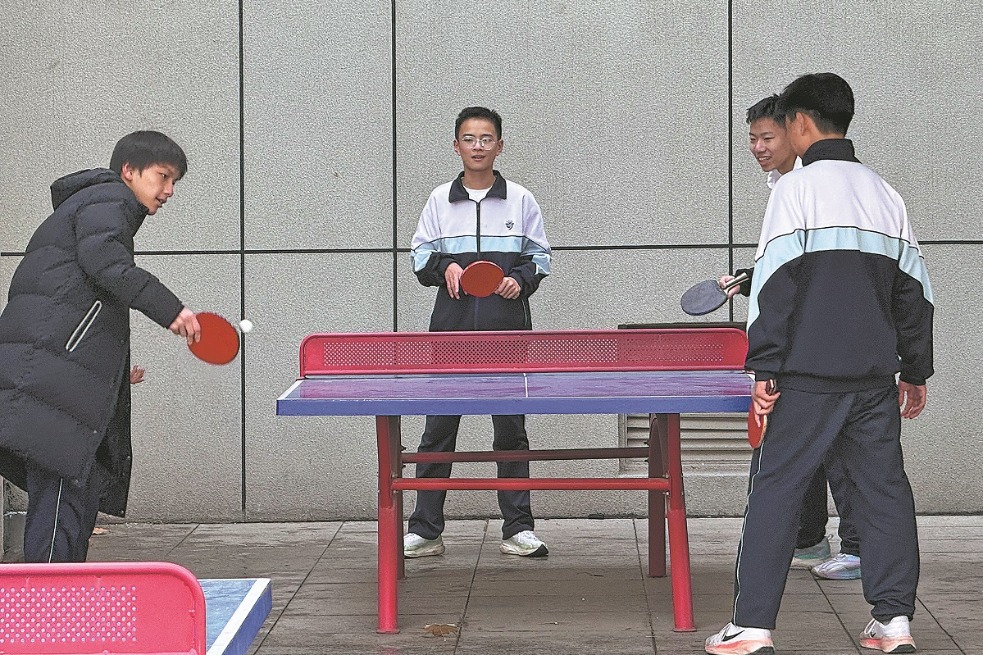
    At Jinan No. 9 Middle School in Shandong Province, the class break transformation is particularly noticeable. Where students once remained sedentary during short breaks, they now enthusiastically engage in table tennis matches and badminton games using removable nets. The school has effectively converted scattered, neglected corners into vibrant hubs of physical activity.

    Physical education teacher Song Zhijiu observes that previously limited facilities discouraged student exercise participation. ‘By optimizing our campus spatial configuration, we’ve developed easily accessible zones that significantly increase student involvement in diverse physical activities,’ he noted.

    The initiative extends beyond mere physical benefits, fostering an organic sports culture where students voluntarily assume roles as referees, scorekeepers, and cheerleaders. Principal Du Haifeng reports noticeable improvements in student motivation and academic performance correlation with increased physical activity.

    Zhijinshi Street Primary School exemplifies vertical space innovation, installing overhead bells for jumping activities, calibrated height markers on basketball structures, and compact climbing installations. PE instructor Zhang Shuo emphasizes their philosophy: ‘Physical activities shouldn’t be confined to specific schedules or locations. We’re creating continuous opportunities for children to develop stronger physiques through play.’

    The data demonstrates compelling results: Zhijinshi Street Primary has witnessed a 30% increase in physical activity participation coupled with a 5% reduction in overall myopia rates among students.

    This educational movement spans nationally, with schools repurposing rooftops, corridors, and stairwells into accessible micro playgrounds. Jiyang Experimental No. 2 Primary School has extended this concept beyond campus boundaries, converting idle adjacent land into a multi-functional fitness area shared with local community members during off-peak hours.

    The collective impact is substantiated by provincial metrics: Jinan’s 2024 physical fitness assessment average reached 81.36 points, accompanied by an 8% decrease in obesity rates and a fourth consecutive annual decline in myopia prevalence.

    According to Song Yu, Deputy Director of Jinan Municipal Education Bureau, ‘The strategic conversion of underutilized spaces—including vertical dimensions—into micro sports areas has substantially expanded physical activity opportunities across our educational institutions.’