分类: society

  • Flash floods, exhaustion: UAE hikers urged to take mountain risks seriously

    Flash floods, exhaustion: UAE hikers urged to take mountain risks seriously

    Mountain safety authorities and medical professionals across the United Arab Emirates are issuing urgent warnings to novice hikers as outdoor exploration gains unprecedented popularity. According to seasoned adventurers, the majority of mountain emergencies stem not from misfortune but from inadequate preparation and dangerous overestimation of capabilities.

    Mohammad Abdullah Alblooshi, an Emirati adventurer from Kalba and active member of the 7Hikers Adventure Team, emphasizes that successful hiking begins long before reaching the trailhead. “Physical conditioning and mental preparedness form the essential foundation for any mountain excursion, particularly for beginners,” Alblooshi states. He stresses that honest self-assessment of abilities is crucial given the spectrum of trail difficulties, from gentle pathways to technically demanding routes requiring advanced skills and endurance.

    Specialized equipment proves vital for safety, with Alblooshi cautioning against conventional athletic wear. Proper hiking footwear, trekking poles, and purpose-built backpacks provide critical stability on uneven terrain. Hydration demands particular attention, with recommendations of 2-3 liters of water per person supplemented by energy-rich snacks. Safety equipment including helmets, harnesses, and illumination devices should never be omitted, alongside fully charged communication devices and navigation tools.

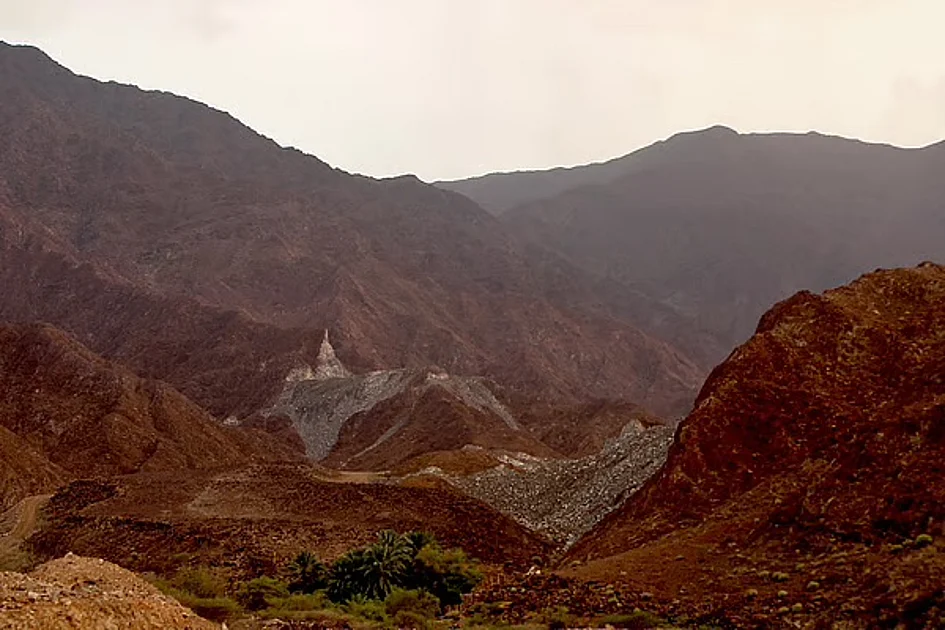
    The human factor presents significant risks, with many incidents originating from preventable errors: excessive speed, inattention to footing, mobile phone distraction, and disregard for weather conditions. Mountain rainfall poses exceptional danger due to flash flood potential in valley areas, even when precipitation isn’t visible to hikers. Alblooshi recounts the tragic loss of two experienced companions in Oman when distant rainfall triggered sudden valley flooding—a stark reminder of nature’s unpredictability.

    Ahmad Essa Al Mansoori, leader of the Adventure with Nature team, recommends progressive fitness building through regular walking or jogging before attempting trails. Virtual preparation through instructional videos and expert guidance can provide valuable pre-hike awareness. Guides typically assess participants’ physical readiness through basic indicators including weight-height ratio, breathing patterns during warm-ups, and regular exercise habits.

    Medical professionals report treating concerning patterns of hiking-related emergencies. Dr. Jaspreet Kaur, internal medicine specialist at RAK Hospital, notes that beyond common sprains and fractures, emergency departments are seeing cases of heat exhaustion, hypothermia, electrolyte imbalance, and hypoglycemia. Novice hikers frequently experience overexertion injuries from progressing too rapidly, exacerbated by improper footwear and insufficient hydration.

    Warning signs requiring immediate attention include mental confusion, coordination loss, chest pain, or breathing difficulties disproportionate to exertion. Pre-existing conditions such as asthma, cardiac issues, and diabetes may be dangerously aggravated during hiking activities. Medical experts concur that recognizing physical limits represents wisdom rather than weakness, with turnback decisions potentially preventing serious emergencies.

    The consensus among outdoor professionals and medical authorities remains clear: responsible preparation, respect for natural forces, and honest self-assessment transform potential tragedies into rewarding wilderness experiences.

  • Japanese mayor apologises after calling staff ‘human scum’

    Japanese mayor apologises after calling staff ‘human scum’

    In an extraordinary public confrontation that has shocked Japan’s political establishment, Yokohama Mayor Takeharu Yamanaka has issued a formal apology following damning harassment allegations leveled by the city’s own human resources director. The scandal erupted when Jun Kubota, the municipality’s top personnel official, held an unprecedented press conference to detail what he described as a pattern of abusive behavior from the mayor.

    Kubota presented a disturbing catalog of alleged verbal abuses, claiming Yamanaka routinely deployed dehumanizing language including calling municipal staff ‘idiots,’ ‘human scum,’ ‘useless,’ and ‘low-spec’ employees. The HR chief further asserted that the mayor made inappropriate comments about subordinates’ physical appearances and compared them to animals in what workplace experts would classify as classic power harassment.

    The most severe allegation involved Kubota’s claim that Yamanaka threatened him with ritual suicide demands, telling the official he would have to ‘commit seppuku’ if he failed to secure an international conference bid for the city—a remark that crosses into potentially criminal intimidation under Japan’s workplace laws.

    Initially, Mayor Yamanaka denied all allegations through a statement on his personal website. However, facing mounting pressure, he subsequently acknowledged partial responsibility during a Friday press conference. ‘I want to frankly apologize for placing a psychological burden on the personnel director,’ Yamanaka stated, conceding he had used terms like ‘idiot’ and ‘human scum’ during personnel evaluation discussions.

    While admitting to some verbal misconduct, the mayor denied other accusations including making comments about physical appearances. He announced that an investigation supervised by the deputy mayor was being considered, promising his ‘sincere’ cooperation should such a probe move forward.

    Kubota immediately rejected the partial apology as insufficient, stating: ‘The mayor doesn’t understand anything. I cannot accept that as an apology. I want him to change.’ The public nature of this confrontation between a sitting mayor and his senior HR official represents a remarkable breach of Japan’s typically reserved bureaucratic culture, signaling potentially significant repercussions for municipal governance and workplace practices nationwide.

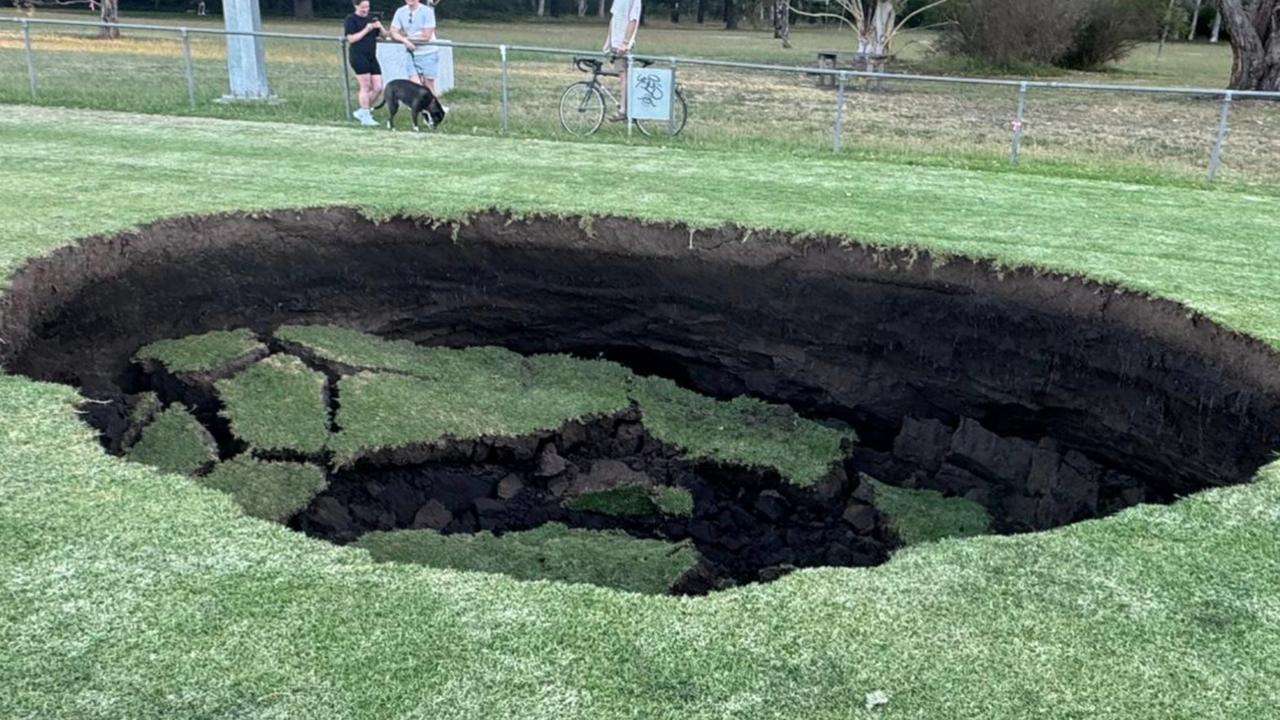
  • ‘Should not have taken place’: How a single tunnel test triggered an eight-metre sinkhole in Melbourne

    ‘Should not have taken place’: How a single tunnel test triggered an eight-metre sinkhole in Melbourne

    A government investigation has concluded that a massive sinkhole that appeared at a popular Melbourne sporting ground earlier this year resulted from a preventable pressure test conducted by tunnel workers. The eight-meter chasm emerged at AJ Burkitt Oval in Heidelberg, located near one of Victoria’s largest tunnel infrastructure projects, causing significant community concern and requiring immediate safety fencing.

    Paul Roth, Interim CEO of VIDA Roads—the government body overseeing major projects including the North East Link and West Gate Tunnel—stated that the pressure test performed by tunnel boring machine operators destabilized geologically complex ground conditions. Despite having comprehensive geological data indicating the challenging subsurface environment, workers proceeded with the test which ultimately triggered the collapse.

    “This is a very serious incident, and we’ve taken it very seriously,” Roth told media on Friday following the conclusion of investigations. “We are exceptionally disappointed and share the community’s disappointment and frustration.” He explicitly acknowledged that the test “should not have taken place” and confirmed the incident was preventable.

    Authorities report that North East Link boring machines were operating directly beneath AJ Burkitt Reserve when the incident occurred. While workers had successfully navigated through the complex geological zone as planned, the subsequent pressure test caused the ground collapse. Despite the significant incident, Roth confirmed the $26 billion tunnel project would not experience delays or additional costs due to the sinkhole.

    Remediation work has already commenced, with crews filling the massive hole with concrete. Restoration efforts including returfing the affected area are expected to be completed by March. WorkSafe continues to monitor the situation as repair operations progress.

  • India’s astrotourism boom draws urban stargazers beyond city limits

    India’s astrotourism boom draws urban stargazers beyond city limits

    On frigid winter evenings, hundreds of kilometers from India’s urban centers, a new phenomenon is unfolding as urban residents gather around telescopes in remote locations. This growing movement toward ‘astrotourism’ represents a fundamental shift in travel preferences, with dark skies becoming as compelling a attraction as traditional monuments or wildlife sanctuaries.

    While stargazing was once primarily the domain of amateur astronomers and scientific clubs, it has now entered the mainstream consciousness. The catalyst for this transformation stems from severe light pollution and deteriorating air quality in metropolitan areas like Delhi, where the night sky has become virtually invisible to the naked eye.

    The scale of this emerging trend is demonstrated by dramatic visitor increases at designated dark-sky locations. Hanle, a remote village in Ladakh’s cold desert designated as India’s first dark-sky reserve in 2022, witnessed visitor numbers surge from approximately 5,000 to over 30,000 annually according to Dorje Angchuk, engineer-in-charge at the Indian Astronomical Observatory.

    Private enterprises are reporting similar growth patterns. Astroport Global, which offers specialized stargazing experiences and astronomy workshops across five resort locations, has seen participation explode from mere hundreds to approximately 20,000 visitors annually.

    The scientific explanation for this migration to high-altitude regions lies in atmospheric conditions. Astronomers utilize the Bortle dark-sky scale (ranging from 1 to 9) to measure sky clarity. Urban centers like Delhi typically register between 8-9, where only the brightest celestial bodies remain visible. Professor Jasjeet Singh Bagla of the Indian Institute of Science Education and Research explains that when PM2.5 particulate levels exceed 100, most constellations and deep-space objects disappear entirely from view.

    In contrast, high-altitude regions including parts of Rajasthan, Himachal Pradesh, Uttarakhand, and Ladakh offer significantly darker skies ranked around 4 on the Bortle scale. Colder nighttime temperatures in these areas push pollutants closer to ground level, creating ideal conditions for celestial observation where the Milky Way becomes visible without optical assistance.

    The economic model for astrotourism involves basic stargazing workshops priced around 1,200 rupees ($13) per person, excluding accommodation and travel. Extended stays at specialized resorts typically range from 8,000 to 12,000 rupees, with premium facilities commanding higher rates. Winter months attract peak interest due to optimal visibility conditions created by low humidity and exceptionally clear skies.

    Beyond recreational value, the experience carries profound personal significance for many urban participants. For numerous city dwellers, these journeys represent not merely scientific education but an emotional reconnection with night skies reminiscent of childhood memories before urban expansion obscured celestial views.

    The movement has generated substantial economic benefits for remote communities. Hanle has experienced a sharp increase in small hotel establishments over the past three years, creating new employment opportunities for local youth trained as guides and astronomical ambassadors.

    According to Dr. Sachin Bahmba, founder of the Space Group of Companies, the experiential aspect transforms abstract scientific concepts into tangible reality: ‘When people look through a telescope or watch a meteor shower, space science stops being theoretical. The experience sparks genuine curiosity, questions, and organic learning.’

    State authorities in Himalayan regions including Uttarakhand and Himachal Pradesh are now formally supporting this trend through training programs in telescope operation and celestial observation techniques.

    Significant challenges remain for sector development. Remote locations like Ladakh involve substantial travel expenses that limit accessibility. India currently maintains only one officially recognized dark-sky reserve at Hanle, with another emerging at Pench Tiger Reserve in Madhya Pradesh. Unlike Western nations, India lacks organized dark-sky advocacy groups, though awareness is gradually increasing.

    Urban expansion and unregulated lighting continue to diminish natural dark skies near metropolitan areas, complicating efforts to develop accessible alternatives. Despite government initiatives, observatory-community collaborations, and resort adoption of low-light practices, experts acknowledge the sector requires considerable development.

    For urban residents, these astronomical excursions represent more than leisure activities—they provide rare opportunities to reconnect with a natural spectacle that has quietly vanished from daily urban life.

  • Dubai: Month-long Ramadan Market to begin on Jan 17 with food zone, free abra rides

    Dubai: Month-long Ramadan Market to begin on Jan 17 with food zone, free abra rides

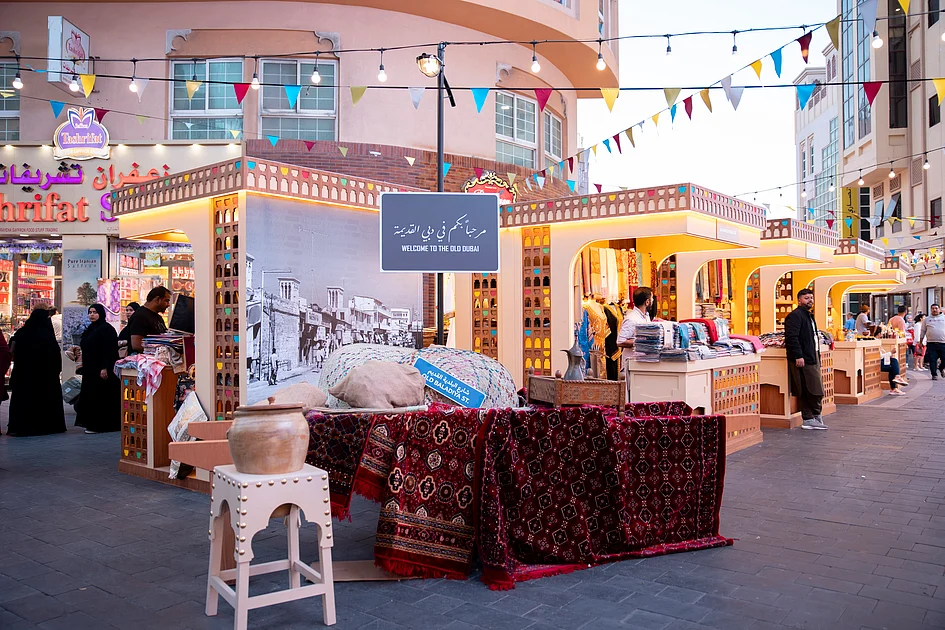
    Dubai inaugurates its annual Ramadan Market on January 17th, transforming Old Municipality Street in Deira into a vibrant cultural hub that will operate through February 15th. The month-long event, personally launched by Sheikh Hamdan bin Mohammed bin Rashid Al Maktoum, Crown Prince of Dubai, forms part of the broader ‘Season of Wulfa’ initiative aimed at preserving Emirati heritage while reinforcing Dubai’s global reputation for cultural tolerance and coexistence.

    The market serves as an integrated community platform that beautifully merges traditional Ramadan preparations with contemporary entertainment experiences. Visitors can explore specialized zones featuring authentic Emirati heritage products including traditional clothing, date-based delicacies, perfumes, spices, and Ramadan essentials. A dedicated food zone hosts over 10 restaurants offering diverse Emirati and international cuisines, complemented by additional culinary stations throughout the venue.

    Cultural programming includes live performances of traditional Emirati folk arts, educational workshops for children, cultural competitions, and special activities commemorating mid-Sha’ban. The spatial design incorporates a welcoming entrance portal, artisan demonstration areas, and an events square hosting Ramadan recitations and historical storytelling drawn from Dubai’s archives.

    Enhancing accessibility between historic districts, Dubai Municipality will operate complimentary abra boats transporting visitors between Bur Dubai and Deira daily from 10:00 AM to 10:00 PM. The market specifically emphasizes inclusivity through active participation of People of Determination and local entrepreneurs.

    According to Asem Al Qassim, Director of Architectural Heritage and Antiquities at Dubai Municipality, this initiative reflects the municipality’s commitment to revitalizing historic markets as living cultural spaces while supporting local economic activity. The event aligns strategically with Dubai Urban Plan 2040 objectives to enhance quality of life and transform heritage locations into dynamic tourism destinations.

  • British police chief resigns after criticism for decision to ban Maccabi Tel Aviv fans

    British police chief resigns after criticism for decision to ban Maccabi Tel Aviv fans

    A senior British police commissioner has stepped down from his position following intense criticism over his handling of a contentious decision to prohibit Israeli football supporters from attending a European match in England. Chief Constable Craig Guildford of West Midlands Police announced his retirement on Friday after facing mounting pressure regarding the controversial ban on Maccabi Tel Aviv fans attending the Europa League fixture against Aston Villa in Birmingham.

    The resignation comes after UK Home Secretary Shabana Mahmood publicly expressed her loss of confidence in Guildford’s leadership, citing serious concerns about the intelligence assessment methods used to justify the security measure. An official review by the chief inspector of constabulary identified significant flaws in how local police gathered and evaluated risk information concerning the Israeli club’s supporters.

    During parliamentary hearings, Guildford acknowledged that portions of the evidence presented to support the ban contained inaccuracies, including reference to a non-existent match between Maccabi Tel Aviv and West Ham United that was incorrectly documented using artificial intelligence tools. Despite this admission, the police chief maintained that the decision was a necessary precaution for public safety rather than an antisemitic action.

    The controversy emerged from intelligence shared by Dutch authorities regarding Maccabi fan behavior during a November 2024 match in Amsterdam. According to documents obtained by media outlets, Dutch police characterized hundreds of Maccabi supporters as ‘experienced fighters’ with military connections who displayed highly organized violent tendencies. Video evidence from the Amsterdam incident showed fans attacking local residents and chanting racist slogans.

    Independent MP Ayoub Khan, representing Birmingham Perry Barr where Aston Villa is based, condemned Guildford’s treatment as a ‘dark and shameful chapter,’ accusing authorities of scapegoating an honorable official who prevented potential violence. This incident reflects broader concerns about football-related violence, with Israeli authorities having previously canceled domestic matches involving Maccabi Tel Aviv due to fan riots and security concerns.

  • ‘UAE is guiding star’: Awqaf forum highlights how nation became beacon of safety

    ‘UAE is guiding star’: Awqaf forum highlights how nation became beacon of safety

    Under the spiritual inspiration of Al Isra wal Miraj, Al Ain hosted the second season of the Wal-Najm Forum, organized by the General Authority of Islamic Affairs, Endowments and Zakat (Awqaf). Themed “Mawaqiʿ Al-Nujum: Values and Sciences,” the event served as a platform to reinforce the Emirati family’s crucial role in preserving national identity while cultivating generations that harmonize faith with contemporary knowledge.

    Omar Habtoor Al Darei, Chairman of Awqaf, articulated that under President Sheikh Mohamed bin Zayed Al Nahyan’s leadership, the UAE has crafted a distinctive national paradigm that merges robust values with scientific openness. He characterized the nation as “a beacon of safety and an enduring human value,” emphasizing dignity-centered development. Al Darei elaborated on the forum’s celestial symbolism, noting that in Islamic tradition, stars represent profound guidance and elevated principles rather than mere astronomical phenomena—drawing a parallel to the UAE’s role as a guiding star that extends genuine goodness to humanity.

    The forum featured an insightful panel discussion examining the family unit as the primary guardian of cultural values, while stressing the necessity of synergistic collaboration between families and educational institutions to prepare students for future challenges without compromising core principles.

    Zaki Anwar Nusseibeh, Cultural Adviser to the UAE President, highlighted the nation’s unique development approach where technological advancement consistently aligns with cultural authenticity. He noted that UAE leaders have been recognized “for their ethics before their achievements and for their values before their policies.”

    Sarah bint Yousif Al Amiri, Minister of Education, addressed the integration of future-oriented subjects like artificial intelligence and programming into curricula, clarifying that technology serves as a tool whose value derives from its application. She emphasized that preserving national identity requires “a strong and effective partnership between schools and families.”

    The event concluded with ceremonies honoring winners of the Hafeet Religious Talents Competition, which attracted 705 participants from 450 institutions, including 26 determined individuals with special needs, and engaged over 11,000 voters during public voting phases. The forum was attended by Sheikh Mohammed bin Hamdan bin Zayed Al Nahyan, along with numerous ministers, officials, and intellectual leaders.

  • Dubai Police issue strong warning against viral skull-breaking, choking challenges

    Dubai Police issue strong warning against viral skull-breaking, choking challenges

    Dubai Police have escalated their public safety campaign with a stark warning regarding dangerous viral trends circulating on social media platforms. Authorities specifically identified life-threatening challenges including skull-breaking maneuvers, choking games, and breath-holding contests that have gained traction among adolescent users seeking online validation.

    In an official video statement released Friday, law enforcement emphasized these reckless practices have resulted in critical injuries and fatalities internationally. The police department highlighted the particular vulnerability of teenagers who may underestimate severe consequences while pursuing excitement or social media recognition.

    This advisory represents the latest in ongoing efforts to combat hazardous online behavior. The initiative follows previous warnings issued by UAE educational authorities in 2020 concerning similarly perilous TikTok trends that caused numerous adolescent injuries worldwide, including detergent consumption dares and coordinated falling pranks.

    Dubai Police have implemented a dual-faceted approach: encouraging familial intervention through open conversations about digital dangers while establishing reporting mechanisms via emergency line 901 and the ‘Police Eye’ smart application service. The comprehensive strategy aims to address both peer pressure dynamics and the pursuit of online popularity that drive participation in these hazardous activities.

    Law enforcement officials reiterated that parental vigilance and proactive communication remain essential safeguards against potentially fatal imitation of social media content.

  • Record number of black-necked cranes arrive at Guizhou’s nature reserve

    Record number of black-necked cranes arrive at Guizhou’s nature reserve

    Guizhou’s Caohai National Nature Reserve has witnessed an extraordinary ecological phenomenon this winter, with monitoring data revealing an unprecedented arrival of 2,898 black-necked cranes—the highest number ever recorded at the sanctuary. The spectacular migration event, documented on January 16, 2026, represents a significant milestone in conservation efforts for this rare highland species.

    The reserve, located in Weining county of Bijie, has become a critical winter haven for these majestic birds, with officials noting a remarkable surge in family groups accompanied by chicks. This demographic shift indicates exceptionally successful breeding seasons and points to improving environmental conditions within their natural habitats.

    Black-necked cranes (Grus nigricollis), distinguished as the only crane species endemic to China’s high-altitude regions, rely exclusively on specific wetland and grassland ecosystems for survival. Their migration patterns serve as a vital indicator of ecological health, making this record-breaking congregation particularly significant for conservation biologists.

    Local authorities have intensified monitoring efforts, implementing advanced tracking technologies to study migration routes and behavioral patterns. The data collected provides invaluable insights into habitat preferences and conservation requirements for this vulnerable species listed as Class I protected under China’s Wildlife Protection Law.

    Environmental specialists attribute this positive trend to enhanced conservation measures, including wetland restoration projects and community-based protection initiatives that have transformed the reserve into an increasingly hospitable environment for wintering species. The growing crane population demonstrates how targeted ecological preservation can yield tangible results for biodiversity.

  • New morning and evening peak-hour trains to run between Beijing and Xiong’an

    New morning and evening peak-hour trains to run between Beijing and Xiong’an

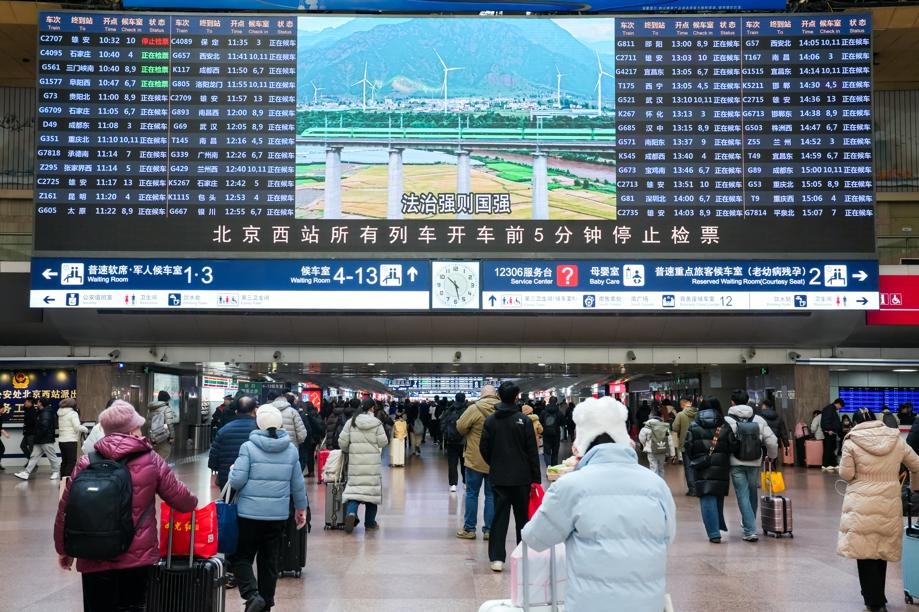
    China’s rail infrastructure advances with significant upgrades to Beijing-Xiong’an connectivity as new morning and evening commuter services launch January 26. The strategic enhancement establishes a pioneering regional high-speed loop connecting major transportation hubs across the Beijing-Tianjin-Hebei triangle.

    The China Railway Beijing Group implemented these schedule modifications specifically to address growing commuter demands while supporting the ongoing development of Xiong’an New Area. This newly emerging city, situated in Hebei Province near the capital, represents a key component of regional integration efforts.

    For the first time, rush-hour operations will feature a comprehensive circular route linking Beijing West Station, Baoding East, Baiyangdian (Xiong’an’s primary station), Tianjin West, and Beijing Daxing International Airport. The morning service G8859/60 departs Beijing West, stopping at Baoding East and Baiyangdian before reaching Tianjin West, completing the journey in 65 minutes. The return evening service G8861/2 reverses this route with a travel time of 76 minutes.

    Supplementing this circular service, the Beijing-Xiong’an intercity railway adds an additional pair of peak-hour trains. Railway authorities emphasize that these improvements will substantially reduce travel durations while strengthening regional rail integration. The enhanced connectivity specifically supports enterprises and personnel relocated from Beijing to Xiong’an, facilitating smoother settlement and development processes in the new urban center.