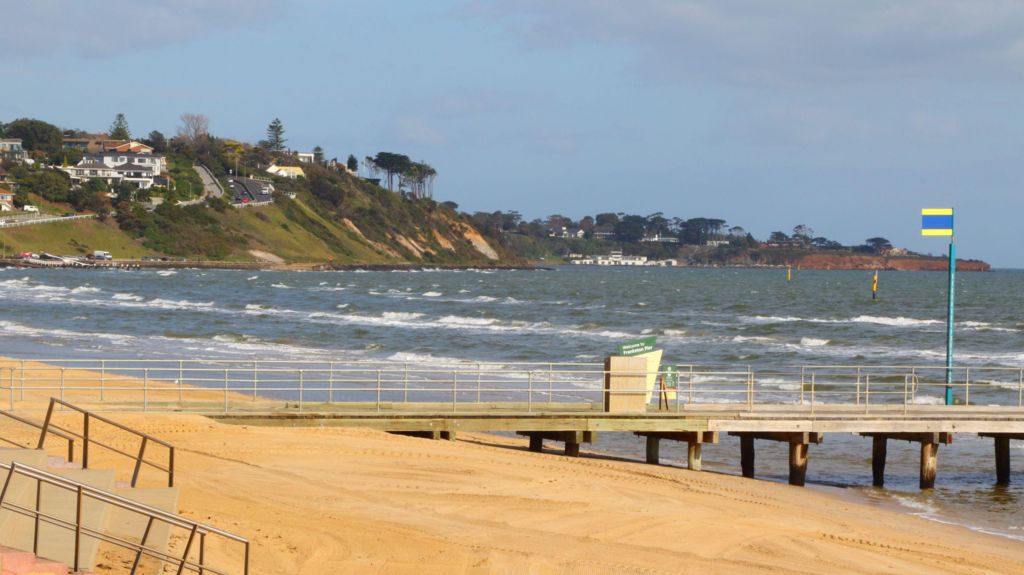
A tragic incident unfolded at Frankston Beach, located approximately 45 kilometers southeast of Melbourne, Australia, on Wednesday afternoon, resulting in the deaths of two individuals. The victims, a 36-year-old British surfer and his 43-year-old friend, succumbed to the perilous conditions brought on by severe weather. Authorities were alerted to the scene after reports of two men struggling in the water. Despite a swift response from emergency services, including a police helicopter that arrived within 15 minutes, both men were pronounced dead after being winched back to shore. The officer involved in the rescue also required medical attention after ingesting water but was later released from the hospital. The identities of the deceased have not been formally released as their families are yet to be notified. Detective Inspector Melissa Nixon, who addressed the media, emphasized that the surfer had minimal experience and was likely in the early stages of learning the sport. She highlighted that the weather conditions, characterized by wind gusts of up to 130 kilometers per hour, were highly unsuitable for any water activities. The friend, who attempted to rescue the surfer after his board snapped, also fell victim to the treacherous waves. Nixon described the scene as deeply distressing and underscored that the fatalities could have been avoided. She urged the public to refrain from surfing or swimming during hazardous weather conditions to prevent similar tragedies. The incident serves as a stark reminder of the dangers posed by unpredictable natural elements and the importance of adhering to safety warnings.
分类: society
-

TikTok creator and US marshal shot during LA immigration raid
A TikTok creator and a U.S. marshal sustained injuries during an immigration enforcement operation in Los Angeles on Tuesday, according to officials. The incident occurred when Carlitos Ricardo Parias, a 44-year-old Mexican national accused of being in the U.S. illegally, allegedly rammed his vehicle into law enforcement cars while attempting to evade arrest. Officers fired shots, striking Parias in the elbow, while a ricochet bullet injured a marshal in the hand. Both individuals were hospitalized with non-life-threatening injuries. Parias, known for documenting ICE activities in Los Angeles on social media, has been charged with assault on a federal officer. He was previously recognized by a city councilman for his efforts to keep the community informed and protected. His court hearing, initially scheduled for Wednesday, has been postponed. Tricia McLaughlin, a DHS spokeswoman, linked the incident to the rhetoric of sanctuary politicians and activists, claiming a significant rise in threats against law enforcement. The U.S. Attorney’s Office stated that Parias had previously evaded capture and was the subject of an administrative immigration arrest warrant. During the operation, agents boxed in Parias’ vehicle, but he allegedly ignored commands to surrender, striking two law enforcement cars. LA City Councilman Curren Price expressed solidarity with Parias, calling him a pillar of the community. This incident occurs amid increased ICE raids under the Trump administration’s crackdown on undocumented immigration, which has sparked protests and backlash in Southern California, home to an estimated 1.4 million undocumented immigrants.
-

‘No photography allowed’: UAE authority informs residents of drill
The Ras Al Khaimah Police in the UAE have announced a comprehensive emergency response drill scheduled for Thursday, October 23, 2025. The exercise, aimed at simulating disaster preparedness, will take place at Wadi Al Bih, starting at 8:30 AM. Authorities have emphasized the involvement of military vehicles and urged residents to facilitate unobstructed movement for participating personnel. In a public advisory, residents were instructed to avoid the drill area, refrain from photography or filming, and abstain from spreading unverified information. Official sources were highlighted as the sole reliable channels for updates. The drill underscores the UAE’s commitment to enhancing emergency response capabilities and ensuring public safety during potential crises.
-

MP names person of interest in Cheryl Grimmer disappearance case
In a dramatic turn of events, the identity of a key person of interest in the 1970 disappearance of three-year-old Cheryl Grimmer has been revealed in the New South Wales parliament. The man, referred to as Mercury, was named by Jeremy Buckingham, a member of the Legislative Council, using parliamentary privilege. Mercury’s identity had been legally protected until now. Cheryl vanished from Fairy Meadow beach in Wollongong, Australia, on January 12, 1970, while her family was packing up after a day at the beach. Despite extensive searches, no trace of her was ever found. In 2017, Mercury was charged with her abduction and murder based on a teenage confession from 1971. However, the case was dismissed after a judge ruled the confession inadmissible. Mercury maintains his innocence. Cheryl’s family, who migrated to Australia from Bristol as part of the Ten Pound Poms scheme, has endured decades of anguish. They have been pushing for a fresh investigation since the case collapsed six years ago. Last week, they issued an ultimatum to Mercury, urging him to reveal his identity and clarify the details of his confession. The family has also criticized the handling of the case by NSW authorities, releasing a document detailing alleged missteps. Despite a four-year review of the case concluding there was no new evidence to secure a conviction, the family remains hopeful. Recent searches using cadaver detection dogs in an “area of interest” yielded only animal bones. Meanwhile, NSW Police have defended their efforts, emphasizing that homicide detectives continue to investigate and a A$1 million reward for information remains active. In a broader context, the NSW parliament has announced an inquiry into long-term missing persons cases, including Cheryl’s, to evaluate investigative practices and improve outcomes.
-
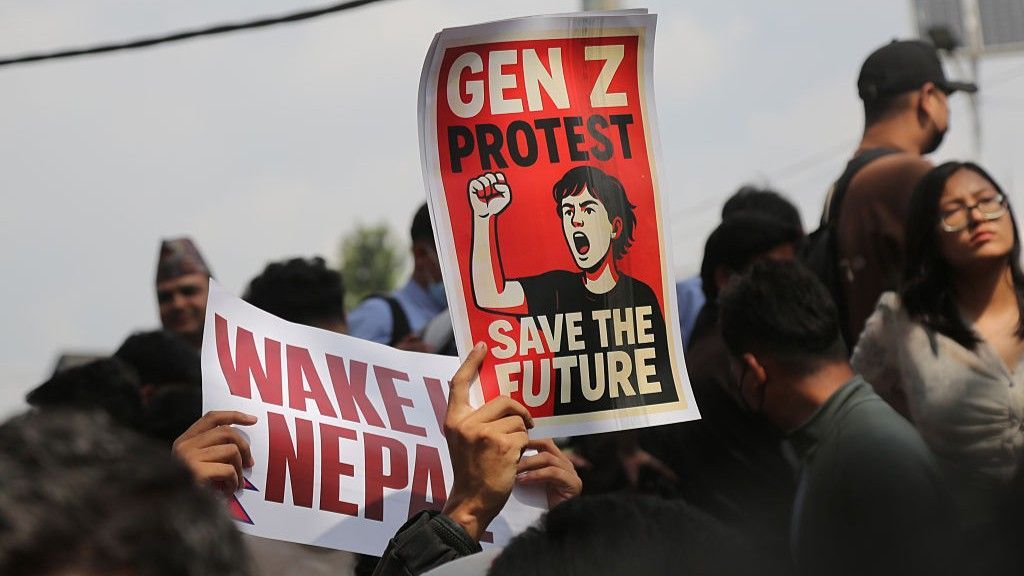
Gen Z rising? Why young Indians aren’t taking to the streets
India’s Generation Z, comprising over 370 million individuals under 25, represents nearly a quarter of the nation’s population. Armed with smartphones and social media, they are hyper-connected and acutely aware of political corruption, inequality, and economic pressures. However, their activism remains subdued compared to their peers in Asia and Africa, where youth-led movements have toppled governments and forced significant political changes. In Nepal, young protesters dismantled a government in just 48 hours, while in Madagascar and Bangladesh, youth uprisings led to regime changes. In India, despite sporadic protests—such as those in Ladakh demanding statehood—a unified national movement remains elusive. The fear of being labeled ‘anti-national,’ regional and caste divides, and economic anxieties deter widespread mobilization. Experts argue that India’s Gen Z is too fragmented by linguistic, regional, and caste identities to coalesce into a singular force. While urban youth rally for job opportunities and infrastructure, Dalit youth focus on caste discrimination, and Tamil-speaking youth advocate for regional rights. The government, recognizing the potential of this demographic, claims to prioritize youth policies. Yet, economic pressures and waning trust in traditional politics persist. Only 38% of 18-year-olds registered to vote in the 2024 elections, reflecting a broader disengagement. Despite their muted dissent, India’s Gen Z remains watchful, their aspirations for change unmistakably clear.
-

Watch: Mum helps evacuate 22 schoolchildren from bus as it catches fire
In a remarkable act of bravery, a mother and a bus driver successfully evacuated 22 schoolchildren from a bus that caught fire near East Bethel Elementary in Minnesota. The incident, which could have ended in tragedy, was averted thanks to their quick thinking and decisive actions. The mother, whose identity has not been disclosed, was on the scene and immediately sprang into action when she noticed the bus engulfed in flames. Working alongside the bus driver, they ensured that all the children were safely evacuated without any injuries. The school community, including parents and school leaders, have since expressed their deep gratitude and admiration for the duo’s heroic efforts. The incident has also sparked discussions about the importance of emergency preparedness and the need for regular safety drills in schools. Authorities are investigating the cause of the fire, but the focus remains on the commendable actions of the mother and the bus driver, who have been hailed as local heroes.
-

Jingdezhen a ‘rare space’ for creators, French ceramic artist says
Jingdezhen, renowned as the ‘porcelain capital’ of China, continues to attract global artists seeking inspiration and collaboration. French ceramic artist Manon Valle recently returned to the city for the third time, participating in the Jingdezhen International Ceramic Expo held from October 18 to 22. Valle emphasized that Jingdezhen offers a unique environment where creators from diverse cultural backgrounds can converge, exchange ideas, and foster artistic growth. The city’s vibrant artist-in-residence community has become a melting pot of creativity, enabling cross-cultural dialogue and innovation. Valle’s experience underscores Jingdezhen’s enduring significance as a hub for artistic exchange and its role in bridging global artistic communities. The expo, a key event in the ceramic art world, further solidifies Jingdezhen’s reputation as a center for both traditional craftsmanship and contemporary artistic exploration.
-
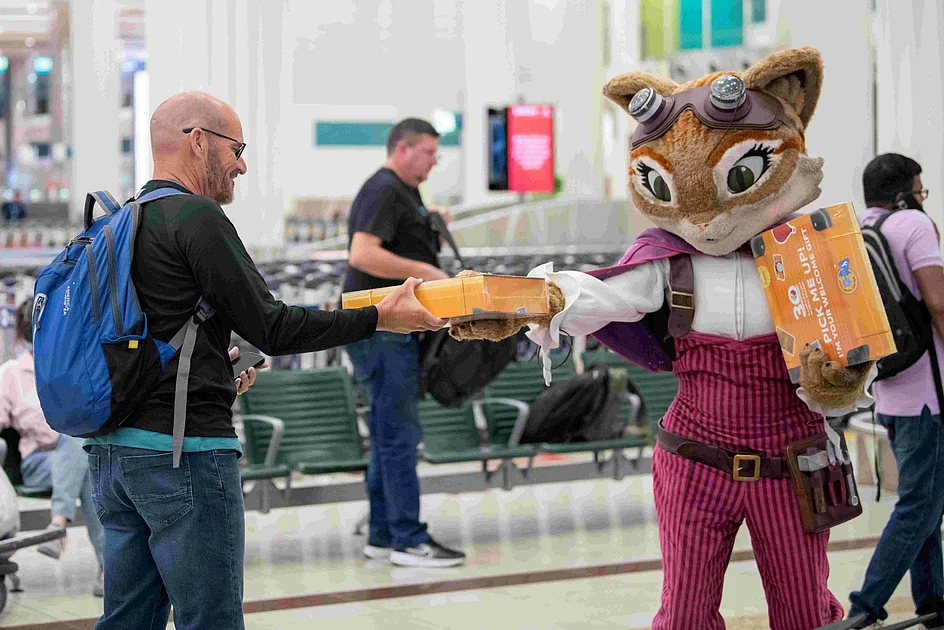
Look: Global Village mascots hand out freebies, gift boxes to passengers at DXB
In a heartwarming gesture to mark the commencement of its 30th season, Global Village brought smiles to the faces of 1,000 passengers arriving at Terminal 3 of Dubai International Airport (DXB). The iconic mascots of Global Village—Zoya, Waleef, and Ozka—were stationed at the baggage claim area, distributing specially curated gift boxes to unsuspecting travelers. Each box, adorned with the inviting message ‘Pick me up! I’m your welcome gift,’ contained exclusive memorabilia from the landmark season, including themed water bottles and tote bags. The mascots not only handed out the gifts but also engaged with passengers, posing for photos and creating a festive atmosphere. This initiative, part of the celebrations for Global Village’s 30th anniversary, highlights the destination’s commitment to spreading joy and creating memorable experiences for visitors. The event underscores Dubai’s reputation as a city that welcomes travelers with warmth and creativity.
-
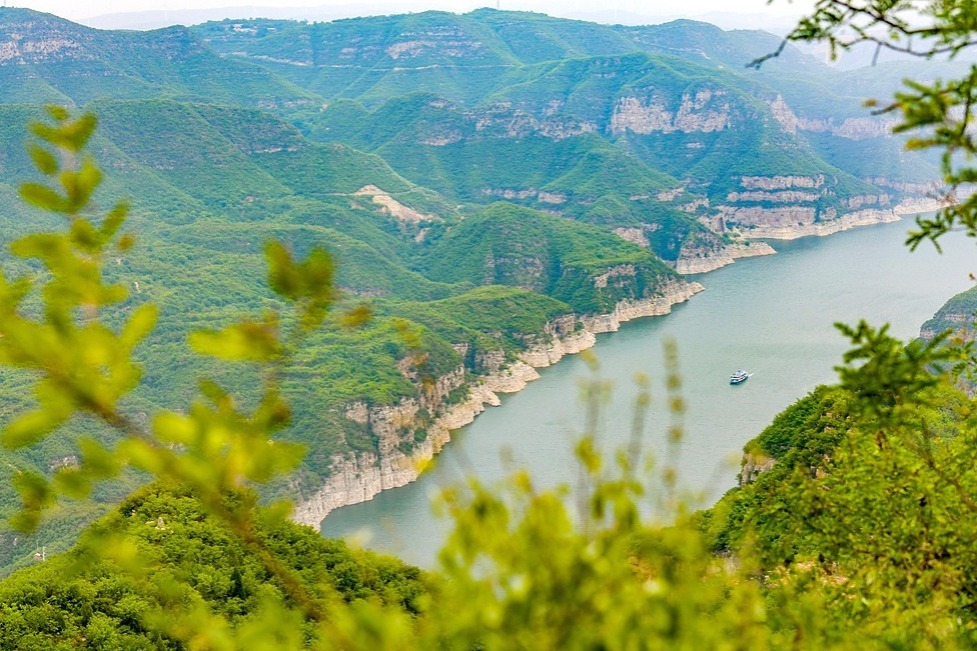
China revitalizes 88 key rivers, lakes in ecological restoration drive
China has marked a significant milestone in its ecological restoration efforts, successfully revitalizing 88 key rivers and lakes across the nation by the end of September 2025. This achievement, announced by the Ministry of Water Resources, is part of the ‘Mother River Rejuvenation’ action plan launched in 2022. The initiative aims to restore ecological flows to waterways that had been dry for decades, addressing long-standing environmental challenges. Tailored restoration strategies were implemented for each water body, considering their unique geographical and ecological conditions. Notable successes include the Yellow River maintaining uninterrupted flow for 26 consecutive years and the Beijing-Hangzhou Grand Canal, which had been dry for a century, now flowing continuously for four years. In the Haihe River Basin, once plagued by severe water scarcity and pollution, systematic rehabilitation has reversed ecological degradation. The Yongding River, which had dry sections for 26 years, has seen water flow through its entire length for five years, while Baiyangdian Lake, a crucial wetland in northern China, has maintained stable ecological water levels for seven years. Looking ahead, China plans to expand the program to more river basins and establish long-term mechanisms for sustaining these ecological improvements. The ministry emphasized the importance of continuing tailored restoration approaches to enhance the health of the nation’s waterways.
-

A march of faith: 74-year-old Hong Kong man retraces the Long March on foot
In a remarkable tribute to history and resilience, 74-year-old Hong Kong resident Michael Cheng Chun-Yim recently completed a year-long journey retracing the Red Army’s legendary Long March. On October 19, Cheng arrived in Wuqi township, Shaanxi province, marking the exact 90th anniversary of the Red Army’s arrival at the same location. His journey began in Yudu county, Jiangxi province, and spanned over 300 days, covering approximately 5,000 kilometers across eight provincial-level regions. Cheng traversed mountains, grasslands, and endured extreme weather conditions, embodying the spirit of perseverance and unity that defined the Long March. For Cheng, this was not merely a physical challenge but a profound exploration of China’s rapid development and historical legacy. ‘I wanted to understand my country not from books, but with my own feet,’ he remarked. Cheng views the Long March as a metaphor for life, emphasizing the enduring relevance of faith and determination in today’s prosperous era. His journey serves as an inspiring reminder of the sacrifices made by the Red Army and the timeless lessons of their struggle.