
In response to an unexpected early cold snap, the Beijing Commission of Urban Management has mandated that all heating service providers complete essential preparations by October 31. These include system pressurization, water filling, cold-run debugging, and household inspections to ensure centralized heating systems are operational by November 1. The commission has intensified its collaboration with the Beijing Meteorological Observatory since mid-October to monitor the unusually cold weather. The city will rely on meteorological data to determine the precise timing for activating heating systems, adhering to established protocols. Approximately 1.07 billion square meters of urban areas in Beijing will benefit from centralized heating, with 701 million square meters allocated for residential use and 369 million square meters for nonresidential purposes. This year, Beijing has addressed over 950 potential hazards, upgraded around 1,300 kilometers of outdated heating pipelines, and implemented smart retrofitting for heating systems in 30 million square meters of existing buildings. On October 22, the city recorded its first sub-zero temperature of the autumn. Zhao Wei, the chief forecaster, described the cold wave as ‘seeping,’ with successive waves of cold air preventing a quick temperature rebound. While temperatures are expected to rise gradually, minor fluctuations may occur due to weak cold air movements later in the month.
分类: society
-

China’s national anthem: A battle cry
The March of the Volunteers, China’s national anthem, is more than just a melody — it is a powerful rallying cry that unites millions. When its notes rise, they evoke a profound sense of patriotism and determination. The anthem, with its stirring lyrics, calls upon the people to rise together, face adversity, and march forward with unwavering courage. Each word and note carries the weight of history, embodying the spirit of resilience and unity that has defined China’s journey. Beyond its role as a national symbol, the anthem serves as a reminder of the collective strength and shared purpose that continue to inspire the nation. Its timeless message resonates deeply, igniting hearts and uniting minds in a common cause.
-
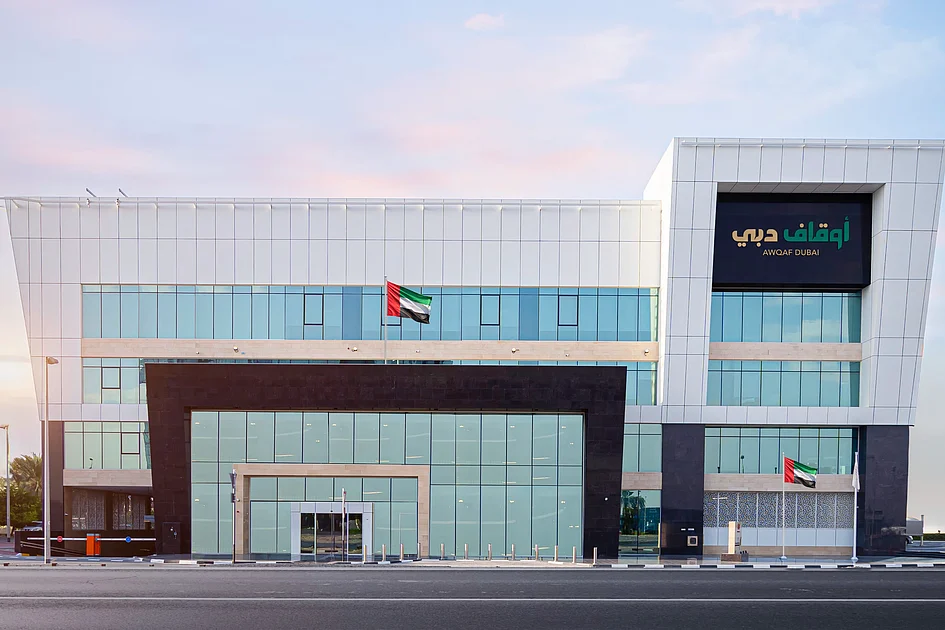
UAE businessman donates 7 buildings in Dubai worth Dh110 million for charity
In a remarkable act of philanthropy, Emirati businessman and former diplomat Hamad bin Ahmed bin Salem Al Hajri has donated seven buildings in prime locations across Dubai, with an estimated market value of Dh110 million. The generous endowment, facilitated through Awqaf Dubai (the Endowments and Minors’ Affairs Foundation), is one of the largest real estate contributions of the year. The donated properties, located in Sheikh Mohammed bin Rashid Gardens, Al Hebiah Fourth, and Al Murraqad, are officially registered and will generate sustainable revenue for community development projects. Al Hajri described the initiative as a Sadaqah Jariyah, a form of continuous charity, dedicated to himself and his late parents, aiming to create a lasting philanthropic legacy. The proceeds will support various charitable causes under Awqaf Dubai, ensuring long-term benefits for future generations. Ali Al Mutawa, Secretary-General of Awqaf Dubai, praised the donation as a reflection of the UAE’s spirit of generosity and its commitment to sustainable charitable work. He emphasized that such initiatives inspire both individuals and institutions to contribute to humanitarian, educational, healthcare, and service projects. Awqaf Dubai currently manages endowment assets valued at Dh11.1 billion across 1,043 Waqfs from 578 donors, showcasing the community’s strong cohesion and humanitarian responsibility. This donation continues the legacy of giving established by the UAE’s founding father, Sheikh Zayed bin Sultan Al Nahyan, and upheld by the nation’s leadership.
-

Hong Kong revving up the talent engine
Hong Kong is undergoing a transformative educational overhaul aimed at positioning itself as a global hub for innovation and technology. Spearheaded by Chief Executive John Lee Ka-chiu, the reforms focus on bridging the talent gap by increasing the intake of international students, enhancing academia-industry collaboration, and addressing critical infrastructure needs such as student housing. The initiative aligns with the nation’s 14th Five-Year Plan, emphasizing the cultivation of a diverse, market-ready talent pool to drive strategic sectors like artificial intelligence, new energy technology, and pharmaceuticals. Projections from the Labour and Welfare Bureau highlight the urgency of these reforms, with demand for inno-tech professionals expected to surge to over 100,000 by 2028. Key measures include raising the admission ceiling for nonlocal students to 50% of funded local student places and expanding research postgraduate programs. Additionally, the government is incentivizing the conversion of underused commercial buildings into student dormitories and designating universities of applied sciences to foster vocational learning. The reforms also promote cross-boundary collaboration within the Guangdong-Hong Kong-Macao Greater Bay Area, facilitating seamless employment and study opportunities. A HK$40 million grant will bolster international marketing efforts under the theme ‘Hong Kong: Your World-class Campus,’ showcasing the city’s academic excellence. Tech leaders emphasize the need for a supportive entrepreneurial ecosystem, including safety nets for failed ventures, improved investment platforms, and streamlined cross-boundary channels. These comprehensive measures aim to transform Hong Kong into a thriving innovation powerhouse, leveraging its unique position to commercialize cutting-edge technologies and attract global talent.
-

Ghana’s former First Lady Nana Konadu Rawlings dies aged 76
Ghana is in mourning following the passing of Nana Konadu Agyeman-Rawlings, the nation’s former First Lady, who died at the age of 76. Mrs. Agyeman-Rawlings, the widow of Ghana’s longest-serving leader, Jerry John Rawlings, passed away on Thursday morning after a brief illness, as confirmed by Ghanaian presidential spokesperson Felix Kwakye Ofosu. Her death has sparked an outpouring of tributes across social media, reflecting her significant impact on the country. Mrs. Agyeman-Rawlings became First Lady in June 1979, a role she held during her husband’s tumultuous political career, which included leading two coups and being elected president twice in multiparty elections. During her tenure, she founded the 31st December Women’s Movement, a non-governmental organization established in 1981, named after the date of her husband’s second coup. The organization has been instrumental in empowering women, teaching them skills to generate income and contribute to community development. Her legacy as a champion for women’s rights and social progress continues to resonate across Ghana and beyond.
-

Illinois candidate’s grandchildren among family killed in helicopter crash
Illinois gubernatorial candidate Darren Bailey is grappling with an unimaginable tragedy after four of his family members perished in a helicopter crash. The devastating incident occurred on Wednesday in Ekalaka, Montana, claiming the lives of Bailey’s son Zachary, his wife Kelsey, and their two children, Vada Rose, 12, and Samuel, seven. The couple’s third child, a 10-year-old boy, was not on board and survived the accident. Bailey and his wife, Cindy, expressed profound grief over the loss, describing it as ‘heartbreaking’ and requesting privacy as they navigate this deeply painful period. The family is drawing strength from their faith, the support of loved ones, and the outpouring of prayers from the community. Bailey, a Republican grain farmer, is currently campaigning for the Illinois governorship in the upcoming election. He previously ran for governor in 2022 but was defeated by Democrat JB Pritzker in a highly competitive race marked by significant financial contributions from both sides. Bailey also sought a seat in the U.S. House of Representatives in 2024 but was unsuccessful. He has a history of public service, having served in both houses of the Illinois state legislature, representing southern Illinois. Pritzker, upon learning of the tragedy, expressed his devastation and extended his condolences to the Bailey family. In a statement posted on X, he wrote, ‘Our prayers and deep condolences are with the Baileys in this time of grief. May the memories of their loved ones be a blessing.’
-
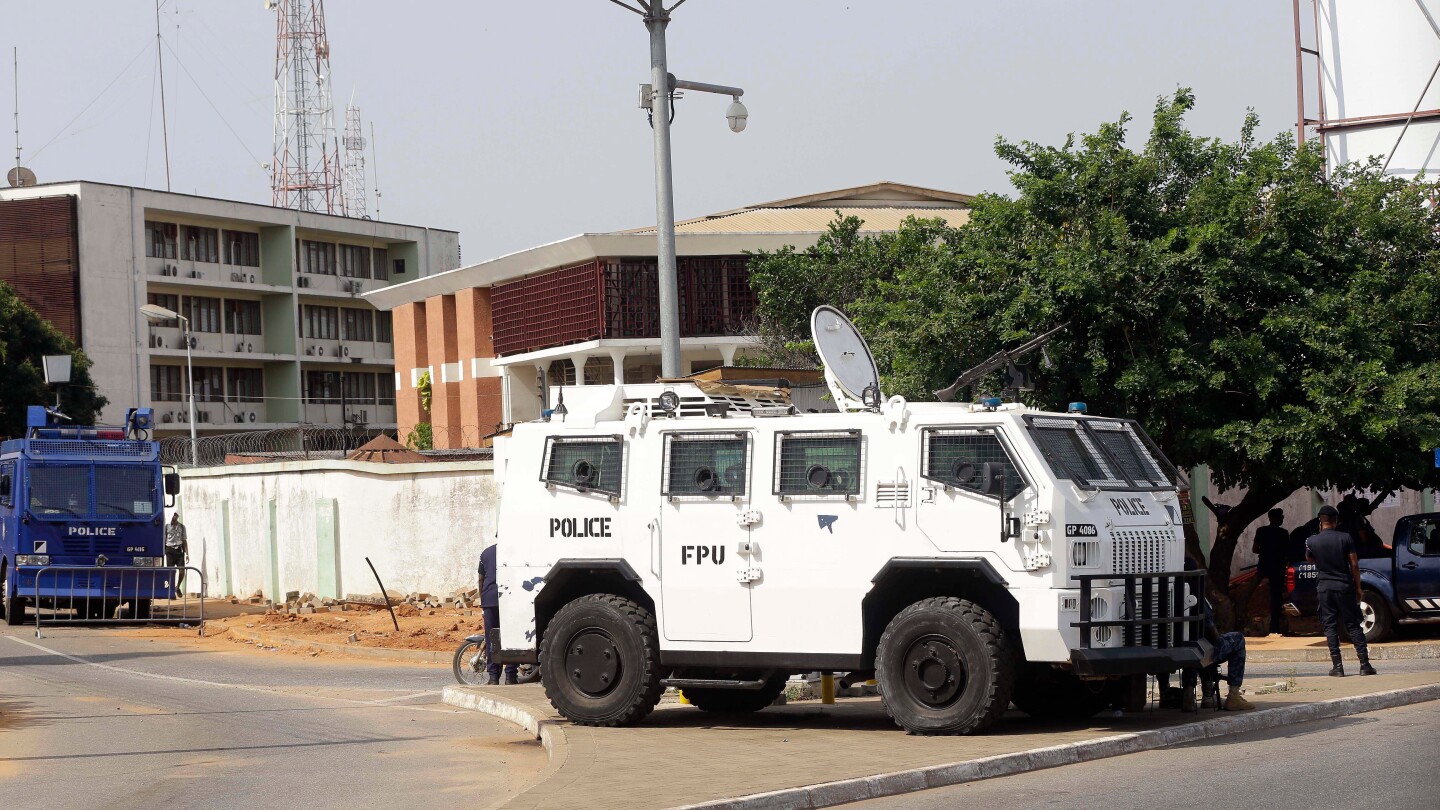
Ghana police rescue 57 Nigerians in crackdown on human trafficking and cybercrime
In a significant crackdown on human trafficking and cybercrime, Ghanaian police have rescued 57 Nigerian nationals and arrested five suspects allegedly involved in a sophisticated criminal operation. The raid, conducted on Wednesday in a suburban area of Accra, uncovered a facility where victims, aged between 18 and 26, were forced to participate in online romance scams. Authorities seized 77 laptops, 38 mobile phones, two vehicles, three television sets, and various internet-enabled devices from the location. The suspects reportedly lured victims with promises of lucrative job opportunities in Ghana, only to coerce them into illegal activities upon arrival. The Criminal Investigations Department confirmed that all rescued individuals are receiving necessary care, though their repatriation timeline remains unspecified. This incident highlights the persistent issue of human trafficking in West Africa, particularly in Ghana, where victims are often exploited for cybercrime and prostitution. Earlier this year, Ghana’s Ministry of Gender, Children and Social Protection reported 79 prosecutions and 54 convictions related to human trafficking between 2023 and 2024. The operation aligns with broader regional efforts, as Interpol recently coordinated a cybercrime crackdown across 14 African countries, resulting in 260 arrests and the recovery of nearly $2.8 million lost to scams.
-

Dubai: 18-year-old Indian student dies suddenly one day after Diwali
In a heartbreaking incident, Vaishnav Krishnakumar, an 18-year-old Indian student and recipient of the UAE Golden Visa, passed away suddenly in Dubai just one day after Diwali celebrations. The young scholar, who was pursuing his first year of BBA in Marketing at Middlesex University Dubai, collapsed outside his home late Tuesday evening, with the preliminary cause of death identified as cardiac arrest.
-
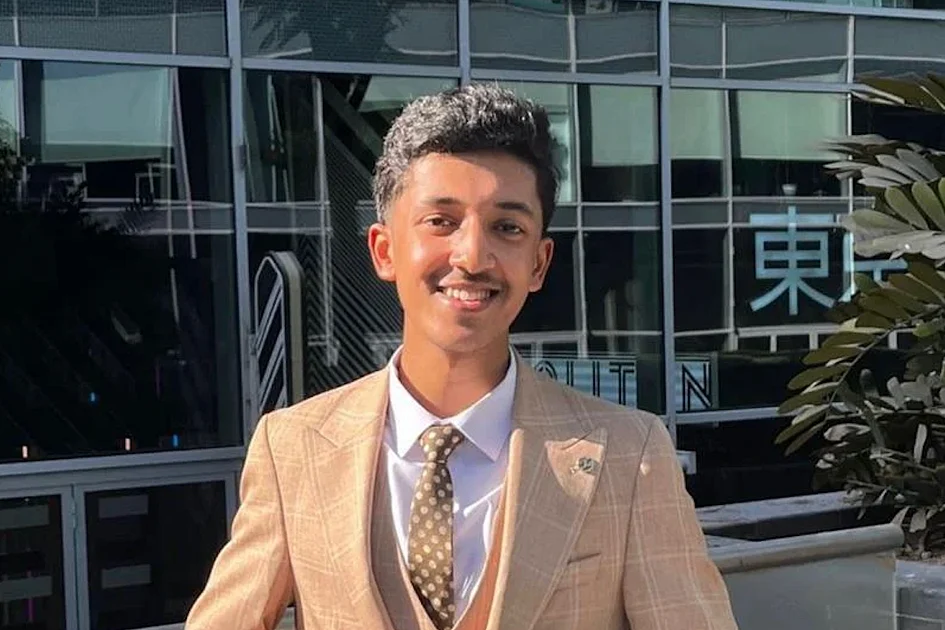
Dubai: Indian teen’s family ‘inconsolable’ after sudden demise
The sudden demise of 18-year-old Vaishnav Krishnakumar during a Diwali celebration in Dubai has left his family and community in profound grief. Described as an extraordinary individual, Vaishnav was a top student, a leader in his school, and a role model to many. His uncle, Nitish, shared with Khaleej Times that Vaishnav was not only academically brilliant but also actively involved in extracurricular activities, earning him the prestigious Golden Visa for his academic achievements. The Indian teenager, who hailed from Kerala, collapsed unexpectedly during the festivities, leaving his family inconsolable. Vaishnav’s parents, who have been UAE residents for over two decades, are now preparing to take his body back to Kerala for the final rites. His younger sister, aged eight, is particularly devastated, as the siblings shared a close bond despite their age difference. Vaishnav’s self-reliance and determination were evident when he secured a part-time job to fund his university gadgets, embodying the qualities of an ideal son. The community has rallied around the grieving family, with many parents and friends expressing their sorrow and admiration for the young man who touched so many lives.
-
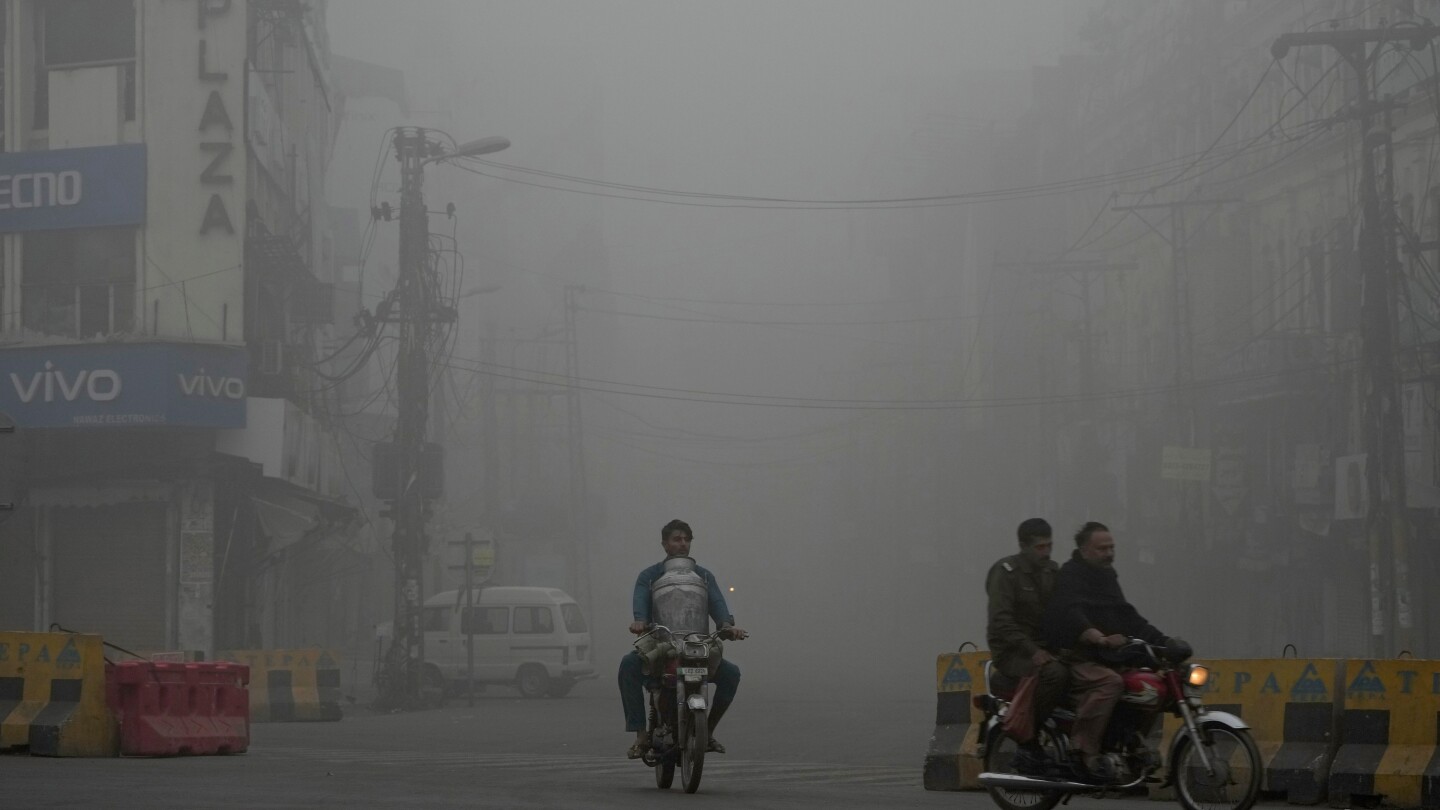
Pakistan uses anti-smog guns to fight air pollution in its cultural capital
In a groundbreaking move to address severe air pollution, Pakistani authorities have introduced anti-smog guns in Lahore for the first time this winter. Sajid Bashir, spokesperson for the Punjab Environment Protection Agency, confirmed that over a dozen truck-mounted devices are now operational across the city, spraying fine mists of water to reduce dust and airborne particles. While the initiative marks a proactive step, Bashir highlighted that vehicle emissions, industrial smoke, construction dust, and crop residue burning remain significant contributors to the worsening air quality. He also cautioned that cross-border winds could exacerbate the situation in the coming days. Lahore, once celebrated as the ‘City of Gardens’ for its Mughal-era greenery, now grapples with toxic smog each winter, a consequence of rapid urbanization and population growth. Last year, attempts to disperse the haze through artificial rainfall proved ineffective, leaving residents to endure school closures and prolonged indoor confinement. The deployment of anti-smog guns represents a renewed effort to mitigate the city’s annual environmental crisis.