
A sudden vehicle fire on Oud Metha Road in Dubai caused substantial traffic disruptions on Thursday afternoon, with delays stretching up to 38 minutes. The incident occurred near Al Wasl Club, heading towards Al Khail, around 4 PM. Eyewitnesses reported a white sedan engulfed in flames on the roadside, with thick black smoke billowing from its bonnet. The scene led to a slow-moving queue as drivers cautiously navigated past the burning vehicle. According to Google Maps, a 2.3-kilometer stretch of the road was highlighted in red, indicating severe congestion. Dubai Police promptly issued a safety advisory, urging motorists to exercise caution in the area. Authorities have reiterated the importance of regular vehicle maintenance to prevent such incidents, particularly during the scorching summer months when overheating and fuel leaks pose heightened risks. Simple preventive measures, such as monitoring coolant levels, avoiding overloading, and inspecting wiring, can significantly mitigate the chances of vehicle fires.
分类: society
-

RTA announces auction of 3, 4, 5-digit exclusive licence plates
Dubai’s Roads and Transport Authority (RTA) has announced its 81st online auction, offering 300 exclusive three, four, and five-digit licence plate codes for private and classic vehicles. The available codes will include letters from A, B, I, K, L, M, N, O, P, Q, R, S, T, U, V, W, X, Y, and Z. Registration for the auction will commence on Monday, October 27, with the bidding process set to begin on Monday, November 3, and run for five days. A 5% Value Added Tax (VAT) will apply to all sales, and participants must possess an active traffic file in Dubai. To participate, bidders must submit a security cheque of Dh5,000 payable to RTA, along with a non-refundable participation fee of Dh120. Payments can be made at RTA’s Customer Happiness Centres in Umm Ramool, Al Barsha, and Deira, or online via credit card on the RTA website (www.rta.ae). Winning bidders must complete payment within 10 working days post-auction, with options including cash (up to Dh50,000), certified cheque, or credit card for higher amounts.
-

Duo fined for damaging grassland at Xinjiang landmark
In a recent development, authorities in Hami, Xinjiang Uygur Autonomous Region, have imposed fines on two individuals for causing significant damage to grassland at a prominent landmark. The site, which bears the phrase ‘Serve the People,’ was compromised when Zhang and Li, the individuals involved, drove an off-road vehicle into a restricted area without permission in 2024. Their reckless drifting maneuvers resulted in substantial harm to the grassland, an act that was later shared online, drawing widespread public attention and concern. The Yizhou District Forestry and Grassland Bureau disclosed the incident in a statement on Thursday, detailing the penalties. Zhang was fined 12,000 yuan ($1,683), while Li was fined 8,000 yuan. Both individuals accepted the fines without contesting the charges. This incident underscores the importance of preserving natural and cultural landmarks, highlighting the need for stricter enforcement of regulations to protect such sites from vandalism and unauthorized activities.
-
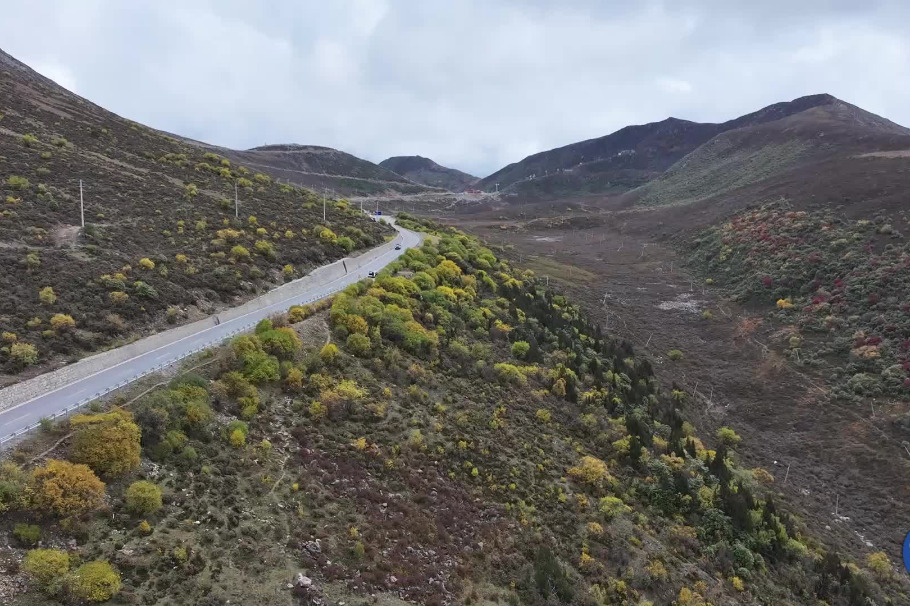
Nyingchi’s breathtaking autumn charm
As autumn descends upon Nyingchi in Xizang, the region transforms into a mesmerizing highland spectacle. Mount Namjagbarwa, towering at 7,782 meters, stands majestically under the clear autumn sun, its snow-capped peak glistening like a silent sentinel. Below, the valleys come alive with a vibrant tapestry of red maples, golden poplars, and green firs, interspersed with clusters of red and purple wild fruits. The gentle rustle of autumn leaves, stirred by the breeze, harmonizes with the serene peaks, creating a breathtaking seasonal panorama that captivates visitors and locals alike. This natural masterpiece in southeastern Xizang is a testament to the region’s unparalleled beauty, drawing tourists from around the globe to witness its splendor.
-

Saudi Arabia bans employers from charging domestic workers recruitment, permit fees
Saudi Arabia has introduced stringent regulations to safeguard the rights of domestic workers, prohibiting employers from imposing recruitment, work permit, or transfer fees. The Ministry of Human Resources and Social Development (MHRSD) issued the ‘Guide to the Rights and Obligations of Domestic Workers,’ which outlines comprehensive protections aimed at ensuring fair treatment and dignity for workers across the Kingdom. Employers found violating these rules face fines of up to SR20,000, a three-year ban on hiring domestic workers, and potentially permanent bans with doubled penalties for repeat offenses. The guide mandates timely wage payments, weekly rest days, eight hours of daily rest, and one month of paid leave after two years of service. Workers are also entitled to free return tickets home every two years, end-of-service bonuses, and up to 30 days of sick leave annually. Additionally, employers are barred from confiscating workers’ passports or iqamas, reinforcing their independence. The regulations cover a wide range of domestic roles, including housekeepers, drivers, nurses, and cooks, with provisions to expand the list as needed. Employers must provide suitable housing, healthcare, and a safe work environment, while workers are expected to maintain professionalism, respect household property, and adhere to Saudi laws and customs. The MHRSD emphasized that these measures reflect Saudi Arabia’s commitment to justice, equality, and human dignity in employment relationships, fostering a stable and ethical work environment.
-

Weekly quiz: Whose crown was stolen from the Louvre?
This week witnessed a series of significant events across the United States and beyond. Millions of Americans participated in the ‘No Kings’ protests, voicing their opposition to President Donald Trump’s policies in cities nationwide. Meanwhile, Amazon Web Services experienced a near-catastrophic outage that threatened to disrupt internet services globally. In the entertainment world, fans of the popular show ‘Strictly’ were left in shock as presenters Tess Daly and Claudia Winkleman announced their departure. Amidst these headline-grabbing events, the week also saw developments in France, including updates on crime, jewellery, and museums in Paris. For those keen on testing their memory of these events, quizzes curated by Ben Fell offer a chance to revisit last week’s happenings or delve into the archives for a broader perspective.
-
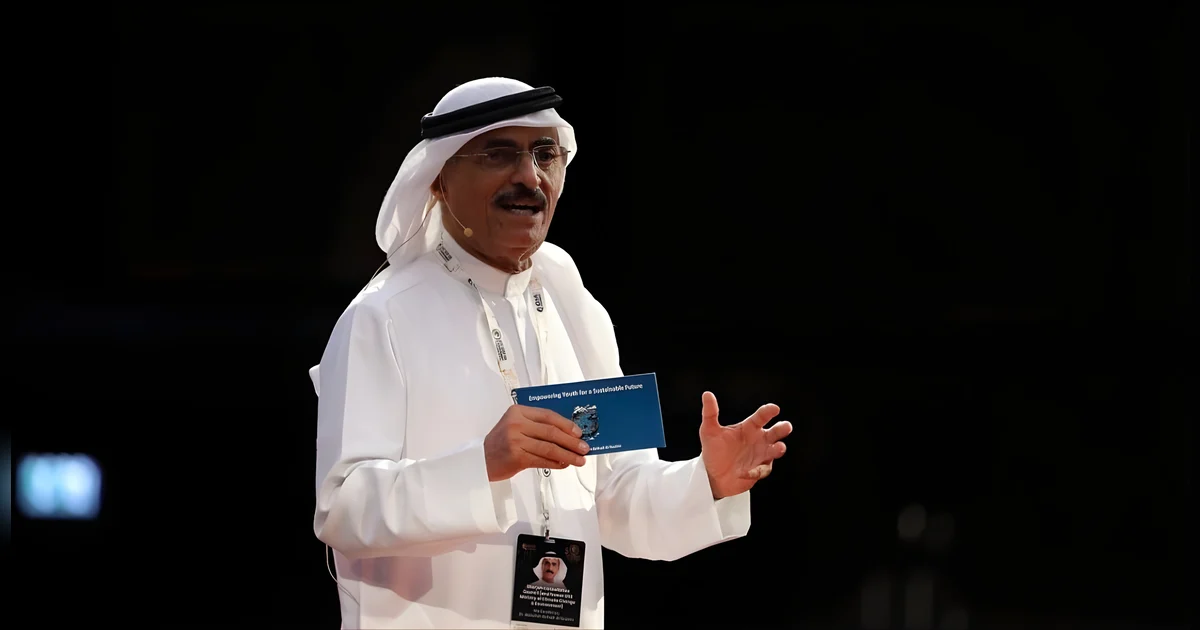
Community involvement and its impact on reshaping our cities
As urbanization accelerates globally, the importance of inclusive urban design has become a central focus. Dr. Abdullah Belhaif Alnuaimi, a prominent Emirati leader in environmental policy and sustainable innovation, emphasizes that cities are not merely physical spaces but reflections of societal values, priorities, and aspirations. The shift from traditional urban planning to participatory models is reshaping urban landscapes, ensuring that diverse populations are represented in the development process.
Historically, urban planning often relegated communities to reactive roles, consulting them only after major decisions were made. Today, the paradigm has shifted towards co-creation, empowering residents to actively shape their environments from the outset. Tools such as collaborative idea generation sessions, Geographic Information Systems (GIS), and digital surveys are enabling a broader, more democratic vision of urban development. This approach is not only strategic but also leverages the skills and experiences of communities to produce locally resonant solutions.
Examples of this transformative approach can be seen globally. In Sharjah, United Arab Emirates, municipal councils play a pivotal role in ensuring that projects align with cultural values and modern urban planning principles. Similarly, Medellín, Colombia, has adopted an ‘urban acupuncture’ model, engaging residents in identifying areas for micro-interventions, such as public escalators in hilly districts, which have significantly improved mobility and dignity for residents.
Equity in accessibility is another critical aspect of inclusive urban design. Cities like São Paulo, Brazil, and Vienna, Austria, are using innovative mapping techniques and gender mainstreaming to address disparities in housing, transportation, and public spaces. Copenhagen, Denmark, has re-established affordable housing to ensure social equity, while Tokyo, Japan, focuses on initiatives to support its aging population.
Universal Design (UD) principles are also gaining traction, emphasizing accessibility for individuals of all ages, abilities, and backgrounds. From step-free access to tactile signage and audible alerts, UD ensures that urban spaces are inclusive and cost-effective from the outset.
Climate resilience is another cornerstone of inclusive urban development. Green infrastructure strategies, such as community gardens, tree canopy expansion, and permeable pavements, are being implemented to mitigate environmental risks that disproportionately affect marginalized groups. New York’s ‘cool roofs’ initiative, for instance, targets low-income areas with reflective roof coatings to combat urban heat islands.
Cultural diversity is equally vital in urban design. Public spaces that reflect the cultural identities of their communities, such as Toronto’s Regent Park and Sharjah’s heritage zones, foster intercultural dialogue and a sense of belonging.
As Dr. Alnuaimi aptly notes, ‘We cannot seek achievement for ourselves and forget about progress and prosperity for our community.’ The future of urban development lies in community-driven, inclusive, and sustainable practices that address the needs of all residents.
-

Man found guilty of Kieran Quilligan murder
In a chilling case that has gripped the Republic of Ireland, 33-year-old Niall Long has been found guilty of the murder of Kieran Quilligan, a 47-year-old man whose skeletal remains were discovered in a carrier bag in a County Cork ravine. The victim had been missing for five months before his remains were found by An Garda Síochána (Irish police) in February 2024. Quilligan was last seen alive on September 1, 2023. The Central Criminal Court in Cork heard that Quilligan was ‘lured’ to his death, according to prosecution senior counsel Donal O’Sullivan, who praised the meticulous investigative efforts of the gardaí in uncovering the remains. Due to the advanced state of decomposition, the exact cause of death could not be determined. However, a pathologist testified that injuries, including fractures to the ribs, chest, neck, and skull, indicated a ‘severe assault.’ The jury is set to resume deliberations on Friday regarding Long’s co-accused, 27-year-old Luke Taylor, who denies involvement in the murder. The case has shed light on the challenges of investigating such harrowing crimes and the dedication of law enforcement in pursuing justice.
-

Experts call for gender equality in digital future at UNESCO forum
At the 13th Forum of UNESCO Chair in Media and Gender, held recently in Beijing, experts emphasized the urgent need for gender equality in the digital future. The event, co-organized by the UNESCO Chair and the Global Exchange and Cooperation Center for Digital Empowerment of Women, brought together over 100 participants from 27 countries. Key discussions focused on creating inclusive digital ecosystems, enhancing artificial intelligence literacy, and ensuring women benefit equally from technological advancements. Zhang Dongmei, Vice-President of the All-China Women’s Federation, highlighted the importance of building a fair digital ecosystem to accelerate women’s development. Hu Bangsheng, a member of the China Writers’ Association, noted the digital era’s potential to empower women in literature. Shahbaz Khan, Director of the UNESCO Regional Office for East Asia, stressed the need for AI ethics, media literacy, and cross-sector partnerships to support women in the digital age. The forum coincided with the 7th Global Women’s Development Seminar, organized by the Global Women’s Development Institute, which has been held annually since 2019.
-
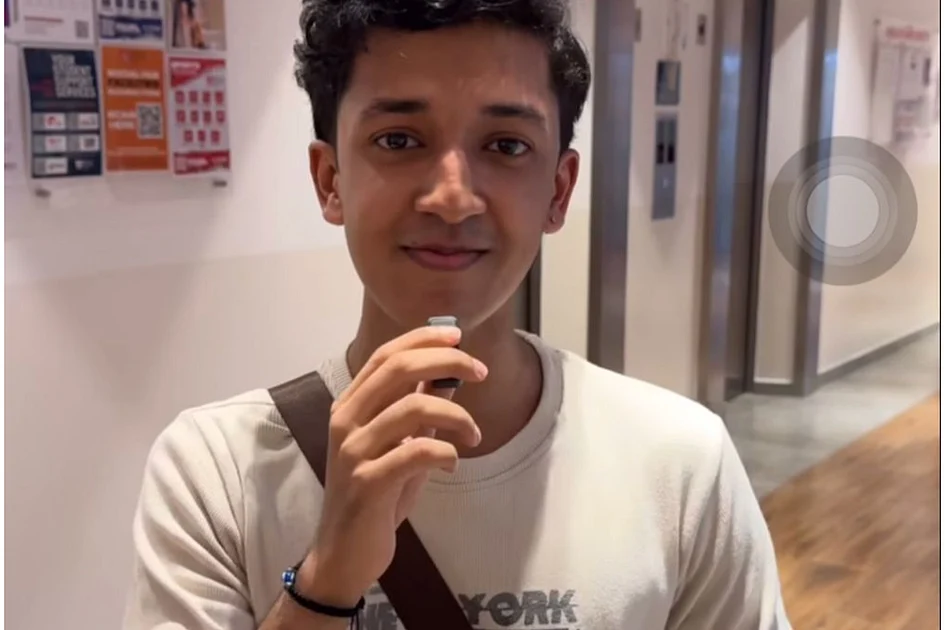
Dubai school postpones events after sudden death of former student
The GEMS Our Own Indian School in Dubai has postponed all upcoming events following the sudden and tragic death of Vaishnav Krishnakumar, an 18-year-old former student who passed away on Tuesday night. Vaishnav, who had recently graduated from the school in August 2025, collapsed during Diwali celebrations with friends. Preliminary reports suggest the cause of death was cardiac arrest. Vaishnav had spent 14 years at the school and was pursuing a BBA in Marketing at Middlesex University Dubai. His mother, Vidhu Krishnakumar, is a STEAM teacher at the school, and his younger sister is also a student there. The school community has been deeply affected by the loss, with the administration issuing a circular to parents expressing their grief and requesting prayers for the family. All planned festivities, including Pink Day and the Family First Carnival, have been deferred or rescheduled. Vaishnav was remembered by friends and faculty as a bright, accomplished, and beloved student who had served as Head of the School Council and excelled in debating and academics. His body has been repatriated to Kerala, and the community awaits the post-mortem report for further clarity on the cause of his untimely demise.