分类: society

  • Keeping teens safe in the digital world: A shared responsibility

    Keeping teens safe in the digital world: A shared responsibility

    In an era where adolescent development is increasingly intertwined with digital interactions, the United Arab Emirates has emerged as a global leader in promoting responsible online ecosystems. The nation’s pioneering initiatives, particularly the Digital Wellbeing Pact established in collaboration with the Digital Wellbeing Council, demonstrate a proactive approach to creating age-appropriate digital experiences for younger users.

    The convergence of physical and virtual worlds has created unprecedented challenges for modern parenting, with concerns ranging from cyberbullying and harmful content exposure to data privacy violations. Recent international studies indicate these apprehensions remain consistently high among caregivers worldwide, highlighting the critical need for embedded safety mechanisms within digital platforms rather than treating protection as an optional feature.

    Technology companies are responding with innovative solutions that balance parental oversight with adolescent autonomy. Snapchat’s recently introduced Home Alerts feature exemplifies this approach, enabling guardians to receive notifications when teens reach designated safe locations while requiring explicit consent from the young users. This dual emphasis on protection and independence aligns with the UAE’s vision of creating environments where families feel both empowered and secure.

    Beyond technical features, Snap’s enhanced Family Center provides comprehensive resources including step-by-step guides, frequently updated instructional videos, and region-specific materials adapted for cultural relevance. The platform’s quarterly refreshed materials and downloadable conversation starters facilitate meaningful family dialogues about digital citizenship.

    The complexity of online safety demands collaborative engagement across multiple sectors. The UAE’s multi-stakeholder approach brings together policymakers, technology platforms, and educational institutions through frameworks like the Digital Wellbeing Council and the Abu Dhabi Early Childhood Authority. This cooperative model recognizes that effective digital protection requires ongoing commitment rather than seasonal attention.

    While technological solutions provide critical safeguards, experts emphasize that open family communication remains fundamental to digital wellbeing. Continuous conversations about online risks—including misinformation, social pressure, and mental health impacts—build trust and resilience among young users. Educational resources such as Digital Wellness Toolkits and Family Safety Hubs equip both generations with necessary navigation skills.

    As digital landscapes continue evolving, the collective responsibility shared by families, technology companies, and governments will determine whether online spaces become environments where teenagers can genuinely thrive rather than merely exist. The UAE’s leadership in this arena offers a replicable model for global digital safety initiatives.


  • Why Gen-Z is rethinking failure and how to navigate it

    Why Gen-Z is rethinking failure and how to navigate it

    Generation Z finds itself at a critical crossroads, compelled to fundamentally redefine societal notions of failure and accountability in an era of unprecedented digital connectivity. Unlike previous generations, today’s youth navigate a world where global awareness amplifies personal anxieties about career aspirations and financial stability.

    The digital revolution has created what psychologists term ‘the comparison paradox’ – constant exposure to curated success stories worldwide has generated unprecedented pressure while simultaneously revealing systemic inequalities. This generation grapples with existential questions about meritocracy’s validity when confronting repeated setbacks in achieving promised lifestyles.

    Contemporary analysis reveals Gen Z’s distinctive approach to failure attribution. Where previous generations typically internalized setbacks, digital natives demonstrate heightened awareness of institutional and systemic barriers. This perspective shift represents both adaptive resilience and potential avoidance of personal accountability, creating complex psychological dynamics.

    Mental health experts identify this generational characteristic as ‘contextualized failure assessment’ – the ability to recognize how external factors contribute to personal outcomes without completely absolving individual responsibility. This balanced approach allows for constructive criticism of systems while maintaining personal agency.

    The article draws from personal narrative illustrating this evolution: from dishwashing positions to editorial mastheads, demonstrating how perceived failures transformed into foundational experiences. This journey exemplifies Gen Z’s emerging paradigm where setbacks become data points rather than destiny determinants.

    Professional psychologists note this generation’s development of ‘productive resilience’ – building support networks and self-empathy practices that acknowledge systemic challenges while cultivating personal growth. This represents a significant departure from traditional ‘pull yourself up by bootstraps’ mentality, incorporating both structural awareness and personal accountability.

    Ultimately, Generation Z’s redefinition of failure may represent the most significant psychological adaptation to digital transformation, creating new frameworks for success measurement that acknowledge both personal effort and systemic realities in our interconnected world.

  • Watch: Quebec debates stricter rules on religion in public spaces

    Watch: Quebec debates stricter rules on religion in public spaces

    A contentious legislative proposal in Quebec has sparked vigorous debate across the Canadian province, focusing on the proper place of religious expression within public institutions. The proposed bill, currently under consideration by provincial lawmakers, seeks to expand existing secularism laws by imposing stricter limitations on religious symbols and practices in government-funded spaces.

    The BBC’s recent documentary from Montreal captured diverse perspectives from Quebec residents amidst freezing temperatures, revealing deep divisions within society. Proponents argue the legislation reinforces state secularism and promotes cultural cohesion, while opponents contend it disproportionately targets religious minorities and infringes upon personal freedoms.

    This legislative initiative builds upon Quebec’s historical journey with secularism, notably through Bill 21 passed in 2019, which already restricted some public servants from wearing religious symbols at work. The new proposal would potentially extend these restrictions to additional public venues and situations, raising complex questions about the balance between state neutrality and individual rights.

    Legal experts anticipate constitutional challenges should the bill pass, as it would likely face scrutiny under Canada’s Charter of Rights and Freedoms. The debate reflects broader tensions between Quebec’s distinct cultural identity within the Canadian federation and evolving multicultural realities across the province.

  • Pickleball drives Shangyou’s green growth

    Pickleball drives Shangyou’s green growth

    The rural Chinese county of Shangyou in Jiangxi Province has transformed an unlikely sporting equipment—the pickleball paddle—into an engine for environmentally conscious economic growth, drawing international recognition for its innovative development approach.

    International observers participating in a Belt and Road Initiative training program recently witnessed firsthand how this mountainous region has strategically leveraged the rapidly growing sport to drive tourism while preserving its ecological integrity. The delegation, which included academics, journalists, and public servants from multiple nations, concluded a field visit with a pickleball experience event showcasing the county’s signature industry.

    Lim Chong Heng, a Malaysian university lecturer, noted the exceptional air quality and natural surroundings, stating that Shangyou’s environment makes it ideally suited for short retreats and extended weekend stays. He particularly endorsed the local government’s decision to implement subsidy programs supporting pickleball development, predicting that tournament hosting would significantly boost visitor numbers and stimulate local economic activity.

    Shangyou’s systematic approach to pickleball development began in 2023 when officials identified the sport’s accessibility, social nature, and space efficiency as ideal characteristics for their national fitness strategy. This recognition evolved into a comprehensive three-year action plan (2024-2026) featuring substantial financial commitments, including annual allocations of 13 million yuan ($1.8 million) in subsidies and dedicated funds for tournament hosting.

    The infrastructure development has been equally impressive: the county has already constructed or upgraded over 300 courts distributed across communities, educational institutions, and public parks, establishing what officials term a “10-minute sports circle” for residents. Looking ahead, an even more ambitious blueprint aims to expand the network to 500 courts by 2028, creating a “5-minute sports circle” while allocating 10 million yuan annually to support the entire pickleball industry ecosystem.

    The international visitors universally praised the environmental compatibility of this development model. Tsaone Basimanebotlhe, a journalist from Botswana, emphasized that sports constitute a genuinely green industry that preserves rather than damages natural surroundings. She noted the minimal spatial requirements of pickleball and expressed admiration for Shangyou’s well-preserved landscape and protected areas.

    Echoing this sentiment, Tsegaye Girma, an Ethiopian public servant, characterized pickleball development as “a very good choice” for economic stimulation. He further commended China’s broader environmental protection and green development practices as valuable lessons for his home country, explicitly stating that “Chinese development is green development.”

    The economic returns already demonstrate the strategy’s effectiveness: tournament events have consistently filled local hotels and restaurants with visitors. Official statistics reveal that from January to September, Shangyou recorded approximately 9.3 million tourist visits, generating over 9.4 billion yuan in tourism revenue—representing year-on-year increases of 8.1% and 8.5%, respectively.

  • Dubai: Mountaineer, 64, scales Mount Gori Chen in Himalayas

    Dubai: Mountaineer, 64, scales Mount Gori Chen in Himalayas

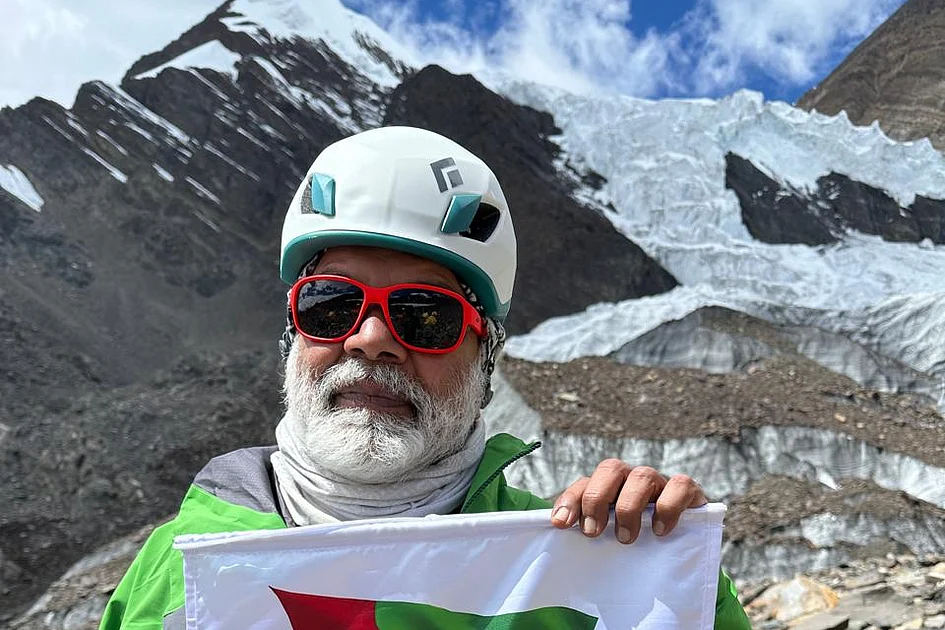
    In an extraordinary demonstration of human resilience, 64-year-old Dubai resident and veteran mountaineer Jayesh Choksi has successfully summited Mount Gori Chen in the Eastern Himalayas. The challenging ascent to 6,488 meters (21,286 feet) near the contentious India-China border in Arunachal Pradesh represents another significant achievement in Choksi’s extensive climbing career spanning numerous global peaks.

    The December expedition carried symbolic significance beyond personal accomplishment. Choksi proudly planted the flag of Dubai-based Kanz Jewels at the summit, creating a powerful visual statement against the breathtaking Himalayan backdrop after days of strenuous climbing through difficult terrain and extreme altitude conditions.

    Reflecting on his achievement, Choksi offered an inspirational perspective: “Dreams don’t retire, they climb higher. At 64, I wanted to remind everyone that passion and courage can take you to unimaginable heights.” His accomplishment challenges conventional perceptions about age limitations and physical achievement.

    Anil Dhanak, Managing Director of Kanz Jewels, extended congratulations to the mountaineer, noting that Choksi’s triumph perfectly embodies the jewelry brand’s core values of resilience, ambition, and pushing beyond perceived limitations. The successful expedition serves as a metaphor for overcoming challenges regardless of age or circumstance.

    The ascent of Mount Gori Chen, while not among the world’s highest peaks, presents significant technical challenges and requires substantial mountaineering expertise, particularly given its remote location and proximity to sensitive border areas. Choksi’s accomplishment highlights the growing trend of older athletes continuing to pursue ambitious physical challenges and redefining expectations of aging.

  • UAE: Palestinian-Jordanian expat on why money is both a ‘blessing and a test’

    UAE: Palestinian-Jordanian expat on why money is both a ‘blessing and a test’

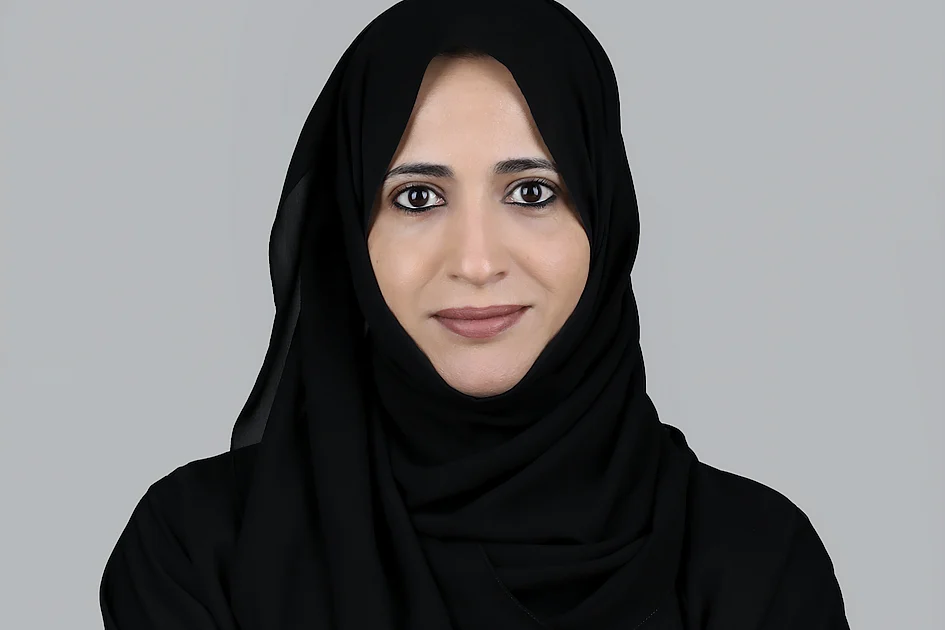
    Dr. Eman AbuKhousa, a Palestinian-Jordanian professor of information technology at the University of Europe for Applied Sciences in Dubai, is redefining financial literacy through a unique cultural lens. As a STEM champion and data science expert specializing in digital transformation strategies, she applies professional analytical rigor to personal finance while maintaining profound philosophical perspectives inherited from her heritage.

    In a recent interview, Dr. AbuKhousa described money as both “a blessing and a test”—a concept deeply rooted in her cultural background where wealth is perceived as rizq (divine provision) rather than personal property. This duality shapes her approach: while she strategically manages finances through meticulous Excel sheet planning, she maintains awareness that money’s true value lies in its utilization for personal, familial, and communal benefit.

    The professor credits her mother as her primary financial influence, recalling maternal wisdom that “in exile, money is like a homeland.” This proverb proved particularly prescient during a crisis when Dr. AbuKhousa found herself stranded abroad, realizing that financial resources represented not luxury but essential security and peace of mind.

    Her financial education came through hard-won experience rather than textbooks. “Life itself” served as her most effective teacher, with overdue debts and emotional shopping sprees providing harsh but valuable lessons about fiscal responsibility.

    Living in the UAE has significantly altered her financial perspective, introducing new budget categories like brunches and valet parking while fostering an environment where ambition and self-investment are normalized. The Emirates’ opportunity-rich landscape has reinforced her belief that financial independence means “having enough when you need it most” rather than pursuing excessive wealth.

    Dr. AbuKhousa’s unconventional approach to money discussions involves self-dialogue through spreadsheets and occasional “financial therapy” sessions with trusted friends during dinners. Her advice to younger generations emphasizes that money’s value derives not from spending but from wise allocation, noting that “shoes wear out, trends fade, but choices made with sense turn money into real value.”

  • UAE national themes: A decade of innovation, sustainability, and community building

    UAE national themes: A decade of innovation, sustainability, and community building

    Over the past ten years, the United Arab Emirates has pioneered a distinctive approach to national development through its annual thematic framework. Initiated in 2015 under the leadership of Sheikh Mohammed bin Rashid Al Maktoum, Vice-President and Prime Minister of the UAE and Ruler of Dubai, this strategy has transformed from the inaugural ‘Year of Innovation’ into an integrated system guiding governmental priorities and civic engagement.

    The program’s evolution demonstrates strategic progression from foundational capacity-building to sophisticated social development. Initial themes concentrated on establishing future-ready infrastructures, with innovation (2015), reading (2016), and giving (2017) creating platforms for technological advancement, cultural enrichment, and philanthropic initiatives. The 2018 ‘Year of Zayed’ provided historical grounding by reemphasizing the foundational principles of the nation’s establishment.

    Subsequent years witnessed a deliberate shift toward social cohesion and global positioning. The 2019 ‘Year of Tolerance’ established the UAE as an international exemplar of multicultural coexistence, while the ‘Year of Preparation for the Next 50 Years’ (2020-2021) engaged citizens in envisioning the nation’s future trajectory.

    Environmental sustainability emerged as a paramount concern through consecutive thematic years in 2023 and 2024, signaling profound commitment beyond symbolic gestures. This extended focus facilitated comprehensive policy implementation ranging from renewable energy infrastructure to circular economy models, culminating in the UAE’s prominent hosting of COP28.

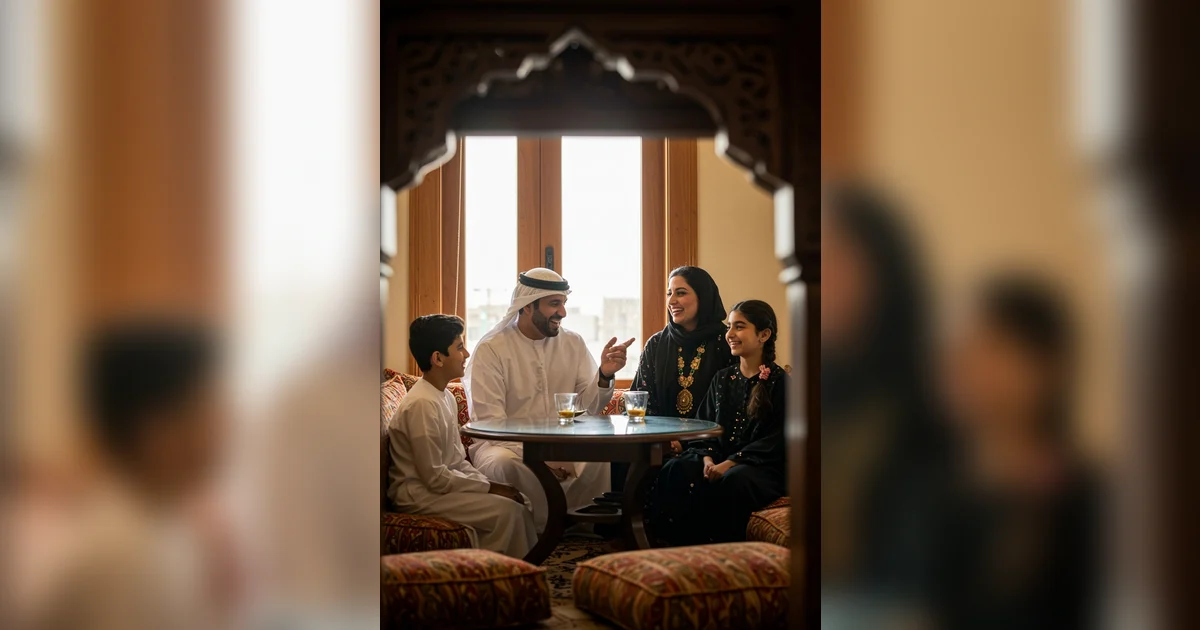
    The current ‘Year of Community’ (2025) emphasizes social interconnectedness and collective wellbeing through collaborative initiatives across public and private sectors. Looking forward, 2026 has been designated the ‘Year of the Family’ by President Sheikh Mohamed bin Zayed Al Nahyan, aligning with the National Family Growth Agenda 2031. This forthcoming theme will prioritize intergenerational bonds, work-life balance, and family-centric policies as fundamental to national resilience.

    This decade-long thematic approach represents a sophisticated governance model that synchronizes long-term strategic vision with actionable annual priorities, creating both institutional alignment and civic participation in national development.

  • Global South Journalism steps into the spotlight as Viory launches Global South Video News Awards

    Global South Journalism steps into the spotlight as Viory launches Global South Video News Awards

    In a landmark move for international journalism, Abu Dhabi-based Viory has inaugurated the Global South Video News Awards, creating the first dedicated platform to honor visual storytellers reshaping global perceptions of the Global South. The announcement, made in Abu Dhabi, establishes a prestigious recognition program for video journalists whose work has historically been overlooked by mainstream media institutions.

    The awards initiative emerges as Global South journalists increasingly drive global narratives with authentic, ground-level reporting that challenges outdated media frameworks. Rather than merely emerging, the region’s journalism has firmly established itself as a creative and narrative force, capturing world events with unprecedented immediacy and contextual depth.

    Scheduled to coincide with the BRIDGE Summit on December 9, the awards will recognize footage published between December 2024 and December 2025 across four distinct categories. Each winner will receive Dh12,000 in recognition of their contribution to visual journalism. The categories include: Vital Footage Award (for indispensable storytelling), Best Camerawork (technical and artistic excellence), Exclusive Lens (unique access to key moments), and Most Creative Shot (innovative production techniques).

    According to Viory General Manager Zulayho Siddikova, the awards address growing demand for unfiltered reporting: ‘The Global South Video News Awards celebrate journalism that matters – work that doesn’t just tell stories but makes audiences live them.’

    The program reflects broader shifts in news consumption patterns, with audiences increasingly prioritizing credibility, human context, and real-time verification – qualities consistently delivered by Global South video journalists. In an era of misinformation concerns, verified on-the-ground footage has become essential to global understanding.

    A regional jury of editors and media leaders will select twelve nominees, all invited to Abu Dhabi for the ceremony. The initiative enjoys support from prominent organizations including the Emirates News Agency, TRENDS Research & Advisory, University of Sharjah, African Union of Broadcasting, and multiple international broadcasting unions.

    Viory, headquartered in Abu Dhabi, has established itself as a premier video news hub for the Global South, maintaining a network of thousands of journalists and hosting over 180,000 clips with 400+ hours of monthly live streams across six languages. The platform delivers comprehensive coverage of breaking news, politics, business, sports, technology, and cultural developments across the Global South.

  • Sharjah’s Independence Square opens with stunning new look, transforming area

    Sharjah’s Independence Square opens with stunning new look, transforming area

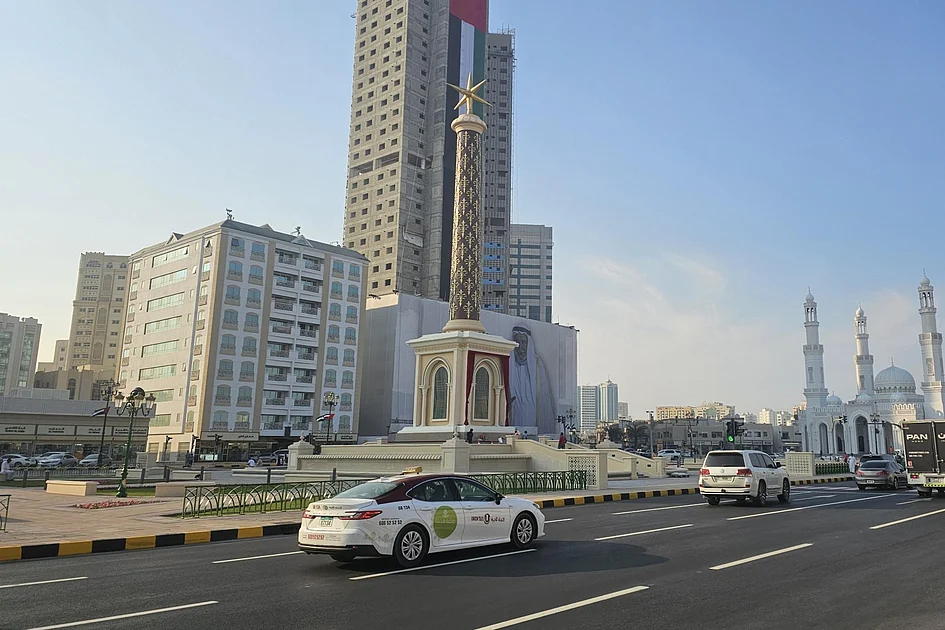
    Sharjah has unveiled a comprehensively redeveloped Independence Square, marking a significant urban renewal achievement in the heart of the emirate. The landmark transformation, officially inaugurated by Sheikh Dr Sultan bin Muhammad Al Qasimi, Supreme Council Member and Ruler of Sharjah, has fundamentally altered the area’s aesthetic character and functionality.

    The revitalized square centers around a striking 34-meter monument topped with a seven-pointed star, but the changes extend throughout the surrounding neighborhood. Extensive renovation works have produced uniformly painted building facades in cohesive beige tones, substantially upgraded pedestrian pavements, freshly marked roadways, and standardized commercial signage throughout the district.

    Local residents and business proprietors have welcomed the urban enhancement initiative, noting the remarkable pace of transformation particularly in the weeks preceding UAE National Day celebrations. Shop owners reported rapid installation of new standardized signboards featuring coordinated beige-and-black designs that replaced previous heterogeneous signage.

    Mohammed Faizal, a sweet shop operator, noted the swift implementation: ‘The signage transition occurred within days. The old boards disappeared and new, matching designs appeared almost immediately, creating a smart and attractive streetscape.’

    While renovation works caused temporary disruptions including construction noise and dust over several months, merchants unanimously agree the final result justifies the inconvenience. Electronic shop owner Rajesh Kumar expressed community sentiment: ‘Witnessing the gradual transformation through repainting, repairs, and installations has culminated in a result that fills us with pride. The area has acquired an entirely fresh identity.’

    The redevelopment represents Sharjah’s ongoing commitment to urban beautification and functional improvement of public spaces, enhancing both quality of life for residents and commercial appeal for local businesses.

  • Hong Kong races to remove scaffolding nets on all buildings after deadly fire kills 159

    Hong Kong races to remove scaffolding nets on all buildings after deadly fire kills 159

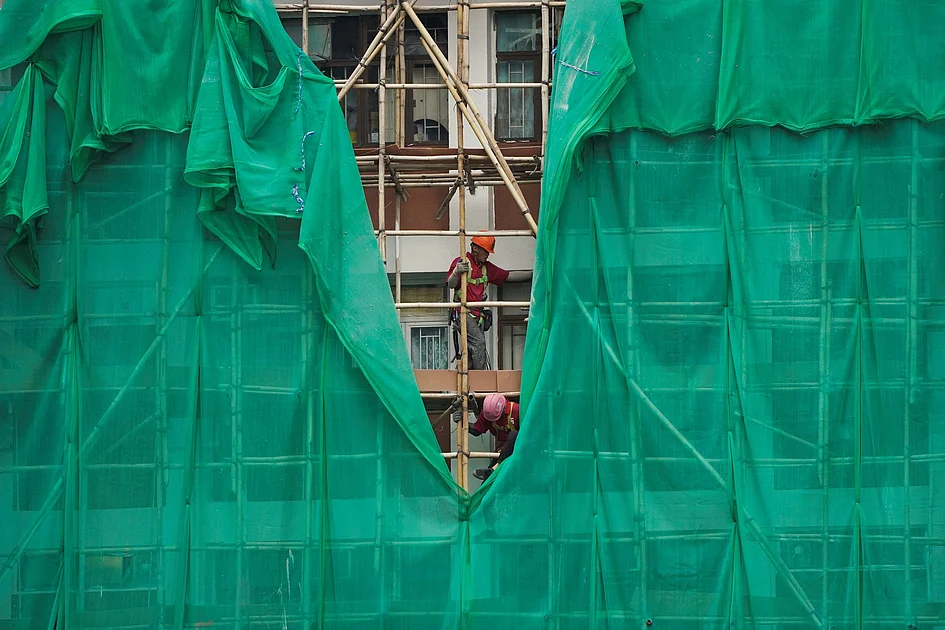
    Hong Kong authorities have launched an urgent city-wide operation to remove all scaffolding safety nets from buildings undergoing renovation after investigators identified the material as a key factor in the catastrophic Wang Fuk Court fire that claimed 159 lives. The government mandate requires complete removal from both public and private residential buildings by Saturday, effectively halting renovation projects across the financial hub indefinitely.

    The unprecedented safety directive follows what has become Hong Kong’s deadliest fire in decades, which engulfed seven high-rise apartment blocks on November 26. Forensic analysis indicates that substandard plastic mesh netting and insulation foam significantly accelerated the blaze, which burned for 40 hours. Additionally, malfunctioning fire alarm systems failed to provide adequate warning to residents.

    Law enforcement agencies have taken 21 individuals into custody during their investigation, including 15 construction company employees suspected of manslaughter. Among those arrested are two directors and an engineering consultant from Prestige Construction, the primary contractor at the affected housing complex. Six additional arrests involved fire service installation contractors on suspicion of fraud.

    The tragedy has exposed critical gaps in building safety oversight, despite residents having raised concerns about fire hazards during renovations the previous year. In response to mounting demands for accountability, City Leader John Lee has established a judge-led commission to investigate the disaster and review renovation oversight protocols.

    Development Secretary Bernadette Linn confirmed that over 200 private buildings and more than 10 public housing structures must comply with the netting removal order, with contractors bearing all associated costs. The Building Department plans to implement a new safety code next week requiring on-site sampling of all scaffold net materials and laboratory certification before reinstallation.

    Authorities are additionally investigating allegedly falsified safety documentation for netting supplied by a manufacturer based in Shandong, China, which was utilized at multiple renovation sites including one involving Prestige Construction.

    The human toll continues to emerge, with 140 victims identified from the recovered bodies—91 females and 49 males ranging from one to 97 years old. Thirty-one individuals remain unaccounted for, including foreign domestic helpers from Indonesia and the Philippines. Approximately 2,900 displaced residents have been relocated to temporary accommodations, with 1,152 in hostels, camps, or hotels, and another 1,765 moved into transitional housing units.